A helicopter that deploys a swarm: Why are Chinooks being converted into drone carriers?

The idea of a swarm of drones is not new in and of itself. What is new is something else—the way they are used.
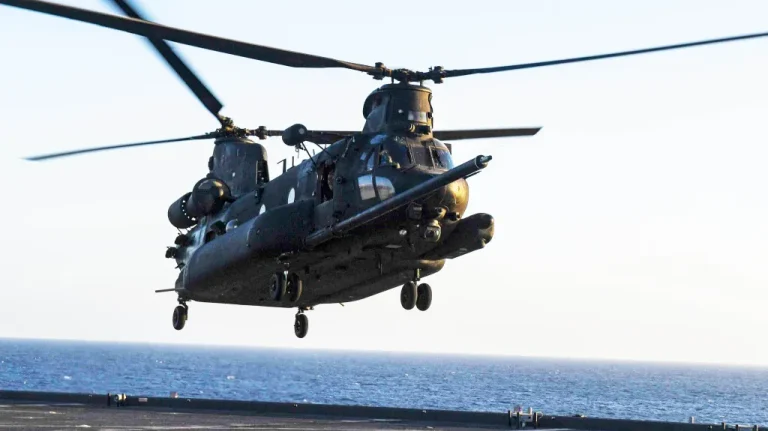
Whereas previously the focus was on launches from the ground or from ships, attention is now shifting to the air. In this context, the CH-47 Chinook heavy-lift transport helicopter is beginning to be viewed not only as a means of transport but also as a full-fledged platform for deploying unmanned systems.
And not just single units.
Dozens at once.
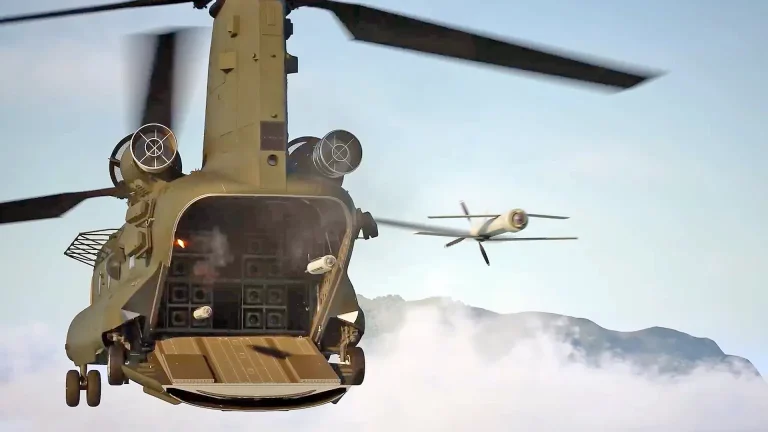
Main idea: “flying container”
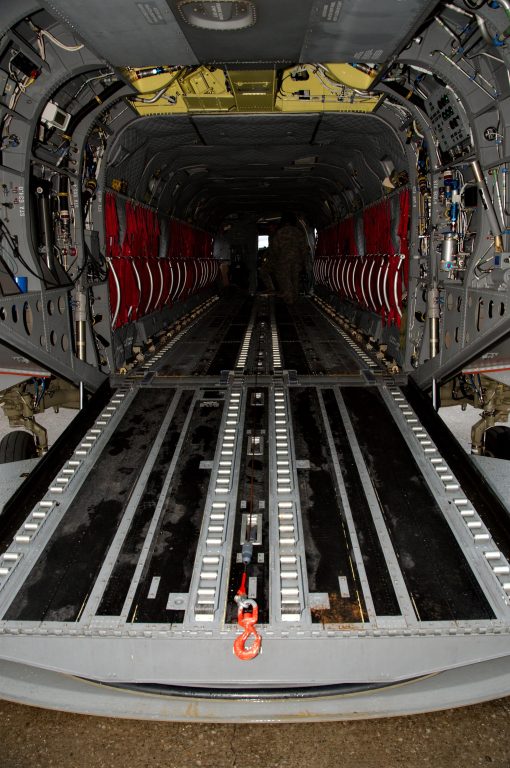
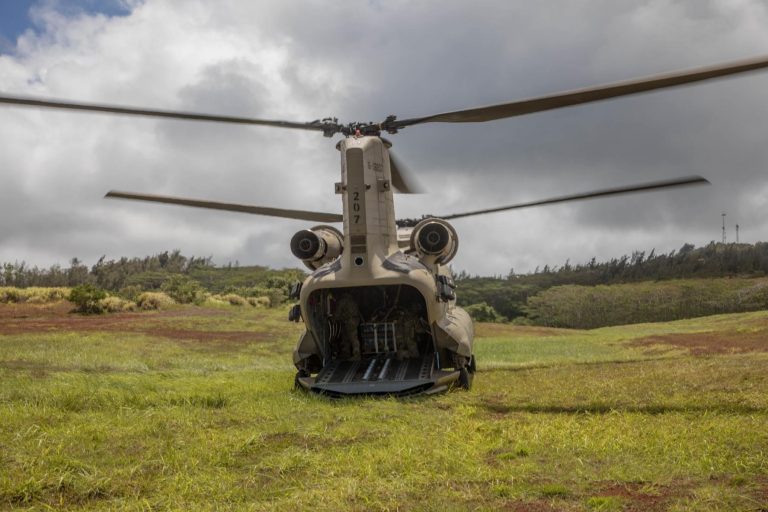
The Chinook’s key advantage is its cargo compartment.
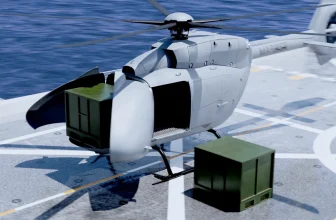
It was originally designed as a transport helicopter with a large interior volume and a rear ramp. This allows it to carry not just cargo, but entire modules—including containers with drones.
It is precisely this feature that makes it a convenient platform for launching.
Unlike helicopters, where drones are suspended on the outside, the Chinook can carry a large number of them inside and deploy them directly while in flight.
In effect, it becomes a mobile “launcher.”
Not just drones, but “launched effects”
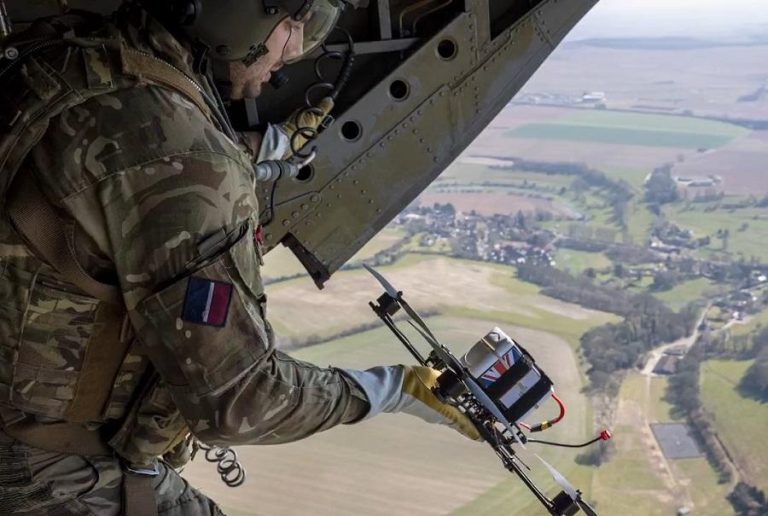
In American terminology, all of this is encompassed by the term “launched effects.”
These aren’t necessarily conventional UAVs.
This could refer to:
reconnaissance aircraft,
loitering munitions,
communications repeaters,
and electronic countermeasures.
What matters is not each individual unit, but their number and how they work together.
Roy allows you to:
overwhelm air defense systems,
expand the surveillance area,
and create jamming and decoys.
Why Chinook, of all things?
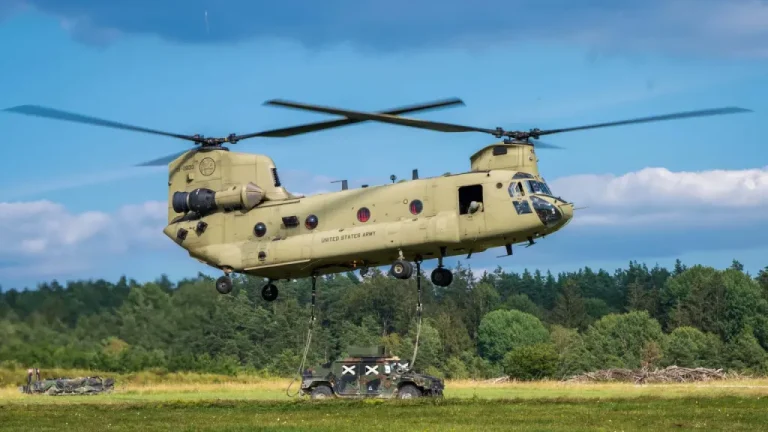
The CH-47 Chinook itself is not a new aircraft. It has been in service since the 1960s and remains one of the U.S.’s primary heavy transport helicopters.
But it was precisely his build that unexpectedly proved to be a good fit for the new role.
The large cargo compartment allows the aircraft to carry significantly more drones than platforms with external launch containers.
In addition, the helicopter can:
operate at low altitudes,
make use of complex terrain,
and approach the launch area covertly.
This makes it a convenient platform for deploying the swarm at the desired location.
Scale: from tens to “hundreds”
The figures under discussion are directly related to the vehicle’s interior volume.
The Chinook is capable of carrying significantly more drones than other helicopters in its class, precisely because of its internal cargo capacity.
In this context, the discussion is not limited to lightweight devices.
This also applies to larger drones with a range of up to hundreds of kilometers and a flight time of up to one hour.
These are no longer just “consumables,” but full-fledged components of the system.
How It Should Work
The use case seems quite logical.
The helicopter flies to the designated area, remaining outside the immediate strike zone.
After that:
The ramp opens,
a group of drones is released,
and they continue carrying out the mission.
The Chinook itself can either leave or remain in the area as a relay and command node.
In fact, it becomes not just a carrier, but part of the control system.
What Has Already Happened—and What Has Changed
Attempts to launch drones from helicopters have been made before. For example, the British have already tested dropping FPV drones from a Chinook as part of tactical experiments.
But back then, the focus was on local solutions.
The approach is changing now.
This is no longer an experiment, but an attempt to integrate such a system into the future architecture of military operations.
Restrictions
Despite its obvious advantages, this concept also has its weaknesses.
Chinook remains a large and conspicuous target.
It is vulnerable within the range of modern air defense systems.
In addition, the swarm’s effectiveness itself depends heavily on the level of automation and coordination among the drones.
And finally, there is the question of cost: the widespread use of even relatively inexpensive devices requires sustainable production.
Why Is This Important?
The most interesting thing here isn’t the helicopter itself.
And a change in role.
Vehicles are gradually becoming platforms for distributed systems. This is no longer simply about delivering cargo, but about deploying combat capabilities at the desired location.
This is precisely the direction in which modern aviation is heading today.
Conclusion
The idea of launching a swarm of drones from a Chinook is not an attempt to “enhance” the helicopter.
This is an attempt to change the very principle behind the use of aviation.
From a platform that operates on its own—to a system that produces other systems.
And if this system proves to be effective, the helicopter will no longer be just a means of transportation.
It will serve as the entry point to an entire network of unmanned vehicles.
источник https://www.twz.com/air/ch-47-chinook-air-launching-swarms-of-drones-touted-as-future-feature