A Little-Known Episode of the Great Patriotic War. In July 1941, the Soviet Air Force dominated the Baltic region. Why didn't the USSR take advantage of this?

In the collective consciousness, the summer of 1941 is inextricably linked with images of the Luftwaffe’s devastating strikes against Soviet airfields, burning airplanes on the runways, and the complete dominance of German aviation in the skies. However, history records episodes that do not fit into this established picture. One such little-known fact relates to July 1941, when the Soviet Air Force effectively controlled the airspace over the Baltic states and the Leningrad sector. This period has been overshadowed by the larger-scale tragedies of the war’s early days, but it deserves careful study, as it sheds light on the Red Army’s actual capabilities during one of the most difficult moments of the Great Patriotic War.
The Strategic Importance of the Baltic States and the Luzhsky Line
The annexation of the Baltic republics by the Soviet Union in 1940 is often underestimated in historical literature. Yet it was precisely these territories that served as a vital buffer, buying precious time to organize defenses on the approaches to Leningrad. From the very first days of the war, fortifications were hastily erected along the Luga Line—a defensive line stretching from the Gulf of Finland to Lake Ilmen. By mid-July 1941, when the Wehrmacht’s advance units reached this line and captured two bridgeheads on the Luga River near Porechye and Sabsk, the Soviet command had already managed to establish a certain defensive system there. It was precisely at this critical moment, when a direct threat loomed over Leningrad, that a paradoxical situation unfolded in the skies above the battle zone: Soviet aircraft bearing red stars operated with virtual impunity, delivering significant blows to German forces.
Soviet Air Force Operations in July 1941
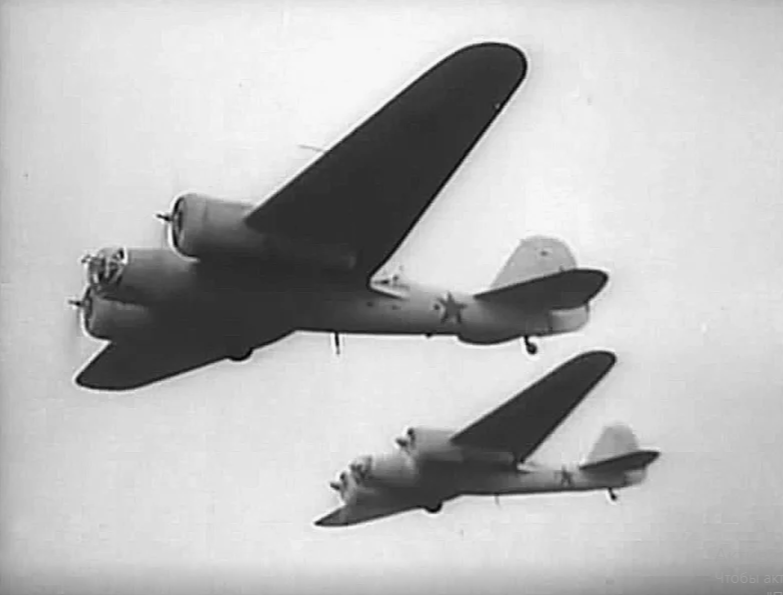
The success of the Soviet Air Force during this period can be attributed to a number of factors. The air forces stationed deep within the country, including the Baltic Fleet’s units near Leningrad, were spared the devastating blows that struck the border airfields in the first days of the war. As a result, it remained combat-ready and prepared for active operations. The 41st Aviation Division and the fighter units of the 39th Division played a particularly important role, methodically attacking concentrations of German troops, supply columns, and river crossings. Strikes against German bridgeheads on the Luga River proved particularly effective. A striking example of the effectiveness of these operations was the air raid on July 16, 1941, during which General Küchler, commander of the Wehrmacht’s elite 1st Panzer Division, was wounded. This event forced the German command to urgently revise its offensive plans and shift the main thrust of the attack to the town of Gdov, where an important Soviet airfield was located. Gdov was captured as early as July 19, which demonstrates just how seriously the Germans took the threat posed by the Soviet Air Force.
The Problems of the Luftwaffe and the Tactical Difficulties of the Wehrmacht
The paradoxical dominance of Soviet aviation in the skies over the Baltic states in mid-July 1941 was largely due to the Luftwaffe’s logistical difficulties. German airfields were located deep in the rear, and it took time to redeploy air units to new positions. Given the rapid advance of ground forces, this delay created serious problems. German tank formations, cut off from their airfields, found themselves without reliable air cover. Particularly painful for the Wehrmacht was the fact that Soviet fighters successfully thwarted attempts by the German transport aviation to deliver fuel to the tank units that had broken through to the front — a practice that had previously been one of the key components of the Blitzkrieg’s success. Entries full of despair began to appear in the combat logs of German units: Luftwaffe pilots described the situation in the air as “almost unbearable,” noting that Soviet bombers were attacking every aircraft, seeking out the positions of artillery and anti-aircraft guns, and destroying roads with bomb craters.
Why Success Was Not Sustained: Systemic Causes
Despite its local air superiority, the Soviet command was unable to fully capitalize on this situation to bring about a decisive turning point on the front. The reasons for this were systemic in nature. First, the Red Army’s overall strategic situation in July 1941 remained extremely dire: retreats were continuing on other sections of the front, coordination between the branches of the armed forces had broken down, and command and control were complicated by the loss of communications and the disorganization of headquarters. Second, the Soviet Air Force, which had been successful at the tactical level, lacked sufficient resources to conduct large-scale offensive operations: there was a shortage of trained crews, modern aircraft, and reconnaissance and target-designation capabilities. Third, the lack of a unified strategic plan and clearly defined objectives prevented tactical successes from being transformed into operational achievements. Despite their losses and temporary difficulties, German forces retained their combat effectiveness and, after regrouping, continued their offensive. The capture of Gdov and subsequent events demonstrated that local air superiority, if not backed by a combined-arms offensive, cannot alter the course of the campaign.
Conclusion: Lessons from a Forgotten Episode
The story of Soviet air superiority over the Baltic states in July 1941 serves as an important example of how, even in the context of a general strategic retreat, individual branches of the military could achieve significant tactical successes. This episode serves as a reminder that the reality of war is always more complex and multifaceted than the simplified notions that have taken root in the public consciousness. It also underscores the importance of coordinating the actions of all branches of the armed forces: air superiority, if not backed by coordinated actions by the infantry, artillery, and tanks, remains unrealized potential. Studying these “unknown” chapters of the Great Patriotic War helps not only to restore historical justice but also to draw lessons relevant to understanding the nature of modern armed conflict.