A New Nuclear "Game-Changer": The U.S. Begins Development of a Bomb Designed to Target Underground Targets

Sometimes the news isn’t about a test or a launch, but a line item in the budget. Yet it is precisely these line items that determine what weapons will emerge years down the road. The U.S. has unveiled plans to develop a new nuclear bomb capable of striking deeply protected underground targets—and this is the first serious step toward replacing the existing arsenal.
This is a project that has been under discussion for decades.
Now it is moving beyond the discussion stage.
Trigger: Funding for the “Next Generation”
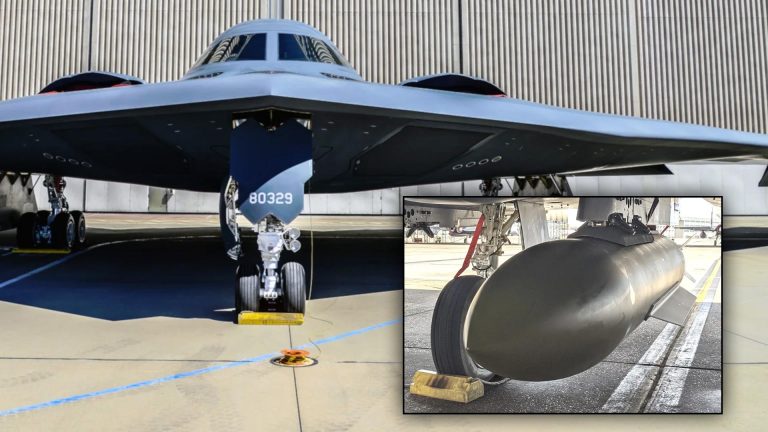
In its budget request, the U.S. Department of Energy sought nearly $100 million to launch a new program known as the Nuclear Deterrent System – Air-delivered (NDS-A).
Formally, this is just the beginning—the early stage of development. But the very fact that the program has been released means:
Work on a new nuclear “bunker buster” has officially begun.
Why was a new bomb needed in the first place?
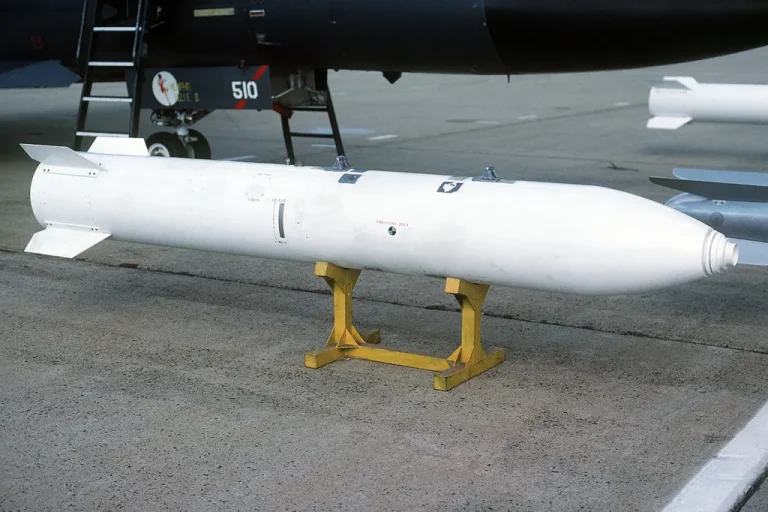
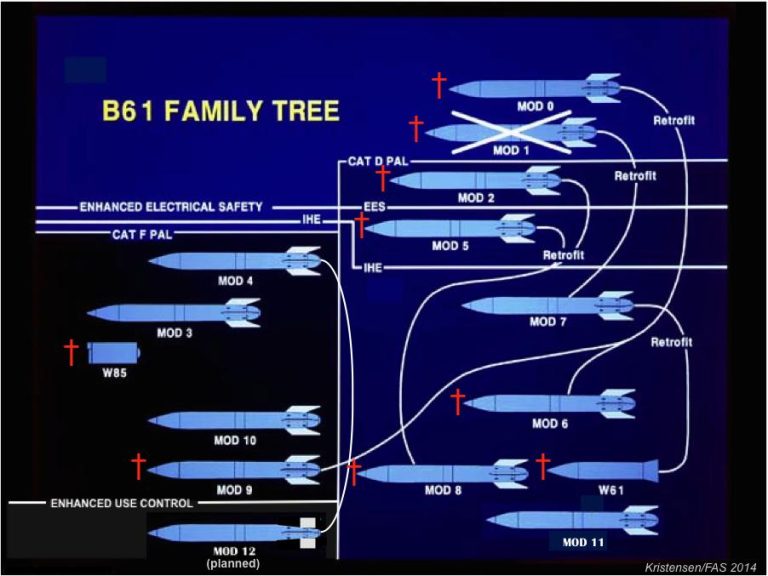
As of today, the U.S. arsenal contains only one specialized nuclear bomb designed to strike deep-buried targets—the B61-11.
This weapon was developed toward the end of the Cold War and has remained the only solution for tasks of this kind ever since.
But the problem is that the goals themselves have changed.
Modern facilities:
— are built deeper underground—
are protected by multi-layered structures
— are designed to withstand a nuclear strike
As a result, even existing “bunker busters” may not be effective enough.
What kind of weapon is this?
A nuclear “bunker buster” is not just a powerful bomb.
The principle behind it is to penetrate the soil or concrete before detonation so that the energy travels deep underground and destroys underground structures.
Unlike a conventional nuclear strike, this approach:
— increases effectiveness against underground targets
— allows for the use of lower power
— concentrates the destructive effect at depth
However, it is impossible to completely avoid radioactive contamination.
New Project: Just the Beginning
The NDS-A program is currently in its earliest stage—the so-called Phase 6.X, which covers the entire process from concept to mass production.
This means that:
— The weapon does not yet have its final design —
Specifications have not been
disclosed — The timeline remains uncertain
But it’s already clear that we’re talking about a potential successor to the B61-11.
Context: A New Race Underground
The development of such systems is directly linked to changes in the nature of strategic facilities.
Today’s key goals:
— command
centers — nuclear storage
facilities — missile systems
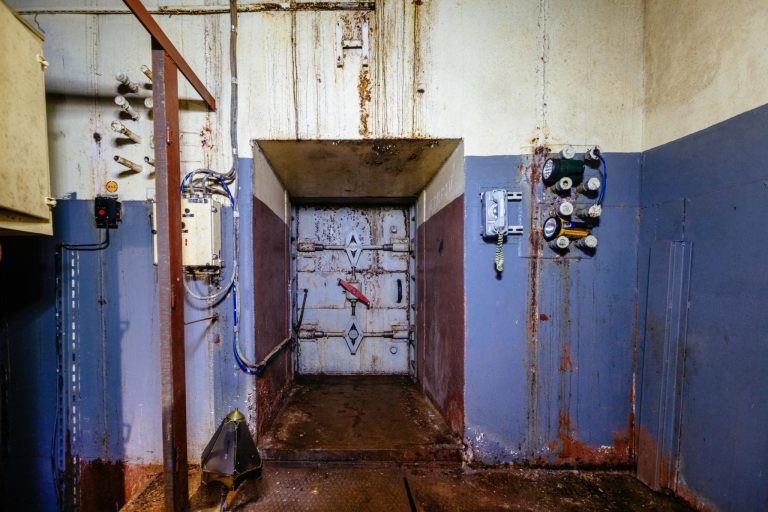
They are increasingly being located deep underground and protected not only by concrete but also by geological strata.
This creates a new race—not in the air or at sea, but underground.
Why does this raise questions?
Any development of a new nuclear weapon automatically becomes a political and strategic issue.
Critics point out that:
— The emergence of “more precise” nuclear systems could lower the threshold for their use
— such projects could fuel an arms race—
even a “limited” strike would have serious consequences
Supporters, on the other hand, believe that without such weapons, it is impossible to ensure the destruction of protected targets.
Conclusion
The story about the new bomb isn’t about a specific weapon, but about a change in objectives.
Underground targets are becoming increasingly complex.
And a new generation of weapons is being developed to counter them.
For now, it’s just a budget line item and still in the early stages.
But it’s precisely with line items like this that the next chapter in military technology usually begins.
источник https://www.twz.com/nuclear/new-nuclear-bunker-buster-bomb-plans-revealed