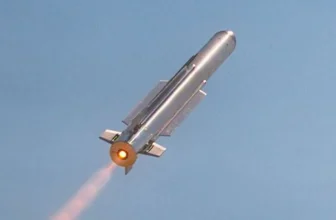
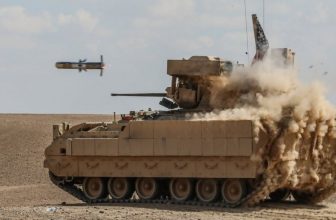
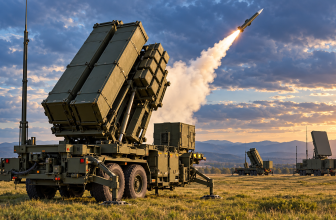
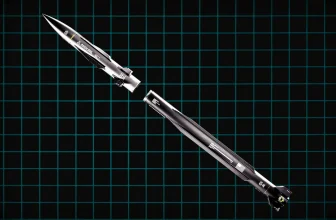
Lockheed Martin has unveiled PAC-3 Edge as the next step in the Patriot family’s development. The new missile is designed to engage more challenging targets at greater ranges and altitudes than the current PAC-3 MSE. The company calls it the most capable interceptor in the family, but until testing begins, that remains a promise rather than a proven result.
Edge is part of the U.S. Army’s Future Interceptor competition. Lockheed Martin has advanced to the next phase alongside another developer whose identity has not been disclosed. Flight testing is expected to begin in 2027, with entry into service targeted for around 2031. 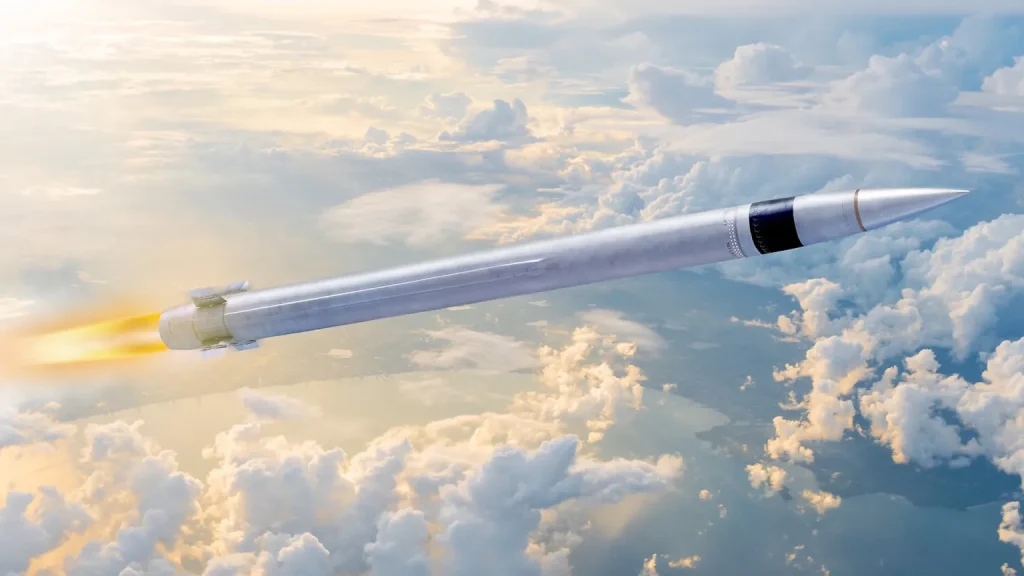
Why Patriot needs a new interceptor
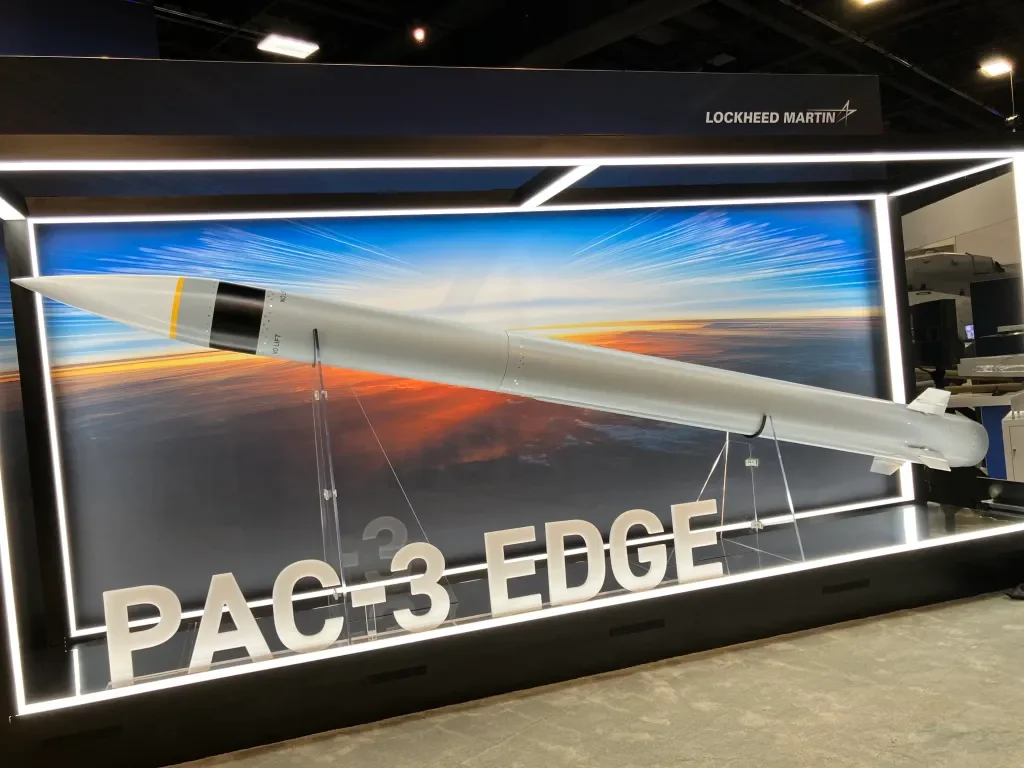
The PAC-3 MSE is already designed to intercept aircraft, cruise missiles, and tactical ballistic missiles. The new version is intended to deal more effectively with targets that fly faster, maneuver, and operate at higher altitudes. Lockheed Martin identifies advanced ballistic and hypersonic threats as priorities.
The main goal is to improve the missile itself. PAC-3 Edge does not replace Patriot’s radar, command post, or launcher. The interceptor receives data from the wider air-defense system, then must home in on the target and complete the engagement. The outcome therefore depends on both the missile and how quickly the network can detect the threat, pass on tracking data, and launch an interceptor.
Edge builds on the PAC-3 MSE, using technology from the earlier interceptor while adding a new seeker, propulsion system, and flight-control system. This approach would let the Army upgrade Patriot without creating an entirely separate system.
A new seeker designed to track targets more effectively
One of the main changes is the seeker. Lockheed is developing it at its Strigo Product Center. The company says it will improve target detection and tracking, especially against targets moving at high speed or changing course.
The seeker’s exact specifications have not been disclosed. Lockheed describes it as the basis for a family of sensors that could operate in different conditions and across different phases of flight. TWZ reports that individual components are undergoing laboratory testing and that the seeker has been tested aboard a flying testbed. That is a significant step, but it does not yet show how the complete missile will perform in an actual interception.
A new seeker alone cannot guarantee a hit. It must accurately locate the target and pass that information to the flight-control system, while the missile must still have enough time and energy to adjust its course. At high speeds, even a small error can cost an interceptor precious seconds and maneuvering capacity.
A three-pulse motor and greater maneuverability
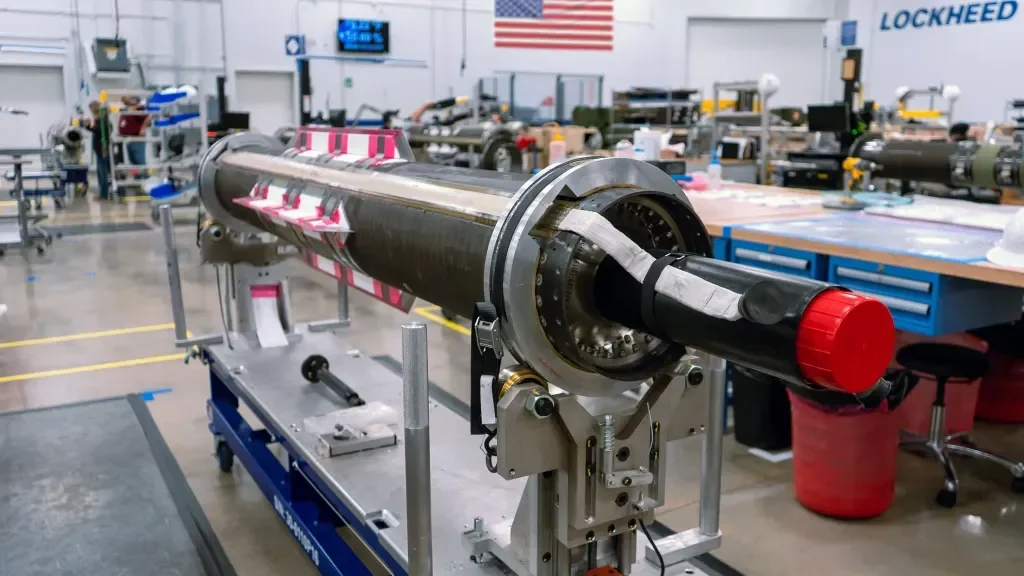
Unlike the PAC-3 MSE’s two-pulse motor, Edge will use a three-pulse solid rocket motor developed by Northrop Grumman. A motor of this type can deliver thrust in several separate pulses. This helps avoid using all of the missile’s energy early in flight and preserves some of its capacity for the final phase, when the target may maneuver.
The missile’s flight-control system also includes small attitude-control motors around its forward section. They help the interceptor change direction quickly. PAC-3 Edge is expected to have more of these motors, and more capable ones, than the PAC-3 MSE. Lockheed says this will improve maneuverability during engagements at extended range.
The three changes are designed to work together: the seeker should track the target more accurately, the motor should provide a reserve of thrust, and the attitude-control motors should help the interceptor make sharp course corrections. That combination is especially important when a target is approaching at high speed and changing its trajectory.
PAC-3 Edge, MSE, and THAAD: where the new missile fits
The PAC-3 MSE is an existing, tested Patriot interceptor. It primarily destroys targets through direct impact; a small additional explosive charge helps increase the likelihood of a kill. Edge is still in development, but it is being designed to intercept targets at greater ranges and altitudes. Lockheed has not released exact figures, so the two missiles cannot yet be compared by range or speed.
THAAD operates at a higher tier of missile defense and is designed to intercept ballistic missiles at greater altitudes and ranges. If Edge does expand Patriot’s engagement envelope, it could help cover part of the gap between the PAC-3 MSE and THAAD. But there is not enough information to treat it as a replacement for THAAD. The aim is more likely to strengthen the middle tier and give commanders more options before they commit a larger system.
Lockheed also says Edge is being designed to work with existing Patriot infrastructure, including the M903 launcher and the IBCS command system. The company has named containerized launchers and HIMARS Flex as potential launch platforms. This could simplify the missile’s introduction, although integration with each system still needs to be tested.
The most effective option? That remains to be seen
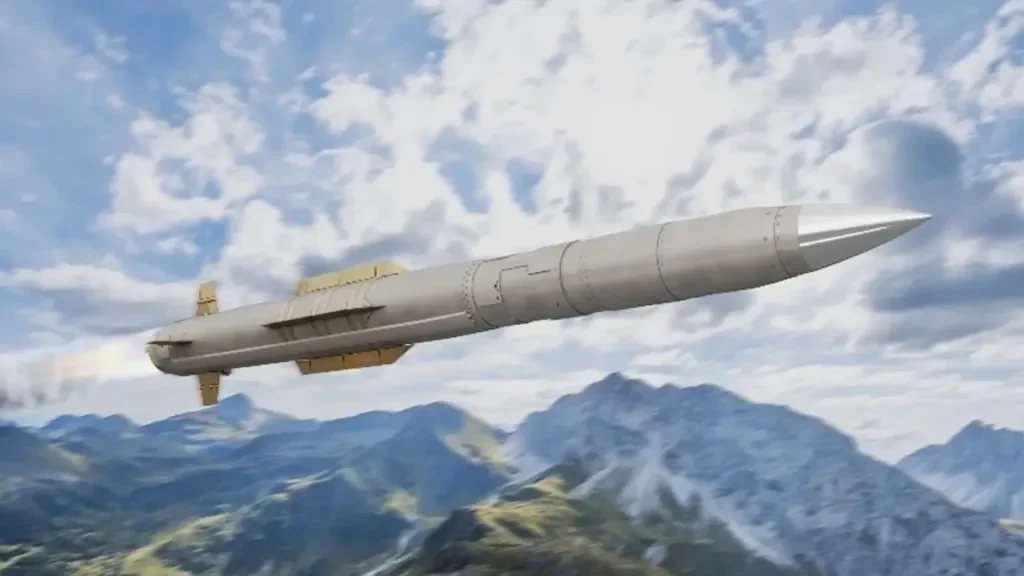
PAC-3 Edge’s main advantage is its planned combination of new capabilities with the existing Patriot system. The seeker, motor, and flight controls are intended to improve performance against demanding targets, while familiar infrastructure could make the transition from the MSE easier.
But “optimal” depends on more than range and maneuverability. Cost, reliability, and production rates matter too. Lockheed plans to manufacture Edge on the existing PAC-3 production line in Camden, Arkansas. The company and the Pentagon are currently expanding PAC-3 MSE production, with a target of increasing output from about 600 to 2,000 missiles a year by the end of the decade. However, no separate production target or price has been announced for Edge.
It is too early to call PAC-3 Edge the most effective air-defense missile. For now, it is the most ambitious version of Patriot: it promises greater altitude and range, and a better ability to maneuver against its target, while remaining part of the familiar system. If testing confirms those capabilities, Edge could become the most capable interceptor in the family. Testing, expected to begin in 2027, will show whether it can deliver.