An air defence system can successfully shoot down every incoming target — and still find itself in trouble before the next attack. Its interceptors have been expended, replacements must be delivered, and the factory cannot instantly replenish the stockpile. Missile performance no longer helps at that point: an empty launcher offers no protection.
The U.S. Army wants to broaden the range of munitions available to its air defence systems. Speaking at AUSA, Lieutenant General Frank Lozano explained that increasing production of the best existing missiles remains necessary, but other interceptors are also needed — offering different capabilities, costs, and suppliers.
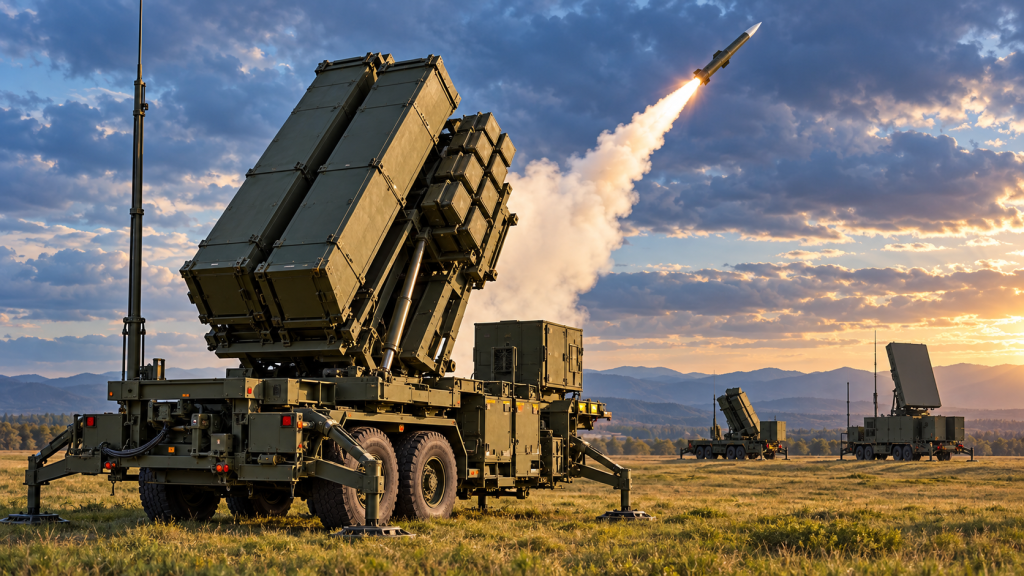
Save Expensive Missiles for the Right Targets
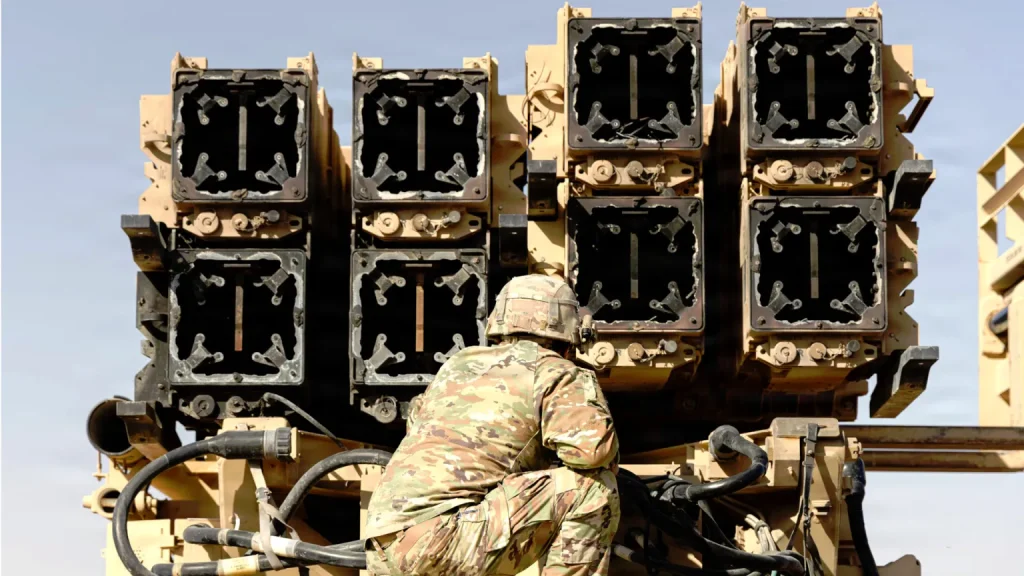
Versatility in air defence comes at a price. Intercepting a challenging, high-speed target requires a suitable propulsion system, flight controls, and seeker. But not every aerial threat demands that entire package of capabilities.
Comparing only the price of an attacking aircraft with the missile used to destroy it is insufficient, however. Even a cheap drone can destroy expensive equipment. Using a costly interceptor may be justified — especially when no alternative is available nearby.
The problem begins when that choice becomes unavoidable during every attack. Defenders then consume a limited stock of sophisticated munitions on tasks that simpler weapons might have handled.
The Army’s xTech|Apex Intercept competition explicitly seeks affordable solutions to supplement Patriot against aircraft, cruise missiles, and certain categories of ballistic missiles. Companies of different sizes are invited to participate, including manufacturers from allied countries.
More Options for Patriot
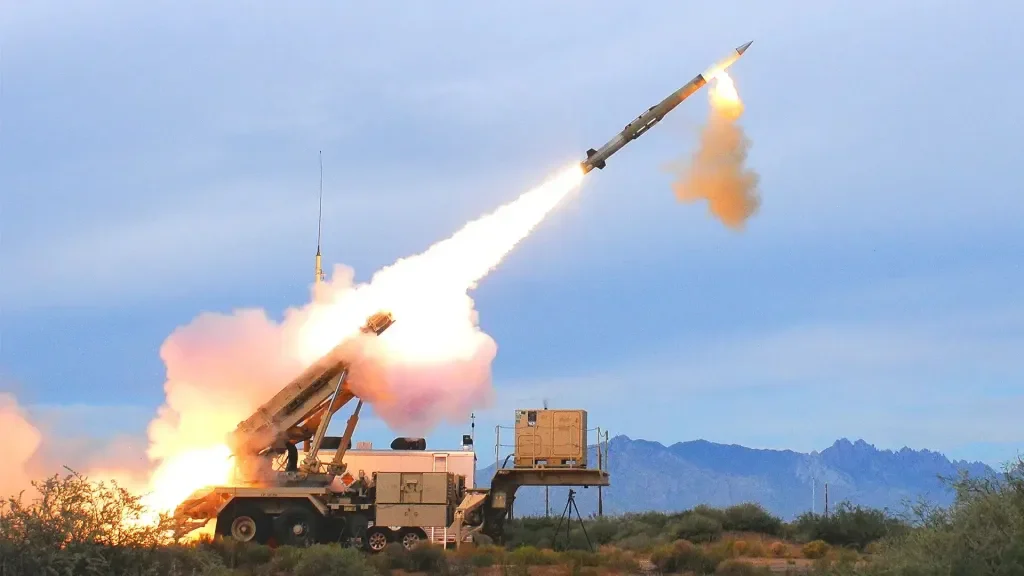
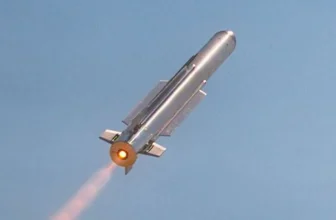
Patriot already uses different missile families, so describing this as a transition away from a single interceptor would be inaccurate. The intention now is to expand that selection further. According to TWZ, the Low Cost Interceptor programme seeks a missile costing no more than $1 million, compared with an average PAC-3 MSE price of around $4 million in recent years. These are reference figures, rather than a final price for the future weapon.
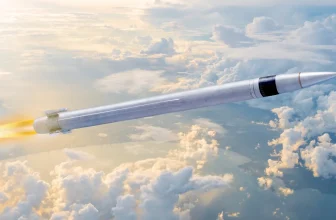
Industry is proposing solutions of its own. Lockheed Martin unveiled the PAC-3 ACE, claiming a unit cost of less than half that of a PAC-3 MSE. The company intends to leverage existing fire-control systems and Patriot infrastructure.
“Less than half” and “no more than $1 million” are different promises, however. The appearance of a cheaper design does not automatically mean it meets every requirement of the Army’s programme.
The practical purpose of such an addition is to give operators a choice. If a target can be reliably destroyed with a less expensive missile, the more sophisticated interceptor remains available for the next threat.
New Missiles for Existing Launchers
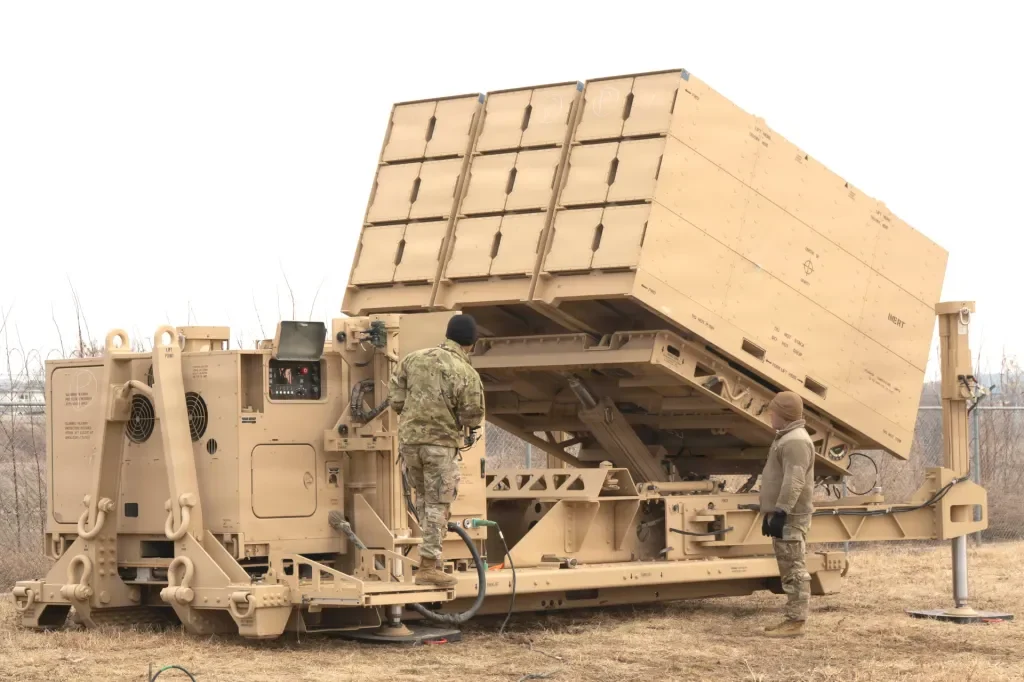
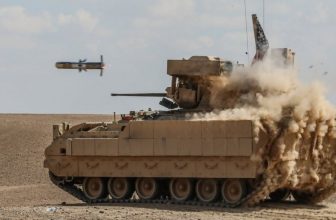
The push for a broader selection extends to other layers of air defence. A second interceptor is being sought for Enduring Shield to complement the AIM-9X and improve its capability against cruise missiles. The Stinger replacement must fit existing man-portable and vehicle-mounted launchers. A new counter-drone munition is intended for integration with Coyote launchers.
Retaining the launcher is attractive because it avoids replacing the entire system at once. But a canister that physically fits is only the beginning. The system must recognise the missile, prepare it for launch, pass the necessary data, and ensure safe operation. All of this requires integration and testing.
For Enduring Shield, that work already has a practical foundation: Leidos previously demonstrated the launch of a test AIM-9X through a simulated Integrated Battle Command System, or IBCS, interface.
The Winner Does Not Have to Remain the Only Option
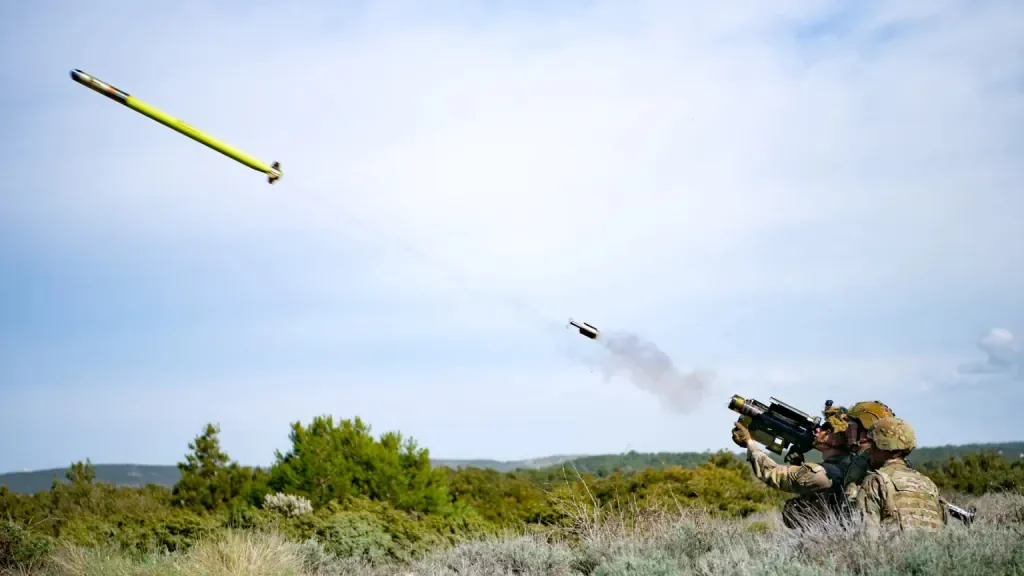
The way competitions are organised is changing, too. The Army intends to give additional developers a chance to demonstrate their weapons in comparative firing trials for the Enduring Shield second-interceptor and Stinger-replacement programmes. Those events are planned for the fourth quarter of U.S. fiscal year 2027.
For the customer, this preserves several development paths. If one missile is delayed, becomes more expensive, or cannot be produced quickly enough, an alternative acquires tangible value.
Diversity also brings costs: additional spare parts, training, testing, and logistics. The success of this new air defence model therefore depends on how effectively different munitions can share common infrastructure.
The ultimate test will be straightforward: after an attack has been defeated, suitable missiles must remain on the launchers, with enough in storage to meet the next one.