A Parachuting Tank: Why Germany Is Dropping Wiesels from Airplanes

The idea of airdropping military equipment is not new in itself. What is new is the specific type of equipment being airdropped.
Whereas previously the focus was on armored vehicles with limited mobility or light platforms without serious armament, Germany is now effectively returning to the concept of a “light tank,” but with a modern twist.
And most importantly—now you can just drop it from a plane.
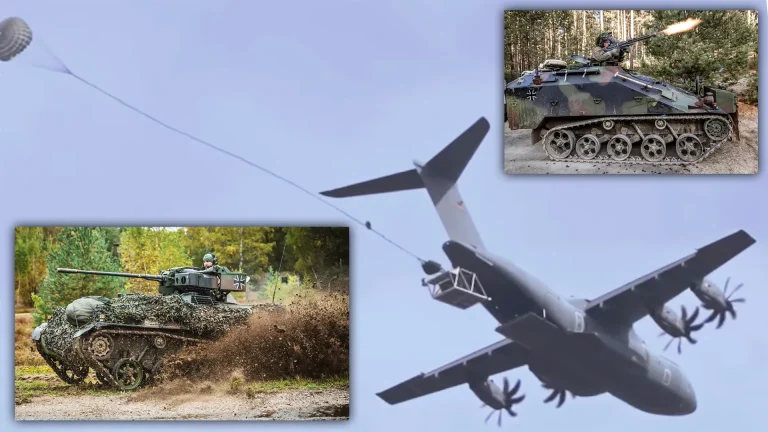
An airborne division, but without an airfield
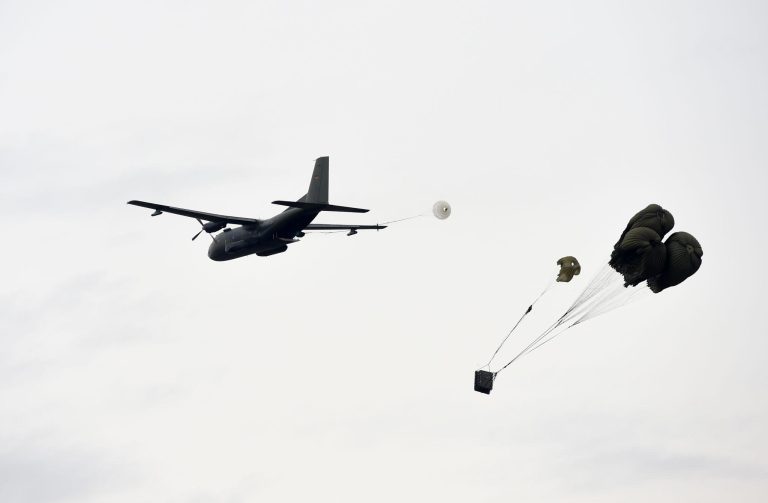
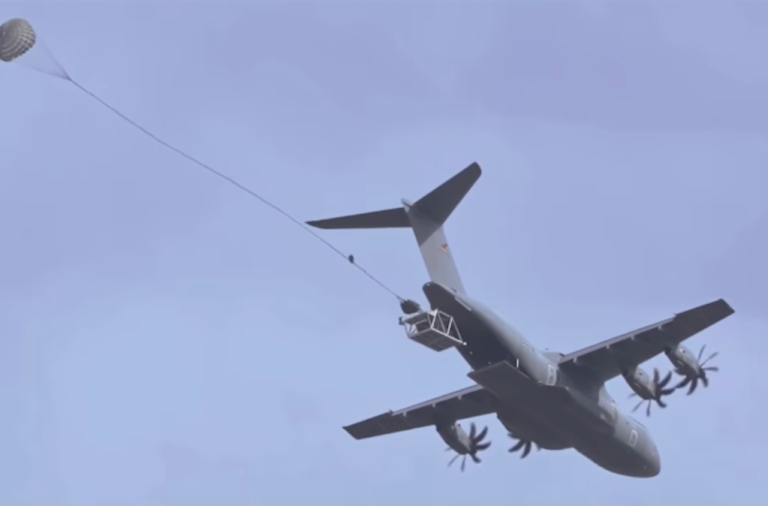
The process itself seems to be well-established:
The vehicle is secured in a “cage,
” dropped down a ramp,
descends using several parachutes,
absorbs the impact with shock-absorbing cushions,
and immediately leaves the platform.
The accuracy is specified as being within approximately 200 meters of the specified point—which is more than sufficient for tactical use.
What difference does that make?
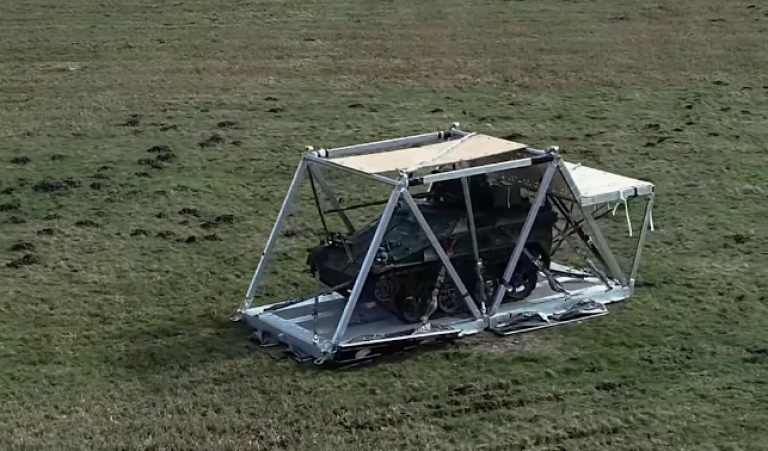
Up until that point, German airborne units had faced a classic problem.
The paratroopers could land quickly, but the heavy equipment could not.
It had to be delivered later:
either after capturing the airfield
or using helicopters.
This meant that during the first few hours, the paratroopers operated with limited fire support.
Now the situation is changing.
The equipment arrives right along with the troops.
Why Wiesel, of all people?
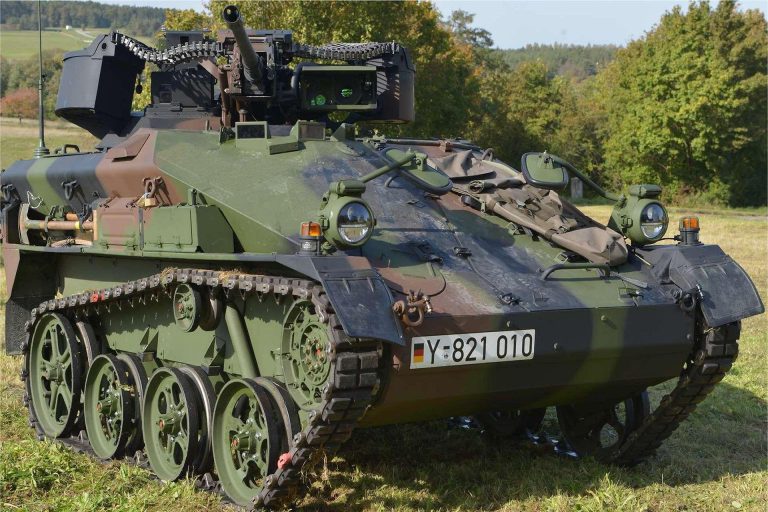
Development began as early as the 1970s to provide paratroopers with their own armored vehicles equipped with firepower.
Its key features are:
Weighs less than 5 metric tons,
compact dimensions,
capable of being transported by helicopters,
and various armament options.
By way of comparison: many modern light armored vehicles are heavier than the Wiesel in its fully equipped configuration.
Design: Maximum Mobility
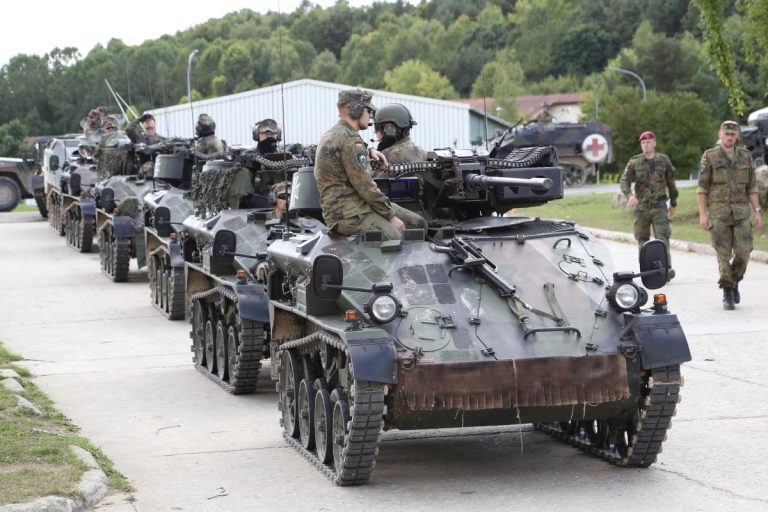
From an engineering standpoint, the Wiesel is the ultimate in lightweight armored vehicles.
The engine is a Volkswagen automotive diesel engine.
Speed—more than 60 km/h.
The driving range is about 200 km.
At the same time, the vehicle remains tracked, which provides the off-road capability necessary for off-road operations.
But the most important thing is weight.
It is this feature that allows you to:
transport several vehicles on a single plane,
airdrop them,
and use helicopters to move them.
Firepower: Not a Toy
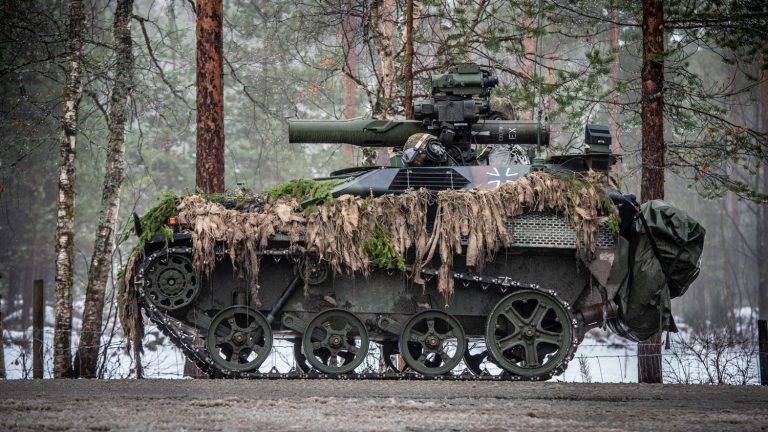
Despite its size, the Wiesel cannot be called “light equipment” in the simplistic sense.
There are several options:
equipped with a 20-mm automatic cannon,
anti-tank missiles,
and anti-aircraft systems.
This means that the troops receive not just transportation, but full-scale fire support.
Limitations: The Price of Compactness
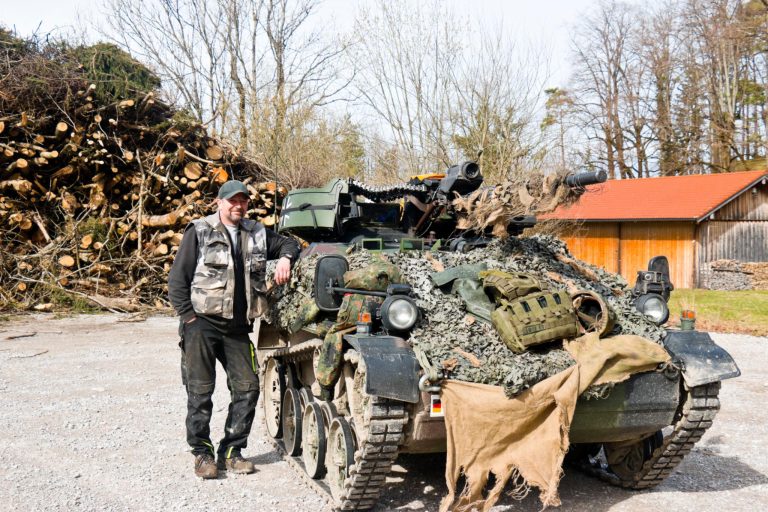
But this approach has obvious weaknesses.
Armor protection is minimal—the vehicle offers protection against shrapnel and small arms fire, but nothing more.
In addition, the modern battlefield is filled with drones and loitering munitions, to which such targets remain vulnerable.
In other words, the Wiesel is not a “light tank,” but rather a vehicle designed for short, rapid operations.
Why are people even doing this these days?
The most interesting thing isn’t the car itself.
And the moment they returned to her.
Recent conflicts have shown that:
Deployment speed is more important than the weight of the armor,
local superiority is more important than overall strength,
and mobility becomes a key factor.
And following this line of reasoning, light equipment is once again in high demand.
But with a new delivery method.
Conclusion
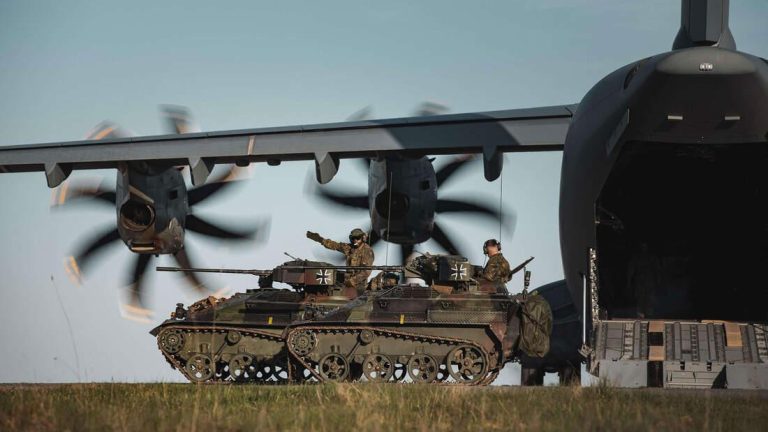
The Wiesel airdrop is not just a technical experiment.
This is an attempt to change the very concept of airborne operations.
It’s not just a matter of dropping people off.
And deliver firepower to them immediately.
And if this model takes hold, the airborne forces will once again become what they were originally intended to be:
a striking force that appears where it is least expected.
based on https://www.twz.com/land/germany-is-now-airdropping-its-tiny-wiesel-tankettes