A Real Fighting Tank Instead of the Useless Maus. What If the Germans Had Chosen the VK 90.02?

During the second half of World War II, German tank development became increasingly obsessed with gigantism. The culmination of this trend was the 188-ton Maus and the somewhat lighter E-100. These vehicles promised unprecedented armor protection and firepower, but their enormous weight turned even an ordinary transfer to the front lines into an extremely complicated engineering operation.
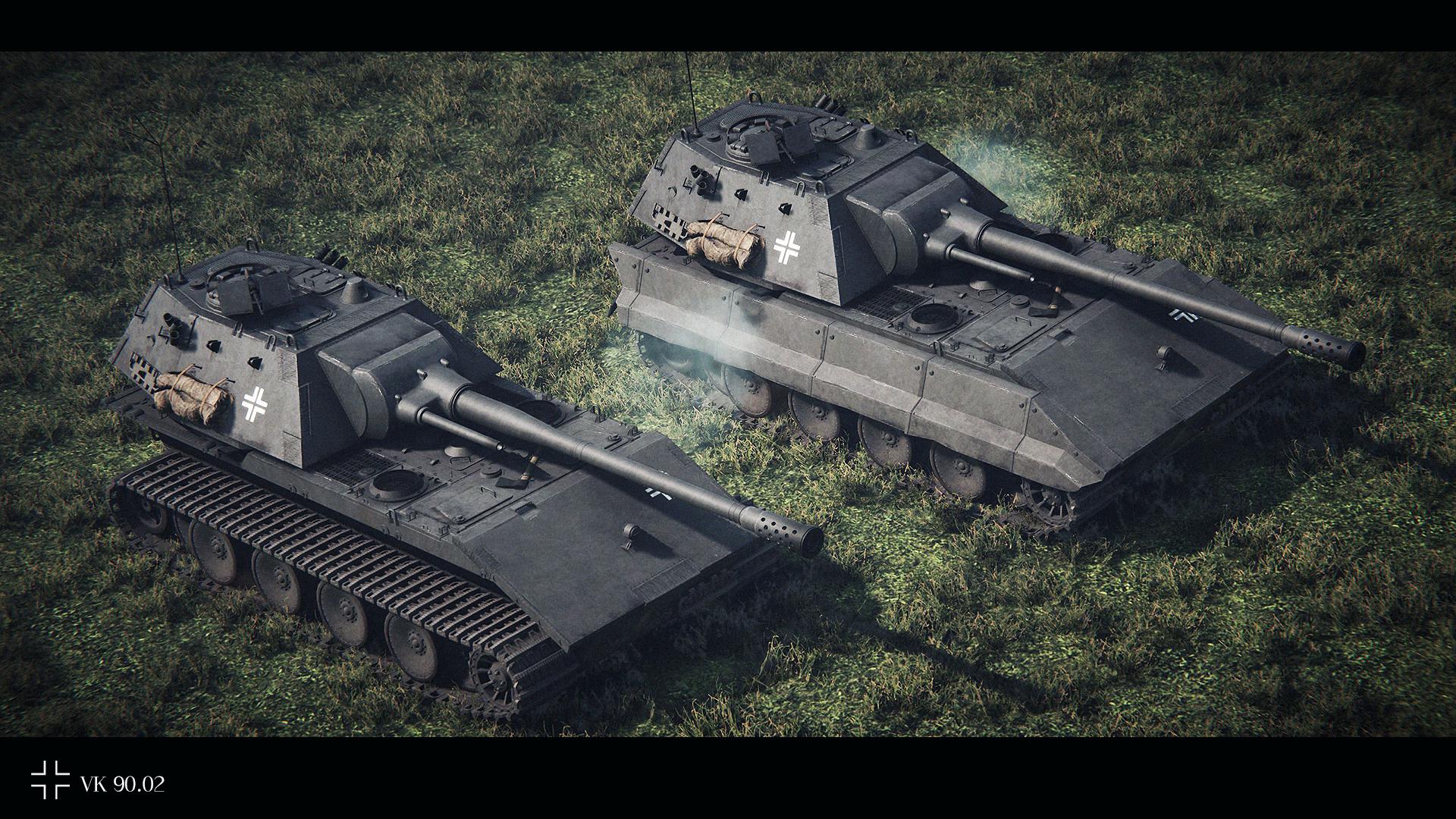
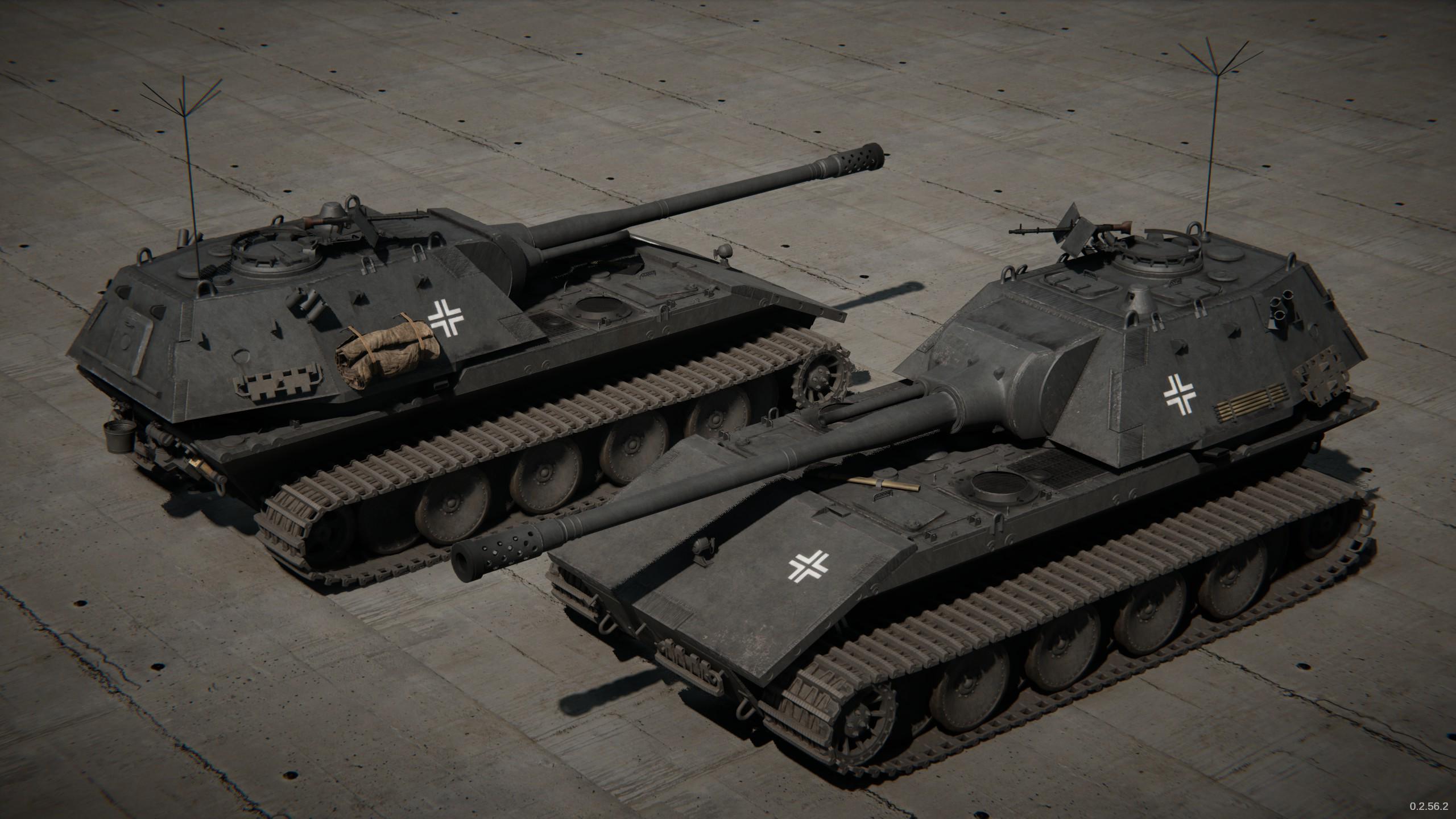
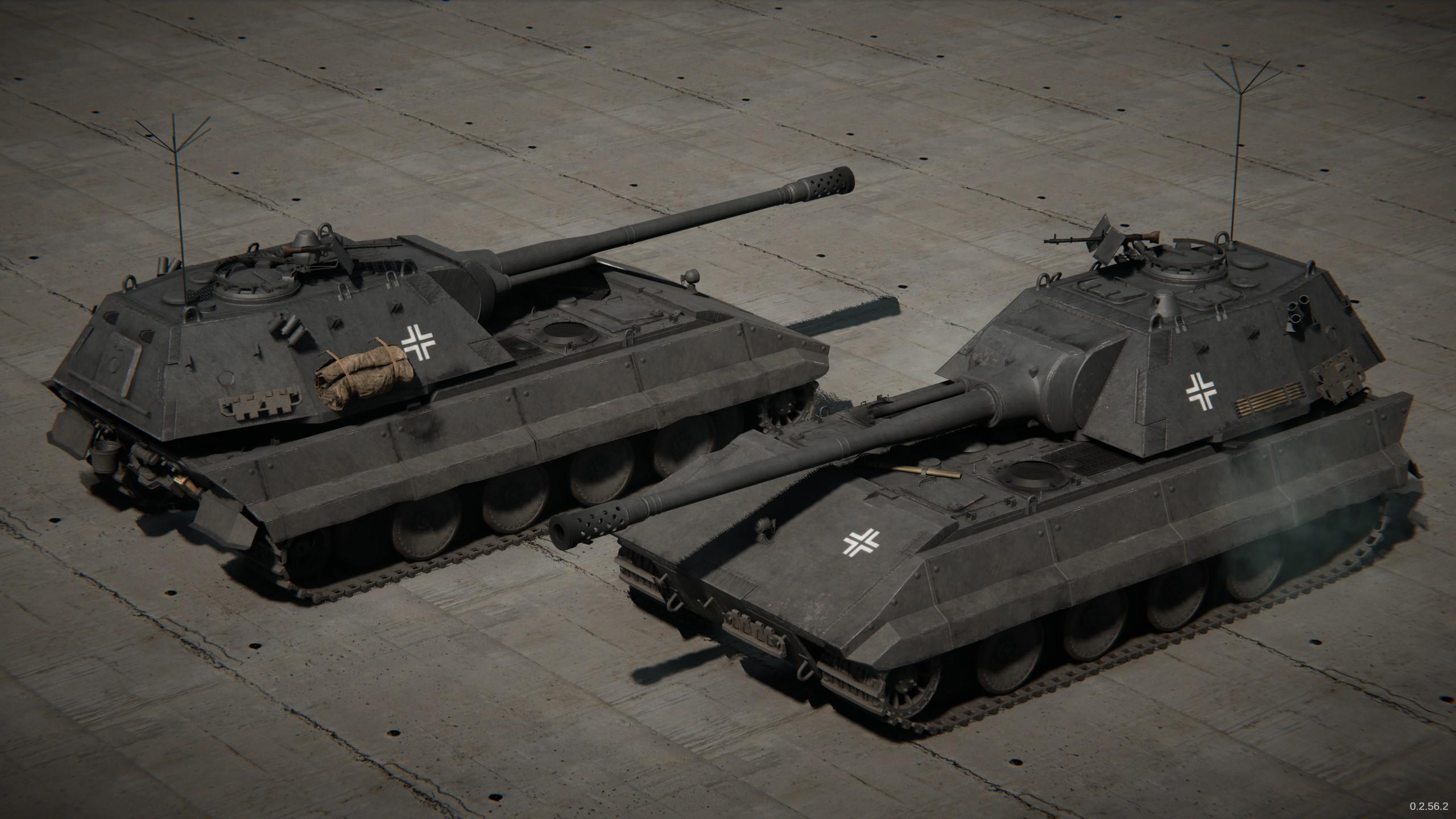
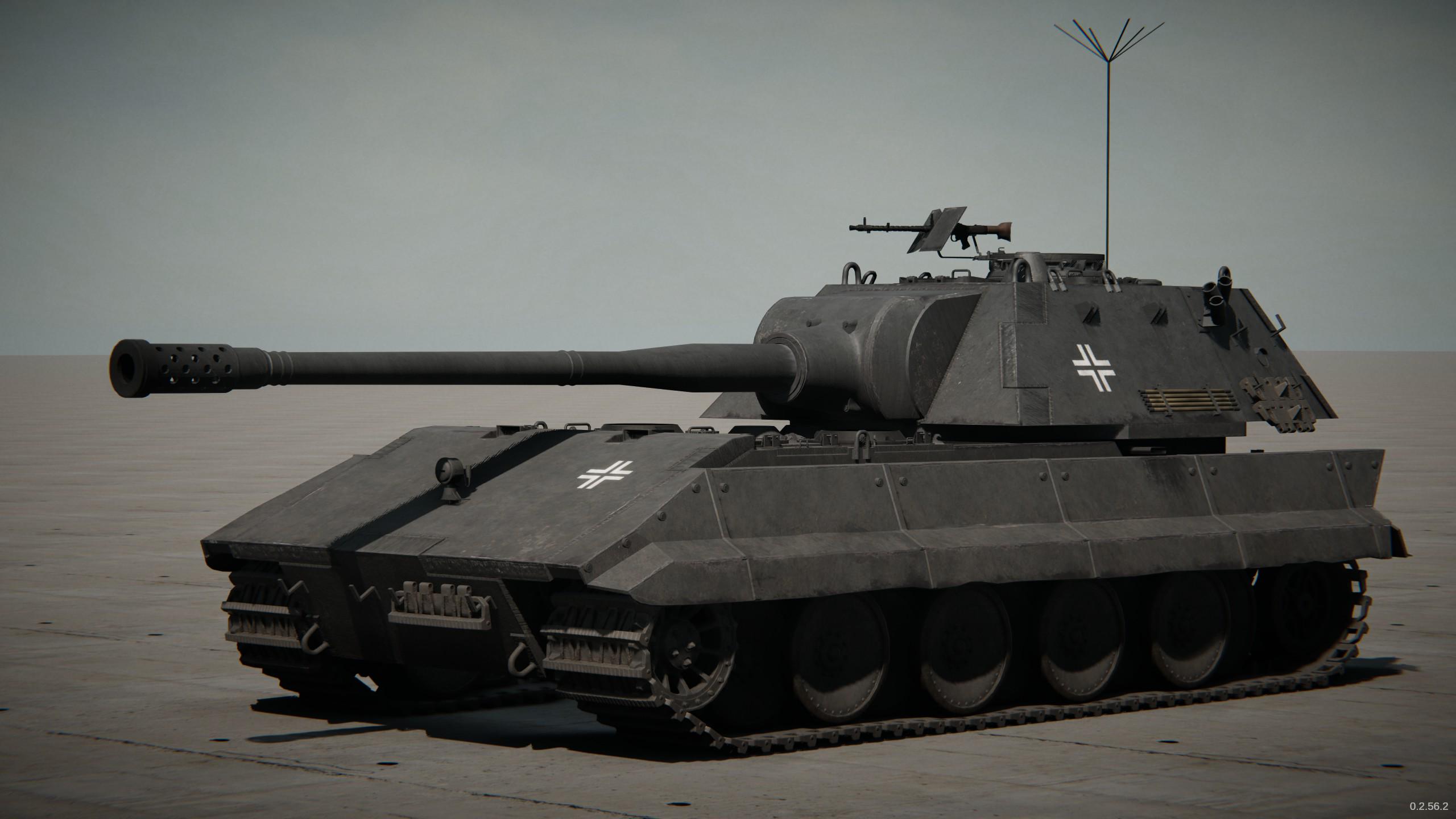
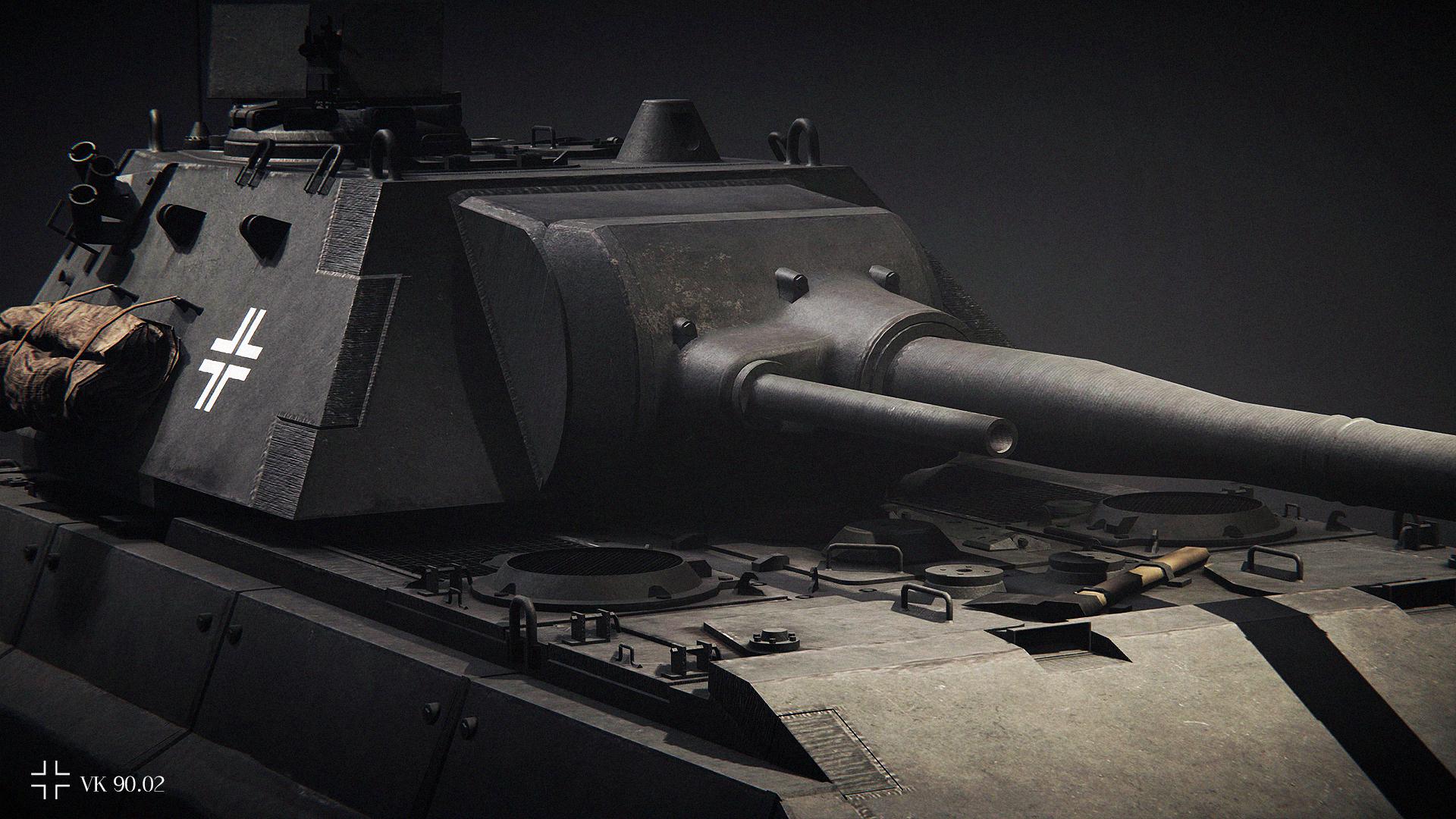
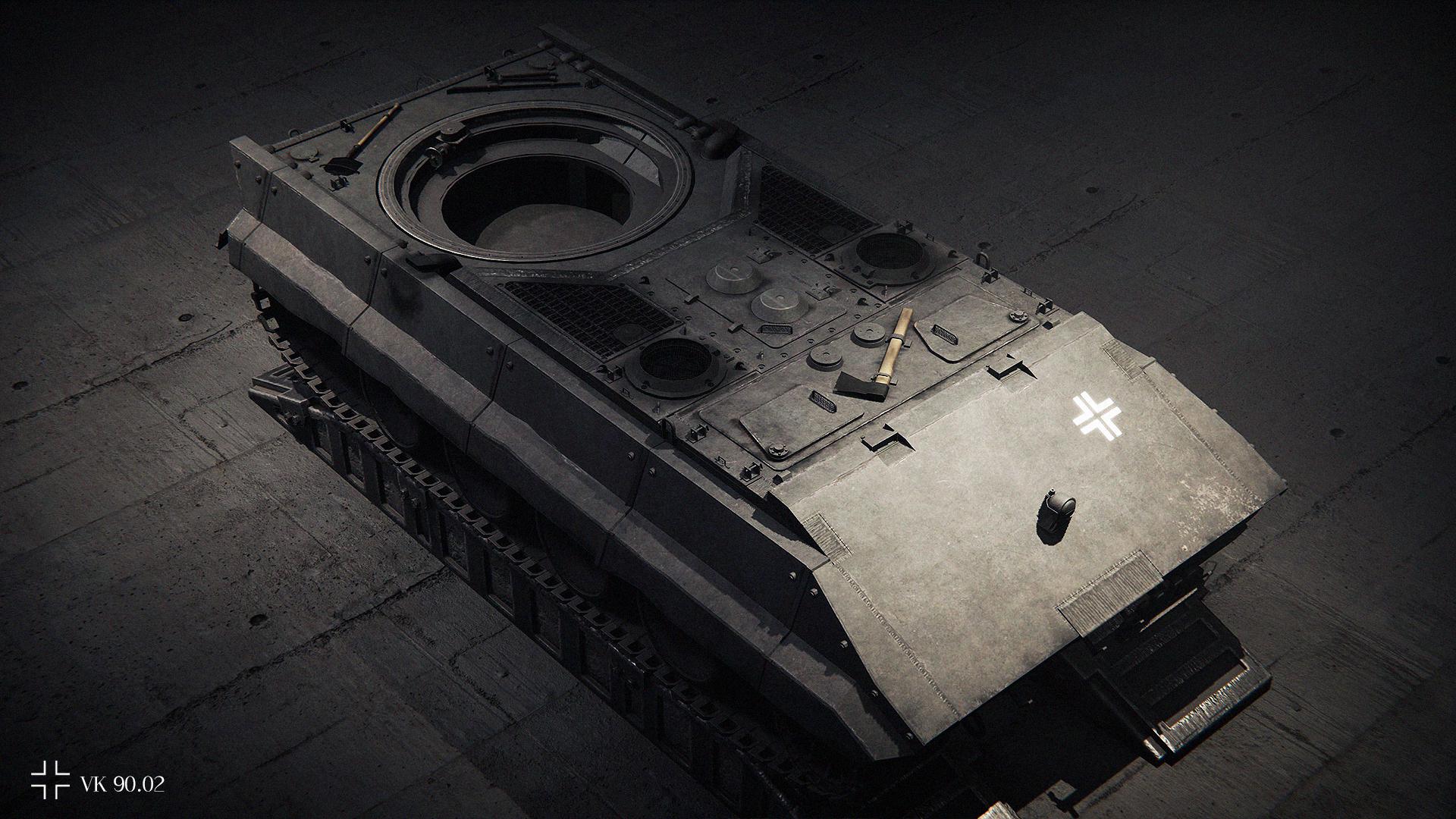
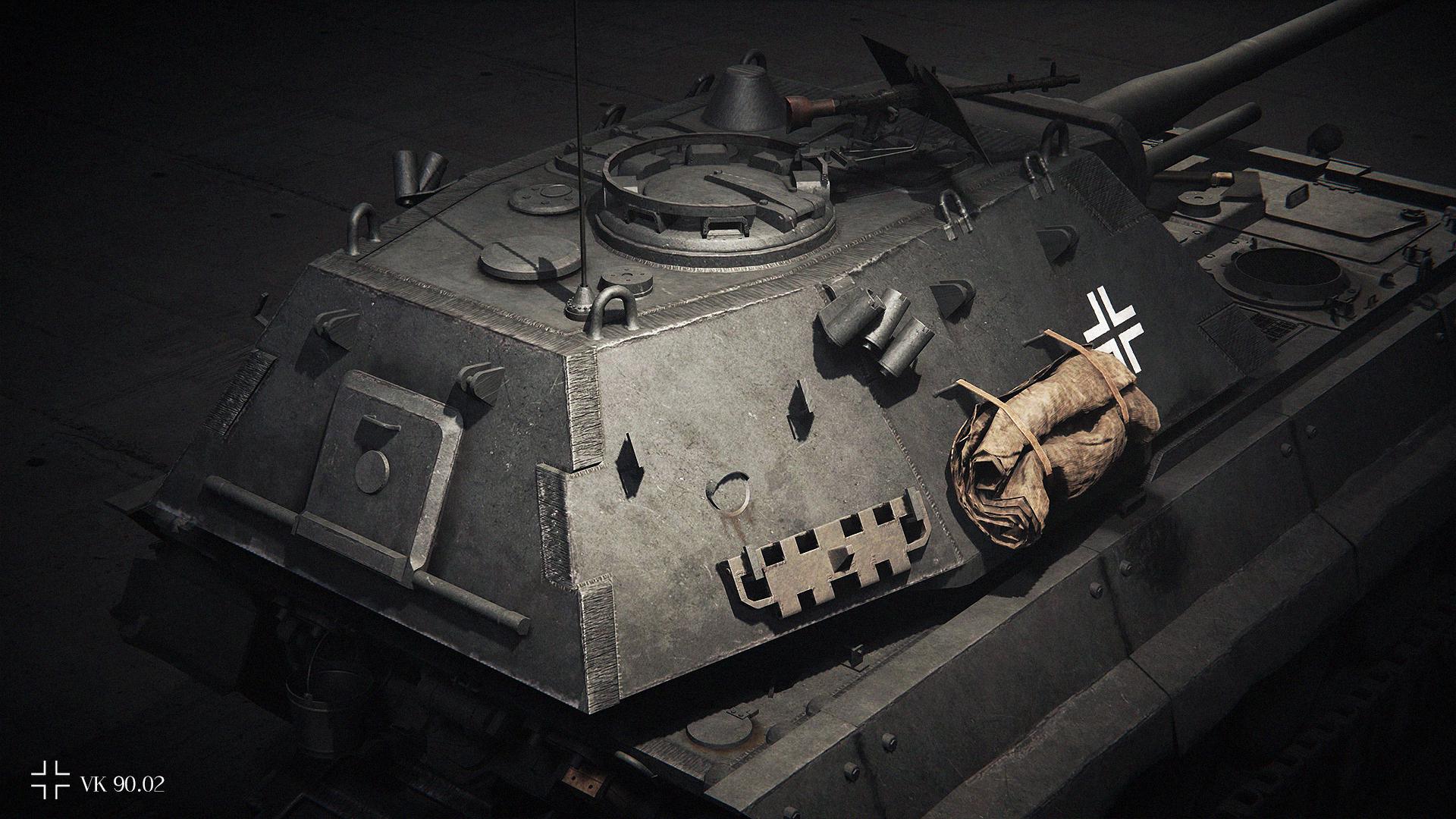
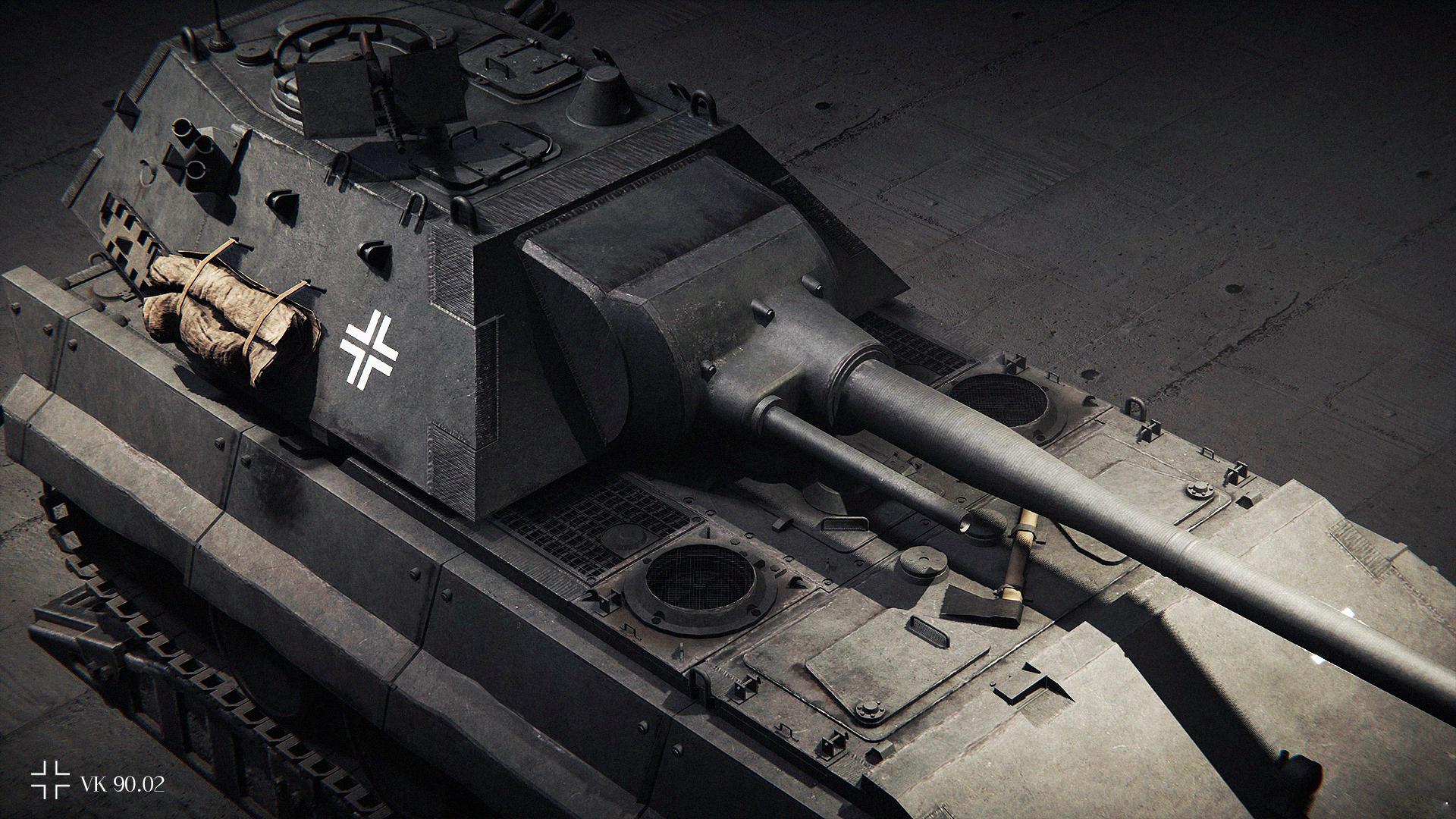
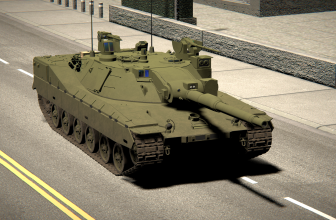
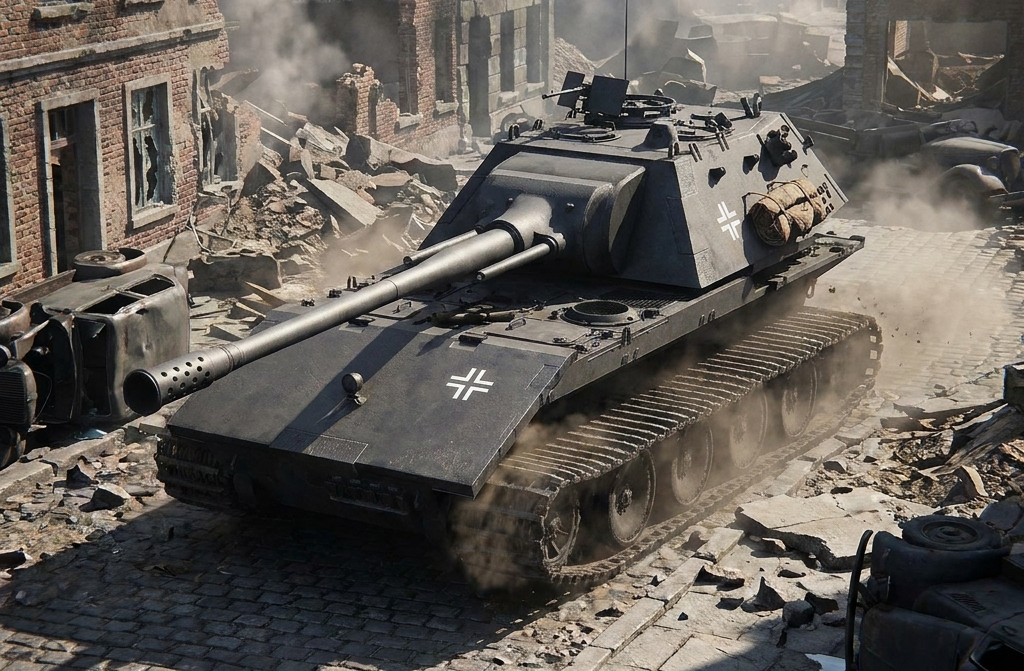
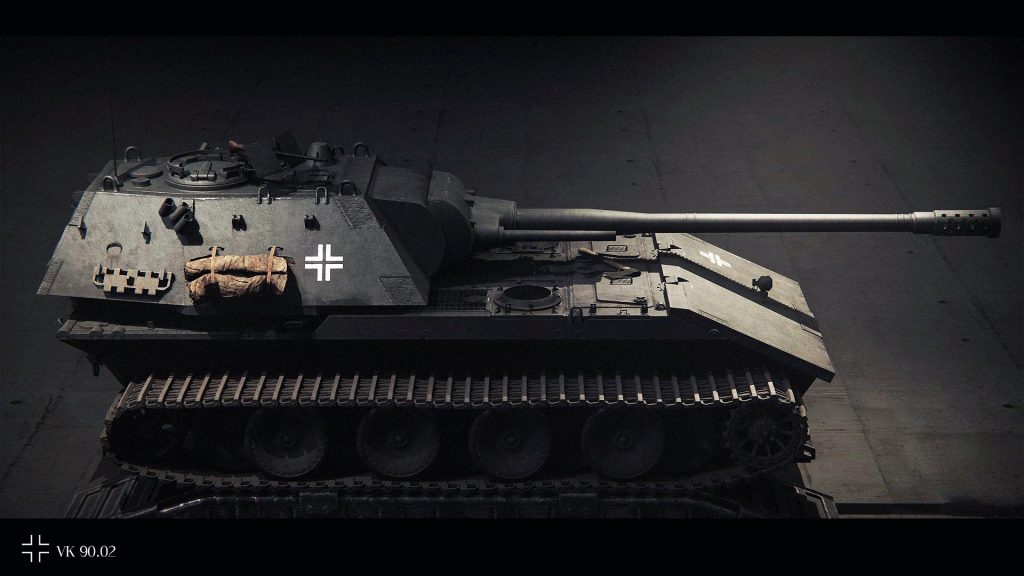
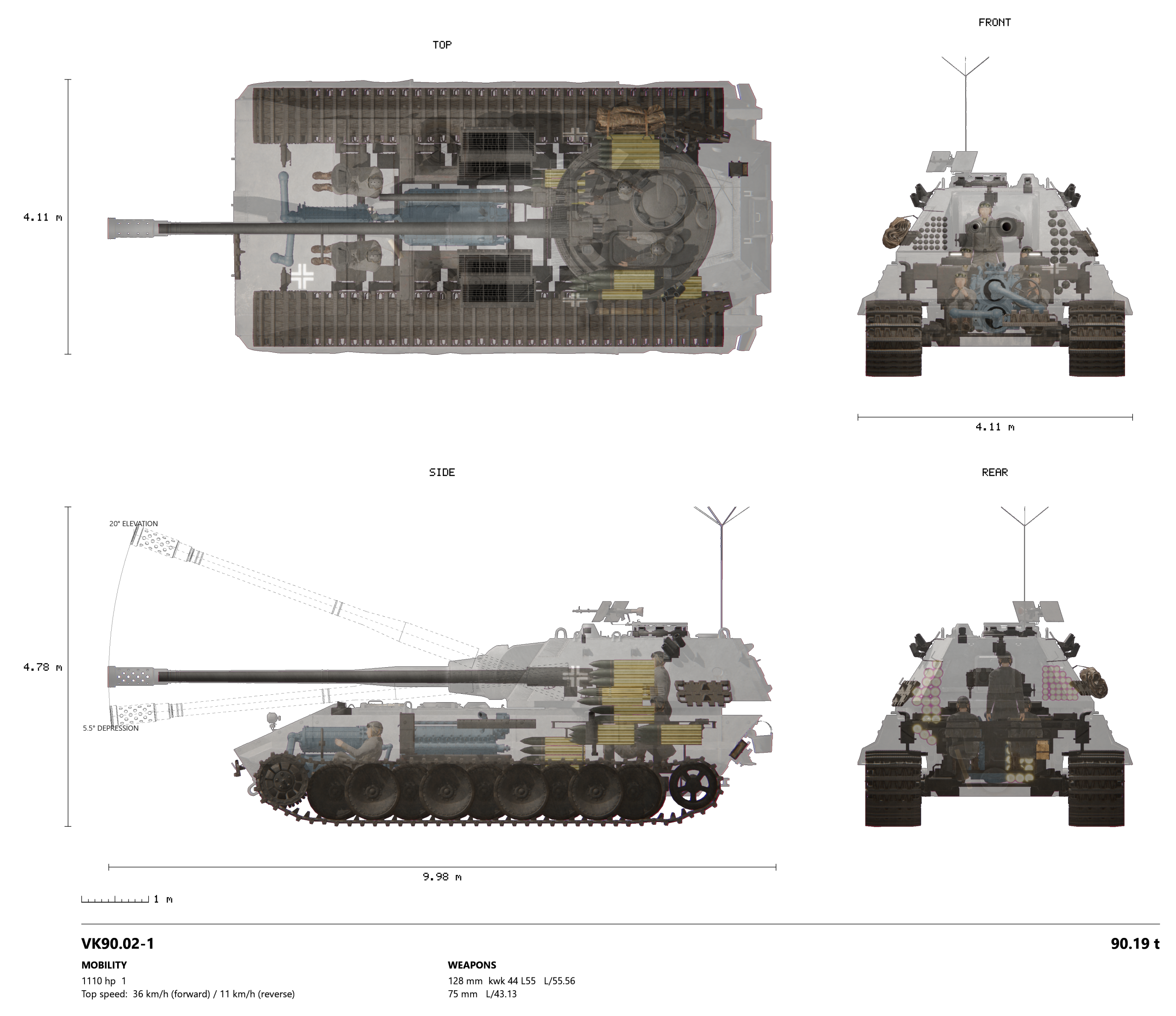
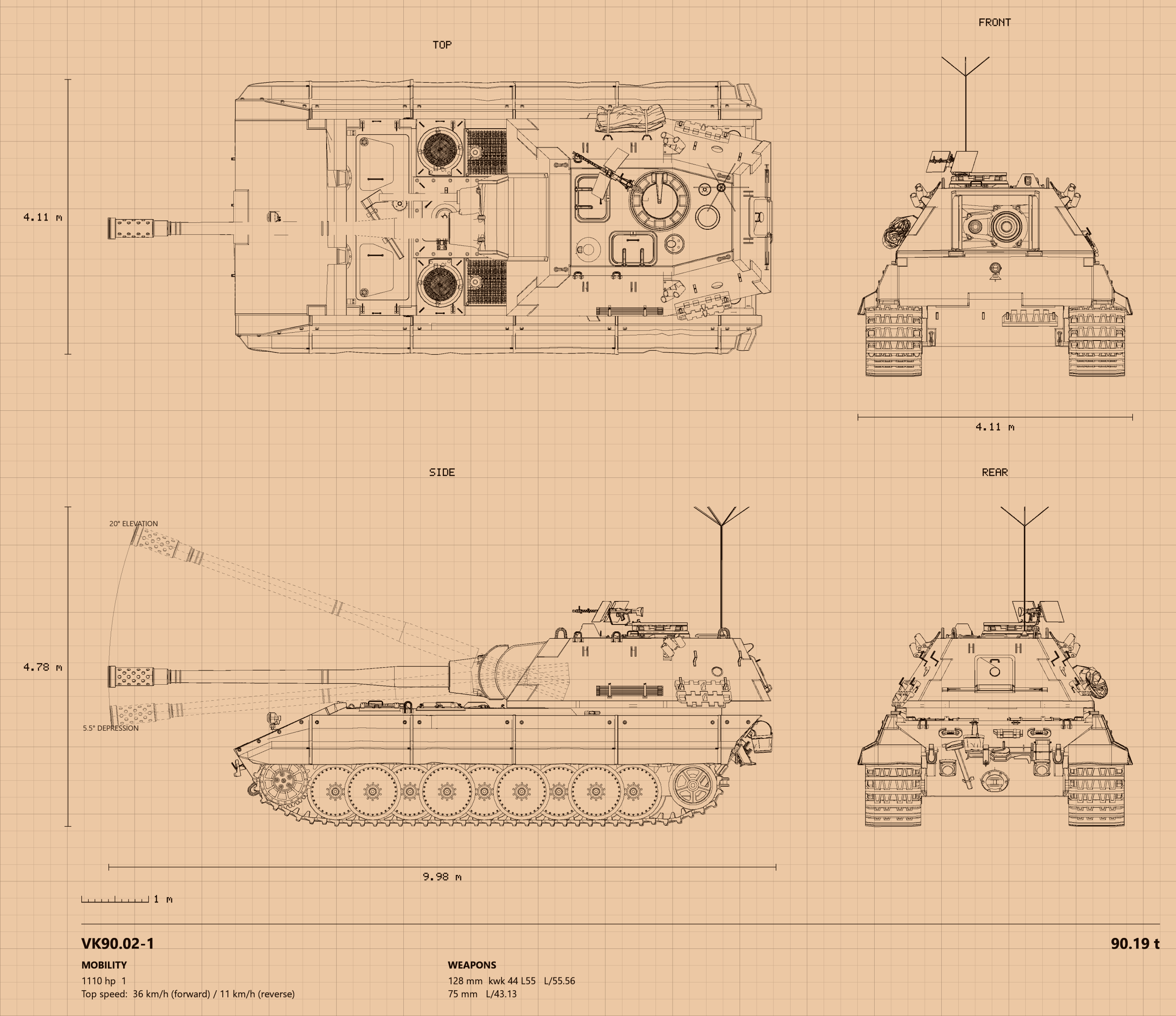
But what if German designers had recognized the futility of these monsters weighing hundreds of tons in time and attempted to create a more practical super-heavy tank? One equipped with a powerful 128 mm gun, substantial armor protection, but weighing less than 100 tons? This is precisely the alternative proposed by our Western fellow enthusiast MAFIALAA, who created the unusual VK 90.02 using the Sprocket tank design simulator.
The creator described it as a tank in the 90-ton class, armed with a 128 mm PaK 44 gun and a coaxially mounted 75 mm KwK 40 L/43. Let us imagine how such a tank might have appeared in reality and what role it could have played in the final battles of World War II.
How the Germans Abandoned Gigantism
In actual history, the development of super-heavy tanks became one of the most controversial directions in German military engineering.
The Maus, developed under the leadership of Ferdinand Porsche, received exceptionally powerful armor and armament. However, weighing approximately 188 tons, it proved practically unsuitable for normal operational use. The E-100 was intended to be more technologically practical, but it also remained an extremely heavy vehicle. Before the war ended, the Germans managed to assemble only its incomplete chassis.
In our alternative reality, the point of divergence occurs in early 1943. After studying combat experience on the Eastern Front, the German Army Ordnance Office concludes that tanks weighing 150–200 tons have little practical future.
Instead of continuing the Maus program, Henschel and Krupp are instructed to develop a more compact vehicle weighing approximately 90 tons.
The new project receives the designation VK 90.01, but preliminary calculations reveal insufficient space inside the fighting compartment and excessive loading on the suspension.
Following a redesign in the summer of 1943, the VK 90.02 appears — the second version of the experimental 90-ton tank.
Two Guns Instead of One
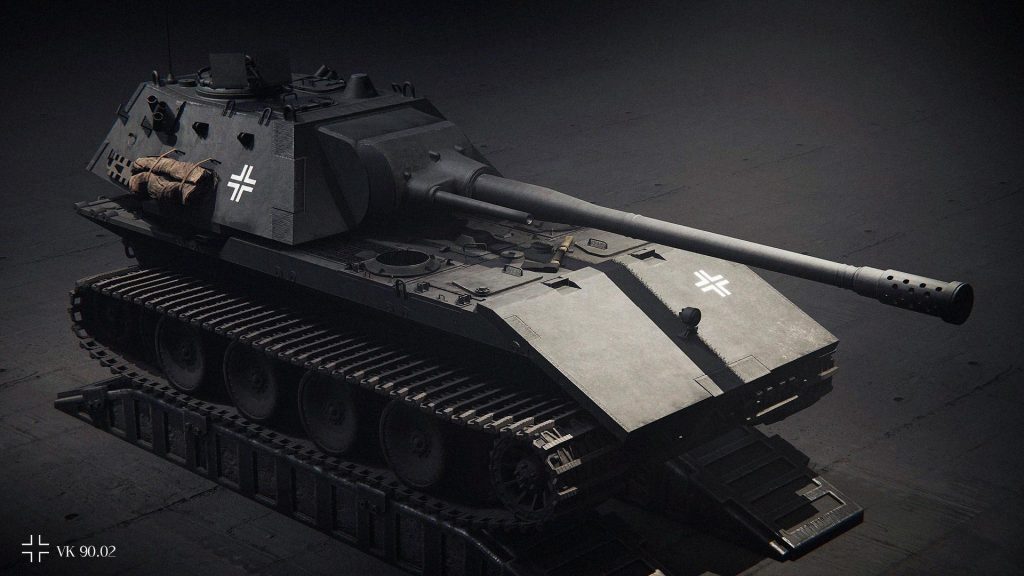
The most distinctive feature of the new vehicle is its armament.
A 128 mm gun developed from the PaK 44 is installed in the spacious turret. This extremely powerful anti-tank weapon was intended to engage practically any enemy armored vehicle in existence at the time.
However, German engineers encounter a familiar problem: the enormous 128 mm rounds are difficult to load, while using them to destroy lightly armored targets is completely uneconomical.
Therefore, an additional 75 mm KwK 40 L/43 gun is mounted alongside the main weapon.
It is intended to engage medium tanks, light armored vehicles, and fortified firing positions, allowing the crew to conserve the heavy ammunition.
This solution resembles the armament of the Maus, but the VK 90.02 receives a more compact turret and a different approach to crew accommodation.
However, the two guns create serious difficulties. Space must be found for two separate ammunition supplies, the loaders must be able to work efficiently, and rapid aiming must remain possible.
As a result, the crew increases to six men, while the turret weight reaches almost 30 tons.
Armor, Engine, and the Main Problem
The designers of the VK 90.02 deliberately abandon the ambition of achieving absolute invulnerability.
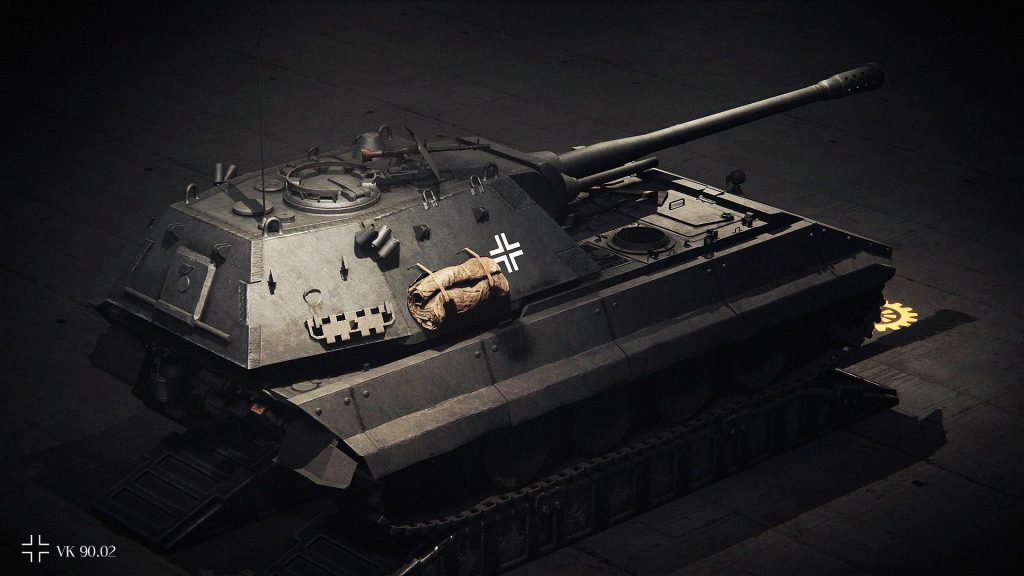
The hull front receives 160 mm armor plates positioned at carefully calculated angles. The turret front is protected by armor up to 200 mm thick, while the hull sides have 100 mm of armor.
Although this protection is inferior to that of the Maus in terms of absolute thickness, it allows weight to be reduced and mobility to be improved.
Initially, the 700 hp Maybach HL 230 is considered as the powerplant, but its capabilities are clearly insufficient for a 90-ton vehicle.
The engineers eventually select the promising Maybach HL 234 with direct fuel injection. In this alternative history, its development program is accelerated, allowing an output of approximately 900 hp to be achieved.
Nevertheless, the power-to-weight ratio remains modest, at around 10 hp per ton.
The running gear uses wide tracks and torsion-bar suspension with reinforced road wheels.
Even after all these measures, the vehicle is far from perfect. Enormous fuel consumption, high transmission loads, and restrictions imposed by bridge load capacities remain serious disadvantages.
But compared with the Maus, the new tank represents a considerably more practical design.
Initial Testing and Production
The first VK 90.02 prototype is completed at the Henschel factory in Kassel in February 1944.
Testing reveals insufficient gearbox reliability and engine overheating. Final-drive failures frequently occur when the vehicle operates over rough terrain.
Nevertheless, after modifications, the tank manages to achieve a maximum road speed of 32 km/h, which is considered a perfectly acceptable result for a vehicle of such enormous weight.
In the summer of 1944, the Army Ordnance Office orders an initial batch of 30 vehicles, which receive the designation Panzerkampfwagen VK 90.02.
However, production progresses slowly. Manufacturing the turrets requires specialized equipment, while the German engine industry is already experiencing serious difficulties.
By December 1944, only 12 tanks have been assembled.
The Final Battles of the VK 90.02
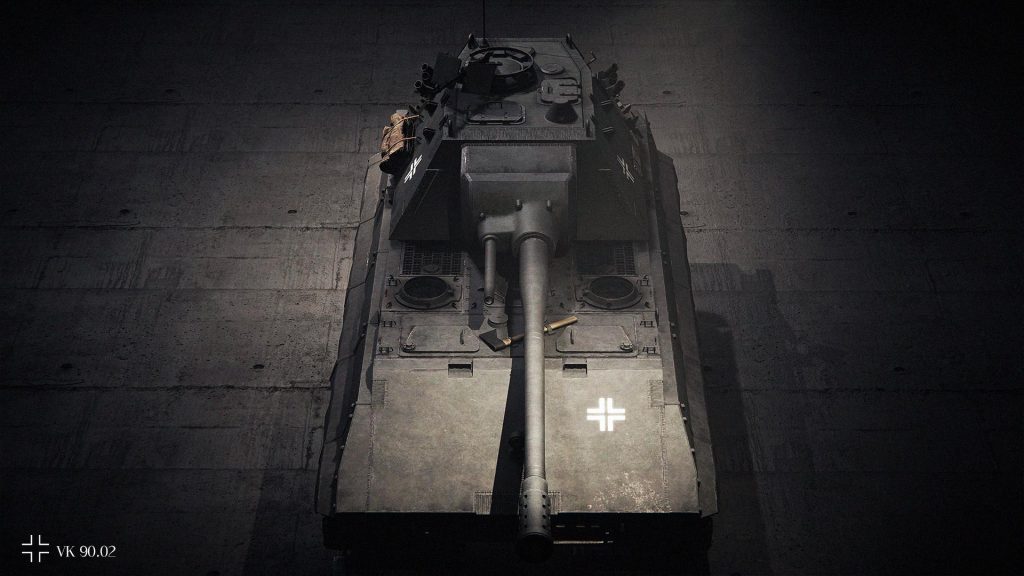
The new vehicles receive their baptism of fire during the Ardennes Offensive in December 1944.
Four VK 90.02 tanks are assigned to a separate heavy tank unit tasked with supporting the offensive against the most heavily fortified sectors.
The very first engagement demonstrates that the 128 mm gun poses a serious threat to American armored vehicles. However, narrow roads, destroyed bridges, and fuel shortages severely limit the capabilities of these giants.
One tank is lost due to a transmission failure, while another has to be abandoned after damage to its running gear.
The remaining vehicles participate in defensive fighting on German territory in the spring of 1945.
The VK 90.02 proves particularly effective as a mobile firing position operating from previously prepared defensive sites. However, whenever rapid maneuvering is required, its shortcomings become obvious.
By the time Germany surrenders, 18 tanks have been manufactured, of which only a few remain in relatively serviceable condition.
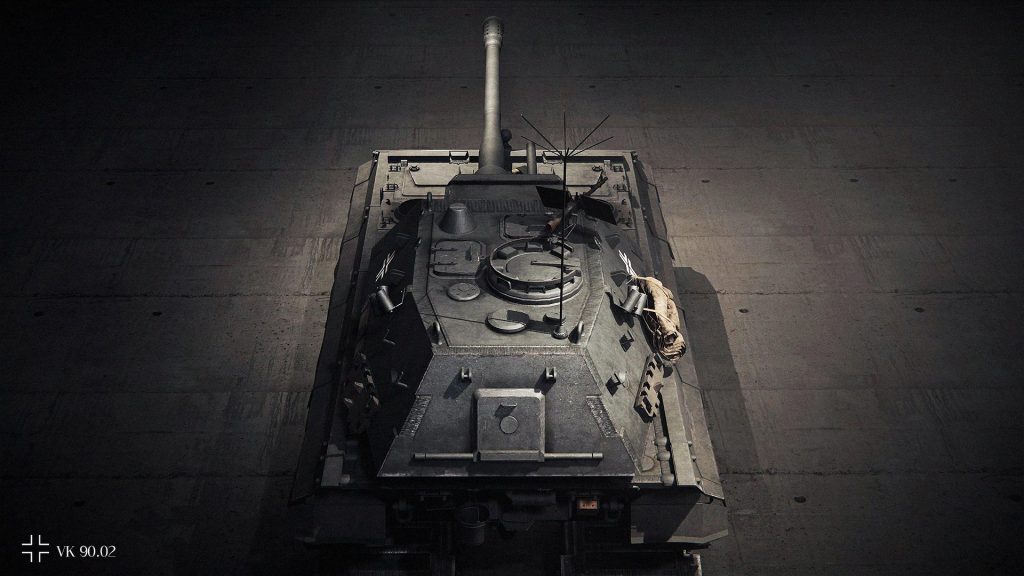
Technical Specifications of the VK 90.02
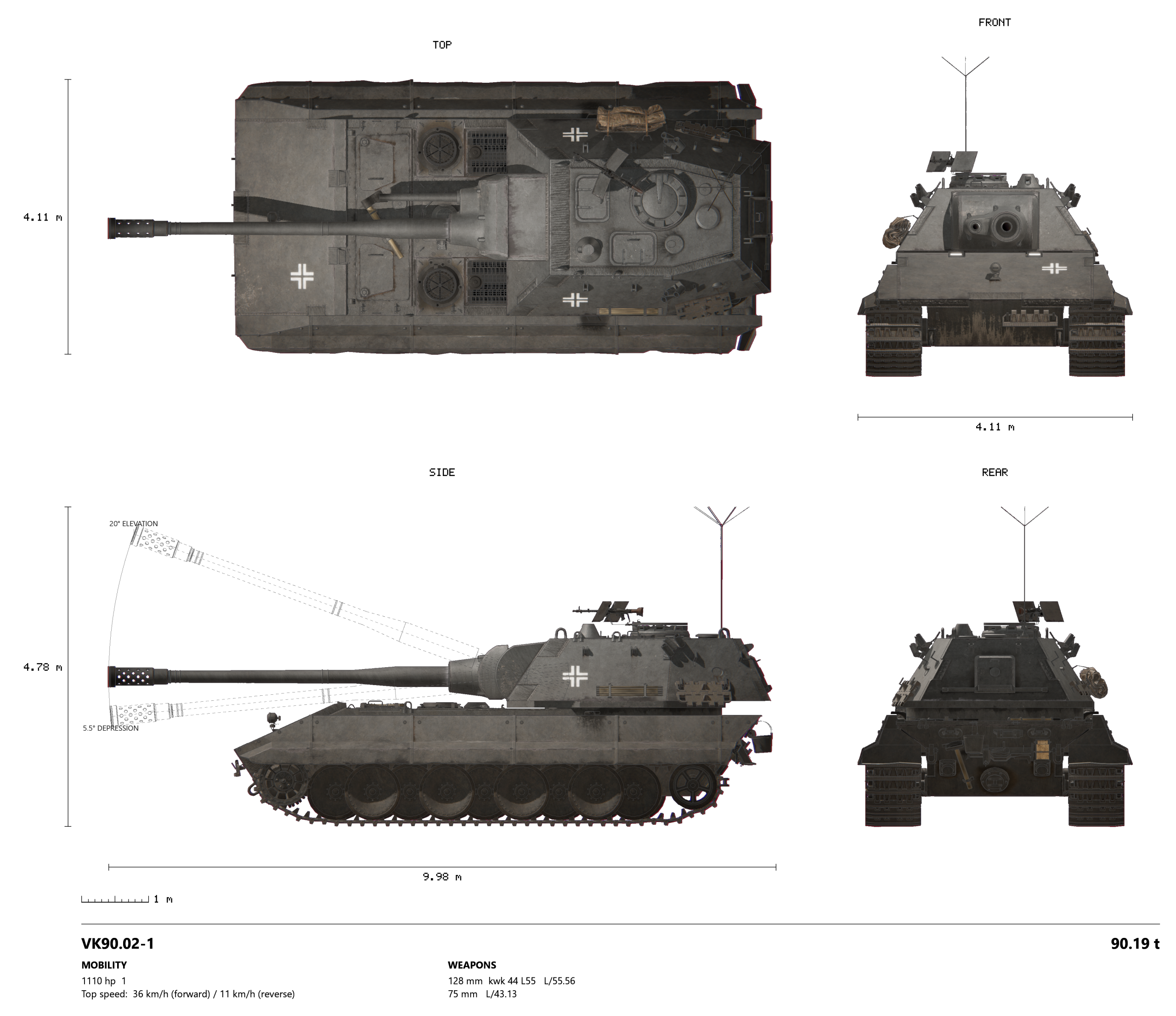
Proposed specifications for the 1944 production model:
-
Combat weight — 92 tons.
-
Crew — 6 men.
-
Hull length — 8.1 m.
-
Overall length with gun — approximately 10.7 m.
-
Width — 3.75 m.
-
Height — 3.15 m.
-
Main armament — 128 mm gun based on the PaK 44 L/55.
-
Secondary armament — 75 mm KwK 40 L/43 gun.
-
Machine-gun armament — 2 × 7.92 mm MG 34 machine guns.
-
Ammunition capacity — 30 rounds for the 128 mm gun and 70 rounds for the 75 mm gun.
-
Frontal hull armor — 160 mm.
-
Frontal turret armor — up to 200 mm.
-
Hull side armor — 100 mm.
-
Engine — Maybach HL 234 gasoline engine.
-
Engine output — 900 hp.
-
Maximum road speed — 32 km/h.
-
Cross-country speed — 12–18 km/h.
-
Road range — approximately 150 km.
All specifications, except for the 90-ton weight class and the two main guns specified by the model’s creator, have been reconstructed specifically for this alternative history.
Could the VK 90.02 Have Changed the Course of the War?
Undoubtedly, the VK 90.02 represented a considerably more reasonable alternative to the Maus and E-100. It possessed extremely powerful armament and substantial armor protection, while weighing almost half as much as Porsche’s famous tank.
However, even 90 tons is an enormous weight for an armored fighting vehicle of the mid-1940s.
German industry was suffering from shortages of fuel, alloying materials, and manufacturing capacity. Producing a single VK 90.02 would have diverted resources that could otherwise have been used to manufacture several lighter tanks.
Furthermore, Allied air superiority, destroyed transportation networks, and shortages of maintenance units made operating such giants extremely difficult.
Therefore, the most likely result of introducing the VK 90.02 would have been the reinforcement of individual sectors of the German defensive lines, rather than any change in the overall course of the war.
Nevertheless, the project created by our fellow enthusiast MAFIALAA allows us to imagine an entirely different path for German super-heavy tank development. Instead of fantastic 188-ton monsters, the Wehrmacht could have received a vehicle that, although still heavy and expensive, was far more suitable for actual combat.
Or perhaps the most sensible decision for Germany would have been to abandon super-heavy tanks altogether and concentrate its efforts on improving the existing Panther and Tiger tanks.