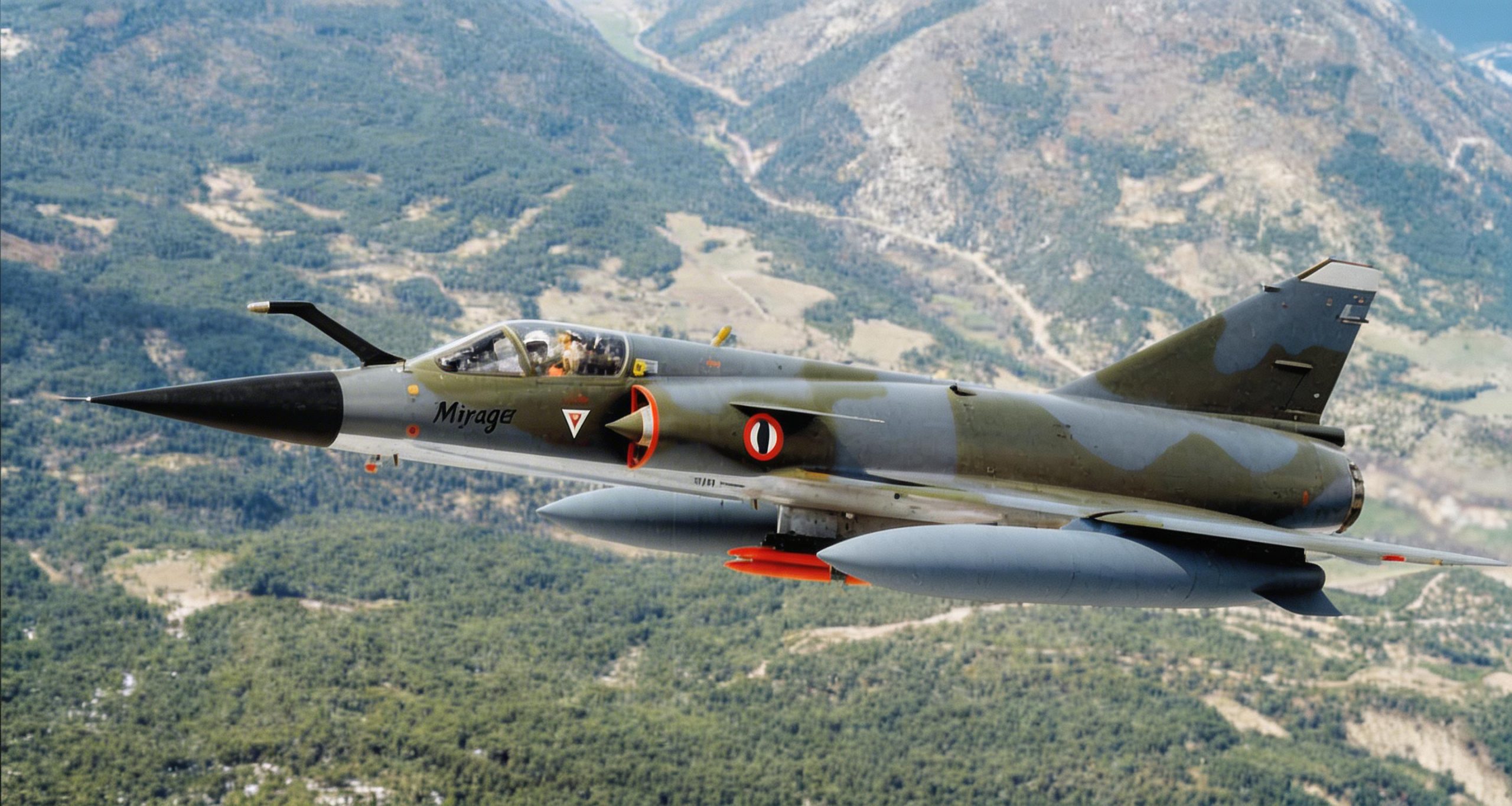
A tailless aircraft. The Dassault Mirage IIIEX experimental fighter-bomber. France

Contents:
Editor’s Foreword: In 1988, the final variant of the Mirage III fighter took to the skies. This aircraft, representing the final stage in the evolution of the delta-wing fighter, was specifically designed to study the “duck” aerodynamic configuration.
In 1966, employees of the Swiss state-owned aircraft manufacturer Eidgenössisches Flugzeugwerk (F+W), in Emmen, conducted research on installing a canard on the Mirage III fighter and tested a model in a wind tunnel. These studies resulted in a modification of the Swiss “Mirages,” carried out midway through their service life, which involved equipping them with a forward horizontal stabilizer (see APPENDIX). Thanks to the license Switzerland acquired to manufacture the Mirage, F+W and Dassault maintained close ties.
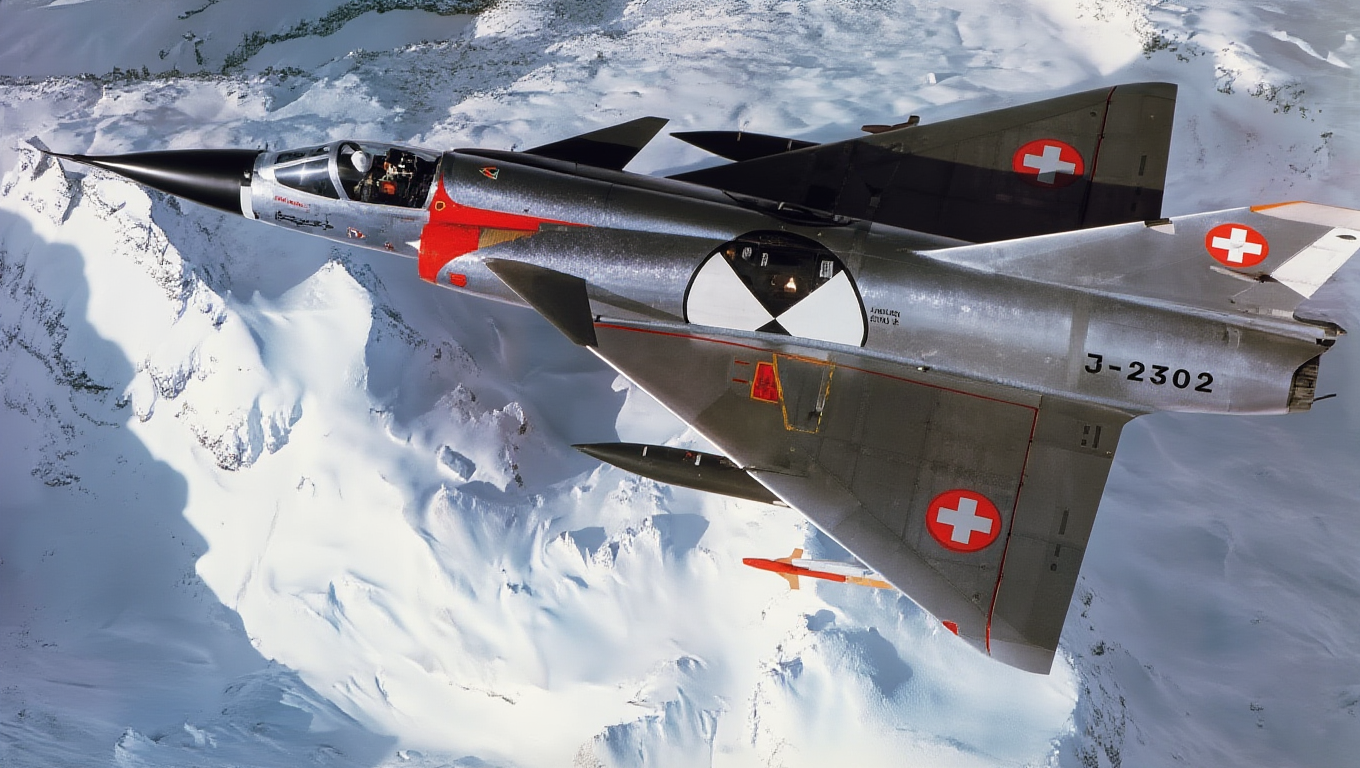
A Swiss Mirage III fighter jet equipped with a PGO, which was later installed on the Mirage IIIEX. Photo courtesy of Dassault Aviation
In September 1968, the Dassault Mirage 5J fighter-bomber No. 2 took to the skies with two fixed surfaces (known as “whiskers”) mounted on its nose cone. The aircraft, nicknamed Astérix, demonstrated interesting capabilities, so it was decided to make these surfaces retractable. The Mirage IIIR No. 344 was modified accordingly. The aircraft, designated Mirage Milan S 01, was presented to the Swiss as part of a competition to replace the Mirage III fighter. Dassault’s proposal was accompanied by a plan to retrofit the aircraft with electronics from the Jaguar strike aircraft. To improve its performance, Mirage IIIE No. 589 was in turn modernized, receiving a new targeting and navigation system and an SNECMA Atar 9K50 engine. Despite its impressive performance, this aircraft, unveiled in May 1972, did not survive, nor did any of its competitors. Until 1976, Dassault unsuccessfully attempted to interest other countries in the aircraft.
While production of the Mirage F1 fighter was in full swing, its predecessor, the Mirage III, had the advantage of being less expensive. Therefore, following the example of the Mirage Milan experimental fighter, it was decided to continue the modification program and equip the Mirage III with the Cyrano IV radar from the Mirage F1. Mirage IIIR fighter No. 301 was acquired from the French Air Force in 1979 and modified to include the Cyrano IV radar, an Atar 9K50 engine, and a more advanced targeting and navigation system with an inertial platform and a windscreen display. Subsequently, the Agave radar was installed, and the aircraft was renamed the Mirage 50.
The Swiss PGO has been established
In May 1981, a PGO was installed on the Swiss aircraft, which provided better performance than that achieved with the “whiskers.” Winglets on the leading edge further improved performance [surfaces that increase the chord length of the wing’s root sections and help resolve certain aerodynamic issues—Ed.]. After numerous iterations with the targeting and navigation system, it was decided to install a fly-by-wire flight control system. The aircraft, modified in this way, was designated the Mirage IIING. In December 1982, the Mirage IIING, piloted by Patrick Experton, made its first flight.
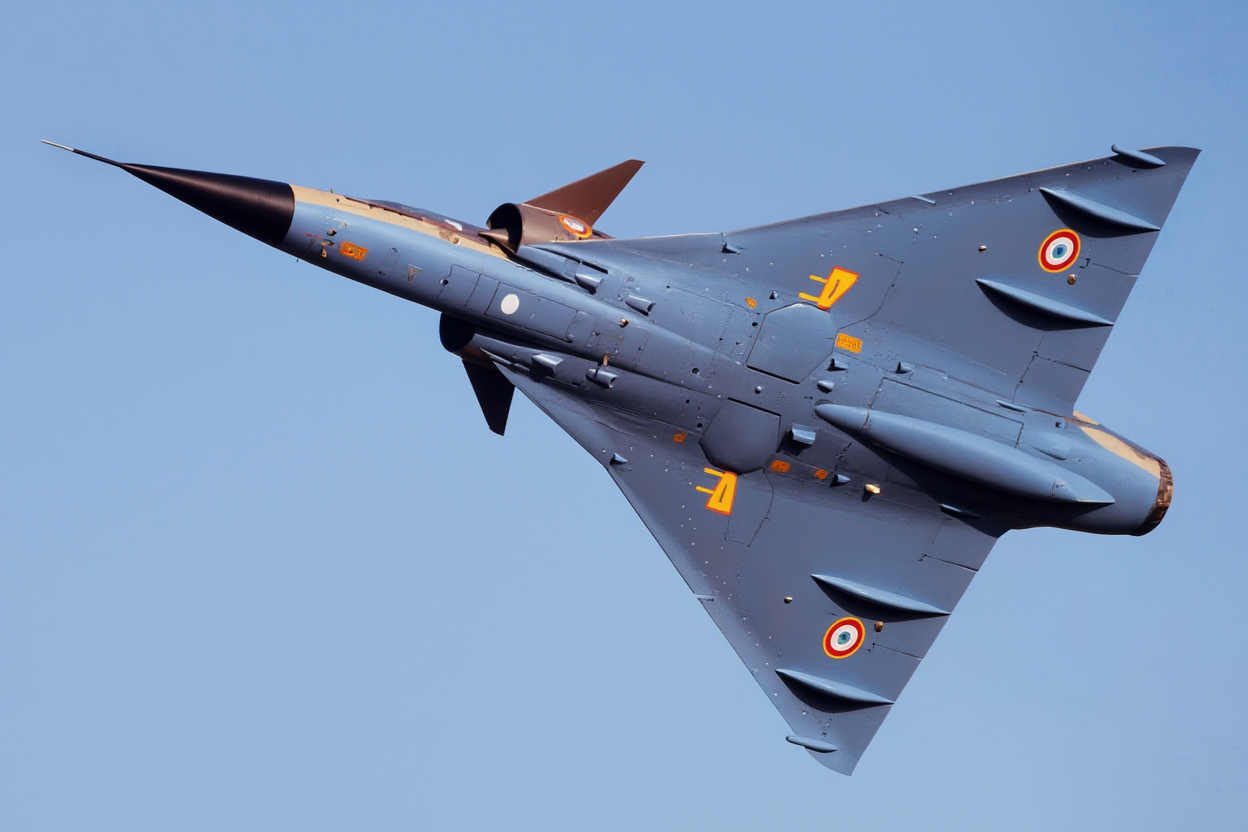
The center of gravity of the Mirage IIING prototype fighter was shifted forward. Note the fillets at the wing roots. Photo courtesy of Dassault Aviation
Flights continued until September 1984, but despite some interest from a number of countries, no orders were placed. The modernization was too expensive, and the rebuilt aircraft had inferior performance compared to the latest Mirage 2000 fighter.
In 1987, while simultaneously conducting negotiations with Venezuela, Dassault sold Brazil a number of fighter jets that were to be manufactured based on Mirage IIIE and Mirage IIIR aircraft purchased from the French Air Force. As part of the modernization, the aircraft were to be equipped with canards, since, according to the plans of the Brazilian Air Force command, the Mirages were to perform air defense missions: the forward horizontal tail surfaces improved maneuverability at high speeds. The rest of the Brazilian “Mirage” fleet was to be modernized to the same standard.
The Mirage IIIE retrofit begins
Given the timeline for the production of the first aircraft, developing this variant required a test bed that could be obtained as quickly as possible and at minimal cost. Therefore, the decision was made to purchase Mirage IIIE No. 467 from the French Air Force.
This aircraft had a turbulent history: in the mid-1970s, it was involved in a collision with a Mirage IIIB. The result: a keel sliced right at its base and nearly torn off, and the left side of the fuselage torn open. The aircraft was repaired in Biarritz-Parma. Subsequently, as a result of a shooting incident, it sustained further damage: a training round with an inert filler struck bulkhead 26 and the radio equipment compartment, after which the aircraft was repaired at the French Air Force repair facility in Clermont-Ferrand. It thus entered service in Biarritz in late November 1987.
The retrofit mainly consisted of:
-
-
- the installation of a wing root fairing developed by the Swiss for their aircraft. This wing root fairing was positioned further back than that of the Mirage 50 fighter-bomber: 0.8 meters from the leading edge of the air intake, and had a slightly larger area. Each winglet had a span of 0.888 meters, an area of 0.663 square meters, with a slightly curved leading edge having a sweep angle of 56°40’, while the sweep angle of the trailing edge was 23°20’. This wing was known as the “3.8% duck,” which is the ratio of its total area to the reference wing area of the Mirage III fighter (34.8 square meters).
- Two steel plates, 3 mm thick and 0.3 meters long, were mounted at the base of the air pressure sensor (APS) located at the tip of the Cyrano II radar antenna fairing. The purpose of these plates was to improve lateral stability at angles of attack greater than 22°;
- the targeting and navigation system of the Mirage IIIE fighter-bomber, with the exception of the Doppler navigation radar, which was removed; A VHF radio replaced one of the UHF radios; the ESD 3300 “friend-or-foe” identification system was installed, as well as a new-generation autopilot. Finally, a new angle-of-attack indicator was developed, accounting for a maximum angle of attack of 28° in air combat or 22° in a heavy-load configuration. The automatic trim system (compensator) ceased operation at an angle of attack of 23°, so that the pilot could maintain control inputs and the aircraft could not exceed the maximum permissible angle of attack;
- new gun port deflectors, providing more effective engine protection at high angles of attack.
-
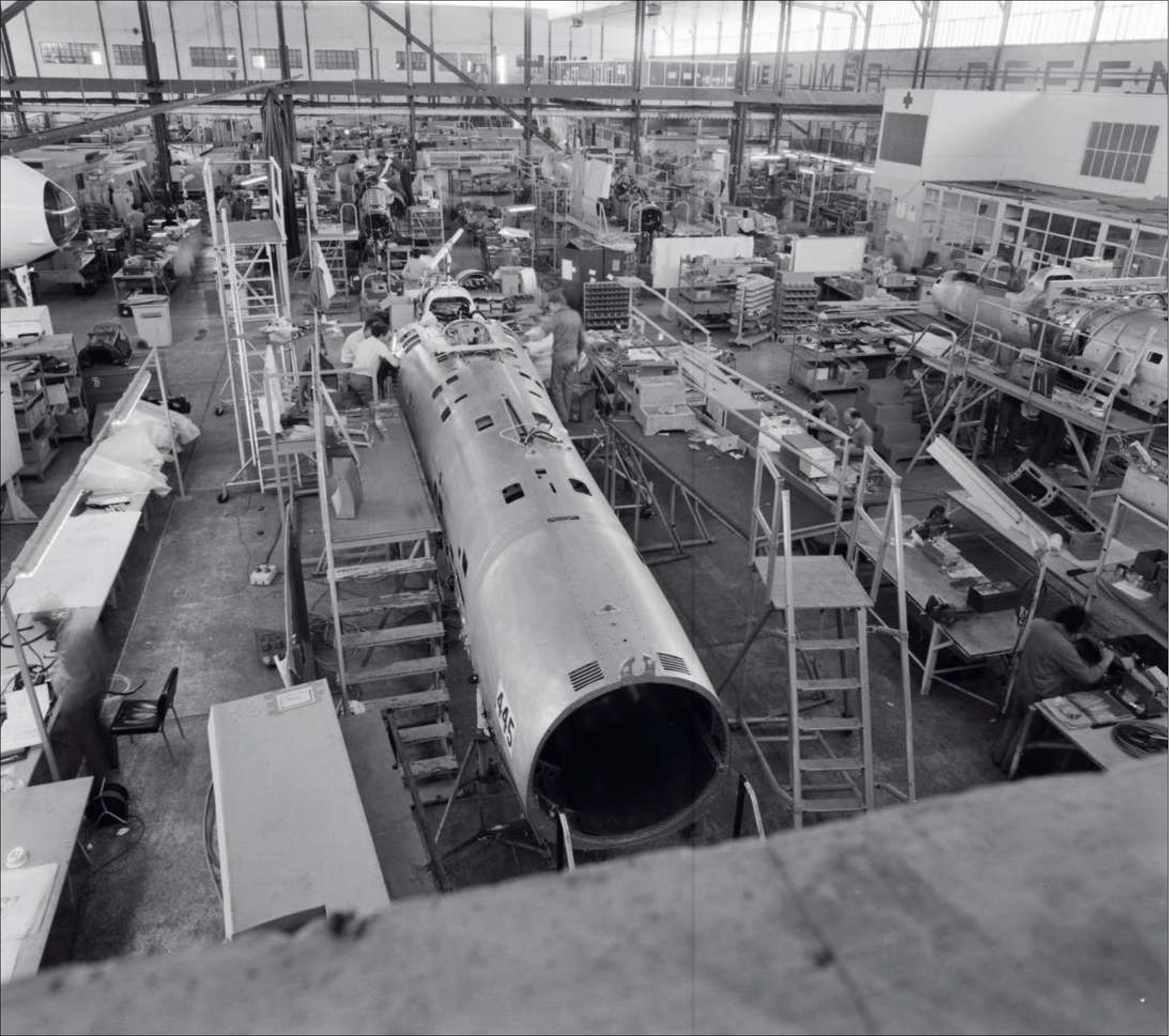
In the foreground is the fuselage of a Mirage IIIEX at the Breguet-Dassault plant in Biarritz-Parma. In fact, this is the airframe of the Mirage IIIE fighter-bomber No. 467, modified by the installation of a fuel tank and new equipment. Photo courtesy of Dassault Aviation
The complete modification kit was purchased from the F+W aircraft factory in Emmen. After being refitted at the Biarritz-Parma plant in late March 1988, the Mirage, piloted by Patrick Experton, flew to Istres with a stopover in Cazo.
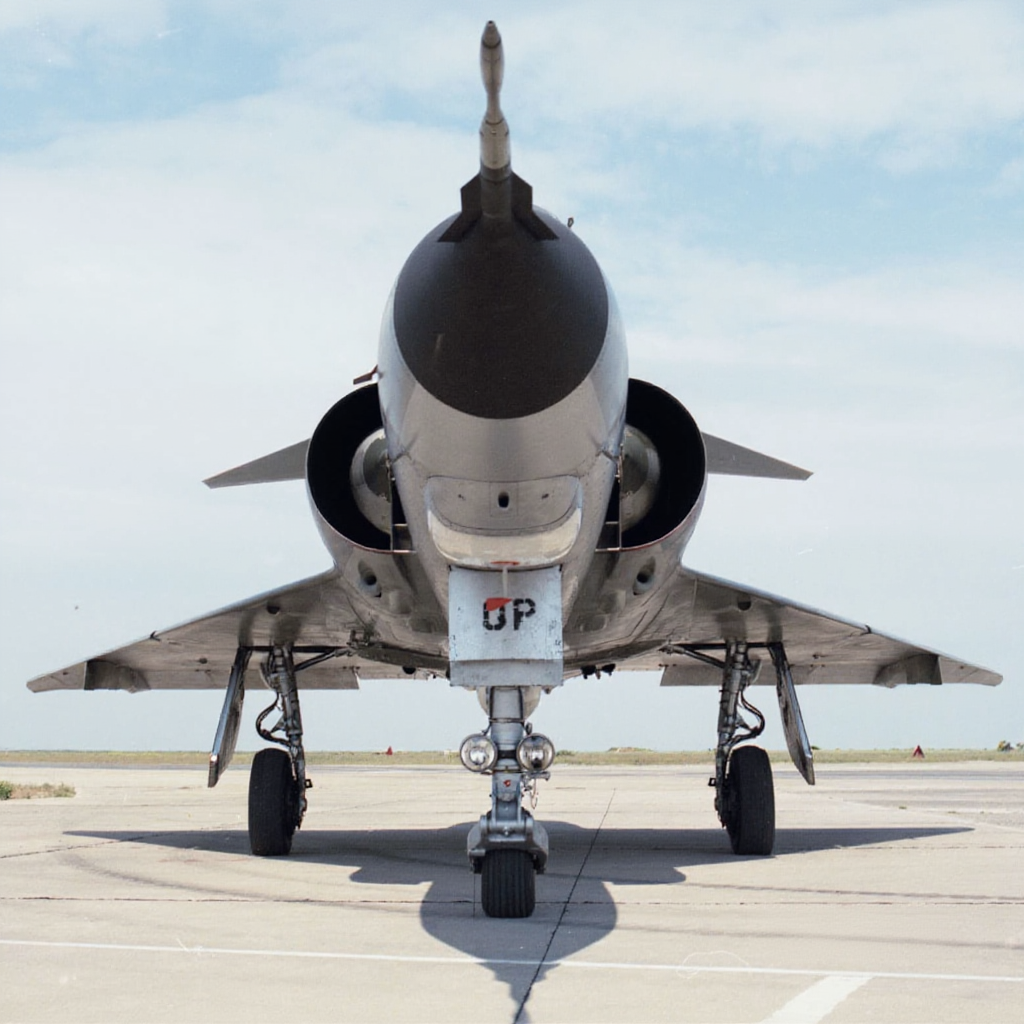
This photograph of a Mirage IIIEX clearly shows the wing pylons and the plates at the base of the wing roots; Istres, May 26, 1988. Photo courtesy of Dassault Aviation
On his third flight, Jean Pus was able to “maintain” the aircraft at a speed of 110 knots (204 km/h), but the drag generated by the aircraft was very high. It took a lot of energy to pull out of that nose-up attitude and lose just 2,000 feet (610 m) in altitude to gain enough speed for level flight. Patrick Experton and Jean Pus flew the “Mirage,” alternating between flights with and without external loads. The aircraft, equipped with an Atar 9C engine, is somewhat underpowered compared to the Mirage 50 fighter-bomber.
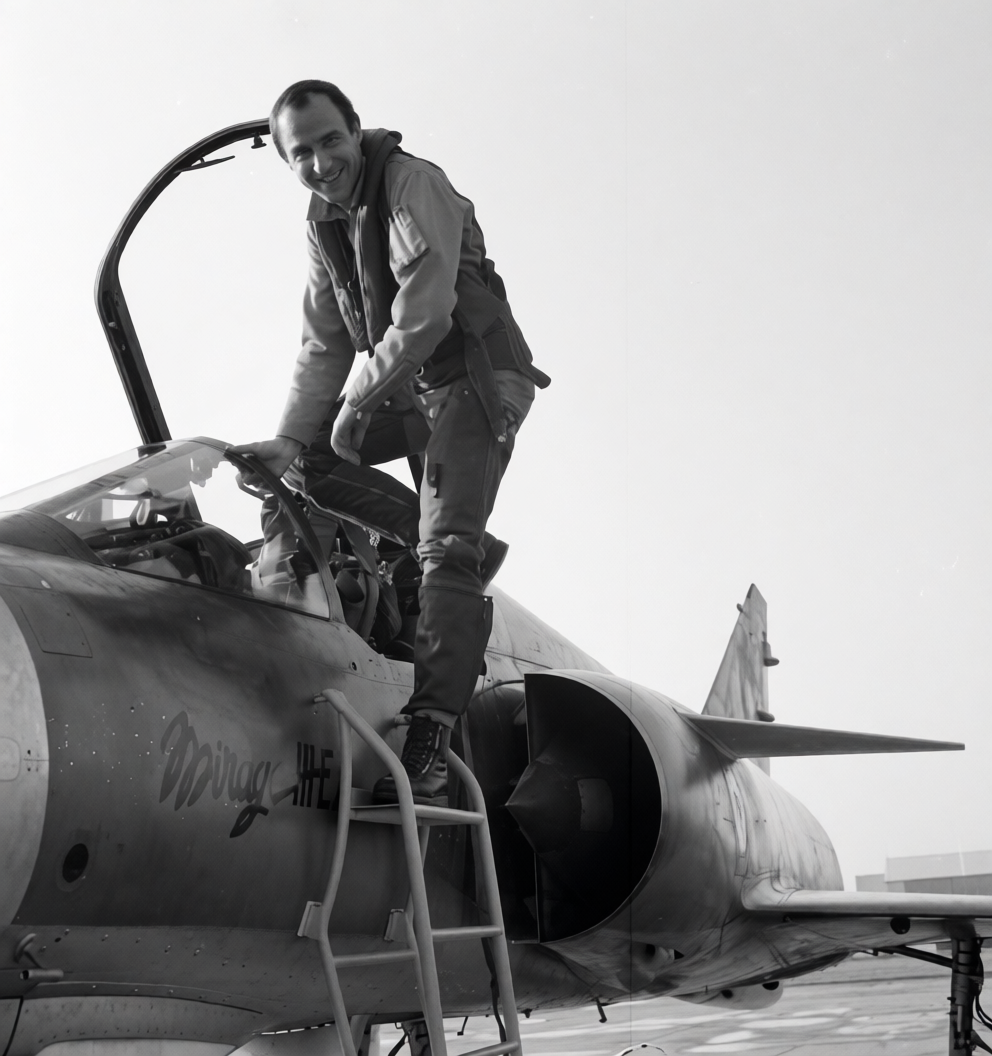
Dassault test pilot Jean Püs climbs into the cockpit of a Mirage IIIEX. Photo courtesy of Dassault Aviation
During its ninth flight, the “Mirage” took part in tests unrelated to its primary mission: the aircraft was supposed to carry and then tow the Barbara electronic countermeasures decoy, manufactured by ESD, attached to the end of a 2,000-meter cable and suspended beneath the left wing pylon. The decoy refused to “unwind” [the cable did not unwind due to aerodynamic drag—ed.], and the second attempt ended with the cable breaking while hovering at an altitude of 8,000 feet (2,438 m) and a speed of 250 knots (463 km/h). Some time later, another attempt yielded the same result.
In June 1988, Mirage IIIE No. 467 flew without winglets and with steel plates mounted at the base of the wings. During the tests, it was determined that the plates did not interfere with radar operation, that flight performance was not compromised, and that the aircraft remained stable at high angles of attack. In fact, the plates alone made it possible to achieve nearly all the results obtained with the use of the PGO…
Reduction in PGO
Based on the test results, it was concluded that the area of the winglets (and, consequently, the drag) could be reduced. During the eighteenth flight, winglets with an area reduced by 2.5% (from the reference area) were tested. The “Mirage’s” performance was identical to that of the PGO with an area of 3.8%, but with lower drag: without external loads, the aircraft reached a maximum speed of M = 1.9 (700 knots, 1,296 km/h).
At an actual angle of attack of 27°, a speed of 100 knots (185 km/h), and with the engine operating at full power at an altitude of 5,000 feet (1,524 m), the Mirage, with its center of gravity close to the rear, lost only 1,000 feet (305 m) to regain the speed necessary for level flight.
In August, Major Deleume (commandant Deleume) from the Flight Test Center (Centre d’essais en vol – CEV) conducted three flights in a Mirage IIIE, serial number 467, to prepare for the arrival of the Brazilian aircraft. According to Major Deleume’s assessment, in its interceptor configuration, the Mirage performed very well at angles of attack up to 28°, with slight buffeting (vibrations) and no lateral stability; in a heavy configuration with a rearward center of gravity, a slight roll at high angles of attack caused the nose to pitch up (stall—an aerodynamic phenomenon at transonic speeds).
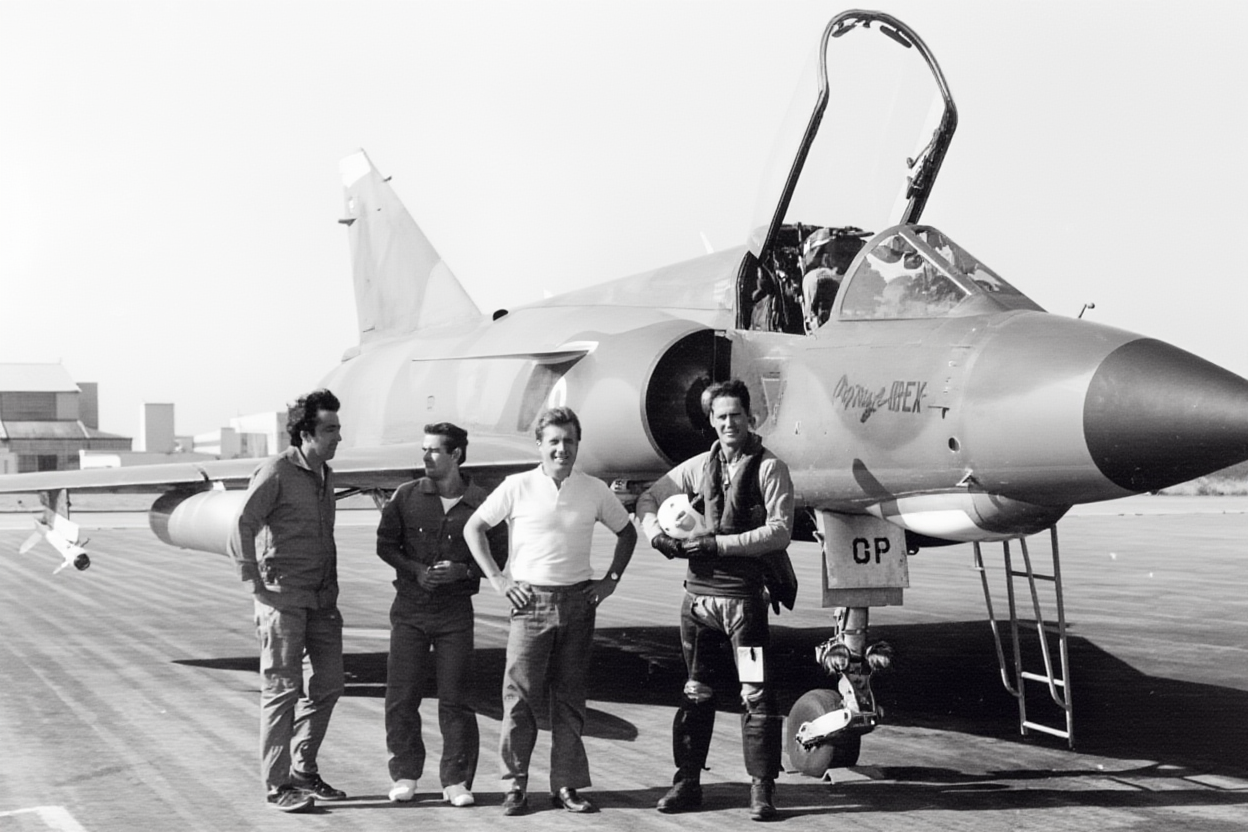
Major Delem and the staff of the flight test center in front of a Mirage IIIEX aircraft; Istres, August 13, 1988. Photo courtesy of Dassault Aviation
The Mirage IIIE, No. 467, was returned to Bretigny to conduct additional test flights at the flight test center, where the pilots gave the aircraft’s control system very positive reviews.
Development of a Plan for Venezuela
In late September 1988, Jean Pous conducted test flights at Cazo with the engine’s automatic fuel-reduction system disabled at speeds up to 100 knots (185 km/h) and an angle of attack of 32°; no engine problems were reported. Then, beginning in December 1988, the flights focused on developing a version for Venezuela.
A Cyrano IV radar fairing was installed without the plates at the base of the Chaffois radar fairing [named after its inventor, Chaffois—Ed.], and the PGO, covering 2.5% of the wing area, was retained. At low speeds, handling was better than with the Cyrano II radar fairing and the plates at the root of the wing, but buffeting was more severe than on the Mirage IIING prototype. However, first and foremost, the increase in angle of attack was very small compared to the standard Mirage IIIE: the plates at the root of the wing were necessary. The plates were installed, and the aircraft’s behavior did not differ significantly from that with the Cyrano II radar fairing.
The aircraft was equipped with a “dry” in-flight refueling probe: it ensures easy docking with minimal roll and yaw, even with small changes in angle of attack, and without disrupting engine operation. Flights with a heavy payload and a rearward center of gravity (multi-lock bomb racks with BAT120 tactical support bombs under the fuselage and two fuel tanks, each with a capacity of 1,700 liters) were conducted with stabilizer base plates increased from 0.30 to 0.36 meters, which ensured ideal lateral stability.
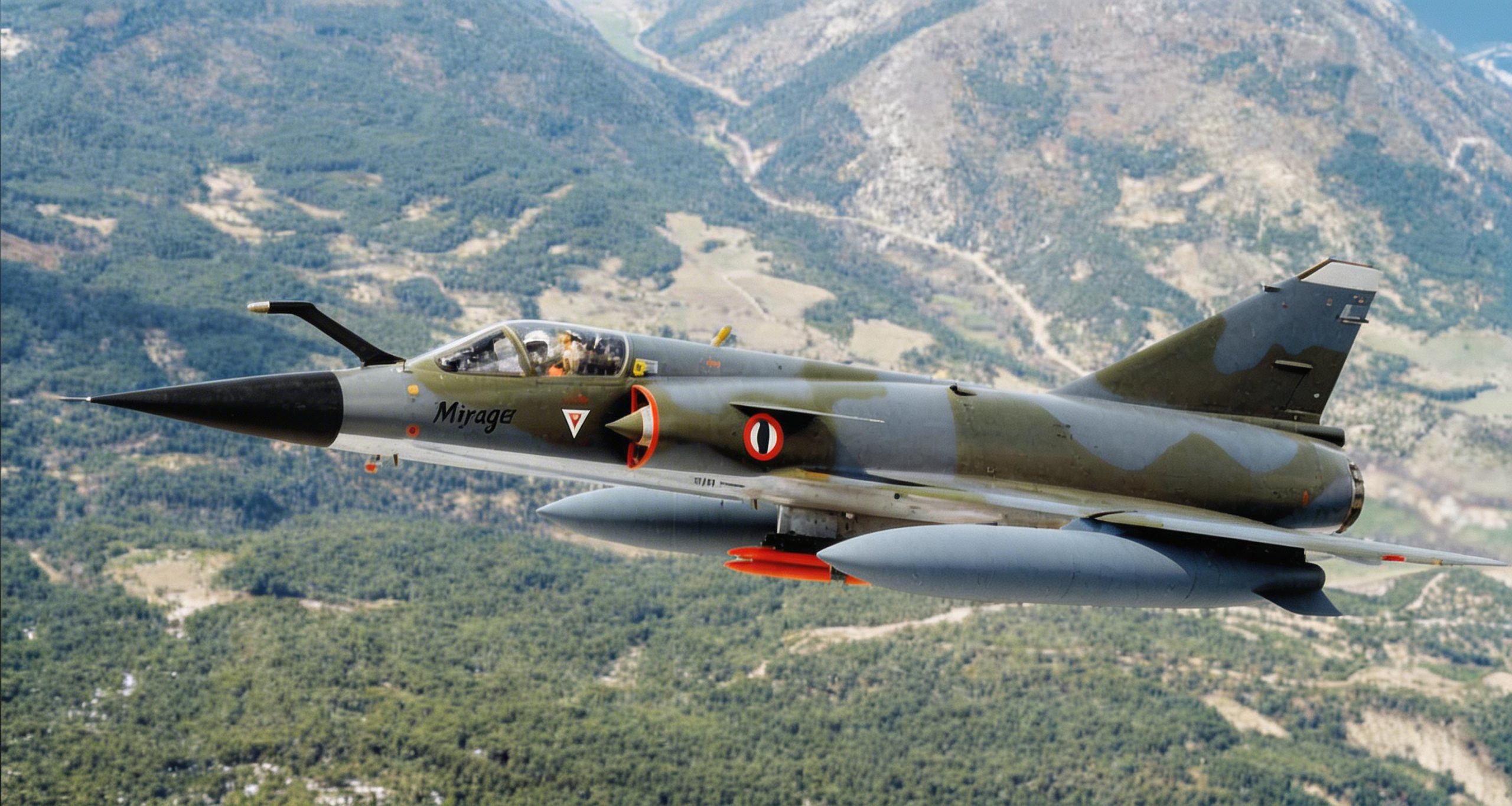
A Mirage IIIEX aircraft in flight over the Alps. The aircraft is equipped with a more effective radar featuring a new radome. Note the multi-lock bomb rack suspended beneath the fuselage, carrying BAP100 runway-destruction bombs. Photo courtesy of Dassault Aviation
The Flight Test Center tested the “Mirage” variant for Venezuela, the final configuration of which was determined after three flights conducted in May and June 1989 under the command of Major Delem. Subsequently, the tests conducted as part of the preparation of the aircraft for export were completed.
A year later, the 77th flight was conducted in a configuration that had been proposed at the time for upgrading the Spanish “Mirage” aircraft to the Mirage IIIEE variant (IE – Spanish). The aircraft was equipped with deflectors for the cannon muzzles, which ran beneath the nose of the fuselage, and a probe for in-flight refueling. The test flight proceeded without any engine problems.
The 79th and final flight took place on June 7, 1990, piloted by Jean Pusa, with the aim of determining the configuration requested by the Venezuelans. On this flight, the Mirage was equipped with a Cyrano IV radar fairing and lacked the PGO and plates at the base of the PVD.
The aircraft is currently in permanent storage: in 1995, it was donated to the Montélimar Aviation Museum Association, where it is part of the exhibition.
Throughout the testing period, the aircraft was painted in the camouflage scheme used by Mirage IIIE fighter-bombers of that era. A stylized “Mirage IIIEX” inscription is painted on the sides of the fuselage below the windshield.
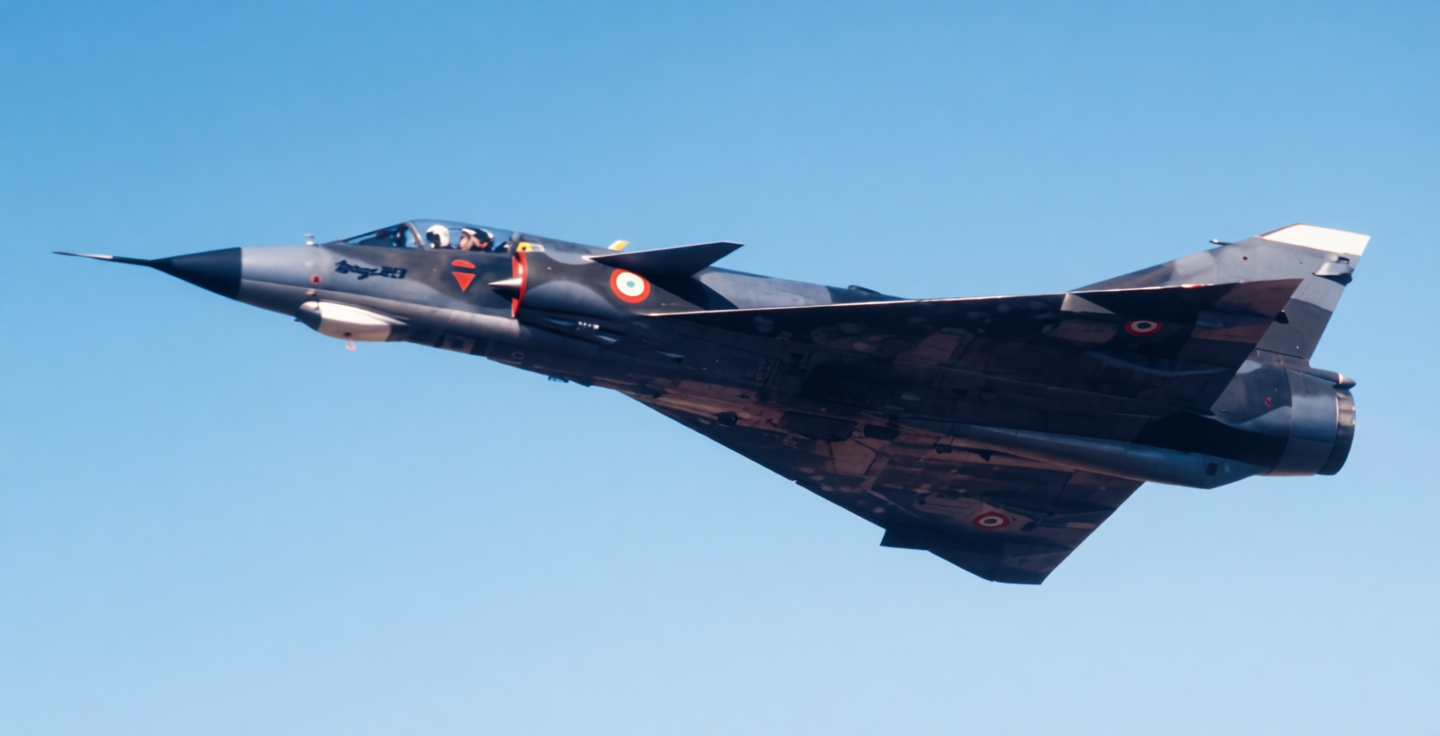
The Mirage IIIEX retained the camouflage and identification markings of the French Air Force. This photograph of a Mirage IIIEX in flight was taken in September 1988. Photo courtesy of Dassault Aviation
But what about the PGO?
Looking back, we can draw certain conclusions: in the lighter configuration of the fighter-interceptor (Brazil) with a large center of gravity (3.8% of the wing area), the center of gravity is shifted forward; in the heavier configuration of the strike aircraft (Venezuela) with a smaller PGO (2.5% of the wing area), the center of gravity is shifted aft. Tests showed that a smaller-area forward horizontal stabilizer was sufficient, that the forward horizontal stabilizer provided little benefit, and that 80% of the increase in angle of attack is attributable to the plates at the base of the canard. The plates and the forward horizontal stabilizer provide a 10–15° increase in angle of attack compared to a standard Mirage III fighter, which is a significant advantage, especially in aerial combat. However, at the same time, the PGO significantly reduces the longitudinal stability margin and, consequently, impairs the aircraft’s centering. In terms of g-load stability, takeoff run, and landing roll, the benefit will be negligible—unlike the “whiskers” (which were used on the Mirage Milan).
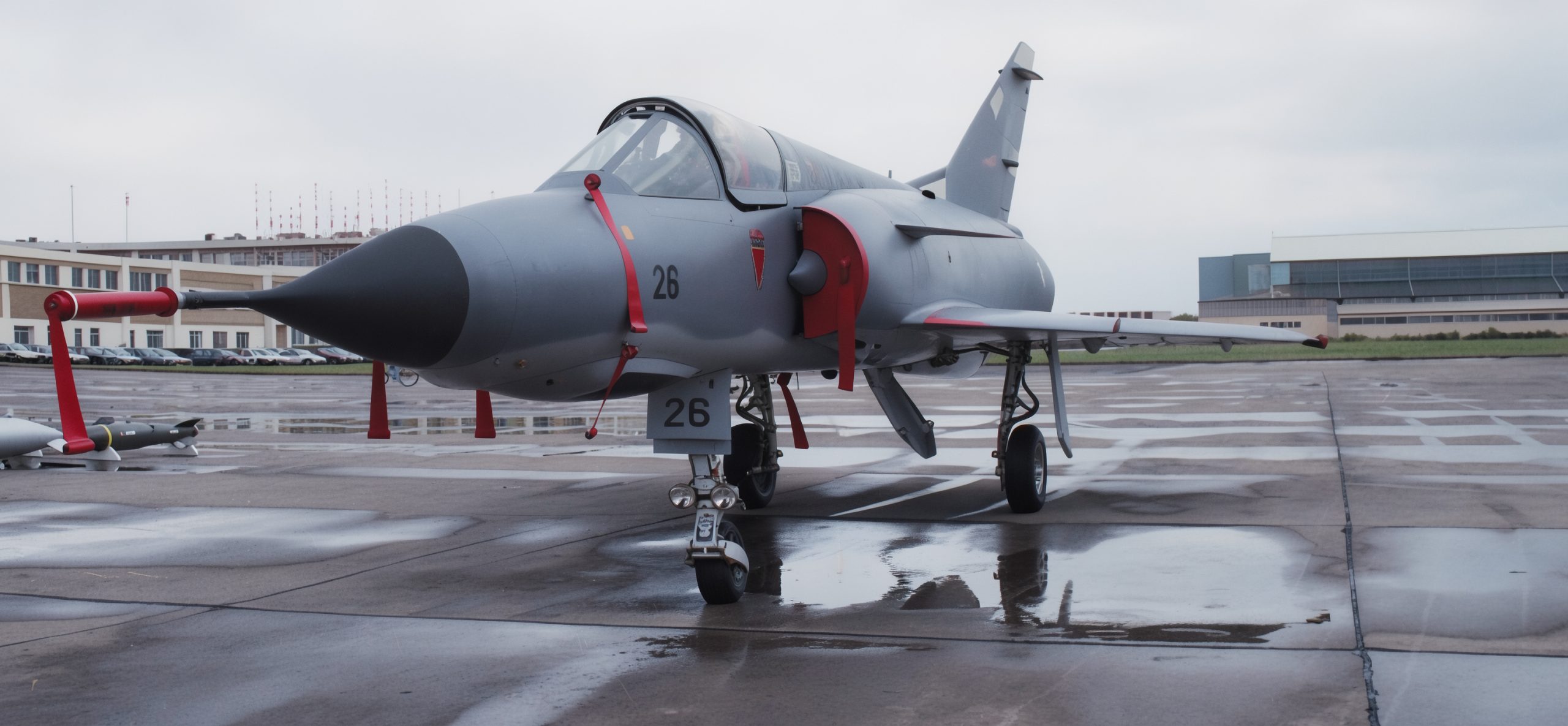
A Brazilian Mirage IIIEBR during testing in Istra. By that time, Brazil had begun a program to modernize its fleet of Mirage III fighters. Photo courtesy of Dassault Aviation
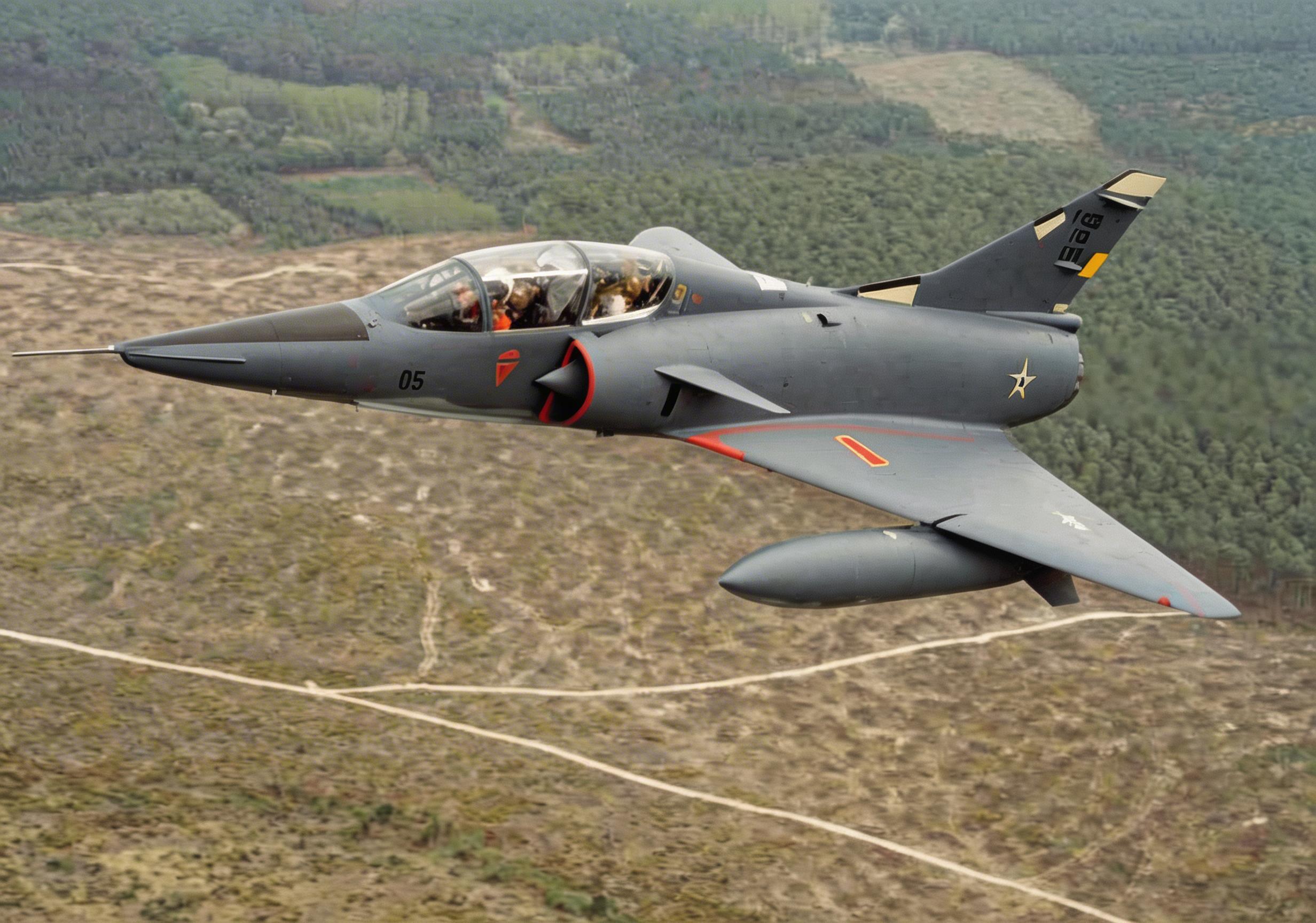
A Brazilian two-seat Mirage IIIDBR aircraft, No. 4906. In fact, this is a former French Air Force Mirage IIIR single-seat reconnaissance aircraft (No. 338) that was converted (including the installation of a navigation system) for Brazil. Photo courtesy of Dassault Aviation
The Search for the Right Recipe
These days, some believe that a fixed underwing pylon on a slow-moving aircraft—unlike the Mirage 2000 and Rafale fighters—adds no real value and was merely a fashion statement; the main benefit came from the plates at the base of the wing. One could even say that for the heavy Venezuelan aircraft, the use of the external hardpoints is limited to carrying four 250-kg bombs and auxiliary fuel tanks. To correct the Venezuelan Mirage IIIEV’s center of gravity, which had shifted excessively aft, additional ballast had to be loaded into its nose. But since the maximum allowable weight could not be exceeded, this was achieved by using fuel or weapons!
As for the “Kfir,” the Israelis had more reasons to use a PGO: the new engine and the elongated nose, weighed down by the avionics housed within it, shifted the center of gravity and, consequently, removed the restrictions on underwing payload placement. The Kfir’s canard was very similar to that of the Swiss “Mirage” (3.8% of the wing area), but was positioned closer to the nose.
The only significant changes to the aerodynamics of the Mirage III family of aircraft were the installation of a tailplane and plates at the base of the vertical stabilizer on the Venezuelan Mirage 50s. These modifications did not result in any fundamental improvement in approach, takeoff, or landing speeds—which had been the main criticism of tailless aircraft with delta wings. However, this negative conclusion can be partially mitigated by the aircraft’s performance in aerial combat: thanks to the canards, the Mirage possesses greater maneuverability with faster changes in angle of attack.
It was the fly-by-wire control system, combined with aerodynamic instability, that completely transformed the performance characteristics of fighters with delta wings: first in the Mirage 2000, with its air intake flaps, and then in the Rafale, with its controllable afterburner.
APPENDIX. Front horizontal tail and triangular wing
The main drawback of a triangular wing is its landing speed and, consequently, the long runway required for takeoff and landing, as well as the limitations imposed on turning maneuvers. The main reason lies in the inability to increase the wing’s lift using mechanical means: the torques generated by the slats and flaps cannot be compensated for by the elevator, and the deflection of the elevons in this case has the opposite effect to that desired. The installation of slats on the leading edge of the wing of the Mirage III 001 fighter prototype was unsuccessful. Aircraft with a delta wing and power-assisted control surfaces must have a horizontal tailplane, which results in the loss of a significant portion of the delta wing’s advantages. It was only with the advent of fly-by-wire flight control systems that it became possible to equip a statically unstable aircraft with a delta wing and slats. To reduce the deflection of the elevons during takeoff and landing—and thus reduce their interceptor effect and their drag—it is necessary to install lifting surfaces in front of the wing: This principle has been known since the dawn of aviation—more or less consciously, at first glance—and refers to the leading-edge horizontal stabilizer. However, the use of the leading-edge horizontal stabilizer has a negative effect, namely the introduction of longitudinal instability.

In 1990, Dassault Aviation adopted this logo, which features a triangular wing with a four-leaf clover inscribed within it—a good-luck charm associated with the company’s founder, Marcel Dassault. Dassault Aviation logo
Source: Michel Liébert, “Aerodynamics: ‘Mirage’ IIIEX. Canards for the Delta,” *Le Fana de L’Aviation*, December 2022 (637), pp. 70–76
Translation first published at — https://vk.com/@710541705-mirage-iiix-des-canards-pour-le-delta