An Anti-Hail Rocket Could Become a Drone Interceptor. Why Is Air Defense Looking at Alazan?

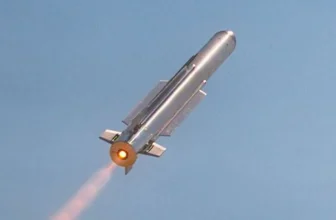
An anti-hail rocket normally protects crops: it climbs into a cloud and releases a special seeding agent. Now a rocket from the Alazan family is being considered for a different job — intercepting drones. At first glance, this looks like an odd attempt to turn agricultural equipment into a weapon. But the idea addresses a thoroughly modern problem: how can air defenses counter large numbers of aerial targets without spending an expensive missile on every one?
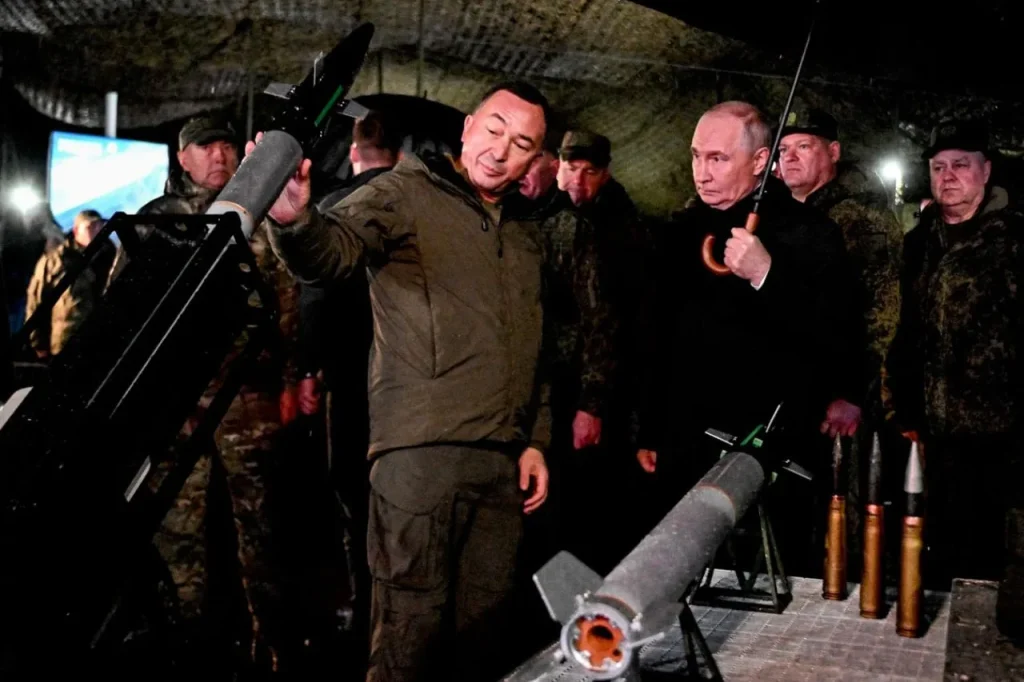
According to published reports, the proposed interceptor would be based on an existing anti-hail rocket, with a target price of roughly one million rubles — around $12,000 using the conversion cited in the original report. This is a development goal, not a confirmed price for a production weapon. Even so, the choice of starting point deserves attention: developers are looking to an industry that already knows how to mass-produce relatively simple devices for carrying a payload into the air.
The Rocket That Protected Crops
The term “anti-hail” can be misleading. Alazan does not catch individual hailstones or blow apart a frozen cloud. Its job is to deliver an ice-nucleating agent into a particular region of a cloud. The aim is to influence how ice particles form and reduce the likelihood of large hailstones developing that could damage crops. The rocket acts as a courier, carrying the material to a place that would otherwise be difficult to reach from the ground.
This is an established category of specialized equipment. The system includes rockets, launchers and the equipment needed to coordinate cloud-seeding operations. Guidance published by Russia’s hydrometeorological service describes both manually controlled and automated launchers. The manufacturer has continued developing the family: in 2023, Rostec announced series production of Alazan-8M, an improved version of Alazan-6. The proposal therefore builds on an existing industrial product line, although its suitability for the new role has yet to be demonstrated.
For a developer, that could save time and effort. There is no need to start the entire project from scratch: experience in manufacturing, storing and operating rockets from the family already exists. But established production provides only part of the future system. Delivering a seeding agent into a volume of cloud and hitting a small aircraft in flight are different tasks, and a new name will not bridge that gap.
Why Cheap Drones Create Demand for a Different Missile
Countering drones is not simply a matter of comparing two price tags. If an inexpensive aircraft threatens a valuable facility, an expensive interception may be justified. The problem becomes harder when such targets arrive regularly and in large numbers. Ammunition consumption, replenishment rates and the need to preserve more capable missiles for demanding threats all matter. Air-defense research specifically highlights the need for interceptors that can be expended at scale.
That is the niche in which simpler missiles become attractive. They do not necessarily need every capability of a weapon designed to engage fast combat aircraft or sophisticated missile threats. Their mission can be narrower: intercept particular types of drones within a limited area. But “cheaper” only matters if the weapon is also reliable enough. If each successful interception consumes several rounds, an attractive price per missile does not necessarily translate into savings.
The interceptor itself is also only part of the bill. A target must be detected, distinguished from other objects, tracked and passed to the weapon system. That requires equipment, personnel and maintenance. Even a successful low-cost missile does not make the entire system inexpensive. It may reduce the cost of its expendable component, but it cannot replace everything else.
Reaching a Cloud Is Not the Same as Hitting a Drone
An anti-hail rocket does not need to pursue a specific small target. It only has to deliver its seeding agent to the intended area. Interception requires accounting for a drone’s movement and achieving an effective engagement at the right moment. This is a different mission, with different requirements for guidance and reliability. An existing rocket could make development easier, but it does not establish how well the resulting weapon will perform.
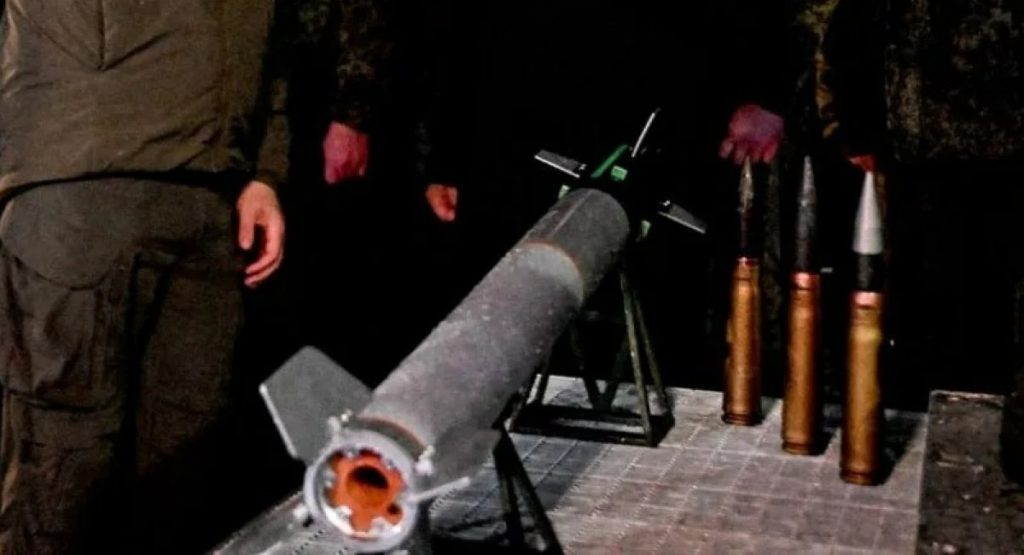
The original report suggests that Alazan-6 could provide the basis and that the interceptor could use radio-command guidance. However, neither the specific model nor the guidance method is officially confirmed in that report. The original anti-hail rocket’s specifications therefore cannot simply be assigned to the proposed interceptor. The distance over which a rocket can deliver a seeding agent is not the same as the range at which it can reliably engage an aerial target.
For now, public reports describe a concept rather than demonstrated combat effectiveness. The project is interesting because it attempts to adapt an established civilian product to a new role and reduce the consumption of expensive ammunition. If successful, it could join the systems that supplement air defenses against large numbers of targets. But the decisive measure will be the cost of a reliable interception, taking the entire system into account. That will show whether Alazan has truly mastered its new profession.