An article by Anton Malakhov from the WARSPOT website, dated April 22, 2014.
Of course, outerwear is the most essential item for a soldier, but what a soldier wears underneath is just as important. In this article, we’ll discuss underwear in the U.S. Army during World War II.
So, Joe has already received his boots and work uniform. Now he’ll be issued a T-shirt, shorts, socks, and leg warmers. The latter, of course, aren’t considered underwear, but they’re one of the key elements of our fighter’s look.
The basic set of underwear consisted of a T-shirt, boxers, and a pair of socks.
The standard design for the top part of underwear was a simple undershirt. They were mostly white, but as production expanded, some manufacturers began producing green undershirts as well by 1943. An interesting development was the appearance of T-shirts among American soldiers stationed in Europe. It is not known for certain how the trend began, but one theory suggests that during basic training, soldiers received a small sports kit consisting of athletic shorts and a white T-shirt. It was precisely because of this kit that the T-shirt was able to evolve from athletic wear into everyday clothing.
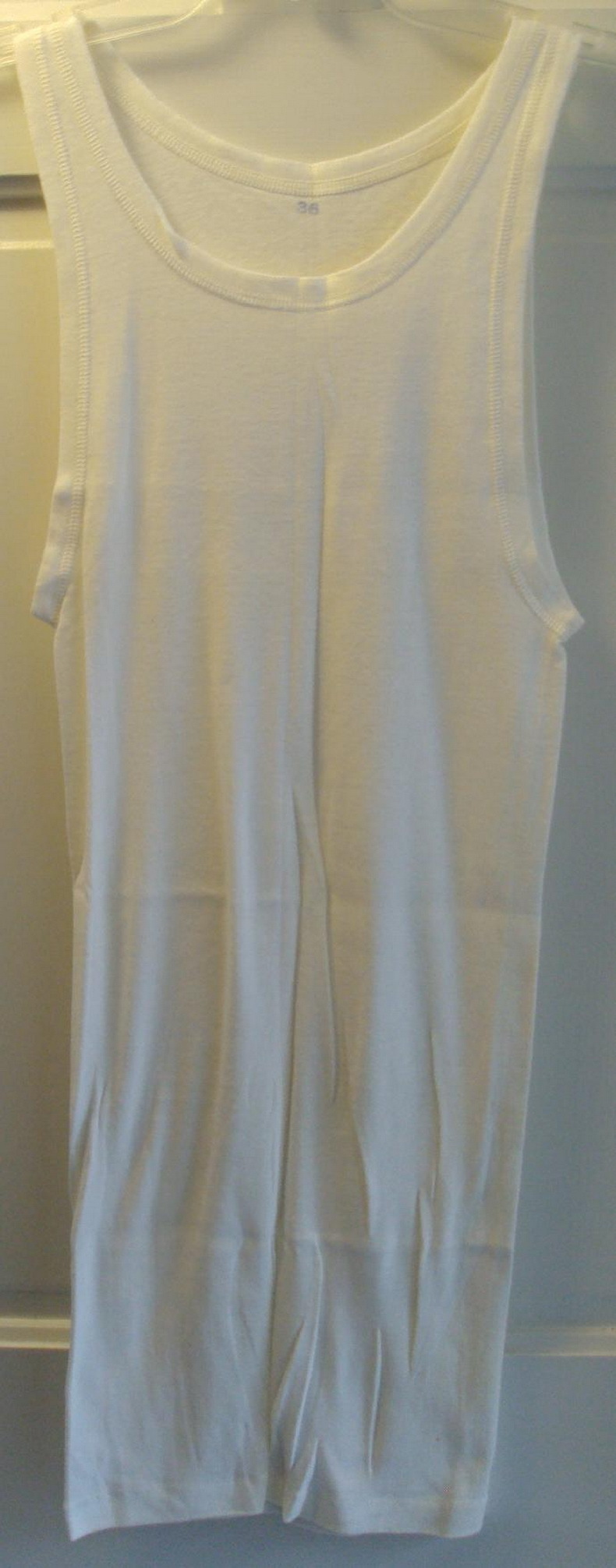
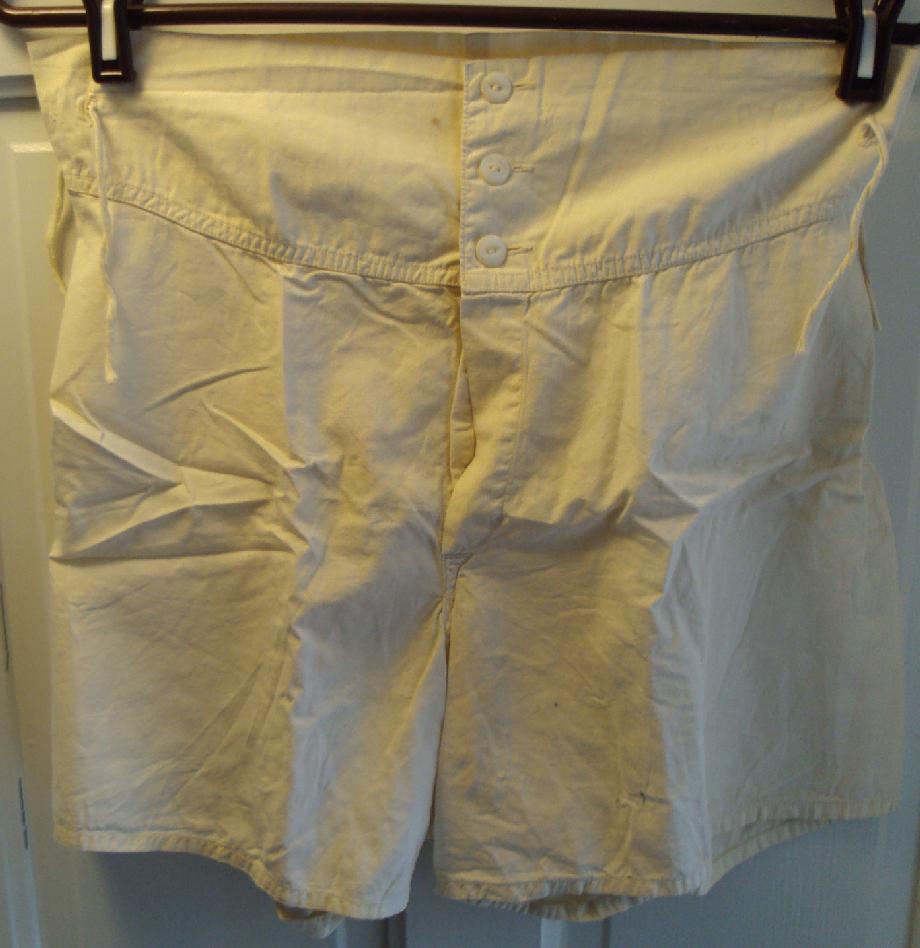
The boxers, like the regulation T-shirts, didn’t come in many varieties; there were white and green versions. The boxer briefs themselves had a high waistband that fastened with three buttons and side ties for a better fit.
The U.S. Army had two types of socks: those made of pure wool and those made of a wool-cotton blend. The wool socks were originally designed for mountain units that had to operate in conditions of extreme cold. However, the U.S. Army faced extreme conditions during the winter of 1944, and these socks were distributed to units stationed in Europe.
These socks proved to be a successful replacement for the thinner and “colder” regulation socks, which, as we’ve already mentioned, were made from a blend of wool and cotton. Undoubtedly, the regulation socks were perfectly suited for combat at temperatures no lower than −2 degrees Celsius, as they were both breathable and retained heat even when wet.
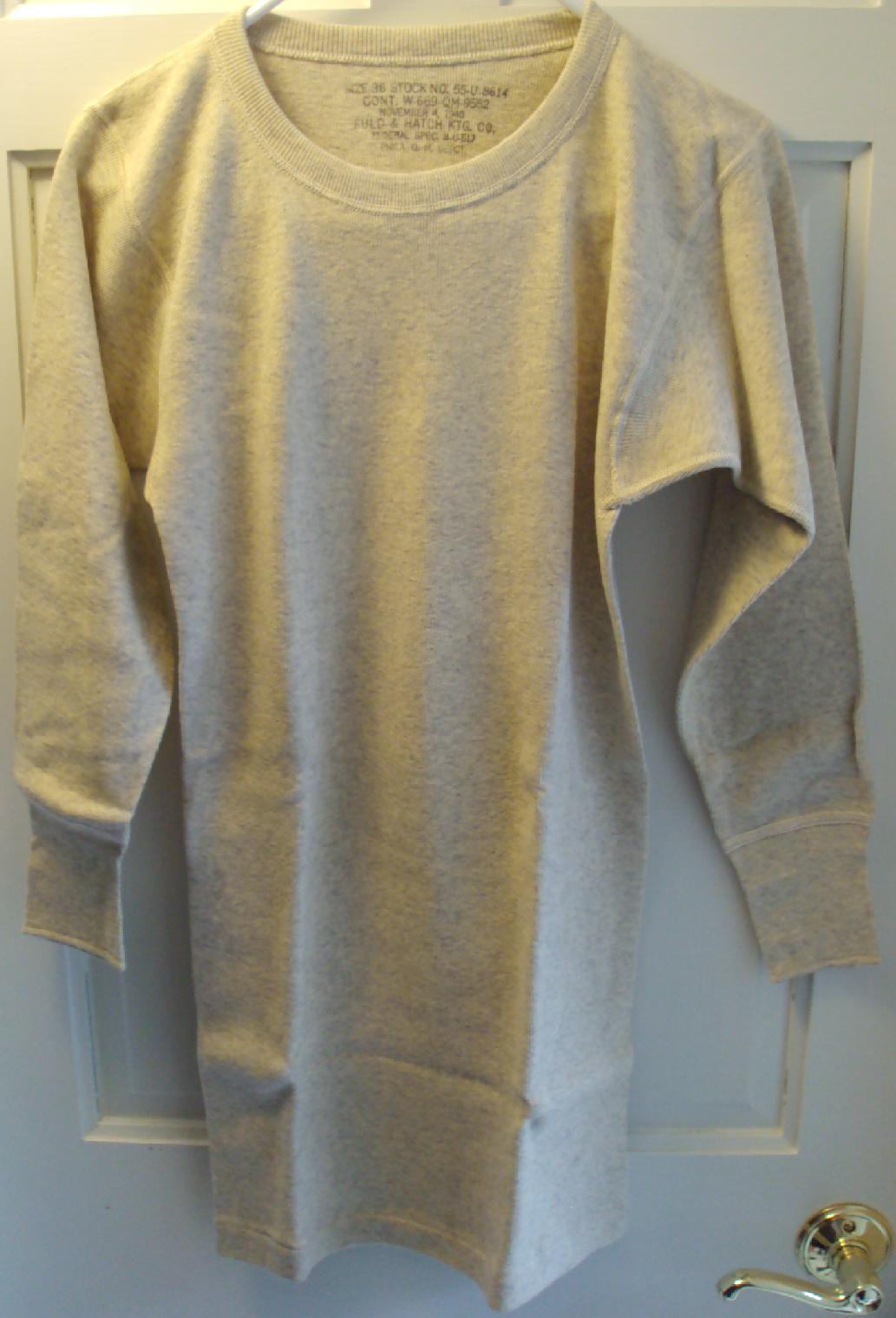
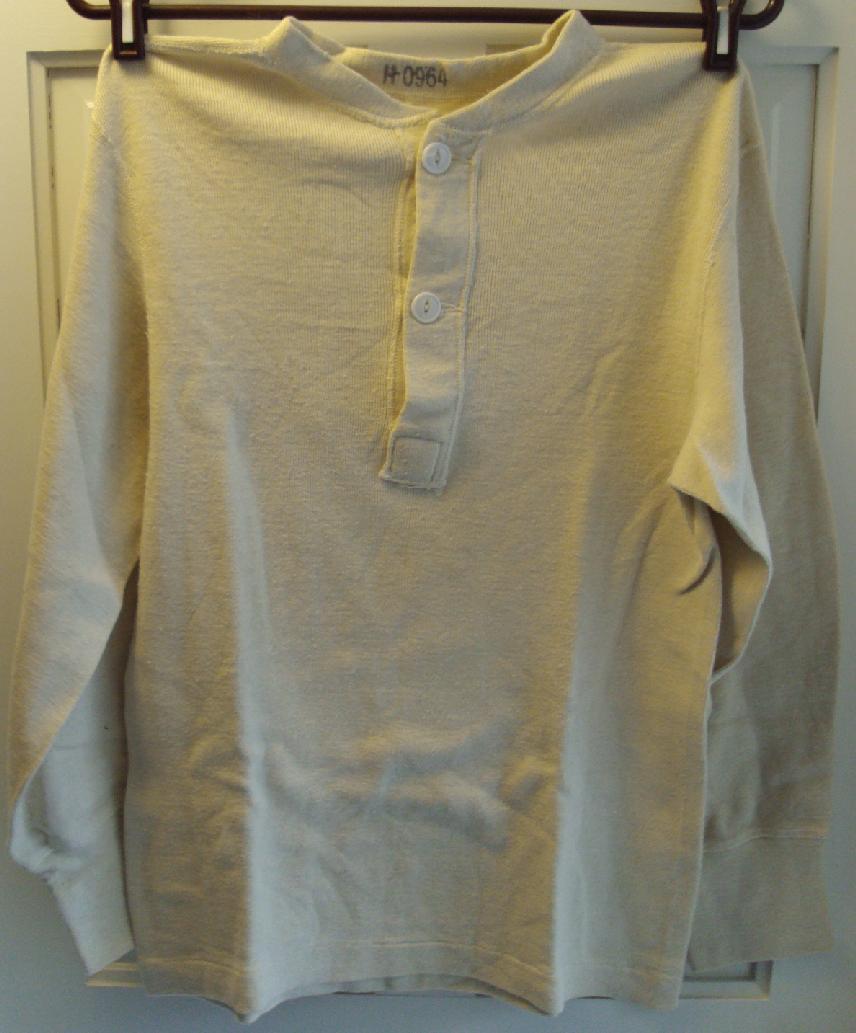
In addition to warm socks, there was also insulated underwear. Thermal underwear for the U.S. Army was supplied—as was the case with every other part of an American soldier’s uniform or equipment during World War II—by several manufacturers at the same time, which sometimes affected the product itself. This is particularly evident in the case of insulated sweaters. All the sweaters in this set were woven from a blend of wool and cotton yarns, had long sleeves, and a “hem” (presumably so that the sweater, when tucked into pants, would better retain heat around the groin). There were also differences: in the original design presented by the developers, the sweater had no collar; however, starting in 1942, versions with a high collar and even a buttoned collar began to appear, similar in cut to the regulation five-button sweater.
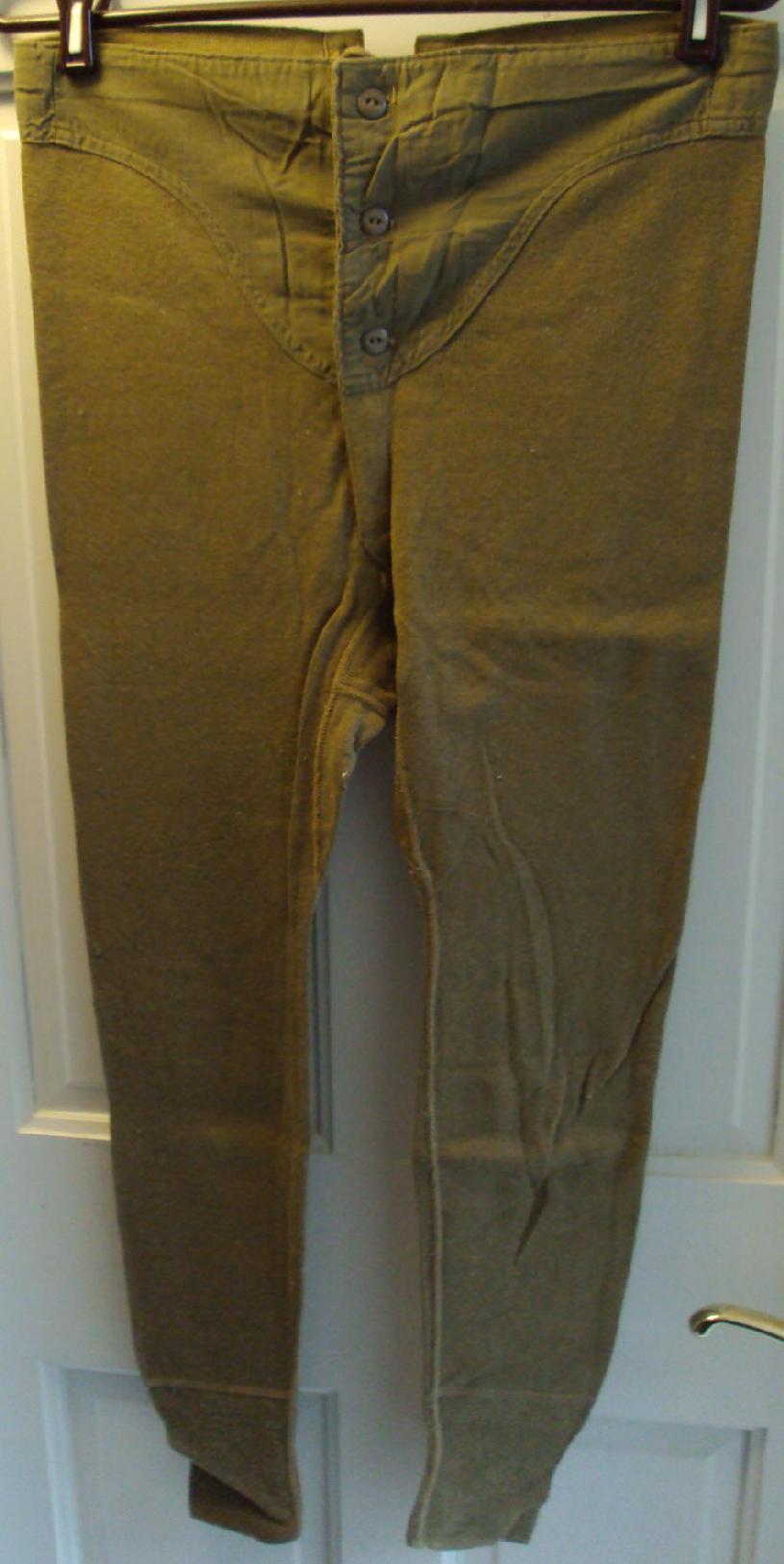
The situation was even more complicated when it came to long johns. There were only two types of long johns—those made entirely of cotton and those made of a cotton-wool blend. Both types consisted of lightweight pants with an elastic cuff at the bottom of each leg, a fly fastened with five buttons, and drawstrings at the waist. However, the mixed-fabric long johns also had a silk lining in the crotch and at the waist. The main differences in production lay in the number of buttons on the fly and the color of the long johns themselves.
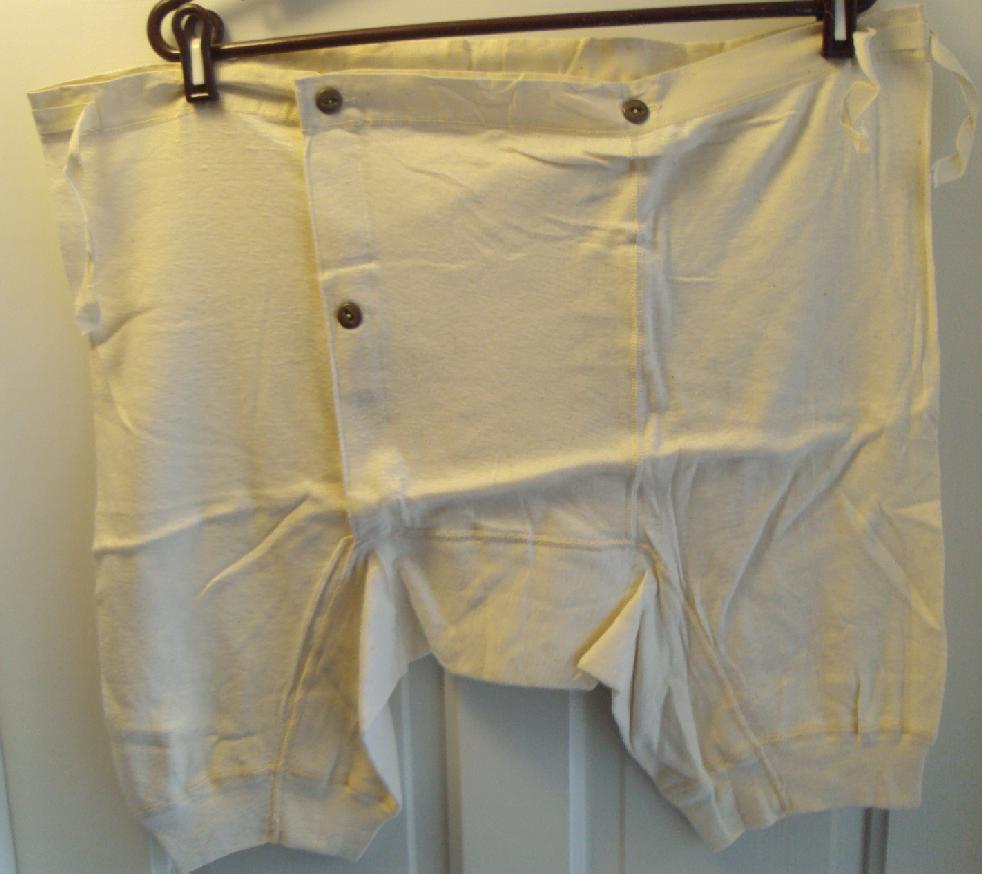
In addition to long johns, the army also issued insulated shorts. Like long johns, they had an elastic cuff at the bottom of each leg and fastened with buttons, but in different ways: in some types, these were simple vertical fly closures with three or five buttons, and in others, they were flaps fastened with three buttons.
So, today we talked about underwear. It is an important part of the uniform that ensures the hygiene and health of soldiers in any army. The U.S. Army was no exception; during World War II, a great deal of effort went into designing underwear, resulting in the creation of extremely effective garments.

An American soldier on a transport ship wearing a regulation T-shirt