Build and Divide. A Decent “Gangut.” Small Coastal Defense Battleships for the Russian Imperial Navy

I’m continuing the discussion on a more capable Russian Navy on the eve of the Russo-Japanese War.
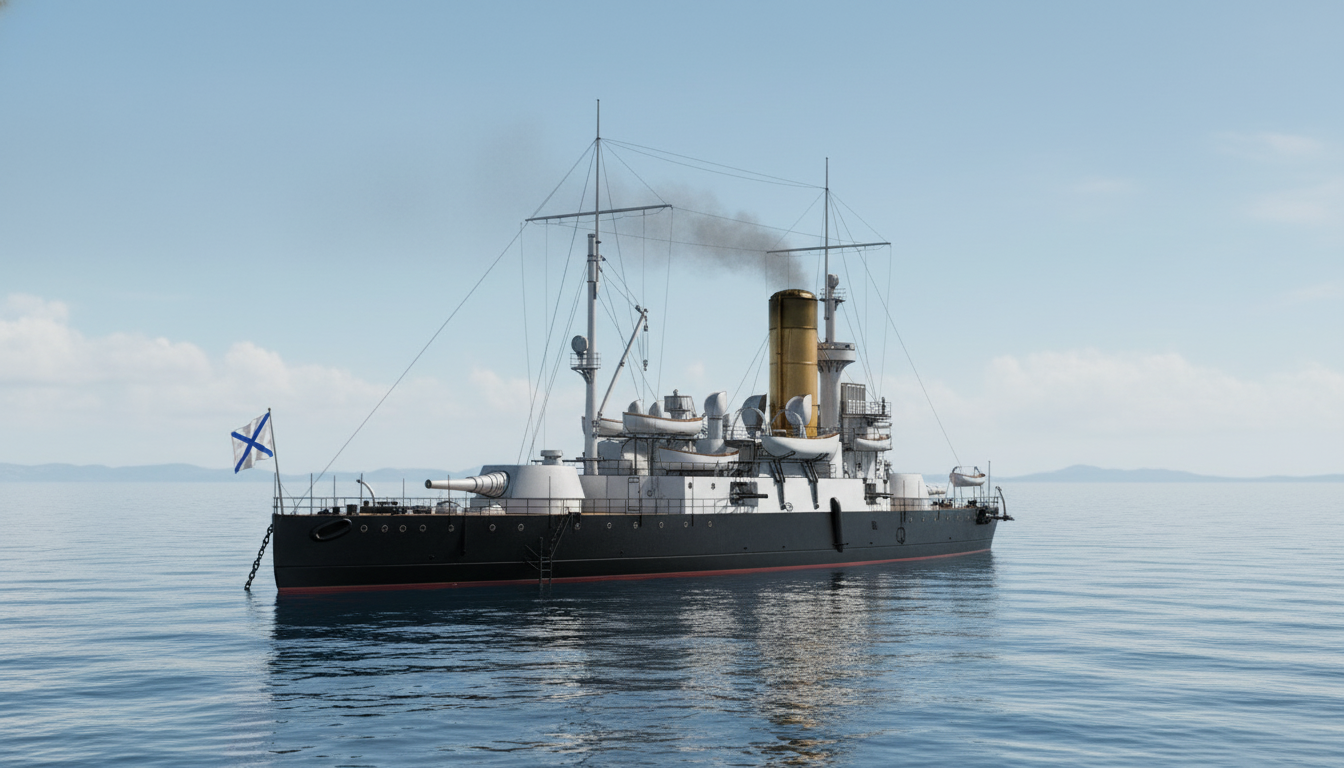
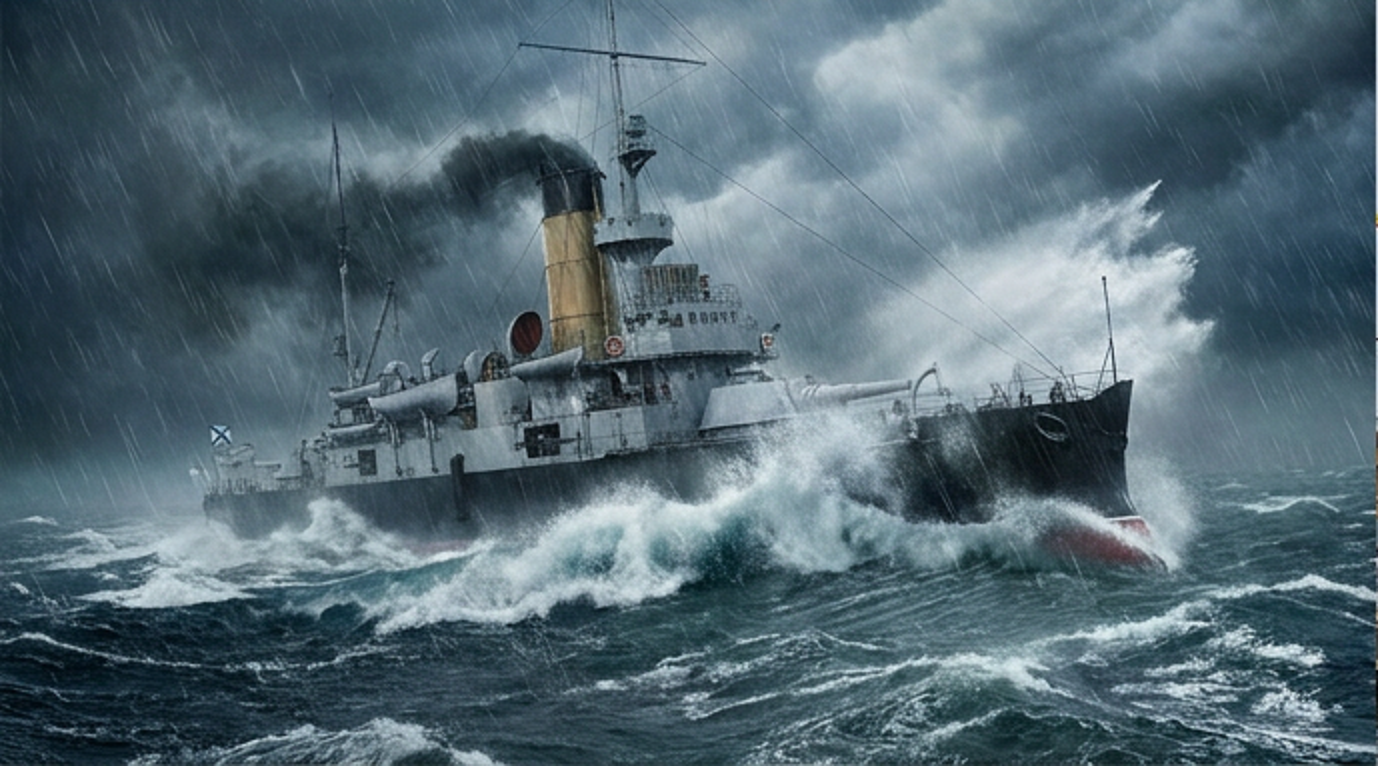
If we look at the keel-laying dates (or, more precisely, the actual start of construction) for ships of the Russian Imperial Navy, we see a certain tendency among the client and designers during the period from 1888 to 1890 toward “small armored vessels”—two “Twelve Apostles”-class battleships laid down on the Black Sea (one of which was ultimately never built due to the contractor’s insolvency), the Baltic small armored ship *Gangut*, and three *Grozyashchy*-class armored gunboats.
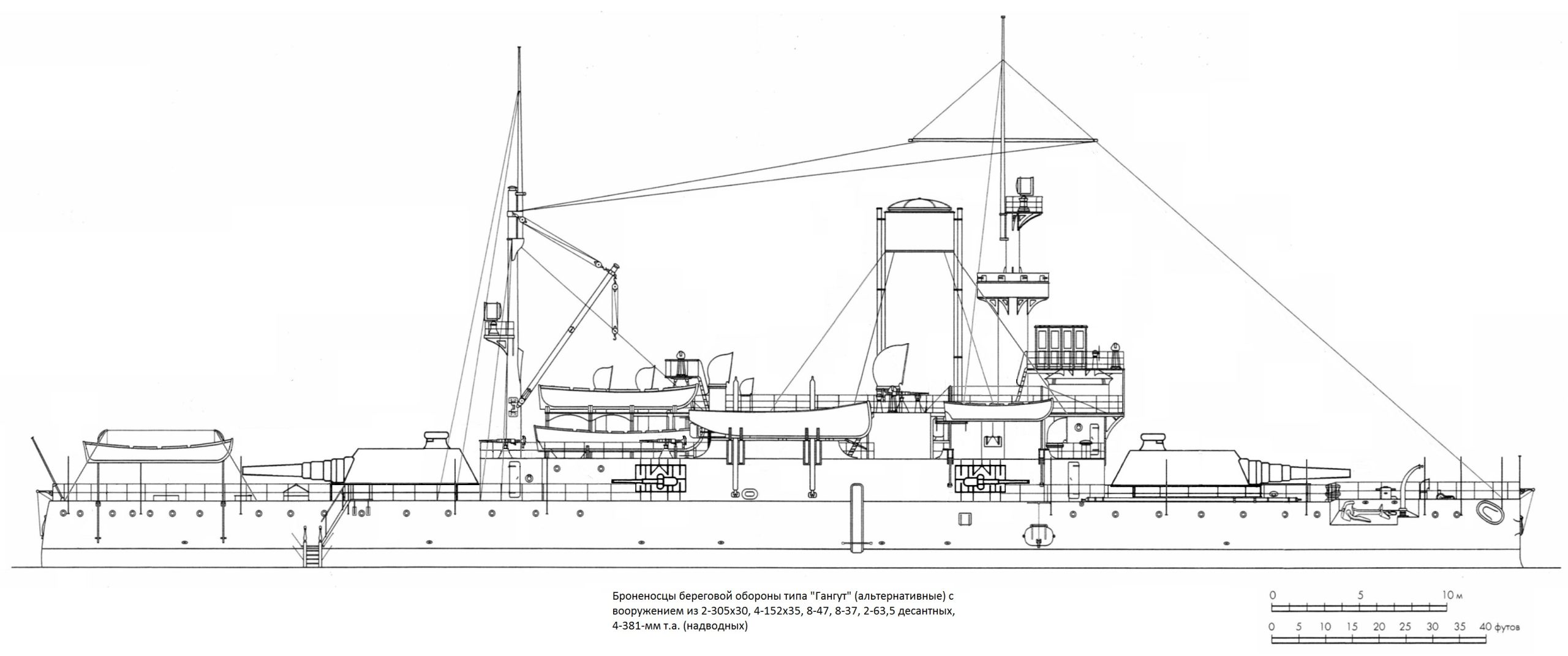
And today, here on UKV-78, in the spirit of the latest “alternative” posts on this LiveJournal blog, it occurred to us—what if we were to “pool and divide” these ships roughly equally as well?
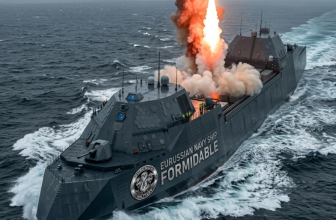
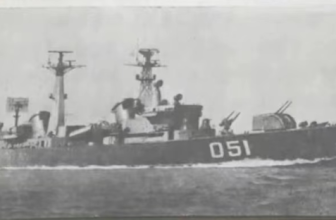
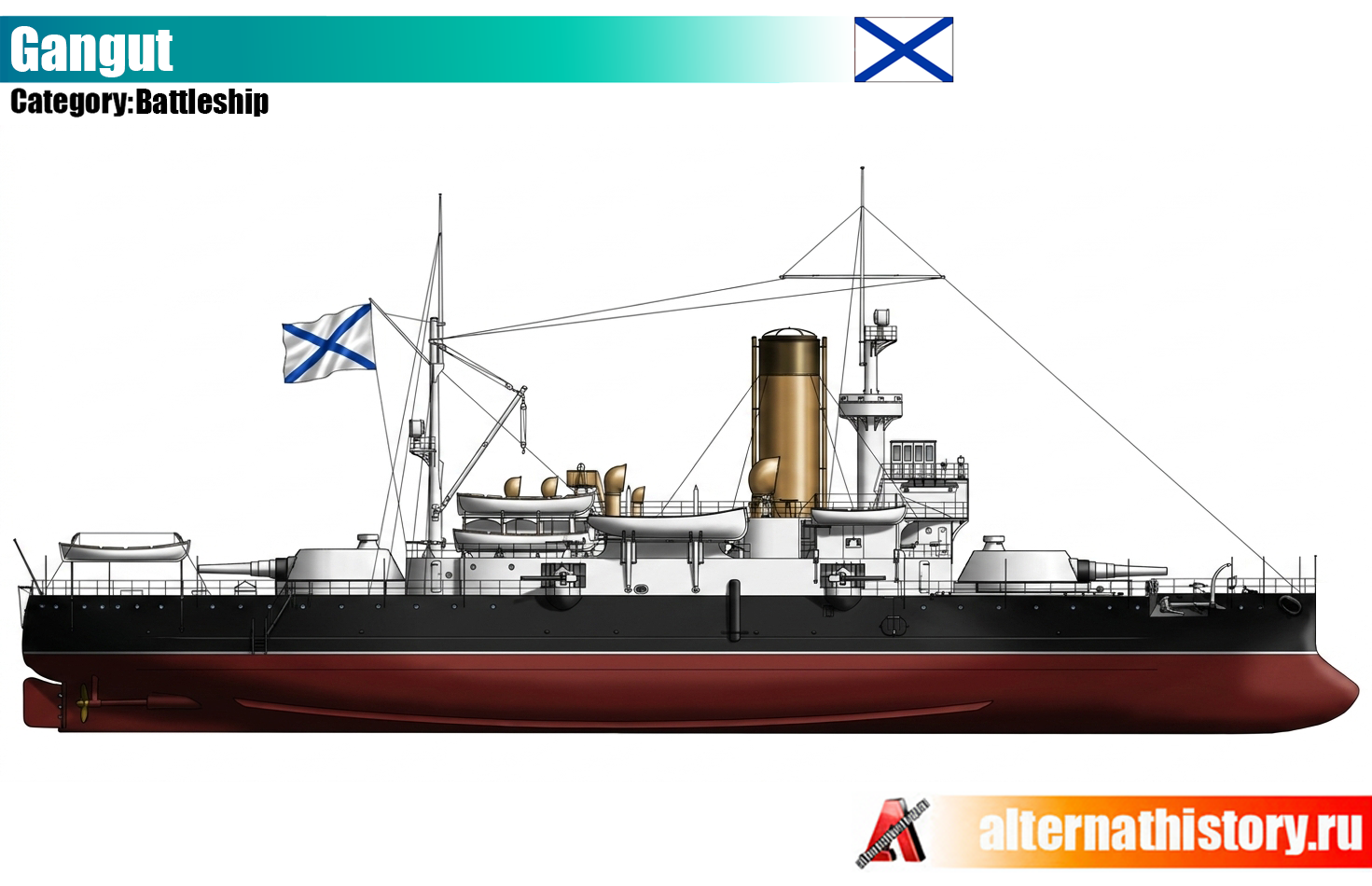
Given this scenario, if we do the math, we could end up with 6 coastal defense battleships with the following technical specifications:
According to the design specifications: standard displacement 4,500 metric tons; 275 feet or 83.82 meters (length along the waterline)/283 feet or 86.26 meters (maximum length)/52 feet or 15.85 meters (maximum beam)/17 feet 6 inches or 5.33 m (draft at standard displacement), 250/500 metric tons of coal (standard/full supply), 8 fire-tube boilers, engine power 5,000 l.s. (2 triple-expansion steam engines), speed 16.0 knots, compound and steel armor (decks, upper coverings of main battery barbettes, conning tower roof), full belt along the waterline (6 feet 6 inches or 1.98 m high) – 254 mm (tapering to 152 mm at the bottom) (45%)/203 mm (tapering to 152 mm at the bottom) (20%)/152 mm (tapering to 102 mm at the bottom) (35%), incomplete upper belt (7 feet 6 inches or 2.29 m high, 25%) and its crossbeams – 152 mm, 152-mm gun casemate – 50.8 mm (side (thickened plating) and crossbeams)/25.4 mm (dividing half-bulkheads in the casemate)/25.4 mm (roof – thickened deck plating), lower armored deck (including 12.7-mm-thick deck plating)—50.8 mm, main battery barbettes—203 mm, upper coverings of main battery barbettes—50.8 mm, conning tower – 152 (side)/50.8 (roof)/25.4 (floor) mm, armament – 2 × 305 × 30, 4 × 152 × 35, 8 × 47, 8 × 37, 2 × 63.5 landing craft, 4 × 381-mm torpedo tubes (surface).
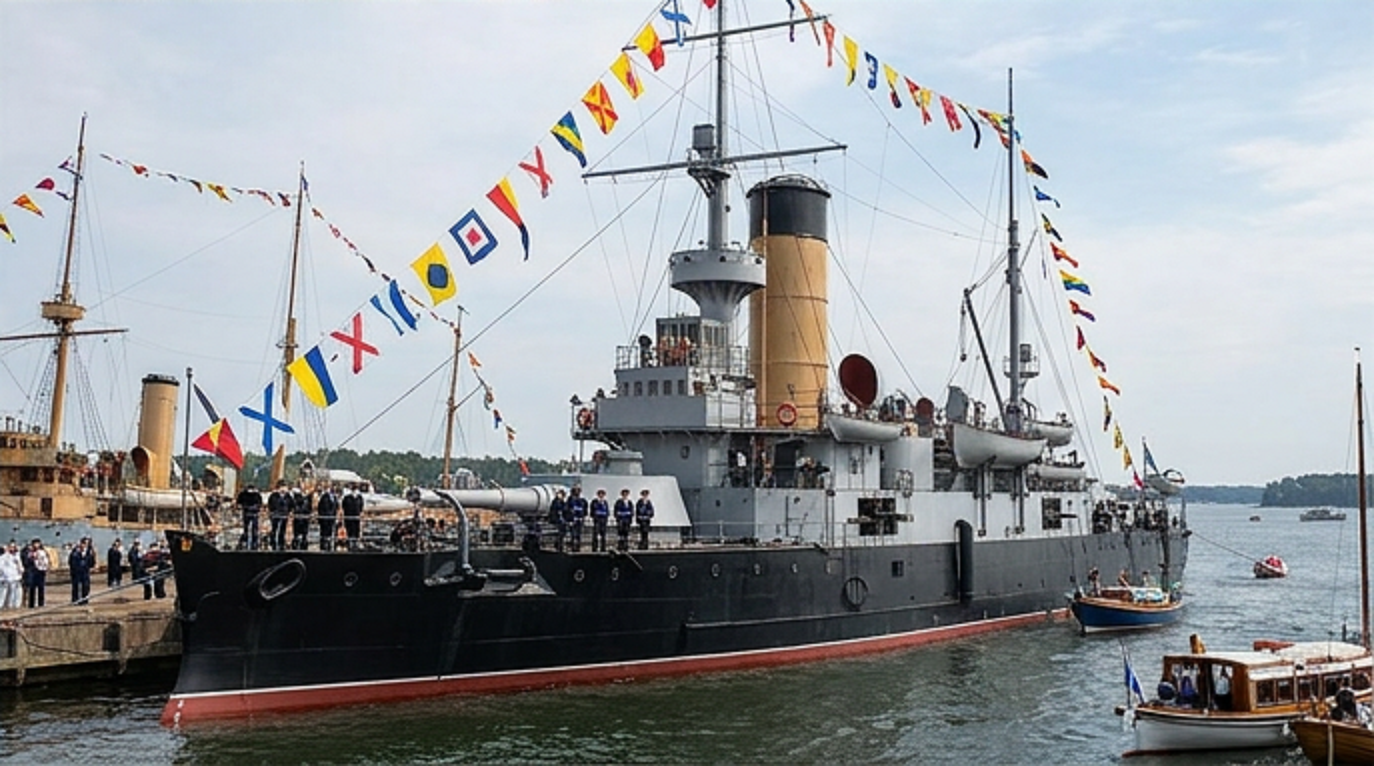
Essentially, the main insidious motive behind their introduction into the Russian Navy at the proposed time (laid down in 1888–1890) — was to give our fleet time to “get over its obsession with miniaturization” of its main force before the advent of rapid-fire guns using smokeless powder. And this “little flock of comrades,” if they survived the Russo-Japanese War, could then be re-armed…
Sincerely, Stvolyar.
Sources: