Before the start of World War II, the Canadian aviation industry was not particularly advanced. The country was tied to the American market, and domestic aircraft manufacturers built mainly small, multi-purpose aircraft designed for the harsh Canadian climate. The aircraft manufacturing industry of Great Britain, of which Canada was a dominion, was represented by subsidiaries of the de Havilland and Vickers corporations, with the Vickers subsidiary (Canadian Vickers Ltd. – Canadian Vickers) having a fairly independent production program.
It was Canadian Vickers that acquired the license to manufacture the American all-metal low-wing Northrop Delta. It was an aerodynamically clean and technologically advanced aircraft that placed high demands on manufacturing standards. For Canadian Vickers, the transition to a modern all-metal monocoque design was a significant challenge following the production of earlier aircraft with a mixed-structure design.
Jack K. Northrop was one of those American aircraft designers who literally drove the development of aviation forward and were always a step ahead of the rest. Jack Northrop began his career in aircraft design in the 1920s at the Loughhead brothers’ workshop (who later changed their surname to Lockheed), where he designed the remarkable Vega family of monoplans, which featured an all-wooden structure. However, Northrop wanted to work independently and realize his own dream—an all-metal aircraft with a “flying wing” aerodynamic configuration.
In 1929, Jack Northrop founded his own company, Avion Corp. Although the flying-wing aircraft concept was not successfully implemented, a brilliantly simple and reliable all-metal design was created, featuring a cantilever wing with a multi-chambered spar and a smooth Alklad skin. This design was used in the development of the Alpha mail planes, which were manufactured by Northrop Aircraft Corp., a subsidiary of United Aircraft Transport Corp., which was controlled by Boeing.
It was only a short step from the Northrop Alpha to the nine-seat 1D Delta transport aircraft, which, however, was developed by a different aircraft manufacturer—Northrop Corp. in Inglewood, California (this time, Jack Northrop’s company was controlled by Douglas). The Northrop Delta made its first flight in the summer of 1934. Testing of the aircraft was successful, but only 13 units were ordered. The expected success did not materialize because new regulations were introduced in the United States prohibiting the regular transport of passengers on single-engine aircraft.
The company and the aircraft were saved by the purchase of a manufacturing license in Canada, initiated by the Canadian Department of National Defense in 1935. It was designed for aerial reconnaissance and was equipped with three Fairchild A-3 cameras mounted in the fuselage. The first of the three Canadian Delta I aircraft (serial number 667) made its maiden flight on August 16, 1936, from Longueuil Airport in Montreal, Quebec. Like the other two aircraft, it was transferred to the Royal Canadian Air Force as a seaplane with a twin-float landing gear. All Canadian Vickers Delta aircraft were three-seaters and were equipped with air-cooled Wright SR-1820-F52 Cyclone nine-cylinder radial engines rated at 665 l.s. (488 kW). A semi-retractable turret for firing astern was tested on the Delta II (672).
While the Delta I aircraft were assembled from American parts, the Delta IIs were entirely Canadian-made. The Royal Canadian Air Force received these aircraft in November 1937. The Delta II differed from its predecessors in that it had a greater number of cabin windows and could be armed with a single retractable machine gun mounted on the upper fuselage. The Delta II aircraft had fixed main landing gear legs enclosed in “trouser-type” fairings. The older Delta I aircraft were upgraded to this variant and designated Delta IA. In the winter of 1938–39, five more Delta II aircraft were manufactured and delivered. As needed, all of them flew on wheeled landing gear, on floats, and on skis. All of these aircraft served with the 8th General-Purpose Squadron and the 6th Flight.
On August 24, 1939, the Canadian Air Force suspended aerial reconnaissance operations and redeployed six aircraft from the 8th Squadron to Sydney, Nova Scotia, equipping them for coastal patrol and reconnaissance. The unit was redesignated the 8th Bombardment and Reconnaissance Squadron. The aircraft could carry either two 113-kg bombs and four 9-kg bombs, or one 113-kg bomb and eight 9-kg bombs. The float-equipped seaplanes (which made up the majority of the squadron) did not carry bombs. Some aircraft were armed with two fixed machine guns mounted in the wing pylons. However, the aircraft suffered damage from exposure to seawater and the additional loads caused by reloading. After a major overhaul, their floats were removed and they were fitted with wheeled landing gear.
During the winters of the 1930s and 1940s, one Delta II (676) aircraft was converted into a Delta III with a new “anti-spin” tail unit, but production of this version was discontinued in 1940. However, when used with floats, its wing area proved insufficient, so the vertical tail was supplemented with an under-fuselage keel. Starting in the summer of 1940, the “Deltas” in the 8th Squadron were replaced by Bristol Bolingbroke (Blenheim) bombers manufactured under license. For a short time, two “Deltas” were assigned to the 119th Squadron in Vancouver and then to the 120th Squadron in Patricia Bay, British Columbia. In the fall of 1941, all “Deltas” were transferred to training units. In February 1945, the last Canadian Vickers Delta aircraft were decommissioned and sent to the scrapyard.
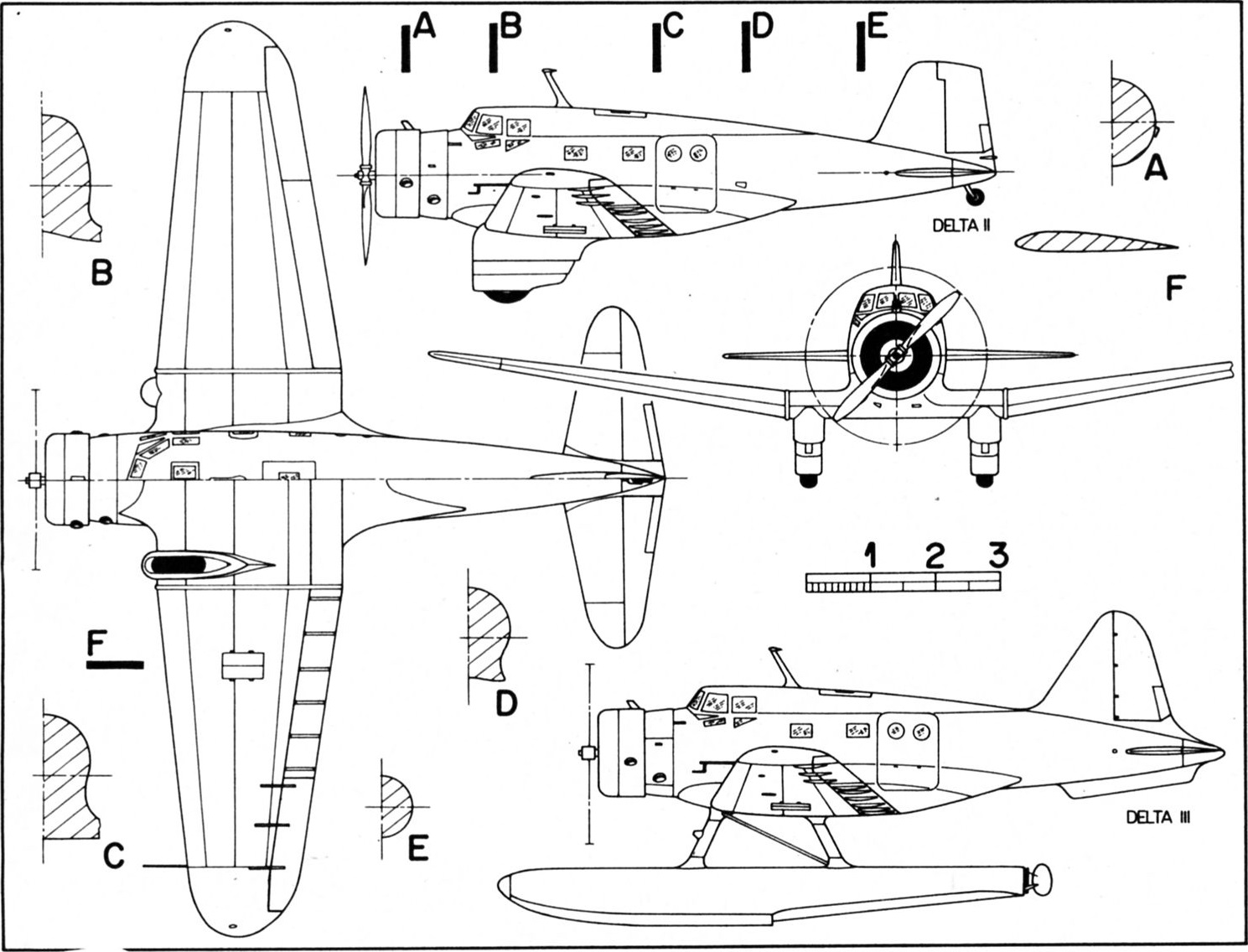
Diagram of the Canadian Vickers Delta light multipurpose aircraft
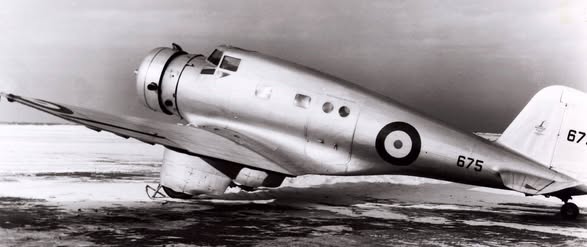
The Canadian Vickers Delta (675), a light, multi-purpose aircraft with wheeled landing gear. Photo from facebook.com
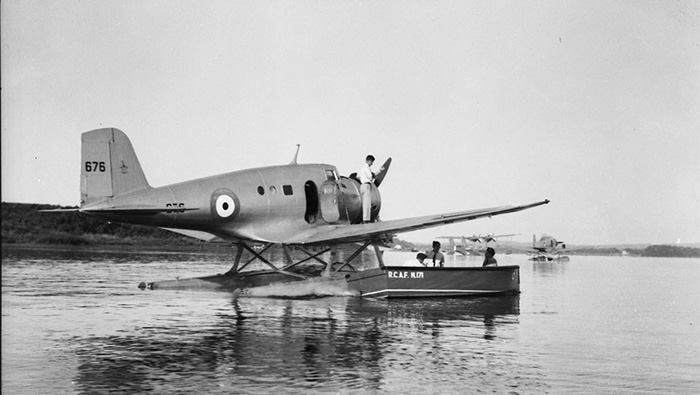
A Canadian Vickers Delta (676) light multi-purpose aircraft with float landing gear. Photo from facebook.com
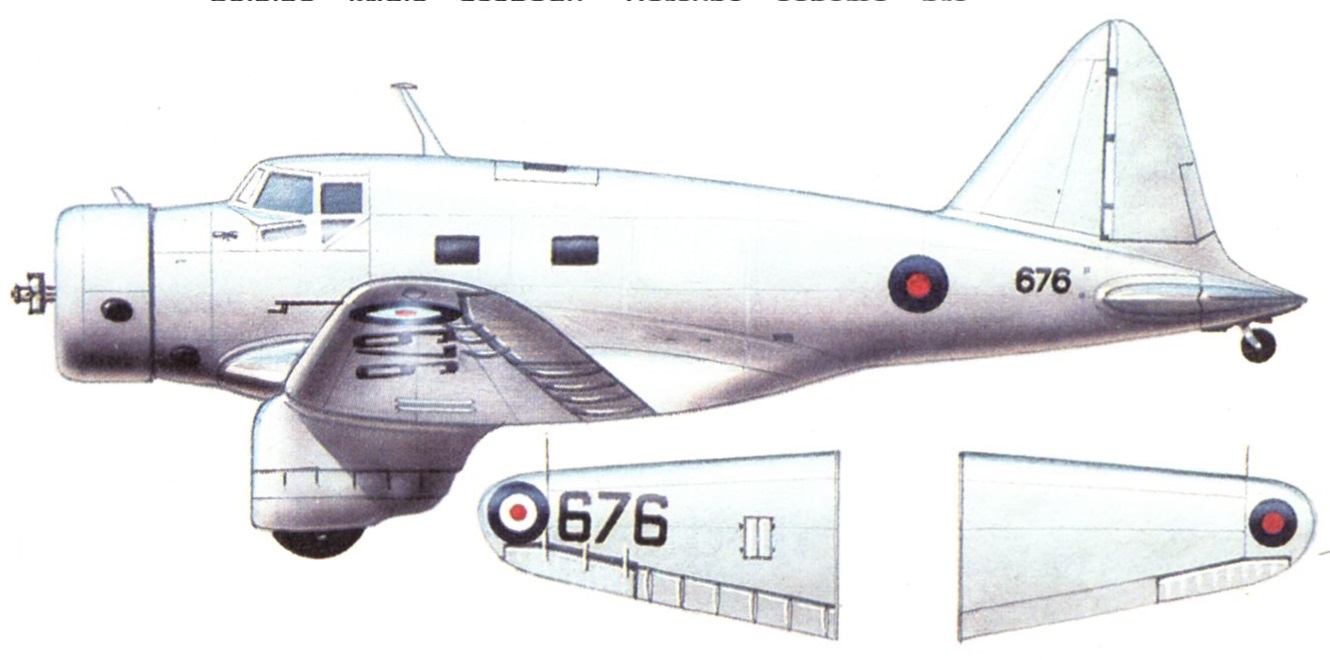
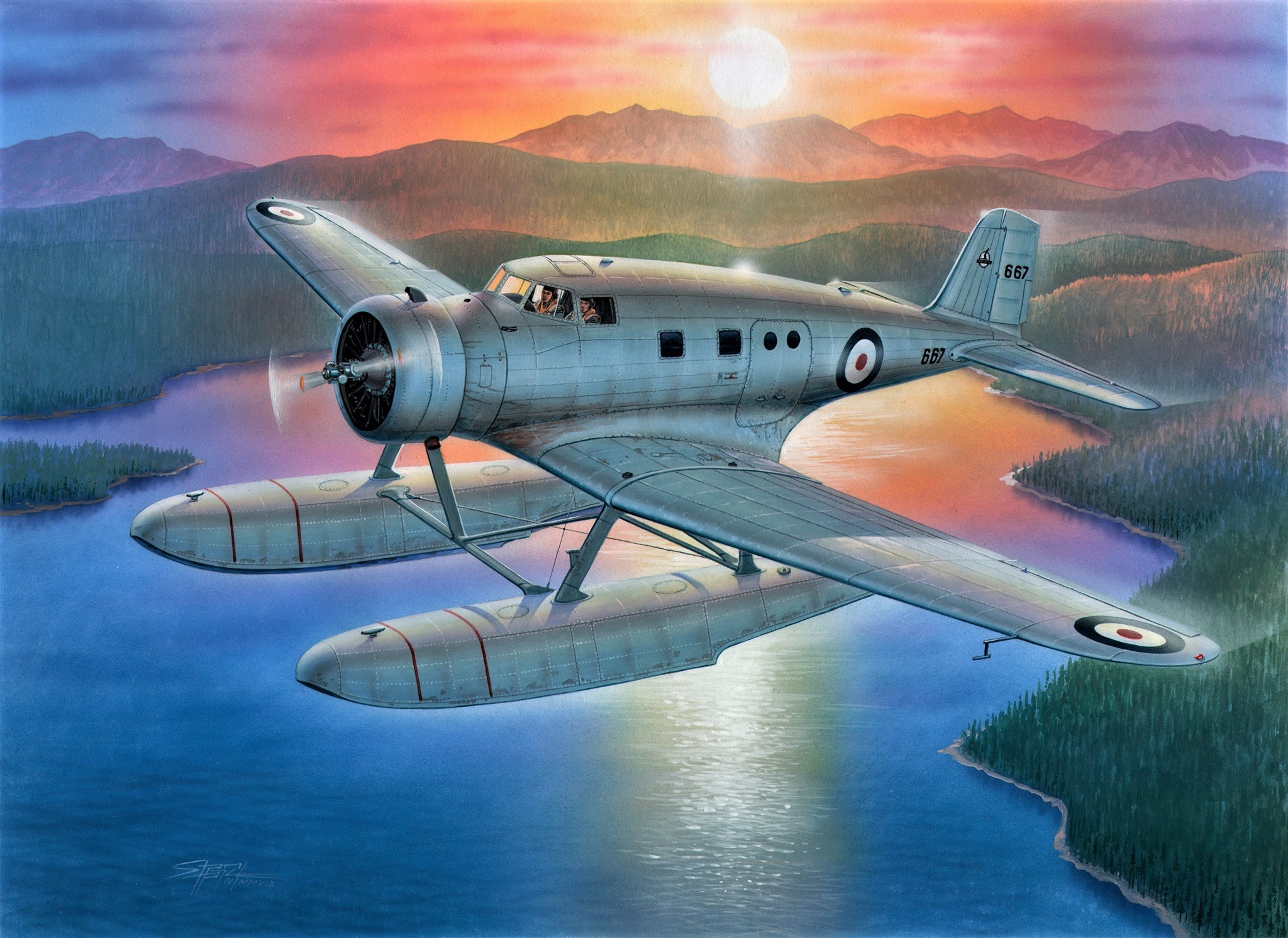
In 1940, the Canadian Vickers Delta light multi-purpose aircraft flew without camouflage, in the natural color of unpainted Alclade. The light multi-purpose aircraft depicted in the illustration is a Canadian Vickers Delta III (676). The aircraft’s serial number is painted on the fuselage sides and on the underside of the left wing spar. The identification markings on the fuselage sides and on the upper surface of the wing were low-visibility (without a white ring). The door on the fuselage side was riveted shut
FLIGHT AND TECHNICAL SPECIFICATIONS
Type: Canadian Vickers Delta
Purpose: Light multipurpose aircraft
Status: Mass production
Manufacturer: Canadian Vickers Ltd., Montreal, Canada
Powerplant: one nine-cylinder, air-cooled Wright SR-1820-F52 Cyclone radial engine, producing 665 l.s. (488 kW) and driving a two-bladed metal propeller
| Version | with a wheeled chassis | with a floating chassis |
| Dimensions: | ||
| wingspan | 14.76 m | 14.76 m |
| length | 10.10 m | 11.50 m |
| height | 3.54 m | 4.70 m |
| wing area | 33.77 m² | 33.77 m² |
| Weight: | ||
| an empty plane | 2,140 kg | 2,225 kg |
| takeoff | 3,337 kg | 3,400 kg |
| Flight characteristics: | ||
| maximum speed | 354 km/h | 290 km/h |
| cruising speed | 290 km/h | 260 km/h |
| Lifting capacity at sea level | 4.8 m/s | 3.2 m/s |
| practical ceiling | 6,740 m | 6,040 m |
| flight duration | from 5.5 to 9.25 hours | ––– |
Source: Text: Václav Němeček, Illustration: Stanislav Smékal, “Aircraft 39–45: Canadian Vickers Delta,” *Letectvi+Kosmonautika*, 1992-13, p. 55/823
Translation first published at — https://vk.com/@710541705-canadian-vickers-delta