Is 27 Combat Aircraft a Year a Lot? What Russian, European and American Factories Can Really Produce

Russia’s aviation industry is reportedly capable of producing between 10 and 15 Su-34 strike aircraft and between 10 and 12 Su-35S fighters annually. At the upper end, that means 27 advanced combat aircraft of two types every year. The figure sounds impressive until it is placed beside the hundreds of F-35s built in the United States. Yet it looks rather different when compared with Europe’s Rafale and Eurofighter programs.
Such comparisons require caution. The Su-34, Su-35S, Rafale, Eurofighter and F-35 were designed for different missions, belong to different technological generations and are manufactured under very different industrial arrangements. The question here is not which has the best radar, weapons or maneuverability. It is how many complex combat aircraft each production system can complete and deliver to its customers every year.
Where the Figure of 27 Russian Aircraft Comes From
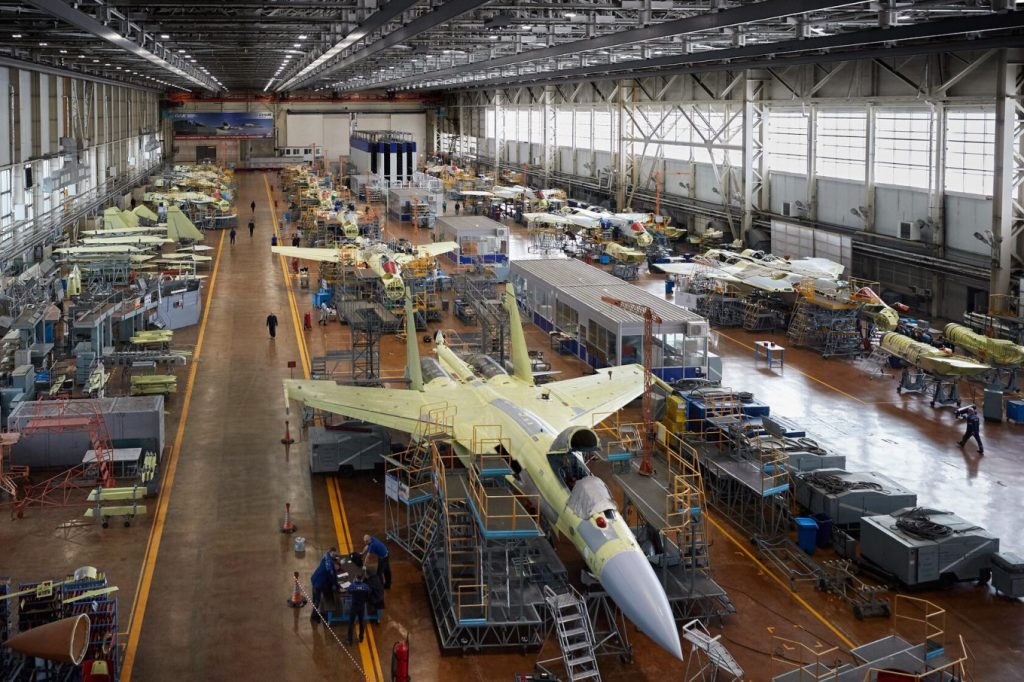
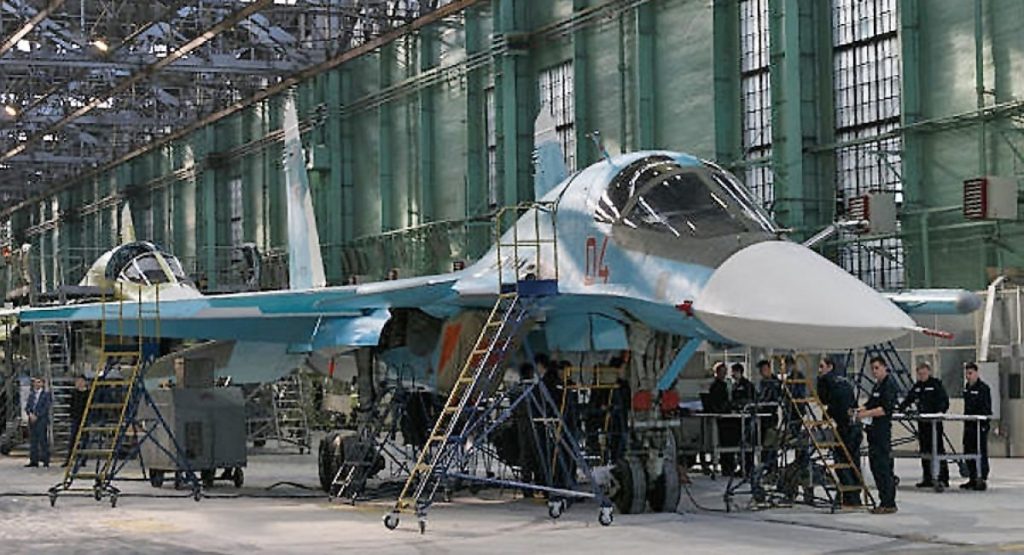
The estimate of Russia’s production capacity was published by Defense Express, citing information supplied by Ukrainian military intelligence. According to the report, Russian industry can deliver between 10 and 15 Su-34s and between 10 and 12 Su-35S fighters annually. Exact figures for 2026 remain unavailable because United Aircraft Corporation routinely announces the delivery of another “batch” without revealing how many aircraft it contains.
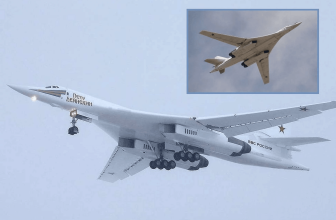
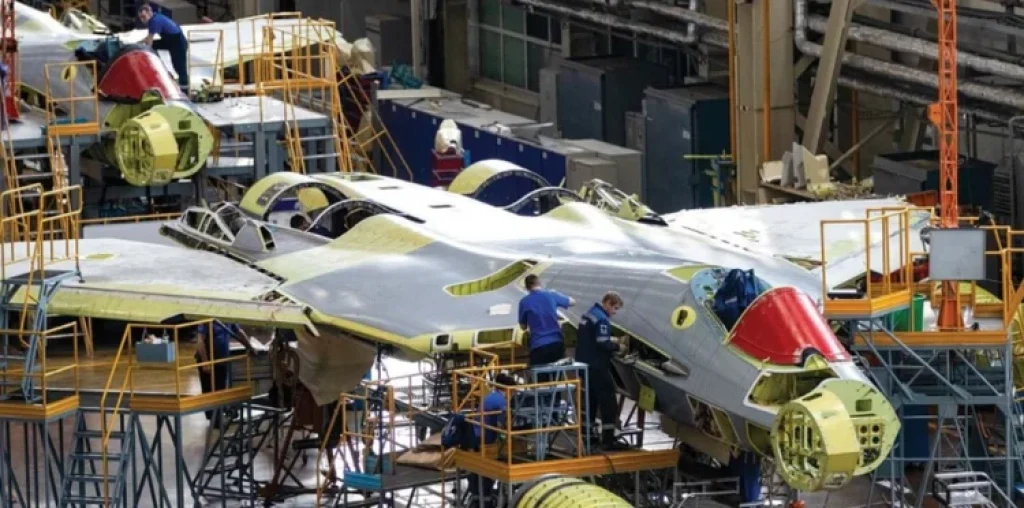
The Su-34 and Su-35S should not be treated as products of a single assembly line. The Su-34 is built in Novosibirsk, while the Su-35S comes from Komsomolsk-on-Amur. They involve separate plants, workforces and production flows. Their combined output nevertheless offers a useful indication of how many modern heavy combat aircraft of Russia’s two principal types can be delivered each year.
The estimated total of 20–27 aircraft does not include Su-30SM2 fighters produced by the Irkutsk Aviation Plant or Su-57s assembled in Komsomolsk-on-Amur alongside the Su-35S. It therefore represents only two major production programs rather than Russia’s entire combat-aircraft output.
According to the same estimate, Russia possessed approximately 125 Su-34 and Su-34M aircraft, 135–140 Su-35S fighters, around 20 Su-57s and 140–145 aircraft of the Su-30 family at the end of 2025. Against that background, an annual delivery rate of 10–15 aircraft of each type can no longer be dismissed as token production. Maintained for a decade, it would create a fleet comparable in size to Russia’s present Su-34 or Su-35S inventory.
Why the Su-34 Has No Direct Western Equivalent
Finding a direct European or American counterpart to the Su-34 is difficult. It is a heavy, two-seat tactical strike aircraft with long range, substantial payload capacity and an armored cockpit. Western countries have largely abandoned the development of new aircraft in this narrow category, distributing the same missions between multirole fighters and strategic bombers.
The Eurofighter Typhoon and the American F-15EX are more comparable to the Su-35S. All three are heavy, twin-engine fighters designed primarily for air superiority but also capable of attacking ground targets. France’s Rafale is lighter, but its versatility gives it some overlap with both Russian aircraft: it can engage enemy aircraft, strike ground targets and employ long-range weapons.
It is therefore more useful to compare the output of the individual programs than to present any of these aircraft as exact equivalents.
One Rafale Line Almost Matches Two Russian Programs
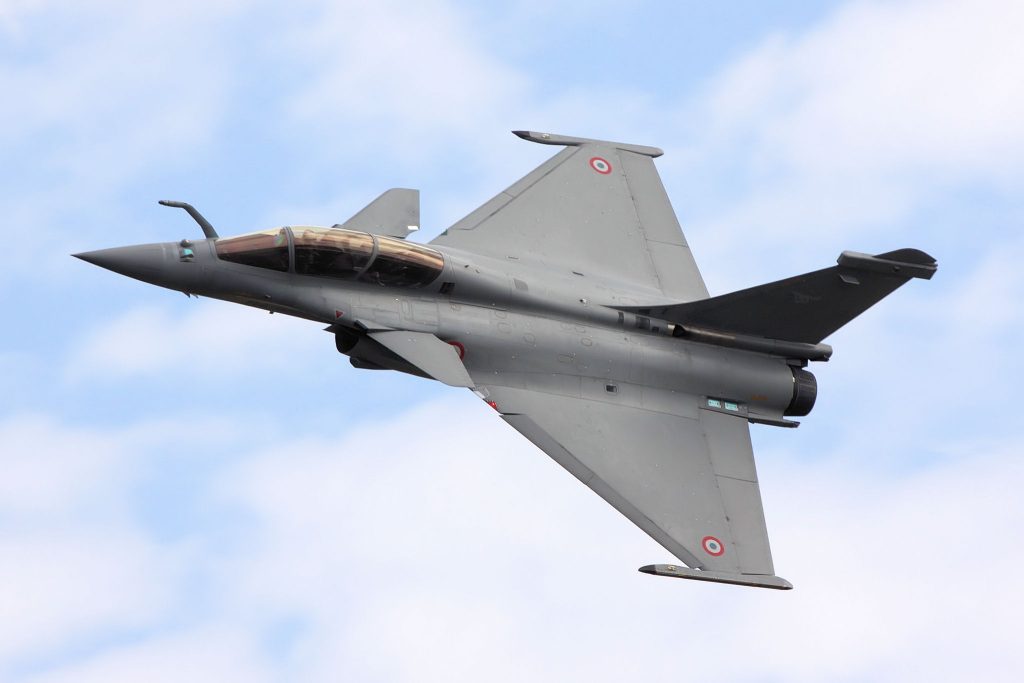
Dassault Aviation delivered 26 Rafale fighters in 2025. France received 11 aircraft, while 15 went to export customers. The company had delivered 21 Rafales in 2024. Its target for 2026 was 28 aircraft, with 12 already delivered during the first half of the year.
This produces an unexpected result: a single French program delivers approximately as many aircraft as the Russian Su-34 and Su-35S lines combined. The similar numbers, however, conceal a major difference.
Dassault has an enormous order backlog. At the end of 2025, it included 220 Rafales, of which 175 were intended for export customers. At a production rate of 26–28 aircraft per year, fulfilling the contracts already signed would take roughly eight years. France does not need to find work for its assembly line; it needs to increase output without sacrificing quality.
Russian manufacturers face a different situation. They simultaneously produce several aircraft families and depend primarily on a single state customer. There is no publicly available order book listing aircraft quantities and delivery years, while announcements about new batches allow observers to reconstruct the production rate only approximately.
Eurofighter Is Currently Produced More Slowly Than the Su-34
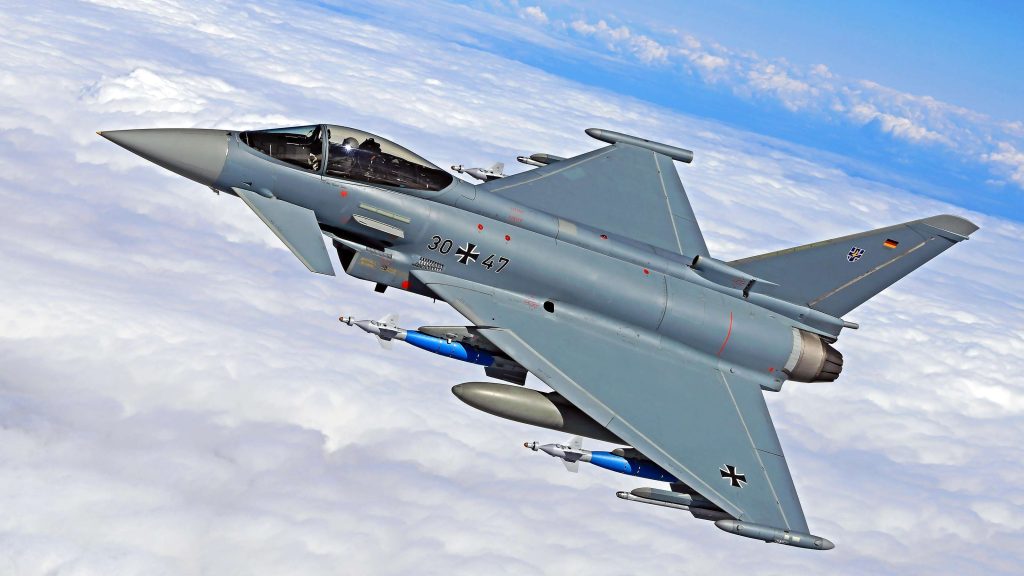
The Eurofighter Typhoon is built by an international consortium. BAE Systems manufactures the front fuselage and vertical stabilizer, Airbus supplies the center fuselage and right wing, while Leonardo produces the left wing and shares work on the rear fuselage. Final assembly can take place at different facilities depending on which country is leading the order.
Despite the involvement of several major European nations, current production stands at approximately 14 aircraft per year. The consortium intends to raise that figure to 20 by the middle of 2028 and potentially reach 30 if further export contracts are secured. Orders from Germany, Italy, Spain and Turkey are expected to keep the production system operating into the middle of the next decade.
A single plant in Novosibirsk may therefore be producing almost as many Su-34s as the entire multinational Eurofighter system builds Typhoons. Once Rafale and Eurofighter output is combined, however, Europe currently receives approximately 40 new combat aircraft per year — more than the two Russian programs under comparison.
Europe is also beginning to accelerate. A future output of 28–36 Rafales and 20 Eurofighters would raise the combined total to approximately 50–55 aircraft per year. The main obstacles are not necessarily the final assembly lines, but the suppliers of engines, radars, electronic components and specialized materials.
The American Paradox: F-15EXs Arrive Slowly, but F-35s Come by the Hundred
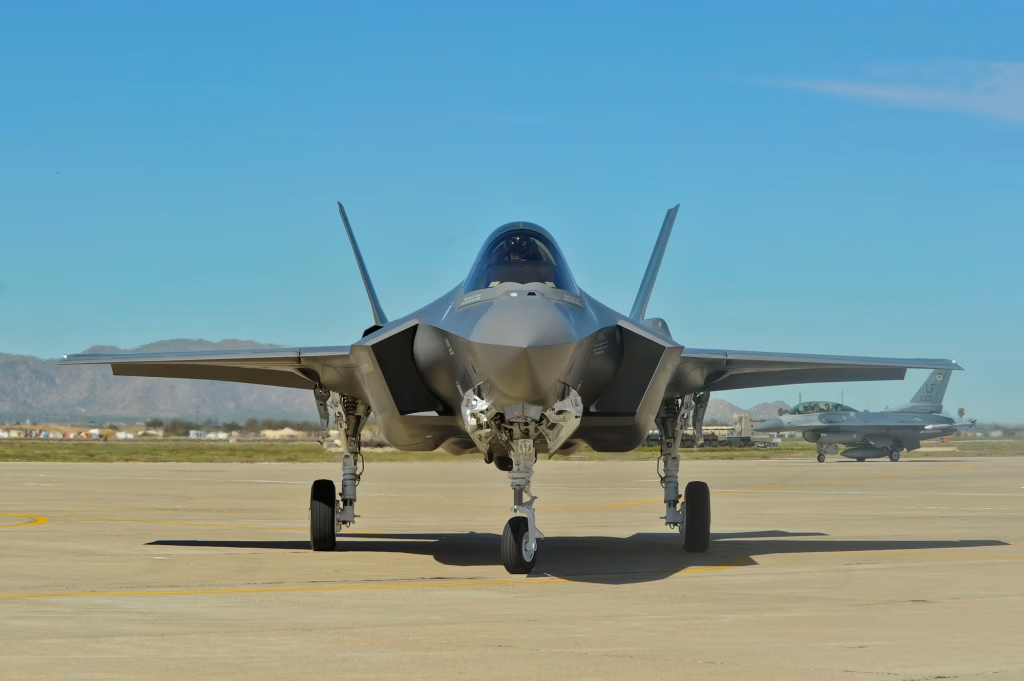
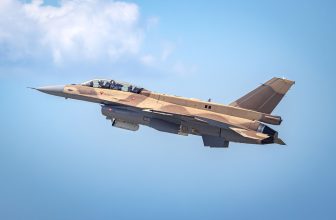
The closest American counterpart to the Su-35S is probably the F-15EX. It is a heavy, twin-engine fighter derived from an aircraft family that first flew in 1972. The latest version has modern avionics, a new radar and the ability to carry a very large weapons load.
The F-15EX is nevertheless being produced in relatively small numbers. The program has encountered delays, while its tempo is determined by limited US Air Force procurement and Boeing’s export orders. If the comparison is restricted to the Su-35S and F-15EX, the Russian production line does not appear weak. It may be delivering a similar or even greater number of heavy fighters.
The picture changes completely at Lockheed Martin’s plant in Fort Worth. The company delivered 191 F-35 fighters in 2025, setting a new program record. That is nearly as many aircraft as Russia could produce on the Su-34 and Su-35S lines over seven years.
The 191 deliveries should not be interpreted as a normal sustainable annual rate. The figure included aircraft whose deliveries had previously been delayed by problems with the new Technology Refresh 3 hardware and software package. The long-term target is somewhat lower at 156 F-35s per year. In October 2026, the Pentagon and Lockheed Martin reached a preliminary ten-year agreement covering at least 850 aircraft and intended to preserve that production rate.
Even 156 aircraft would mean that a single American program produces roughly six times as many fighters per year as the Russian Su-34 and Su-35S lines combined.
The F-35, however, is not simply the product of one factory. Thousands of suppliers in the United States and partner countries participate in the program, with major sections and components produced across an international industrial network. Russia maintains its combat-aircraft programs with a far smaller volume of orders and a more self-contained supply chain.
What Russia’s 27 Aircraft Really Mean
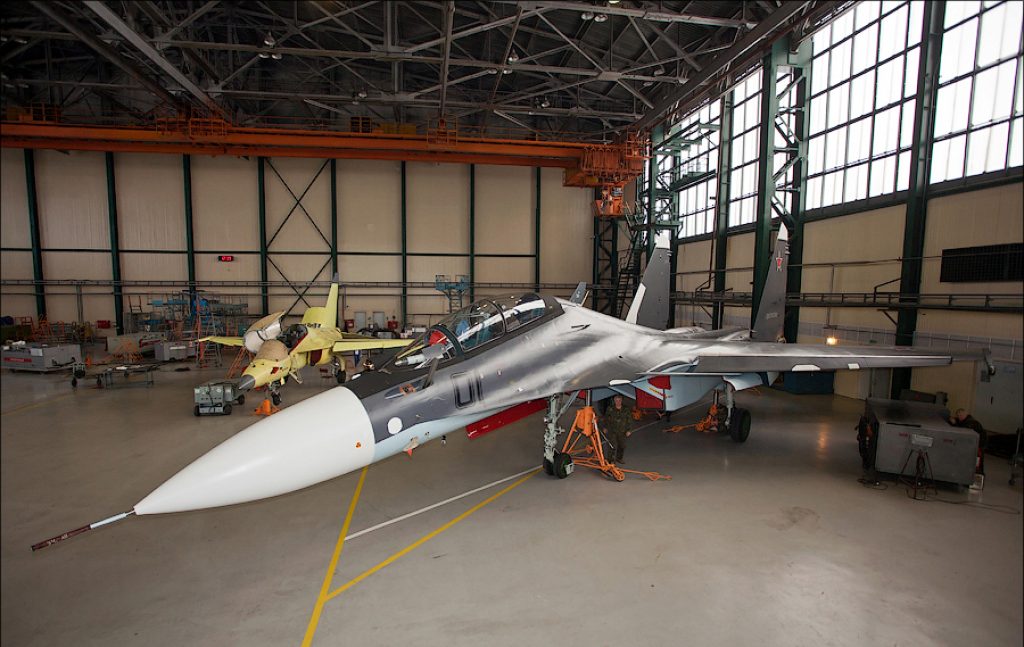
Measured against the United States, Russia’s output appears modest. The American aerospace industry has built an enormous international production system around the F-35, capable of completing a new aircraft almost every other day. No individual European country can match that scale.
The comparison with Europe produces a different conclusion. Combined Su-34 and Su-35S output is approximately equal to Rafale production and comfortably exceeds the Eurofighter program’s current annual rate. Russia has therefore retained the ability to manufacture advanced combat aircraft by the dozen rather than as occasional individual examples.
The figure of 27 aircraft is still only the upper end of an estimate. It says nothing about manufacturing time, engine reserves, component quality or whether the same rate can be sustained over many years. It is also unclear how many aircraft are built entirely from newly manufactured components and how many may incorporate systems produced earlier.
European and American manufacturers publish delivery totals, order backlogs and targets for the following year. Russia’s United Aircraft Corporation generally restricts itself to announcements about another “batch.” The comparison therefore places confirmed Western deliveries beside an estimated Russian production capacity.
The Most Important Number Is Not Found in the Specifications
Maximum speed, combat radius and missile capacity determine what an individual aircraft can do. The strength of an aviation industry is revealed by a different figure: how many times the factory doors open each year and a completed aircraft rolls outside.
For Russia, the estimated number is 20–27 Su-34 and Su-35S aircraft. Dassault delivered 26 Rafales in 2025 and is working to increase production. The Eurofighter consortium currently builds around 14 Typhoons annually and intends to accelerate. Lockheed Martin can sustain production of approximately 156 F-35s per year.
Russia’s result should therefore be described as neither an industrial miracle nor a collapse. It is a substantial production rate for a single country and is comparable to Europe’s largest national fighter program. The United States, however, operates on a different scale, with one aircraft type produced by the hundred. The distance between those two systems is measured not only in the number of factory buildings, but in entirely different industrial eras.