China's Laser Shield. The Guangjian 11E and 21A systems destroy drones in seconds

Beijing has unveiled two new anti-aircraft laser systems. Their purpose is to counter the growing threat posed by drones in modern conflicts. The Guangjian-11E and Guangjian-21A systems are designed to take down small, low-flying drones.
It is precisely these types of targets that traditional radars typically fail to detect. China’s state television has already shown the latest developments in this field. In the footage, both systems easily shoot down simulated quadcopters and loitering munitions at an altitude of just 50–80 m.
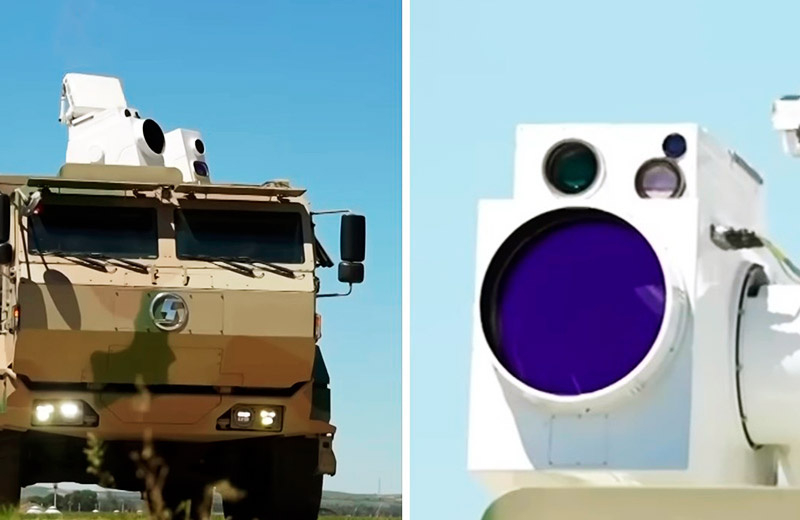
Eliminating blind spots at low altitudes
A military analyst is certain: Beijing is rushing to plug the gaps in its defenses.
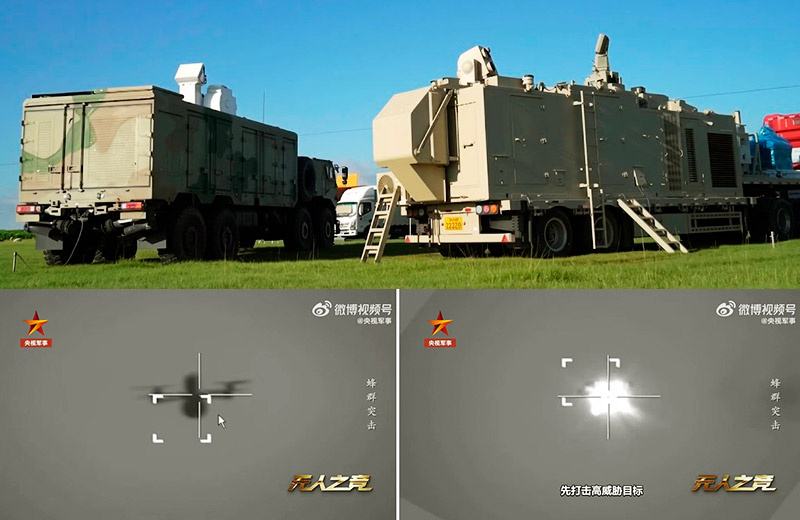
Recent conflicts involving the widespread use of drones have clearly shown where the weak spots lie. Today, cheap drones swarm in droves and openly make a mockery of expensive air defense missile systems.
The Guangjian series was designed specifically for fast, precision interception. The systems are optimized for slow-moving, low-flying targets that can evade radar detection. They are the ideal solution for protecting military bases and forward positions.
The Chinese are integrating these systems into an overall layered defense system. Detection, tracking, and engagement are combined into a single cycle. As a result, the response time to a surprise attack is reduced to a minimum.
The Guangjian-11E variant operates at a finer level—using non-kinetic suppression. It is a hybrid of electronic warfare and directed-energy technologies. The system jams UAV sensors and communication channels, blinds optical systems, and disrupts guidance loops.
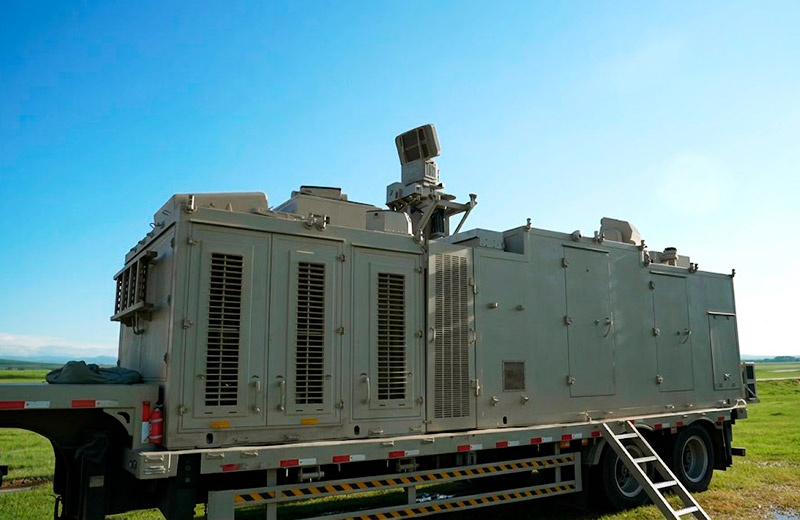
This approach allows you to neutralize the threat without blowing the target to pieces. An added bonus is that it conserves energy and eliminates the risk of debris falling on your own positions.
But the Guangjian-21A is all about brute force. This mobile laser cannon mounted on a vehicle chassis is designed to take out targets. What’s more, it can fire while on the move—giving you an excellent chance of survival when you’re under fire.
A high-energy laser literally melts the drone’s structure. It takes just a couple of seconds to burn out the motor or destroy the onboard electronics. Not even jamming protection can defend against this tactic. Even sophisticated systems controlled via fiber-optic cable are destroyed.
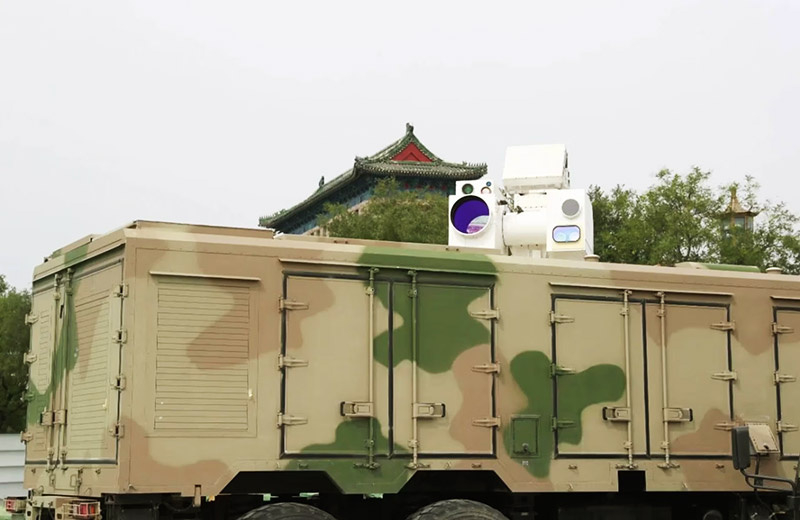
When used together, these two vehicles offer incredible tactical flexibility. The operator decides for himself whether to gently “land” the drone or reduce it to ashes.
Network Integration on the Battlefield
Both systems monitor their surroundings using phased-array radar and infrared sensors.
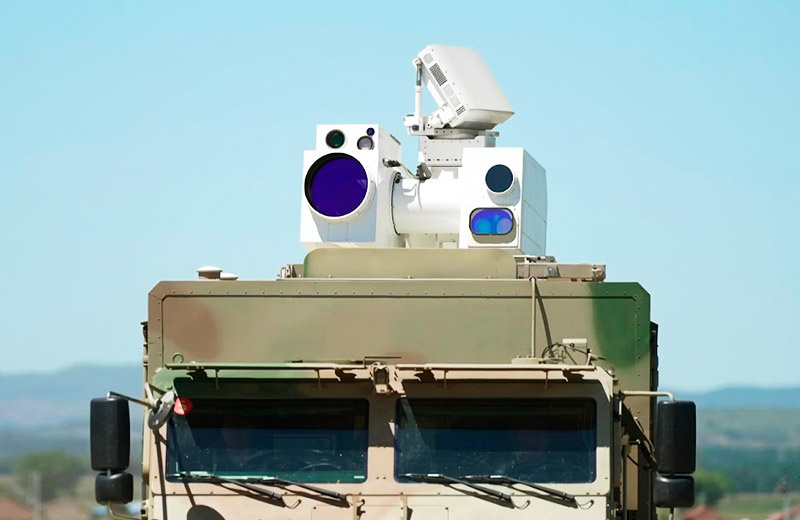
Radars search for and track targets, while thermal imagers are used for passive tracking—when it’s necessary to lie low and emit no signals into the air. The dual-optics system ensures that even the most inconspicuous drones or devices with weak signals are never lost from view.
The fire will not cease even under conditions of severe radio interference, and the vehicles are connected into a single network via cables and wireless links. Data is transmitted in real time, and target designation is synchronized. The units can operate independently or become part of a larger air defense umbrella.
The Aviation Industry Corporation of China (AVIC) notes that this level of integration minimizes the time from detection to engagement. Sensors and guns operate as a single unit—this is a defining trend in modern air defense.
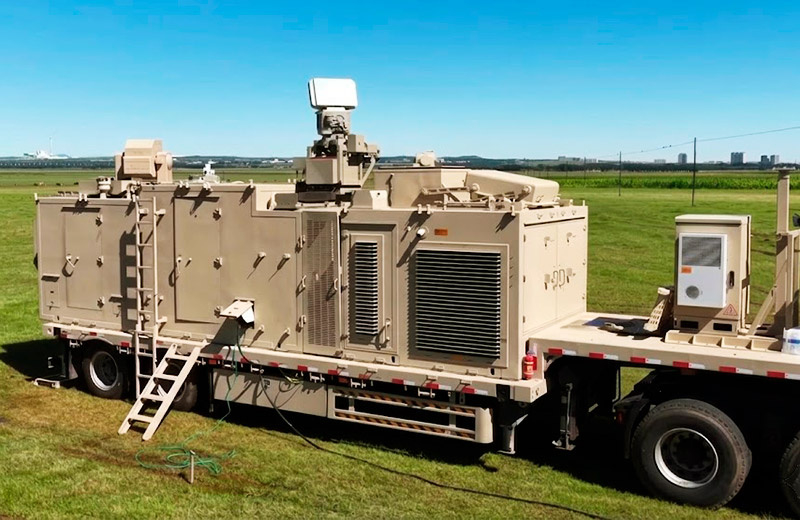
These premieres were preceded by demonstrations in 2025. At that time, Beijing rolled out a whole arsenal: missiles, anti-aircraft guns, combat lasers, and microwave emitters. All of these are building blocks of a new layered defense system.
The rationale for relying on lasers is clear: it’s incredibly cost-effective. Unlike firing an anti-aircraft missile, a laser “shot” costs next to nothing. It’s hard to find a better weapon against a massive drone swarm at this point.
It’s still difficult to verify the claimed specifications, but these new Chinese weapons clearly strike a nerve on the modern battlefield. If these lasers prove themselves in actual combat, the global arms market is in for a shakeup. Especially since many are currently racking their brains over how to defend against similarly inexpensive UAVs.
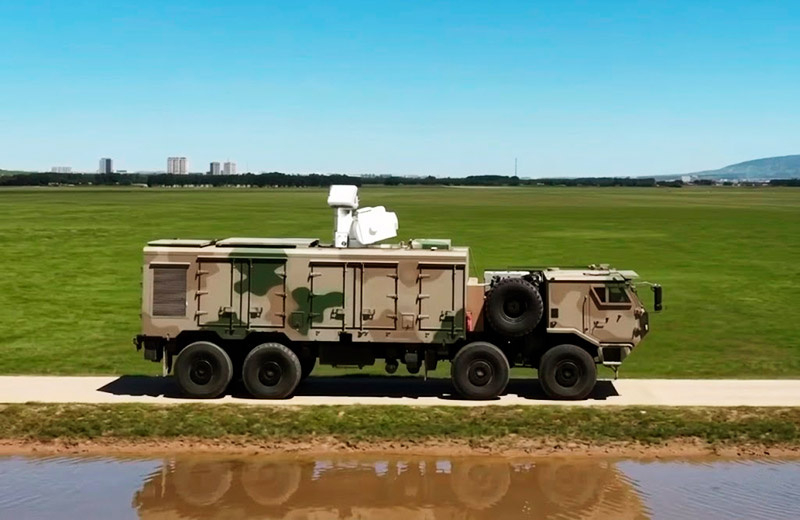
The arrival of the Guangjian is a clear indication that the era of expensive anti-aircraft missiles is coming to an end. The air defense systems of the future will be a combination of smart sensors, neural networks, and combat lasers capable of incinerating any threats from the sky.
Source — https://dzen.ru/a/acgm4vYNlmkvenMM