"Gerbera" Is No Longer Just a Decoy: Why Is Russia Equipping Cheap Drones with Systems It Used to Reserve for Missiles?

From the very beginning of the conflict, Russia’s focus on the mass production of inexpensive drones seemed quite pragmatic. The war quickly demonstrated that the era of high-precision, one-off systems is gradually becoming a thing of the past. Even the most advanced air defense systems begin to experience serious problems when dozens, and sometimes hundreds, of aerial targets appear in the sky at the same time. That is precisely why the concept of the “cheap disposable drone” has gradually become one of the key elements of modern warfare.
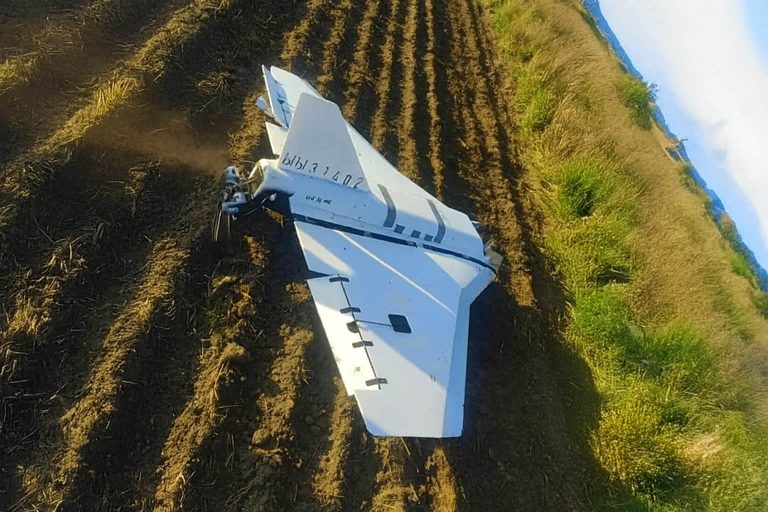
One of the most unusual Russian drones of this type was the “Gerbera”—an extremely inexpensive drone that was initially viewed more as a primitive decoy designed to overload Ukrainian air defense systems. However, new information suggests that the project is gradually evolving into a much more sophisticated system. In published photos, “Gerbera” drones were seen carrying 12-element, jam-resistant “Kometa-M” satellite navigation antennas — equipment that was previously associated primarily with more expensive and higher-priority types of weaponry.
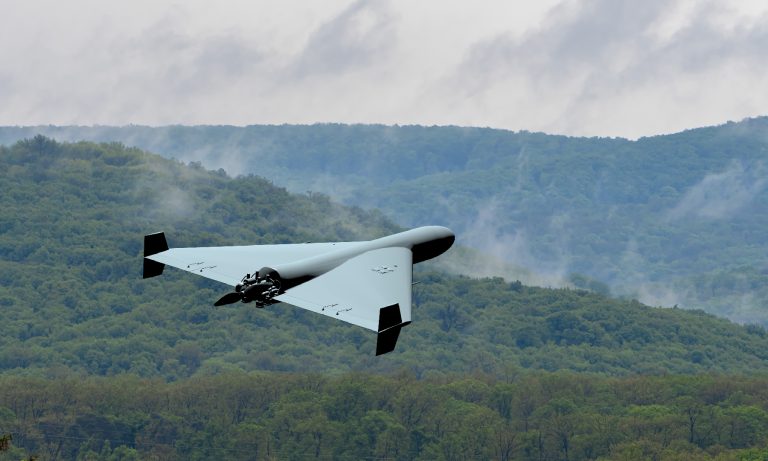
A Styrofoam drone that turned out to be more dangerous than it seemed
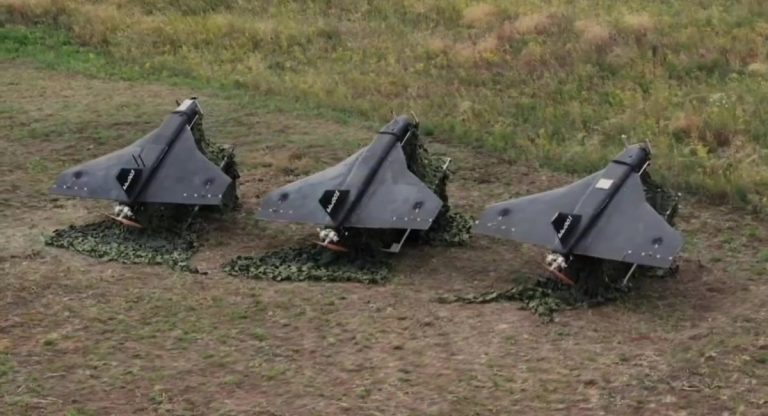
At first glance, the “Gerbera” looked almost like a homemade contraption. With a body made of foam and plywood, the cheapest possible electronics, and an extremely simple design—all of this gave the impression of a makeshift and even primitive solution. In fact, the device was designed as an ultra-cheap disposable UAV with a single purpose: to force Ukrainian air defense forces to waste expensive missiles on decoys.
The idea itself is not new. Even during the Cold War, the military fully understood that any air defense system has a limit on the number of targets it can track and engage simultaneously. But advances in low-cost electronics and commercial components have taken this concept to a new level. Now, instead of expensive cruise missiles, swarms of extremely inexpensive drones can be launched.
However, it very quickly became clear that even such primitive platforms could gradually be transformed into full-fledged weapons. The “Gerbera” was developed in reconnaissance versions, variants with warheads weighing up to 5 kilograms, as well as versions for signal relay and even for dropping propaganda materials.
In essence, the inexpensive drone has begun to evolve into a versatile platform for a war of attrition.
Why “Kometa-M” Is a New Take on Drones
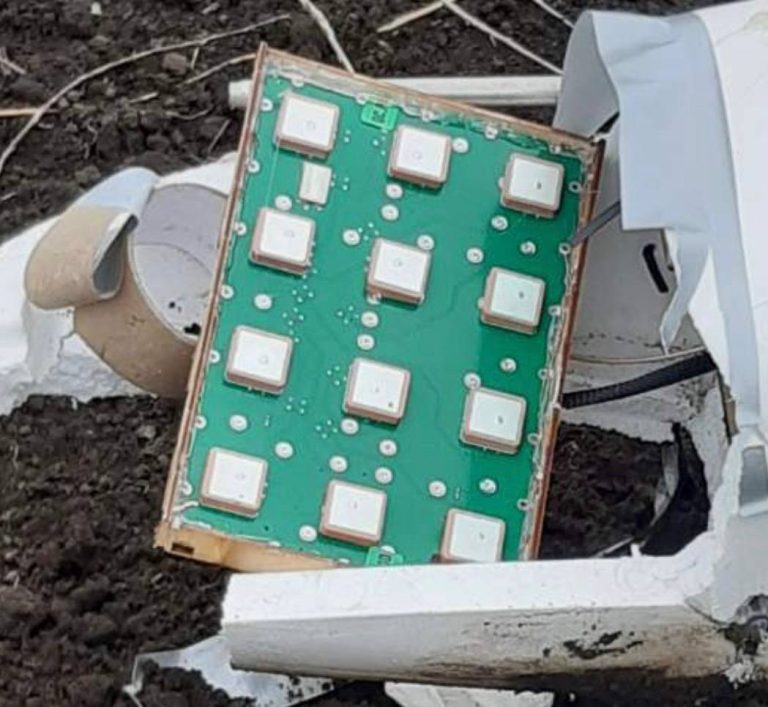
The main news isn’t even about the “Gerbera” itself, but rather the installation of a 12-element “Kometa-M” antenna on it.
Modern drone warfare has quickly evolved into a battle not only between drones and air defense systems, but also between navigation systems and electronic warfare (EW) capabilities. Conventional civilian GPS or GLONASS often becomes virtually useless in areas where EW is being used intensively. The signal is either jammed, spoofed, or becomes so inaccurate as to be completely useless.
That is precisely why interference-resistant CRPA antennas have become one of the most critical components of modern high-precision weapon systems. They make it possible to filter out interference and maintain stable satellite navigation even in the face of intense electronic countermeasures.
Previously, such systems were typically installed primarily on the most valuable types of weaponry—guided bombs, cruise missiles, or long-range drones like the Shahed. But now, such systems are beginning to appear even on extremely inexpensive drones.
This could indicate several things at once.
First, Russia appears to have significantly ramped up production of the “Kometa-M” systems. According to Ukrainian sources, as recently as a year ago, such modules were in short supply even for guided bombs, and delivery wait times reached several months.
Second, the very concept of a low-cost drone is changing. Whereas the “Gerbera” used to be more of a disposable decoy, efforts are now being made to turn it into an electronic warfare-resistant platform capable of performing actual combat missions.
Mass production is becoming more important than technological sophistication
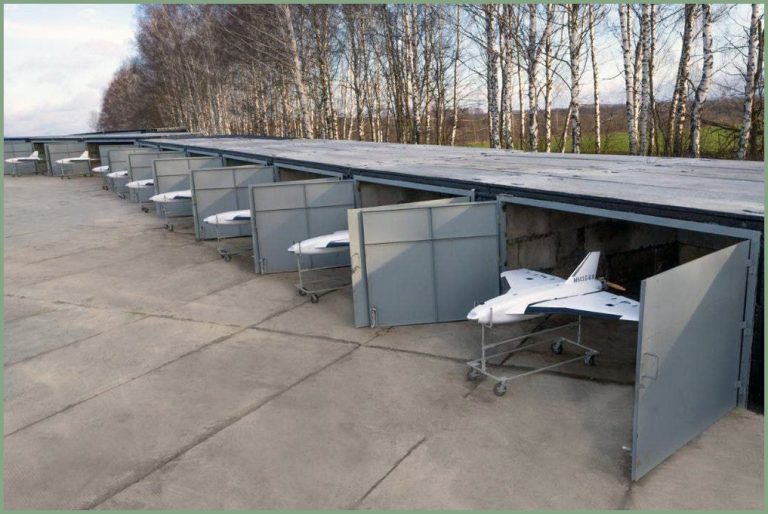
The most troubling aspect for any modern army is that combating such vehicles proves to be extremely uneconomical.
Even if the “Gerbera” costs dozens of times less than an air defense missile, it still forces the enemy to expend resources: missiles, mobile units, electronic warfare assets, radar stations, and the operators’ attention. And if this inexpensive drone is also equipped with jamming-resistant navigation, the effectiveness of such a concept increases dramatically.
In fact, modern warfare is gradually shifting toward a model in which the main advantage is no longer the quality of individual pieces of equipment, but rather the ability to rapidly mass-produce thousands of relatively inexpensive systems.
That is precisely why the story of the “Comet-M” at “Gerbera” is attracting so much attention. This isn’t just about the modernization of a single drone. It’s a sign that technologies which, until recently, were considered too expensive for mass-market systems are rapidly becoming cheaper and more widely available.
The War of Factories and Electronics
The manufacturer of the “Kometa-M” system—VNIIR-Progress—is also of particular interest; the company produces jam-resistant navigation systems for various Russian weapons. According to Ukrainian sources, the facility has already been targeted on multiple occasions by long-range drones and cruise missiles.
This is a very telling aspect of modern warfare. Whereas tank factories, airfields, and ammunition depots were once considered key targets, microelectronics plants, manufacturers of antennas, communications systems, and electronic warfare components are now taking on increasing importance.
Because electronics are now at the heart of any modern war—from FPV drones to ballistic missiles.
And the “Gerbera” incident illustrates this particularly well. Even a rudimentary foam drone becomes a serious problem if it is equipped with stable navigation, communication capabilities, and the potential for mass production.