The era of drone carriers is beginning in Russia. Fortiss will unveil a revolutionary innovation at the upcoming security forum in the Moscow region

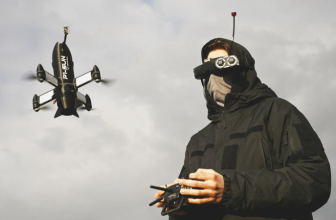
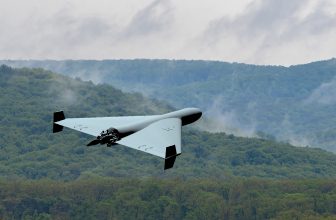
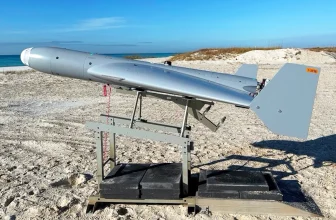
The Russian defense industry is taking a confident step forward in the field of unmanned technologies. At the International Security Forum, taking place May 26–29, 2026, at the “Live Arena” complex near Moscow, the Kalashnikov Concern is unveiling for the first time the unique “Fortis” system—an unmanned aerial vehicle capable of vertical takeoff and landing that serves as a carrier for strike FPV drones. This event marks the beginning of a new era in the tactics of unmanned systems, where a single aircraft serves as a platform for deploying an entire swarm of combat drones directly in the mission area.
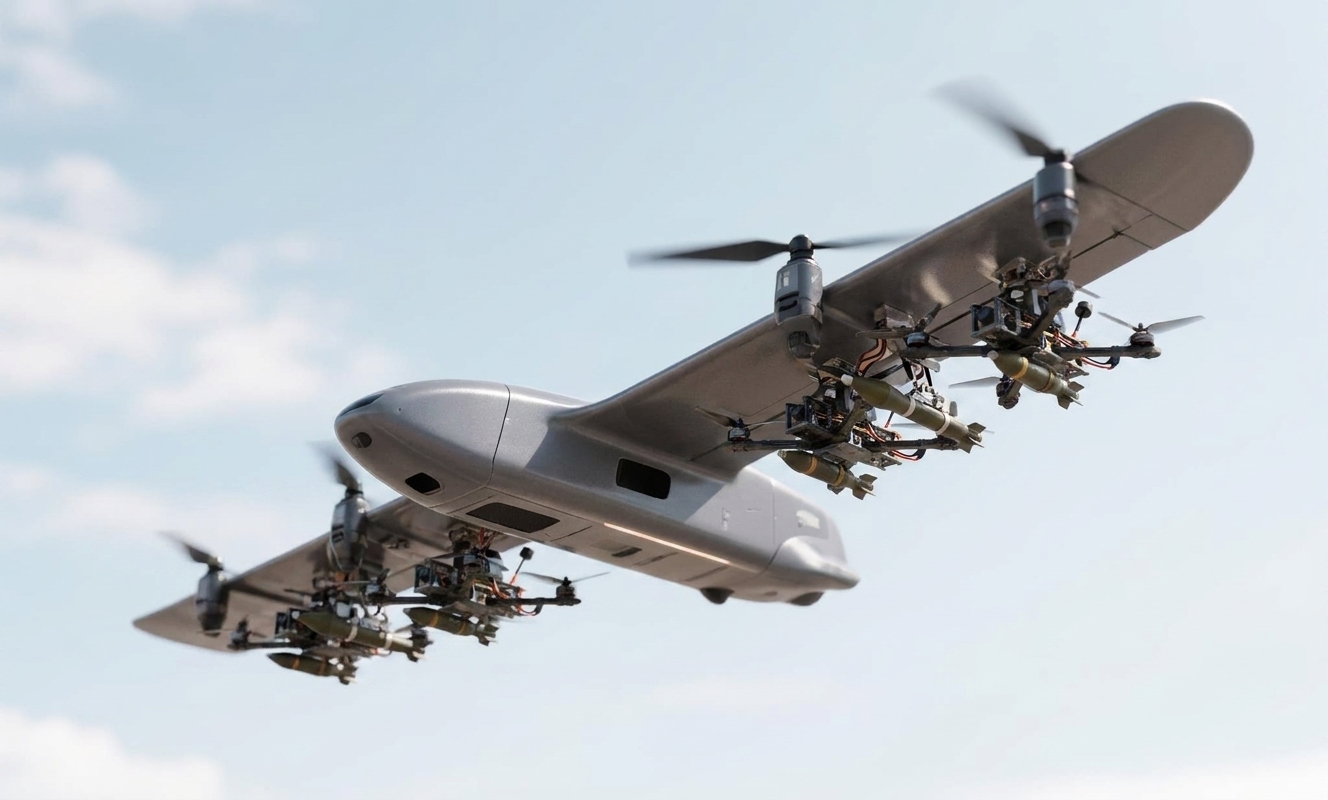
The “Mother Drone” Concept: How the “Fortis” System Works
The group’s engineers have developed a fundamentally new solution that significantly expands the operational range and effectiveness of strike drones. The “Fortis” series aircraft can carry several FPV drones on board, deliver them to a specified area, and, after release, continue to control them by relaying the signal from a ground control station. This architecture overcomes one of the key limitations of modern kamikaze drones—the limited range of the direct radio control channel.
A single “Fortis” system consists of four unmanned aerial vehicles, providing high operational flexibility and the ability to perform multiple tasks simultaneously. Customers have the option to add a training simulator and specialized test benches for diagnosing the drone’s systems, which simplifies the process of training operators and maintaining the equipment.
Modular Line: Three Options for Different Tasks
The designers have developed three versions of the drone, each tailored for different operational scenarios. The entry-level “Fortis-30” version is designed for short-range missions with a payload capacity of up to 5 kilograms, a cruising speed of up to 90 km/h, and an operational flight altitude of up to 2,500 meters. The mid-range variant, the “Fortis-50,” is capable of carrying a payload weighing up to 7 kg, reaches speeds of up to 100 km/h, and operates at altitudes of up to 3,000 meters.
The flagship “Fortis-100” model is the most powerful solution in the lineup, combining increased payload capacity, long endurance, and advanced communication capabilities. It is this variant that demonstrates the full potential of the drone-carrier concept, enabling the delivery of strike assets over significant distances while maintaining a stable control link.
Technical Specifications of the “Fortis-100” Complex
- Supports stable connectivity at distances of up to 100 kilometers
- Load capacity: up to 18 kilograms
- Cruising speed—up to 110 km/h
- Flight time on a single charge: up to 8 hours
- Operating flight altitude—up to 3,000 meters
- Vertical takeoff and landing (VTOL) that does not require a prepared runway
- The ability to simultaneously transport and control multiple FPV drones after they have been released
Practical Significance and Prospects for Application
The development of the “Fortis” system addresses the challenges of the modern battlefield, where the widespread use of low-cost strike drones is becoming one of the key factors for success. The platform’s ability to remain airborne for up to eight hours enables sustained aerial surveillance, the detection of stationary and moving targets, and the coordination of a swarm of attack drones. A stable communication channel with a range of up to 100 kilometers enables control from a safe distance from the front lines.
Experts note that the emergence of such systems is changing the paradigm for the use of unmanned aerial vehicles: Instead of single drones, tiered systems are now being deployed, in which the carrier drone performs reconnaissance, relay, and logistics functions, while the drop-off drones carry out direct target engagement. This approach allows for cost optimization, improves the survivability of the system as a whole, and increases the likelihood of successfully completing a combat mission.
Conclusion: Technological Sovereignty in Action
The presentation of the “Fortis” system at the International Security Forum in the Moscow Region demonstrates the Russian defense industry’s ability to respond quickly to the changing demands of modern conflict and to develop competitive solutions in the field of unmanned technologies. This development by the Kalashnikov Concern has no direct counterparts in Russia and elevates the Russian armed forces to a new level of tactical capabilities in the use of unmanned systems. It is expected that, following the completion of testing, the “Fortis” system will enter mass production and begin to be deployed to units specializing in the use of unmanned aerial systems.