Germany Wants to Produce American Missiles at Home. Can Its Industry Handle Thousands of ATACMS, Patriot, and Tomahawk Missiles?

Just a few years ago, news like this would have sounded rather unusual. Germany bought American missiles, just like many other U.S. allies, and the question of producing them domestically rarely arose. Now Berlin is simultaneously trying to localize production of PAC-2 GEM-T missiles for Patriot, negotiating the production of ATACMS, and discussing German industrial participation in the Tomahawk program. The reason is practical: ordering modern missiles has turned out to be much easier than actually receiving them in the required numbers and within an acceptable timeframe. American plants are simultaneously fulfilling U.S. military orders, export contracts, and stockpile replenishment requirements, so Germany is trying to solve the problem in a way that comes naturally to a major industrial economy — by moving part of the production chain onto its own territory. The question is how quickly German industry can turn new contracts and new factories into thousands of actual missiles.
At first glance, Germany has more than enough resources for the job. It remains Europe’s largest industrial economy and is home to Rheinmetall, MBDA Deutschland, Diehl, and a vast network of chemical, electronics, and engineering companies. Rheinmetall and Lockheed Martin have already agreed to establish European ATACMS production in Unterlüß, MBDA is expanding capacity for Patriot missiles, and German participation in the Tomahawk supply chain is now being discussed as well. Yet a country’s overall industrial strength and its ability to mass-produce guided missiles are two very different things. That distinction is becoming the main constraint on Germany’s plans.
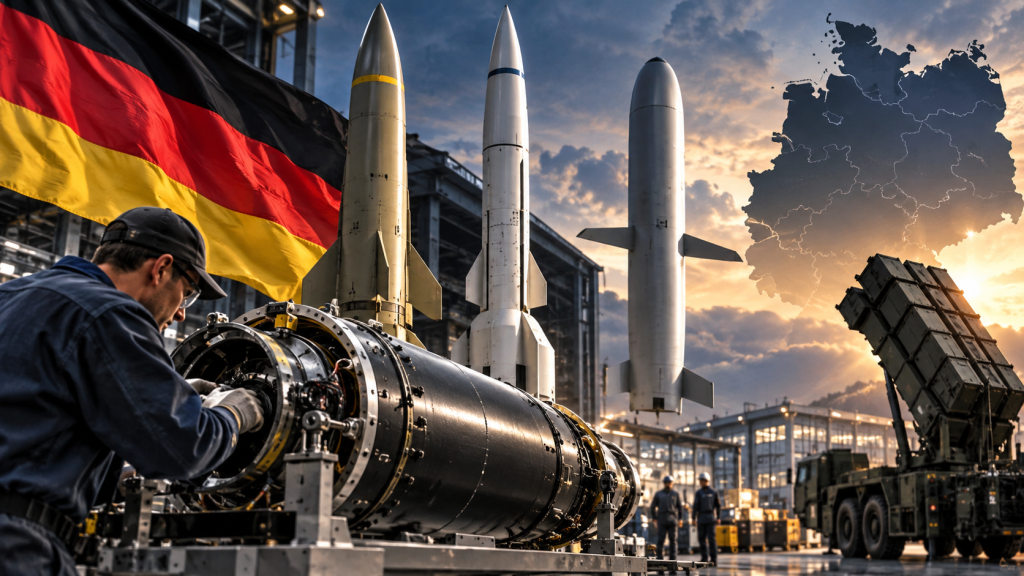
Europe Knows How to Build Missiles. The Problem Is Quantity
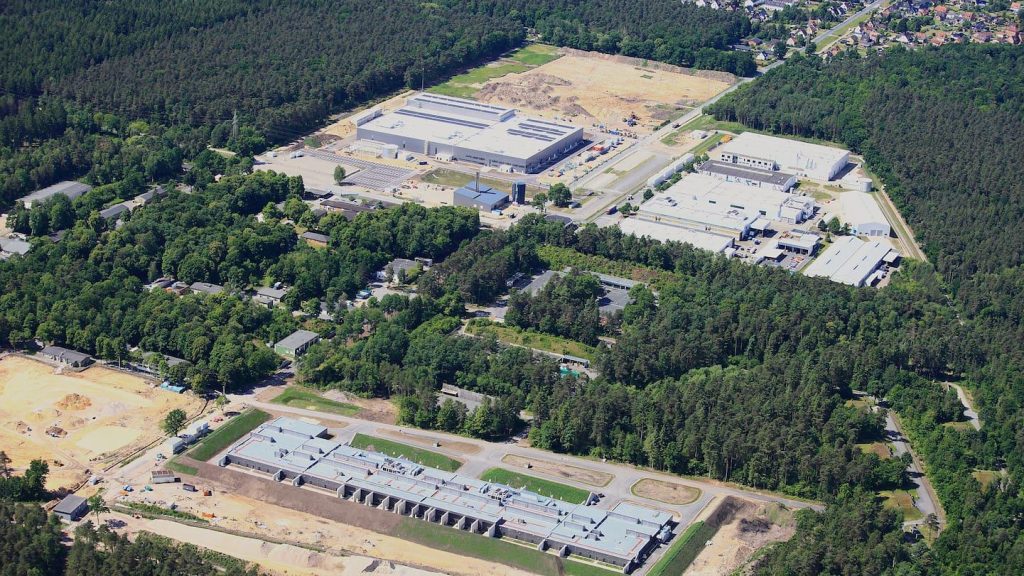
For decades, Europe’s defense industry developed around relatively small orders. A government needed a few hundred missiles, a manufacturer fulfilled the contract, maintained a limited production line, and eventually moved on to another program. In peacetime, this model was perfectly rational. There was little reason to maintain a factory capable of producing thousands of expensive guided weapons every year when armed forces bought them in small batches and expected to keep them in storage for many years. Europe therefore retained its technology and engineering expertise, but much of its defense industry became optimized for relatively slow production in limited series.
Recent conflicts have exposed the weakness of that model. Precision weapons can be consumed much faster than previous procurement plans anticipated, while multiplying production several times over within a single year is extremely difficult. Reuters highlighted this gap in September 2026: European manufacturers are capable of developing sophisticated missile systems, but they now need to move toward much larger and more affordable arsenals, while expanding the industrial base takes time.
An artillery shell is hardly simple to manufacture either, but a guided missile adds an entire series of potential bottlenecks. The manufacturer needs a body, a motor and solid propellant, a warhead, guidance electronics, actuators, sensors, and a fuze, followed by final assembly, testing, and acceptance. The output of the entire production line is ultimately determined by its slowest component. If a plant can manufacture 1,000 missile bodies but its supplier can deliver only 500 motors, annual production will be closer to 500 missiles than 1,000. Rheinmetall CEO Armin Papperger recently identified rocket motors and warheads among the industry’s most serious bottlenecks and warned that even major investments cannot increase missile production overnight.
ATACMS Shows How Long It Takes to Build a Real Production Base
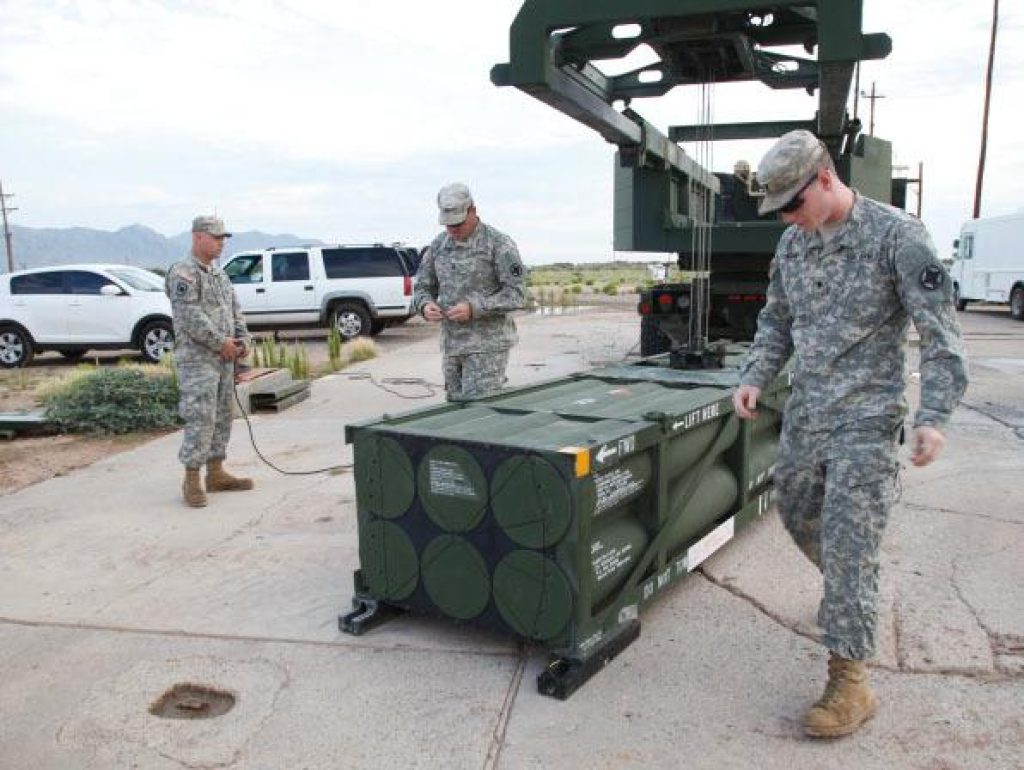
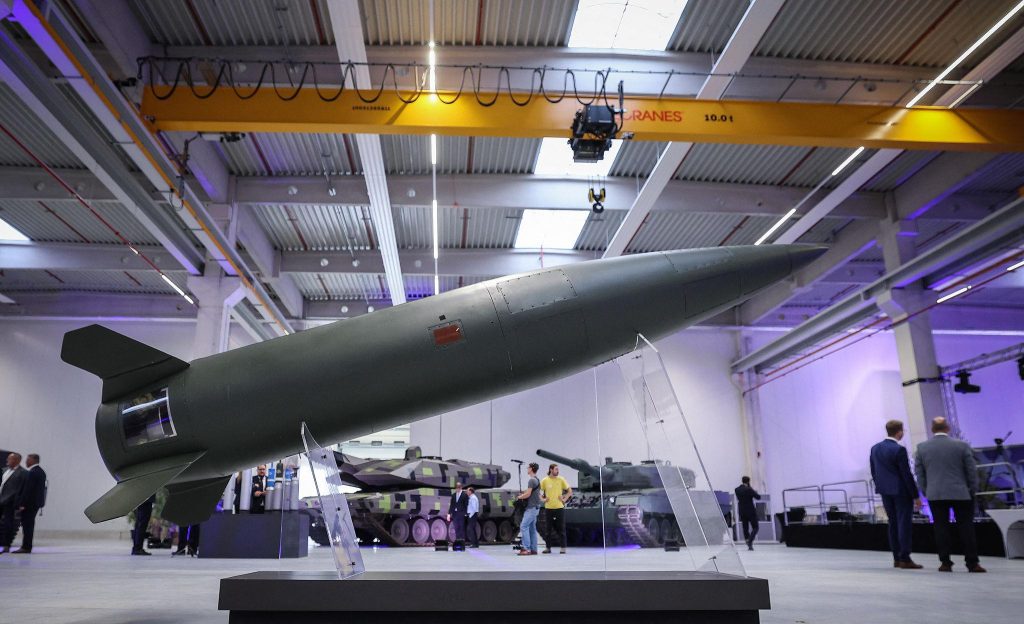
Some of the most significant changes are now taking place in Unterlüß, where Rheinmetall and Lockheed Martin intend to establish European production of ATACMS. For Germany, this is an important step: one of America’s best-known tactical ballistic missiles is set to gain a major production base outside the United States. Rheinmetall is not simply building a final assembly facility. The company is expanding production of rocket motors and related components and says its new facilities could eventually produce around 5,000 metric tons of rocket propellant per year. The relevant production capacity is expected to begin coming online in 2027.
This illustrates the difference between localization on paper and actual serial production. Specialized buildings have to be constructed, machinery installed, safe processes for handling propellants and explosives established, workers trained, suppliers organized, and the American developer’s manufacturing processes transferred. Products then have to be tested and certified before the line can gradually move toward its planned output. The Rheinmetall-Lockheed Martin agreement therefore does not mean hundreds of German-built ATACMS will begin rolling off the line within a few months. Establishing the production base will take years, and Papperger has already warned that existing missile shortages cannot be replenished quickly.
The importance of the German facility also extends beyond ATACMS itself. If Unterlüß becomes a major producer of rocket motors, propellants, and other components, those capabilities could support future missile programs as well. This is precisely the kind of industrial capacity Europe currently lacks. Expanding production of missile bodies is relatively straightforward; simultaneously increasing the supply of energetic materials, motors, and warheads is much more difficult. Germany is effectively investing not only in one American missile but in rebuilding an entire industrial segment that could eventually support several weapons programs.
Germany Is Much Further Ahead With Patriot
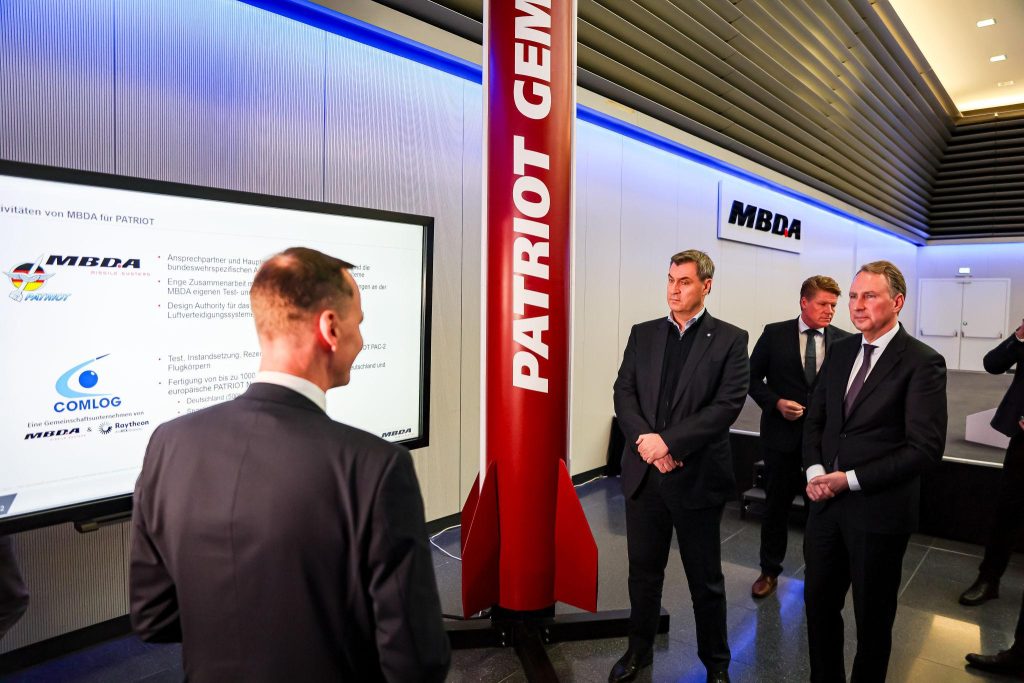
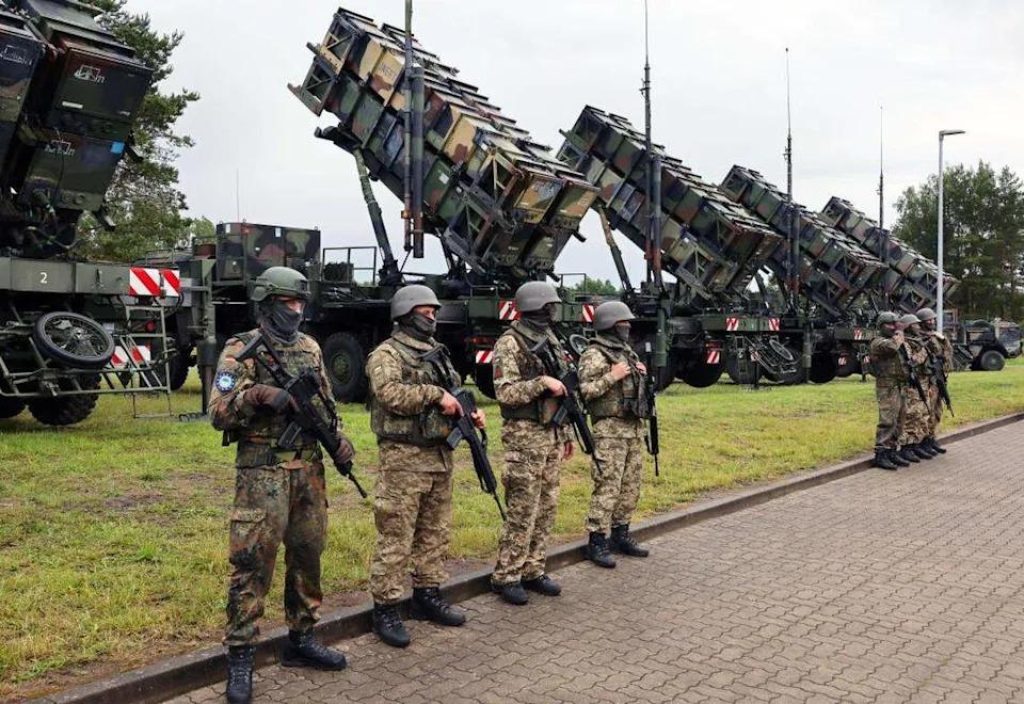
The PAC-2 GEM-T story differs from ATACMS because a European industrial base already exists. COMLOG, the joint venture between MBDA Deutschland and Raytheon, has long been involved in supporting Patriot missiles, while new orders have enabled Germany to expand production. MBDA is simultaneously developing its facilities in Schrobenhausen and Aschau, including missile production and maintenance as well as work related to rocket motors and their components. This is particularly important for Berlin because Patriot is widely used across Europe, meaning demand for its interceptors extends far beyond Germany’s own procurement.
That sustained demand makes PAC-2 particularly suitable for localization. Germany, the Netherlands, Romania, Spain, Sweden, and other European Patriot operators all have an interest in replenishing stockpiles and keeping the system in service. Manufacturers therefore see more than a one-off contract for several hundred missiles; they see a potential market lasting many years. This makes investment in additional production lines, personnel, and suppliers less risky, because there is a lower chance that an expensive new factory will suddenly find itself without orders five years later. It will not create complete independence from U.S. industry, since Patriot remains an international program and some technologies and components are tied to American companies, but an additional European source of production reduces dependence on a single supply chain.
Even this example, however, demonstrates why localization cannot eliminate shortages immediately. A new production line must first reach its planned output, while the backlog of existing orders does not disappear. The first missiles coming off expanded lines will not simply be placed in storage; many will go toward fulfilling contracts signed before the additional capacity even existed. For some time, industry will therefore be chasing demand that accumulated years earlier.
Tomahawk Has Run Into the Same Queue
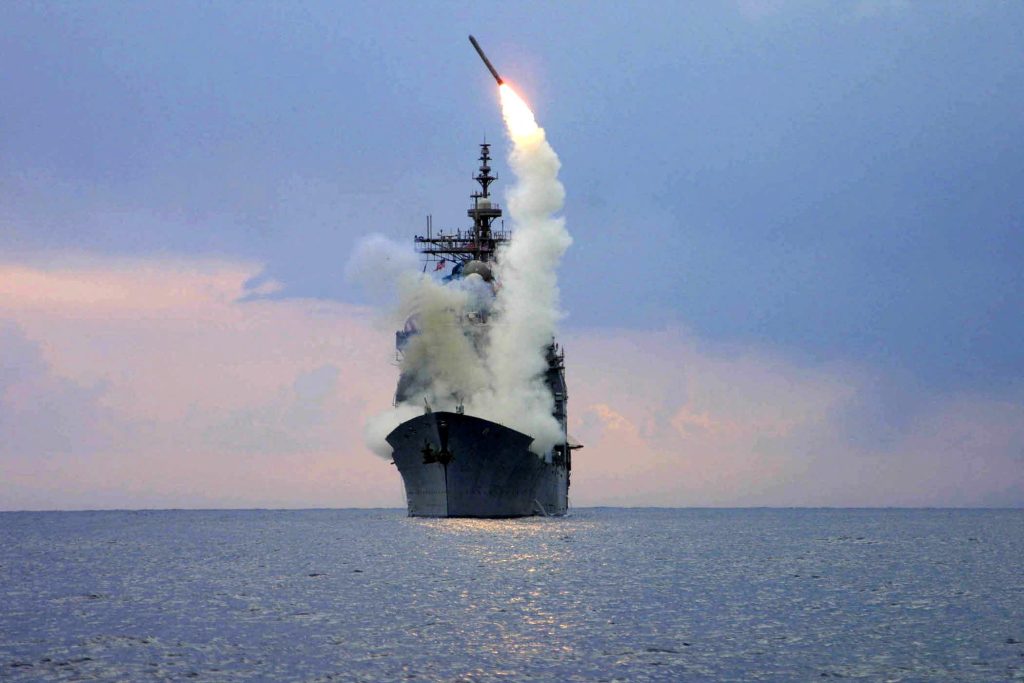
The Tomahawk program is at a much earlier stage. Germany plans to acquire three ground-based Typhon systems and around 400 cruise missiles, but Berlin is reportedly dissatisfied with the proposed delivery schedule. This has prompted discussions about involving German companies in the production of at least some Tomahawk components, which could then be shipped to the United States for final assembly. This cannot yet be described as full-scale German production of the missile, but the proposal itself shows how much the weapons market has changed.
Tomahawk has been in production for decades, and its design and supply chain are mature, but that does not mean unlimited manufacturing capacity exists. U.S. industry has to support American military requirements, foreign orders, and the replenishment of inventories after significant expenditure of long-range weapons. The International Institute for Strategic Studies has noted that the timetable for Germany’s program will also depend on U.S. requirements to rebuild its own inventories. Under these circumstances, Berlin is not so much proposing to create a rival production line as to expand the existing transatlantic supply chain. Some components could be manufactured by German companies, easing pressure on American suppliers while allowing Germany to acquire additional industrial expertise.
There is, however, a considerable distance between manufacturing Tomahawk components and producing complete Tomahawk missiles in Germany. The latter would require a much deeper transfer of technology, approval from the U.S. government and the developer, localization of additional suppliers, and the establishment of final assembly and testing facilities. For the foreseeable future, Tomahawk is therefore more likely to remain an example of transatlantic industrial cooperation than to become an American-designed missile manufactured entirely in Germany.
Why Germany’s Huge Industrial Base Does Not Solve the Problem Automatically
This raises an obvious question. Germany manufactures millions of cars, sophisticated machine tools, chemicals, energy equipment, and industrial electronics. Why should producing a few thousand missiles be such a challenge for an economy of this size? The answer lies in the extreme specialization of defense manufacturing. An automotive plant cannot stop building cars in the evening and start assembling ATACMS the next morning. Solid rocket propellant requires dedicated chemical facilities and strict safety procedures, warheads require explosives production, and missile electronics need certified components capable of surviving years in storage followed by severe mechanical and thermal stresses. Dedicated test stands, proving grounds, and qualified personnel are also required.
Germany therefore has an enormous reserve of capital, engineering expertise, and general manufacturing capacity, but the defense-specific portion of that industrial base is much narrower than the economy as a whole. Money can finance new factories, but it cannot eliminate the physical time required to build them, train personnel, and organize suppliers. Even a major industrial power cannot create an additional rocket-motor industry in a year simply because parliament has allocated several billion euros.
At the same time, it would be equally misleading to portray German industry as incapable of such expansion. Rheinmetall has substantially increased conventional ammunition production in recent years, is building new plants, and is investing in explosives and missile components. MBDA is expanding existing German facilities, while cooperation with Lockheed Martin and Raytheon allows Germany to obtain established technologies rather than having to develop every system from scratch. Germany has the industrial base, capital, and companies required to carry out these programs. The main constraint is not whether it can be done, but how long it will take to reach genuinely large production volumes.
Will Localization Solve the Missile Shortage?
In the immediate future, almost certainly not. New factories are still being built, manufacturing processes are only beginning to move to Germany, suppliers still have to be certified, and production of motors, warheads, and other components must be brought up to the required pace. ATACMS that are in short supply today will not suddenly appear in storage tomorrow simply because Rheinmetall and Lockheed Martin have signed an agreement. PAC-2 is in a somewhat better position because its European production chain already exists and is being expanded, while German participation in Tomahawk currently appears to involve primarily the manufacture of selected components.
Within several years, the effect should become much more visible. Germany will gain additional capacity for rocket motors and propellants, European PAC-2 production will increase, and ATACMS will gain a major manufacturing site outside the United States. Europe will not become completely independent of the American defense industry: key technologies will remain American, some components will continue to come from the United States, and production will still depend on licenses and international supplier networks. Additional factories will, however, allow orders to be distributed across several production centers and gradually increase total output.
The real test will come later, once the initial shortage has been reduced. A missile factory cannot be kept dormant for decades and switched on only when a crisis begins. Manufacturers need continuous orders, suppliers need predictable workloads, and facilities producing propellants, motors, and warheads need enough business to justify maintaining expensive specialized production lines. If European governments sharply reduce procurement again once their stockpiles have been replenished, the industry will gradually return to its old model of small production runs.
This is why Germany’s current program is about more than ATACMS, PAC-2, or Tomahawk. The country is effectively trying to restore the industrial capacity to manufacture sophisticated missile weapons in quantities far beyond the peacetime requirements of relatively small armed forces. Germany has the engineering expertise, major defense companies, chemical industry, and financial resources to do it; the limiting factor is the time required to build plants, train specialists, and expand the entire supplier network. Localization is unlikely to eliminate today’s missile shortage, but it could prevent the same situation from recurring five or ten years from now. Achieving that will require Germany to do more than build several new factories once: Europe will have to sustain an industrial base designed not merely to produce a few hundred expensive missiles, but to retain the ability to increase output into the thousands when necessary. Whether European governments are prepared to pay for that reserve capacity year after year will ultimately determine whether the current missile-industrial expansion succeeds.