In Russia, the first air defense regiment equipped with the S-500 "Prometheus" has begun combat duty. What does this mean, and what capabilities does it have?

“Prometheus” is now protecting Russia’s skies: the first regiment of the latest S-500 air defense missile system (a mobile complex consisting of radars and launchers) has officially begun combat duty.
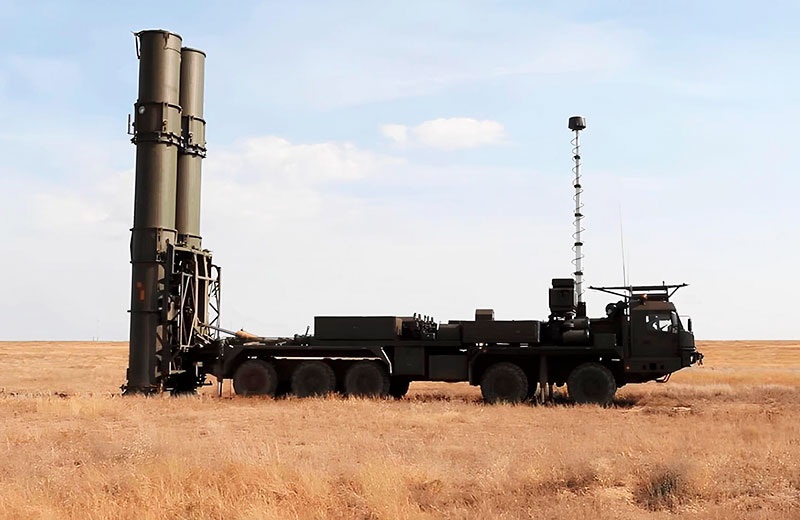
The introduction of this weapon into the Aerospace Forces’ arsenal signifies not merely another upgrade to their equipment, but a transition to a qualitatively different level of defense. The key point here is that the military has succeeded in combining the tasks of air defense and missile defense (MD—intercepting warheads at high altitudes) within a single unit.
To this end, a separate division has even been formed within the Aerospace Forces. The S-500 will gradually replace the S-400 “Triumph,” which has served faithfully for nearly two decades.
Although the new system is based on the time-tested solutions of the S-300 family, its objectives have become far more ambitious. Development took more than 10 years, and despite the delays that are inevitable in such complex projects, “Prometheus” is ready to counter the most advanced threats: from hypersonic missiles to objects in near-Earth space.
Architecture and Combat Capabilities
If you look at the design, the continuity across generations is evident: the massive 10×10 chassis carries the same launchers and highly sophisticated radar systems.
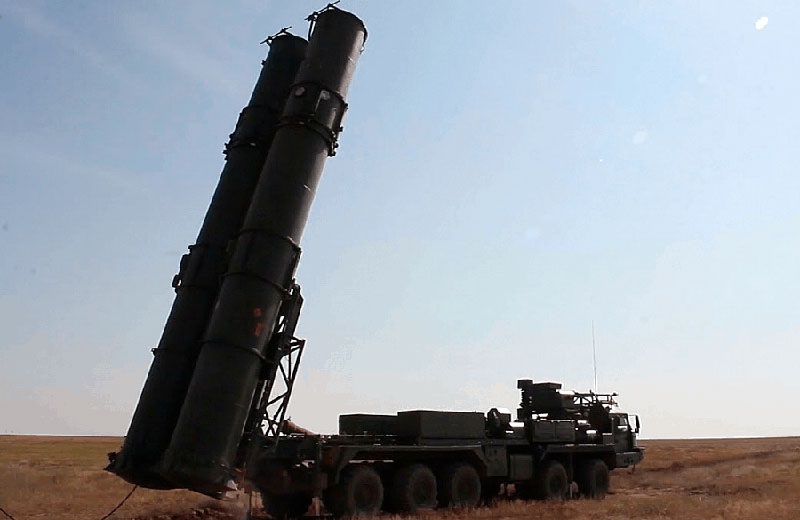
However, the system’s capabilities have changed radically. Unlike its predecessor, the S-500 was designed from the outset as a “killer” of hypersonic targets. While American engineers are still trying to get the Dark Eagle program (LRHW—long-range hypersonic missile) up and running, the Russian system has already been trained to intercept such targets as they approach.
Interestingly, the “Prometheus” arsenal now includes the 77N6-N and 77N6-N1 missiles, which operate on the principle of kinetic interception (destroying the target through direct impact without the use of explosives).
This requires precision down to the last detail, since the missile must literally “lock onto” the enemy target at tremendous speed and extreme altitude.
Technical Specifications
Most of the system’s specifications are, of course, shrouded in secrecy.
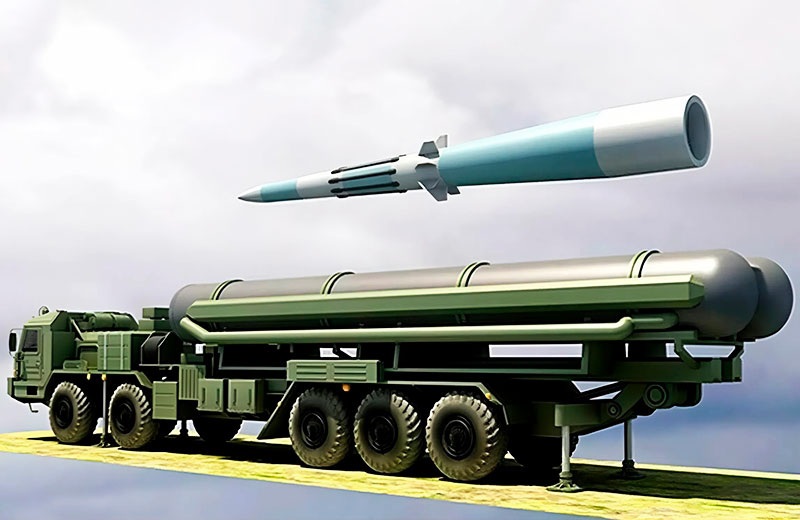
We can only rely on data from tests conducted at the Kapustin Yar test site. Nevertheless, the figures are impressive: the engagement range has increased to 600 km, which is a full 100 kilometers greater than that of the S-400.
But what’s truly impressive is the system’s “ceiling.” “Prometheus” is capable of engaging targets at altitudes of up to 200 km—the range of low-Earth-orbit satellites (spacecraft at altitudes of up to 2,000 km) and warheads launched from hypersonic aircraft.
Another critically important upgrade is response time. Almaz-Antey engineers have managed to reduce the system’s response time from 10 seconds to a record 3–4 seconds. In modern combat, those split seconds make all the difference.
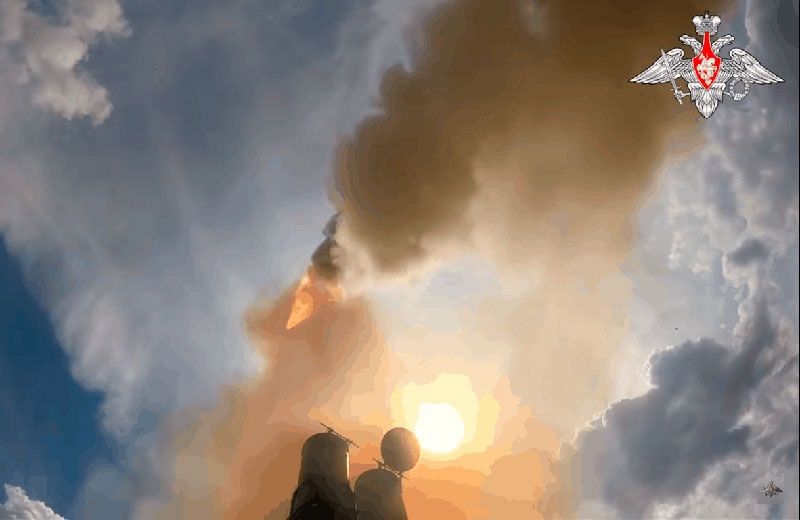
And although the Ministry of Defense has not disclosed the deployment location of the first regiment, experts are certain that it is providing cover for the Moscow region. As for rumors about the use of the S-500 in the combat zone in Ukraine, there has been no official confirmation of this yet—the Kremlin is keeping its cards close to its chest.
Source — https://dzen.ru/a/aUbU-2sLy3IH1rSW