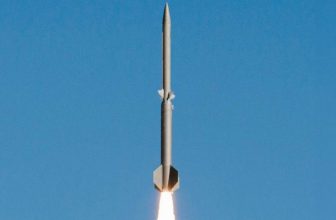
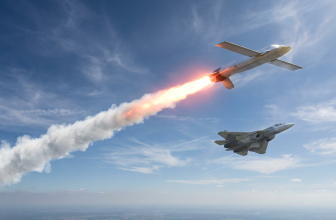
Sometimes the most interesting news isn’t the launch of a new system, but the fact that it continues to be pushed forward despite doubts. This is exactly what is happening right now with the new U.S. air defense suppression missile—the AGM-88G AARGM-ER. Despite the so-called “strategic pause” in procurement, the U.S. Navy still expects to bring it into service as early as this year.
This is a rare instance in which a program is both moving forward and being called into question.
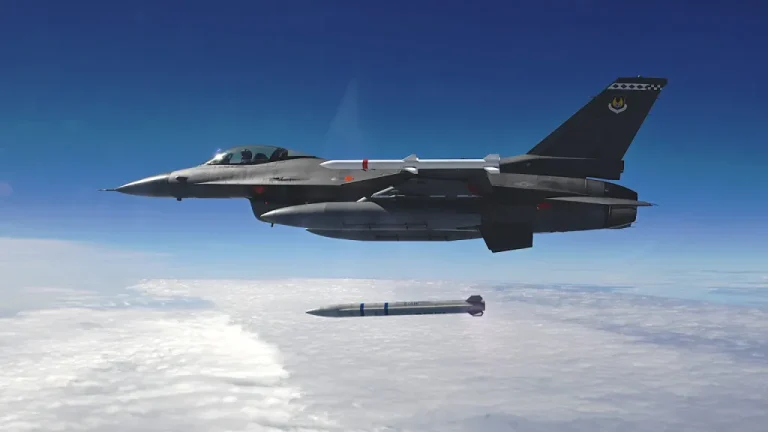
Trigger: A missile with no procurement but a date of acceptance
The situation seems paradoxical.
On the one hand, the U.S. Navy has no plans to procure new missiles of this type in the upcoming budget cycle.
On the other hand, the AGM-88G is expected to be officially adopted as early as September.
In other words, the missile is technically “entering service,” but without full-scale deployment.
This is precisely what is meant by a “strategic pause”—not an abandonment of the program, but a temporary reassessment of it.
What kind of rocket is this?
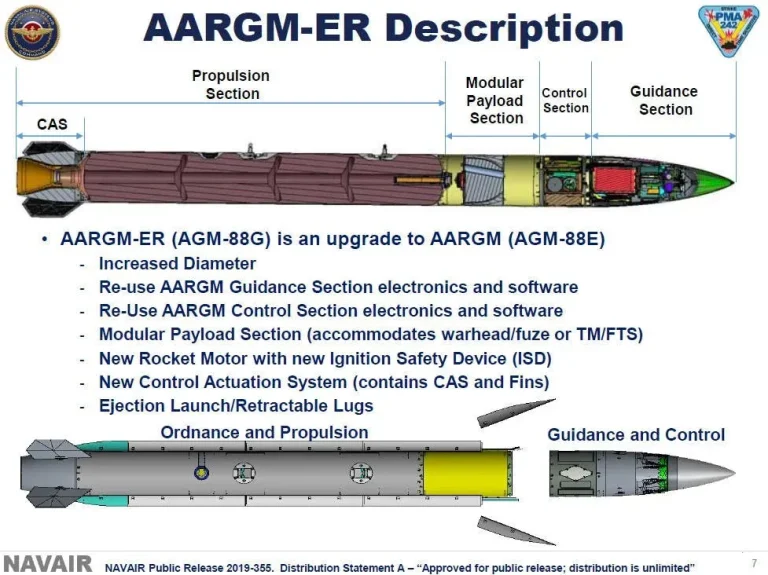
The AGM-88G is an evolution of the well-known HARM family of anti-radar missiles.
Its purpose remains the same:
— detect the source of radar emissions
— destroy it
— open a “corridor” for aircraft
But the new version is significantly different from its predecessors.
The main difference: range and “stealth”
The AARGM-ER was developed in response to modern air defense systems, which have become:
— more far-reaching
— more mobile
— less predictable
As a result, the rocket was equipped with:
— increased range —
a new airframe design with stealth features
— a more powerful powerplant
This allows it to be launched from a safe distance and reduces the likelihood of interception.
Smart “Hunting” for Speed Cameras
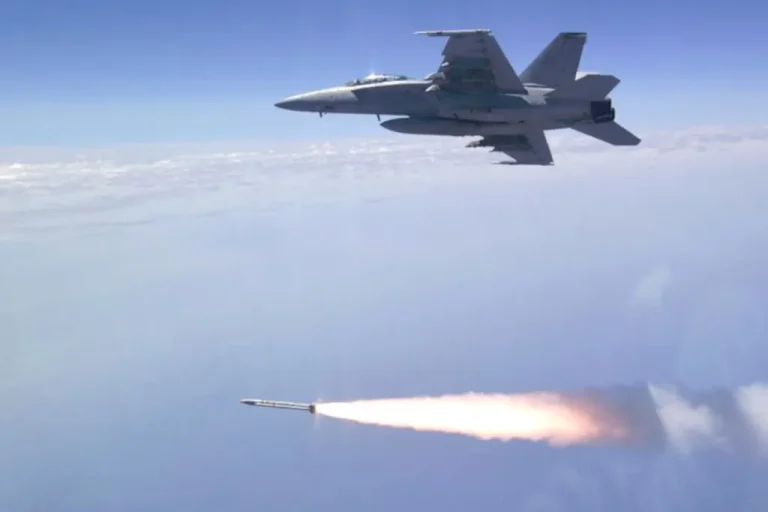
Unlike older missiles, which simply “flew on a signal,” the AARGM-ER uses a combined guidance system.
It includes:
— passive radar
search — inertial
navigation — satellite-based correction
This is important because modern air defense systems can shut down their radars to evade an attack.
The new rocket is capable of:
Remember the target,
continue flying
, and attack even if the signal disappears.
Why is the program running slowly?
Despite all its advantages, the missile has a problem—not a technical one, but a strategic one.
The U.S. military is currently reassessing its priorities:
— The role of low-cost, mass-produced systems is growing —
The importance of drones is increasing —
The structure of strike operations is changing
Against this backdrop, the question arises:
Is it necessary to purchase large quantities of expensive specialized missiles?
That is precisely why there was a pause—not because of a failure, but because the role was being reevaluated.
Why are they still promoting her?
Despite this, the AARGM-ER remains an important part of the system.
The reason is simple:
Suppressing air defense is a fundamental requirement for any air operation.
Without this:
—
Strikes are impossible — freedom of action is limited —
casualties are rising
And since there is currently no viable alternative to a missile of this class, it is not being phased out.
Where will it be used?
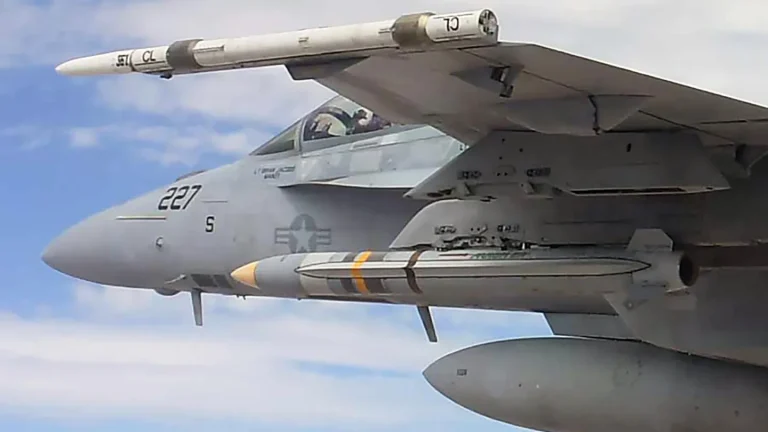
The primary carriers are the U.S. Navy’s carrier-based aircraft, including:
—
F/A-18 fighter jets—promising platforms
The missile fits into the “first strike” concept, in which it is necessary to quickly neutralize air defense systems and clear the way for further action.
Conclusion
The story of the AARGM-ER isn’t really about the new missile itself.
This refers to the moment when the technology is already ready, but its role is still being debated.
The missile exists.
It is in the process of being adopted into service.
But the question of how many are needed and how they should be used remains open.
That is precisely why the program seems both complete and incomplete at the same time.