Against the backdrop of the ongoing escalation in tensions between Washington and Tehran, the prospect of possible military action has once again come to the forefront. This article examines the key issues that would inevitably arise if the U.S. were to actually launch a large-scale air campaign against Iran—ranging from strategic objectives to logistical, political, and geopolitical obstacles.
Contents:
1. What exactly is the plan to attack—and why?
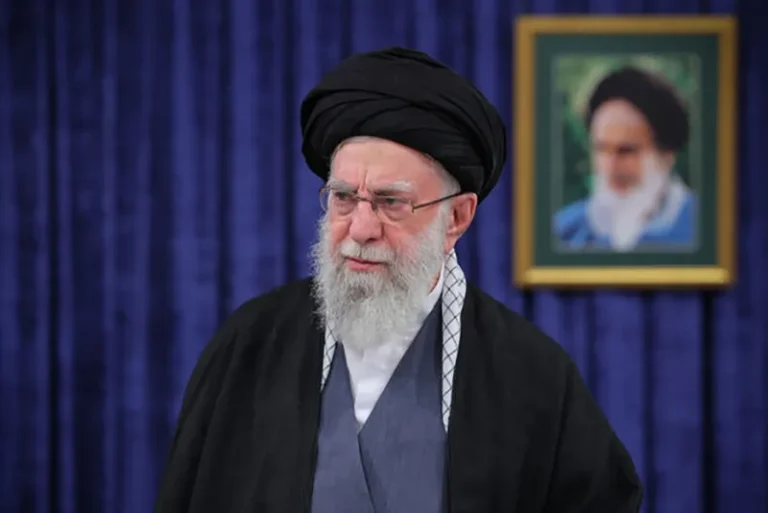
One of the key issues is identifying the targets of a potential strike. These could include:
- Iranian nuclear infrastructure facilities;
- missile system bases and depots;
- air defense system components and command centers.
Earlier, in June 2025, the United States and Israel had already carried out airstrikes on key targets in Iran, including uranium enrichment facilities in Fordo, Natanz, and Isfahan. These actions constituted one of the largest operations in the region in recent years and demonstrated a willingness to use force to deter Tehran’s nuclear program.
Nevertheless, it remains unclear which additional targets might be the focus of a new strike, especially if the goal is not only to temporarily halt but also to significantly weaken Iran’s military capabilities in the long term.
2. When and how will the surgery be performed?
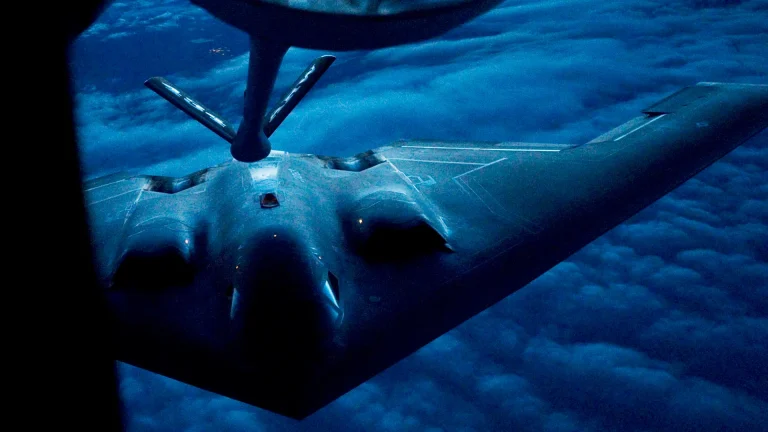
Another obvious question is the timeframe and format of a potential campaign:
- Will this be a series of precision strikes targeting key facilities?
- Or a full-scale air offensive involving raids lasting several days?
- Will maritime and land-based infrastructure be used to support aviation through refueling and air traffic control?
These plans are being discussed against the backdrop of broader diplomatic efforts—including the latest round of indirect nuclear talks between the U.S. and Iran, which are taking place in Geneva. The goals of these talks are to reach a compromise on Iran’s nuclear program and to avoid direct conflict.
3. What is preventing the outbreak of full-scale hostilities?
There are several key factors that make any campaign extremely challenging:
Limited access to databases
Some allies are denying the U.S. full access to their bases for strikes against Iran, which complicates the logistics for strike aircraft and lengthens flight routes.
A large number of troops and military equipment
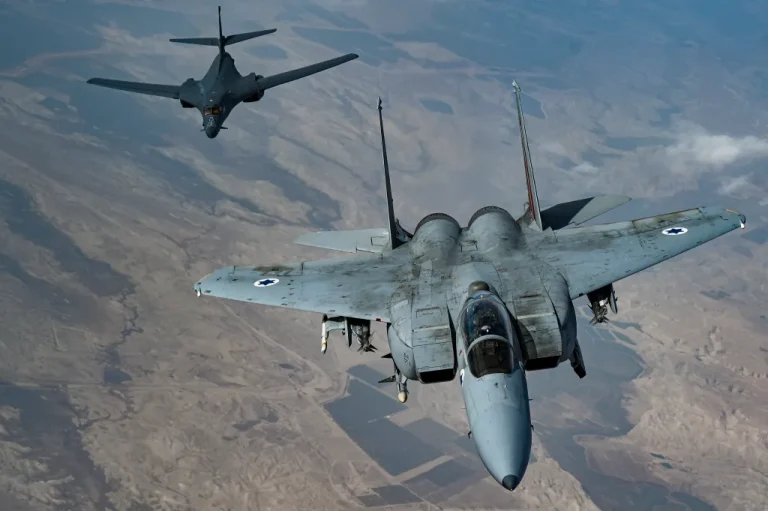
The U.S. has already deployed significant forces to the region—dozens of F-22s, F-16s, early-warning aircraft, and support from the aircraft carriers USS Gerald R. Ford and USS Abraham Lincoln. This is the largest deployment of air power since the 2003 Iraq War.
Shortage of ammunition and air defense systems
Military experts note that stocks of precision-guided munitions and missile defense components, such as THAAD and Patriot, have already been depleted due to prolonged support for other alliances. This could limit the U.S.’s ability to wage a protracted campaign.
4. Geopolitical and Regional Risks
A large-scale air operation against Iran would be much more difficult than past campaigns:
- Iran possesses its own ballistic and cruise missiles, which are capable of striking U.S. bases in the region and its allies, and could even be used to attempt to block the strategic Strait of Hormuz—a key route for global oil trade.
- Iran is actively building up its military capabilities and conducting military exercises, demonstrating its ability to counter threats and potentially launch retaliatory strikes.
5. Impact on the World Order
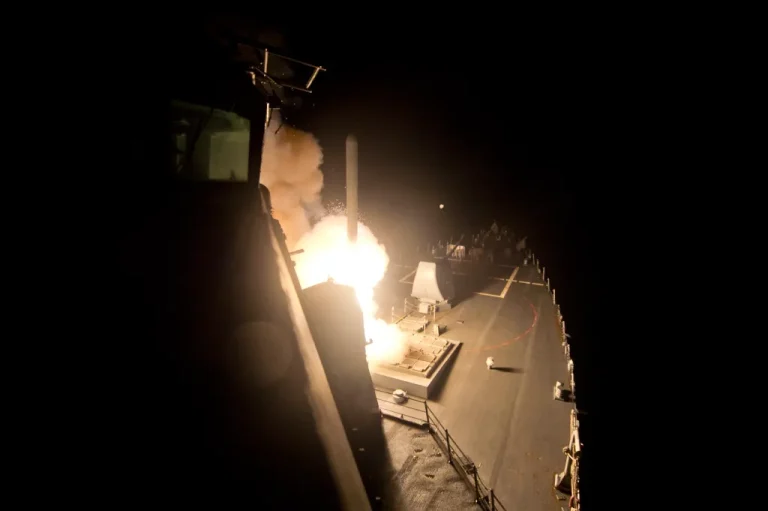
If the U.S. decides to move from threats to actual strikes, the consequences could be far-reaching:
- regional escalation of the conflict, the involvement of proxy forces and other states;
- rising energy prices, as the oil market reacts to threats to the stability of supply;
- growing tensions with U.S. allies, especially those who do not want the conflict to escalate.
International analysts emphasize that even the U.S. Armed Forces’ overwhelming air superiority does not guarantee a quick victory—Iran is capable of inflicting significant “pain” on the Americans and their allies, including strikes on military targets and infrastructure.
6. Diplomacy vs. Military Pressure
The latest reports indicate that, despite preparations for a possible military operation, the U.S. and Iran are still engaged in the diplomatic process. Talks in Geneva are continuing, and the parties are trying to find “practical proposals” regarding the nuclear issue and the lifting of sanctions. This suggests that a military solution remains in the shadow of diplomacy for now—at least until the negotiations are definitively broken off.
Conclusions — Strategic Uncertainty
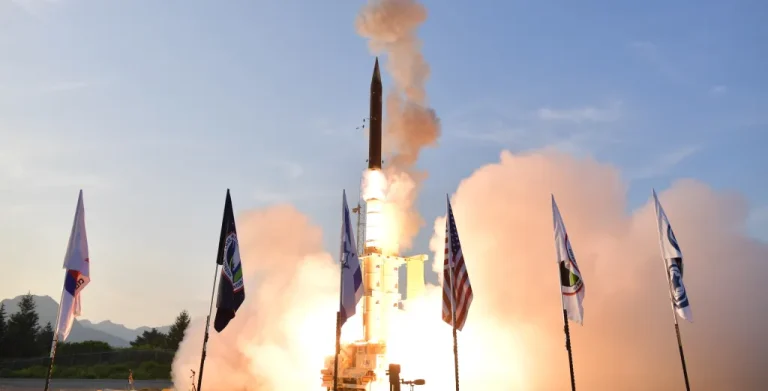
U.S. plans for a possible large-scale air campaign against Iran raise numerous questions:
- which targets will be hit;
- when and in what format this might happen;
- what resources and access to databases are available;
- how much the surgery might cost and what risks it entails;
- how Iran will respond, including the regional implications.
U.S. military power in the Middle East is currently on the rise, but the political choice between military action and diplomacy remains complex and multifaceted—not only from a tactical standpoint, but also in terms of global strategy.