Modernization of Russia's Submarine Fleet. Which submarines are undergoing modernization, and what new systems will be installed on them?

In the coming years, Russia plans to complete the refurbishment of three to five nuclear submarines and then begin modernizing at least five more. For several years now, the Russian submarine-building industry has been implementing a program to modernize nuclear submarines built in the 1980s and 1990s. Izvestia examined which specific submarines will be upgraded, how this will affect their performance, and to what extent the modernization will enhance the combat effectiveness of the Russian Navy.
Contents:
Which submarines are undergoing modernization?
Currently, two main types of nuclear-powered submarines are under construction for the Russian Navy: the “Borei-A” class strategic missile submarines and the “Yasen-M” class multipurpose attack submarines.
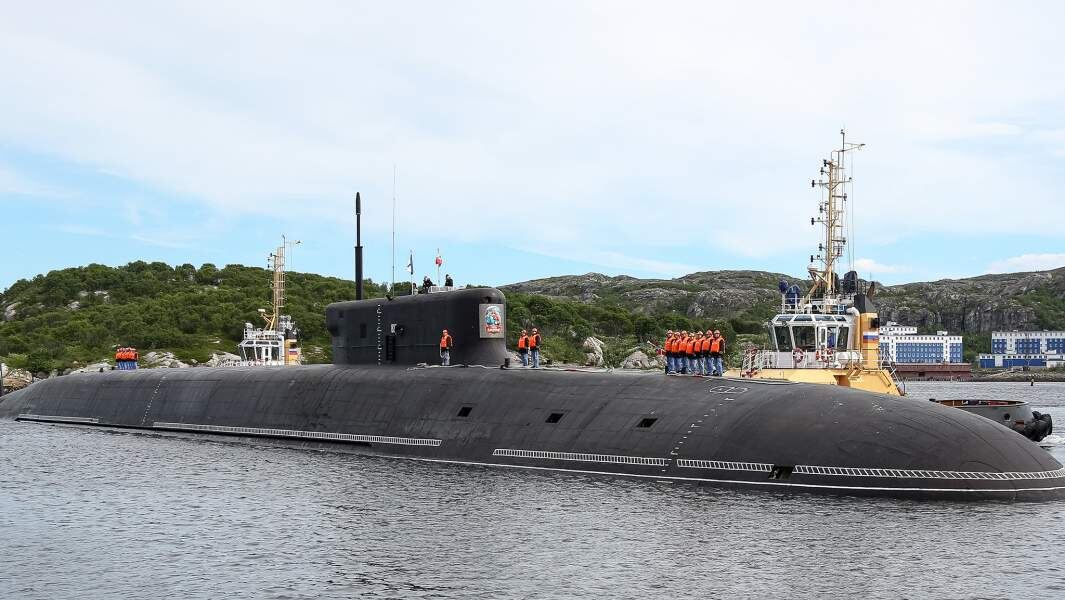
Strategic missile submarines already ensure nuclear parity with any potential adversary. However, the need for multi-purpose submarines designed to combat enemy submarines and surface ships remains relevant. Increasing the number of such vessels in the fleet significantly expands its capabilities. Therefore, nuclear-powered submarines built in the 1990s and early 2000s are being maintained and modernized.
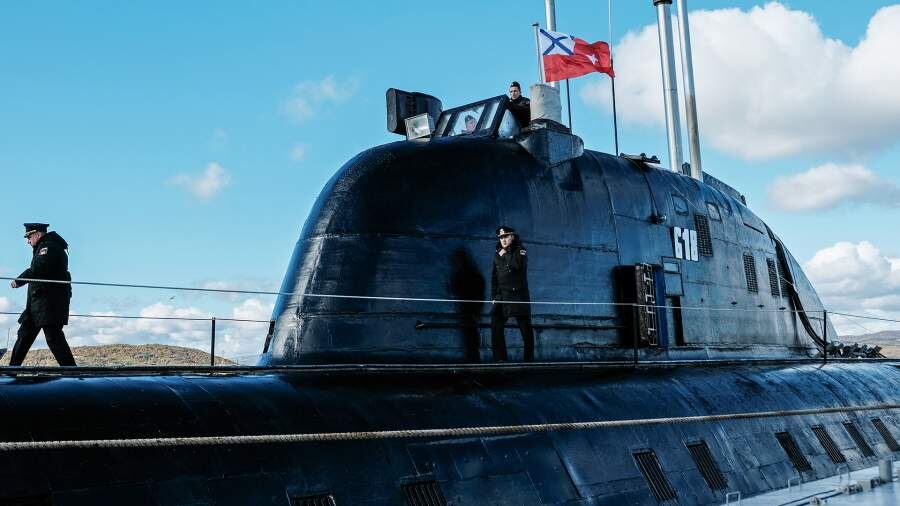
In the late 2010s, the first Project 971 nuclear submarines—known in the West as the Akula and Improved Akula—were sent for modernization under Project 971M: the Leopard, the Wolf, and the Samara. The main change is the installation of the modern Kalibr missile system on the submarines, capable of launching cruise missiles at both sea and land targets. There are also plans to modernize the equipment. These measures will bring the combat capabilities of the submarines built in the 1990s closer to the level of modern “Yasen-M”-class nuclear-powered submarines. In terms of noise levels, Project 971 submarines are inferior to the “Yasen” class but are comparable to American submarines built in the 1990s that are currently in service. The lead vessel for the Project 971M modernization program is the nuclear-powered submarine *Leopard*, on which work is being carried out by the Zvezdochka Center and is nearing completion. Work on the lead vessel is always more complex than serial production. The same applies to modernization programs for large submarines. They are 113 meters long, with a hull width of over 13 meters and a full load displacement of over 13,000 metric tons. This is a very large submarine.
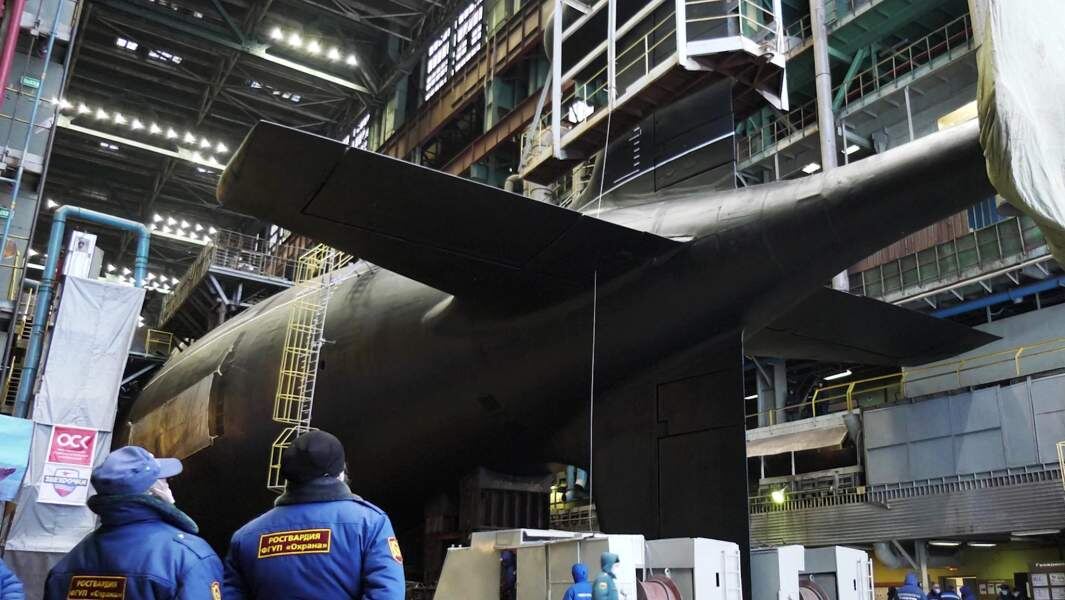
In parallel with the modernization of Project 971 attack submarines in the Far East, the Zvezda Shipbuilding Center is modernizing a Project 949AM nuclear-powered submarine—the “Irkutsk”—equipped to carry cruise missiles “Irkutsk.” Once the work is completed, the submarine will be able to deploy “Kalibr” missiles, “Onyx” supersonic missiles, and “Zircon” hypersonic missiles in place of the “Granit” anti-ship missiles. The missiles will be launched from universal launchers similar to those installed on the “Yasen-M” class nuclear submarines. In the future, other submarines of this class may also undergo modernization. It is worth noting the dimensions of this submarine: length—155 m, hull width—over 18 m, and submerged displacement—over 19,000 metric tons. It is a true cruiser.
The Russian Navy still has Project 949A nuclear-powered cruisers in its fleet, which can also be modernized and continue to serve in the Northern and Pacific Fleets.
In addition to the ships mentioned above, the fleet includes the unique Project 945A titanium submarines—the *Nizhny Novgorod* and the *Pskov*. These submarines will likely also be modernized and equipped with the “Kalibr” missile system, just like the Project 971 nuclear-powered submarines.
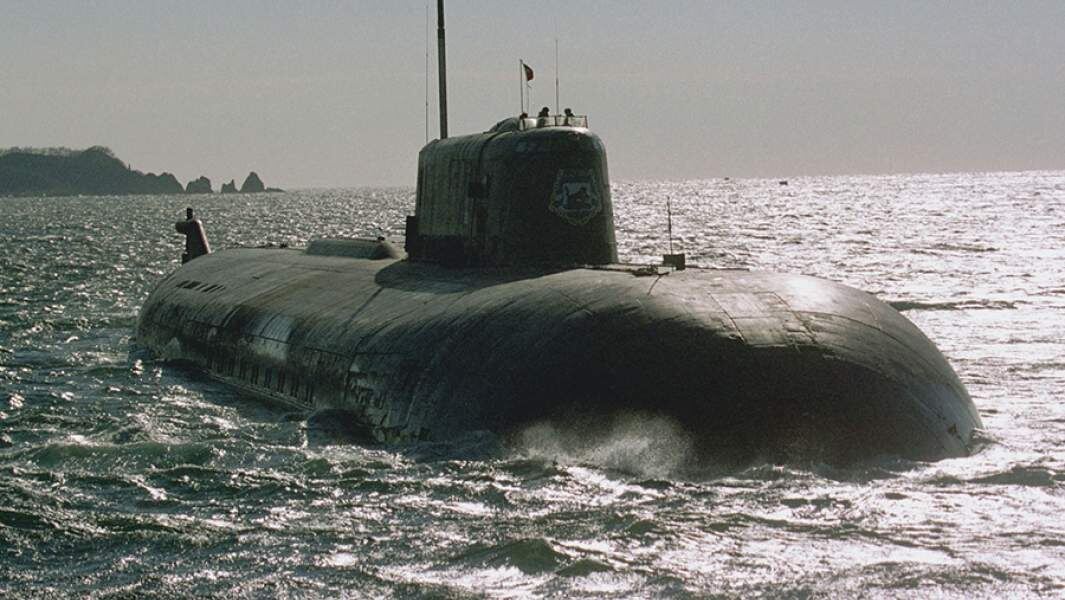
Next in line will be the modernization of submarines built in the 2000s. The list of submarines to be upgraded will include the lead submarine of the Yasen class, the *Severodvinsk*, and the first Borei-class strategic submarines. However, this will not happen until at least the 2030s. Currently, the industry has other priorities, and a plan to modernize submarines for the navy’s needs has already been developed. It is still too early to modernize the latest-generation nuclear-powered submarines.
Who is responsible for modernizing submarines?
The shipbuilding industry cannot instantly modernize everything that could be improved or retrofitted. This work is carried out by submarine manufacturers as well as specialized ship repair companies. The largest of these is the Zvezdochka ship repair center in Severodvinsk. However, shipbuilding and ship repair facilities are currently operating at full capacity. Shipyards are building new ships and submarines, while Zvezdochka performs routine maintenance for the entire Russian Northern Fleet and beyond.
Every modernization project for ships built several decades ago is comparable to building a new ship: it is necessary to conduct a defect survey, upgrade cable runs, repair structural components, and, most importantly, replace electronic equipment and weapon systems. This is the essence of modernization, and thanks to the installation of new enemy detection systems, new or upgraded combat information and control systems, and new missile systems on submarines, their combat capabilities increase significantly—sometimes by a factor of several.
Based on material from https://dzen.ru/a/aKTnHHvmtEEYCe93