One platform, three combat vehicles. The latest news on the Franco-German MGCS tank of the future

After many years of negotiations, the Main Ground Combat System (MGCS) project has taken on a concrete form. The signing of an agreement between the French and German defense ministers in 2024 marked a decisive step, moving the initiative from the research stage to the active development phase. This system is intended to replace two legendary tanks—the French Leclerc and the German Leopard 2. However, the MGCS is not simply a new tank, but a conceptually different system based on modularity and deep integration into a network-centric environment.

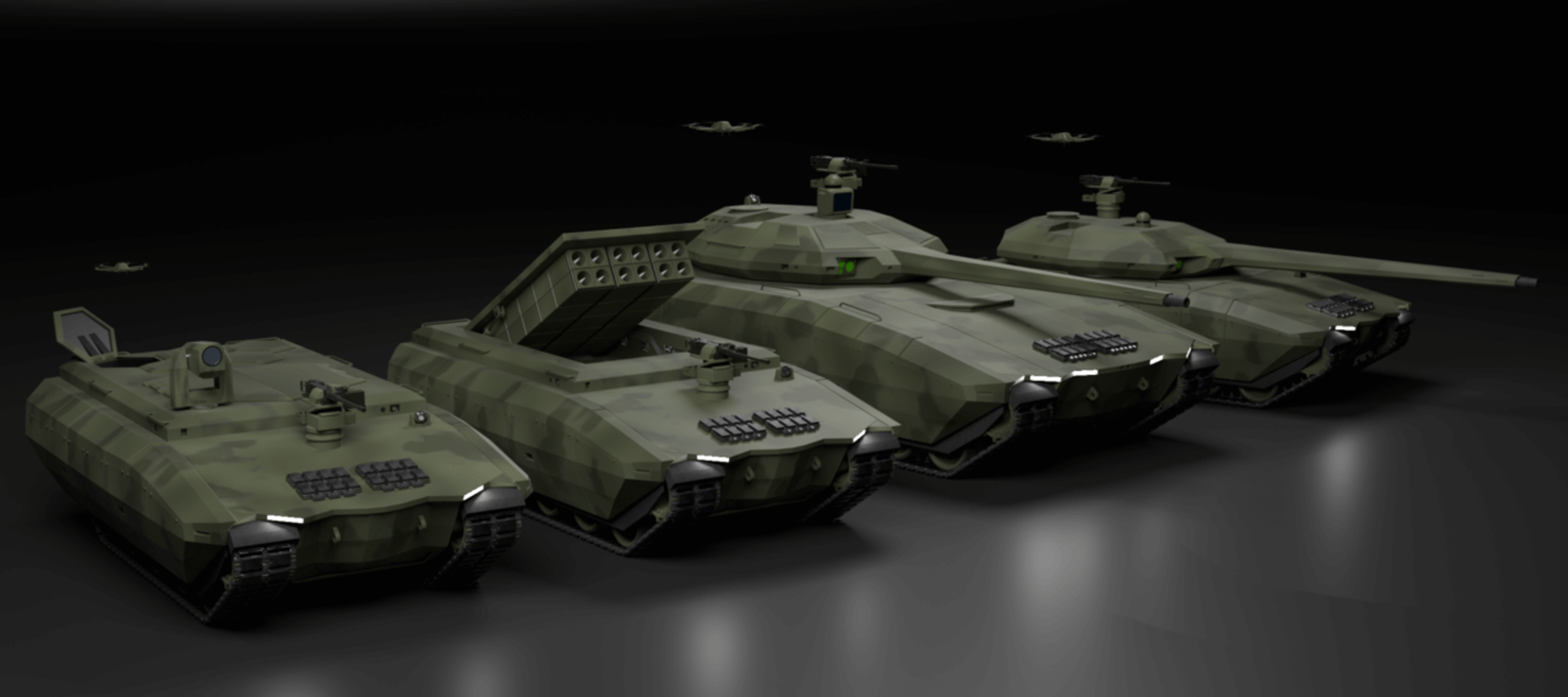
The “One Platform—Three Vehicles” Concept
A key design principle of the program is to move away from creating a single, universal combat vehicle. Instead, a common heavy tracked platform is being developed to serve as the basis for three specialized variants. The first is a main battle tank equipped with a powerful gun, likely with a caliber exceeding 120 mm. Its primary mission is to engage and destroy heavily armored enemy targets in direct combat.

The second option is a direct fire support vehicle. It will be designed to engage infantry, field fortifications, and lightly armored vehicles, possibly using automatic cannons or missile systems.
The third type is a reconnaissance and combat vehicle. Its functions include conducting in-depth reconnaissance, providing target acquisition for other elements of the system, and operating in conditions where the use of heavier vehicles is not justified.
This modularity makes it possible to form balanced tactical units tailored to specific missions, ensuring cost-effectiveness through the standardization of the chassis, powerplant, and many other components.
Industrial Agreement and Division of Roles
The signed agreement clearly defined the responsibilities among the leading defense contractors. The German-French consortium KNDS, formed by Krauss-Maffei Wegmann and Nexter, has been appointed as the prime contractor for the entire MGCS program. Meanwhile, the development of key elements—the base platform and the turret—has been entrusted to the German company Rheinmetall. This division of labor reflects a desire to balance the technological expertise and political interests of both parties. This partnership is designed to bring together the best engineering schools and avoid duplication of effort, which is critically important for such a complex and costly project.

Integration into a network-centric ecosystem
The MGCS is being designed not as an isolated combat unit, but as an integral part of the future digital battlefield. Its main advantage is expected to lie in the seamless, real-time exchange of data with other elements of a combined-arms formation. This includes interaction with unmanned aerial and ground vehicles, artillery systems, reconnaissance units, and aviation. The ability to receive target designation from a drone, coordinate maneuvers with neighboring units, and rapidly assign tasks to firepower assets is becoming a key requirement. The integration of artificial intelligence elements into command and control systems is being actively considered to assist crews in filtering information and making decisions.
Technological Challenges and Unresolved Issues
Despite the progress made, the developers still face a number of complex technical challenges. One of the main points of debate remains the choice of primary armament and turret layout. The French side, drawing on its experience with the Leclerc tank, advocates for an automatic loading system, which would reduce the crew to three members. German experts, drawing on the philosophy behind the Leopard 2, often advocate for a fourth crew member—a loader—which increases reliability and firepower in emergency situations. Another critical challenge is achieving the optimal balance between protection, weight, and mobility. The armor must withstand the latest weapons, including kinetic projectiles, missiles with tandem warheads, and swarms of kamikaze drones, without turning the vehicle into a slow-moving target.

Strategic and Political Significance
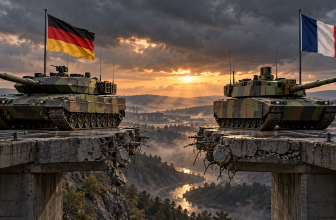
The MGCS program goes beyond purely military-technical cooperation. It is the practical embodiment of the European Union’s policy of strategic autonomy in the field of defense. The success or failure of this joint venture will serve as an indicator of the ability of key European powers to independently shape their armed forces and defense industrial base. The implementation of the MGCS will lay the foundation for the next generation of armored vehicles not only in France and Germany, but also potentially among their allies. The first prototypes are expected in the early 2030s, and their testing and subsequent adoption will shape the face of European ground forces for decades to come.

Sources:
https://euro-sd.com/2023/01/articles/29122/main-ground-combat-system-mgcs-a-status-report/