Overhyped. Five Overrated Examples of Soviet Military Equipment

In this new article, I invite you to take a different look at Soviet military equipment, which the press and popular literature traditionally refer to as “legendary” and “unmatched anywhere in the world.” Or to lament the fact that a particular vehicle never entered mass production or became widely used, even though it “could have been revolutionary,” and so on.
I also added an example to the article of a truly unique Soviet vehicle that was even more heavily praised in the West—a fact that eventually came to light.
T-50 (tank)
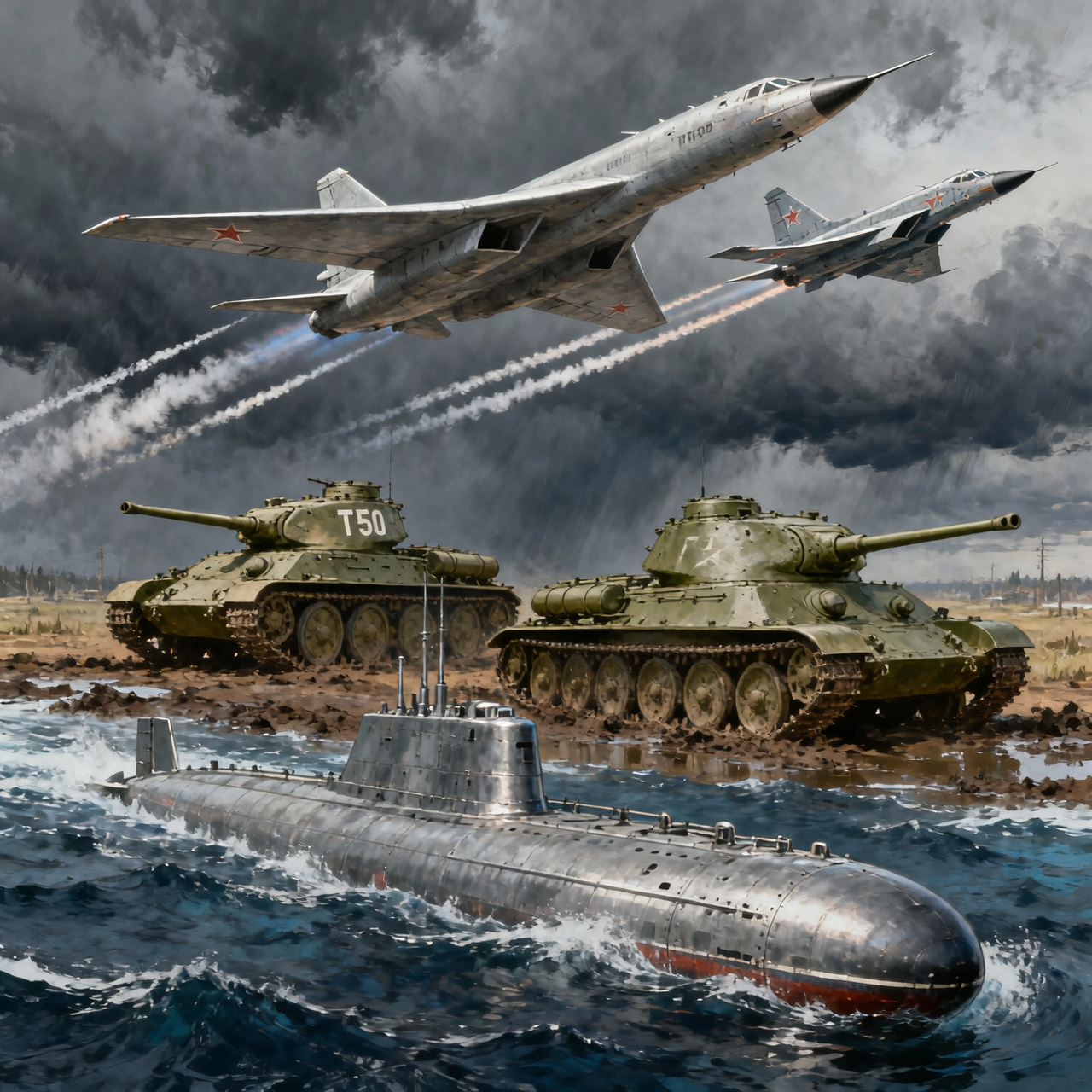
This vehicle is often referred to as the best light tank of World War II. However, only about 75 units were produced in 1941–1942, after which production was completely halted.
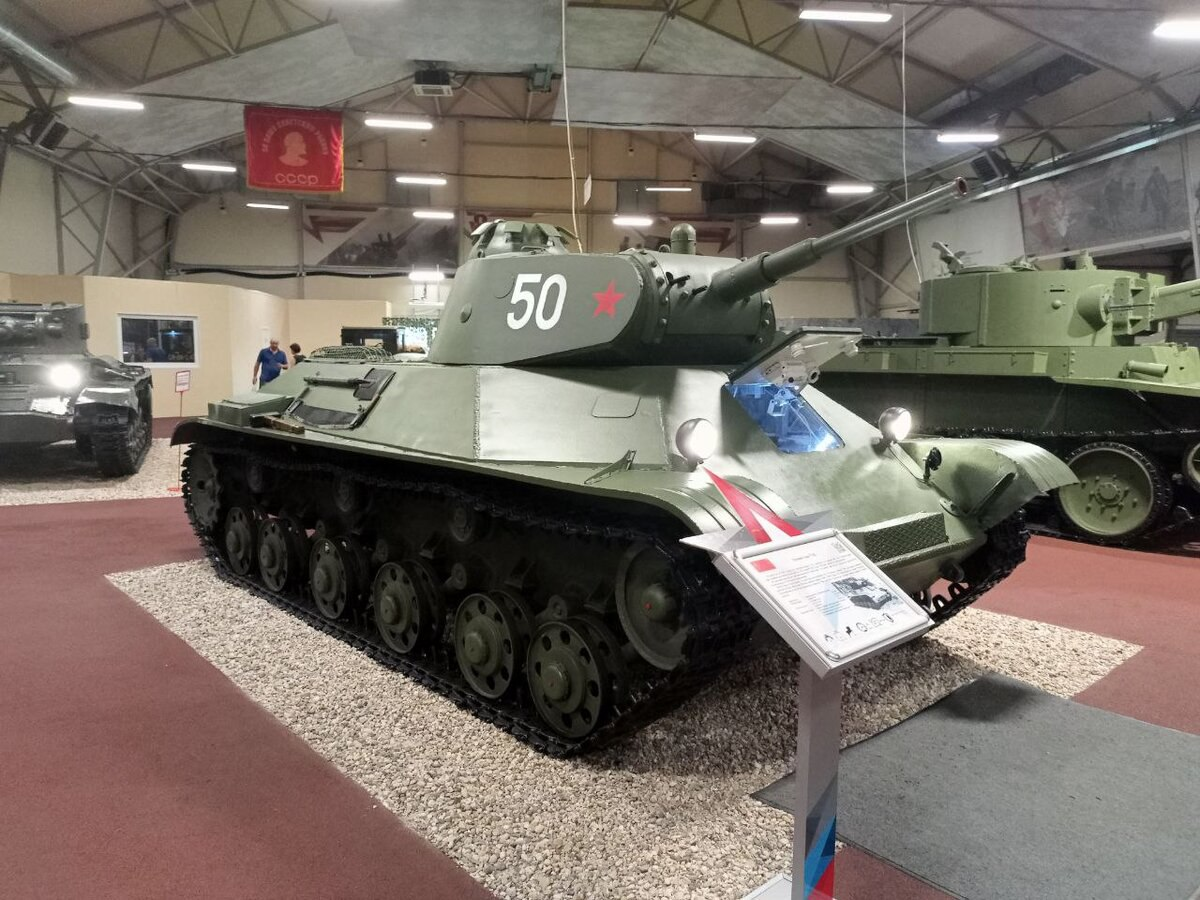
So why did it turn out that way?
The T-50 was a development of the T-126SP experimental infantry support tank, which was designed to replace the T-26. During its development, the design team at Leningrad Plant No. 174 managed to meet strict requirements, resulting in a vehicle weighing just 14 metric tons with 45-millimeter frontal armor at a 45-degree angle, and 37-mm side armor (the lower section at a 90-degree angle, the upper section at a 40-degree angle).
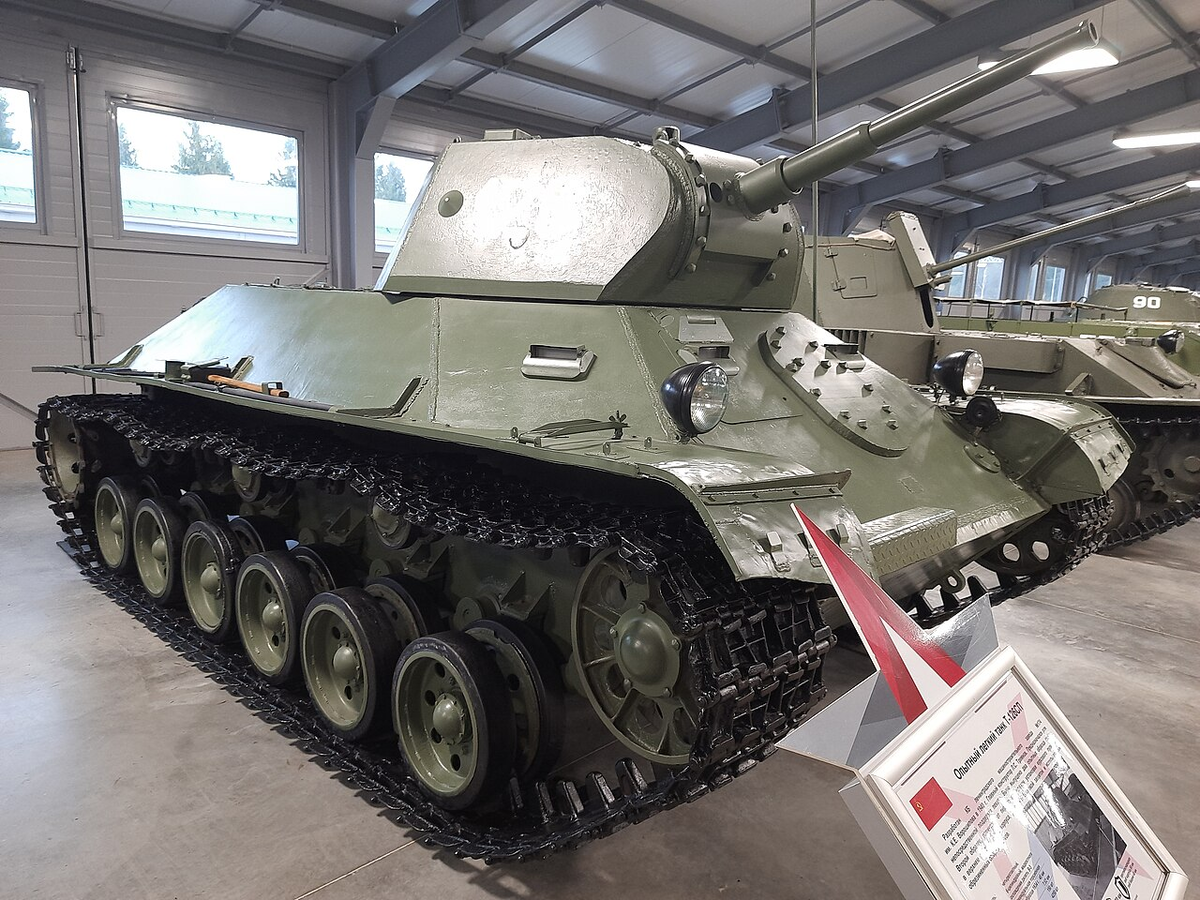
The 300-l.s. V-4 engine provided a high power-to-weight ratio of 20 l.s. per metric ton and a maximum speed of 40 km/h over rough terrain. The 45-mm 20-K cannon (Model 1934), inherited from the T-26, was far from being a game-changer, but it was still quite effective in the early 1940s.
It all looks good on paper, but why did they decide against the tank?
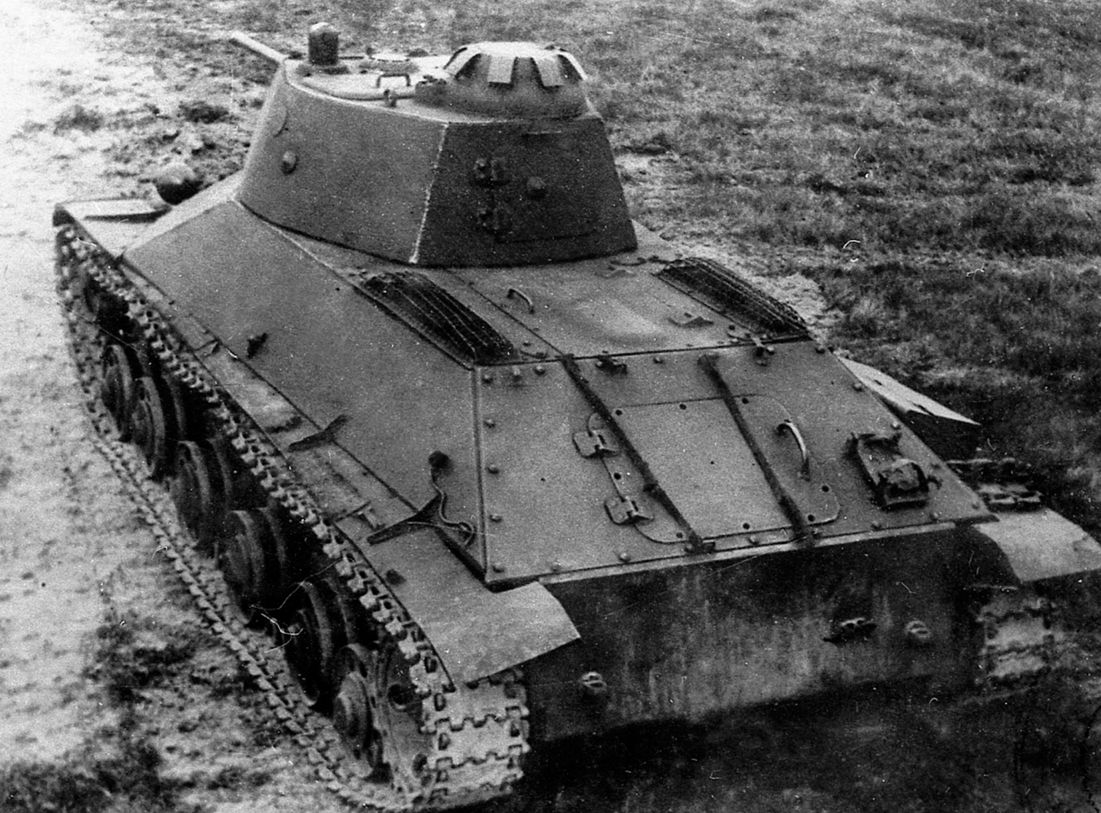
As an infantry support tank, the T-50 was supposed to be mass-produced in numbers exceeding those of the medium T-34 and heavy KV tanks. However, the vehicle proved to be very labor-intensive to manufacture and expensive: at the start of the war, the price of a single T-50 was comparable to that of a T-34. In addition, by the time production began in the summer of 1941, the manufacture of the V-4 engines had not yet been fully mastered, and there were a number of other shortcomings. For example, the tracks were constantly breaking.
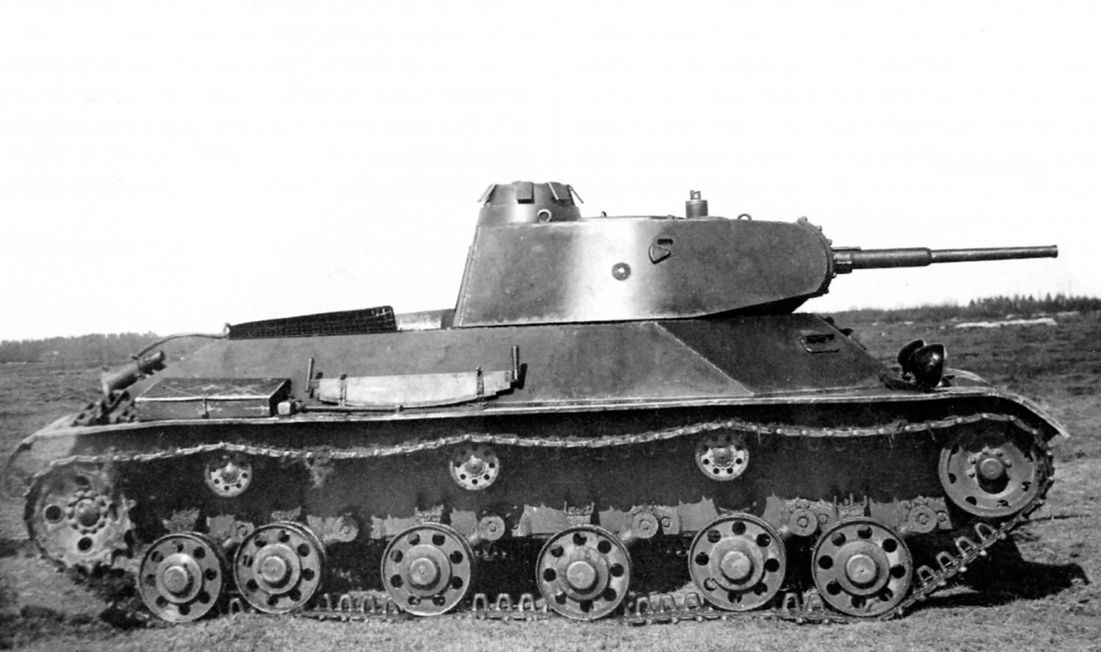
Production, which had continued with long interruptions since July 1941, was suspended in March 1942 and never resumed. A key factor here was the complexity of production: the T-50 required equipment similar to that needed for the T-34. Given their comparable cost (and thus labor intensity), it made more sense to build the T-34, which was more powerful in every respect. And that is exactly what happened: in the summer of 1942, when Plant No. 174 was preparing to resume production of the T-50, the plant was ordered to switch to producing the T-34.
In late summer 1941, Plant No. 174 was evacuated from Leningrad to Chkalovsk (Orenburg) and relocated to Omsk in March.
The T-60 and T-70, however—which were far less sophisticated—became the most widely produced Soviet light tanks, as they could be manufactured by the thousands at automobile plants. And in late 1943, after the T-70 was taken out of production, the concept of light tanks accompanying infantry was abandoned altogether: this role was definitively transferred to the T-34.
You can learn more about why the T-50 never went into mass production in this article by military historian Yuri Pasholok.
M-50
The Soviet experimental jet bomber, the M-50, is often cited as a unique aircraft that fell victim to the so-called “rocket mania” of the Khrushchev era.
The aircraft was designed to penetrate U.S. air defenses at supersonic speeds and deliver nuclear strikes. According to the tactical and technical specifications, its maximum range was 13,000 km, and during its penetration toward the target, the M-50 was supposed to accelerate to 2,000 km/h.
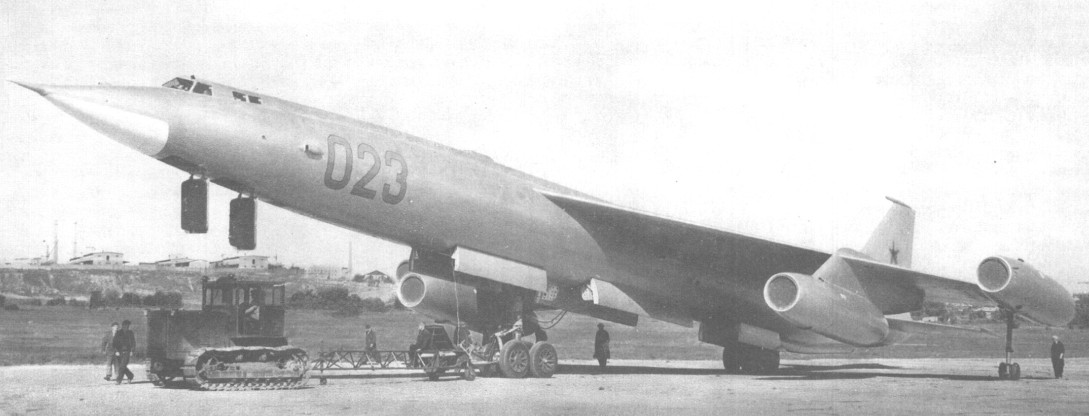
In reality, according to some sources, the only flight prototype ever built barely exceeded the sound barrier, while according to others, it only came close to it. There was absolutely no question of achieving the required range.
The aircraft fell victim to requirements that were obviously impossible to meet: the state of technology in the 1950s simply did not allow for the creation of such a machine. For example, according to the design, the M-50 was supposed to be equipped with the advanced M16-17 engines, each with a thrust of 20,000 kgf. However, these engines were never actually developed, so the designers had to install VD-7A engines with nearly half that thrust (11,000 kgf). Later, two of the four engines were replaced with VD-7MA engines with an afterburner thrust of 14,500 kgf, but even those would not have saved the situation. Engines with the required thrust of 20,000 kgf did not enter mass production in the USSR until the early 1970s. We are referring to the NK-144 for the Tu-144 and Tu-22M (modified as the NK-144-22, later the NK-22).
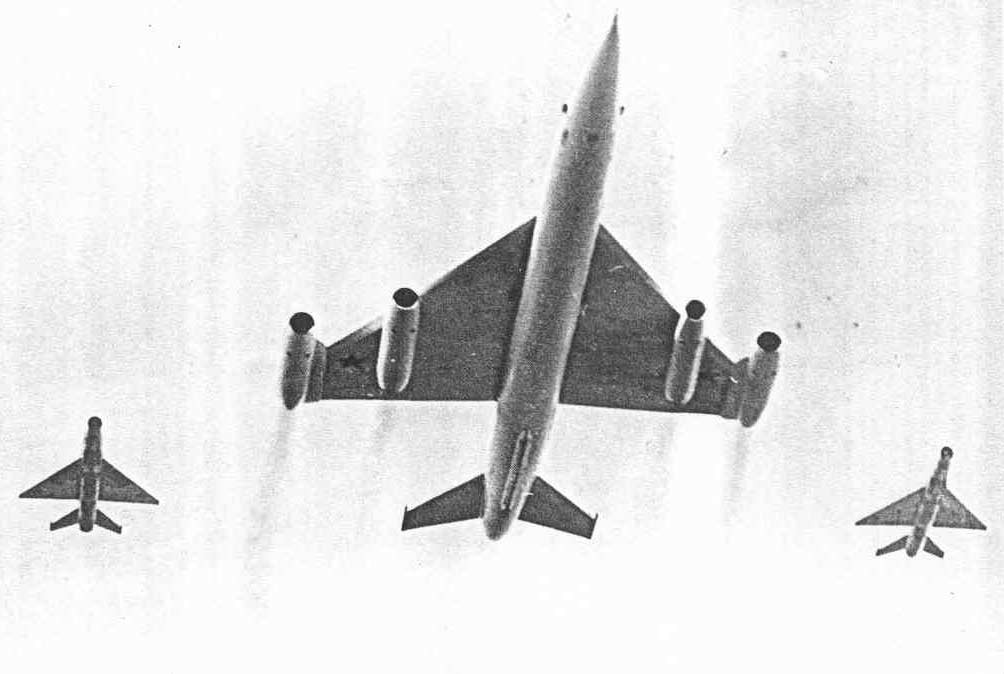
That said, the engines are just one factor. Neither the aerodynamic design nor the excessive onboard equipment met the specified requirements.
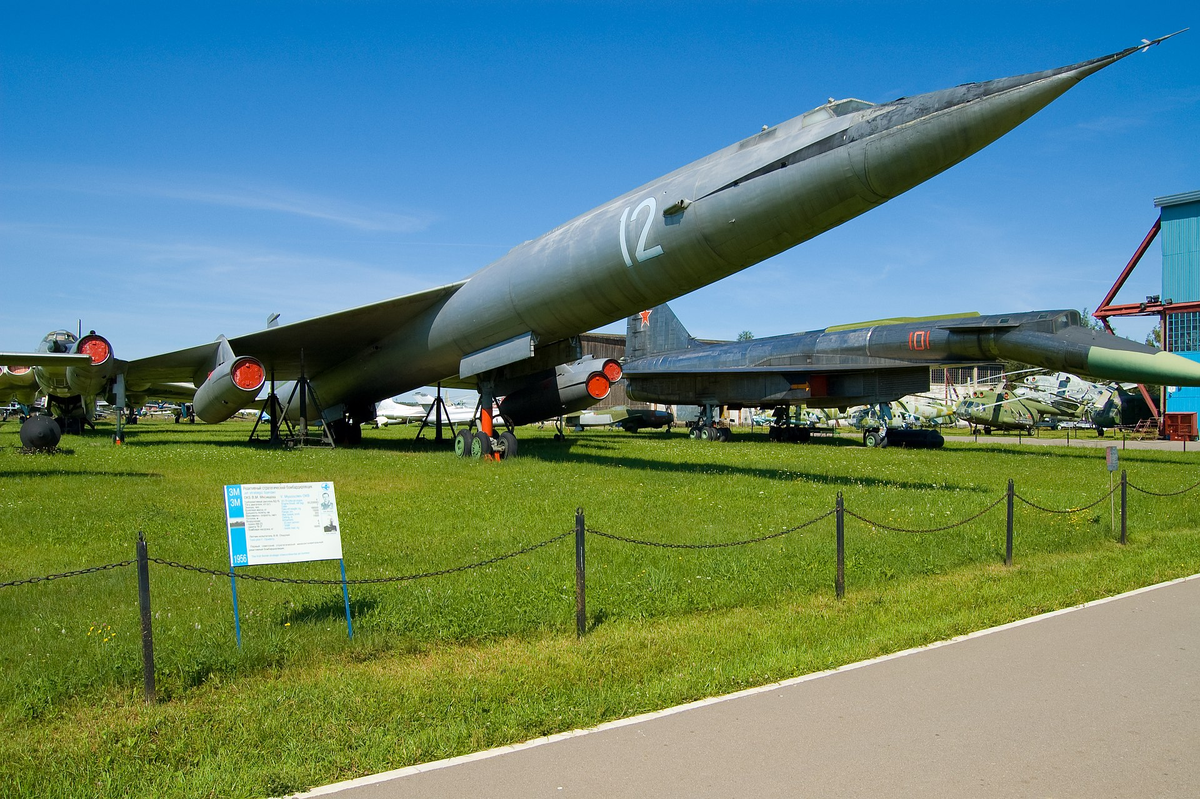
I should note that this roughly corresponds to the requirements set for the development of the M-50—with the exception of the Tu-160, which made its first flight more than 20 years later. So I simply cannot bring myself to criticize Myasishchev and his team, who tried to work a miracle. It’s just a shame that when the M-50 project was shelved in the fall of 1960, the design bureau was shut down as well. It would be revived at the end of the decade, but on a much more modest scale and without its own factory.
PT-76
The PT-76 light amphibious tank is often referred to as “legendary,” even though it never distinguished itself in any way during the nearly four decades it was in service with the Soviet Army and the Navy’s Marine Corps.
You could say that the PT-76 isn’t so much a tank that floats well as a motorboat with tracks and a gun. The vehicle performed excellently on the water, but on land it was helpless against almost any armored vehicle it might encounter. The reasons for this were its weak armor—despite dimensions comparable to those of the T-55 (slightly longer and a bit lower)—and its frankly underpowered 240-horsepower engine.
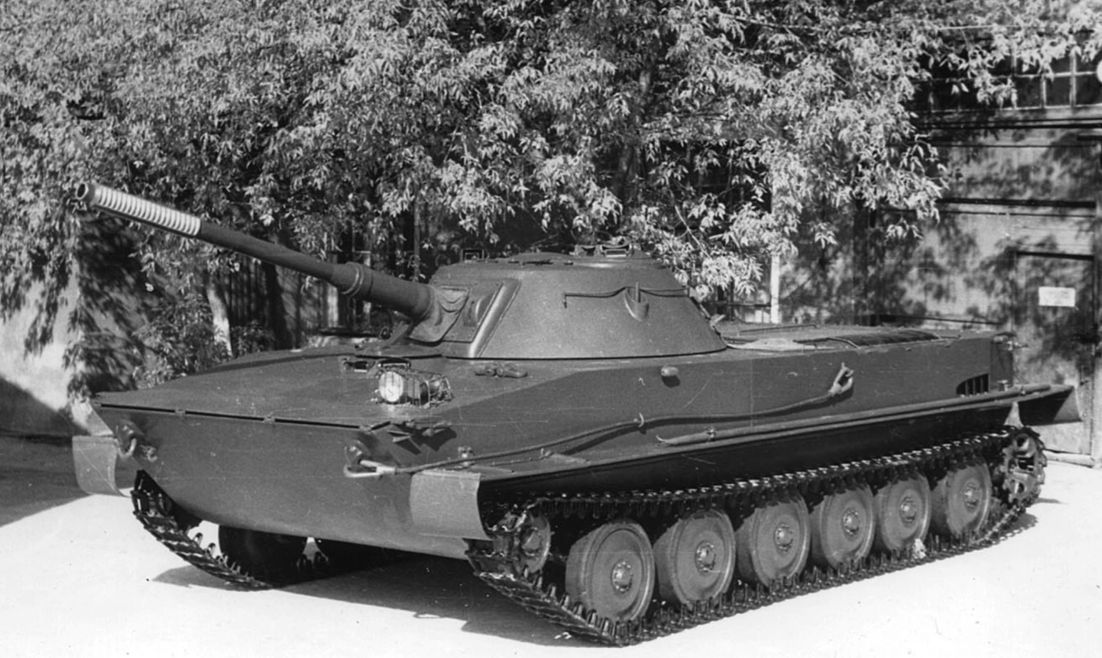
The PT-76 was adopted in 1951 and was already obsolete by the 1960s. In addition to problems with armor and mobility, it is worth noting the 76-mm gun, whose armor-piercing shells could not penetrate even 100 mm of armor. It was able to engage modern targets thanks to the high-explosive anti-tank rounds introduced in 1955, which had a penetration capability of 200 mm, but their effective range was limited to 500 meters due to poor trajectory.
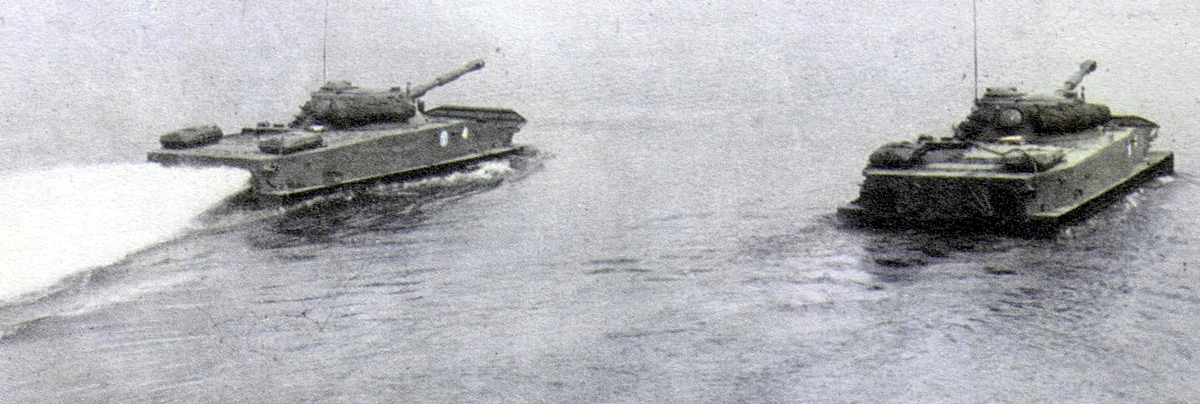
The PT-76 was originally designed for amphibious units within tank divisions, but by the 1960s, the idea was abandoned, and the tanks began to be transferred to the marines and reconnaissance units, as well as actively exported. The final nail in the PT-76’s coffin was the arrival of the BMP-1, which could not only float and engage tanks but also transport infantry.
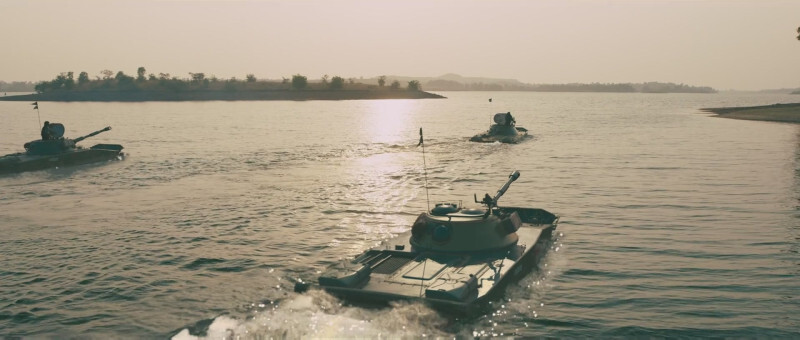
The PT-76 proved itself best abroad, particularly as part of the Indian Army in conflicts with Pakistan and within the ranks of the Israeli Army during the Yom Kippur War (where captured PT-76s and BTR-50s were used). All instances of successful deployment were due to the proper use of the vehicle’s main advantage—its excellent mobility on water. The tanks appeared where the enemy least expected them, so they encountered no serious resistance and secured bridgeheads for the main forces to advance.
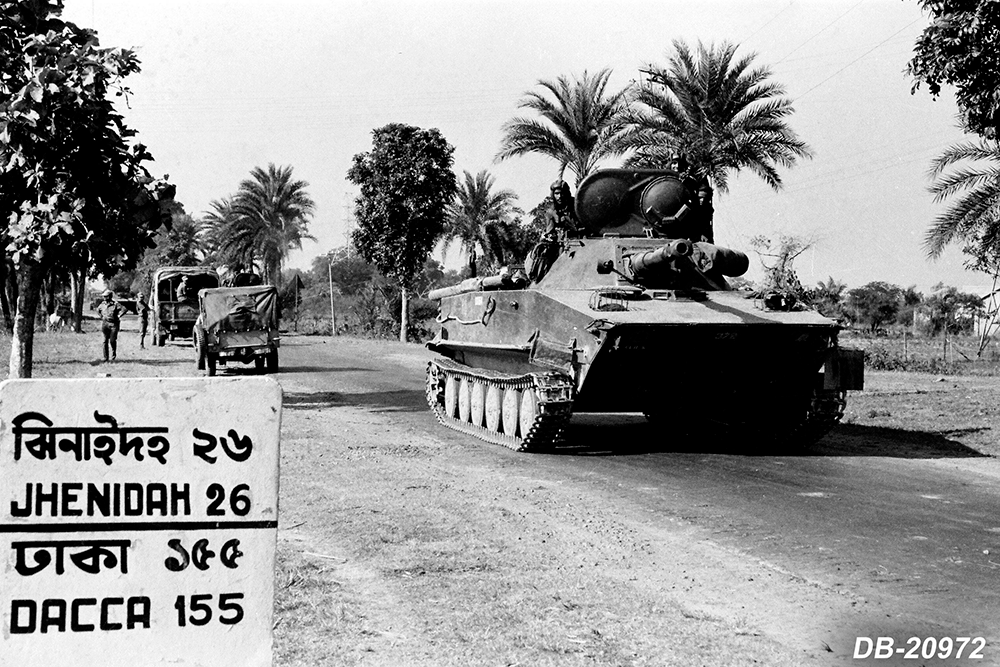
No, I certainly don’t consider the PT-76 a failure. It was designed for a specific task, and it fulfilled that task. The result is a highly specialized vehicle that, under certain conditions, can perform at its very best. However, the last mass-produced amphibious tank is still a long way from truly legendary machines like the T-55 or T-72.
Project 705/705K “Lira” Submarines
I mentioned this submarine once before in a roundup of unique Soviet submarine designs. And I stand by those words: “hunter submarines” with reactors using a liquid metal coolant could reach speeds of up to 41 knots underwater, reach maximum power in just one minute, and dive to a depth of 450 meters.
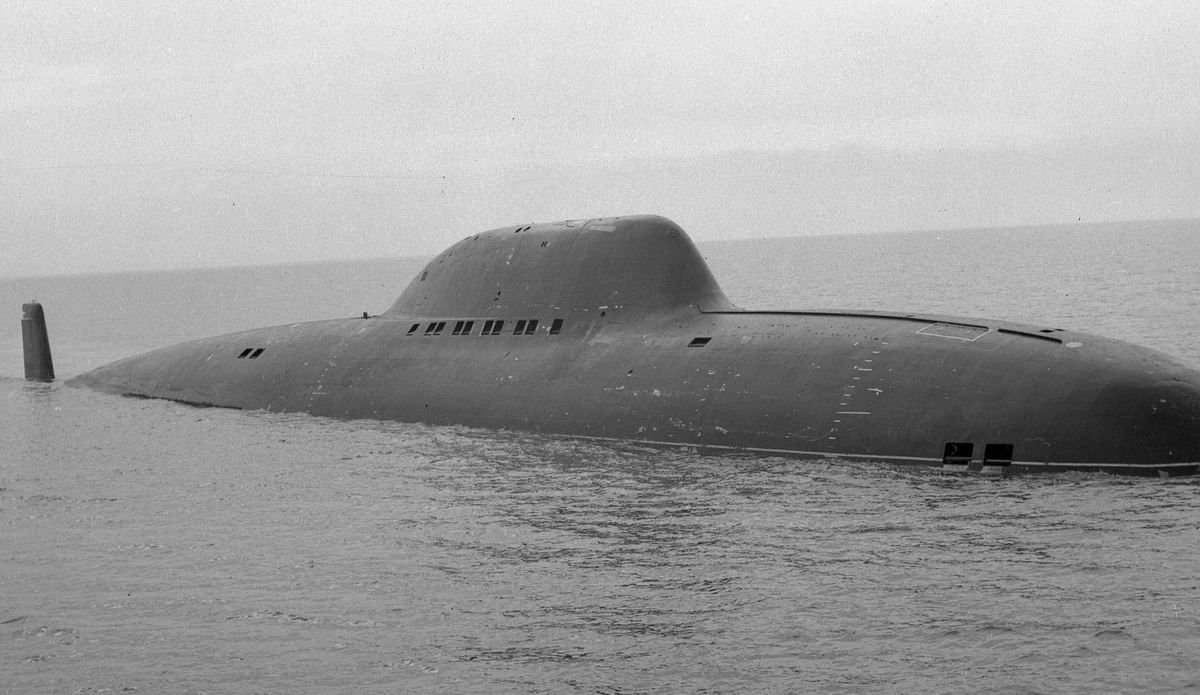
In addition, the “Lira” class submarines were highly automated, allowing the crew to consist of only 32 people, and—for the first time in the history of the Soviet Navy—all control functions were centralized at the command post. The 705-class submarines also introduced a self-righting escape capsule for the crew—a first in global naval history.
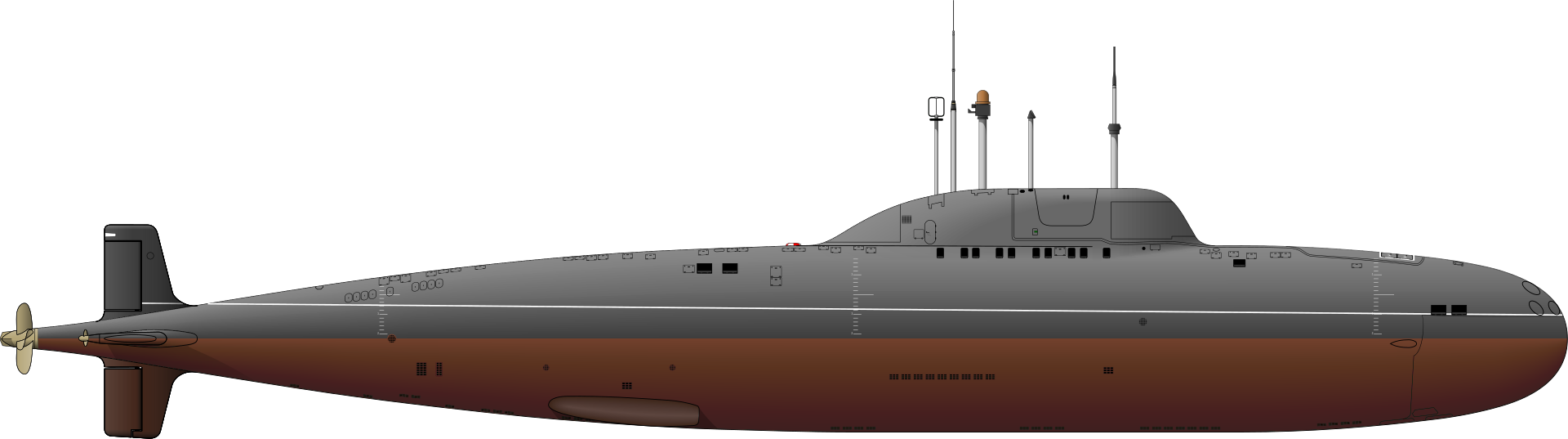
Thanks to their excellent dynamic performance, the “Lira” submarines were capable of pursuing any submarine belonging to a potential adversary and even outmaneuvering torpedoes at high speed.
Unfortunately, we had to pay a heavy price for these unique capabilities—both literally and figuratively. Reactors with liquid-cooled nuclear fuel required a special approach to operation and maintenance. For example, it was impossible to keep the coolant in a liquid state while the submarine was docked using shore-based equipment, which meant the reactor had to be kept running constantly. Of course, this had a very negative impact on its service life. But there was a silver lining: if necessary, the submarines could get out to sea more quickly.
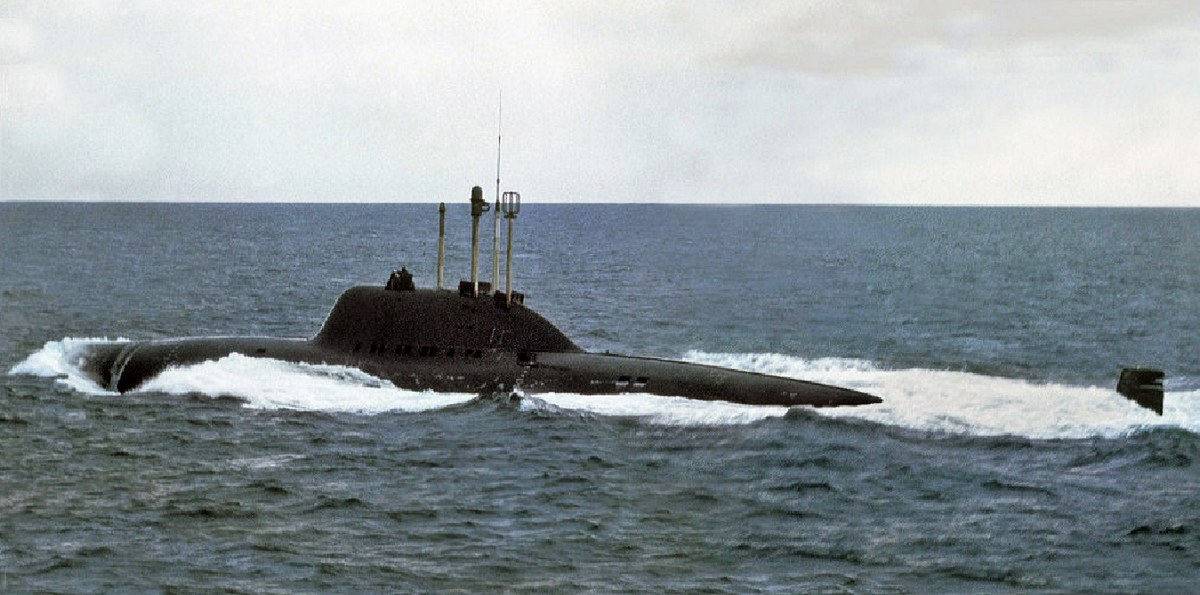
The strategy of maximizing automation did not fully pay off. The reduced crew was insufficient to maintain the vessel during the voyage and resolve any malfunctions that arose. And there were plenty of them, given the characteristics of the liquid-metal-cooled reactors and the outdated components of the systems.
Over the years, the fleet included a total of seven “Lir” submarines: four Project 705 submarines and three modernized Project 705K submarines. The lead submarine, K-64, did not serve even half a year: it entered service on December 31, 1971, and in April 1972, the coolant in the reactor’s primary circuit completely solidified.
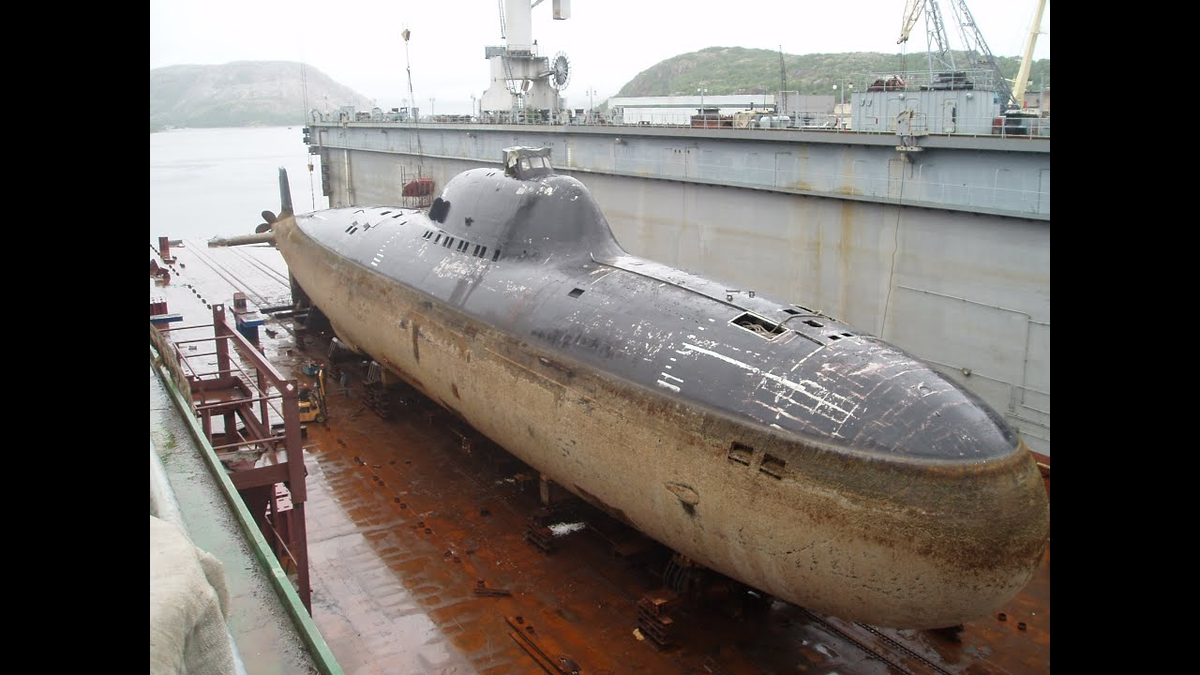
The remaining boats entered service between September 1978 and December 1981. Their service was very short-lived: by 1990, all of the “Lira” class submarines had been decommissioned, with the exception of K-123, which was undergoing repairs. It would be decommissioned later, in 1996.
Thus, their unique characteristics were offset by a high price and extremely complex operation, for which the fleet was unprepared. I should note that this often happens with high-performance equipment, which is why it is not these models that end up doing the heavy lifting, but their less outstanding yet more well-rounded counterparts.
MiG-25
I’m sure that, upon seeing the MiG-25 mentioned in this article, many of you will immediately head to the comments section to tell the author—a victim of the Unified State Exam—just how wrong he is. But it’s better to read the whole thing first and then draw your own conclusions.
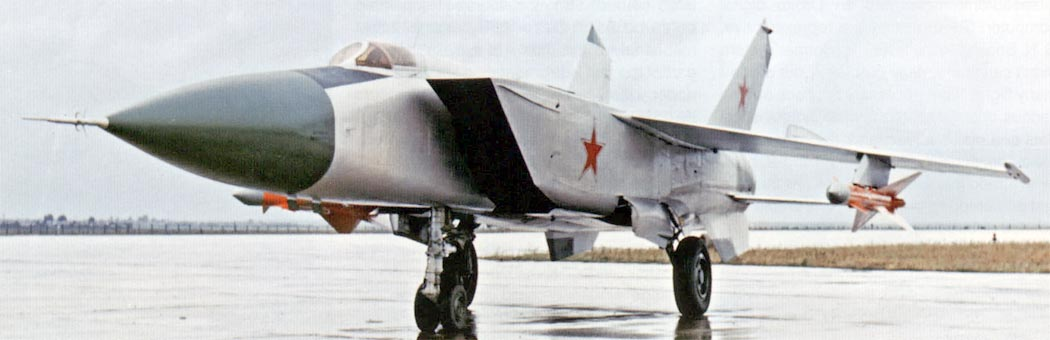
The MiG-25 is truly a unique aircraft. It is the only mass-produced high-speed, three-wing-span interceptor of its kind, having served faithfully in the Soviet air defense forces and set numerous world records. And I don’t consider it to be overrated.
But then how did it end up in this article? The fact is that, at the time, the MiG-25 was greatly overestimated in the West. After the aircraft was showcased at an air show in Domodedovo in July 1967, Pentagon analysts concluded that the USSR had developed a new, highly maneuverable, and high-speed “superfighter” made of titanium.
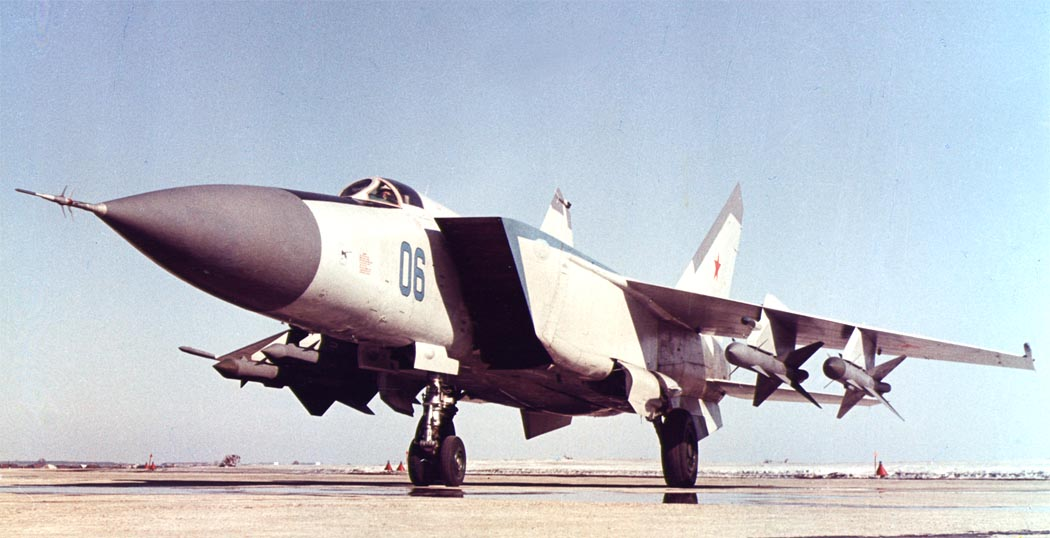
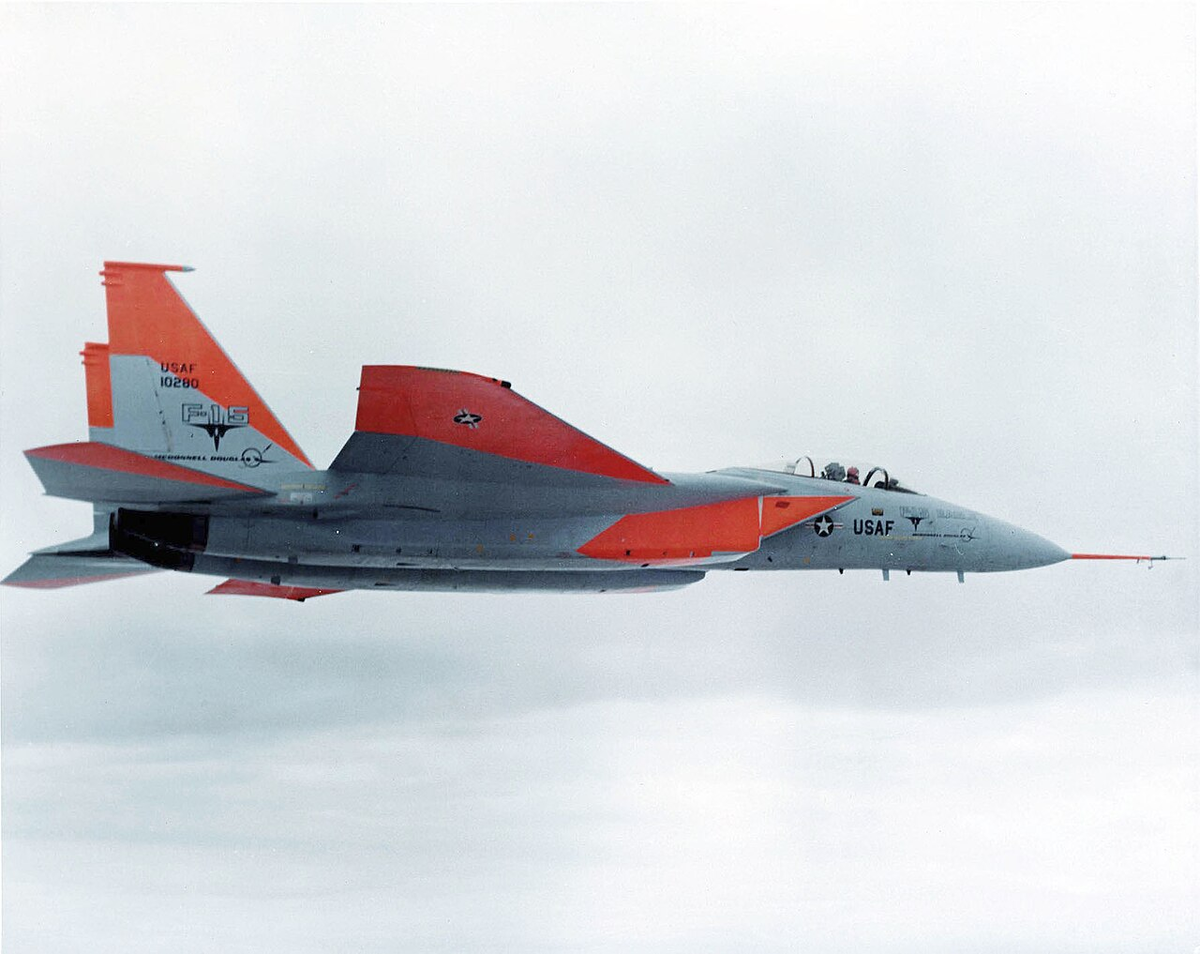
As a result, out of concern that they would fall behind the “Soviets,” the requirements for the new fighter being developed under the F-X program were revised to focus on creating not a multi-role aircraft, but rather an air superiority fighter capable of engaging the MiG-25. This program would lead to the development of the F-15 Eagle.
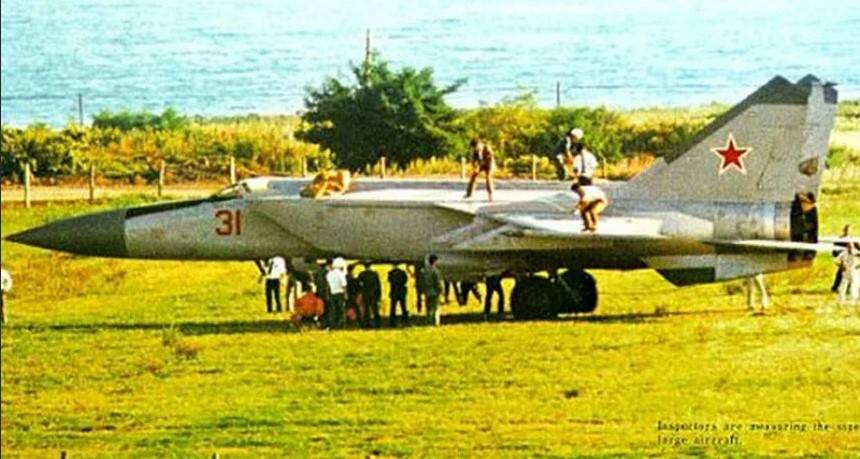
The true nature of the situation came to light in 1976 after Senior Lieutenant Belenko defected to Japan in a MiG-25P. The aircraft was dismantled, carefully examined, and determined to be a highly specialized, high-speed air defense interceptor not designed for maneuverable air combat. Instead of titanium, its structure uses stainless steel, and its electronics are based on vacuum tubes rather than solid-state components.
However, these decisions were justified by the requirements: the use of stainless steel ensured high strength, heat resistance, and the possibility of mass production. If titanium had been used, the aircraft would have been too expensive and difficult to manufacture, so mass production would have been out of the question. As for the tubes in the electronic systems, they ensured operability at high temperatures and better protection against electromagnetic pulses (in the event of a nuclear attack).
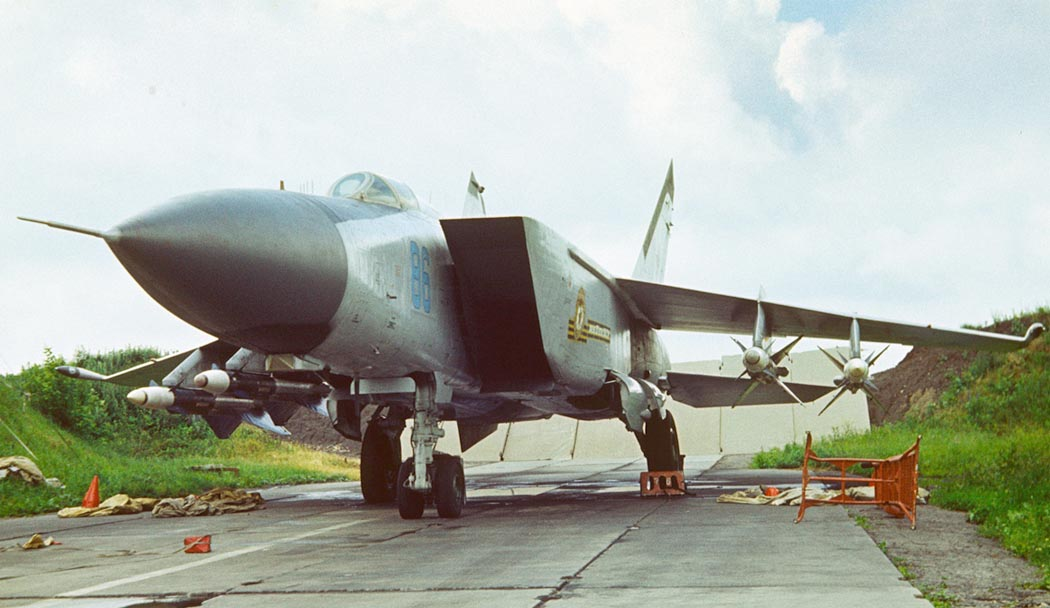
There is also a view that the threat posed by the MiG-25 was deliberately exaggerated in order to secure more funding for their weapons programs.
That’s all for now. I hope you found this interesting. If you disagree with the author’s opinion or would like to suggest your own examples that could be included in the article, please feel free to leave a comment.
Source — https://dzen.ru/a/adIdKR8s5XGVF8wd