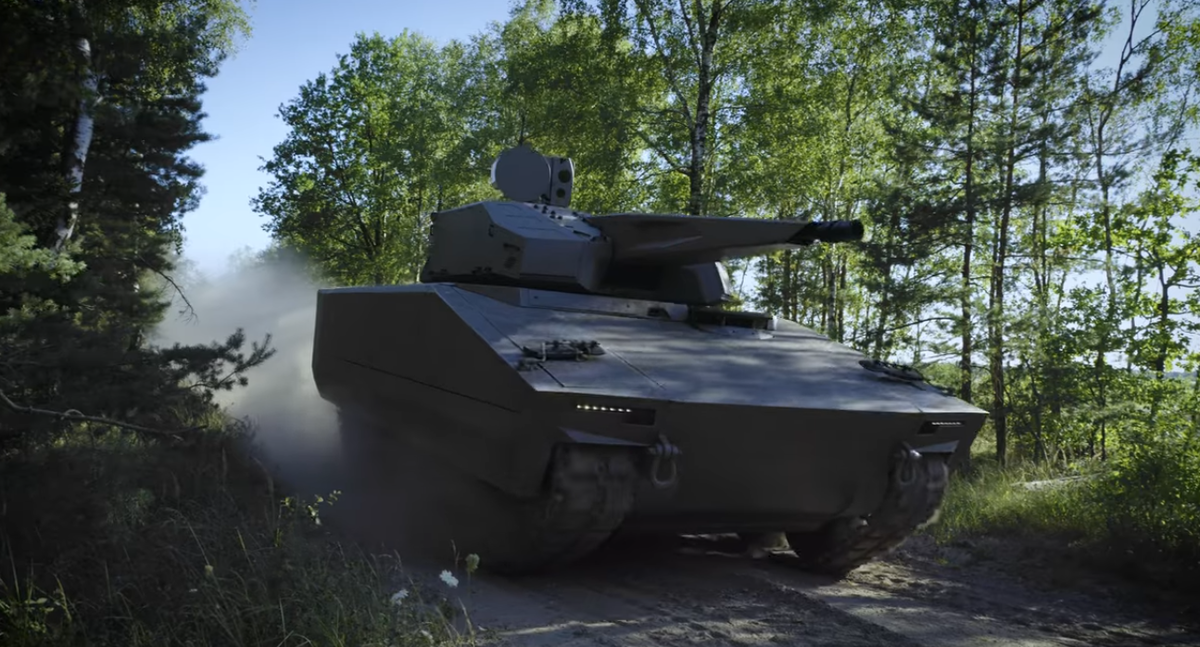
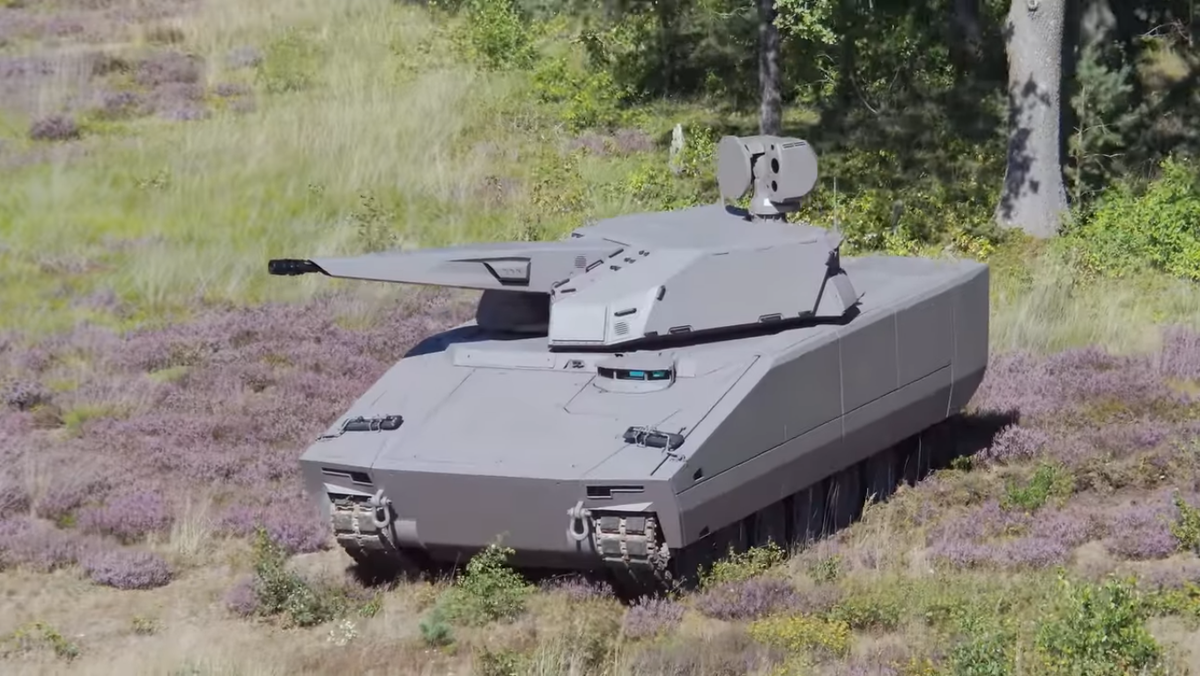
Rheinmetall has unveiled what the upgraded Lynx XM30 infantry fighting vehicle will look like

American Rheinmetall has released details about the new Lynx XM30 infantry fighting vehicle—a platform designed to replace the aging M2 Bradleys. The Pentagon is already preparing a request to purchase 19 vehicles as part of the fiscal year 2027 budget, totaling $547 million.
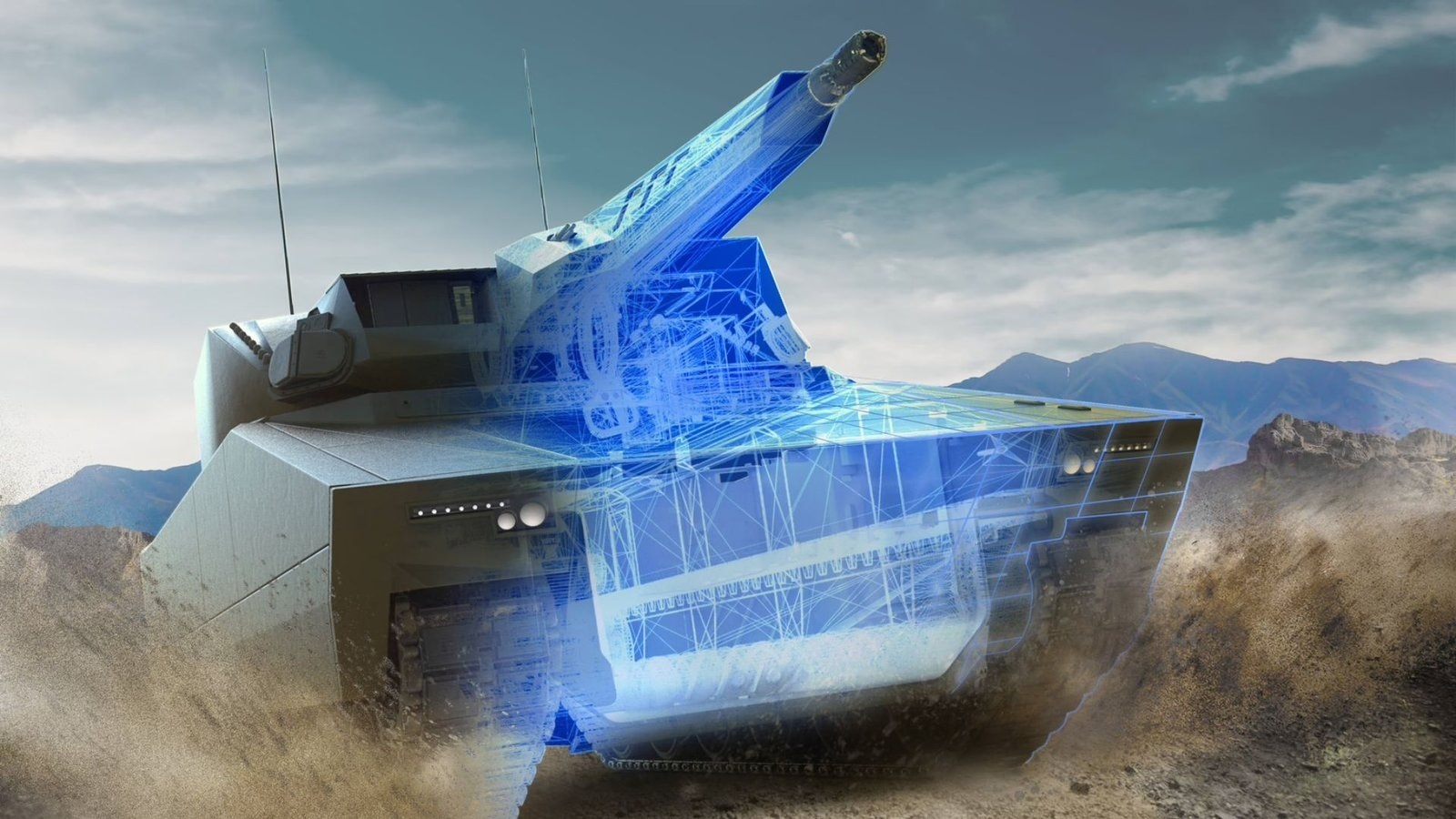
The XM30 is equipped with a 50-mm automatic cannon, can carry a two-person crew and an infantry squad, and supports optional autonomous operation and coordination with robotic systems.
As a reminder, the M2 Bradley has been in service with the U.S. military since the 1980s. It has seen action in Iraq, Afghanistan, and other conflicts, but its 25-mm cannon and design are no longer sufficient to counter modern threats: anti-tank missiles with tandem warheads, FPV drones, loitering munitions, and electronic warfare systems. The XM30 program was launched back in June 2023, and now, in 2026, it is moving from the research phase to the start of mass production.
At the heart of the Lynx XM30 is an unmanned turret equipped with a 50-mm XM913 Bushmaster automatic cannon. This is not merely an increase in caliber: 50-mm rounds have significantly greater muzzle energy, can penetrate modern armor, and have an effective range that is out of reach for the Bradley’s 25-mm cannon. The ammunition can be programmed to detonate at a specified point.
The unmanned turret allows the crew (two people: a driver-mechanic and a gunner/commander) to be housed inside a protected hull. The traditional manned turret is eliminated, which increases survivability. The vehicle can operate as a classic IFV with infantry on board, or it can carry out missions autonomously (for example, reconnaissance, patrol, and fire support without putting personnel at risk).
In addition, the XM30 is designed to serve as the swarm’s central hub. It will be capable of controlling robotic and semi-autonomous systems (small UAVs, ground robots), acting as a “hive” for coordinated operations.
The project is being developed by Team Lynx—a consortium formed specifically for this program. It includes:
- American Rheinmetall Vehicles (головной интегратор);
- Textron Systems;
- RTX Corporation (formerly Raytheon);
- L3Harris Technologies (communications and sensors);
- Allison Transmission (transmission);
- Anduril Industries (autonomous systems, AI).
The combination of traditional defense giants and innovators like Anduril (known for its Lattice platform for autonomous control) reflects the complexity of the requirements: the XM30 must be more than just an armored vehicle; it must be a digital platform for network-centric warfare.
The engineers developing the XM30 have themselves served in armored units. This experience directly influences the design, the company said.
The final verification of production processes is expected to take place during the early production run, after which scaling up will begin. The Army plans to deploy the XM30 in armored brigades, gradually replacing the Bradley. If the program delivers on its promises, the U.S. Army will have a vehicle capable of dominating the battlefields of the 2030s.
Source — https://dzen.ru/a/adidpY48PRV-iSnH