Russia Deployed the Rare 9M729 Missile: Why the Appearance of the “INF Treaty Killer” Proved Far More Significant Than the Strike Itself

Following the recent strike on Kyiv, analysts’ attention was drawn not so much to the attack itself as to one of the munitions used. Among the debris found, experts identified a 9M729 cruise missile—one of the rarest and, at the same time, most politically notorious models in Russia’s missile arsenal. It was precisely this missile that sparked a scandal at the time, which ultimately led to the collapse of the Intermediate-Range Nuclear Forces Treaty (INF Treaty).
At first glance, it might seem that this is just another variant of the “Iskander” family. But in reality, the story of the 9M729 is much more interesting.
Because this missile has always been less of a military weapon and more of a strategic and political one.
That is precisely why its use raises far more questions than the use of conventional missiles from the Iskander-K system.
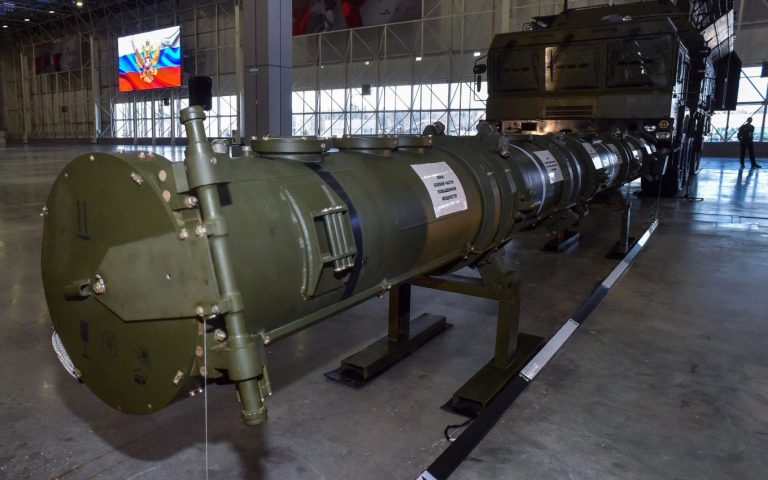
The missile that effectively put an end to one of the Cold War’s major nuclear deals
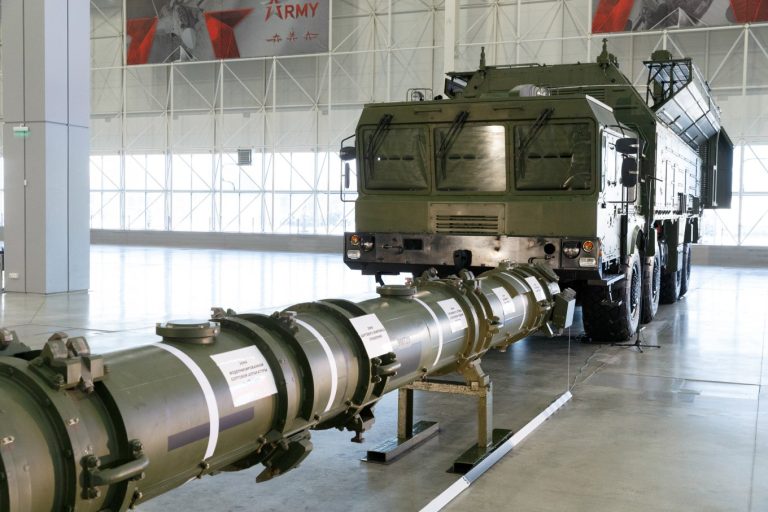
The history of the 9M729 began long before the current conflict.
After the end of the Cold War, the INF Treaty was considered one of the key agreements between the USSR and the United States. The treaty prohibited the deployment of ground-launched ballistic and cruise missiles with ranges of 500 to 5,500 kilometers.
In fact, Europe has done away with an entire class of nuclear systems for decades.
But then officials in Washington began claiming that Russia was developing a new missile that violated the treaty’s restrictions. They were referring specifically to the 9M729, known in NATO as the SSC-8.
Moscow denied the allegations and stated that the missile’s range did not exceed the permitted limits.
However, the United States insisted otherwise.
Ultimately, the dispute over the 9M729 became one of the main reasons for Washington’s withdrawal from the INF Treaty in 2019.
That is precisely why this missile is often referred to today as the unofficial “INF Treaty killer.”
What exactly is the 9M729?
From a technical standpoint, the 9M729 appears to be a further development of the “Novator” family of cruise missiles.
Most Western analysts consider it to be the land-based counterpart of the naval “Kalibr.”
The main difference lies precisely in the range.
Official Russian data indicate a range of less than 500 kilometers. However, Western estimates are traditionally much higher and, in some cases, reach 2,000–2,500 kilometers.
It was precisely this difference that became the source of years of conflict surrounding the program.
What’s more, something else is particularly important.
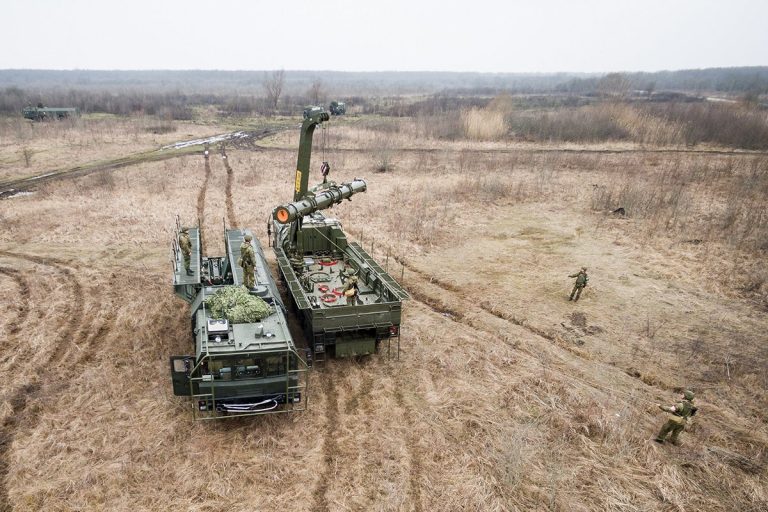
The 9M729 required a separate 9P701 launcher and a modernized system, which is often referred to in the West as the Iskander-M1. Due to its increased size, the missile no longer fits within the standard configuration of the conventional “Iskander-K.”
In fact, this is no longer just about a new missile, but about the development of the entire platform.
The most interesting thing is how rare the complex is
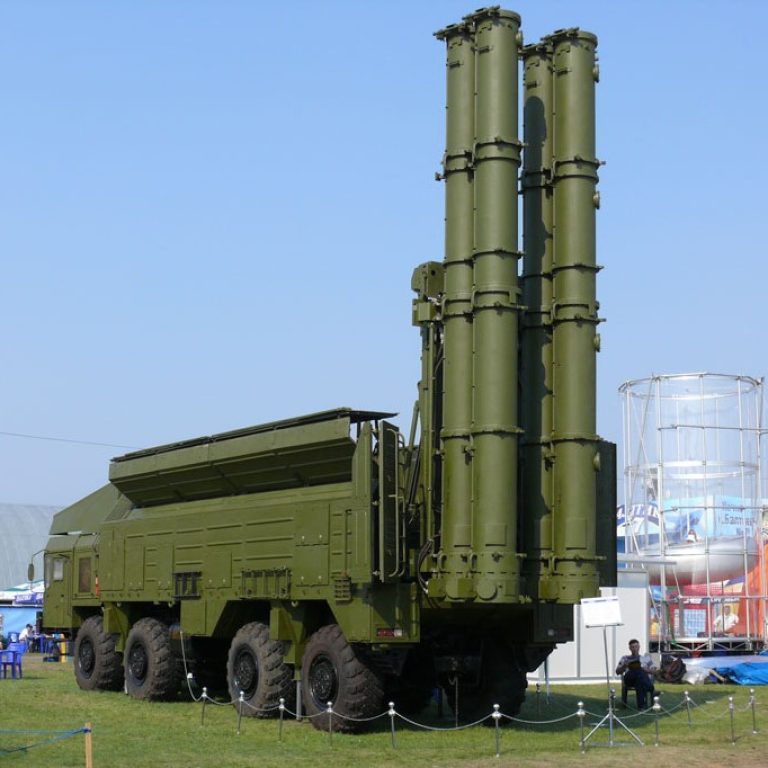
What surprised analysts about this whole incident was not so much the appearance of the missile itself as its use against a relatively close target.
According to Ukrainian and Western sources, only a few dozen confirmed instances of the 9M729’s use have been recorded since the start of the full-scale conflict. Some estimates put the number of confirmed launches at approximately 23 by the fall of 2025.
At the same time, the estimated stockpiles of these missiles are considered to be quite limited.
Some reports indicate shipments of several dozen units and relatively small production volumes.
By comparison, conventional cruise missiles from the “Kalibr” family, the Kh-101, or standard munitions for the “Iskander” system are produced in significantly larger batches.
That is precisely why a logical question arises:
Why use such a rare missile in a situation where, in theory, other systems could have been used?
Why Was This Choice So Unusual?
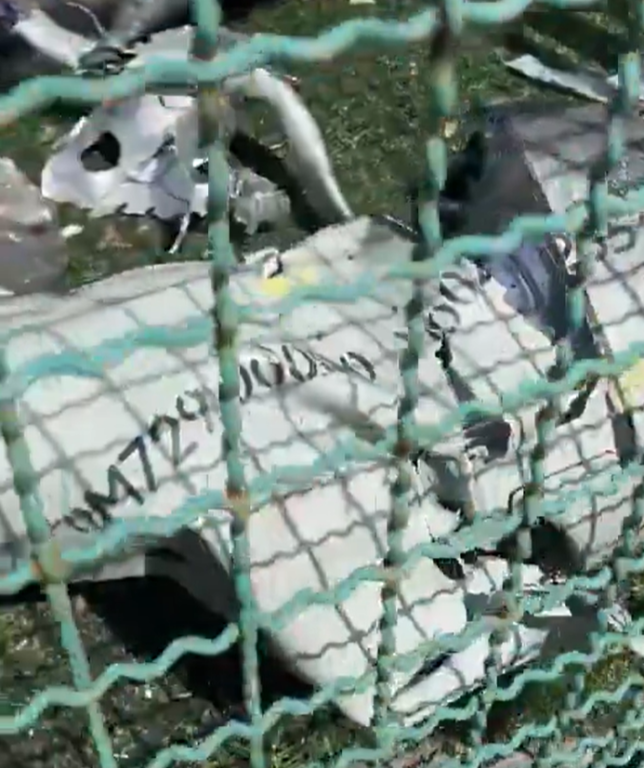
The most obvious explanation has to do with the presence of specific munitions in the launch area.
Mobile launchers often operate as part of pre-configured weapon systems, and in real-world conditions, the choice of missile is by no means always determined solely by the target’s range.
But there are even more interesting explanations.
First, the use of the 9M729 provides real-world data on the system’s performance in combat conditions.
The history of weaponry shows that even the most advanced missiles often reveal their true capabilities only after being put into actual use.
Second, the use of such systems may be linked to the development of new deployment and operational strategies for mobile missile systems.
This is especially true when it comes to weapons that, for a long time, served more as a political argument than as a regularly used instrument of war.
The “Iskander” is gradually evolving into an entire family of missiles
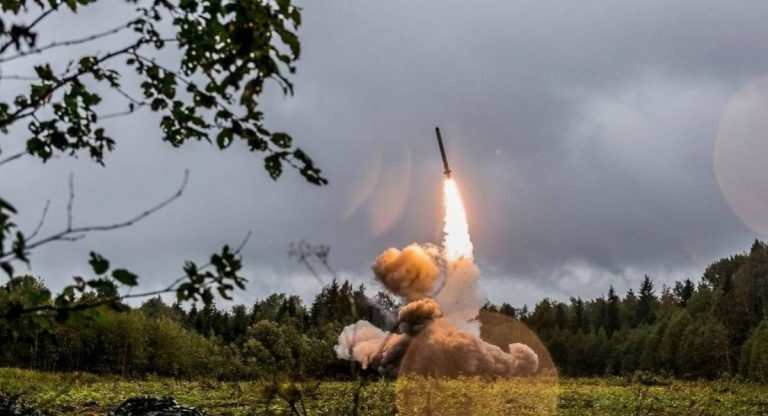
It is interesting to note that the modern “Iskander” has long since ceased to be just a single missile.
Initially, the system was associated primarily with the 9M723 ballistic missile.
However, over time, a whole family of weapons emerged around the platform:
— ballistic missiles;
— 9M728 cruise missiles;
— long-range 9M729 cruise missiles;
— various upgraded versions;
— and potentially new projects with extended range.
In fact, today the “Iskander” increasingly resembles a versatile missile platform capable of employing a wide range of munitions for various missions.
In this regard, it is gradually beginning to play a role similar to that once assumed by the U.S. Tomahawk family of systems and the U.S.’s future ground-based missile systems following its withdrawal from the INF Treaty.
The main issue isn’t the rocket itself
But the most interesting aspect of the 9M729’s history isn’t even related to its specifications.
What is far more important is that its use illustrates how the world has changed since the collapse of the arms control system.
Just ten years ago, the very idea of deploying such ground-based medium-range missiles in Europe would automatically have triggered an international crisis.
Today, however, the missile that was once the subject of debate among presidents, diplomats, and generals has become one of the tools of conventional warfare.
And that is, perhaps, the most telling part of the whole story.
Because the 9M729 is interesting not just as another cruise missile.
It has become a symbol of an era in which the restrictions of the Cold War are gradually fading away, and nations are once again turning to the development of weapons that, until recently, were considered politically impossible.