Current phase: Development of the scientific and technical foundation
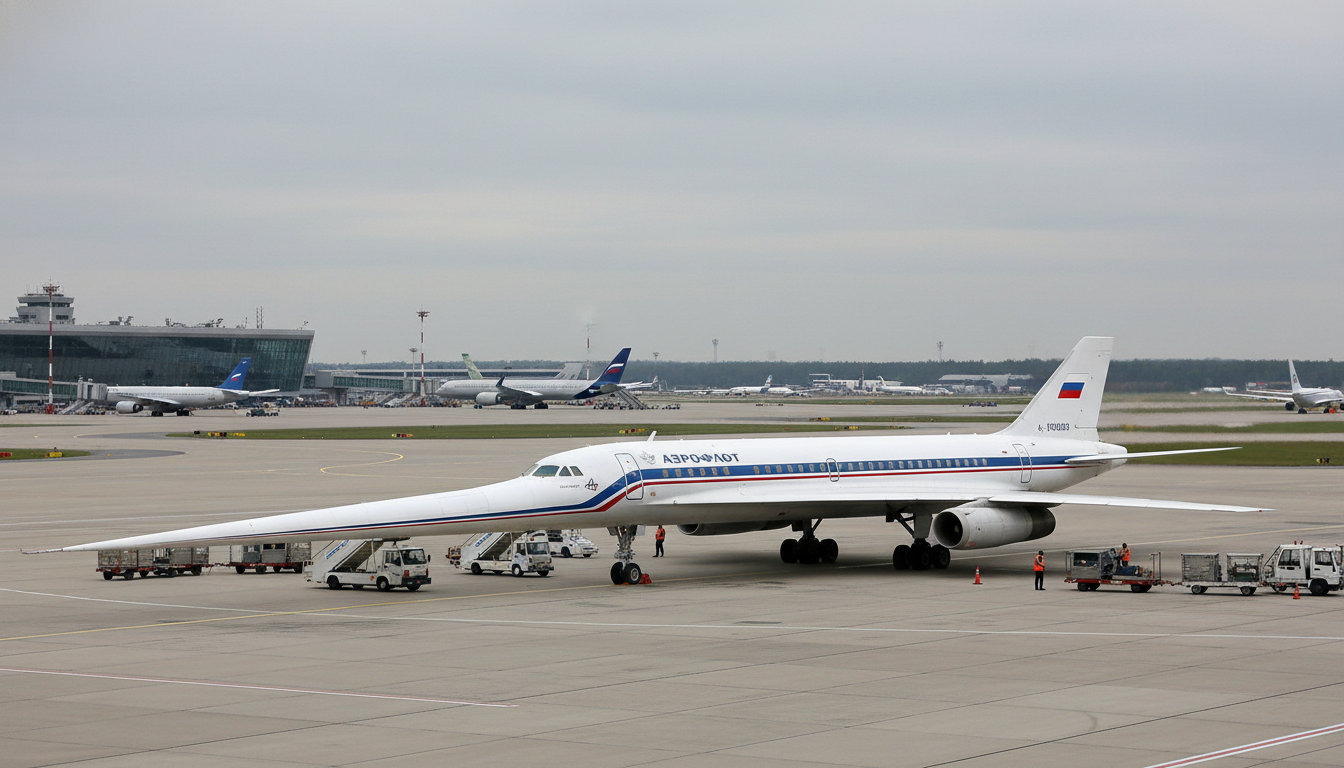
Currently, Russian specialists are engaged in the design and manufacture of prototypes of critical technologies as part of their research and development work. These developments are of strategic importance: they are essential for building a solid scientific and technical foundation that will enable the future development of a fully functional aircraft.
The work is being carried out in cooperation with the country’s leading aviation design bureaus and research centers. Particular attention is being paid to aerodynamic solutions, new materials capable of withstanding extreme temperature loads, and advanced power plants.
Project Roadmap: Testing Timeline and R&D
The Russian Ministry of Industry and Trade has announced a clear timeline for the project’s implementation. The main research and testing of technologies for a supersonic civil aircraft are scheduled for 2029–2030. It is during this period that key engineering solutions will be tested under real-world conditions.
The next stage will involve prototype development, which is expected to take place between 2035 and 2040. Only after the successful completion of this phase will it be possible to proceed with the creation of a prototype aircraft and preparations for its certification.
Background and International Context
The topic of supersonic civil aviation is not new to Russian industry. As far back as August 2025, Sergey Chemezov, head of Rostec, noted that Russia possesses the necessary expertise to develop such an aircraft. At the same time, he pointed out significant economic challenges: operating supersonic airliners is extremely expensive, and sustainable commercial demand for such transportation has not yet materialized on the global market.
An important milestone occurred in late April of last year, when the Russian National Research Center “N. E. Zhukovsky Institute” conducted the world’s first tests of intelligent technologies designed specifically for supersonic civil aircraft. This success confirmed the ability of Russian science to tackle problems of the highest level of complexity.
Technical Specifications: What Is Known at This Stage
At this stage of the design process, the detailed tactical and technical specifications of the future airliner are still being developed and are not being disclosed. However, based on the requirements for new-generation supersonic passenger aircraft, it is possible to identify the target parameters that engineers are working toward:
- Cruising speed: 1.6–2.0 Mach (approximately 1,900–2,400 km/h)
- Range: 6,000–8,000 km
- Passenger capacity: 50–80 people
- Flight altitude: 16,000–18,000 meters
- Noise level: compliance with future international environmental standards
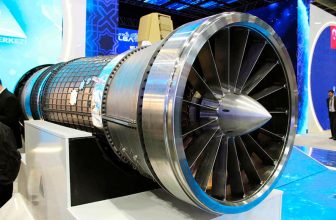
- Powerplant: next-generation dual-circuit turbojet engines with an afterburner and reduced fuel consumption
The final performance specifications will be determined based on the results of technology demonstrator tests in 2029–2030.
Prospects and Economic Challenges
It is important to emphasize that the Ministry of Industry and Trade’s current efforts are not aimed at immediately launching the aircraft into mass production, but rather at developing technologies that could form the basis of a future aircraft. The Russian side is focusing on the proactive development of its scientific and technical base so that, by the time a stable global demand for supersonic air travel emerges, it will be ready to offer a competitive solution.
The project’s success will depend not only on engineering achievements, but also on the ability to reduce operating costs, ensure environmental safety, and carve out a niche in the premium air travel market. If these challenges are overcome, Russia will be able to reclaim its place among the leaders in supersonic civil aviation, setting new standards for speed and comfort.