Stalin's Sledgehammer on Tracks: What the Super-Heavy Self-Propelled Gun Object 510 Might Have Become
 Danila Karpenko
During assaults on well-fortified defensive lines, such as the Mannerheim Line or the fortified positions around Berlin and within the city itself, Soviet super-heavy howitzers played a decisive role; one of these was the famous 203-mm B-4 system. Massive reinforced concrete pillboxes and bunkers could only be breached by artillery of this caliber. Aviation could certainly have supplemented the artillery strike, but this story focuses specifically on ground-based firepower. However, these guns had a critical drawback—their enormous weight. Towing them required heavy artillery tractors that moved at a snail’s pace. As early as the 1930s, Soviet engineers attempted to mechanize this artillery by mounting the barrel on a tracked chassis. All experiments from that period ended in failure, and after the war, work in this area was put on hold. But what if the Soviet leadership had nevertheless decided to see these experiments through to the end and develop a mobile, ultra-powerful gun, thereby preempting the emergence of vehicles such as the famous “Pion” self-propelled gun?
The Postwar Challenge and the Birth of the Project
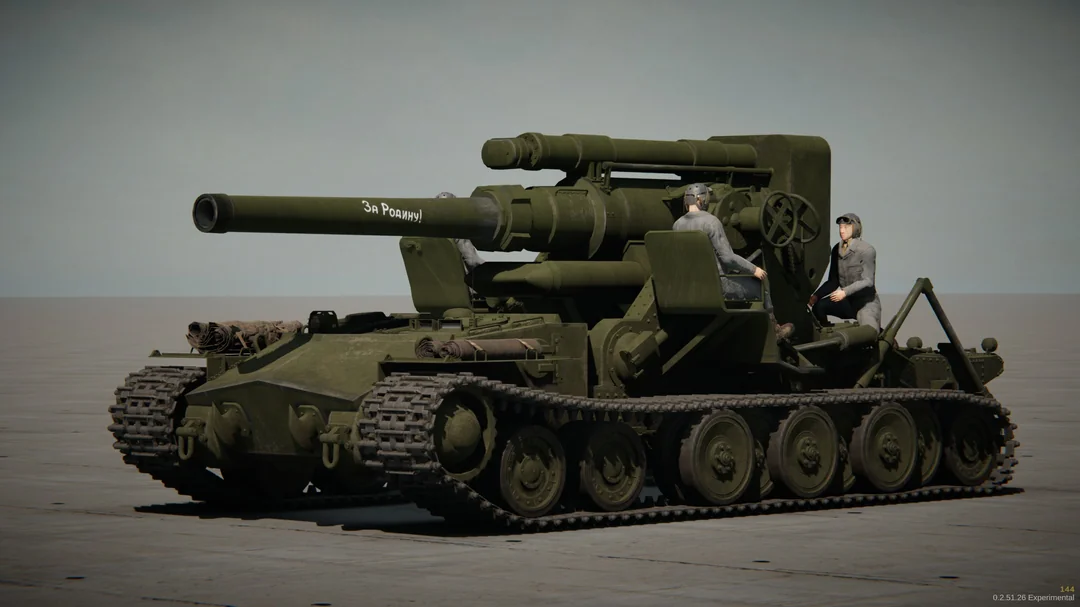
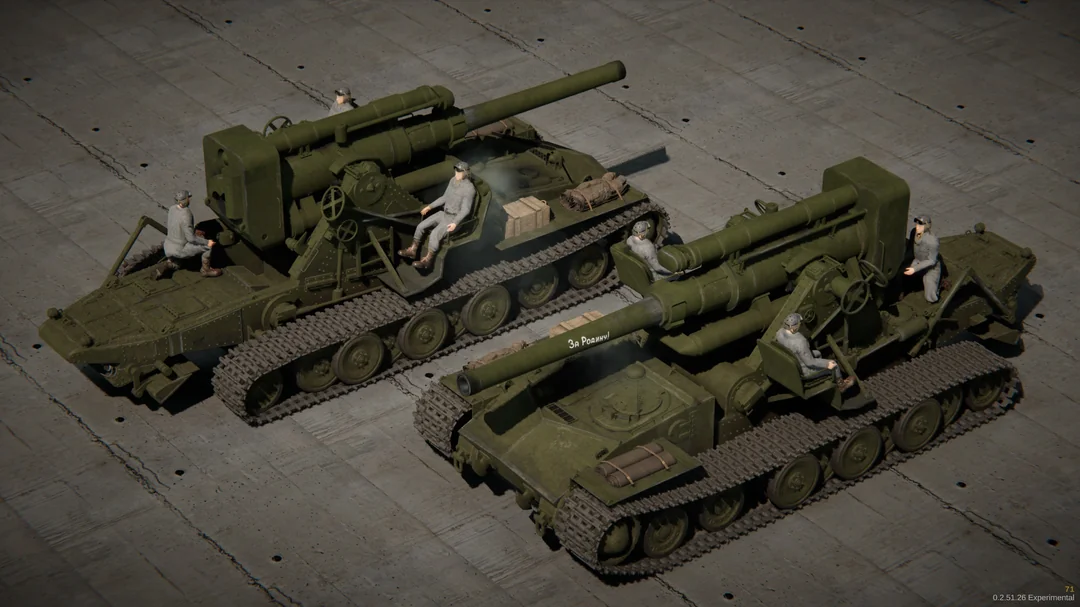
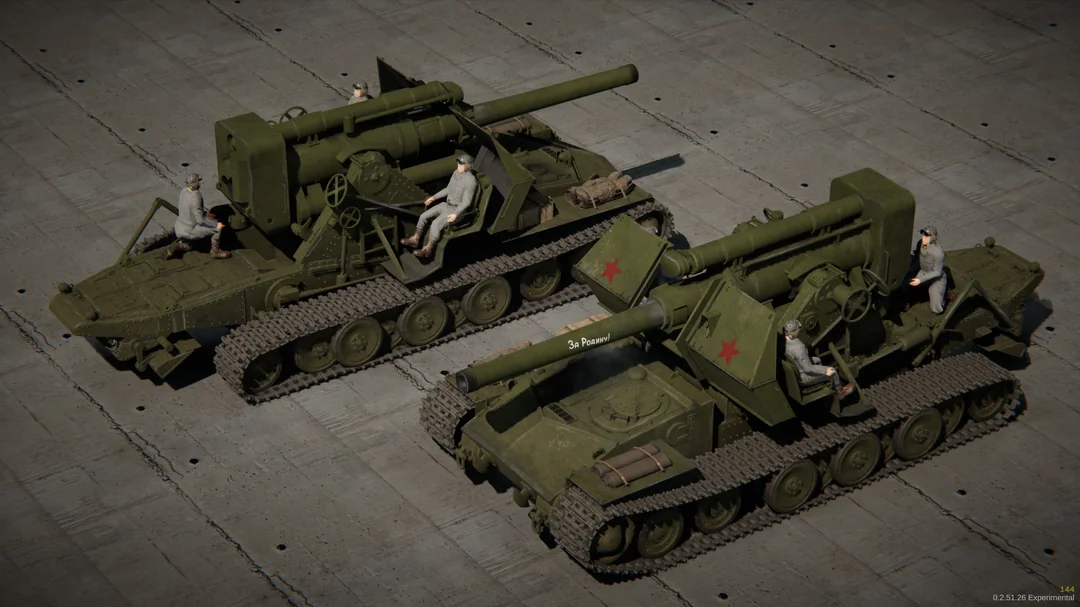
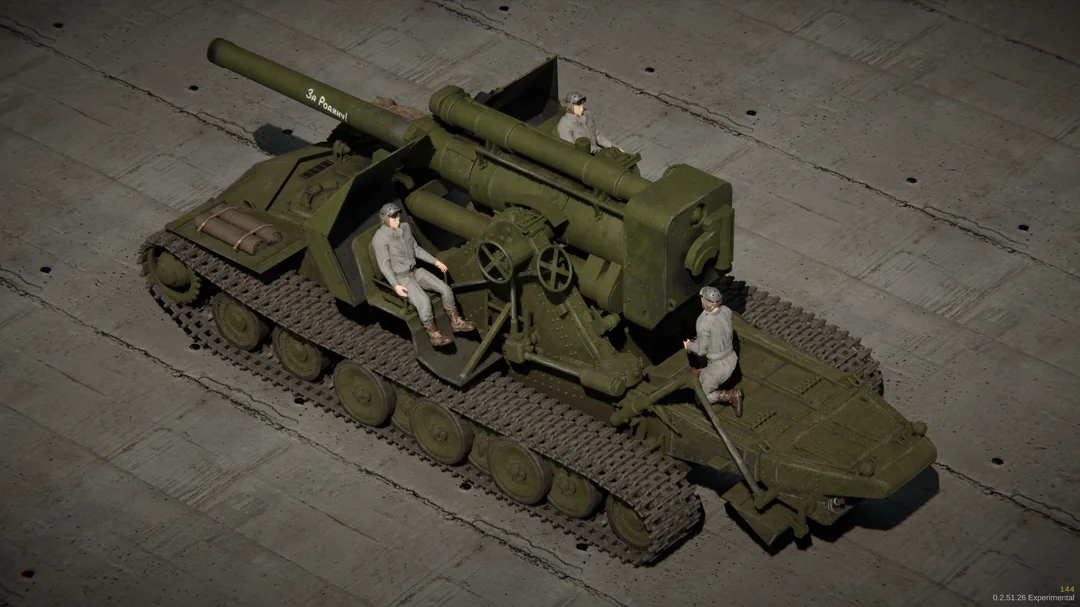
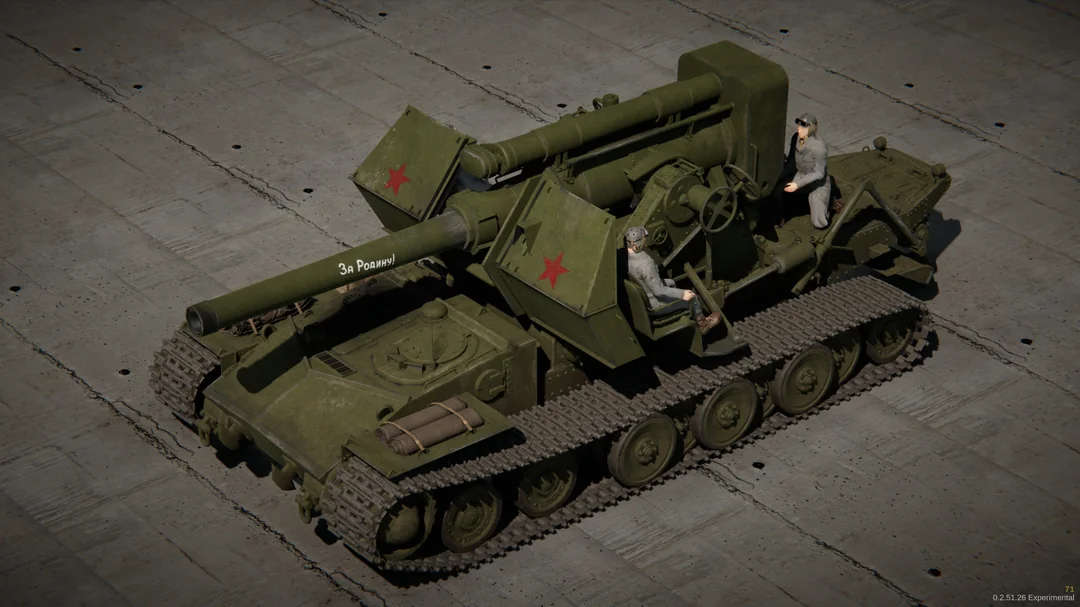
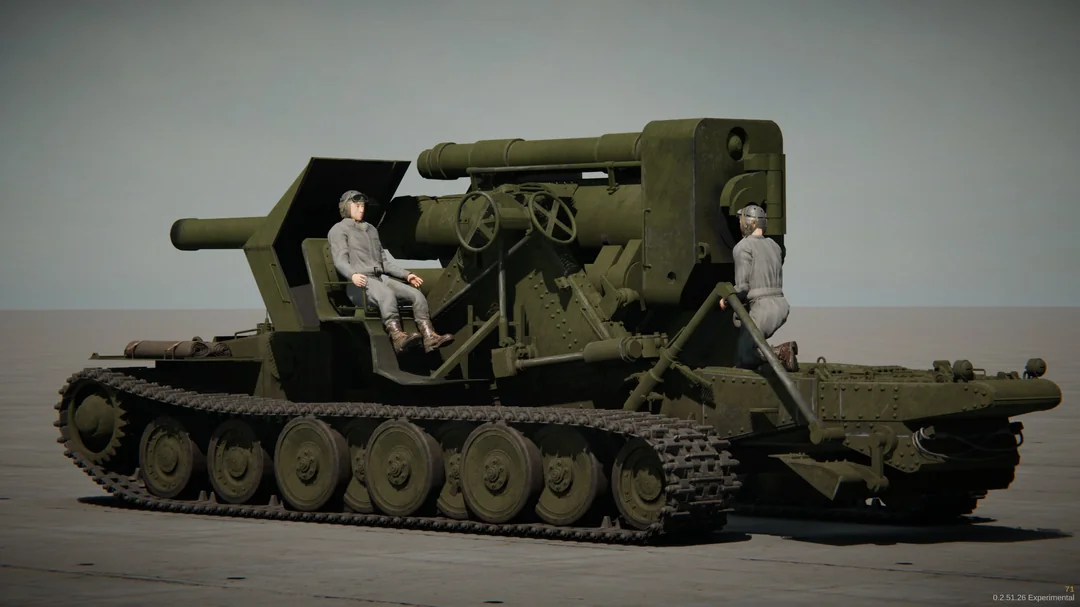
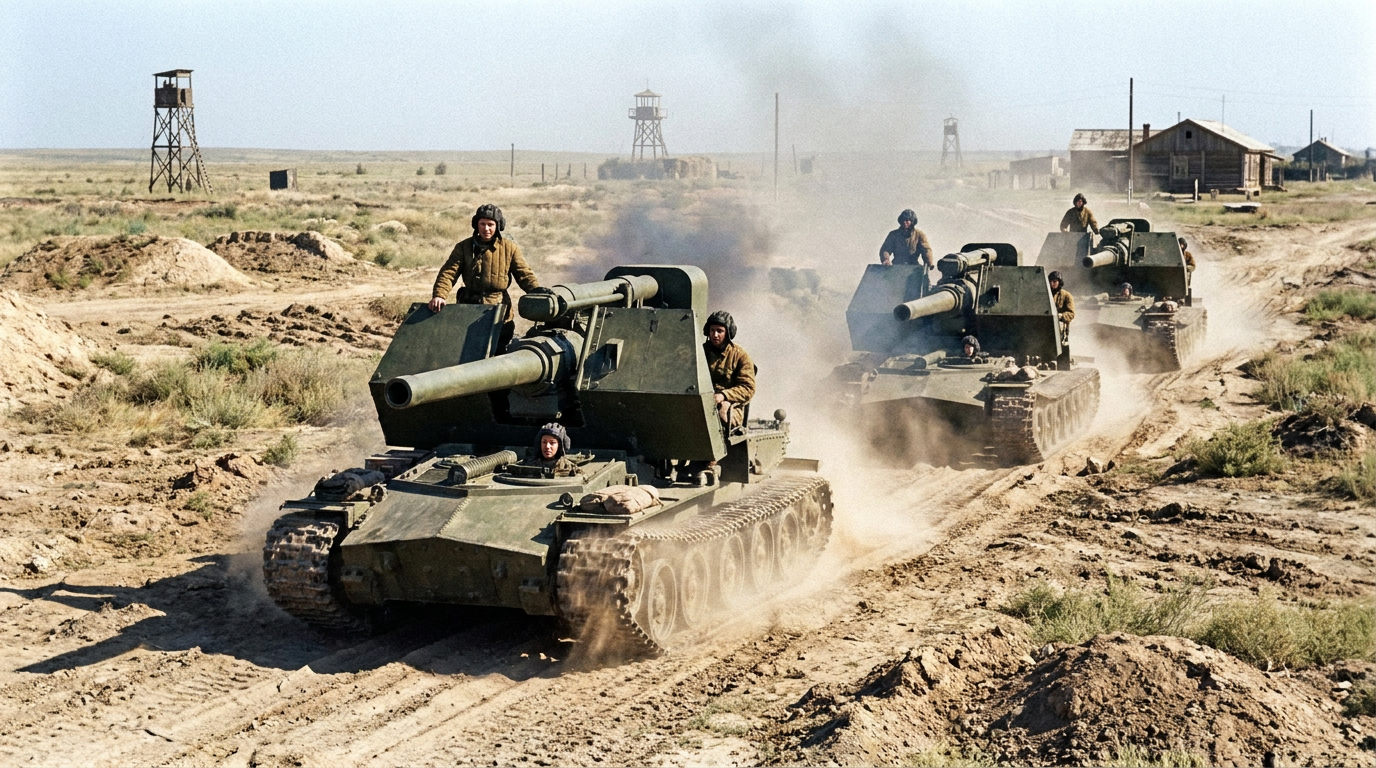
After the end of the Great Patriotic War, military leaders concluded that the existing 152-mm self-propelled guns, including the mass-produced ISU-152, despite their impressive firepower, no longer met the increased demands of fighting deeply echeloned reinforced concrete fortifications, gigantic bunkers, and fortified city blocks. High Command required a weapon capable of guaranteed destruction that could keep pace with armored wedges at actual combat speeds. The design bureau of the Chelyabinsk Tractor Plant was tasked with solving this complex engineering problem. The work was conducted under strict secrecy and was given the code name “Object 510.” The primary technical objective was to create a mobile platform capable of carrying the largest siege gun in the Soviet Army’s arsenal—the 203-mm B-4 howitzer—and moving in formation with tank units.
Engineering Solutions and Design
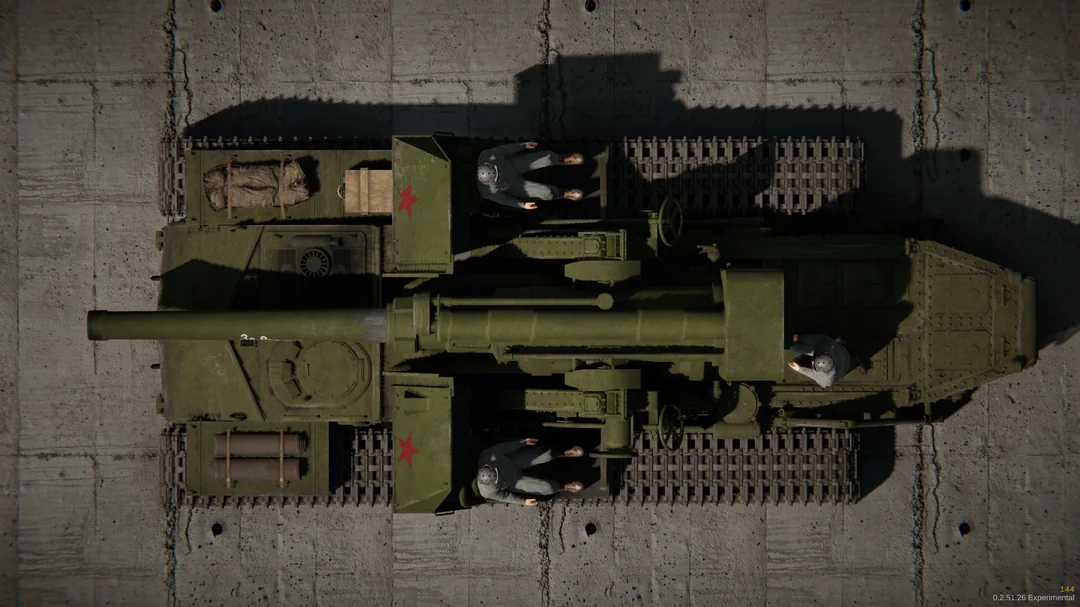
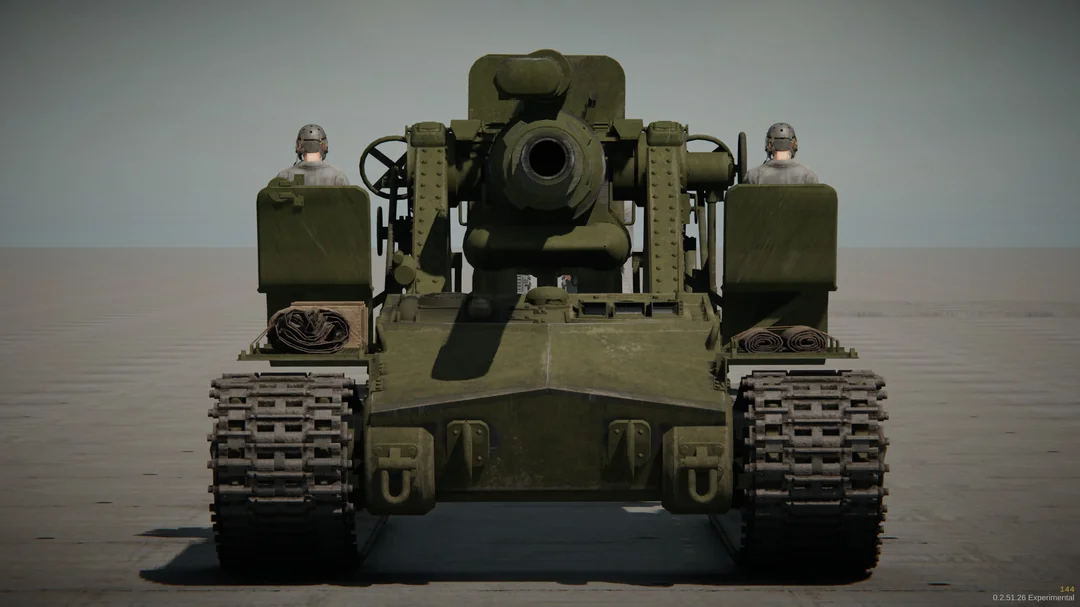
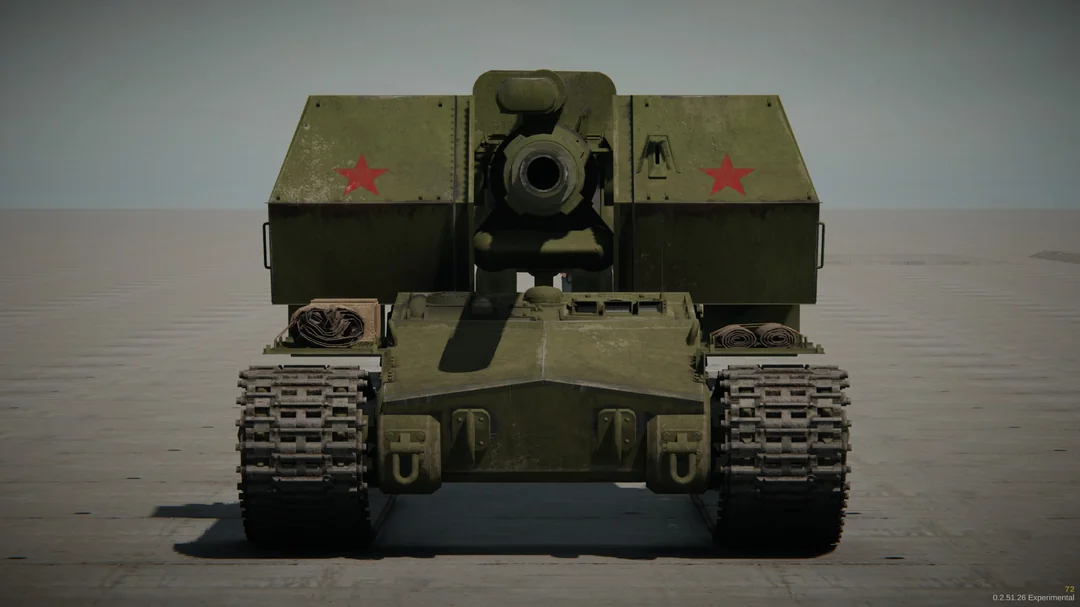
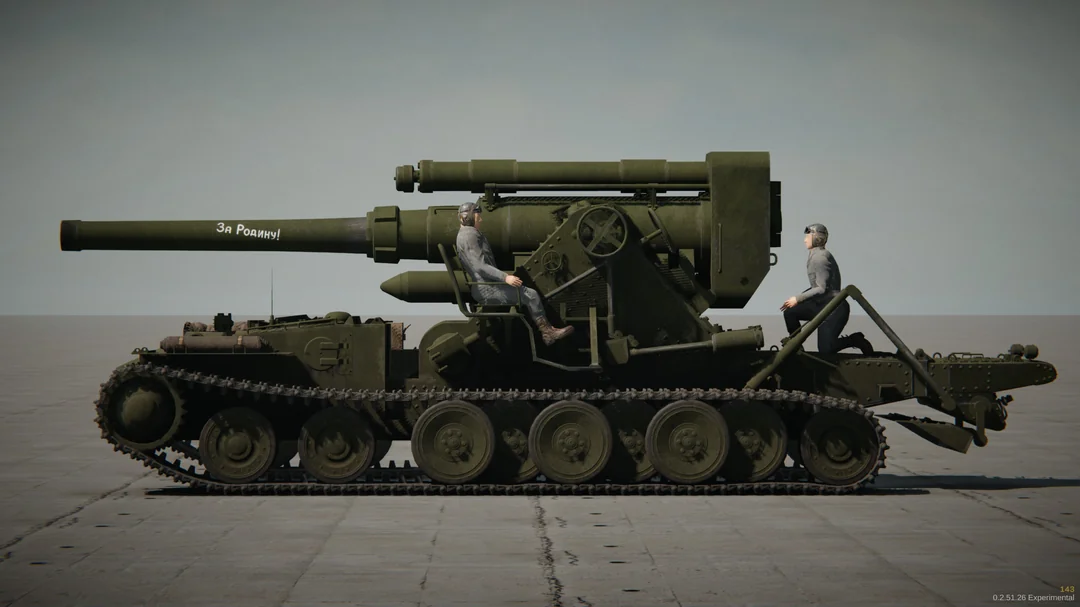
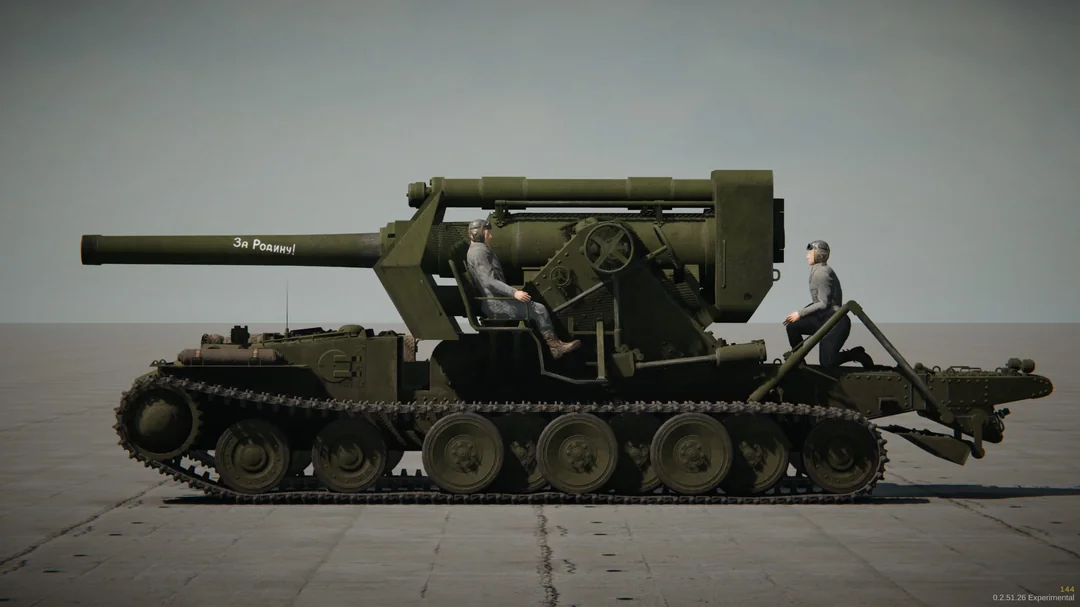
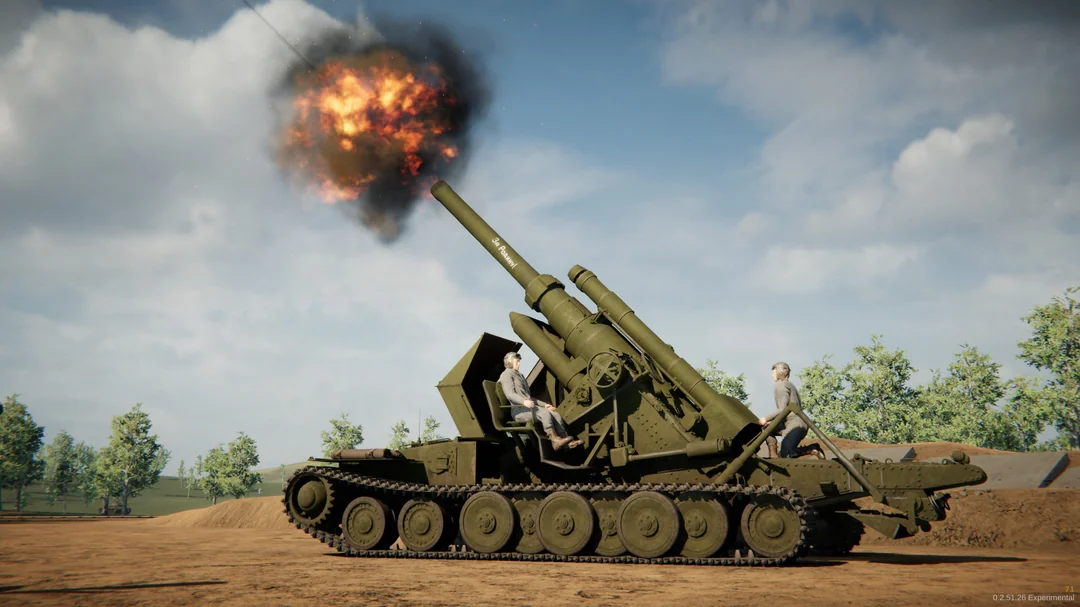
The 203-mm B-4 howitzer was originally designed as a heavy siege gun, and its dimensions, combined with its monstrous recoil energy, made it impossible to mount on any mass-produced tank chassis of the time. The plant’s engineers had to abandon conventional solutions and develop an entirely new running gear. It consisted of an elongated and widened specialized tracked chassis equipped with hybrid road wheels of increased diameter. The design was calculated exclusively to withstand the enormous static and dynamic loads generated during firing. To accommodate the massive barrel and ensure the ability to fire at high angles of elevation, the fighting compartment was designed to be completely open at the top. Crew protection was limited to 15-millimeter sheets of armor plate mounted on the front and sides. Recoil compensation became a key challenge. “Object 510” was equipped with a sophisticated hydropneumatic recoil system, and a massive folding hydraulic thrust shield was placed in the rear of the vehicle, designed to transfer the energy of the shot directly into the ground, stabilizing the gun at the moment of firing.
Two Schools of Suspension Design: The Domestic Approach and the German Experiment
Field Tests and Identified Deficiencies
By mid-1946, the plant had managed to produce two prototypes of “Object 510,” which were immediately sent for field testing in the vicinity of Chelyabinsk. The destructive power of the 203-mm shells exceeded all expectations, but design flaws in the vehicle became apparent almost immediately. Even with the rear rest fully lowered, the strong recoil caused a noticeable shift in the hull, forcing the crew to re-aim the gun after every shot. The shells and propellant charges were exceptionally heavy, which meant that feeding them into the chamber required the coordinated efforts of three or four crew members. The manual wedge-type breechblock and the physical complexity of operations reduced the rate of fire to a minimum, and a separate specialized transport vehicle had to be developed to deliver ammunition. The open fighting compartment left the crew defenseless not only against bullets and shrapnel, but also against their own shock wave and propellant gases. Despite its tracked propulsion system, the vehicle’s excessive weight made it a slow-moving target, and its complex transmission and non-standard components created insurmountable logistical difficulties for repair crews.
The Project’s Decline and Historical Outcome
Nevertheless, military leaders held out hope for a long time that the vehicle could be refined, believing that correcting specific flaws would restore the project’s combat value. The final decision to cancel the “Object 510” program was not made until early 1950. By that time, the rapid development of rocket technology, the emergence of more compact and effective calibers, and the successful testing of new lightweight self-propelled howitzers had rendered the concept of a heavy, open-top siege vehicle obsolete. Several pre-production models did, however, make their way into the troops, where they remained in service until the mid-1950s, after which they were finally decommissioned and scrapped. They were replaced by more maneuverable and technologically advanced self-propelled artillery pieces; however, “Object 510” has forever remained in the history of Soviet engineering as a bold attempt to mount the most powerful gun of its era on tracks.
Tactical and Technical Specifications
- Main armament caliber: 203 mm
- Weapon type: 203-mm B-4 howitzer
- Combat weight: 58 metric tons
- Crew: 7 people
- Power plant: a 750-l.s. diesel engine
- Maximum speed on the highway: 18 km/h
- Fuel range: 150 km
- Combat compartment armor: 15 mm (front and side plates)
- Vertical elevation angles: from +30 to +60 degrees
- Practical rate of fire: 1 shot every 3–4 minutes
- Ammunition capacity: 12 rounds
- Overall dimensions (length × width × height): 9.8 m × 3.6 m × 3.4 m