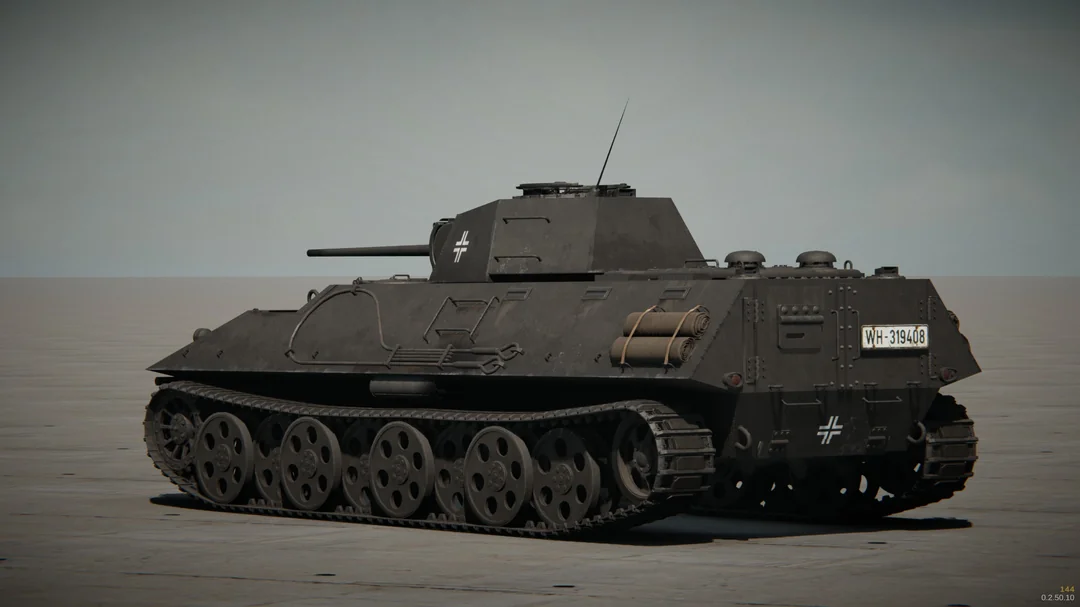
The "Hanomag" successor that arrived too late for the war. What the German Sd.Kfz. 307 "Luchs-GPM" infantry fighting vehicle might have become

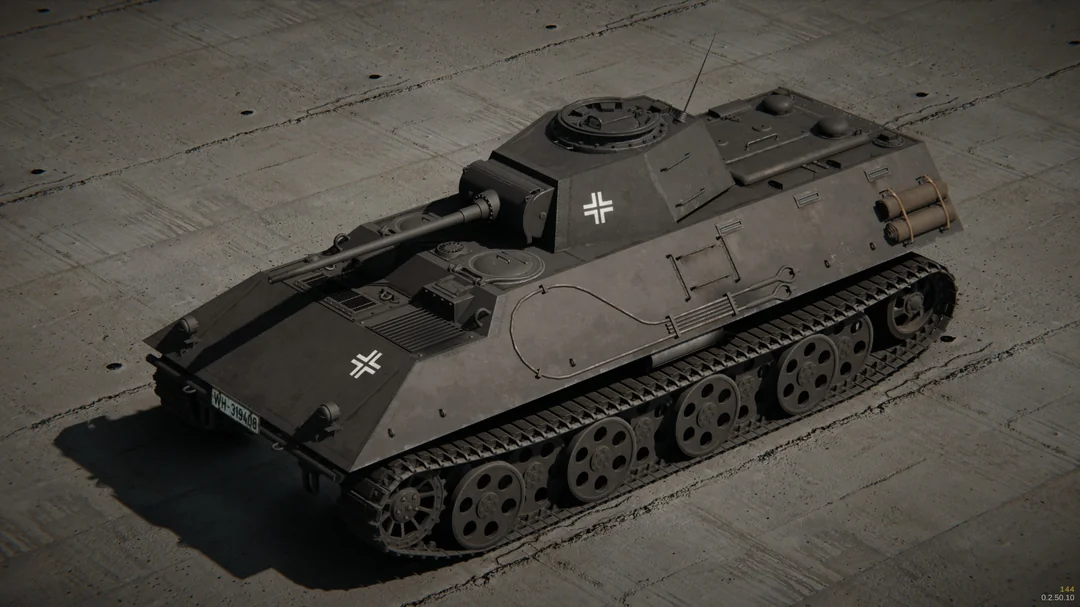
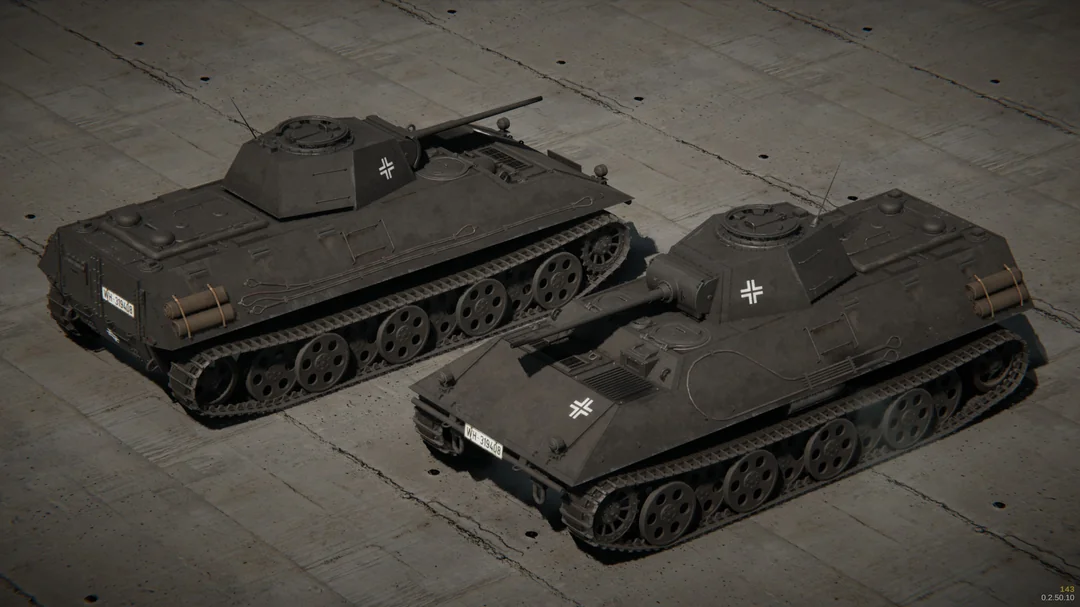
By the summer of 1942, the Wehrmacht had reached the obvious limits of its half-track armored personnel carriers. The Sd.Kfz. 251, which had demonstrated reliability and mobility on the battlefields of the early campaigns, had by the middle of the war become merely a means of transporting infantry to the battlefield, rather than a fully-fledged combat vehicle. The infantrymen, traveling in open or lightly armored compartments, lacked fire support immediately upon disembarking. Recognizing this shortcoming, Hanomag engineers approached the command with a proposal to create a vehicle of a fundamentally new class. The project was designated Sd.Kfz. 307 and named “Luchs-GPM,” where the abbreviation GPM referred to the concept of Gefechts-Panzer-Mannschaftstransporter, that is, a combat armored vehicle for escorting motorized infantry.
Development was carried out in close cooperation with the Daimler-Benz and MAN design bureaus, which, during the same period, were finalizing the Panzerkampfwagen II Ausf. L “Luchs” light reconnaissance tank for mass production. The engineers decided not to reinvent the wheel, but rather to standardize the future IFV with the promising light tank. The suspension, powertrain, turret drive, and main armament were adapted for the tasks of transporting and providing fire support for infantry. Thus, the Sd.Kfz. 307 became not merely a modification of an old half-track, but the first attempt in German military history to create a full-fledged infantry support vehicle with an enclosed armored compartment and a 360-degree field of view for the commander.
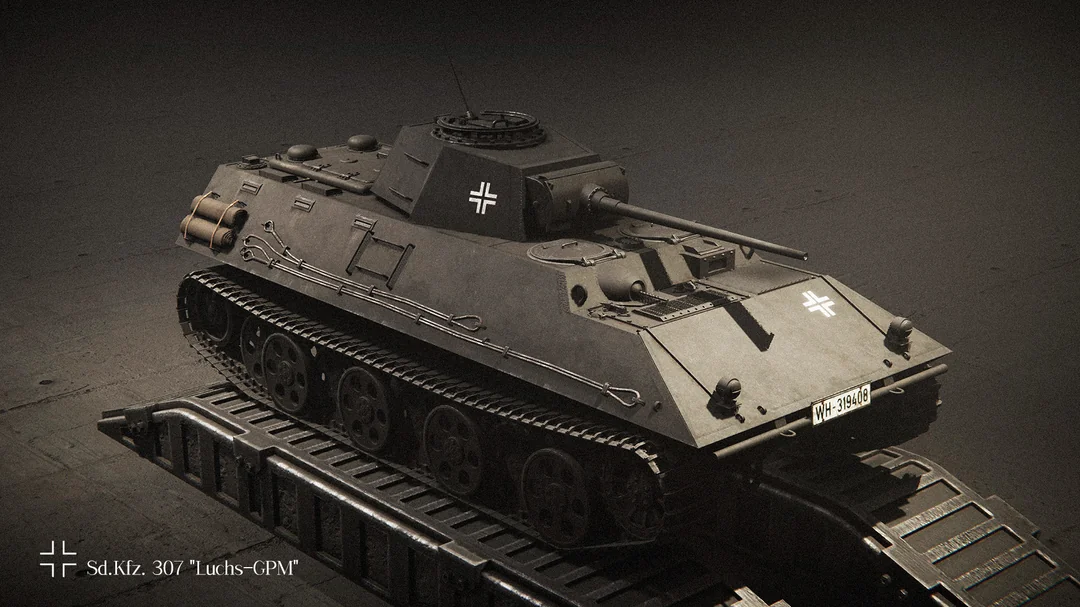
Architecture of a New-Generation Armored Personnel Carrier
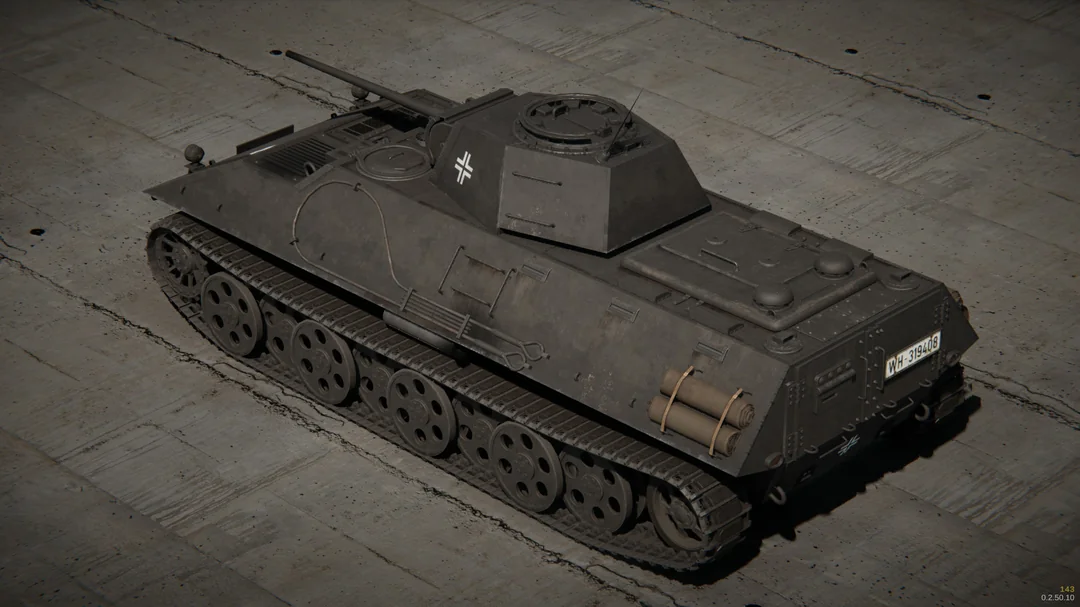
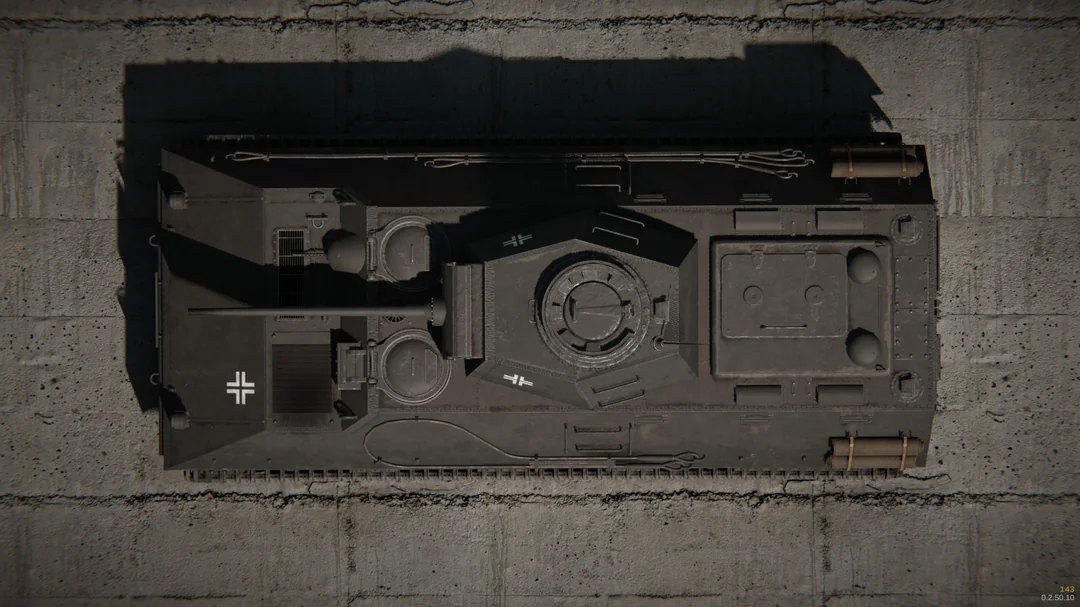
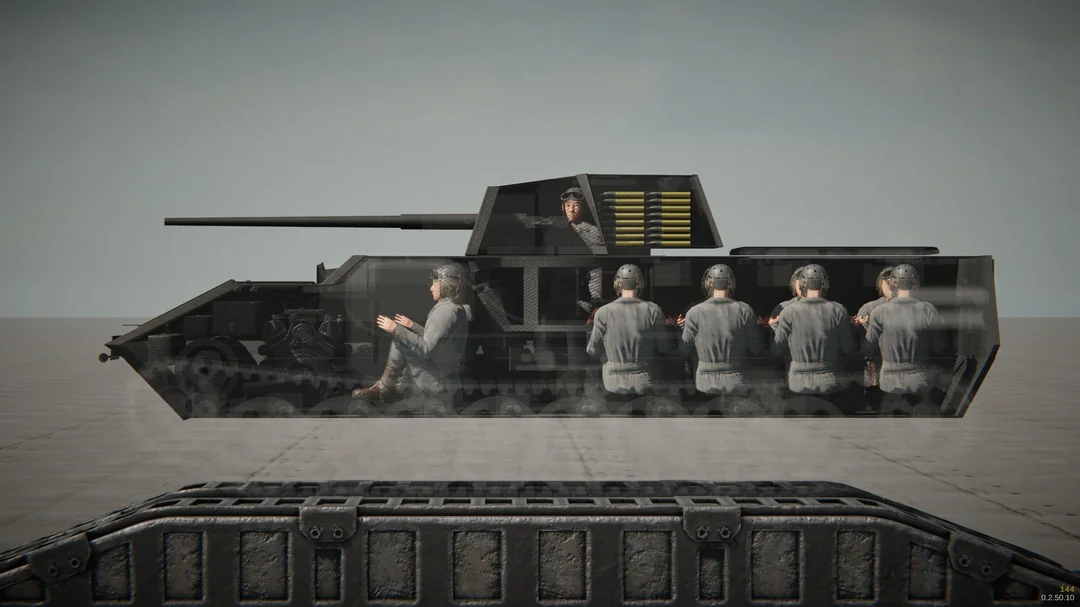
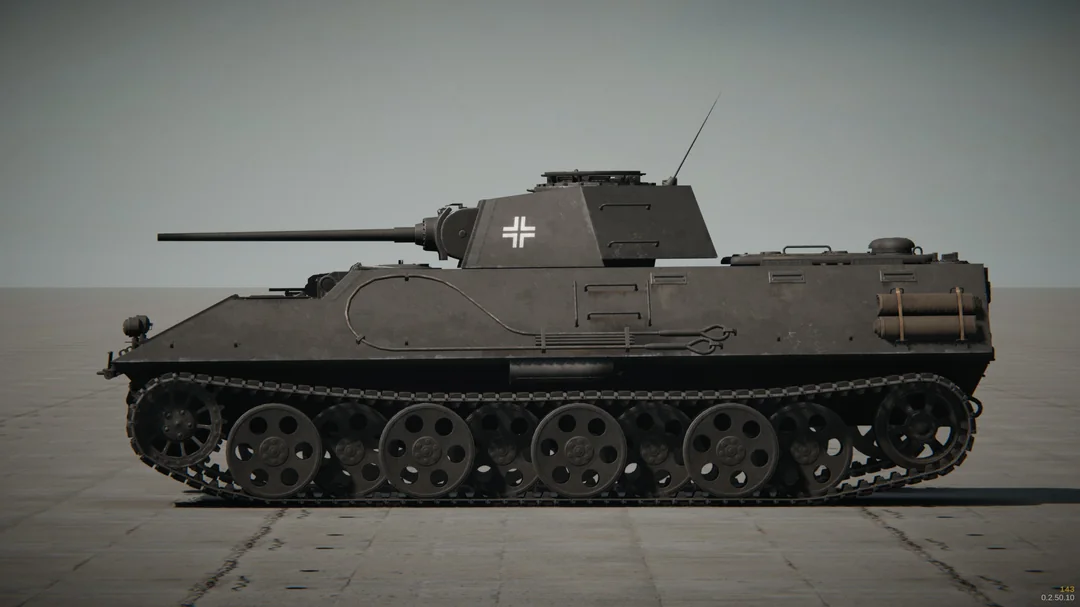
Conceptually, the vehicle was a decade ahead of its time. The engineers abandoned the rear-engine layout typical of the German school of design, opting instead for a configuration that would later become the standard for postwar infantry fighting vehicles. The powerplant was housed in the front compartment of the hull, which allowed the transmission and drive wheels to be positioned in the area of maximum protection. The fighting compartment occupied the middle section of the vehicle, followed by a spacious troop compartment with a rear ramp. This design ensured the safe and rapid disembarkation of infantry under the cover of armor, and also allowed soldiers to fire through embrasures until the hatches were opened.
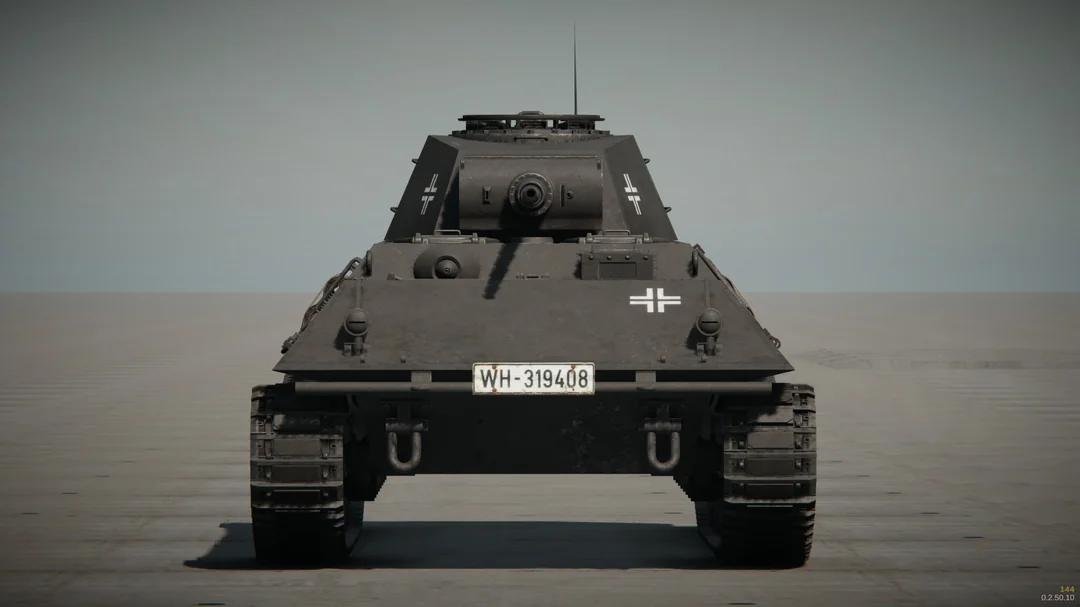
The hull was welded from rolled steel plates joined at optimal angles of inclination. The front received the heaviest armor, while the sides and rear were constructed with thinner armor to reduce weight and maintain mobility. The suspension remained an independent torsion bar system, borrowed from the “Lynx,” which, combined with the tracked drive, provided acceptable cross-country capability on soft ground and snow. The interior layout placed the commander, gunner, and driver in isolated stations, while the paratroopers sat facing each other on folding seats along the sides. The ventilation and fire suppression systems were simplified but sufficient for short-term combat operations. All of this made the Sd.Kfz. 307 a transitional-generation vehicle that already foreshadowed features of the postwar doctrine for the use of armored vehicles.
Tactical and Technical Specifications:
- Weight – 12 metric tons
Reservations:
- forehead – 30 mm,
- edges – 15 mm,
- feed – 10 mm
Armament:
- A 20-mm KwK 38 automatic cannon, two 7.92-mm MG 42 machine guns
- Crew: 3 people
- Assault team – 8 people
- Engine – Maybach HL 66P
- Engine power: 178 l.s.
- Maximum speed: 40 km/h
Baptism by Fire and Industrial Prospects
The first eight prototypes left the assembly lines in early 1943. Six of them were hurriedly deployed to tank units preparing for the summer strategic offensive on the Kursk Salient. The vehicles operated as part of advance units, accompanying the infantry in areas with strong anti-tank defenses. Commanders noted their high maneuverability, ease of disembarkation, and effective suppression of machine-gun nests with automatic fire. Of the six vehicles that participated in the fighting, two were put out of action by artillery fire and anti-tank rifles; however, the remaining four successfully returned to the rear for repairs. The command’s assessment was positive, and the project was designated as promising.
This was followed by an order for 1,000 production vehicles. However, military leadership imposed a strict condition: production of the new IFV was not to reduce output of the proven Sd.Kfz. 251, which remained the primary means of mechanization for infantry divisions. To meet this requirement, Hanomag began designing and constructing a separate assembly line with its own independent logistics system for components. According to the initial schedule, full-scale production was to begin by 1945. In the meantime, the workshops began small-batch assembly using remaining stockpiles and alternative supplies.
Reality proved to be unforgiving. The increasing number of Allied strategic air raids, the destruction of transportation infrastructure, and an acute shortage of alloy steel, optical glass, and high-quality rubber made it impossible to complete construction of the new line. Small-scale production, which had been sustained by the engineers’ enthusiasm and makeshift supplies, came to a halt by the spring of 1945. A total of forty-eight Sd.Kfz. 307 vehicles were assembled. Scattered among rear-area training units and reserve formations, they did not have time to influence the course of the war; however, they laid the technical foundation for a postwar rethinking of the role of the armored personnel carrier.
A Phantom in the Archives: A Postwar Trail
After the war ended, captured vehicles were thoroughly examined by the forces of the anti-Hitler coalition. According to unconfirmed reports, several surviving Sd.Kfz. 307s fell into the hands of Soviet specialists who were evaluating the German armored vehicle legacy. There is a widely held view that the concept of an enclosed troop compartment with a rear exit, the placement of the fighting compartment in the center of the hull, and the idea of integrating an automatic cannon into an infantry fighting vehicle had an indirect influence on the early sketches of the Soviet BMP-1. However, there is no direct documentary evidence to support this. Test reports, drawings, and photographs that appeared in internal memos from research institutes have vanished without a trace from the archives.
The vehicles themselves also left no physical traces. According to the memoirs of test range commanders—which were later declassified—the captured specimens were used to test anti-tank weapons and the armor-penetrating capabilities of new shells. After the test cycle was completed, the remains of the hulls were sent for remelting as part of a postwar program to dispose of captured equipment. Today, the Sd.Kfz. 307 exists only in the form of rare factory photographs, fragmentary reports, and legends passed down among armor historians.
Conclusion
The Sd.Kfz. 307 “Luchs-GPM” remained a vehicle that was ahead of its time but did not live to change the course of history. It was the first vehicle in German military history to combine the concepts of an armored troop compartment, a centralized fighting compartment, and a tracked chassis with tank-grade components. Had the war dragged on for several more years, or had the Third Reich’s industrial base withstood the blows of Allied aviation, such vehicles could have become the backbone of motorized infantry units, transforming the tactics of maneuver warfare. In reality, however, the Sd.Kfz. 307 remained a technical artifact, a symbol of how engineering ingenuity can glimpse the future, even when history itself does not allow time for its realization. Its shadow flickers through the designs of postwar armored vehicles from various countries, serving as a reminder that the evolution of military technology rarely begins from a blank slate, but often grows out of forgotten blueprints and unfulfilled orders.