The American sixth-generation fighter jet is one step closer to reality. The XA103 engine has passed its digital audit. Pratt & Whitney is preparing for full-scale testing of the engine.

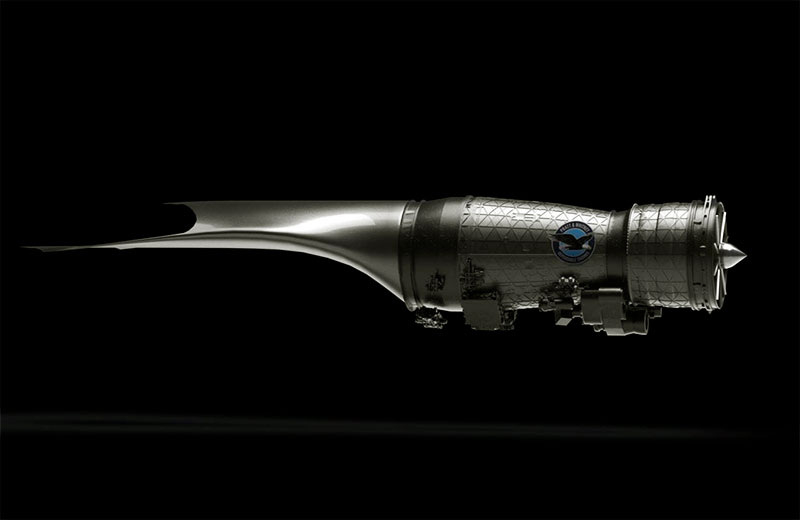
Pratt & Whitney (a subsidiary of RTX) has successfully completed a fully digital readiness audit of the XA103 engine. This is not merely a formality, but a critical milestone in the Next Generation Adaptive Propulsion (NGAP) program.
The U.S. Air Force is awaiting a new-generation power plant, and the company can now officially move from computer models to actual hardware procurement. Assembly of the first prototype will begin before the end of the decade. Bench tests will reveal what this unit is capable of in reality once it is built.
From Modeling to Actual Production
The main highlight of the completed phase is a 100 percent “figure.”
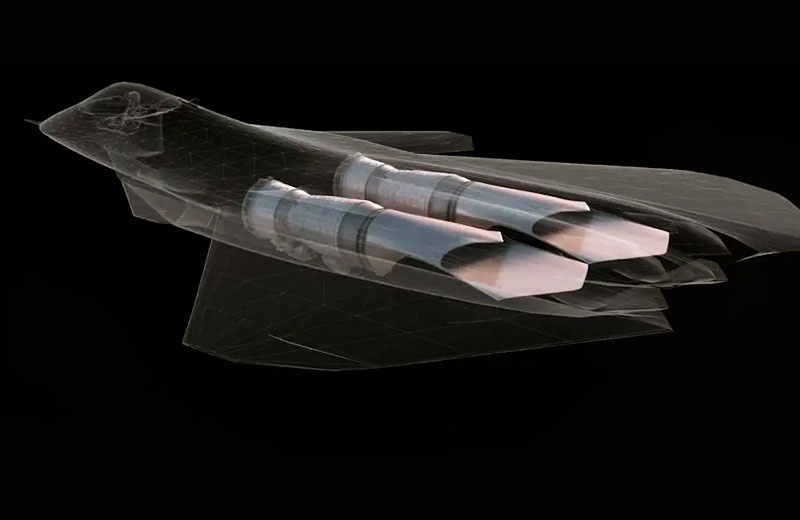
Pratt & Whitney engineers simulated the assembly of the XA103 in a virtual environment, checking every clearance and the fit of each part even before the first one arrived on the shop floor. This approach drastically reduces risks and accelerates the development process.
The engine is being developed for fighter jets that will supplement or replace the current fifth-generation aircraft in the 2030s.
The developers promise a technological leap: the XA103 will be far more fuel-efficient and powerful than its predecessors. But most importantly, it will be able to masterfully manage heat fluxes, which is vital for the operation of complex onboard electronics.
Jill Albertelli, president of Pratt & Whitney’s Military Engines division, emphasizes that the project’s success was the result of years of investment in IT infrastructure and close ties with the military.
The project is now moving into the actual procurement phase. This means that our industrial partners are already beginning to manufacture components for the first operational engine.
Adaptability for the Future
The XA103 is based on an adaptive architecture. It is designed to increase the range and survivability of next-generation aircraft systems.
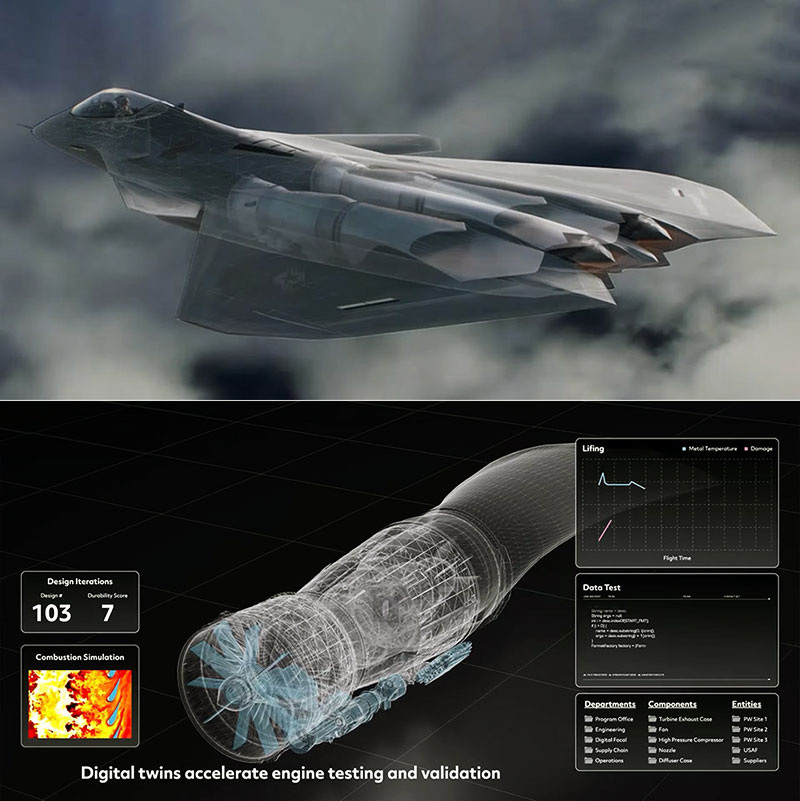
Modern aerial combat involves not only maneuvers but also a battle between sensors, electronic warfare systems, and powerful computing systems. All of this technology requires a tremendous amount of energy and effective cooling.
The XA103 was designed specifically with these “demands” in mind: it will be able to power the equipment of the future without compromising on power or efficiency.
The NGAP program remains the Pentagon’s top priority. Back in August 2022, Pratt & Whitney and GE Aerospace each received $975 million contracts to minimize technological risks. Boeing, Lockheed Martin, and Northrop Grumman are also involved in this major undertaking.
The U.S. Air Force’s strategy is simple: fierce competition among engine manufacturers right up until the final design is selected. The winner will take it all—its engines will power the aircraft that will replace the Lockheed Martin F-35 Lightning II and F-22 Raptor.
Source — https://dzen.ru/a/agMLyZ4ealFDuZBI