The American Tempest air defense system takes out drones like flies. The U.S. has revealed the specifications of a secret weapon of the future

As unmanned aerial vehicles (UAVs) become an increasingly formidable and widespread weapon on modern battlefields, militaries around the world are rushing to develop effective countermeasures. One of the most unexpected yet highly practical solutions has been the American Tempest anti-aircraft missile system—a mobile air defense system capable of destroying small and medium-sized drones with surgical precision and lightning speed.
Based on a buggy: speed over armor
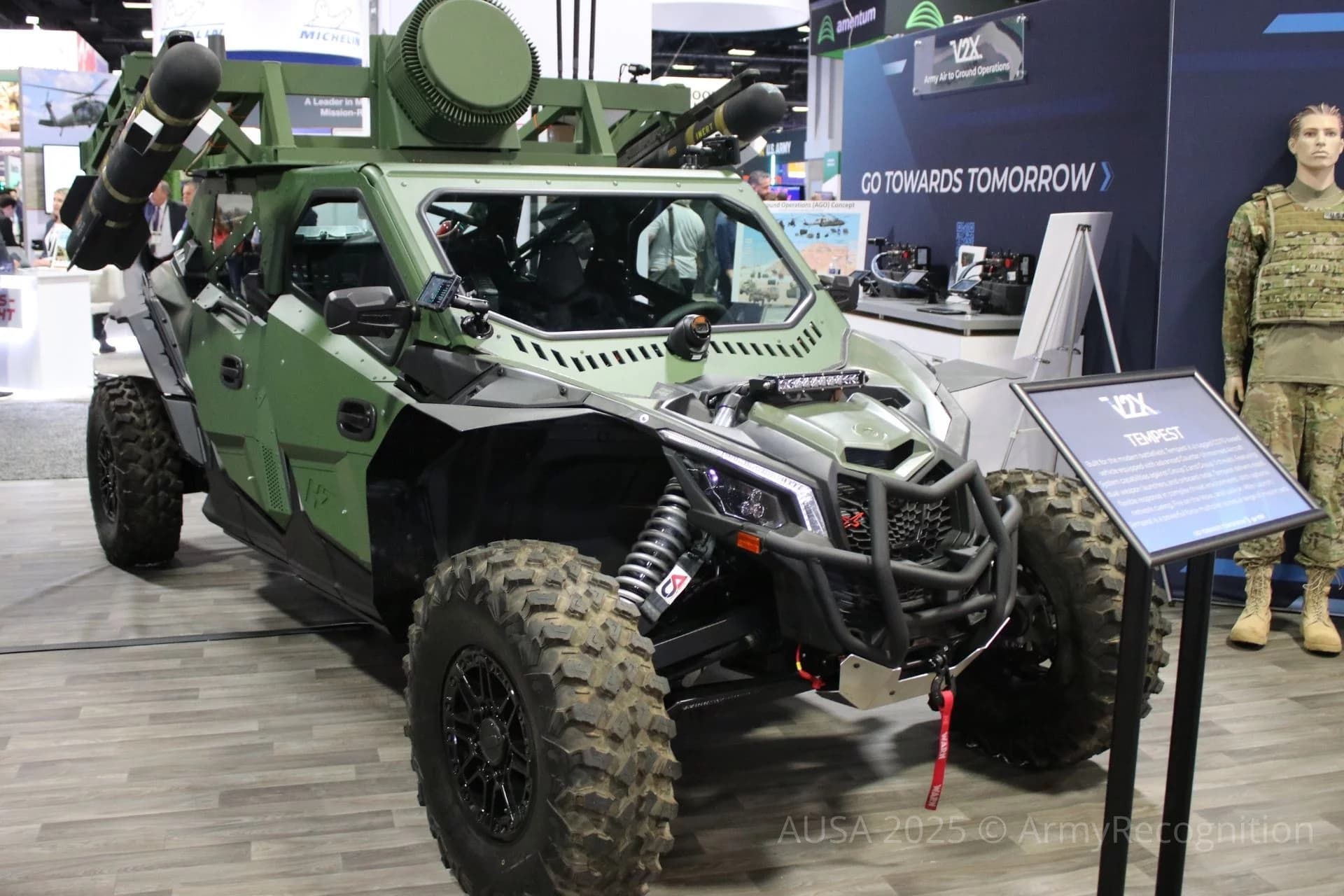
Tempest is not based on a heavy armored vehicle or even a military truck, but rather on the Can-Am Maverick X3 off-road sports chassis—a buggy popular among extreme off-road enthusiasts. This choice may seem strange at first glance, but it is precisely what gives the system its key advantage: high mobility and low visibility.
The lightweight chassis is equipped with two main components:
—
a standard millimeter-wave radar
capable of detecting small aerial targets at considerable ranges;
—
a twin launcher for AGM-114L Longbow Hellfire missiles—a variant of the famous anti-tank missile adapted for air defense missions.
“Fire-and-Forget”: Hellfire vs. Drones
The AGM-114L Longbow Hellfire missile was originally designed to engage armored vehicles, but its active radar homing seeker is also ideally suited for intercepting air targets. Thanks to its “fire-and-forget” capability, the operator does not need to correct the missile’s flight path after launch—it autonomously locks onto the target and guides itself to a successful strike.
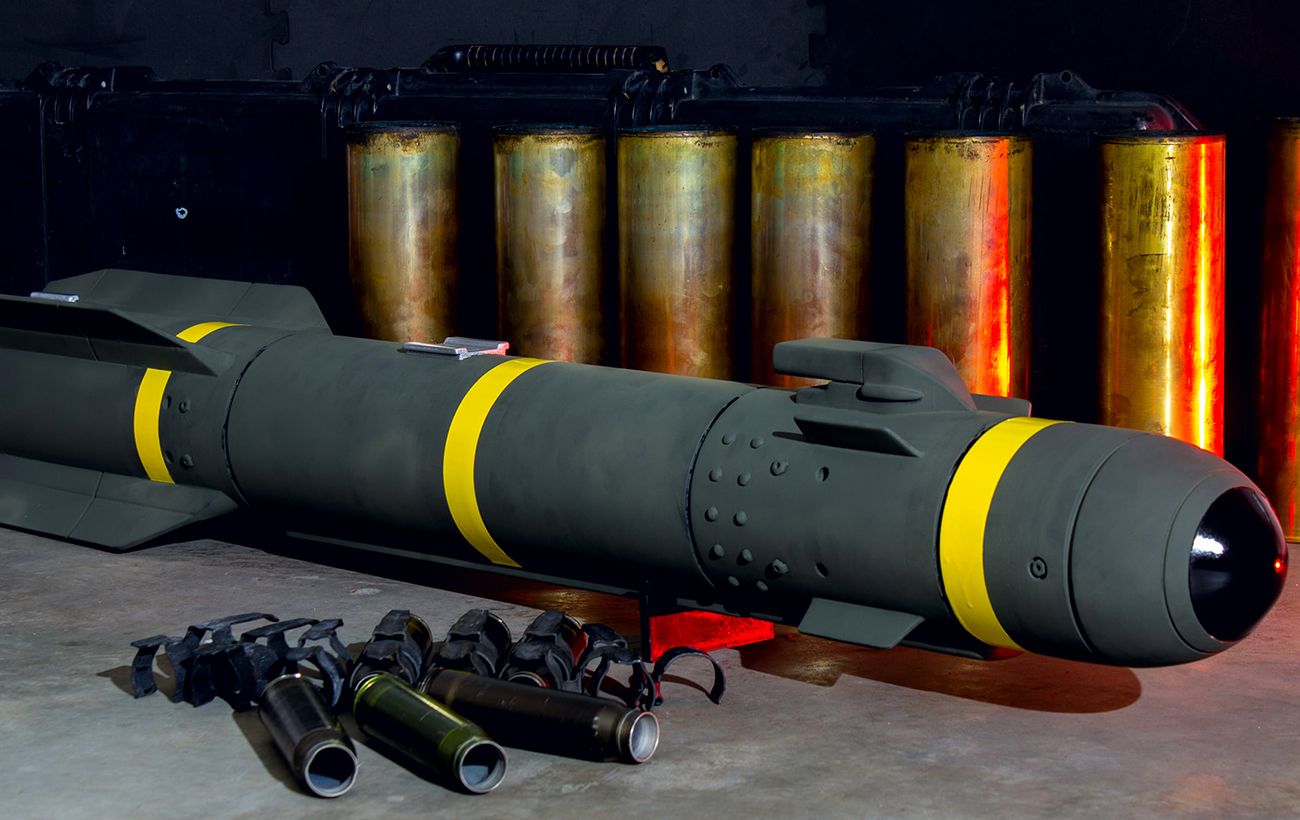
Hellfire Missile
The Hellfire’s stated range is up to 8 kilometers, making the Tempest an effective weapon against short- and medium-range UAVs, including tactical reconnaissance drones and even some strike drone models.
The “shoot-and-run” tactic
The developers paid particular attention to the system’s survivability on the battlefield. As noted in official publications:
“The design is based on the ability to employ ‘shoot-and-run’ tactics, quickly moving to a new position after firing, which makes the Tempest less vulnerable to detection and return fire.”
This concept is particularly relevant in situations where the enemy actively employs reconnaissance and precision-guided fire. The buggy’s light weight and speed allow the crew to literally “vanish” from their position immediately after firing, minimizing the risk of a counterattack.
First combat tests—in Ukraine?
Although Tempest was first unveiled to the general public in October 2025 at the annual U.S. Army Association (AUSA) exhibition, reports of its use in Ukraine began appearing in the media as early as January 2026. According to available information, a limited number of systems were transferred to Kyiv for field testing under real combat conditions.
If this information is confirmed, it will be yet another example of how new weapons systems are “tested” not on training grounds, but in actual combat—where every second and every shot counts.
Does the Future of Air Defense Lie in Lightweight, Smart Systems?
Tempest is more than just a new weapon. It is a symbol of a paradigm shift: instead of bulky and expensive air defense systems, the future may belong to flexible, inexpensive, and highly mobile systems capable of responding quickly to next-generation threats.
In a world where a drone costing a few thousand dollars can destroy equipment worth millions, solutions like Tempest are not just desirable—they are essential. And if the system continues to demonstrate high effectiveness, it is set to see widespread adoption not only within NATO armies but also beyond.