The era of electric aircraft is drawing nearer. The Fraunhofer Institute (IISB) in Germany has unveiled a 1,000 l. s. electric motor weighing 94 kg.

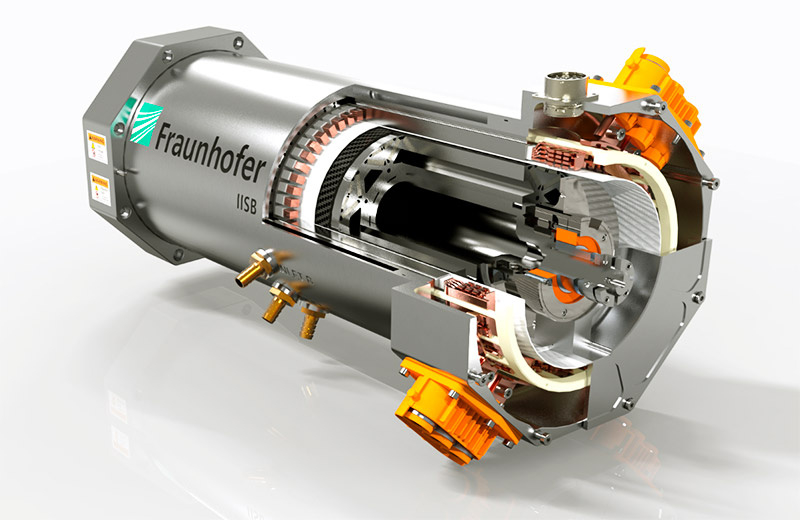
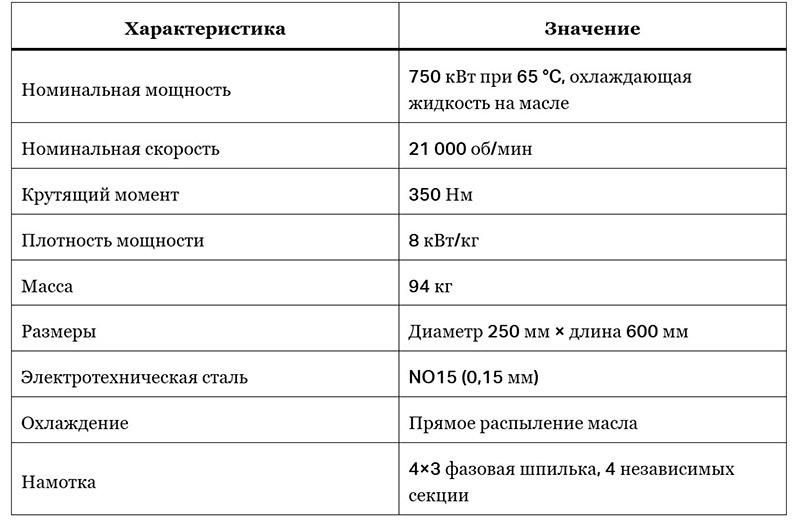
The Fraunhofer Institute for Integrated Systems and Device Technology (IISB) has unveiled a lightweight, high-power electric motor for aviation. The powerplant delivers 1,000 l. s. (750 kW) and is poised to become the primary engine in the development of a fleet of hybrid-electric regional aircraft.
The unit weighs just 94 kg. In aircraft manufacturing, this figure is critical: every extra kilogram reduces flight range and drives up costs. That’s why the engineers strove to minimize weight as much as possible in order to achieve the ideal power-to-weight ratio.
Specific Power and Design Secrets
The developers achieved a power-to-weight ratio of 8 kW/kg—an outstanding result for aircraft electric motors.
By comparison: standard electric vehicle powertrains deliver a modest 2–4 kW/kg, while the most advanced counterparts in aviation deliver no more than 5–6 kW/kg. With a power output of 1,000 l. s., this new development is on par with compact turboprop engines.
This capacity will be more than enough for short- and medium-haul and regional flights. However, the design’s main strengths are its compact size, light weight, and fully electric propulsion.
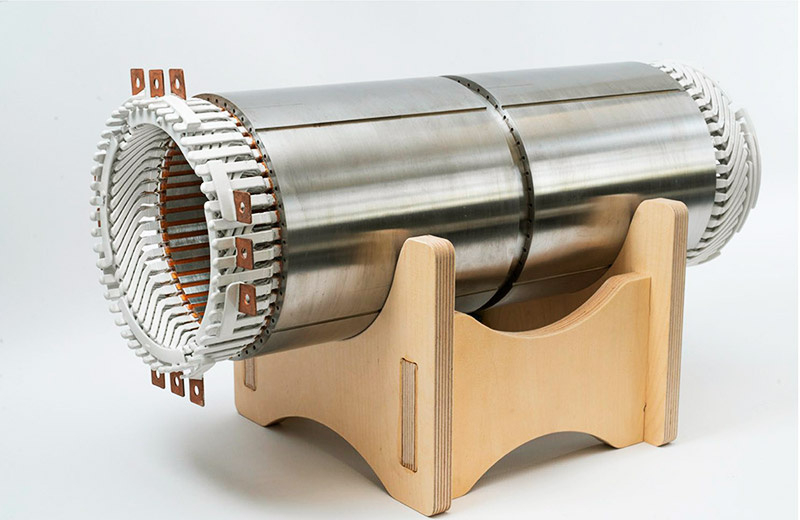
Engineers at Fraunhofer IISB attribute this success to the decision to abandon traditional copper wires in favor of pin-type windings. A three-phase “hairpin” winding with a 4×3 configuration allows for a higher density of copper in the stator without increasing its overall dimensions.
This design generates higher currents and, as a result, increases power output. At the same time, the technology improves cooling and makes the structure more robust. Another important step is the implementation of direct oil cooling.
The engineers abandoned the traditional air-cooling system: oil mist dissipates heat several times more effectively. The motor runs smoothly under maximum loads without the risk of overheating. And most importantly, this saved space—which is always worth its weight in gold for aviators.
Energy Efficiency at High RPMs and Safety
The next innovation is the use of ultra-thin NO15 electrical steel, which is only 0.15 mm thick.
It is half as thick as the sheets used in standard electric motors. The ultra-thin metal is necessary to effectively suppress eddy currents. As a result, the unit generates less heat and operates significantly more efficiently.
At a rotational speed of about 21,000 rpm, this is of paramount importance. The designers placed particular emphasis on fault tolerance. The motor’s architecture is divided from the outset into four independent sections.
The AMBER Project: Heading Toward a “Clear Sky”
Each section has its own winding, a separate inverter, and an independent control system.
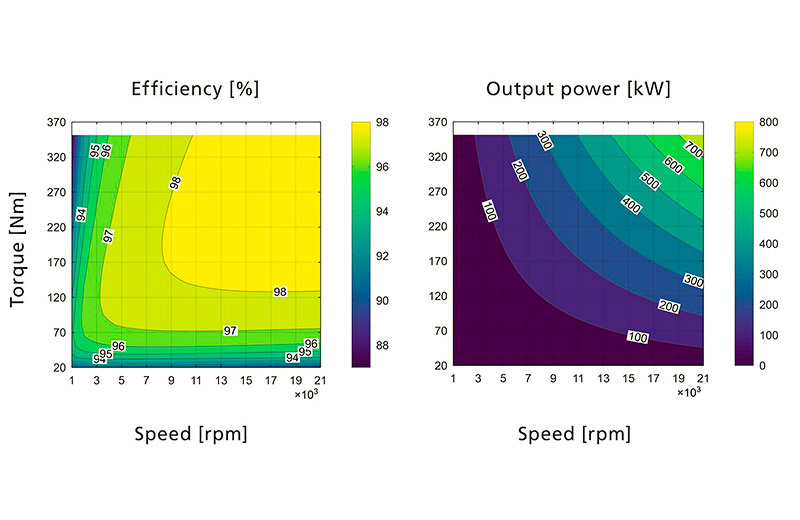
If one segment fails, the engine does not shut down—it continues to power the aircraft. In flight, this safety feature is invaluable: a localized failure no longer leads to a complete loss of engine power.
The Fraunhofer IISB team emphasizes that the motor was developed specifically for the AMBER project—a large-scale European “clean aviation” initiative.
The program aims to introduce hydrogen fuel cells and hybrid gas turbine systems. The minimum goal is to reduce carbon emissions in the industry by 30%.
As part of the project, hydrogen fuel cells will generate electricity to power the electric propulsion motors. If necessary, these aircraft will be able to engage conventional turboprop engines as backup power sources.
The implementation of this ambitious concept is expected to bring a new generation of aircraft to the market—ones that are quieter, more fuel-efficient, and more environmentally friendly.
Source — https://dzen.ru/a/ad0NH72hwCkDLm1y