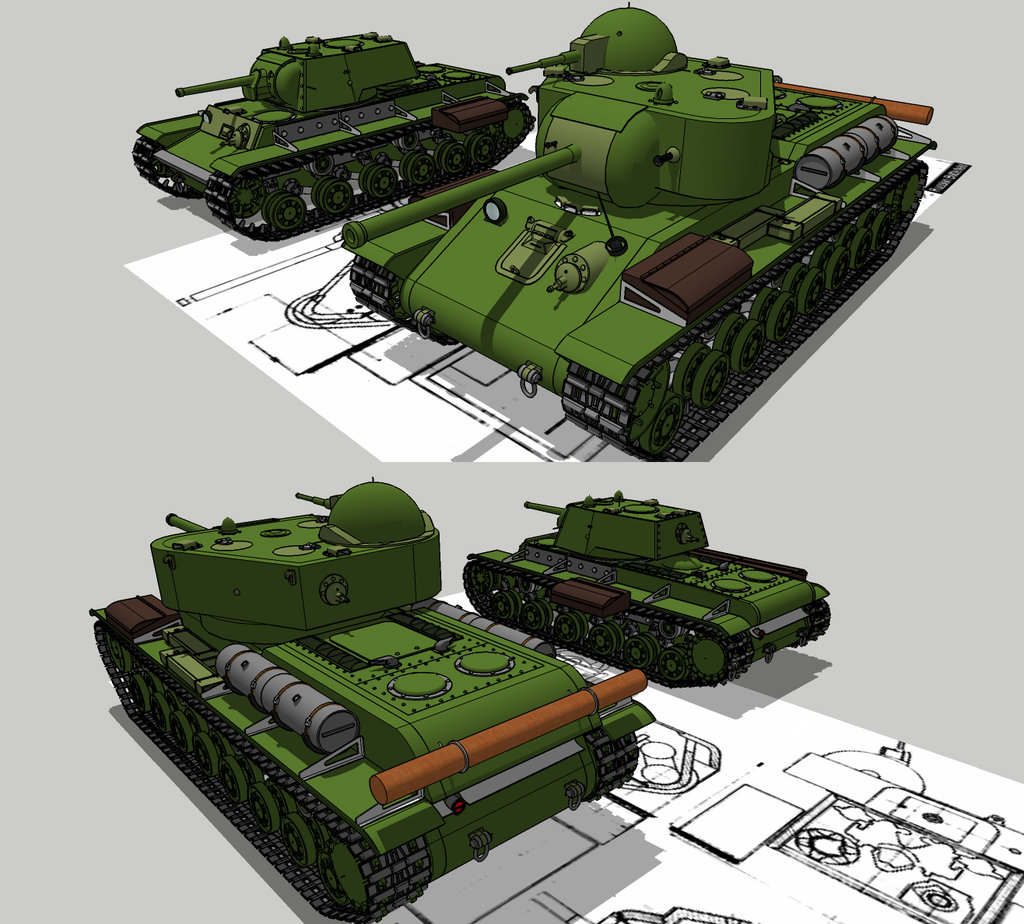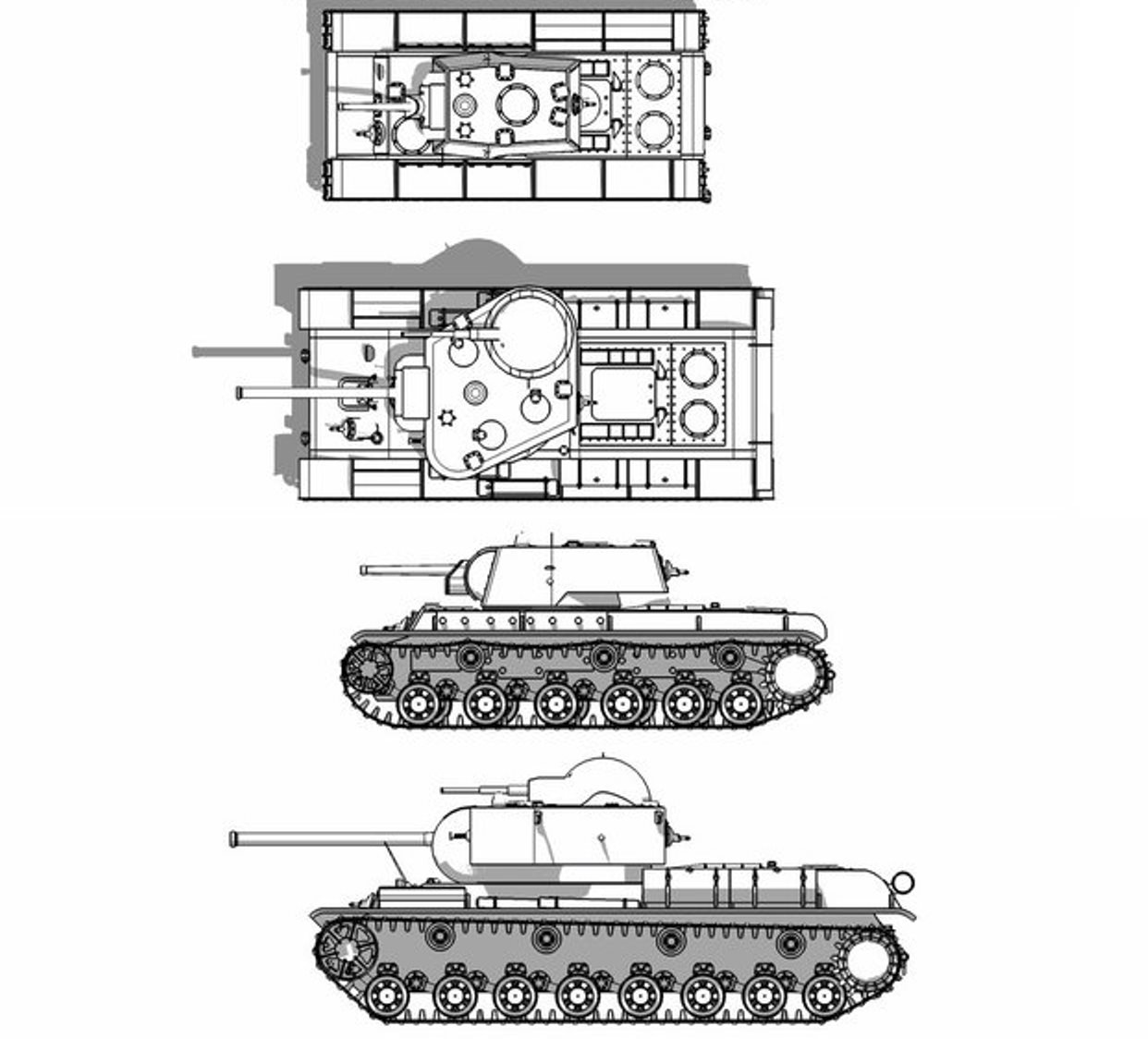
The KV-4 super-heavy tank project, designed by S.V. Fedorenko, a designer at the Kirov Plant who specialized in tank armament
In the late 1930s, tank manufacturing received a powerful boost. After about a decade and a half of relative calm, the world once again found itself on the brink of a major war, which broke out in September 1939. The war gave the tank industry a powerful boost in terms of development, with new technical specifications emerging virtually every year, which led to the launch of projects for more advanced models of armored vehicles.
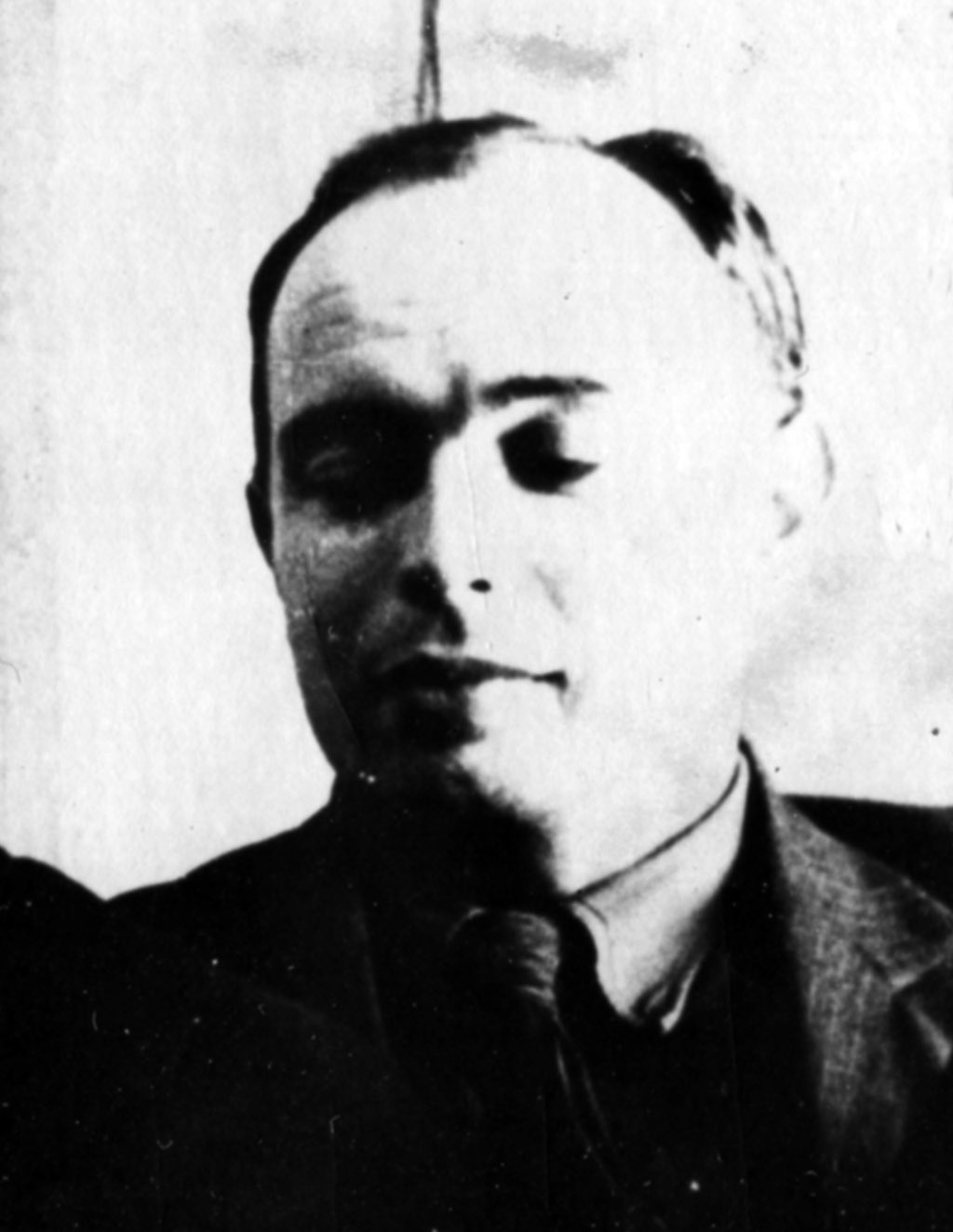
S.V. Fedorenko, tank armament specialist at the Kirov Plant
A similar situation was observed with Soviet heavy tanks. In December 1939, the Red Army adopted the KV heavy tank. At the time, it was the most advanced heavy tank in the world, but as early as the summer of 1940, the Red Army’s Main Armament Directorate (GABTU KA) issued a directive to develop even more advanced tanks—the “small” (T-150) and “large” (T-220) modernization versions. This marked the first step toward the development of even larger tanks. This included a whole series of KV-4 super-heavy tanks, the development of which was entrusted to several dozen employees of Design Bureau SKB-2 at the Kirov Plant. Among them was S.V. Fedorenko, who worked on the tank’s artillery armament.
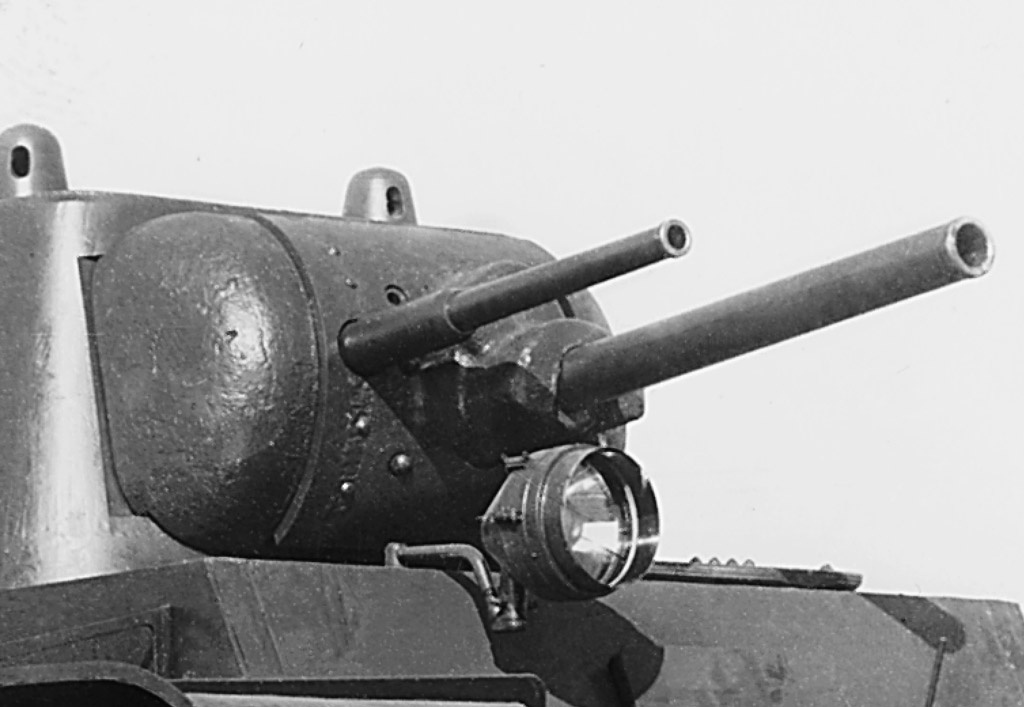
The installation of KV weaponry is part of its development
Compared to other tank designers who worked on heavy tanks, Sergei Vasilievich Fedorenko was somewhat overshadowed. But in reality, he was a very important figure in the history of the KV tank. Fedorenko began working at the Krasny Putilovets plant back in 1930, having graduated, like N.F. Shashmurin, from the Leningrad Polytechnic Institute. His primary focus was the development of artillery armaments, particularly for tanks. And in this field, he achieved considerable success.
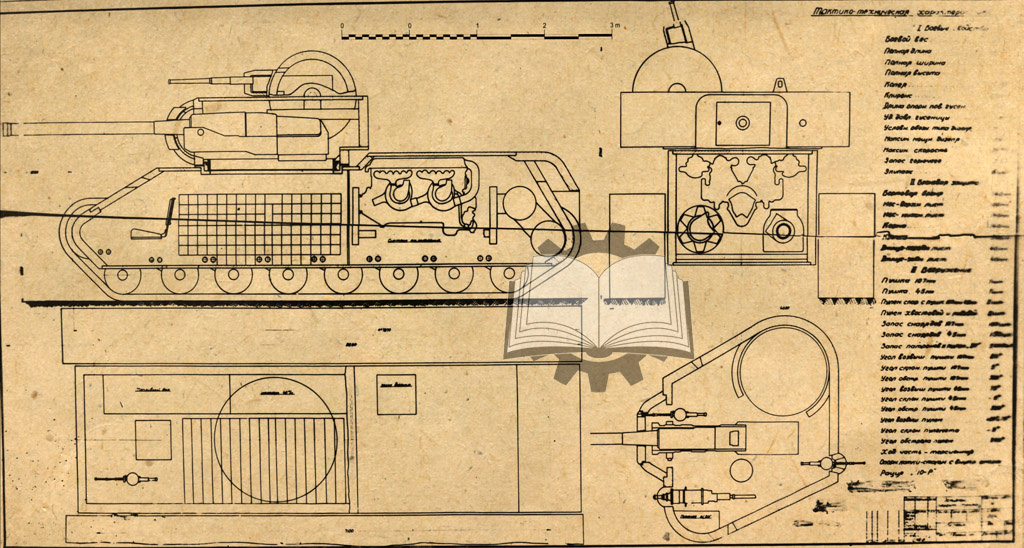
Fedorenko’s KV-4 Project
Fedorenko was one of the pioneers in the development of the KV heavy tank. He was the designer of the KV’s gun mount. The system, featuring massive cast fixed armor that was bolted to the turret, later became typical for the KV family of tanks. It was also adopted for the cast hexagonal turret of the T-34. The system proved quite successful; it was not abandoned until 1944, due to the increased firepower of artillery, which had become capable of destroying such mounts. Until then, it had been a system that was very convenient to install and maintain.
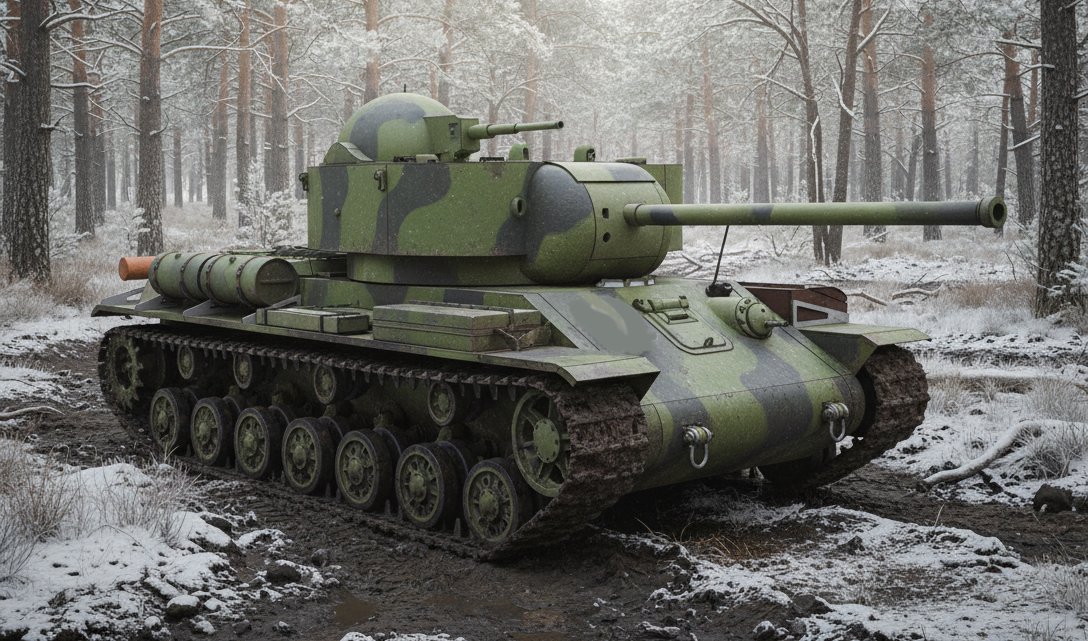
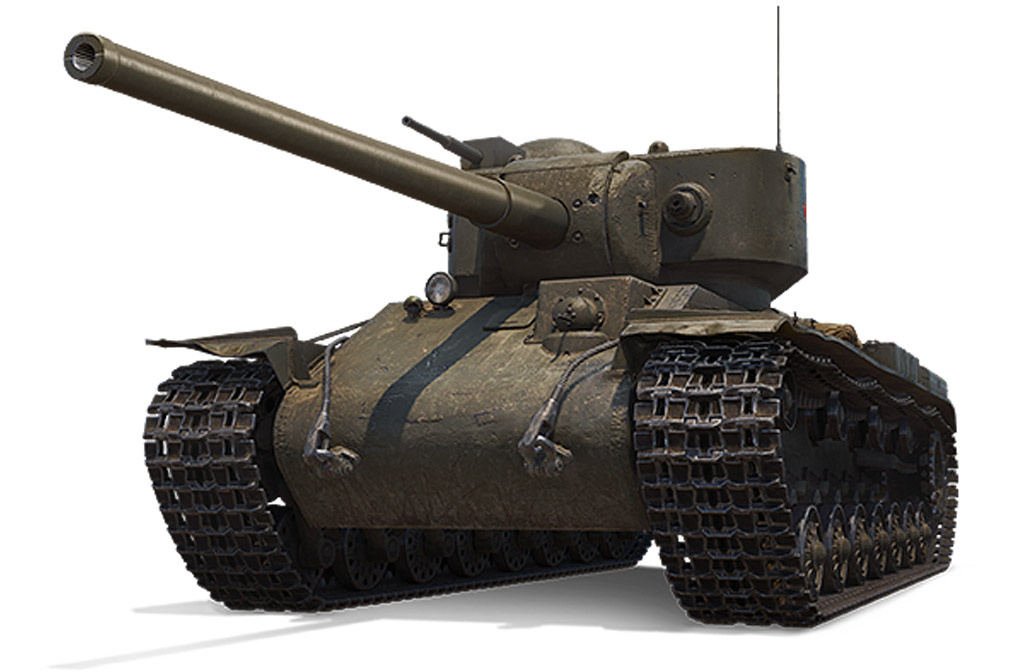
One of the reconstructions of this tank
Fedorenko’s relative obscurity, compared to other Leningrad tank builders, is quite understandable. He worked in a rather narrow—albeit important—field. In any case, the vast majority of the Kirov Plant’s projects could not have been carried out without his involvement. However, in the spring of 1941, he, too, had to turn his attention to tanks. On March 11, 1941, a Soviet intelligence report on the German military-industrial complex was released. Among the information was mention of a certain German 90-metric-ton tank equipped with a 105-mm gun. The gun system was identified as a German 105-mm anti-aircraft gun; its presence rendered the armor of the tanks planned for production at the Kirov Plant insufficient.
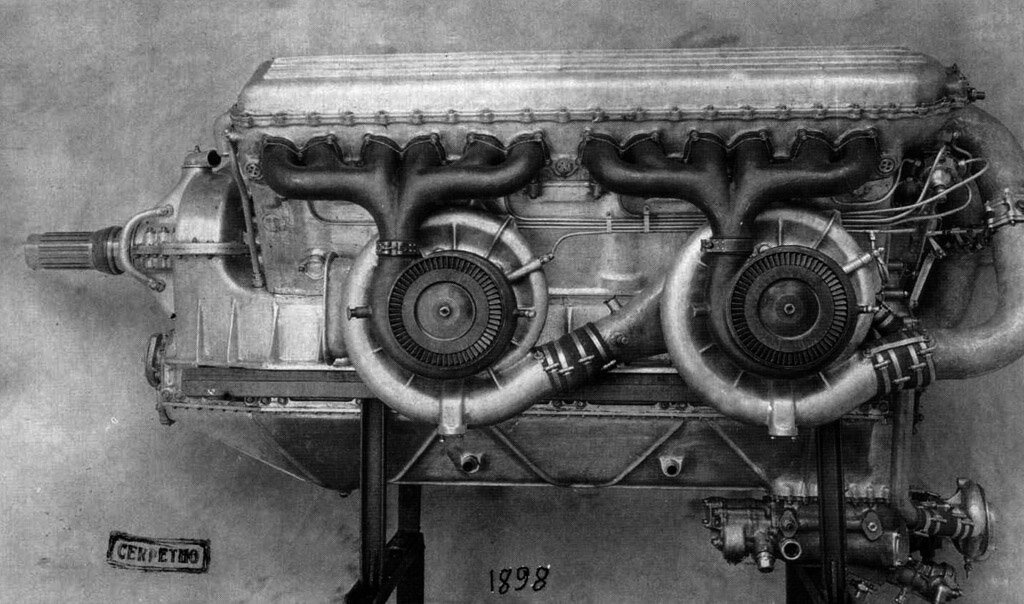
This tank was powered by an M-40 engine
Instead of the T-222 (a development of the T-150), which was supposed to enter mass production under the designation KV-3, a new KV-3 (T-223), which was much heavier, with a more powerful engine and a 107-mm F-42 (ZIS-6) gun. Moreover, this tank was considered a temporary solution before an even larger combat vehicle was put into service. Exactly which one remained under consideration at GABTU KA. The KV-4 seemed like the logical choice, but exactly what this tank should look like still had to be decided. Therefore, a design competition was launched at the Kirov Plant, initiated by Zh. Ya. Kotin, head of SKB-2, and supported by the plant’s director, I. M. Zaltsman.
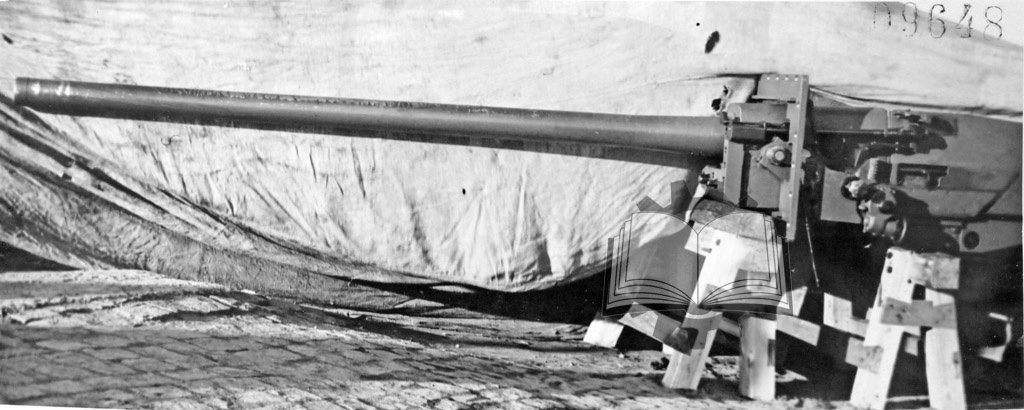
107-mm ZIS-6 gun, main armament
All designers at the Kirov Plant who had even the slightest experience with such projects were invited to participate in the competition. The incentive was a prize to be awarded based on the results of the review. The contestants were given a considerable degree of freedom in terms of design. Specifications included the engine (an M-40 with 1,200 l.s. of power, which was being developed at the Kirov Plant), combat weight (80–100 metric tons), and a turreted weapon system, though a multi-turret configuration was also permitted. In the end, more than two dozen designs were submitted. Of these, Fedorenko managed to create the most outlandish tank.
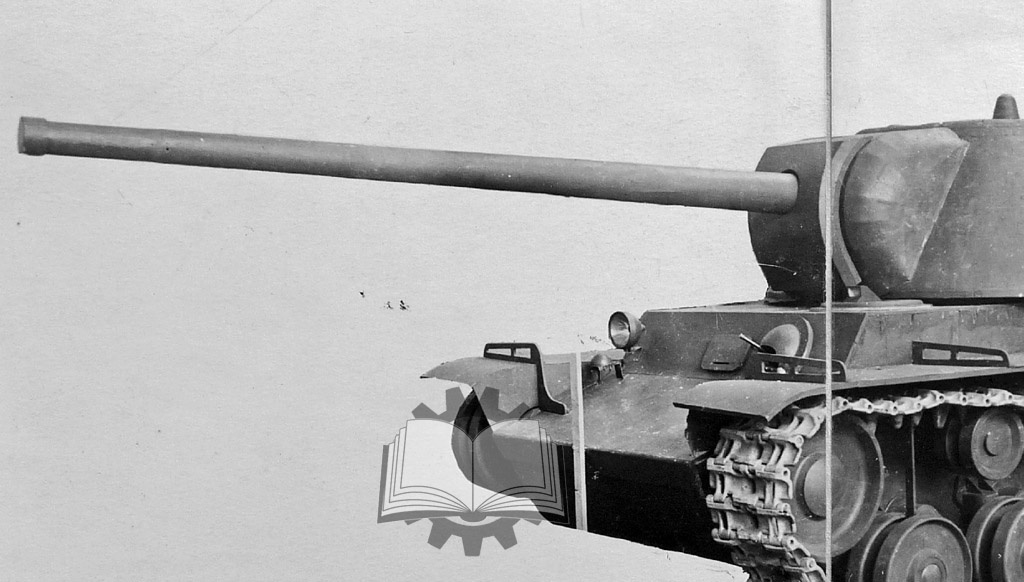
The gun mount was similar to that of the KV-3. Fortunately, it was designed by the same person.
As far as the KV-4 chassis was concerned, Fedorenko took a fairly laid-back approach. The combat weight came in at around 98.5 metric tons, which isn’t particularly heavy for a KV-4. The turret was the project’s main feature. It is perhaps the strangest turret among Soviet tanks of that period. It turned out to be asymmetrical (shaped like a parallelepiped when viewed from above), due to the designer’s desire to house two guns and a flamethrower inside it. Fedorenko placed the flamethrower in a recess on the left side. The only traditional element was the ZIS-6 gun mount, which was bolted to the turret.
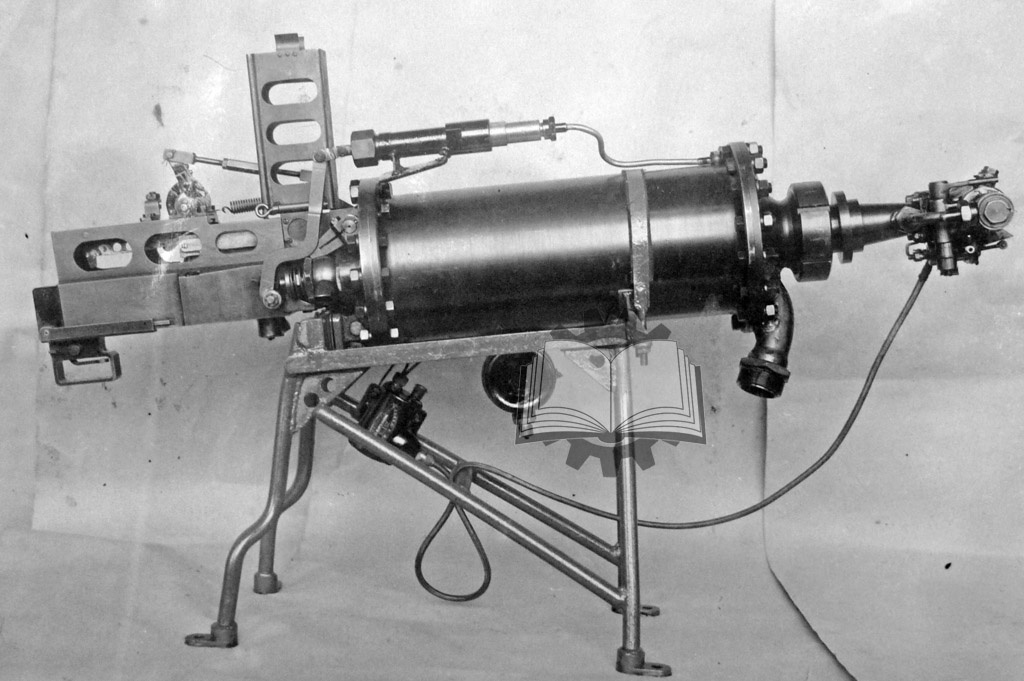
The A.T.O. powder-fueled flamethrower, as specified in the design
The most unusual design choice was the placement of the 45-mm gun, which had been specified in the requirements. Fedorenko mounted it in a spherical turret; this decision was made with the intention that the gun could be used as an anti-aircraft weapon. This configuration allowed for firing at elevation angles of up to 75 degrees. It could be said that Fedorenko anticipated the development of a system such as the spherical turret of the German Flakpanzer Kugelblitz self-propelled anti-aircraft artillery vehicle.
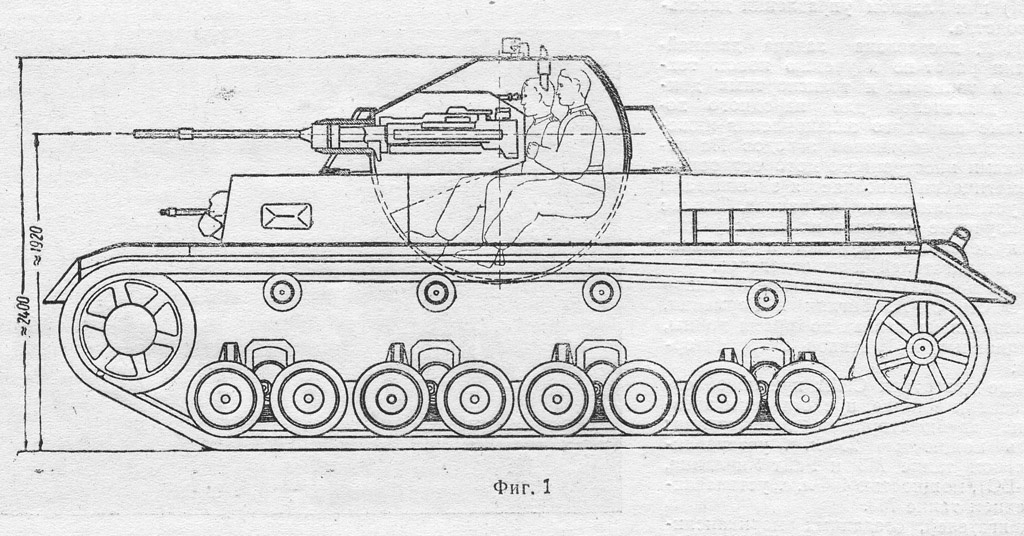
The Flakpanzer Kugelblitz anti-aircraft turret: similar ideas led to similar results
It was obvious that such a tank design was not practical. Consequently, Fedorenko’s design did not even make the list of finalists in the competition. But it would have been strange to expect anything else from a designer who specialized in artillery weapons. Unlike the KV-4 project, Fedorenko’s career turned out quite well. Sergei Vasilyevich made a significant contribution to the development of Soviet heavy tanks, and his teaching career spanned more than four decades.
List of Sources:
-
-
- Central Archives of the Ministry of Defense of the Russian Federation
- Central State Archives of St. Petersburg
- Tank Industry Bulletin
- famhist.ru
-