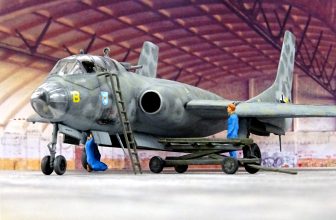
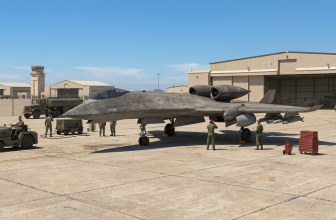
What Will Russia’s New Strategic Bomber Look Like? What If Tupolev Revived the Legendary Tu-16 as the Tu-216?

The Soviet Tu-16 became one of the most successful jet bombers of the 20th century. Reliable, relatively inexpensive, and versatile, it could carry a wide variety of weapons, including the enormous nine-ton FAB-9000 bomb. However, today the Russian Aerospace Forces have no aircraft specifically adapted to carry and deploy this extremely heavy bomb. Even modern strategic missile carriers have no confirmed capability to use it, particularly when equipped with a prospective Universal Gliding and Correction Module (UMPK).
Meanwhile, the development of aerial bombs equipped with UMPK kits and the introduction of three-ton guided munitions raise the question of whether a new specialized carrier aircraft is needed. What if the Tupolev Design Bureau decided to revive the concept of the legendary Tu-16 using entirely modern technology? Imagine a twin-engine bomber incorporating stealth features, internal weapons bays, and the ability to carry either three FAB-3000 bombs equipped with UMPK kits or a single nine-ton FAB-9000 fitted with a specially developed glide and guidance module.
Such an aircraft could be the Tu-216 — a hypothetical successor to the Soviet bomber, powered by two powerful engines derived from the Tu-160. How might this aircraft have been developed, what characteristics could it have possessed, and how useful might it have proved in modern combat operations? Let us explore this possibility through an alternative-history scenario.
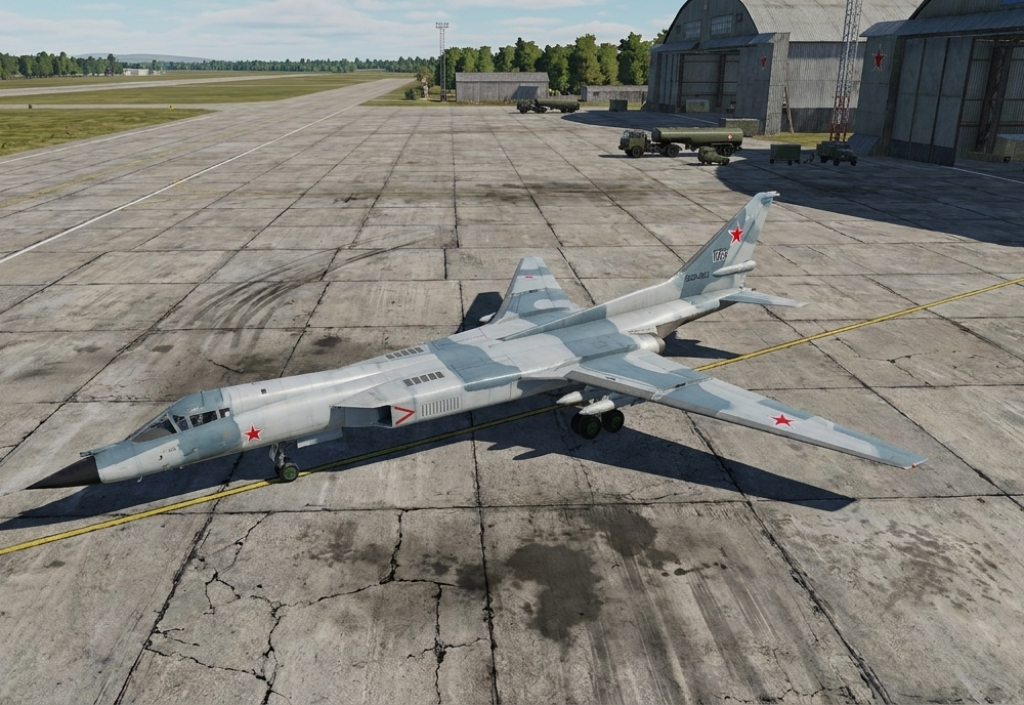
A New Generation of Bombs Required a New Aircraft
By the mid-2020s, the use of aerial bombs equipped with UMPK kits had become one of the most notable developments in Russian aviation tactics. These relatively inexpensive conversion kits transformed conventional free-fall bombs into guided glide munitions.
Initially, the main emphasis was placed on bombs of relatively small calibers. However, in 2024, evidence emerged confirming the use of FAB-3000 bombs equipped with UMPK kits.
In our alternative timeline, this development became the starting point for a new aviation program.
The Su-34 remained an effective tactical bomber, but carrying heavy munitions on external hardpoints imposed limitations on its aerodynamics and operational capabilities.
This led to the concept of a specialized aircraft featuring internal weapons bays, substantial payload capacity, and extended range.
Initially, the possibility of modernizing existing bombers was considered. However, it gradually became clear that regular employment of particularly heavy munitions would require an entirely new platform.
In 2026, according to our scenario, the Tupolev Design Bureau received a preliminary requirement to develop an advanced twin-engine bomber.
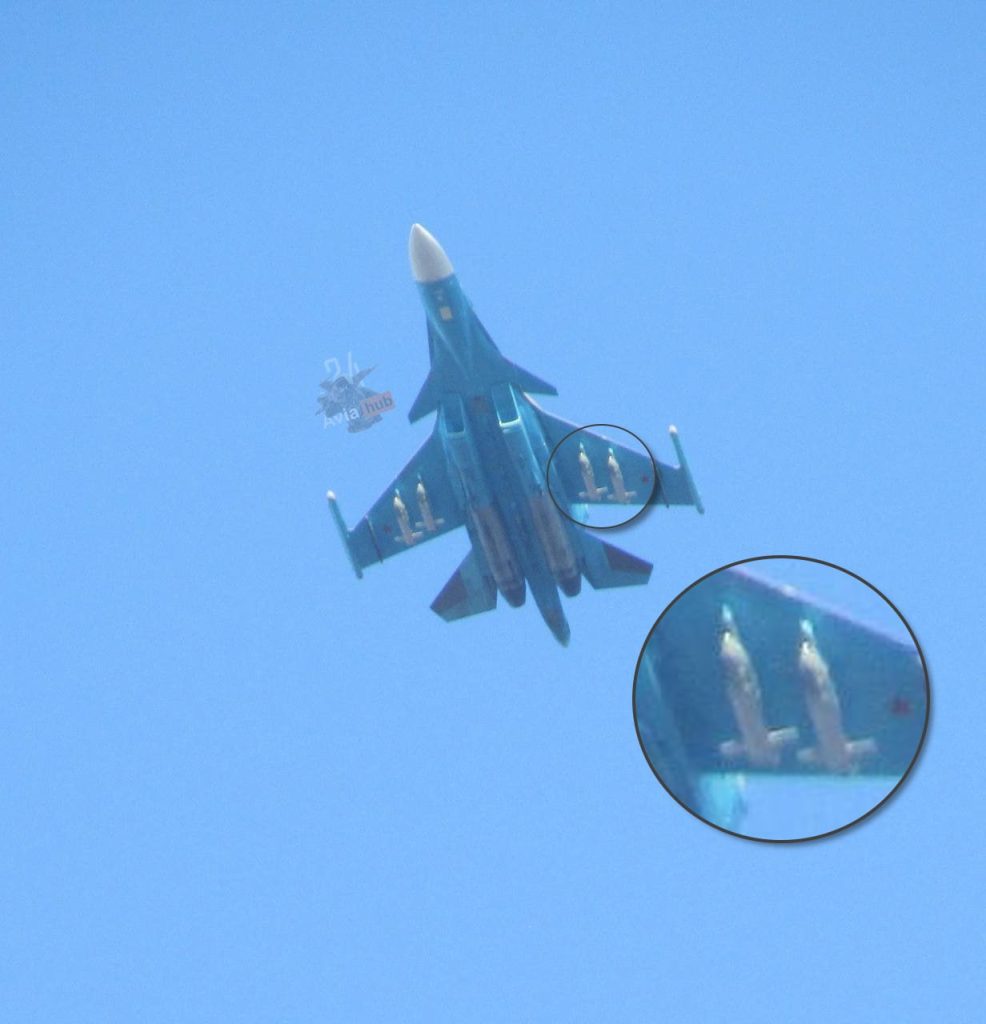
Su-34 carrying four FAB-250 bombs equipped with UMPK kits
Return of a Legend: Why the Tu-16?
The designers decided to revisit the concept behind the famous Tu-16, which had made its maiden flight back in 1952.
Naturally, this did not mean creating a literal reproduction of the old aircraft. The new bomber would inherit only the basic principles of its predecessor: two powerful engines, a relatively simple design, substantial fuel capacity, and operational versatility.
The project received the provisional designation Tu-216.
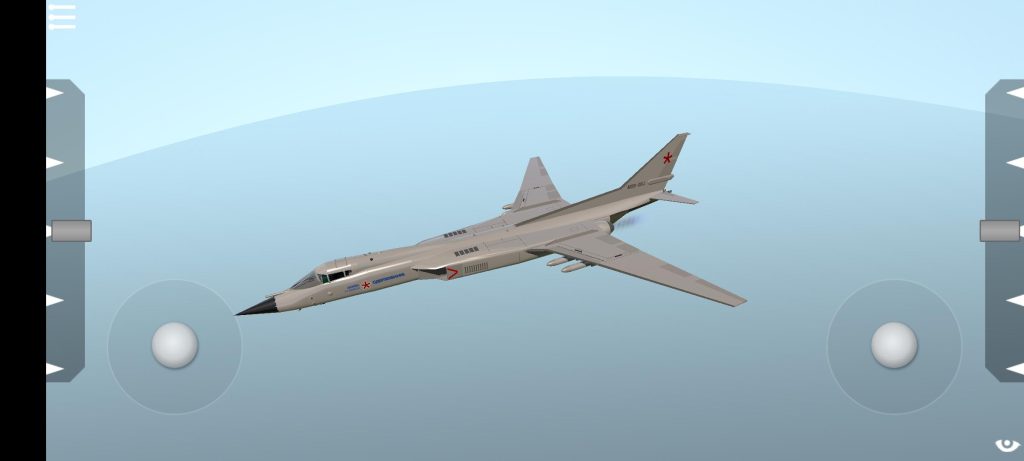
Its appearance, however, was entirely modern. The swept wing was retained, but the fuselage geometry was redesigned to meet requirements for reduced radar visibility.
Unlike the Tu-160, the new bomber did not feature variable-sweep wings. Eliminating this complex mechanism reduced structural weight and simplified maintenance.
The aircraft’s weapons were housed in internal bays, eliminating the need for external stores that would otherwise degrade aerodynamic performance and increase radar visibility.
Of course, the aircraft was not intended to be a fully stealthy bomber comparable to the B-2 or B-21. The Tu-216 was designed as a compromise between reduced observability, payload capacity, and cost.
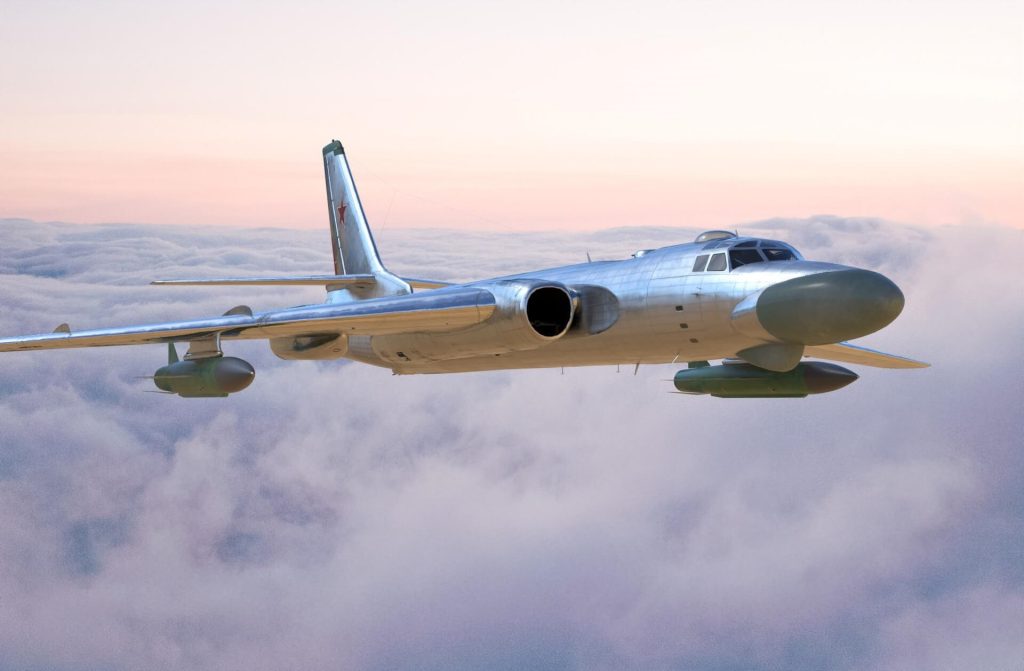
Tu-16
Just Two Engines — But From the “White Swan”
One of the most interesting design decisions was the use of two NK-32-02 afterburning turbofan engines developed for the modernized Tu-160M.
This is a real powerplant that underwent flight testing aboard the upgraded “White Swan” back in 2020.
In the alternative project, these powerful engines made it possible to use just two powerplants instead of the four installed on the Tu-160.
At the same time, the new aircraft was considerably lighter than its strategic predecessor.
The designers abandoned attempts to achieve speeds exceeding Mach 2. Subsonic flight was intended to be the primary operating mode, while supersonic speed was regarded as an additional capability.
This approach allowed development efforts to focus on range, payload capacity, and operating economy.
However, using existing engines did not automatically make the project cheaper. The NK-32-02 remained a complex and expensive powerplant, while developing an entirely new airframe required a separate testing program.
Three FAB-3000 Bombs or One Nine-Ton “Tsar Bomb”
The defining feature of the Tu-216 was its armament. Unlike the Tu-160, which was designed primarily to carry cruise missiles, the new aircraft was intended as a carrier of heavy aerial bombs.
In its standard configuration, the aircraft could carry three FAB-3000 bombs equipped with UMPK kits. A spacious internal weapons bay was provided for this purpose.
However, the most unusual part of the program was the development of a special glide and guidance module for the FAB-9000.
This nine-ton aerial bomb, originally developed in the Soviet Union, was among the heaviest conventional aerial munitions ever produced. In our alternative history, the designers decided to adapt it to modern requirements.
The new module was intended to transform the enormous free-fall bomb into a guided glide weapon.
This was where the developers encountered their greatest difficulties. The bomb’s weight, dimensions, and the need to accommodate additional equipment made the task far more complicated than simply enlarging an existing UMPK kit.
A dedicated research program was required, and the feasibility of safely carrying and deploying such a system remained a subject of debate for a considerable time.
As a result, the Tu-216 effectively had to be designed around the requirements for internally carrying extremely heavy weapons.
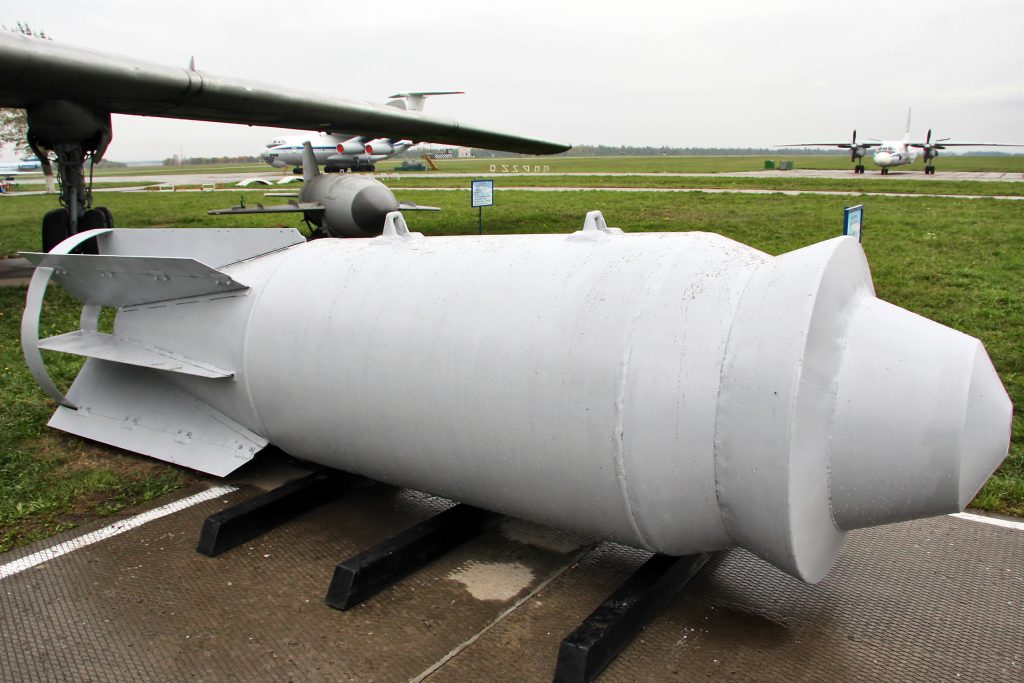
FAB-9000
From the Drawing Board to the First Flight
In our scenario, full-scale development began in 2027. The Kazan Aviation Plant named after S. P. Gorbunov, which already had extensive experience working with heavy Tupolev aircraft, became the program’s lead manufacturing facility.
By 2028, the aircraft’s technical configuration had been finalized, and production of the first components for the prototype began the following year.
Particular attention was paid to fuselage strength, propulsion system performance, onboard electronic equipment, and the fly-by-wire flight control system.
Organizational difficulties arose at the same time. The Kazan plant was already involved in other aviation programs, so a separate network of manufacturing partners had to be established for the Tu-216.
The aircraft was originally expected to make its maiden flight in 2030, but the schedule had to be revised.
The prototype Tu-216 finally made its first flight in the spring of 2031.
Testing confirmed the feasibility of operating a twin-engine aircraft of this class, but also revealed several shortcomings. Aerodynamic performance, aircraft handling under different flight conditions, and the operation of the internal weapons bays proved particularly challenging.
Following modifications, a second prototype was built in 2033.
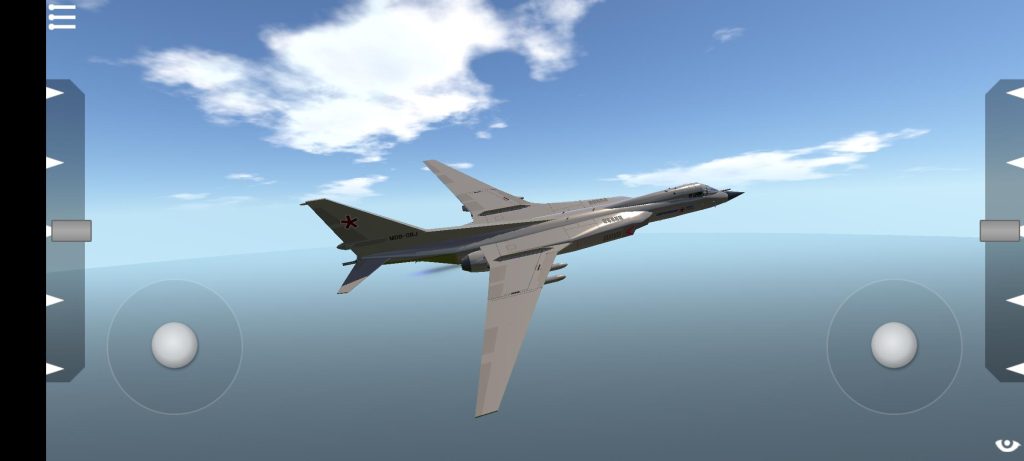
What Were the Tu-216’s Specifications?
According to the designers’ concept, the new aircraft was intended to occupy an intermediate position between the Su-34 tactical bomber and the Tu-160 strategic missile carrier.
It could officially have been assigned to long-range aviation, although its combination of range and payload did not make it a full replacement for an intercontinental strategic bomber.
Tu-216 — Estimated Specifications
- Crew: 2
- Length: Approximately 35 m
- Wingspan: Approximately 34 m
- Engines: 2 × NK-32-02
- Maximum takeoff weight: Approximately 125 metric tons
- Maximum speed: Approximately 1,500 km/h
- Ferry range: Up to 7,000 km
- Service ceiling: Approximately 13,000 m
- Estimated combat payload: Up to 12 metric tons
- Primary armament: 3 FAB-3000 bombs with UMPK kits or 1 FAB-9000 bomb with a specially developed UMPK kit
Fictional reconstruction, not the specifications of a real aircraft.
These figures represent approximate parameters for a fictional project. They have not been verified through engineering calculations, and the feasibility of accommodating the proposed weapons in internal bays would require separate technical justification.
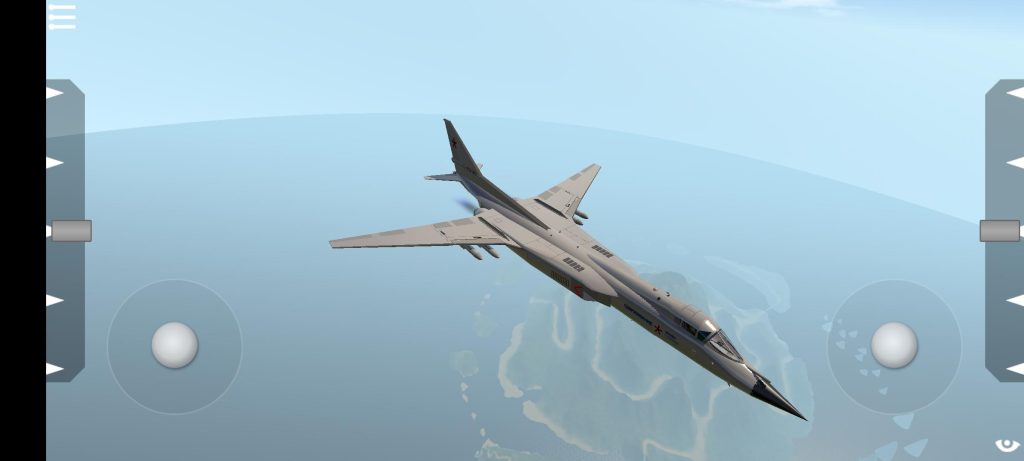
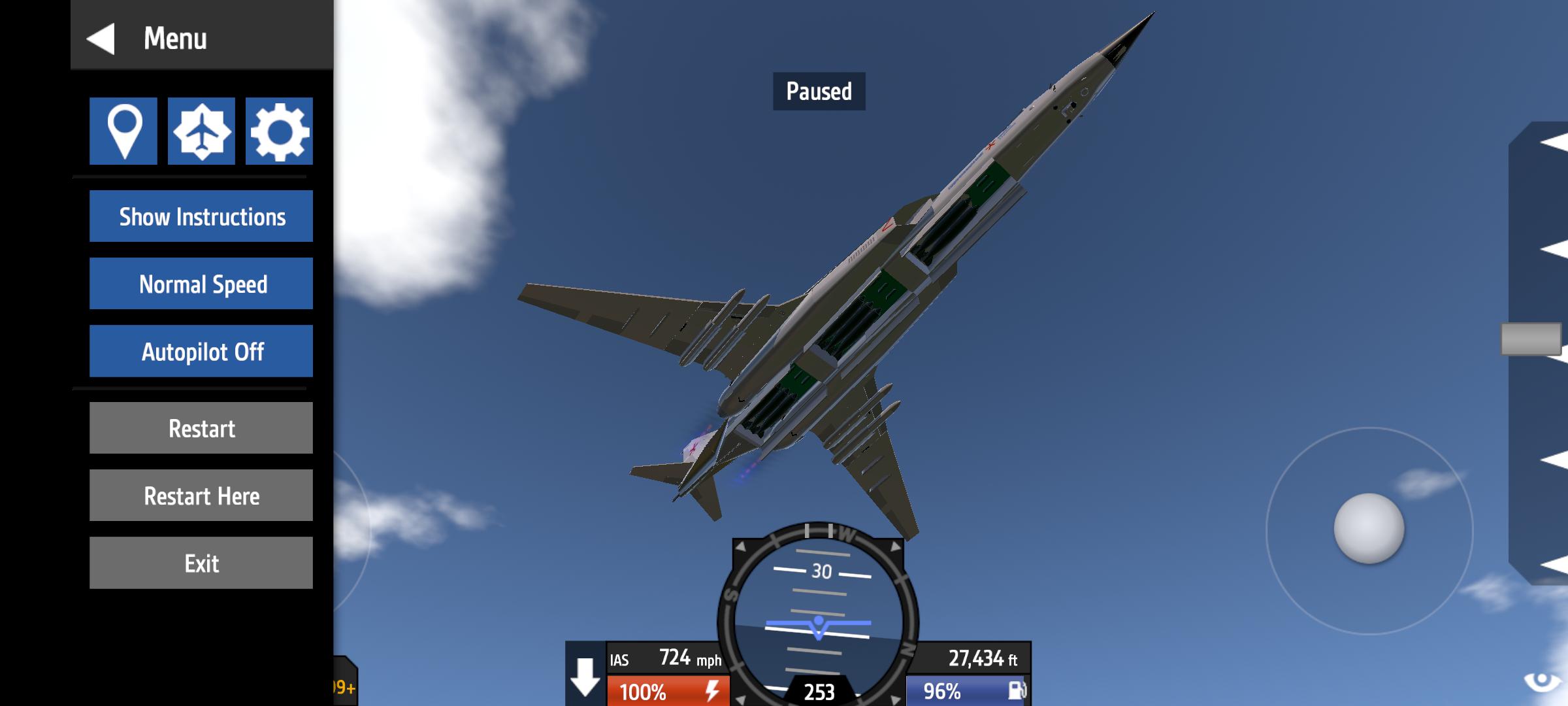
Image of the hypothetical Tu-216
First Combat Deployment
In our alternative history, the first production Tu-216 bombers began entering service with Russian long-range aviation units in 2034.
Initially, the new aircraft were used primarily for training flights, equipment evaluation, and familiarization with heavy guided munitions.
However, the following year, several aircraft participated in a limited combat operation as part of the prolonged Ukrainian crisis.
The main objective was to evaluate the new aviation platform under actual combat conditions. The aircraft were employed as carriers of heavy precision-guided munitions, with their performance assessed primarily in terms of system reliability and safety.
FAB-3000 bombs equipped with UMPK kits were used initially. Testing revealed additional requirements concerning aircraft maintenance, weapons preparation, and flight operations.
The most significant event of the program was the first limited operational use of a nine-ton FAB-9000 fitted with an experimental glide module.
The episode attracted considerable attention, but its practical results proved significantly more modest than originally expected.
It became clear that such an exceptionally heavy munition had a narrow range of applications. Its use required extensive preparation, while the cost and complexity of its operation were not always justified by the results achieved.
Consequently, the FAB-9000 equipped with a UMPK kit never became the Tu-216’s principal weapon. The ability to carry several smaller munitions proved far more valuable.
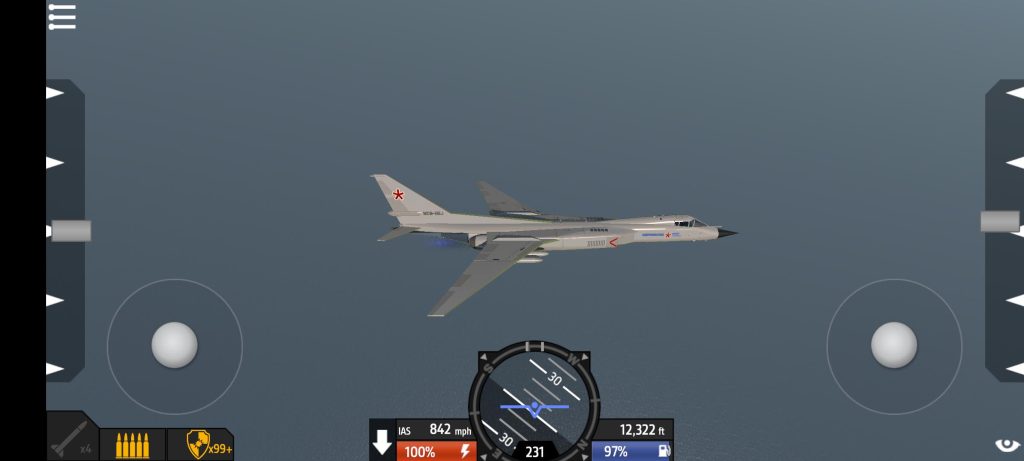
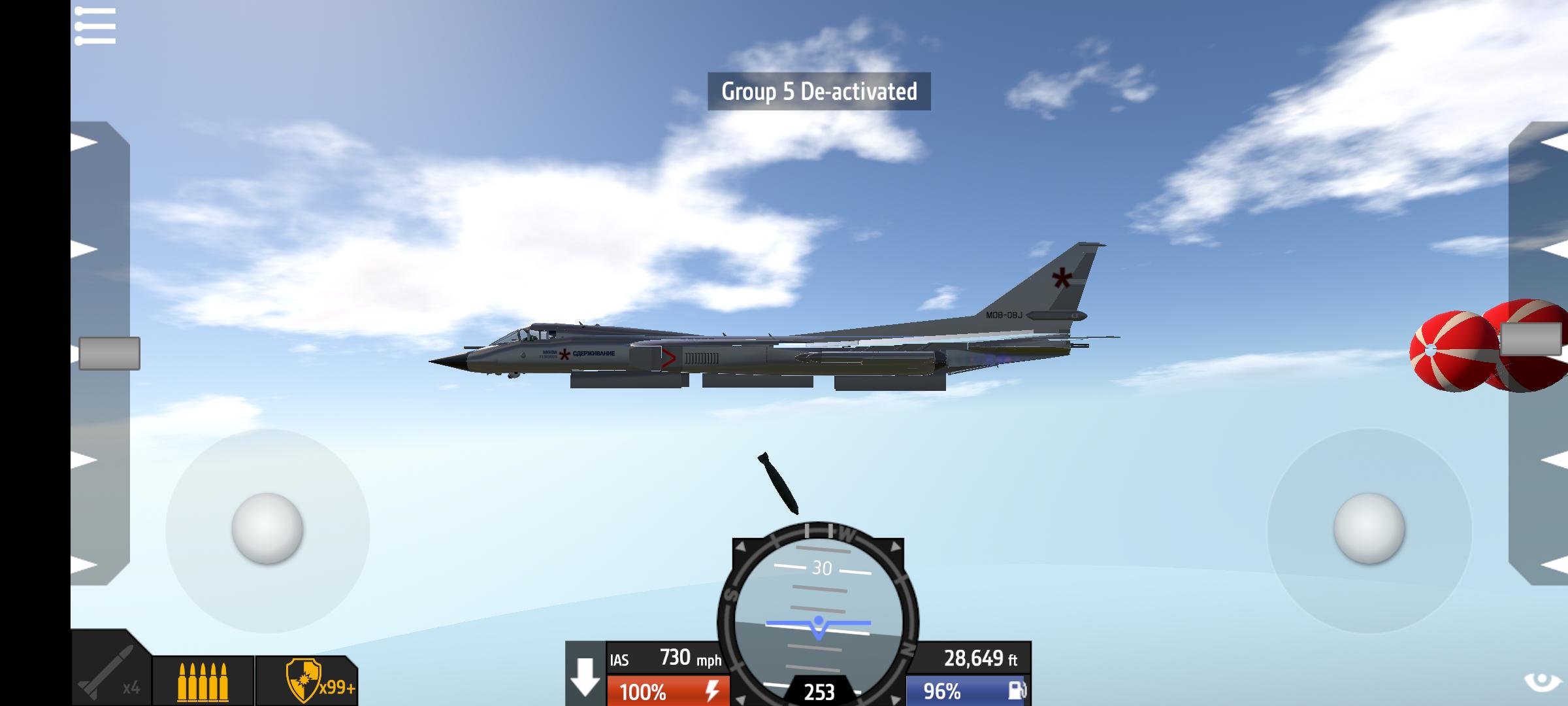
Image of the hypothetical Tu-216
A New Tu-16 or an Overly Expensive Specialized Aircraft?
By the end of 2035, according to our scenario, the Russian Aerospace Forces operated a small fleet of Tu-216 bombers.
The aircraft demonstrated several advantages over tactical aircraft carrying heavy aerial bombs on external hardpoints. Internal weapons carriage provided better aerodynamics and reduced certain detectable signatures.
However, the project encountered a familiar problem associated with specialized military equipment: high costs combined with a relatively narrow range of missions.
Two NK-32-02 engines, sophisticated onboard equipment, and the development of an almost entirely new airframe made the Tu-216 considerably more expensive than a conventional tactical bomber.
Its stealth capabilities also proved limited. The aircraft retained a detectable radar signature and could not be considered a full replacement for advanced strategic aviation systems.
Furthermore, the continued development of precision-guided weapons gradually changed the requirements placed on their carriers.
As a result, the military began to view the Tu-216 less as a specialized carrier of enormous aerial bombs and more as a versatile platform capable of employing different types of guided weapons.
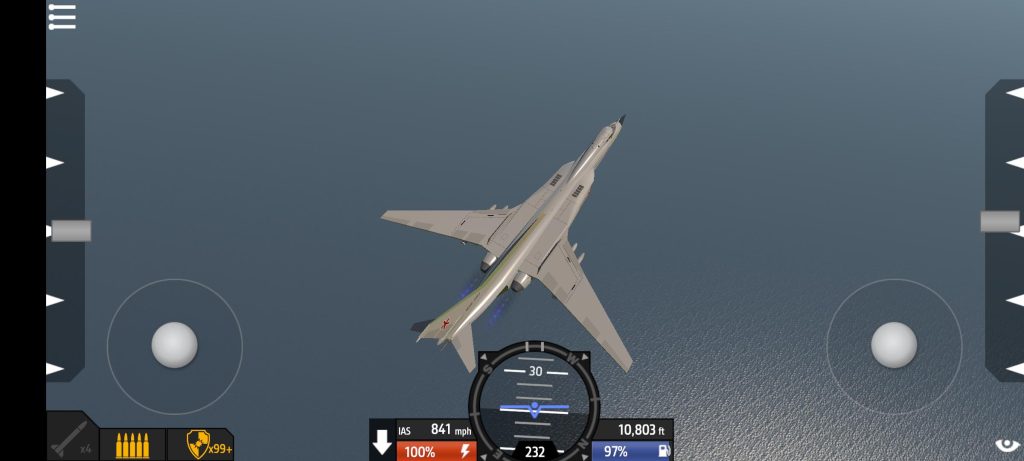
Image of the hypothetical Tu-216
Conclusion
Could such an aircraft have appeared in reality? From a technical standpoint, the basic concept of a twin-engine bomber using existing powerplants and components of modern aviation systems does not seem impossible.
However, implementing such a project in practice would require substantial investment and convincing justification of its advantages over existing aircraft.
The emphasis on a FAB-9000 equipped with a UMPK kit is particularly questionable. Even in an alternative-history scenario, such a weapon would be unlikely to enter widespread service.
Nevertheless, the concept of a modern successor to the Tu-16 deserves consideration. A relatively simple twin-engine bomber with long range, internal weapons bays, and the ability to carry various precision-guided munitions could occupy a distinct niche between tactical and strategic aviation.
Perhaps the main lesson of this alternative scenario is that the Tu-16’s most valuable legacy was not its specific technical solutions, but rather the concept of a versatile, mass-produced, and relatively economical combat aircraft.