The Steel Monsters of the Kaiserreich: What Would German Tanks Have Been Like If the Empire Had Survived?
 Danila Karpenko
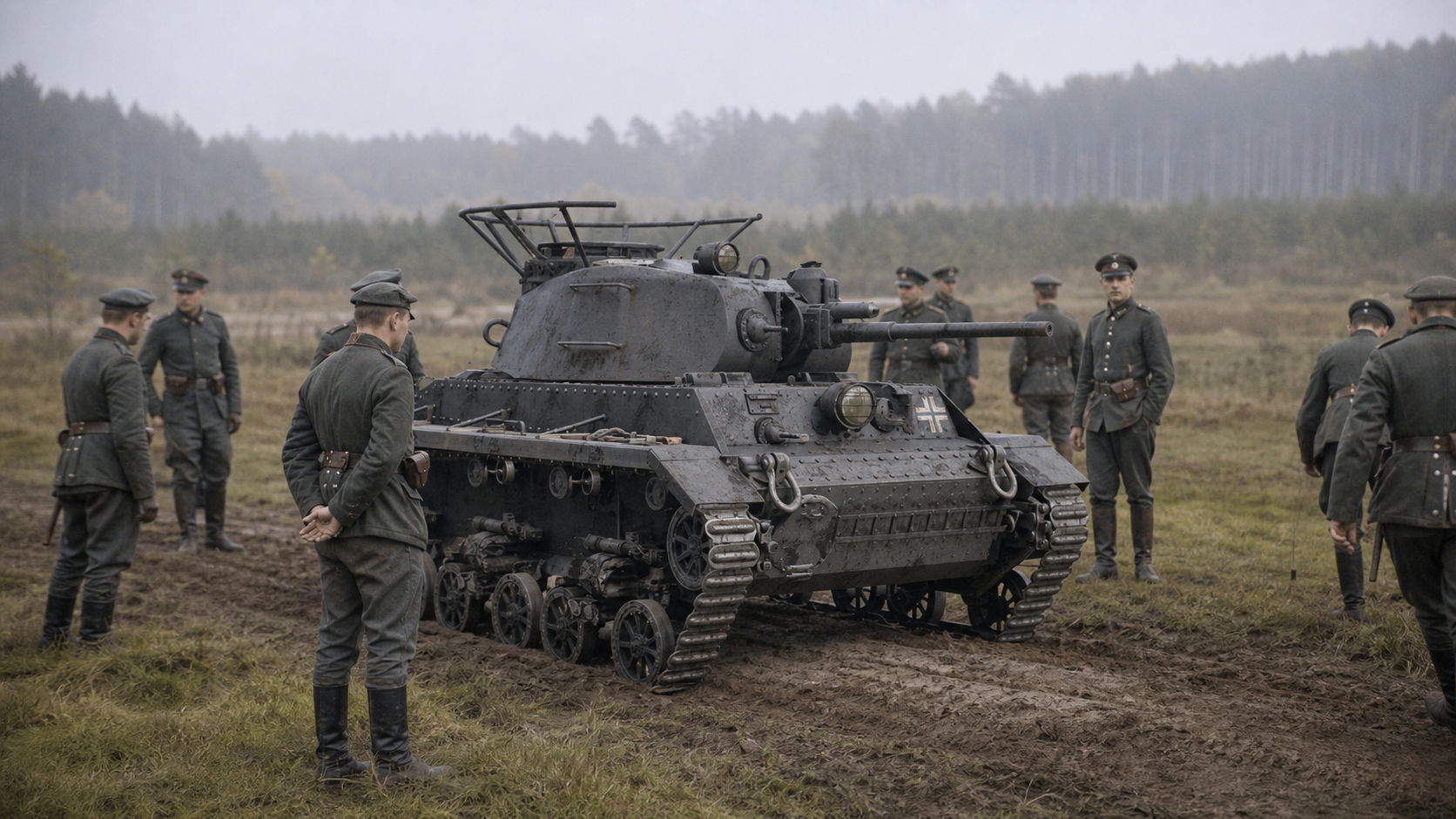
The outcome of World War I was not predetermined. There are numerous scenarios in which the Central Powers—and their leader, Imperial Germany (the Second Reich)—emerge victorious and survive. This article will not examine any specific scenario of victory: it is devoted entirely to military technology—and more specifically, to the tanks of the Kaiserreich.
What kinds of combat vehicles would have been developed in Germany in the 1920s and 1930s if the empire had survived? We present an alternative chronicle of the Second Reich’s armored vehicles.
Machine Descriptions:
“Kaiserwagen 2” — The Interwar Period
Tactical and Technical Specifications:
- Combat weight: 12.3 metric tons
- Dimensions: 4.3 m long, 2 m wide, 1.6 m high
- Engine: 12-cylinder, 14.4 L displacement
- Maximum speed: 33 km/h
- Armor: 50 mm
- Armament: 45-mm gun (barrel length 760 mm), armor penetration 80 mm
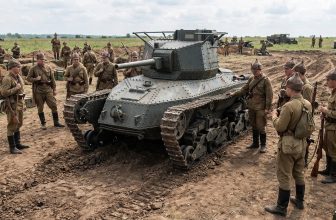
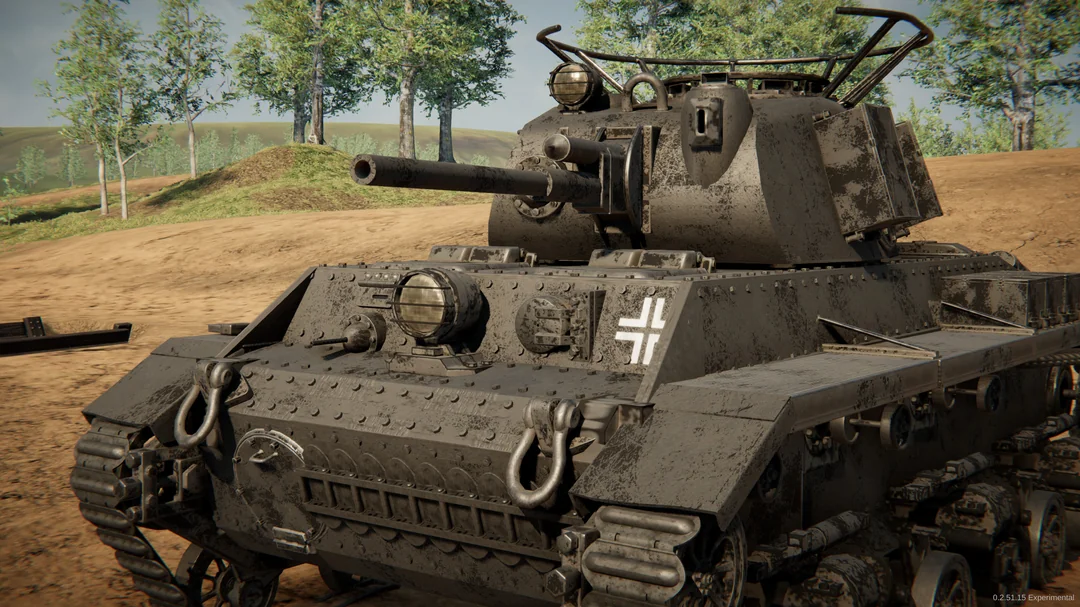
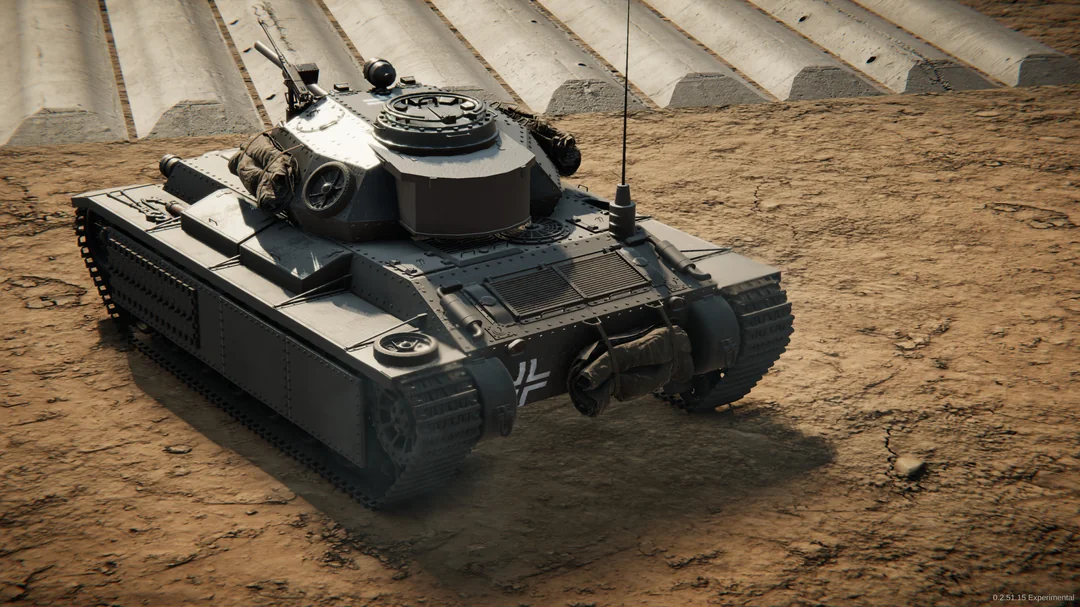
The “Kaiserwagen 2” was the first tank in the legendary series. Named after the empire’s armored flagship from the previous war, this tank had a number of shortcomings, but it also possessed useful design features that can be seen in the other tanks of the series: the turret design and overall internal layout became the benchmark for subsequent developments.
The vehicle still used a clutch-braking transmission and other features inherited from World War I, making it a bridge between eras.
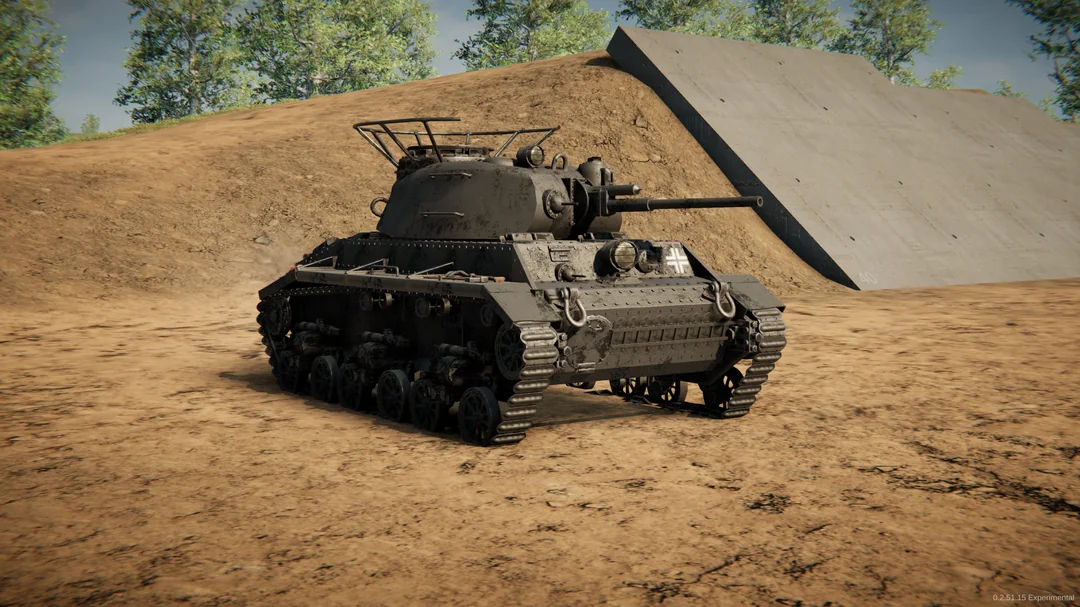
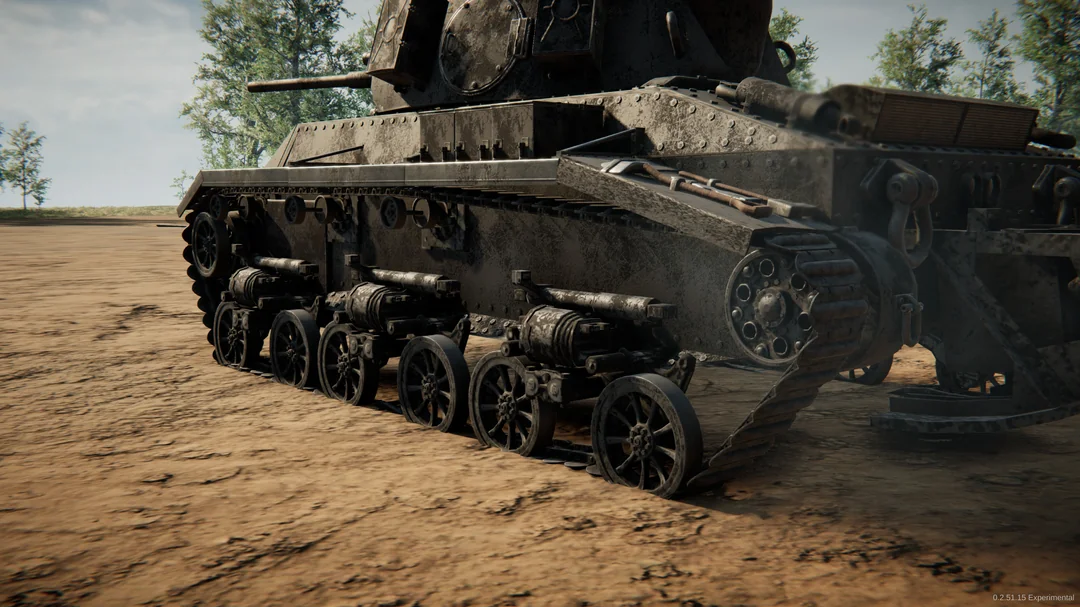
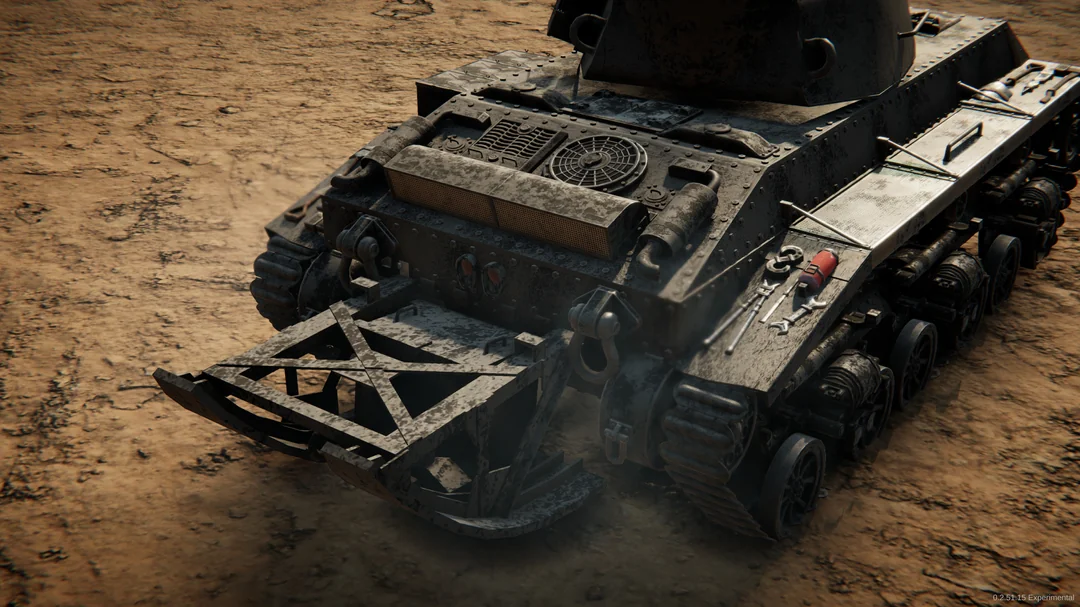
Kaiserwagen 2D — Early War
Modernization:
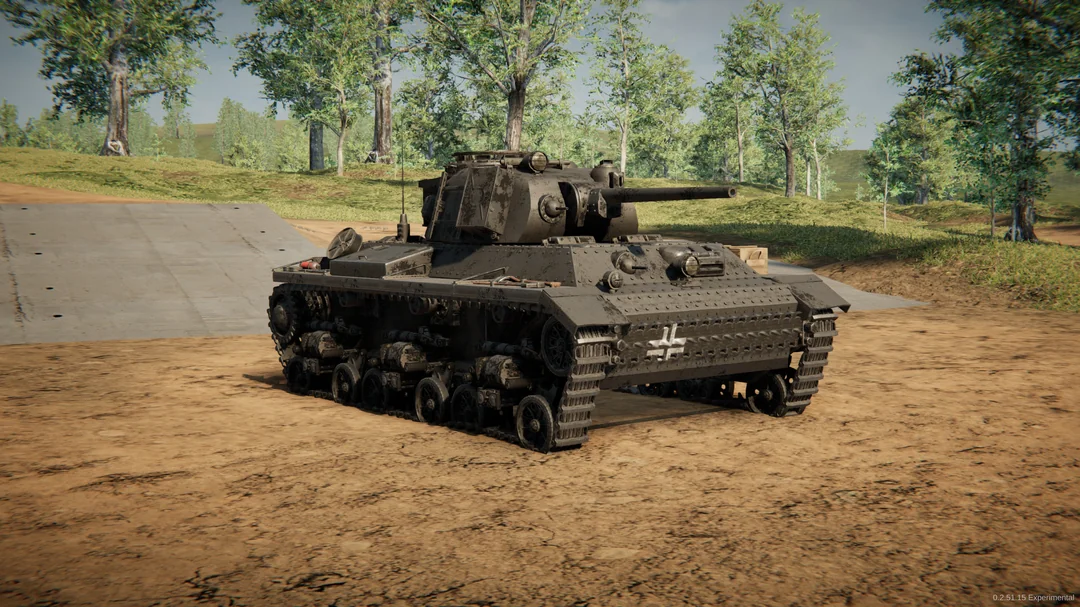
- Engine: replaced with a 20-cylinder, 16-liter engine
- Maximum speed: 51 km/h
- Transmission: two-speed
- Armor: increased to 60 mm
- Armament: a gun with a longer barrel, 102 mm penetration
Later upgrades included a new wheel design and an improved driver’s viewing window, both of which remained in use throughout the entire series. The outdated rear section, typical of trench warfare, was eliminated: improved mobility made it possible to easily cross trenches without special equipment.
“Kaiserwagen 3” — The Start of the War
Tactical and Technical Specifications:
- Combat weight: 27.4 metric tons
- Dimensions: 5 m long, 2.3 m wide, 1.7 m high
- Engine: 22-cylinder, 29.7 L displacement
- Maximum speed: 57 km/h
- Armor: 100 mm
- Armament: 68-mm gun (barrel length 760 mm), armor penetration 140 mm
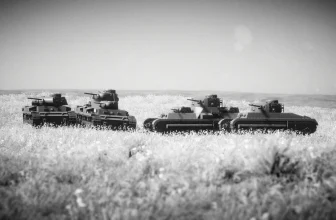
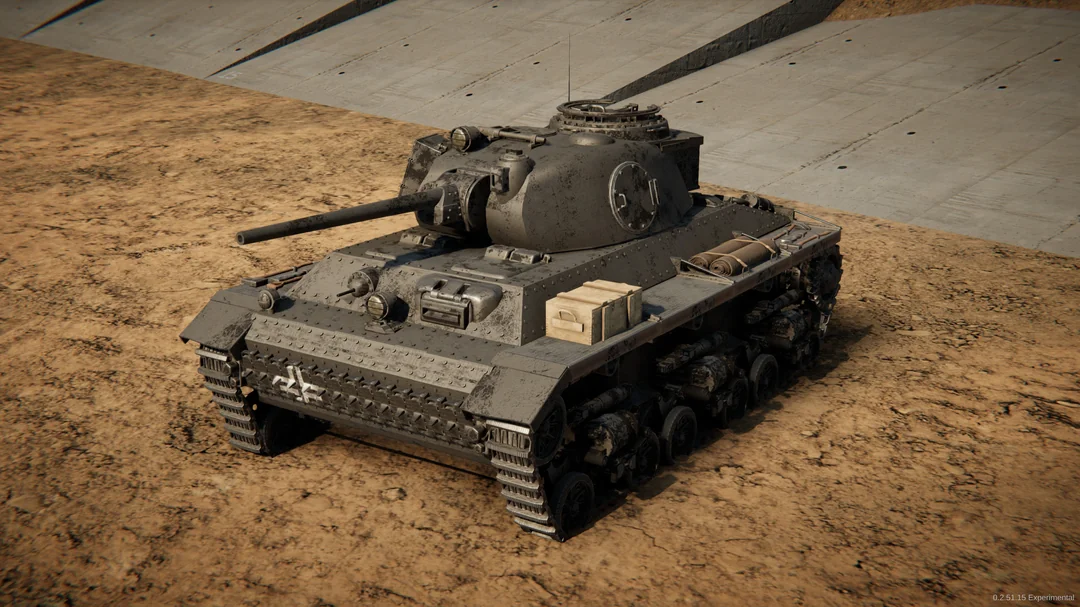
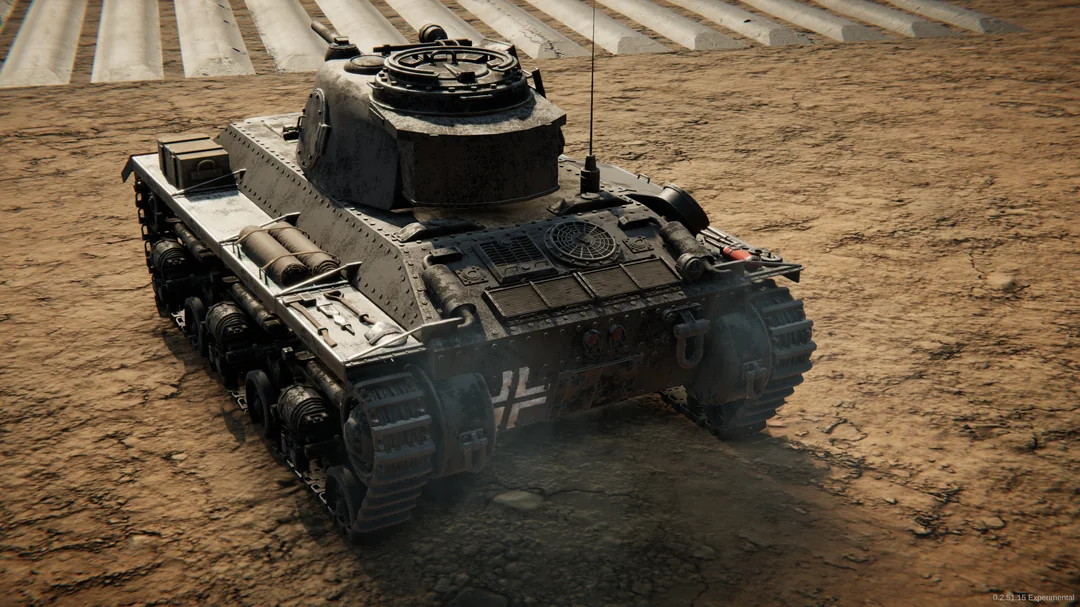
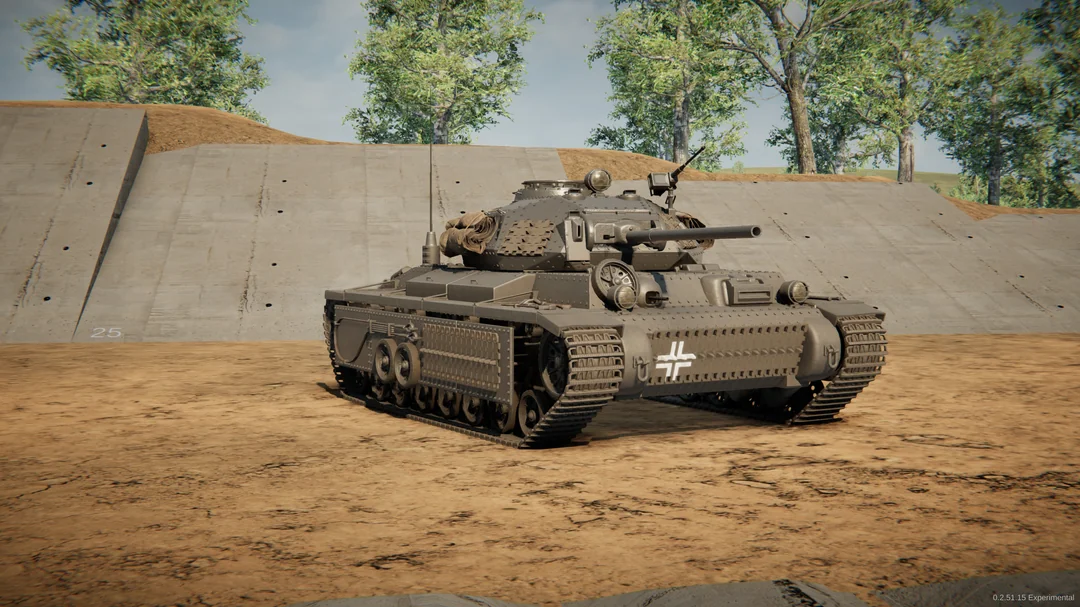
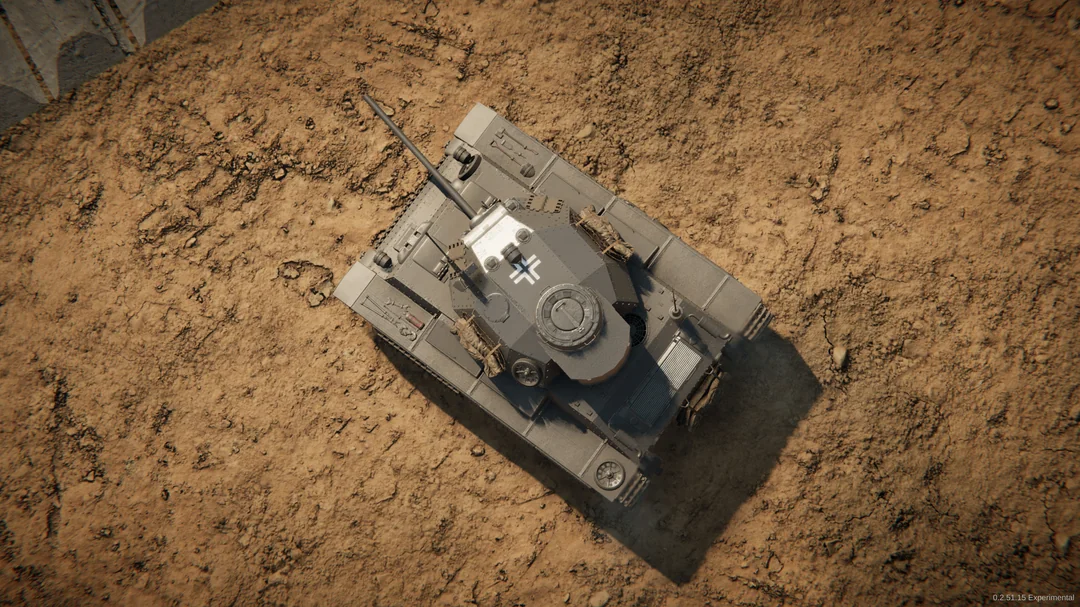
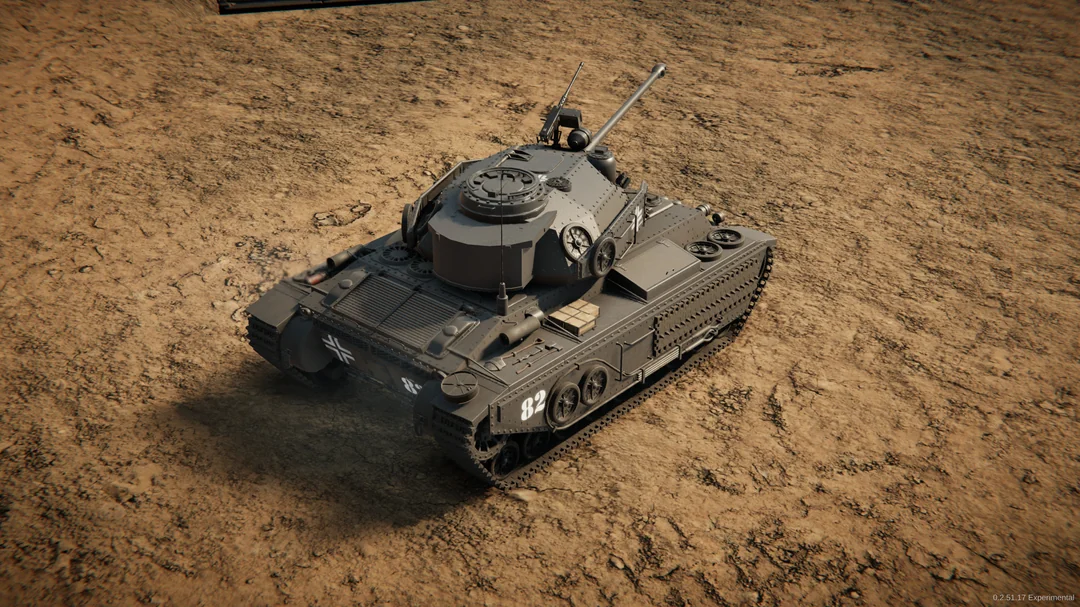
The Empire’s designers realized that the Kaiserwagen 2 would soon become obsolete, and by the start of the war they had succeeded in creating a tank that finally fully embodied the Kaiserwagen concept. The suspension was changed to a torsion bar system—a tracked configuration that remained standard throughout the entire series.
Kaiserwagen 3D — Midway Through the War
Improvements:
- Combat weight: 37.4 metric tons
- Maximum speed: 65 km/h (theoretical); in practice, it rarely exceeded 50 km/h
- Engine: no upgrades, but a new transmission
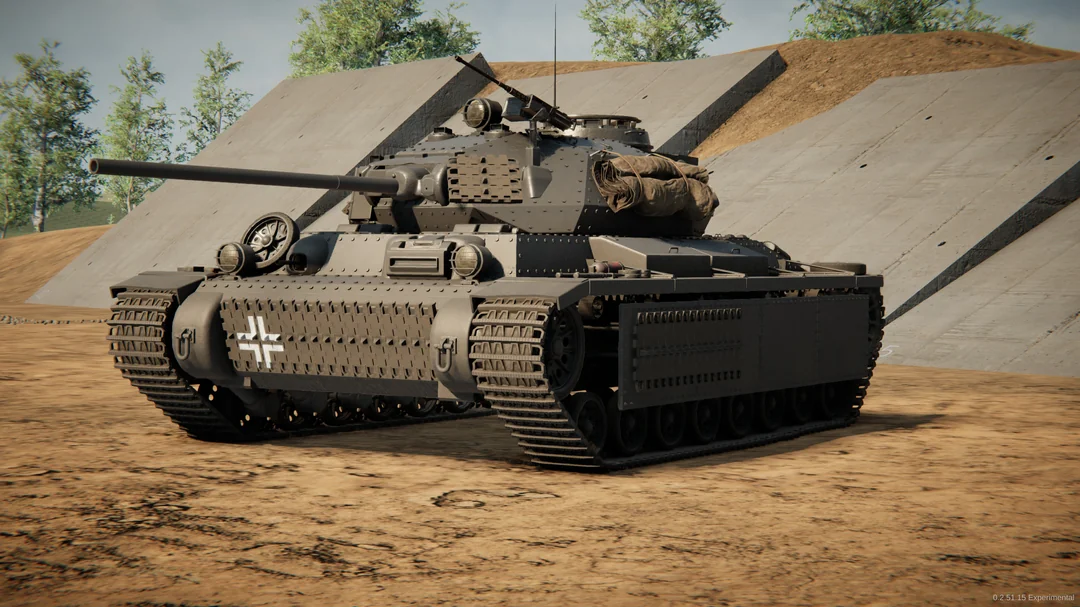
- Armor: spaced armor 90 + 45 mm instead of the previous 100 mm
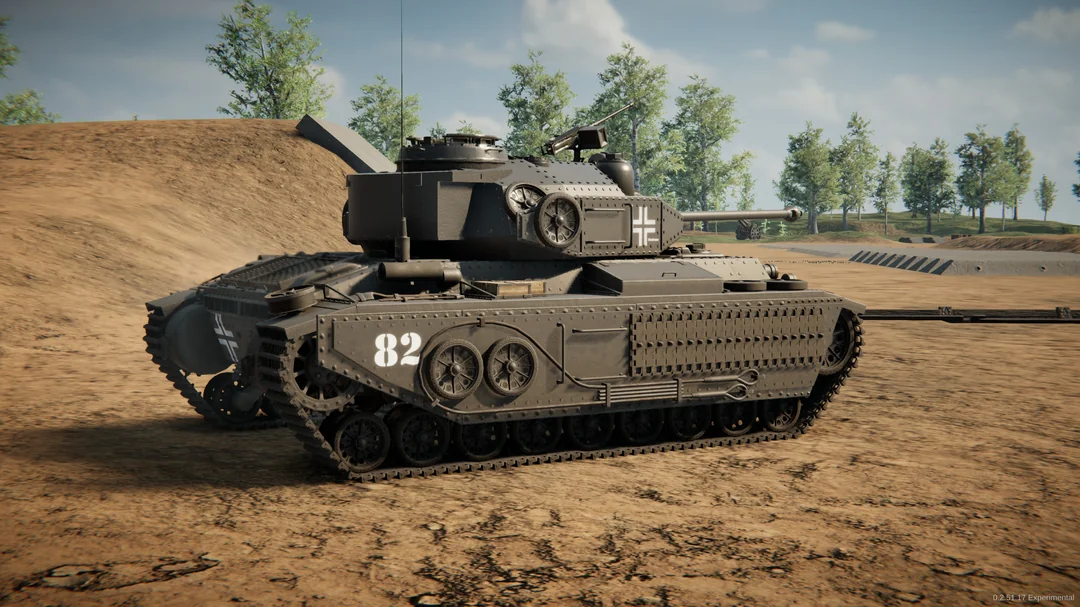
Thanks to its armor, improved mobility, and enhanced usability (such as the new gunner’s hatch), this was the final front-line version of the Kaiserwagen 3.
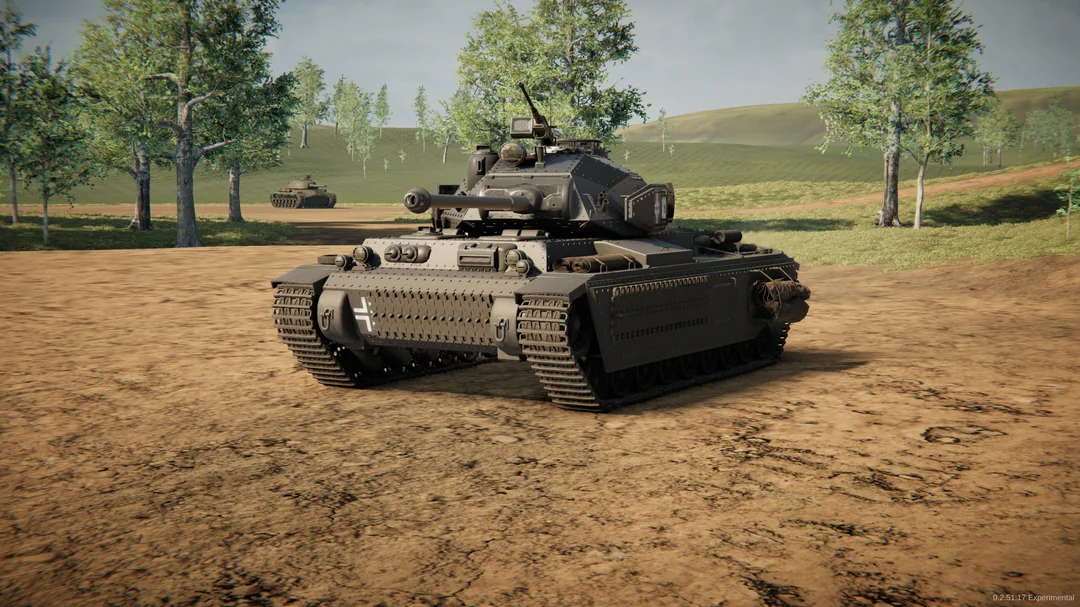
For the first time in the Kaiserwagen series, offset armor was added to the front of the hull. As a result, the design now allowed for the use of such armor on the sides as well: large armor plates were added to the track guards and the sides of the turret.
Armament: Firepower was increased to the turret’s design specifications—the new 76-mm gun (barrel length 850 mm) provided 187 mm of armor penetration.
“Kaiserwagen 4” — Midway Through the War
Tactical and Technical Specifications:
- Combat weight: 49.6 metric tons
- Dimensions: length 5.7 m, width 2.5 m, height 2.3 m
- Engine: 23-cylinder, 33.6 L displacement
- Maximum speed: 57 km/h
- Armor: staggered armor, 125 mm + 75 mm
- Armament: 95-mm gun, armor penetration: 210 mm
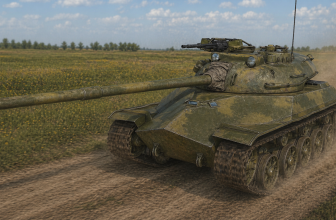
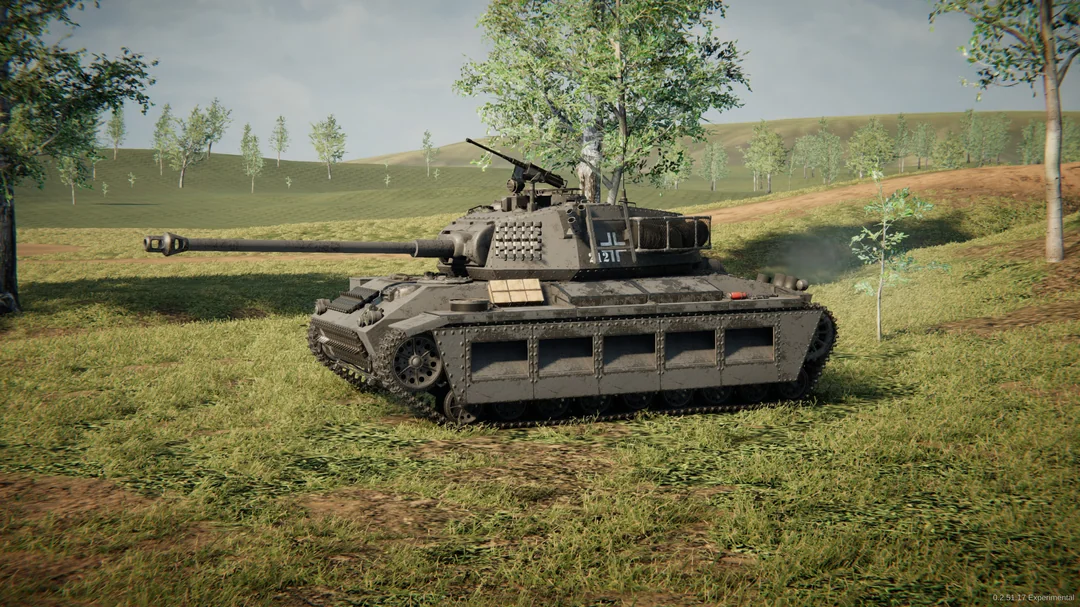
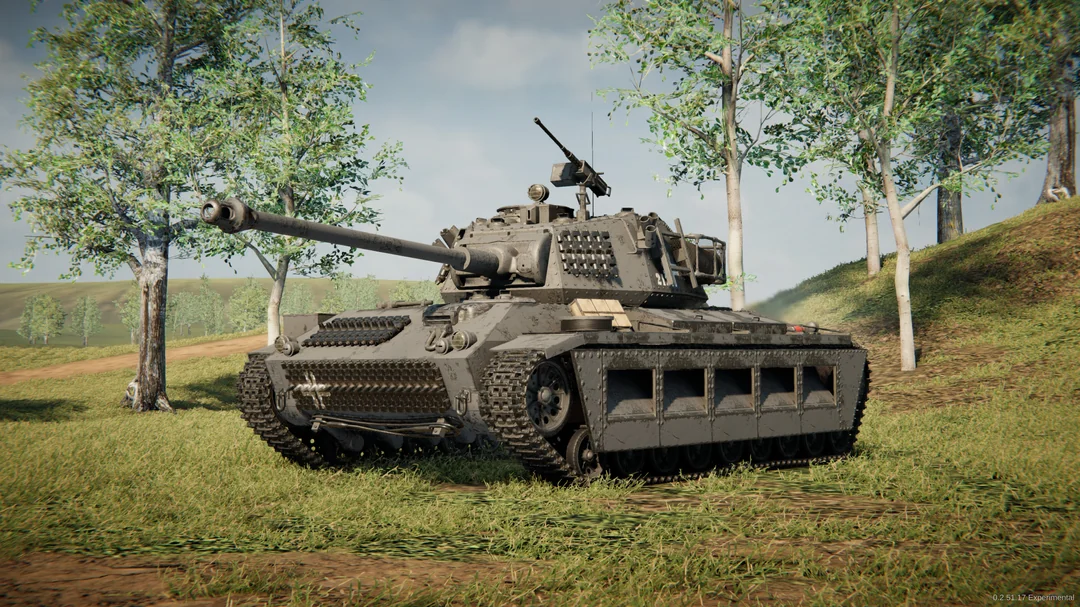
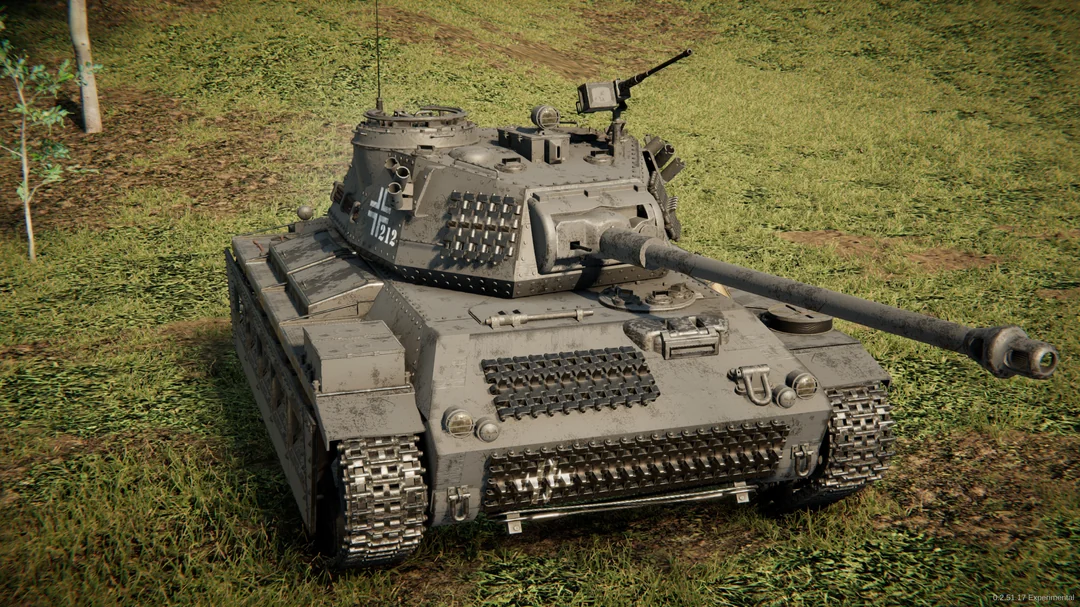
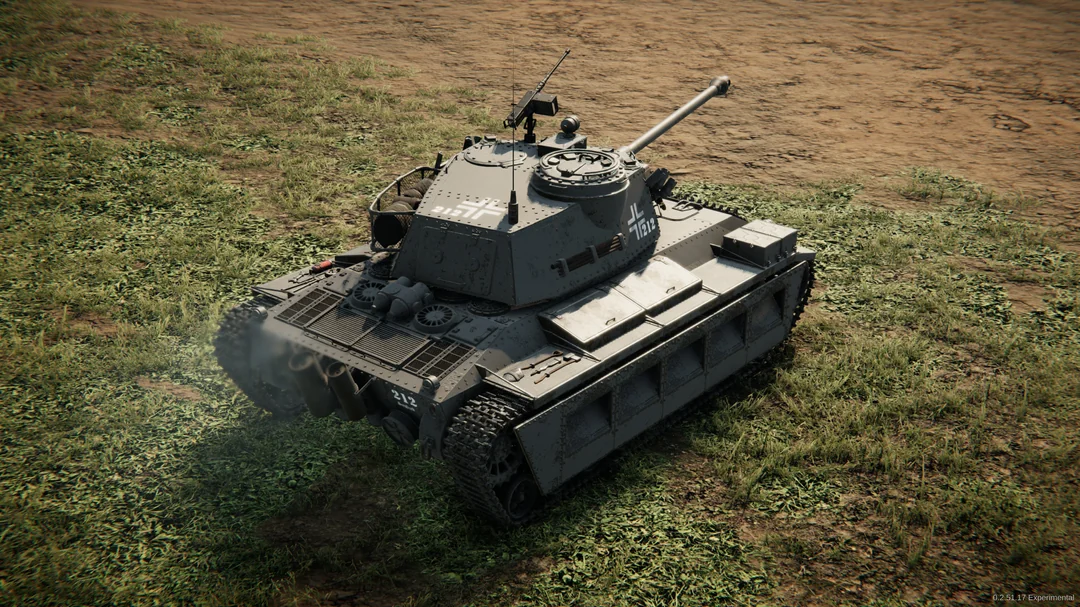
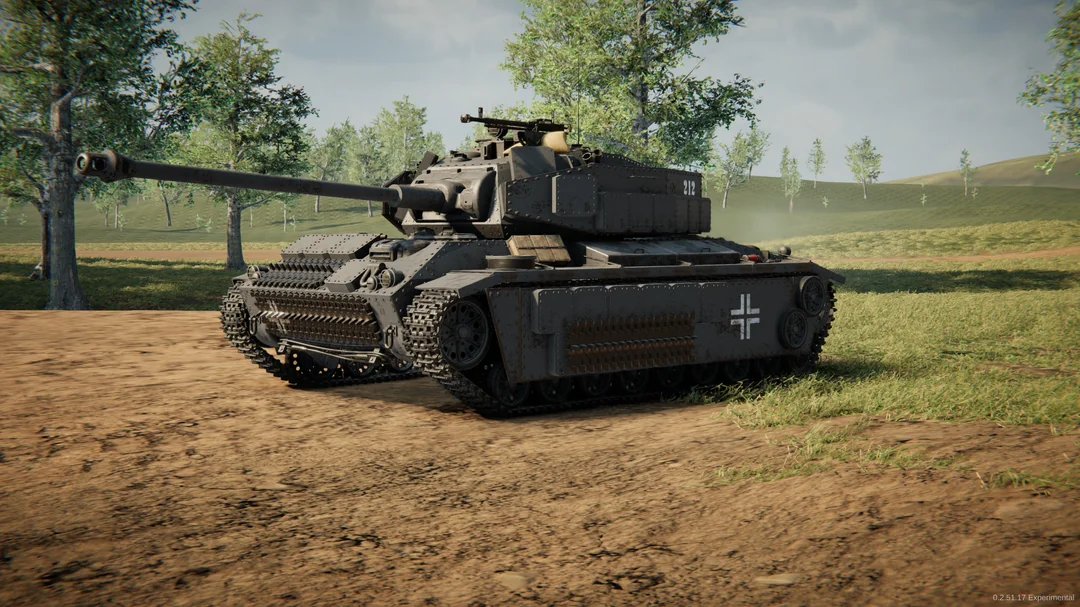
As the design limitations were reached, the need arose for a larger and more advanced vehicle. The Kaiserwagen 4 featured armored sides separating the compartments, a staggered frontal armor plate, and a much larger gun. In addition, it had much more aggressively positioned armor, which made it a formidable opponent on the battlefield.
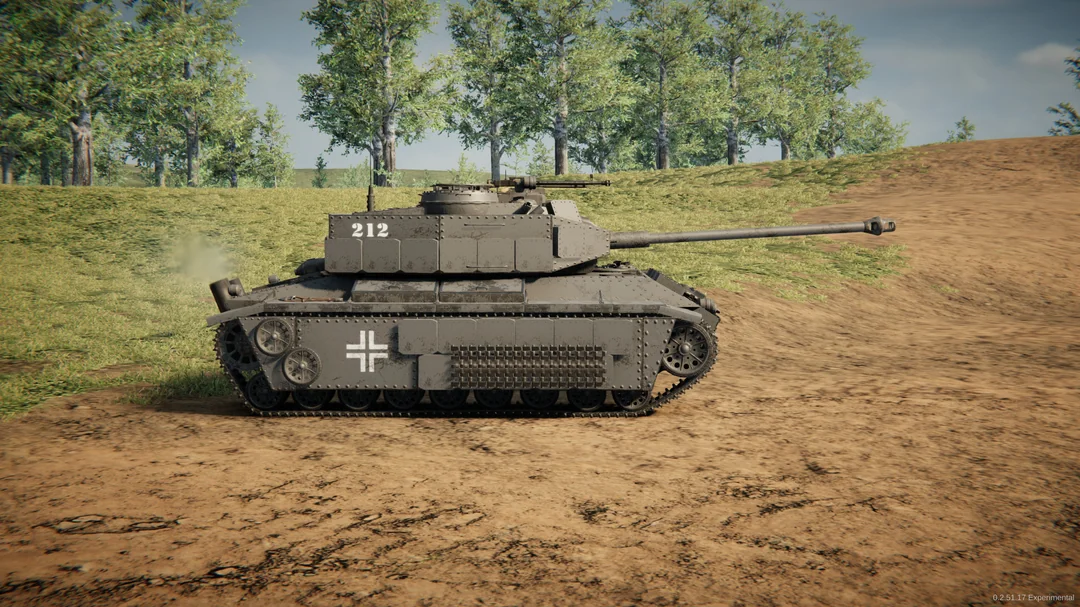
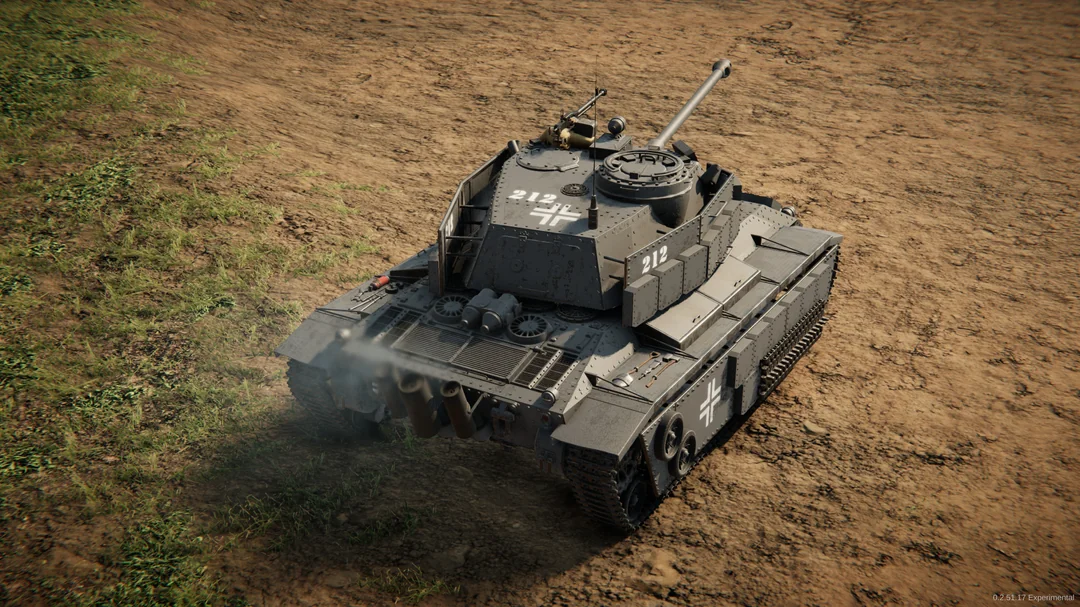
Kaiserwagen IVB2 — The End of the War
The Kaiserwagen IVB2 represented the most significant improvement over the original version toward the end of the war.
Features:
- Combat weight: 56.2 metric tons
- Engine: the same as that of the original Kaiserwagen IV
- Maximum speed: 75 km/h (theoretical); in practice, accelerating beyond 55 km/h was rare
- Armor: 155 + 75 mm in a two-stage configuration with spaced armor elements
- Armament: 95-mm gun with a longer barrel, 245-mm armor penetration
Thanks to well-thought-out modifications to the transmission, mobility was significantly improved. To improve protection, modular, spaced armor blocks were added to the sides. The gun used the same 95-mm ammunition, but the increased barrel length provided record-breaking penetration.
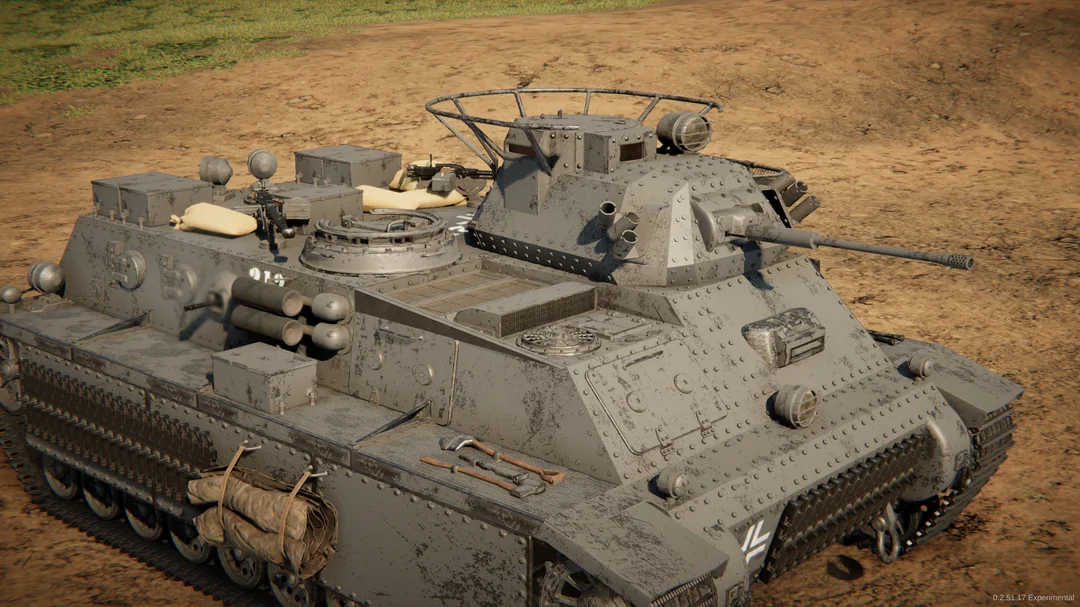
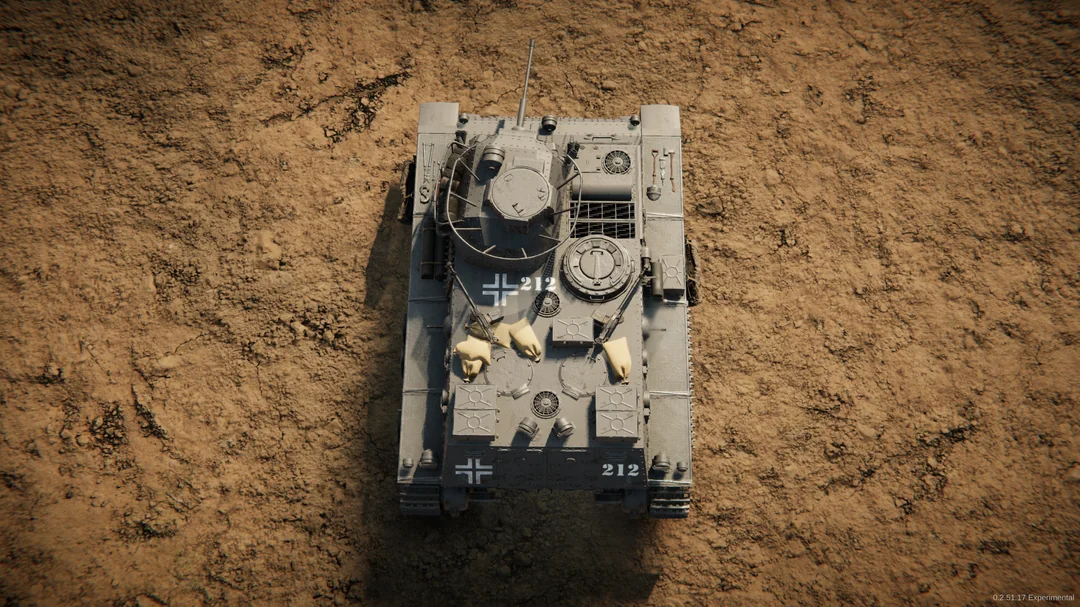
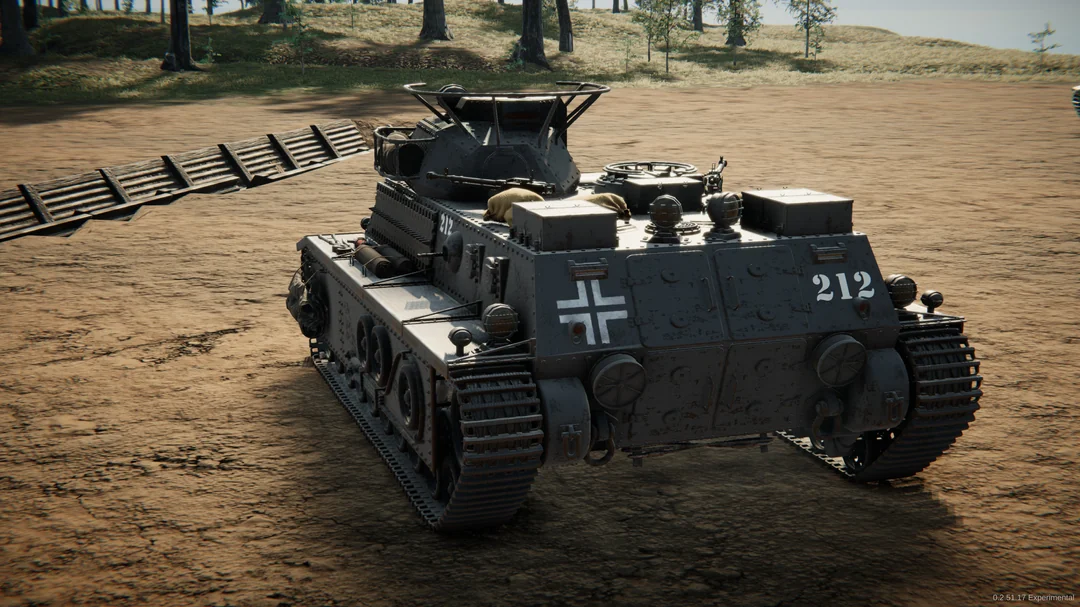
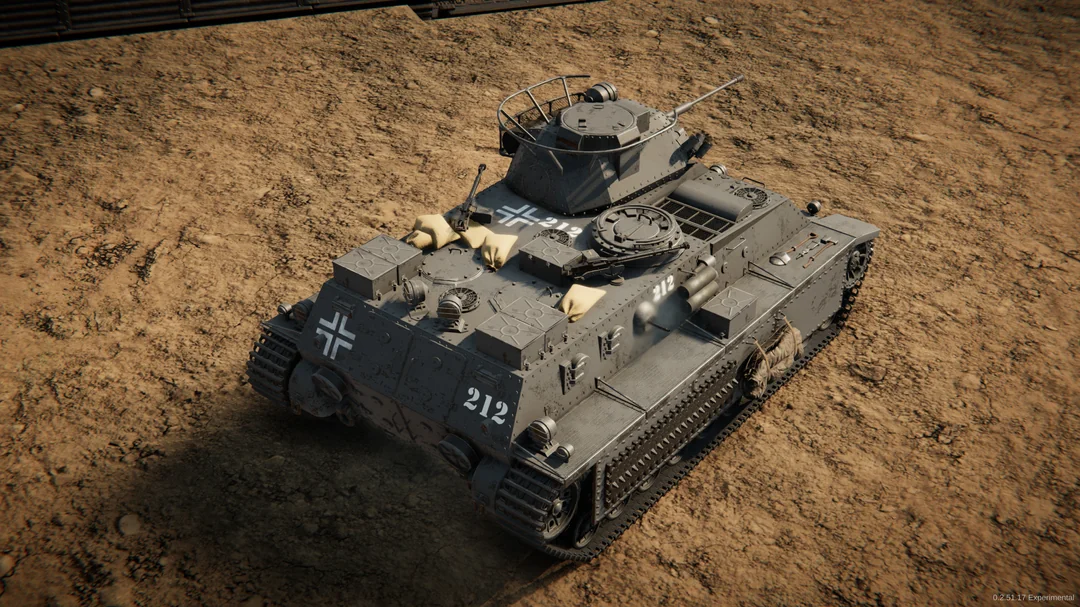
The Kaiserwagen Transport Tank — Mid-War
Tactical and Technical Specifications:
- Combat weight: 28 metric tons
- Dimensions: length 5.6 m, width 2.6 m, height 2.2 m
- Engine: 8-cylinder, 20 L displacement
- Maximum speed: 47 km/h
- Armor: 90 mm
- Armament: 25 mm automatic cannon (barrel length 700 mm) + 4 machine guns operated by passengers (2 in swivel mounts on the sides, 2 on the roof)
- Crew: 3 people + up to 8 paratroopers
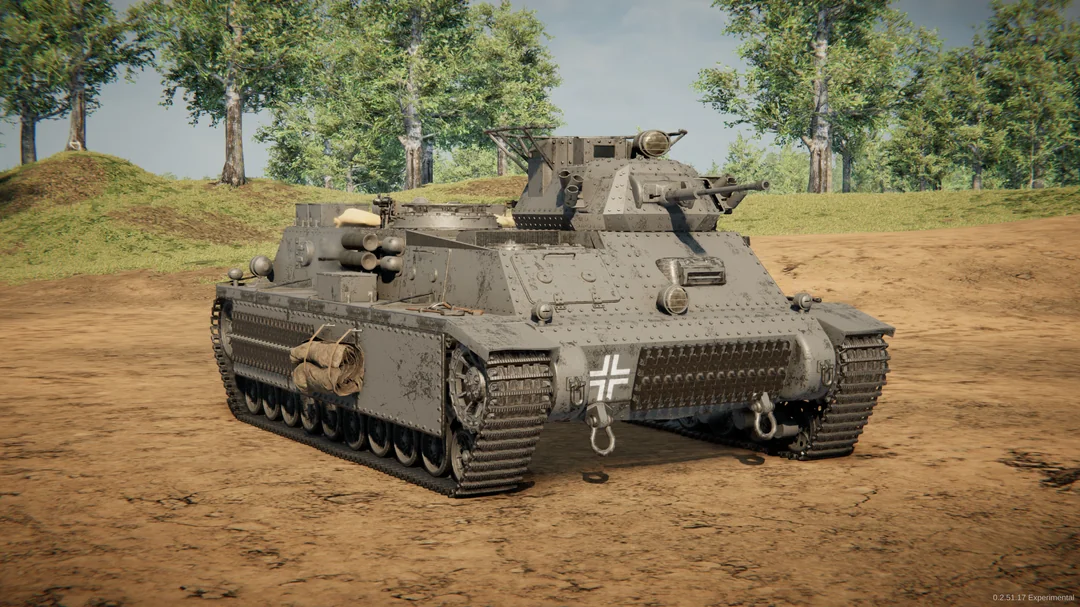
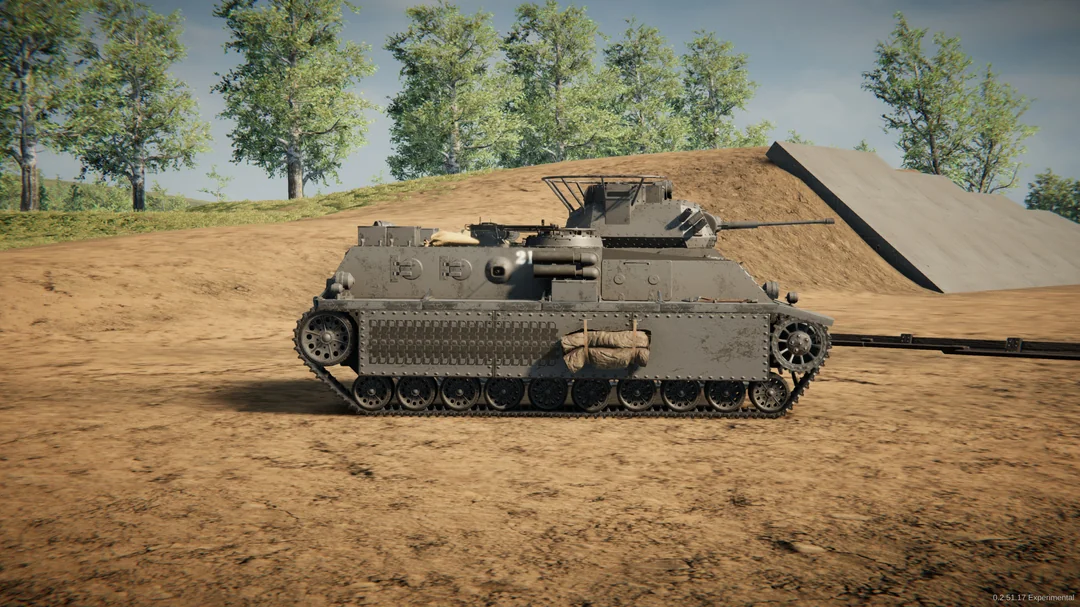
The high speeds achieved by the armored divisions meant that they reached their combat positions unexpectedly quickly. Although trucks could follow them, they were not suitable for combat operations. Therefore, midway through the war, an armored personnel carrier based on an extended Kaiserwagen 3 chassis was developed.
The front-mounted engine was much more primitive than those in the “Kaiserwagen” series, which made maintenance and mass production easier.
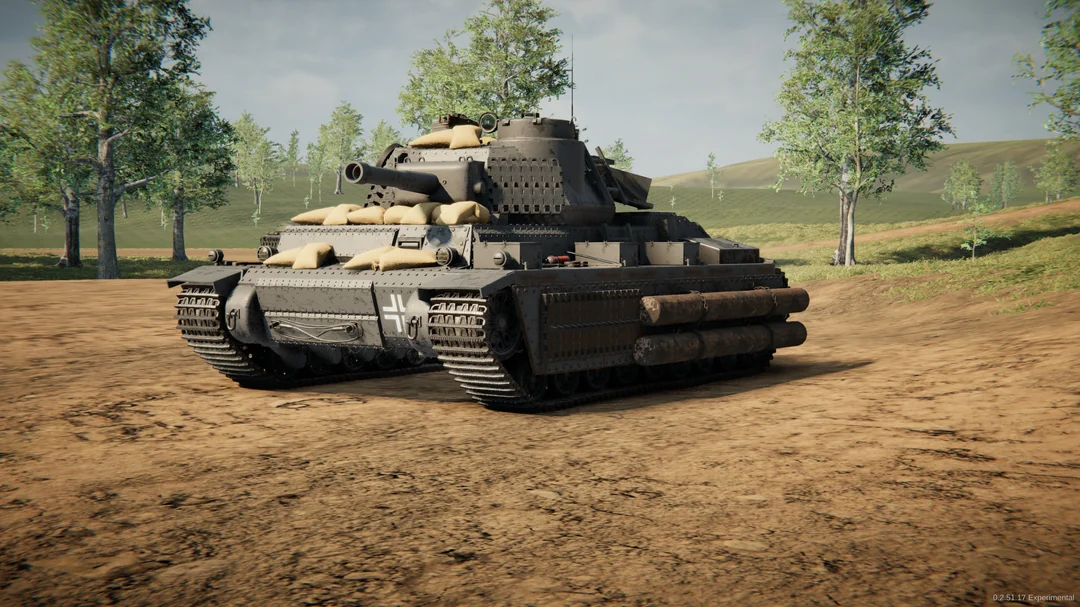
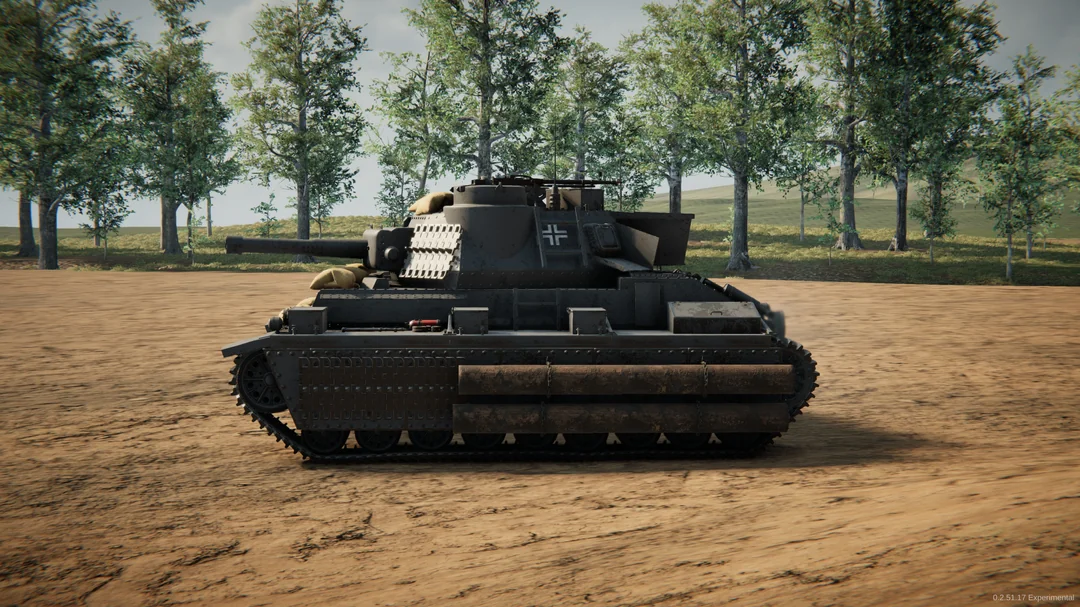
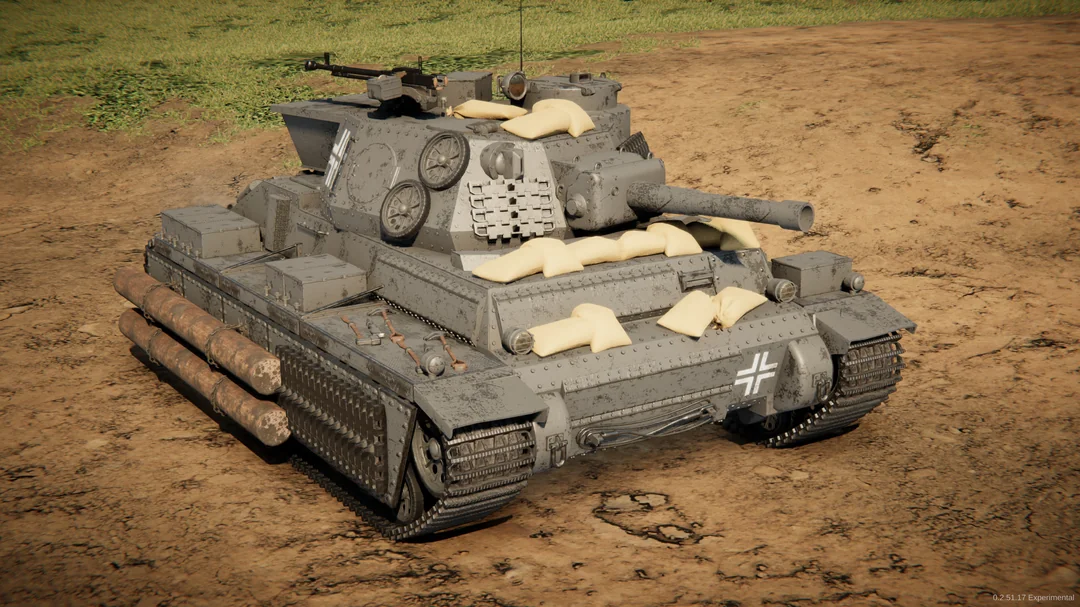
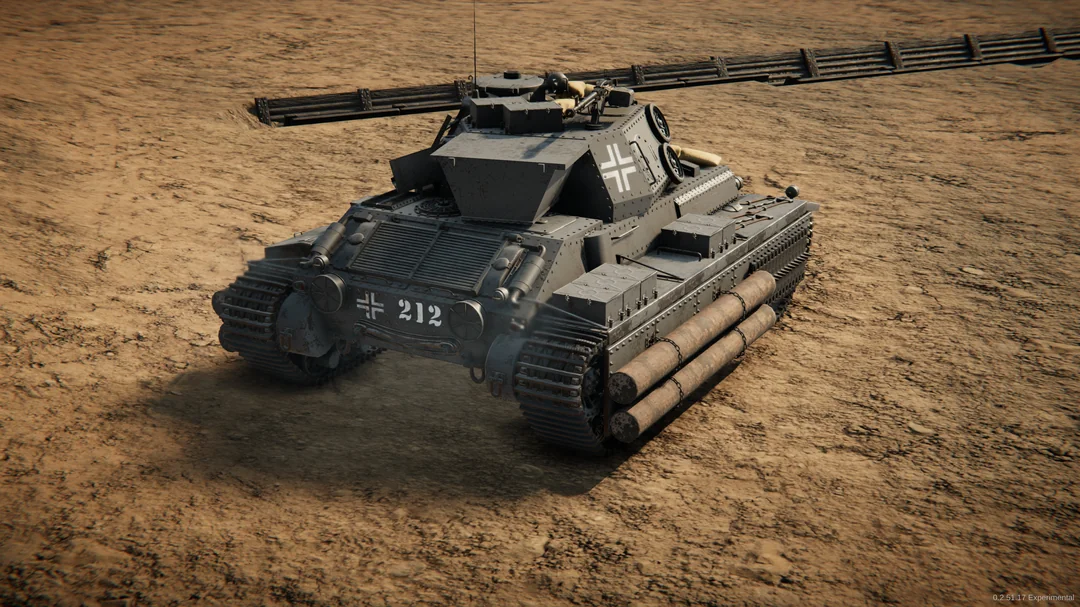
“Zerstörer” Assault Tank — The Early War
Tactical and Technical Specifications:
- Combat weight: 40 metric tons
- Dimensions: length 5.2 m, width 2.5 m, height 2.1 m
- Engine: 18-cylinder, 38.7 liters
- Maximum speed: 35 km/h
- Armor: 135 mm + add-on armor plates
- Armament: 128-mm howitzer (barrel length 800 mm)
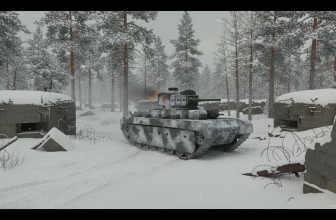
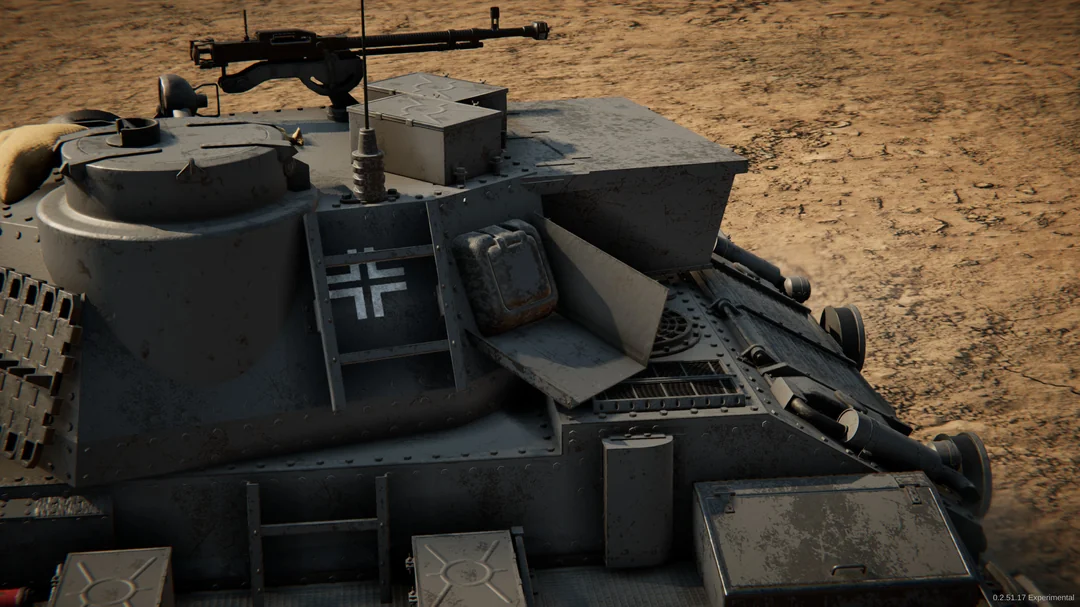
With the introduction of the new Kaiserwagen series of vehicles, which set the pace of the war, engineering and sapper units fell behind, and defensive positions such as bunkers and fortifications slowed the advance of the Kaiser’s troops. As a result, there was an urgent need for a specialized engineering vehicle.
The original plan was to mount a 128-mm howitzer on an enlarged turret mounted on a Kaiserwagen III chassis, but this proved to be too heavy. Therefore, new, wider tracks with a third road wheel were added, and the engine compartment was enlarged. The only things the final version of the vehicle has in common with the Kaiserwagen III are the overall layout and the road wheels.
The shells were so large that a special ejection hatch with a latch had to be installed to prevent the casings from causing inconvenience to the crew. The vehicle carried a large number of logs, additional sapper tools, and everything else the engineering corps might need.
Bergepanzerwagen Armored Vehicle — Early War
Tactical and Technical Specifications:
- Combat weight: 28.3 metric tons
- Dimensions: same as those of the Kaiserwagen III
- Engine: 20-cylinder, 38 liters
- Maximum speed: 31 km/h
- Crew: 2 people (driver and commander) + 2 engineers/mechanics
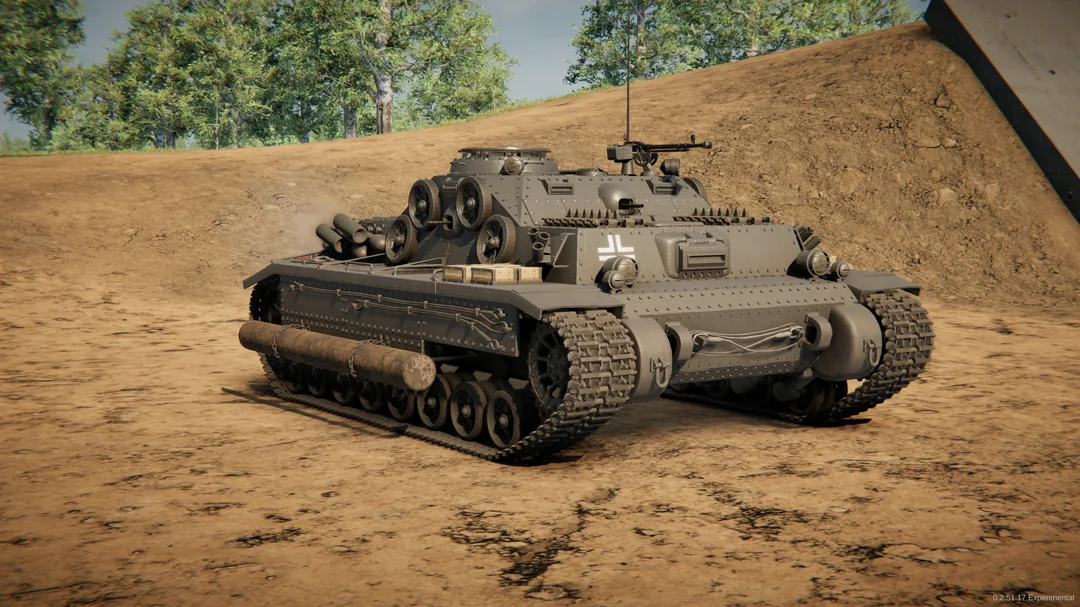
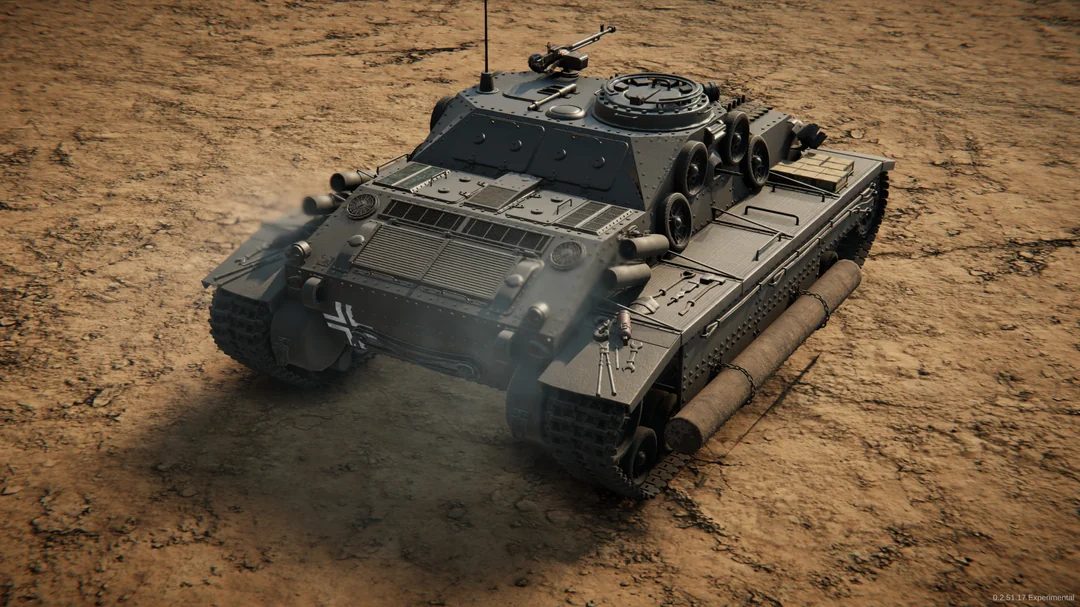
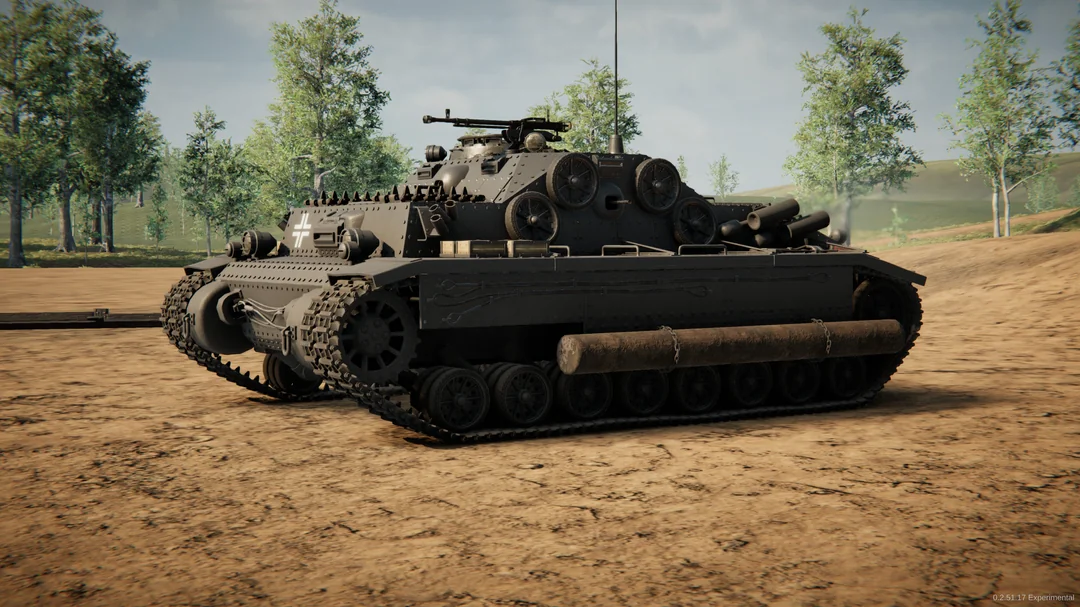
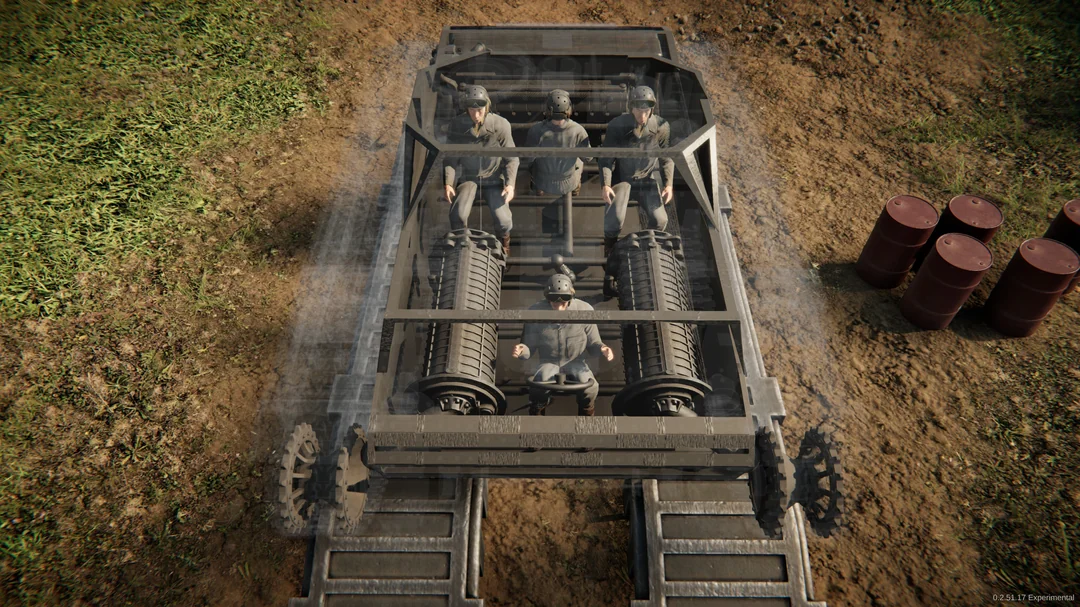
This armored recovery vehicle, based on the Kaiserwagen III, was fitted with a new engine, transmission, and superstructure in place of the turret. To ensure maximum torque and tractive force, the driver’s seat was moved to the center of the vehicle to accommodate two massive transmissions, each weighing 3,000 kg, on either side of it.
The front sprocket was moved forward, and the enlarged and reinforced track, with three support rollers on each axle, transmitted all the torque to the ground.
The vehicle was carrying spare rollers, track links, logs, tow ropes, and reinforced attachment points for the tow ropes.
Conclusion
The Kaiserreich’s armored vehicles on display illustrate the evolution from the transitional models of the interwar period to the powerful machines of the late war. The “Kaiserwagen” series would have been the pride of the Imperial Army, combining powerful armament, substantial armor, and constantly improving mobility.
In an alternate reality where the Second Reich had prevailed, these steel behemoths might have shaped the European battlefields for decades to come.