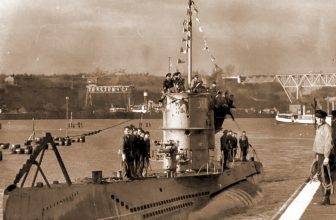
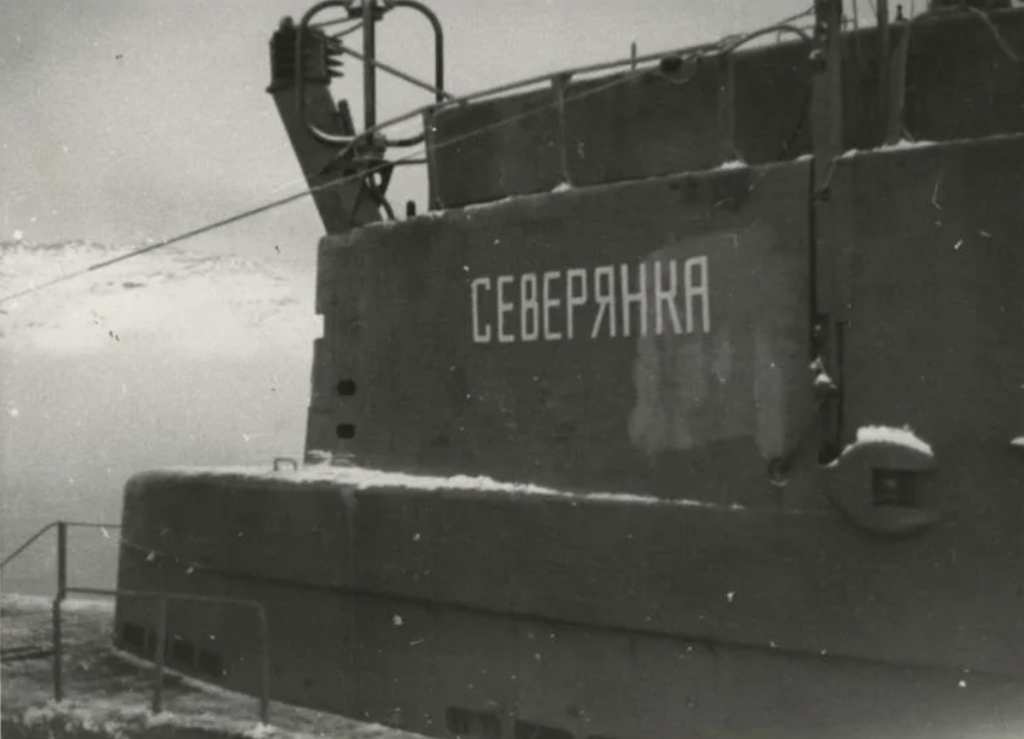
Imagine a combat submarine with its torpedo tubes removed and portholes installed in their place. Its crew of naval sailors suddenly found themselves sharing their compartment with scientists in heavy coats, who spent their spare moments peering through the glass at schools of fish. This was no work of fiction. It was the S-148 submarine, known throughout the Soviet Union as the Severyanka.
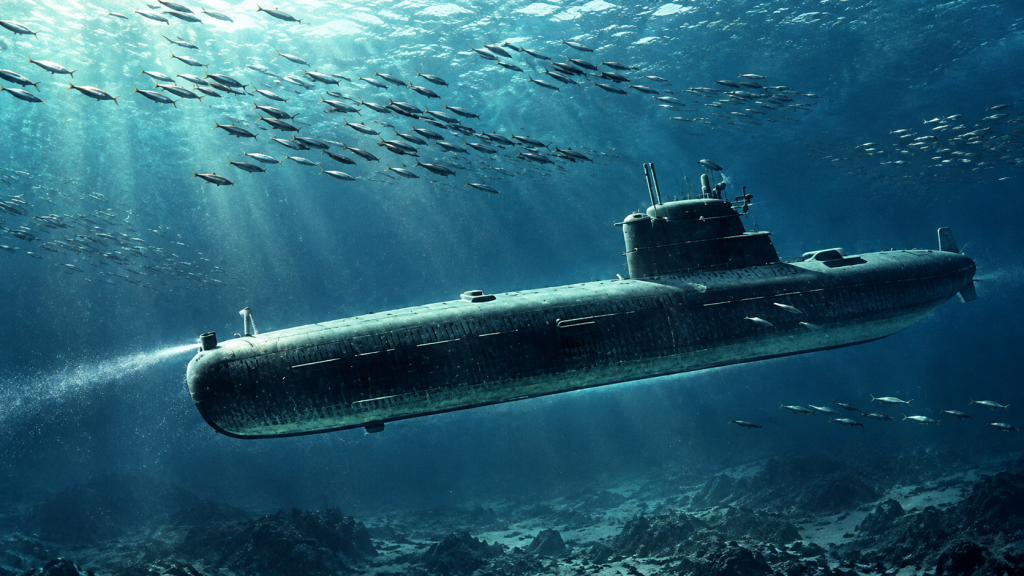
From combat vessel to research laboratory
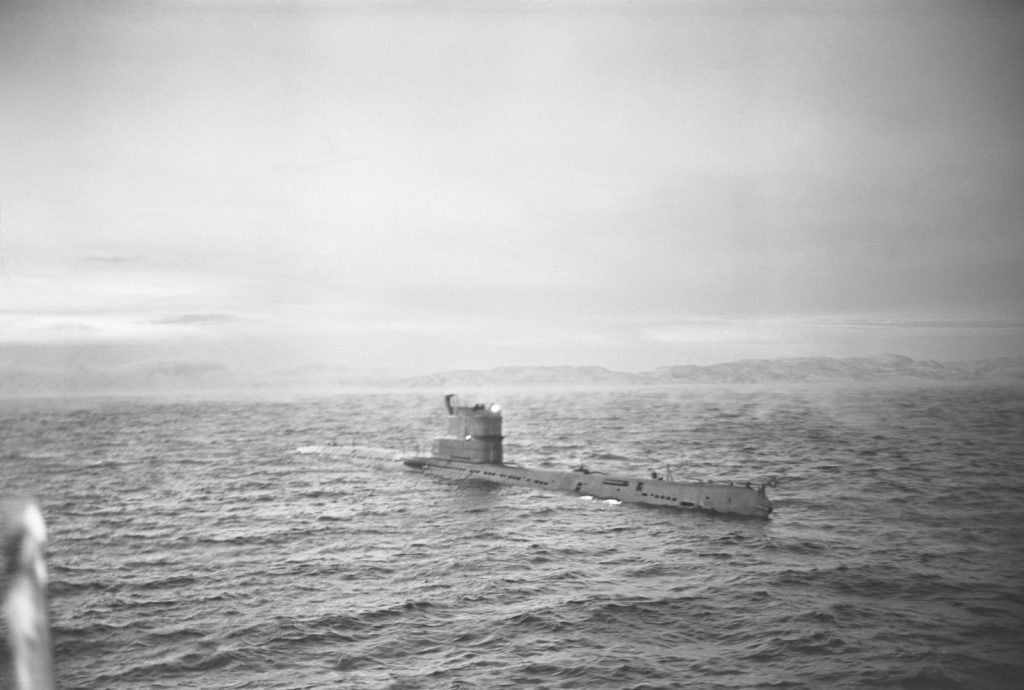
The story began in 1953 at the Krasnoye Sormovo shipyard, where an ordinary Project 613 diesel-electric submarine was built. In the West, the class was known as the Whiskey type. Dozens of these boats were produced. They carried torpedo tubes and guns and were designed for combat missions. The S-148 had an unremarkable career at first: it served with the Caspian Flotilla, then transferred to the Northern Fleet and was based at Polyarny. Nothing in its service record hinted at the fame to come.
The turning point came in 1957. Soviet oceanographers needed a way to observe fish schools directly instead of relying on readings from instruments lowered over the side of surface ships. Building a specialized submersible from scratch was considered too time-consuming, so the decision was made to convert a combat submarine. At the Murmansk ship-repair yard, the S-148’s bow torpedo tubes were removed and three portholes were cut into their place. The boat was also fitted with floodlights, sonar equipment, and manipulators for collecting samples of the seabed and water. On December 14, 1958, the converted submarine was transferred to the All-Union Research Institute of Marine Fisheries and Oceanography. It was now assigned to scientists, but still operated by a naval crew. Civilian specialists had joined the sailors on board.
In late December 1958, the Severyanka set out on its first voyage, into the Barents Sea. A new approach to research was born: a laboratory that could get physically close to its subject on the seabed and keep working regardless of storms, because there were no storms underwater. An ordinary research ship had to suspend work with instruments over the side whenever the waves became too rough. The submarine was unaffected by the weather on the surface. It could descend and continue observing where the rolling sea no longer mattered.
Life in cramped quarters for the sake of science
The Severyanka carried 56 people, including six civilian scientists. The rest were naval submariners responsible for operating the complex machinery. The submarine’s cramped conditions made no exceptions for the researchers: they lived where they worked and slept in suspended bunks among the instruments. In the northern latitudes, the temperature inside the compartment could fall to 8°C. The scientists had to conduct their observations in warm clothing, as if on a polar expedition, except that their window was a submarine porthole rather than a tent flap.
During research missions, the Severyanka moved slowly, rarely exceeding two to four knots. The submarine would creep toward schools of herring and settle on the seabed among concentrations of cod. Through the portholes, scientists could observe what had previously been known only through indirect sonar readings. At full speed, the batteries lasted only about an hour, so power had to be conserved. The batteries were recharged by a diesel generator aboard a support vessel or in port. This work allowed for no haste, but it did reward patience and precision—the very qualities the scientists needed.
We regularly write about expeditions and other underwater projects of the Russian Navy on the OKB Proryv MAX channel. Subscribe so you don’t miss new stories.
What the crew discovered—and why it mattered
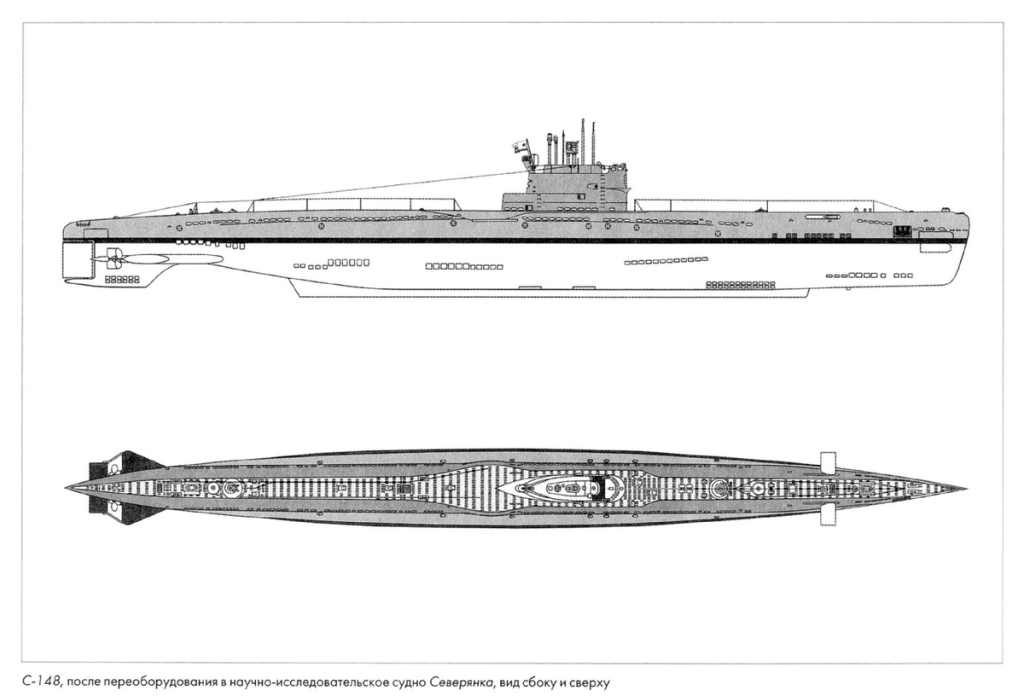
The Severyanka’s work was not a romantic adventure for its own sake. Direct observations of fish schools and fishing vessels helped researchers improve trawl designs and, in turn, increase future catches. The scientists also documented a genuine scientific discovery: the passive migration of wintering Atlantic–Scandinavian herring schools from the Faroe Islands toward the Norwegian coast, a phenomenon that had previously gone unnoticed.
Between 1958 and 1966, the submarine made more than a hundred dives to depths of up to 170 metres, spent a total of nine months at sea, and travelled 25,000 miles. But the experience gained by the crew and scientists mattered more than any single figure. The Soviet Union had learned to conduct underwater research—not just military operations. Specialists who trained aboard the Severyanka later led research on the first Soviet deep-sea submersibles.
The driving force behind the project was Vladimir Azhazha, a former submariner who not only organized the expeditions but also took part in them alongside the scientists. Decades later, he collected his memories of the unique submarine in his 2009 book, Underwater Odyssey: The Severyanka Conquers the Ocean. Without people willing to spend months living in a cramped metal hull for a few glimpses through a porthole, this story might have been reduced to a line in a shipbuilding reference book.
Fame, then quiet obscurity
In the Soviet Union, it seemed that everyone knew the Severyanka. Newspapers covered its voyages, books were published about it, and model shops sold a plastic kit of the submarine—considered an ideal first build for beginner model-makers. Few research vessels ever earned that kind of popular affection.
But every piece of technology has its limits. By the mid-1960s, the submarine had reached the end of its potential as a research platform, and specialists began considering a new generation of purpose-built scientific submersibles. The Severyanka was returned to the Navy, in either 1966 or 1967, depending on the source. After that, it followed a path familiar to many ships: it was removed from active service, spent years as a stationary training vessel until 1998, and was then towed to a bay in Kola Bay and scrapped.
There was no museum and no commemorative plaque on the waterfront. All that remained were models stored away in the homes of people who had once built them, and archival photographs of the submarine flying the flag of a research vessel above its conning tower.
Why the story is worth remembering
The Severyanka is fascinating not so much for its statistics as for the idea behind it: when science lacks the right tool, an existing one can sometimes be adapted for a completely different purpose. A combat machine built for stealth and destruction unexpectedly became an ideal instrument for quietly observing marine life. For several years, it traded its role as a weapon of war for a new one—as science’s eyes beneath the sea. The experiment proved more successful than anyone might have expected.