The U.S. Army is betting on AI: A $20 billion contract with Anduril is changing the face of war

A quiet but very significant transformation of the U.S. military is taking place.
The Pentagon has signed one of the largest contracts in recent years—an agreement with Anduril Industries worth up to $20 billion.
But we’re not talking about tanks, missiles, or airplanes.
The key asset in this contract is artificial intelligence.

One contract instead of a hundred
According to U.S. sources, the agreement is set to last approximately 10 years (until 2036) and consolidates about 120 separate contracts into a single system.
The main idea is to move away from dozens of incompatible solutions and create a unified digital battlefield.
Instead of a multitude of separate programs, the U.S. Army is getting:
- a single management platform
- a unified data exchange standard
- a centralized decision-making system
In fact, this is an attempt to transform the army into a unified digital network.
What is Lattice?
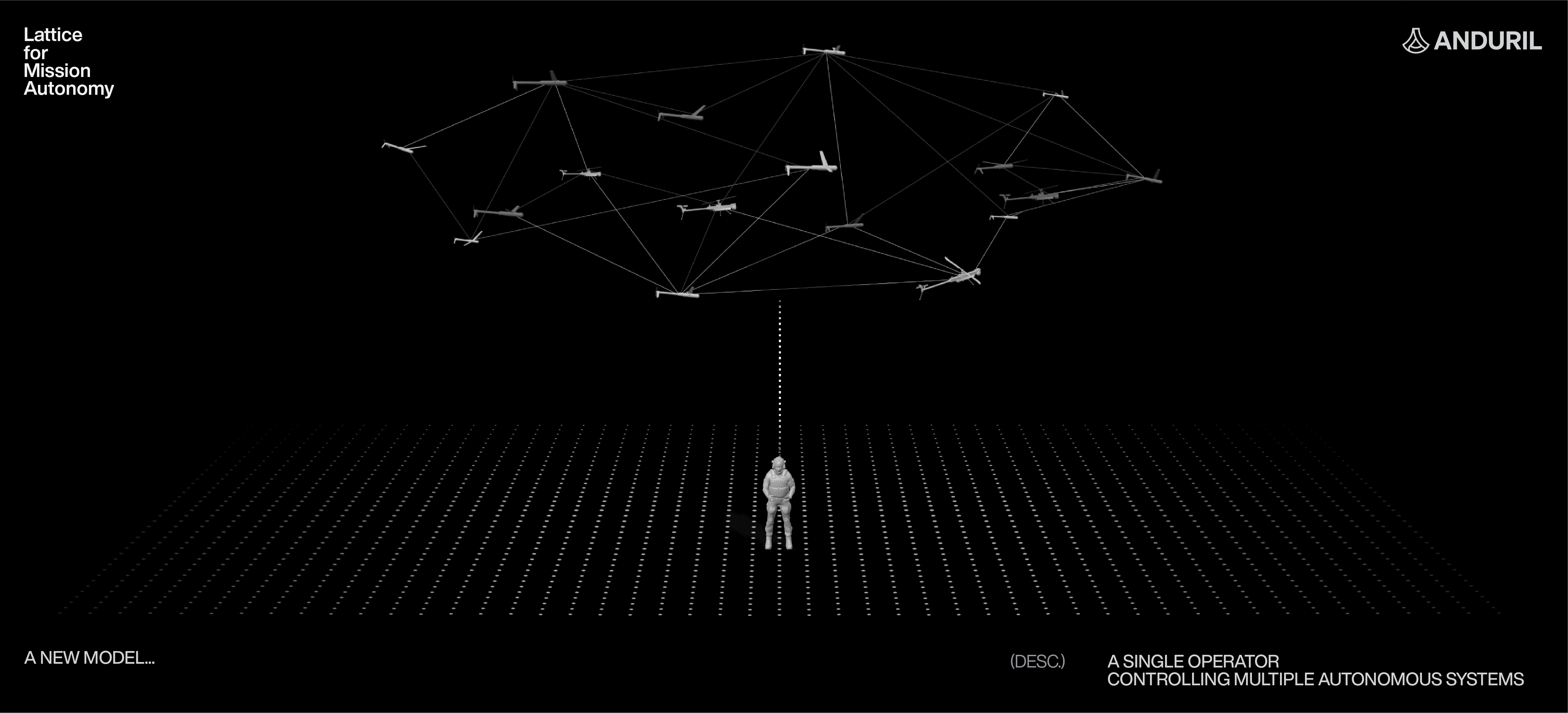
It should bring together:
- drones
- radars
- satellites
- ground-based sensors
- combat units
into a single control system.
Lattice uses artificial intelligence to:
- analysis of massive data streams
- threat detection
- automatic target allocation
Essentially, it is the “brain” of a modern army, helping it make decisions faster than a human can.
How will this work on the battlefield?
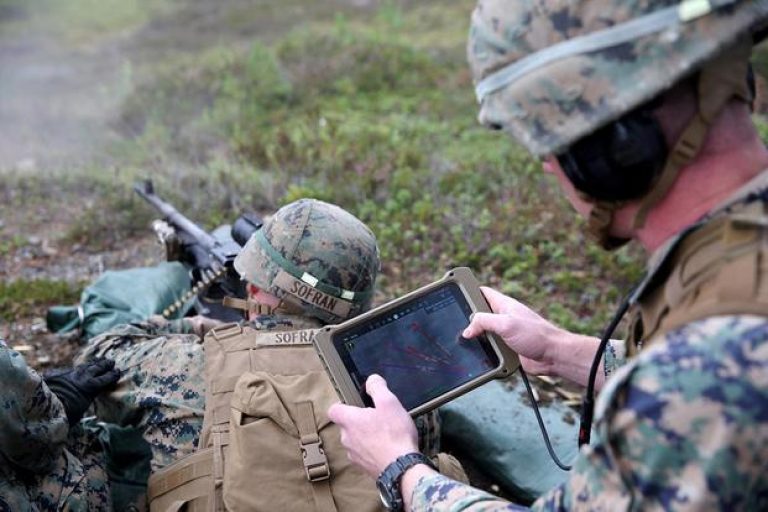
Let’s consider a real-life scenario.
- Drones are detecting enemy movement.
- The sensors transmit data to the system.
- AI analyzes information in a matter of seconds.
- Commanders are given a ready-made solution.
All of this happens practically in real time.
The main goal is to reduce the time between target detection and strike.
In modern warfare, this could be a decisive factor.
Why the U.S. Army Is Relying on AI

Armies are shifting from traditional technology to network warfare and algorithms.
Main reasons:
Too much data
The modern battlefield generates enormous amounts of information—humans are unable to process it in a timely manner.
The Pace of War
Decisions need to be made in seconds, not minutes.
Drones
Drones and autonomous systems require digital control.
Why This Is More Important Than New Tanks
The contract with Anduril shows that the future of the military lies not only in weapons, but also in software.
Now the key question is:
Who processes information and makes decisions faster?
That is precisely why such systems may be more important:
- new fighter jets
- tanks
- even missile systems
A New Era of War
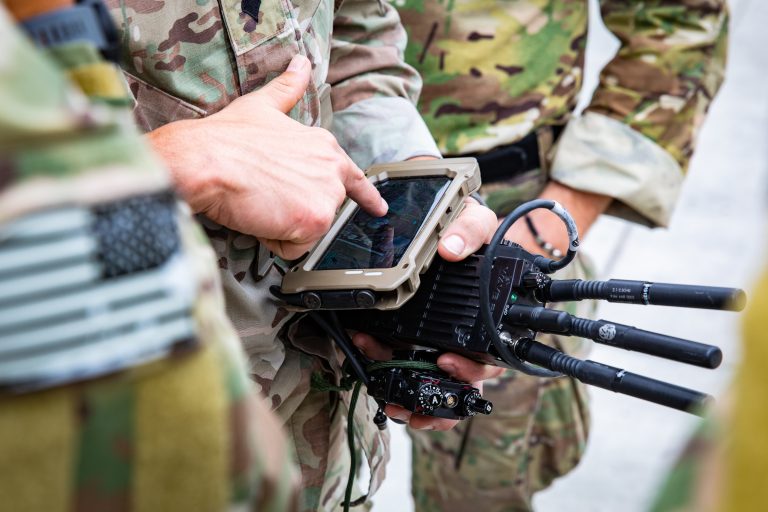
This project is part of a broader transformation of the U.S. Army.
In fact, the following is created:
- a unified digital ecosystem
- a network that brings together all branches of the military
- a system where AI helps manage combat
Whereas war used to be a contest of technology, it is now increasingly becoming a contest of algorithms.
A war where the side with the better software wins
A $20 billion contract is not just about purchasing technology.
This is a sign that:
👉 The future of war lies in artificial intelligence and data
👉 Armies are transforming into digital systems
👉 Victory increasingly depends not on the number of weapons, but on the speed of information processing
And perhaps it is precisely these kinds of projects that will determine what wars of the 21st century will look like.