The U.S. is looking for a replacement for the MQ-9 Reaper: the new drone must be cheap enough that it won't be a big loss if it's lost

The U.S. military is gradually coming to a very unpleasant conclusion: the era of the famous MQ-9 Reaper is coming to an end. The drone, which for nearly twenty years has been a symbol of American aerial warfare, has proven to be too expensive, too vulnerable, and too “comfortable” for the new reality, where drones are being shot down not just in single units, but by the dozens.
That is precisely why the U.S. Air Force has officially begun to define the requirements for the Reaper’s future successor. Moreover, the main criterion for the new aircraft sounds almost revolutionary for the American approach to weapons: the drone must be cheap enough that it can be lost in combat without concern.
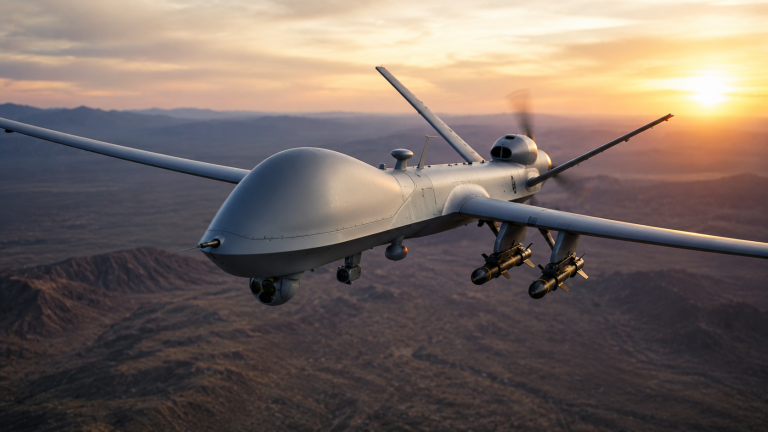
The MQ-9 turned out to be a drone from a different era
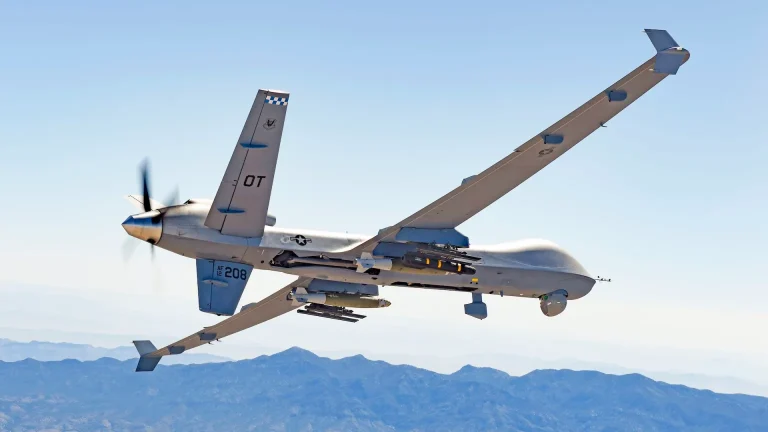
When the MQ-9 Reaper first appeared in the mid-2000s, it seemed like the nearly perfect weapon for U.S. wars.
A large turboprop drone could hover over an area of operations for days on end, conducting reconnaissance, tracking targets, and delivering precision strikes with Hellfire missiles. In Afghanistan, Iraq, Syria, and Africa, the Reaper has become a true symbol of American “air hunting.” In essence, it was the Reaper that transformed strike UAVs from experimental technology into the backbone of modern warfare.
The only problem is that the MQ-9 was designed for conflicts in which the enemy had virtually no serious air defense capabilities.
Today, the situation looks different. Even relatively weak states and irregular forces are gaining access to modern air defense systems, electronic warfare capabilities, and long-range missiles. And against China or Russia, a slow, large turboprop drone becomes an extremely easy target.
The recent conflicts in the Middle East have been a particularly painful blow to the Pentagon. According to open-source reports, the U.S. lost several MQ-9s during the standoff with Iran alone—some were shot down, while others were destroyed on the ground by missile and drone strikes.
And this is where the main question comes in.
If a drone worth tens of millions of dollars can be lost in a single mission, does it even make sense to build such systems based on the old concept?
A New Approach: The Drone as a Consumable
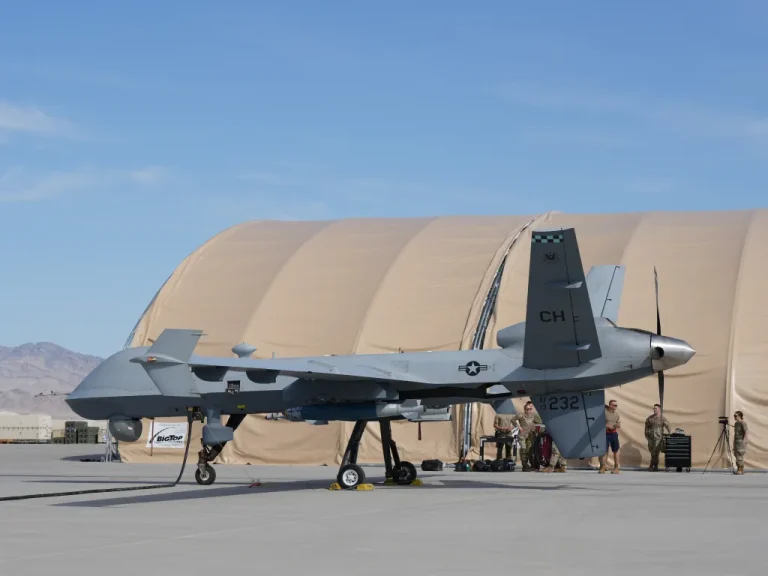
That is precisely why the term “attritable”—meaning equipment whose loss is considered acceptable—constantly comes up in the requirements for the MQ-9’s future successor.
This is an extremely important psychological and conceptual turning point.
In recent decades, the U.S. has built its air force around extremely expensive platforms. Fifth-generation fighters, strategic bombers, and heavy reconnaissance drones—all of these were so expensive that every loss became almost a political issue.
Now Americans are gradually shifting to a different way of thinking: it’s better to have many relatively inexpensive devices than a small number of “perfect” ones.
General Christopher Niemi told the senators outright that modern technology and new manufacturing methods make it possible to build a drone that will be cheaper, easier to mass-produce, and suitable for “higher-risk operations.”
Essentially, this is an attempt to combine Reaper’s capabilities with the philosophy of FPV drones and “swarm warfare.”
The war in Ukraine has changed the Pentagon’s way of thinking
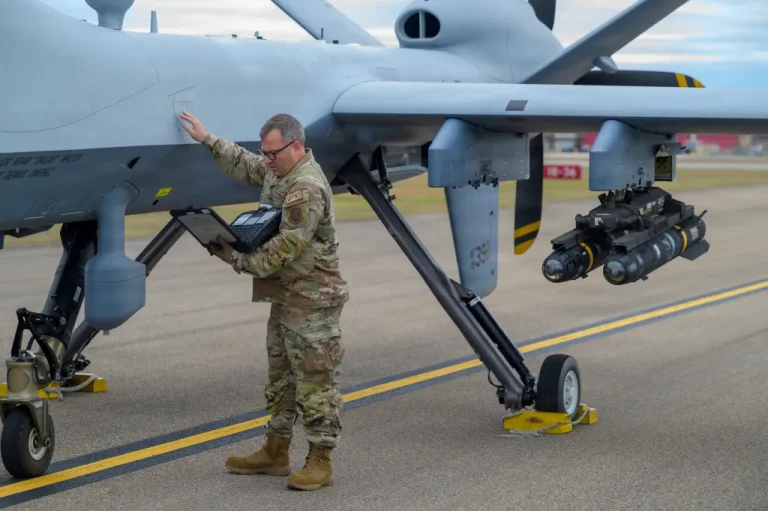
The conflict in Ukraine has had a huge impact on all of this.
The U.S. watched closely as relatively inexpensive drones destroyed equipment worth millions of dollars on a massive scale. But another conclusion proved just as important: in modern warfare, military equipment has a much shorter lifespan than the generals of the “counterterrorism operations” era had anticipated.
The high intensity of combat literally wears down even the most sophisticated systems.
That is precisely why the Pentagon is now actively promoting the concept of swarms of drones. At the same time, programs are being developed for Collaborative Combat Aircraft, low-cost strike drones, autonomous escort systems, and even “disposable drones” capable of operating alongside manned aircraft.
Against this backdrop, the classic MQ-9 is starting to look like an overly expensive compromise from the previous generation.
But Reaper won’t disappear completely just yet
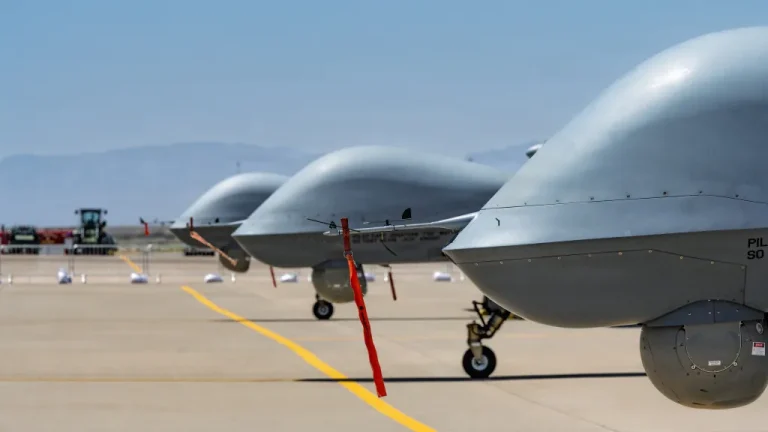
That said, the Americans have no intention of immediately phasing out the MQ-9.
On the contrary, the Reaper continues to undergo active upgrades. The drone is being equipped with new communication systems, improved sensors, counter-drone capabilities, and even low-cost APKWS rockets for hunting enemy drones.
The reason is simple: despite all its shortcomings, the MQ-9 remains an extremely useful platform for reconnaissance, patrols, and strikes in areas with weak air defenses.
But Washington already realizes that a future major war—especially in the Pacific—will require a completely different approach to unmanned aviation.
Where the enemy is capable of shooting down large numbers of expensive drones, the focus should not be on the “perfect drone,” but rather on a vast number of reasonably effective drones that can be produced quickly, replaced quickly, and deployed to dangerous areas without hesitation.
That is precisely why the Reaper’s new successor could become one of the most telling symbols of how the very logic of 21st-century warfare is changing.