Sometimes a revolution in military affairs happens where you least expect it. Not in new missiles or hypersonic technology, but in far more mundane matters—logistics. That is precisely where the U.S. Marine Corps is focusing its efforts today, banking on unmanned cargo helicopters.
And we’re not talking about futuristic vehicles built “from scratch.” On the contrary—the new concept is based on proven civilian platforms that have been converted into autonomous systems. It is precisely these kinds of projects that are currently competing for a contract under the MARV-EL program.
The War Over Logistics
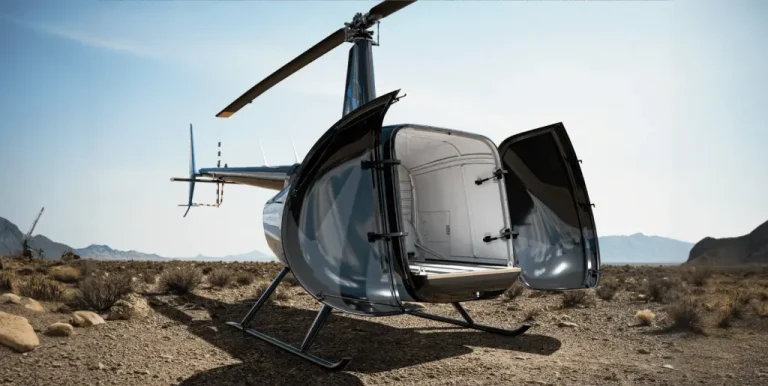
The modern battlefield has become too dangerous for traditional cargo delivery. Convoys are being destroyed, helicopters are being targeted by air defense systems, and resupply has become a weak link.
The Marine Corps’ response is to remove the person from the chain of command.
The Medium Aerial Resupply Vehicle – Expeditionary Logistics (MARV-EL) program aims to develop unmanned platforms capable of delivering ammunition, medical supplies, and equipment to the most dangerous areas—without putting the crew at risk.
This isn’t just a matter of convenience. It’s a change in the very logic of war: resupply must take place even in areas where manned aircraft can no longer survive.
The Robinson R66 Transforms into a Drone
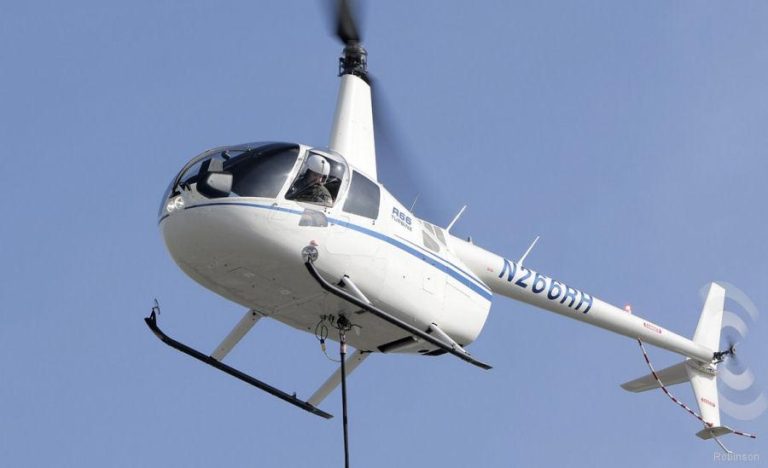
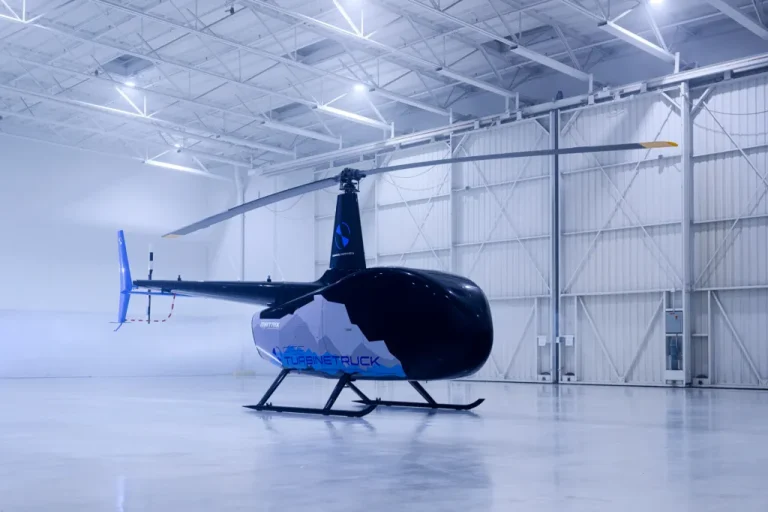
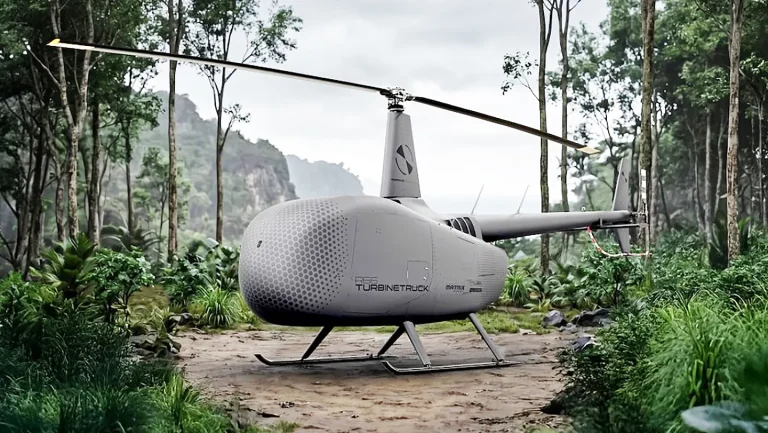
One of the program’s main participants is a version of the Robinson R66 helicopter that has been converted into an unmanned vehicle called the R66 Turbinetruck.
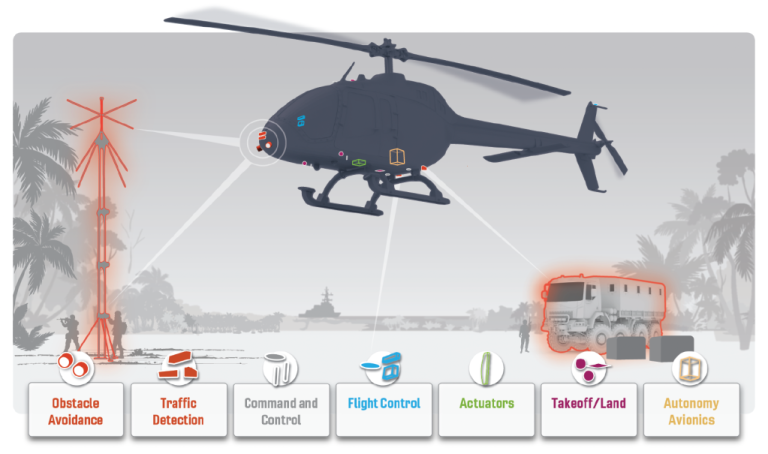
The key idea here is simple and almost ingenious: take an existing, mass-produced helicopter and add a “brain” to it. That “brain” is Sikorsky’s MATRIX autonomous control system.
The result is a machine that:
- takes off and lands on its own
- plots a route
- goes around obstacles
- carries out a mission based on instructions from a tablet
At the same time, it retains all the advantages of the original platform—reliability, well-established logistics, and a relatively low cost.
This is a significant shift: instead of developing a complex military drone from scratch, the army is building on civilian technology and accelerating its deployment.
Competitor: Bell 505 (pilotless)
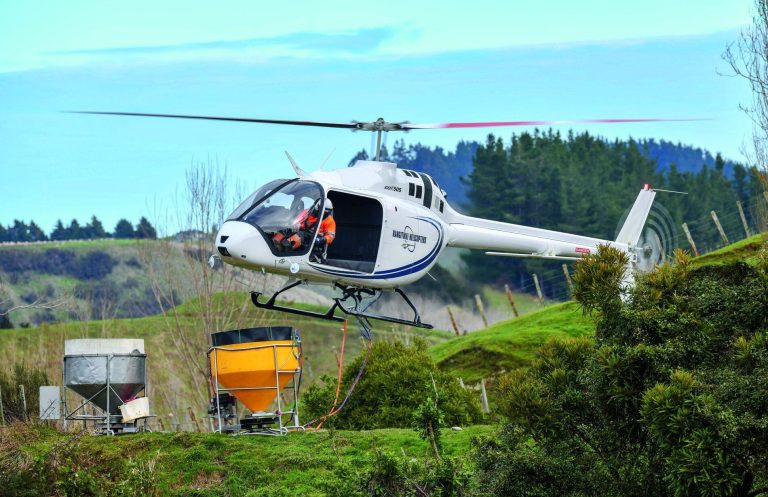
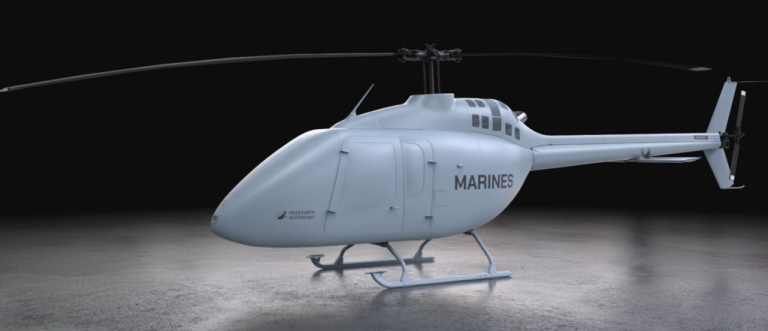
On the other hand, there is a platform based on the Bell 505—another light civil helicopter.
This project focuses on other parameters: payload capacity and range. According to the program’s requirements, the vehicle must be able to carry up to 1,300 pounds of cargo over a distance of approximately 100 nautical miles.
In other words, this is no longer just a “drone with a box,” but a full-fledged mid-range aircraft.
Here, competition exists not only between companies, but also between philosophies:
- Robinson — cheaper, easier, and faster to implement
- Bell — More Payload, Greater Potential
The Missing Link
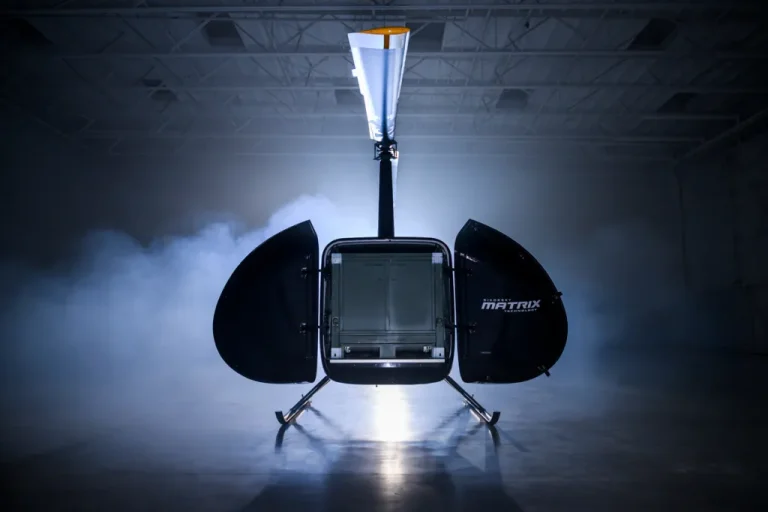
The main reason for the emergence of such vehicles is a gap in logistics.
On the one hand, there are small quadcopters that can carry a couple of kilograms. On the other hand, there are giants like the CH-53K or the MV-22, which are expensive, complex, and vulnerable.
A new class simply did not exist.
That is exactly what the MARV-EL program is developing: a medium-sized unmanned vehicle capable of operating from forward operating bases, ships, and unprepared sites.
It’s a “flying truck” that can be sent to places where people wouldn’t dare to go.
Why We Chose a Civilian Framework
At first glance, it seems strange that the military is relying on modified civilian vehicles rather than new designs.
But the logic here is extremely pragmatic:
- existing production facilities
- proven reliability
- availability of replacement parts
- cost reduction
In situations where equipment can be lost quickly, it is important not only to be efficient but also to be able to quickly replace what has been lost.
That is precisely why such helicopters are viewed as a “consumable resource”—not in the literal sense, but close to it.
War Without Pilots—Starting in the Rear
It is important to understand that this does not mean a complete replacement of manned aviation.
For now, autonomy is making its way into the rear—into logistics.
But history shows that it is precisely auxiliary technologies that eventually become combat-ready.
Today, it’s cargo drones. Tomorrow, it’s strike platforms. The day after tomorrow, it’s fully autonomous combat systems.
Conclusion: A Quiet Revolution
The history of these helicopters may not seem as sensational as news about missiles or fighter jets. But in practice, it is precisely these kinds of solutions that have the most profound impact on the course of war.
Because an army wins not only through firepower—it wins through logistics.
And if the U.S. Marine Corps does indeed acquire reliable, autonomous “air trucks,” it will mean one thing: a new, nearly invisible system will appear on the battlefield—one that operates without pilots, without fanfare—but with critical effectiveness.