When Drones Save Lives: An Apache Crew Rescued an Unmanned Boat for the First Time in History

In recent years, news about drones has most often been linked to war. We’ve grown accustomed to seeing reconnaissance drones, attack UAVs, unmanned surface vessels, and autonomous systems capable of striking targets on land, in the air, and at sea. At times, it begins to seem as though the development of unmanned technologies boils down exclusively to creating new ways to destroy the enemy.
But every now and then, stories emerge that remind us: technology in and of itself is neither good nor evil. It all depends on how people use it.
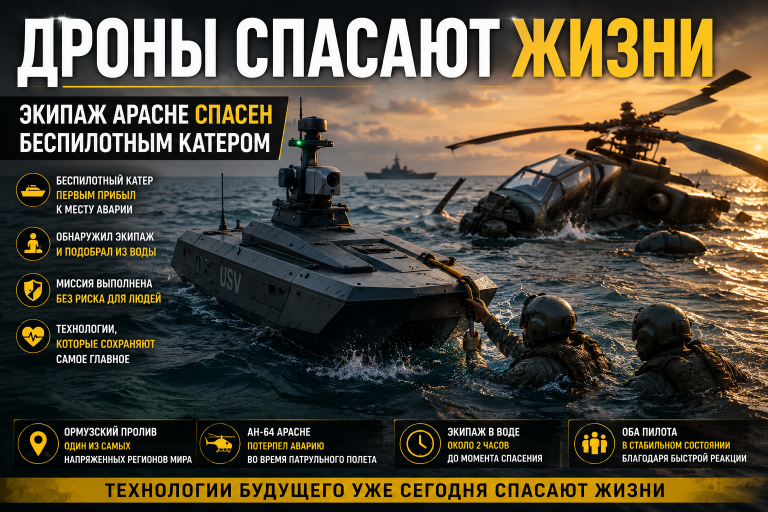
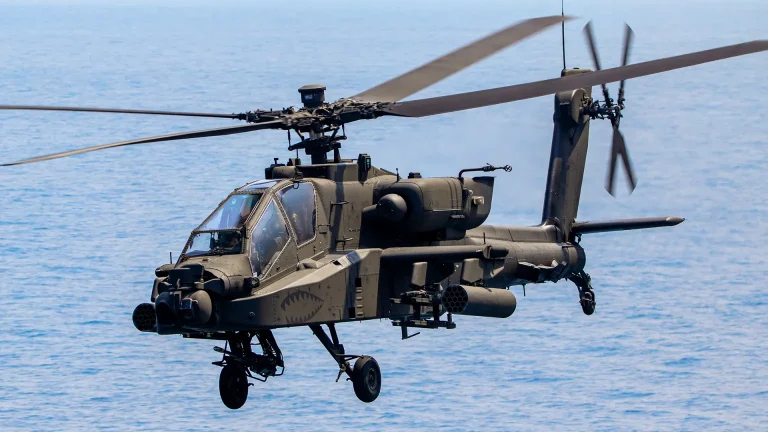
An incident occurred this week that may well go down in the history of unmanned systems. An American AH-64 Apache attack helicopter crashed in the Strait of Hormuz. Both crew members ended up in the water. They were rescued not by a search-and-rescue helicopter or a U.S. Navy ship, but by an unmanned surface vessel. According to U.S. Central Command, this is the first such incident in history.
An Accident Over One of the World’s Most Dangerous Straits
The incident occurred off the coast of Oman, near the Strait of Hormuz—one of the world’s most important maritime routes.
It is through this narrow strait that a significant portion of the world’s oil exports passes every day, and the region itself has remained an area of heightened tension for many years. In recent months, incidents involving drones, missiles, and small boats have been regularly reported here.
According to available information, the AH-64 Apache was on a patrol flight when the accident occurred. The causes have not yet been disclosed. Various possibilities are being considered—ranging from a technical malfunction to possible combat-related damage. The official investigation is ongoing.
The main thing is that both drivers managed to get out of the car and were found alive in the water.
But then something happened that no one would have expected just a few years ago.
A robot came to the rescue
Rescuing the crew of a downed or crashed aircraft is usually a complex operation.
We need to locate people, determine their whereabouts, dispatch rescue teams, and ensure their evacuation. All of this takes time and sometimes involves serious risks for the rescuers.
This time, it wasn’t people who were the first to arrive at the scene of the accident.
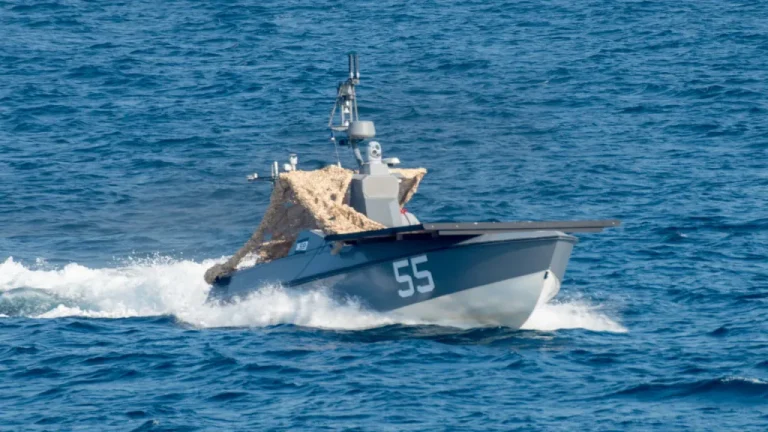
An American unmanned surface vessel spotted the Apache crew and was able to rescue the pilots from the water. Only then did other forces join the operation to complete the evacuation of the victims. According to CENTCOM, the pilots spent about two hours in the water and are in stable condition.
For the military, this event served as a true demonstration of the capabilities of the new generation of autonomous systems.
What kind of drone was it?
Although the type of aircraft has not yet been officially disclosed, it is known that the operation was carried out with the participation of the U.S. Navy’s Task Force 59.
This organization was created specifically to integrate unmanned maritime systems and artificial intelligence technologies into U.S. Navy operations in the Middle East. In recent years, Task Force 59 has been actively testing various unmanned vessels capable of patrolling the seas for weeks without a crew, conducting surveillance, and transmitting information in real time.
Until now, such systems have been viewed primarily as tools for intelligence and surveillance.
Now, for the first time, they have proven that they can also perform rescue operations.
The New Role of Unmanned Systems
The mere fact that the two pilots were rescued might seem like a minor incident.
However, the significance of this event is much broader.
Military forces around the world are actively seeking ways to reduce risks to their personnel. That is why unmanned aircraft, helicopters, surface vessels, and submarines are being developed.
Until recently, the focus had been on their strike capabilities. But the incident in the Strait of Hormuz points to a different direction of development—the use of autonomous systems for rescue operations.
Imagine a rescue operation during a storm, a shipwreck, or a plane crash over the sea. An unmanned aerial vehicle can reach the scene much faster than a ship, locate the victims, and provide them with support until the main rescue forces arrive.
In fact, this marks the emergence of a new class of rescue equipment.
From Weapon to Lifesaver
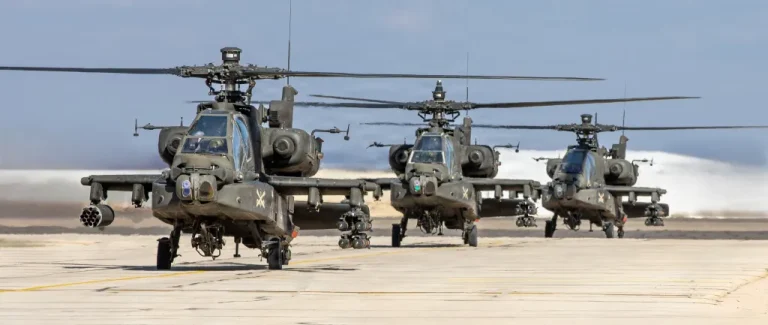
The history of technological development is full of examples where military innovations have eventually found peaceful applications.
The Internet, GPS satellite navigation, and jet aviation—all of them began as military projects.
Perhaps a similar fate awaits modern unmanned systems as well.
Today, they have become a symbol of a new era of warfare. But tomorrow, these same aircraft could be searching for missing fishermen, rescuing crews from shipwrecks, or delivering aid to areas hit by natural disasters.
That is precisely why the story of the Apache crew’s rescue is interesting not only as military news.
It shows that autonomous technologies are gradually beginning to fulfill the very purpose for which humanity creates any technology in the first place—to save human lives.