Yuri Pasholok. A Gallic suitcase taken as a trophy, without a handle

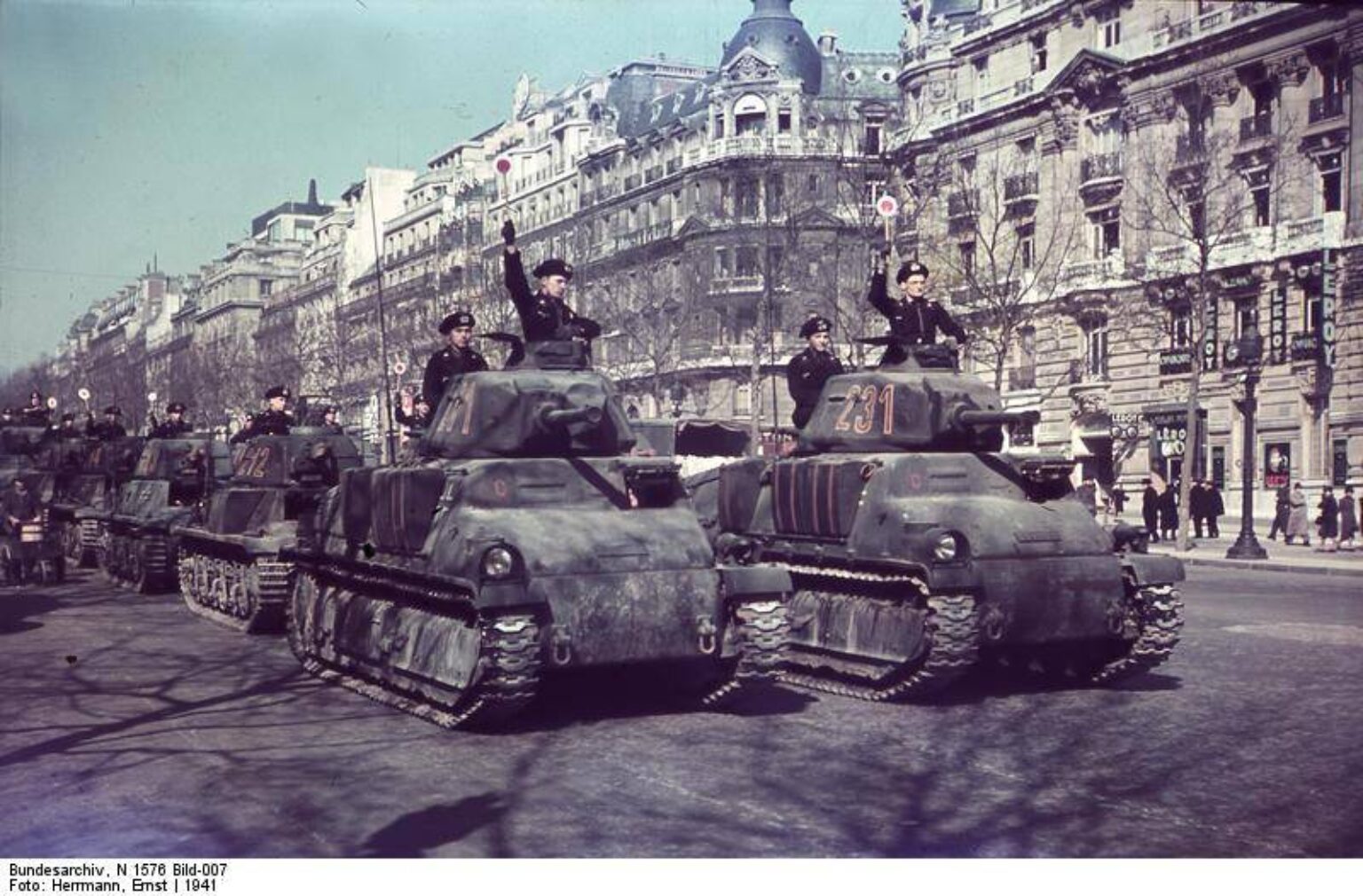
Captured French tanks and vehicles based on them in the German Army
During World War I, the Germans were the first to deploy captured tanks. This happened because their own industry was only able to produce 20 tanks, so they had no other options. A comical situation arose in which the Kaiser’s army had many times more captured tanks than its own. The vast majority of these tanks were British-made, primarily the Mark IV. They certainly weren’t anything to write home about, but for lack of anything else, they’ll do. The Germans also captured French tanks, but at that time, they were not yet being used in large numbers.
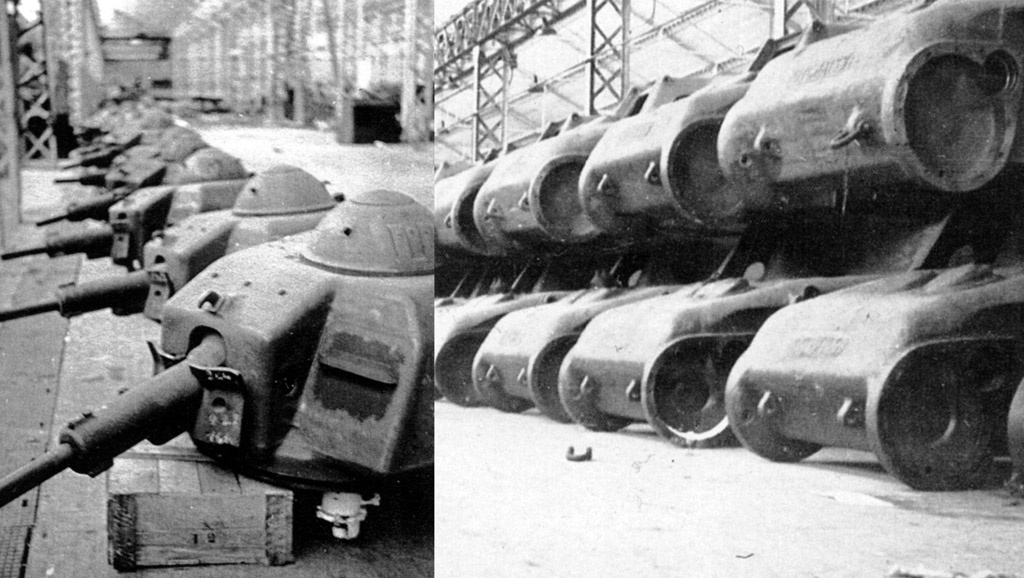
The stockpile of Hotchkiss H 39 hulls and turrets; its existence was the basis for attempts to resume production of the tank
The situation was quite different during World War II. The first captured tanks had already found their way into the German army even before the war began. While the Austrian Army’s armored vehicles were suitable only for training purposes, the occupation of Czechoslovakia in March 1939 provided the Germans with well over a hundred perfectly serviceable tanks. Moreover, one of them, the LT vz.38, was produced in large quantities for its new owners. Then came “Plan Gelb,” which provided the Germans with several thousand French and British tanks. However, the use of this equipment turned out to be, shall we say, quite different from that of the Czechoslovak tanks.
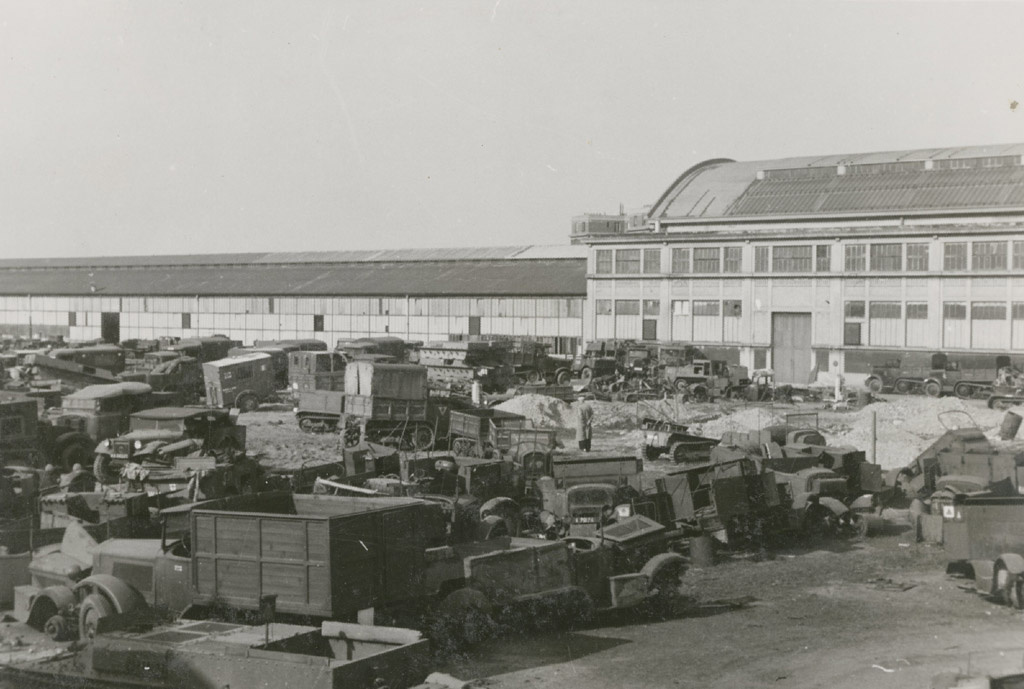
Abandoned cars and untapped potential
To begin with, it’s worth mentioning one point that explains why, in June 1940, the French signed an armistice even though half of their territory remained unoccupied. If you look at a map of the factories that produced armored vehicles, much will become clear. In northern France were the FAMH and Lorraine factories, as well as Schneider. The centers for tank development and production were located around Paris. For example, the main turret manufacturer, ARL, was located north of the capital. In fact, by mid-June, the French had only a handful of factories left—and even those were without turrets, engines, or armaments. In short, it was game over.
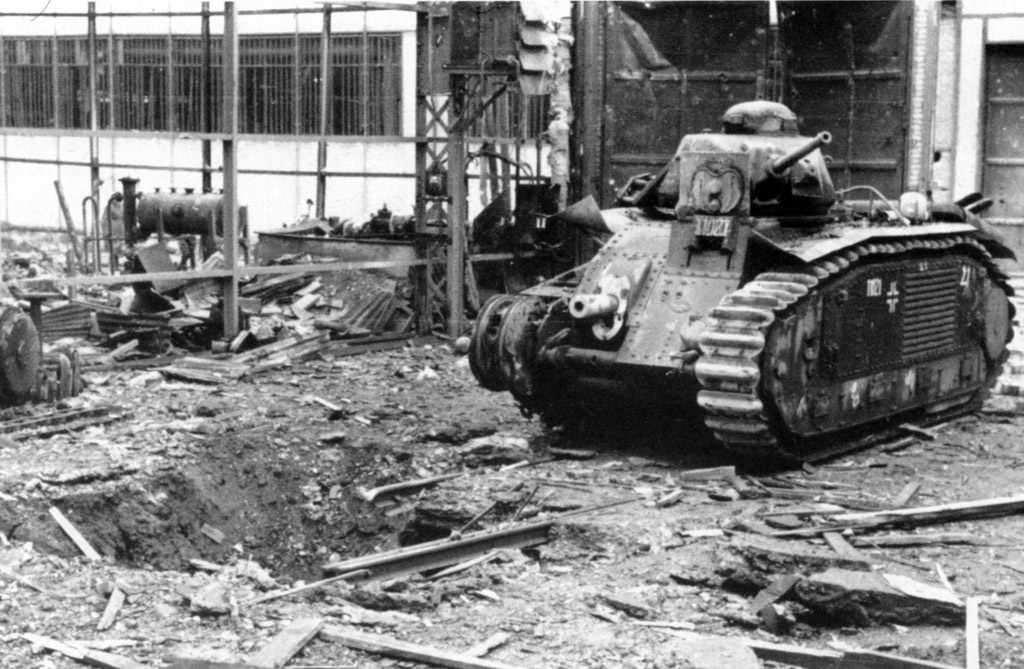
The Renault factory, destroyed by the Allies in 1942, which was used as a repair base
The vast majority of these factories fell into German hands intact. If there was any damage at all, it was minimal. Moreover, the Germans planned to order a batch of Hotchkiss H 39 light tanks from Hotchkiss. This was the only instance in which the Germans seriously intended to continue production of French armored vehicles. As of July 14, 1940, the Hotchkiss factory had seven partially assembled tanks and 25 workers. However, they never managed to get assembly up and running. The French did not want to assemble tanks for the Germans, and no amount of persuasion could change their minds. And the Germans soon abandoned the idea of producing new tanks altogether.
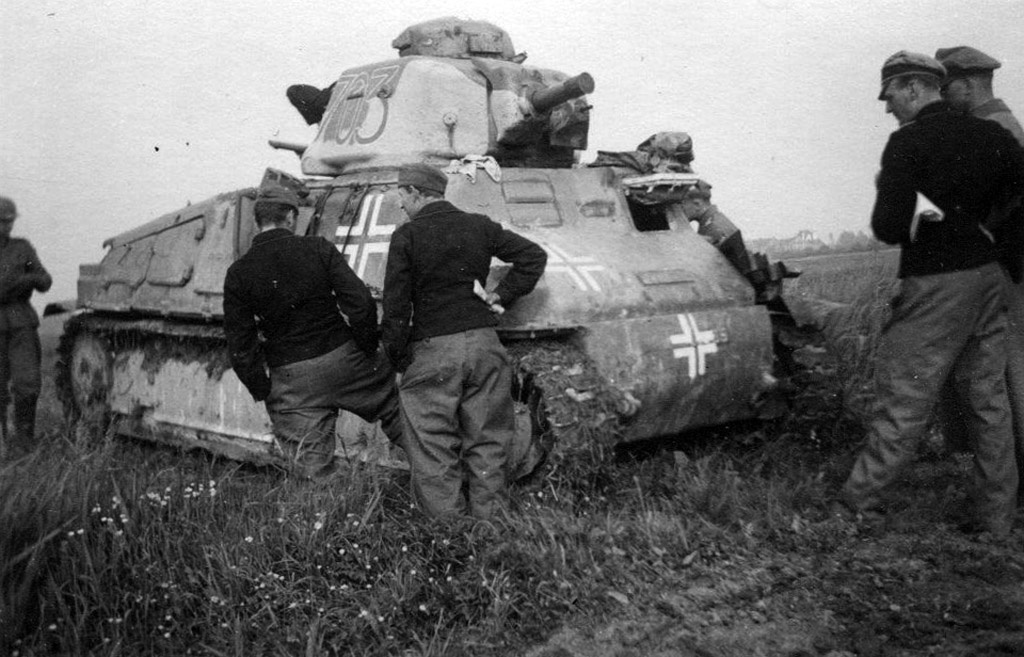
The Germans actively used the captured SOMUA S 35 tanks even during the fighting in May and June 1940
The Germans made active use of French tanks as early as the fighting in May and June 1940. This was particularly true of light tanks, as well as the SOMUA S 35 armored cars. These vehicles proved to be sturdy and easy to repair. Almost immediately after the signing of the Second Armistice of Compiègne, German troops began the process of adapting the captured tanks. Preparations were underway for Operation Sea Lion, in which the former French tanks were also to be deployed. But the further the adaptation process progressed, the more it became clear just how much of a “suitcase without a handle” the French tanks had turned out to be for their new owners.
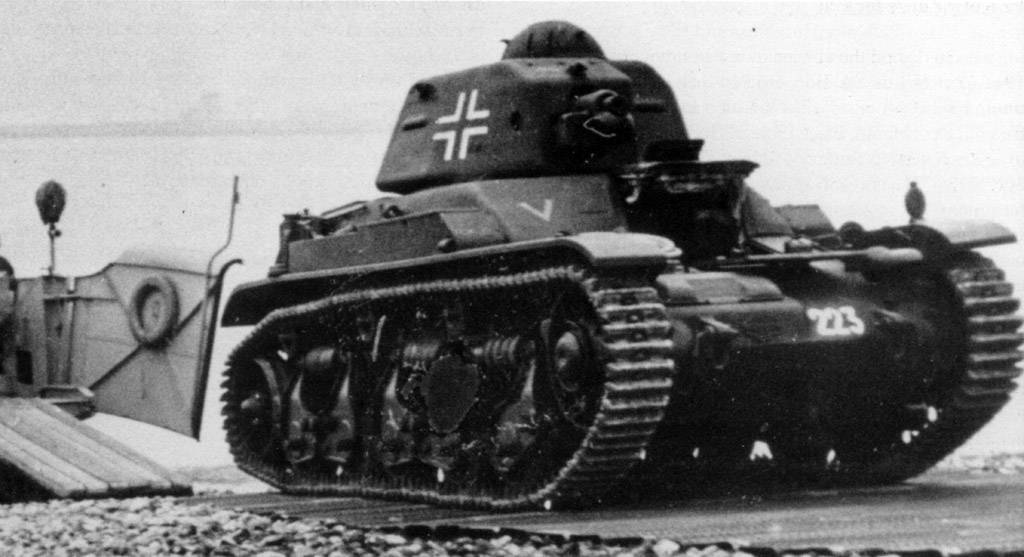
During preparations for Operation “Sea Lion”
Why the Germans ordered the LT vz.38 but did not order French tanks becomes clear when you compare these combat vehicles. For the Germans, the Czechoslovak light tank—which, incidentally, they used as a makeshift medium tank—was easy to understand. Yes, the turret wasn’t a three-seater, and there were other quirks, such as the lack of high-explosive fragmentation shells (which were added later), but overall, the Czechoslovak vehicle was easy for the Germans to understand. But the French ones… Even the finest examples of French tank design never made it into the ranks of German tank divisions, serving there at best as training vehicles.
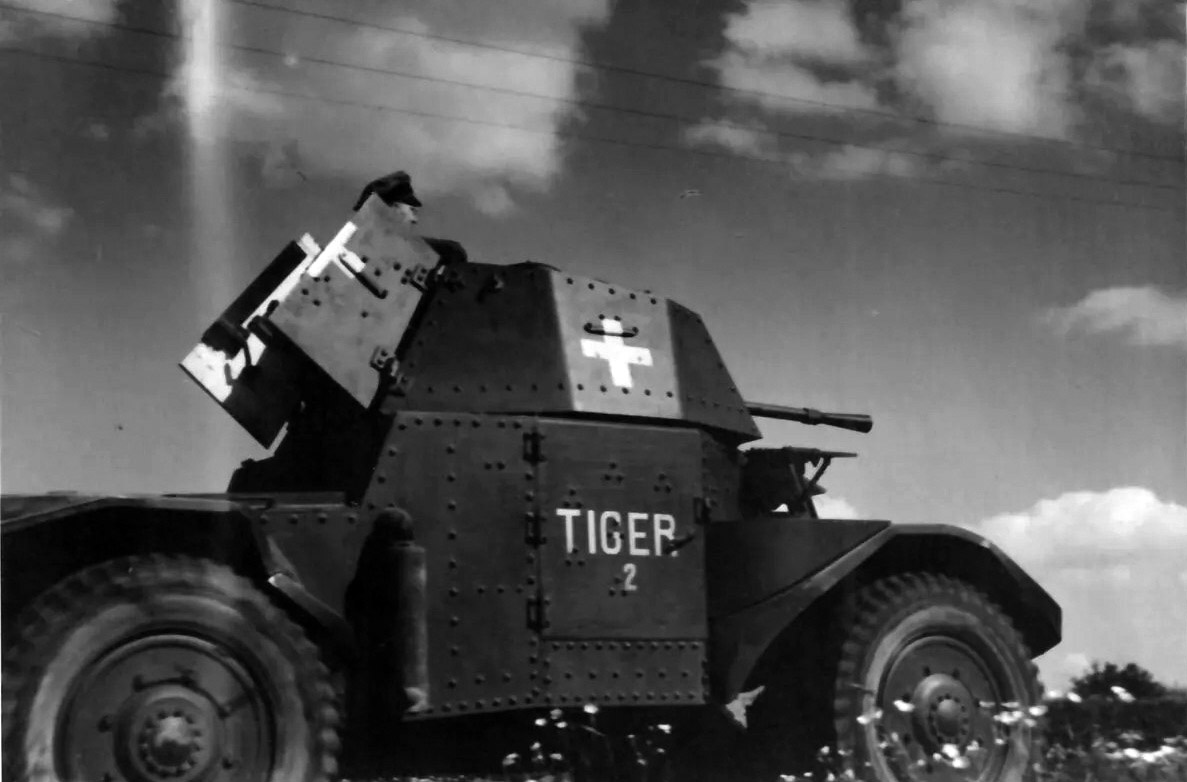
Panzerspähwagen P (f), the best the Germans got from the French
The only French combat vehicle that proved adequate—in terms of its overall performance—was not even a tank, but an armored car. Moreover, the Panhard 178 seemed to be a more capable armored car than the German 4-axle heavy armored vehicles. So the Germans actually used them on the front lines. The Panhard 178 had several advantages, including a spacious two-seater turret, good visibility, adequate armament, and good off-road capability. Occupying a middle ground between German light and heavy armored vehicles, the Panzerspähwagen P (f) surpassed them—including in technical terms. They were used in reconnaissance units of both SS divisions and tank divisions. The fact that the Panhard 178 continued to be developed even after the end of World War II clearly points to a simple truth—the French had succeeded in creating an armored vehicle.
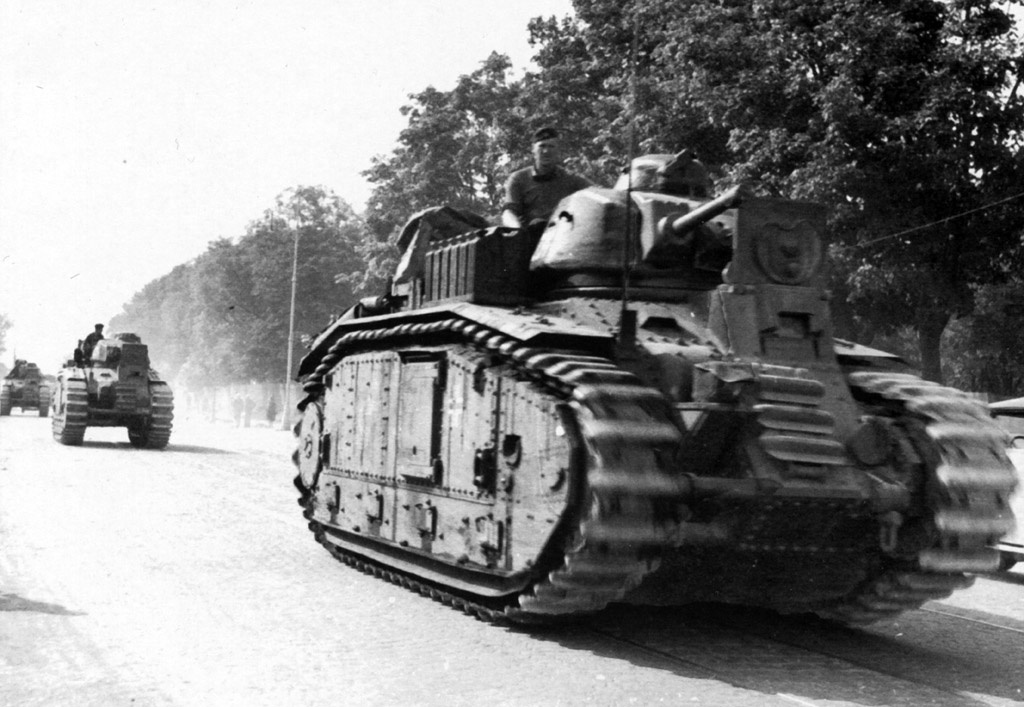
The Pz.Kpfw.B2 (f) had an extremely complicated combat history
As for tanks, the best among the French was by no means the Char B1 bis, on which they had pinned their hopes. They received a total of 150 to 180 of these tanks, but the Pz.Kpfw.B2 (f), as it was called, fit very poorly into the German Army’s armament system. With a crew of four, the commander served simultaneously as the turret gunner and loader, and the 75-mm SA 35 gun mounted in the front hull plate did not inspire much enthusiasm. Against this backdrop, it is no surprise that work on flamethrower tanks began in the spring of 1941. In total, about 80 Pz.Kpfw.B2 (f) tanks—that is, about half—were converted into flamethrower tanks. A few more were converted into self-propelled guns. However, their very first deployment in the summer of 1941 ended in what amounted to a failure. The 102nd Flamethrower Battalion remained on the front lines for only a few weeks. Subsequently, the French “combat” tanks were used on secondary sectors of the front.
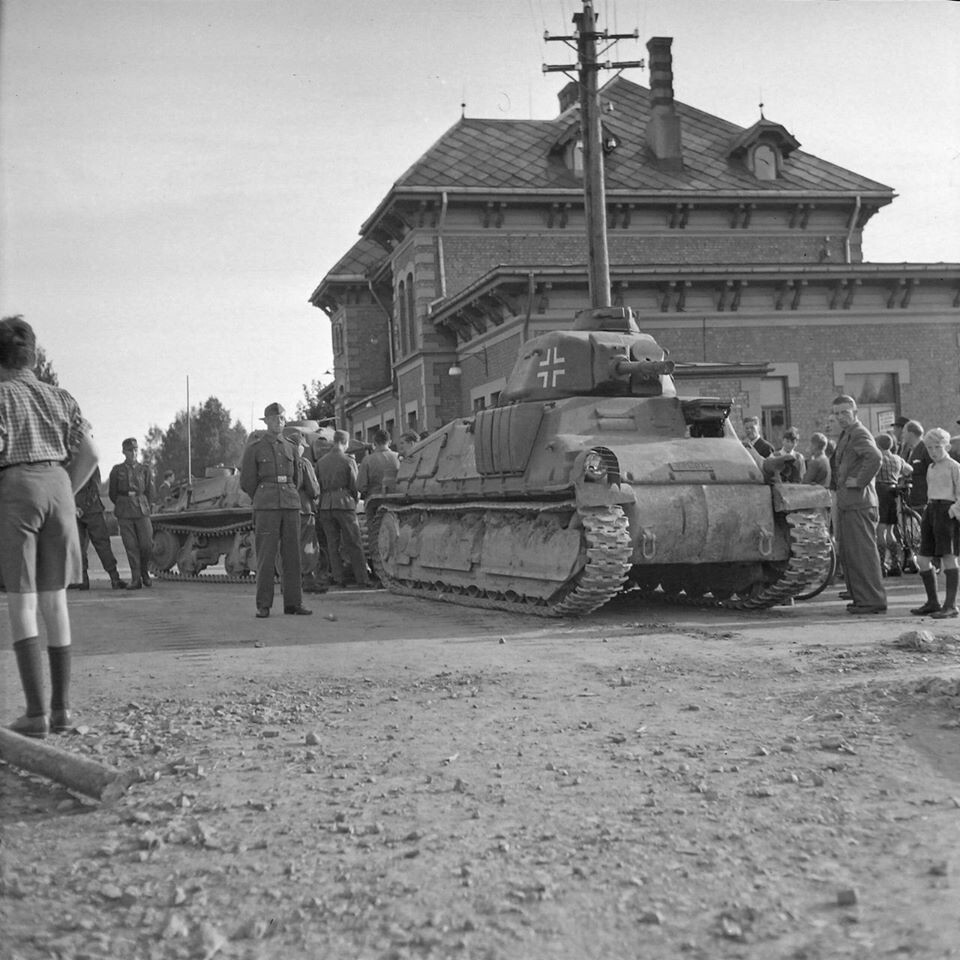
The Pz.Kpfw.35 S (f) proved to be the best of the captured French tanks. But with its own unique characteristics
Of all the medium tanks captured by the Germans, the SOMUA S 35 was the only one that proved adequate. In fact, it was the best French tank of that period. However, it also had its flaws, which meant that the Pz.Kpfw.35 S (f)—as the Germans called it—was not assigned to tank divisions. As was typical for French tanks, the turret was a single-seat design, which complicated the commander’s job, as he had to perform both the gunner’s and loader’s duties. Another drawback was visibility; in this regard, the French had misjudged the situation. There seemed to be plenty of observation devices, but they were ineffective. Nevertheless, the Pz.Kpfw.35 S (f) was among the French tanks that the Germans deployed on the Soviet-German front from the very beginning of the Great Patriotic War. Another point that clearly speaks in favor of the “Cavalier” is the fact that they were not converted into self-propelled guns.
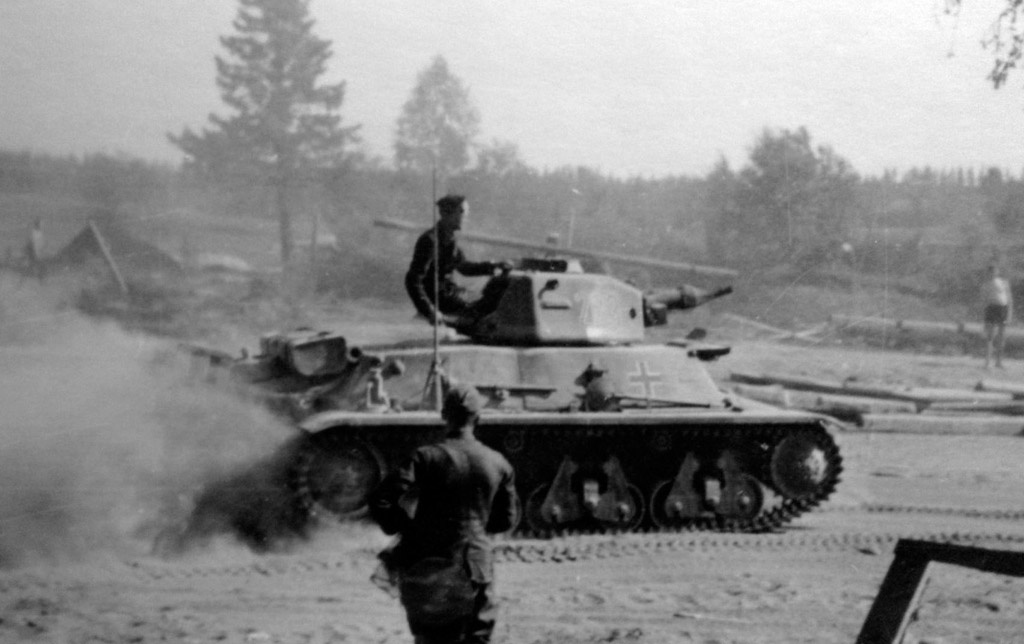
The Pz.Kpfw.38 H (f) turned out to be quite good as well, though it also had its own unique characteristics
Strictly speaking, if we look at which French combat vehicles the Germans used most intensively, it becomes clear that they were former cavalry vehicles. Another tank that, along with the Pz.Kpfw.35 S (f), saw quite active combat on the Soviet-German front was the Pz.Kpfw.38 H (f). A key difference between the Hotchkiss H 39 and similar models like the Renault R 35 and FCM 36 was its quite adequate performance. The vehicle was in the same class as the Pz.Kpfw.II, surpassing it in every respect. By and large, there were only two complaints about the tank—insufficient visibility (which was also true of the Pz.Kpfw.II) and the lack of radios in some of the tanks. The first problem was solved by modifying the turret, and the second by gradually installing German radio sets. This was the reason why the Germans wanted to resume production of these tanks.
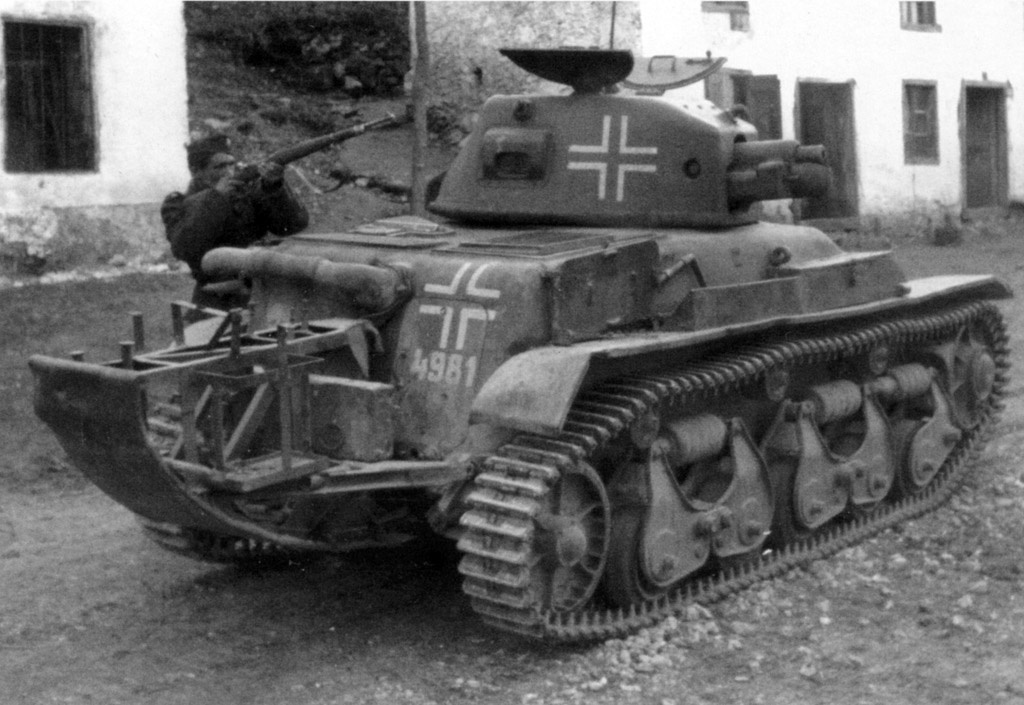
The Pz.Kpfw.35 R (f) were better suited for fighting partisans
As for the tanks intended for the French infantry, their use was largely limited to local operations. The Renault R 35, for example—the most widely produced of the modern French tanks of that period—proved to be an extremely questionable acquisition. It was no coincidence that even before the start of the Great Patriotic War, some of them were converted into 4.7 cm Pak(t) (Sfl) auf Fgst.Pz.Kpfw.35 R 731(f) tank destroyers. At the same time, as early as the beginning of July 1941, an order was issued to re-equip the divisions armed with these self-propelled guns with the 3.7 cm Pak. This was because fighting with towed guns proved to be easier. The Pz.Kpfw.35 R (f) were better suited for fighting partisans, as well as for service in the rear. Captured Renault FT tanks also served in the rear.
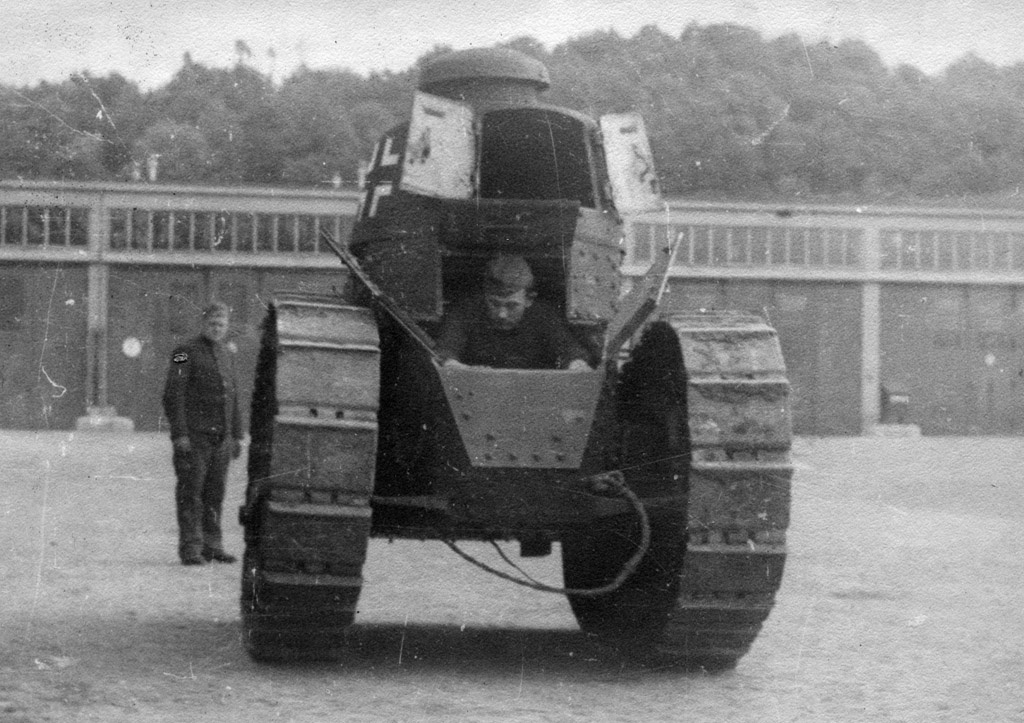
These tanks were really only good for training purposes
The most interesting thing about all this is that French industry was by no means idle. The Germans received tens of thousands of trucks from the French, which were actively used on the Soviet-German front. Citroën (ironically, in 1935, Michelin, Citroën’s new owner, had publicly renounced military production) and Renault distinguished themselves particularly in this regard. The irony was that the vast majority of the French trucks received by the Germans were originally civilian vehicles. Vehicles originally intended for military use were also supplied to them, but they were produced, as before, in very small numbers. As for tanks, however, things did not go well at all. Even the Polish company Ursus managed to begin production of the Pz.Kpfw.II. There is a suspicion that the issue here was not “resistance,” but simply the state of French industry.
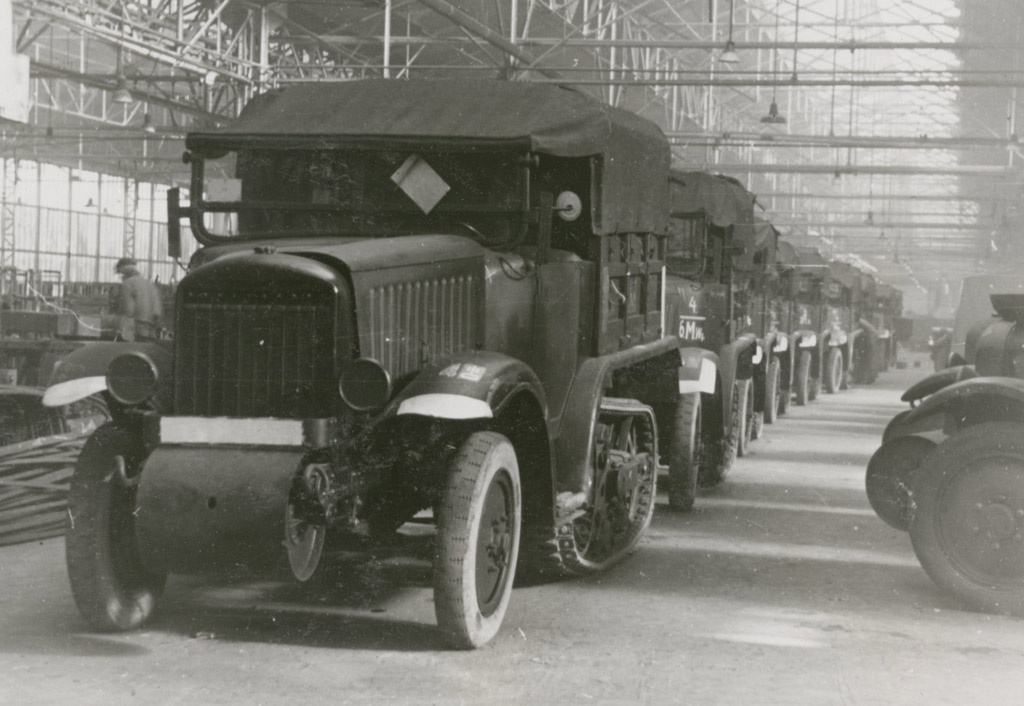
Between 1940 and 1944, the Germans received tens of thousands of trucks from the French, which were actively used on the Soviet-German front. In addition, there were a number of tractor-trailers.
The only person who was able to make use of the French legacy was Alfred Becker. An artillery major with a talent for engineering, he took on a leadership role in the organization known as Baukommando Becker. In total, he had three factories at his disposal—Hotchkiss, Matford, and Talbot. These facilities were used to repair chassis, and subsequently to modify tanks and other types of French military equipment. From these hopelessly damaged French chassis, Becker created self-propelled artillery pieces, armored personnel carriers, anti-aircraft guns, command vehicles, and much more.
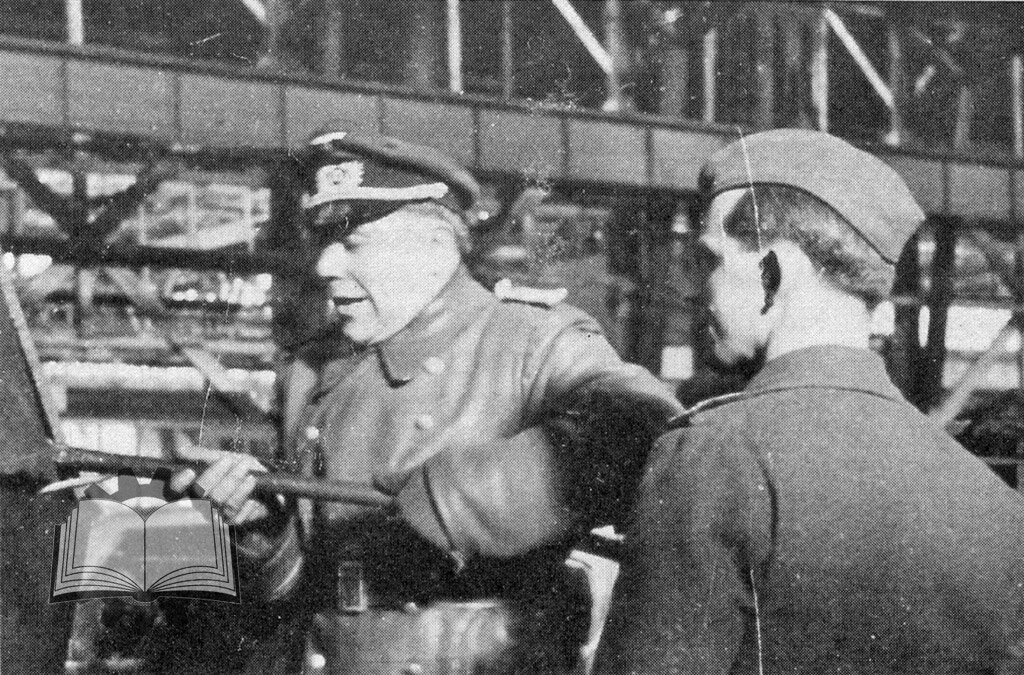
Alfred Becker is building a self-propelled vehicle
In total, Baukommando Becker modified more than a thousand French military vehicles. The vast majority of these combat vehicles served in France, since the original chassis were neither reliable nor high-performing. At the same time, if one looks at these combat vehicles from the perspective of the overall design of the fighting compartment, the situation is far from clear-cut. Alfred Becker proved to be a highly competent engineer who was forced to build his vehicles out of scraps and scraps. And this was the only way to make even some use of these hopeless combat vehicles.
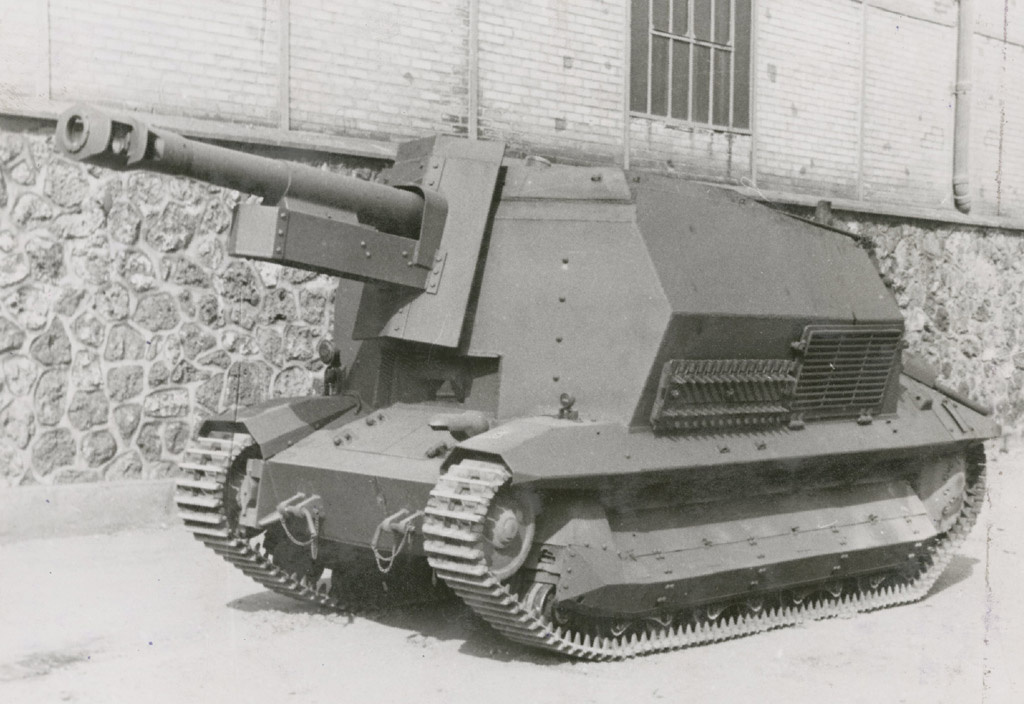
Given the shortcomings of their base chassis, such self-propelled guns were better suited for service in the rear
It’s not as if the French tanks proved completely useless. Some of them remained in service as late as May 1945, and a number were even returned to their original owners. But the impact of acquiring them turned out to be much less significant than, for example, that of the Czechoslovak legacy. This was primarily due to the quality of the combat vehicles that fell into German hands. The vast majority of French tanks were already obsolete by early 1941—a general lesson that can be drawn regarding the French command that had ordered them.
List of Sources:
-
-
- Captured Motor Vehicles and Tanks of the German Wehrmacht, Walter J. Spielberger, Motor Buch Verlag, 1989
- Panzer Tracts No. 19–1 Captured Tanks — Czech, Polish, and French Tanks Captured from 1939 to 1940, Thomas L. Jentz, Werner Regenberg, 2007
- Panzer Tracts No. 10 Self-Propelled Artillery Mounts, Thomas L. Jentz, Hilary L. Doyle, 2002
- eBay
-