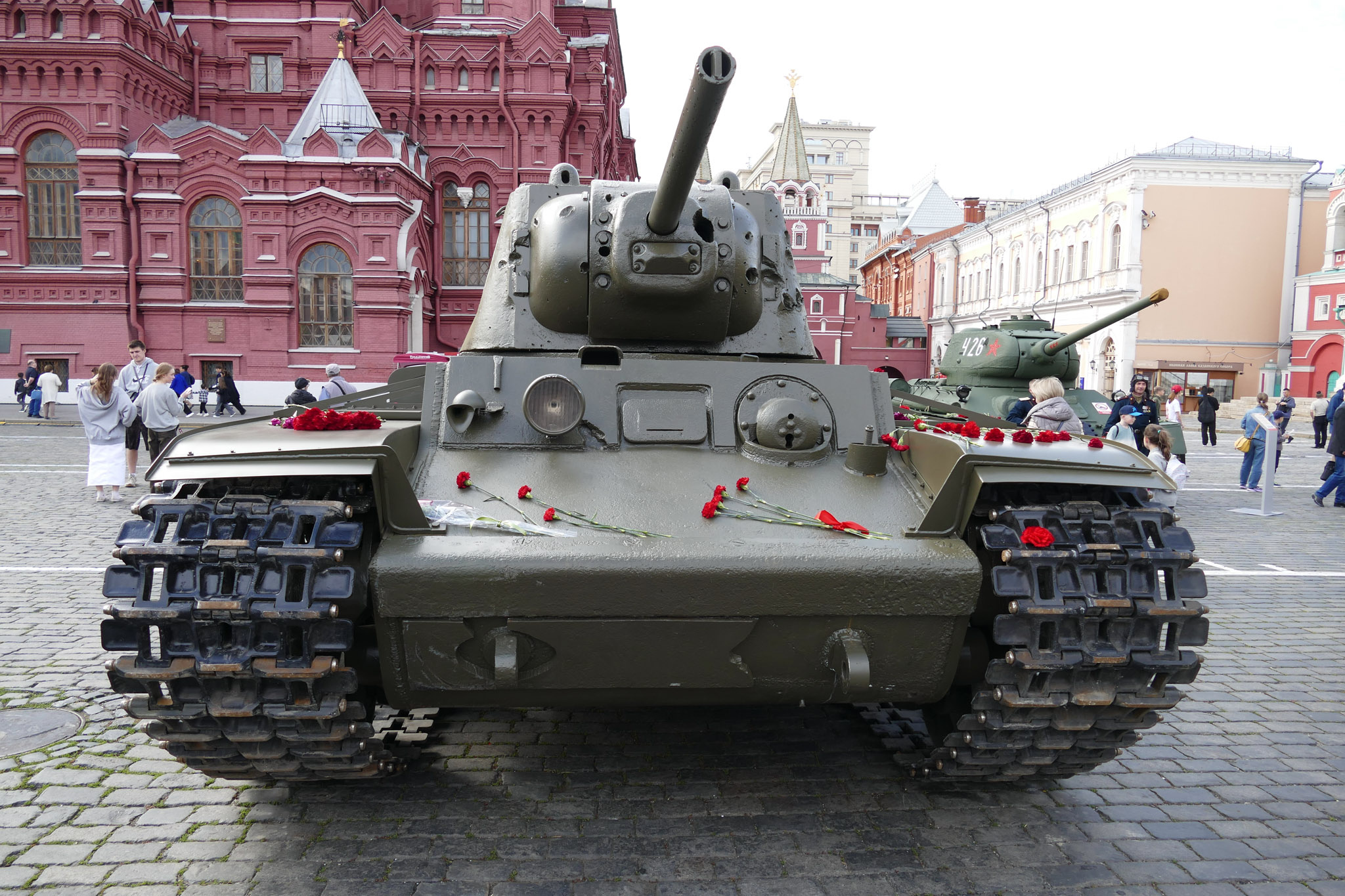
A story about the KV-1 heavy tank, a new addition to Vadim Zadorozhny’s Museum of Technology.
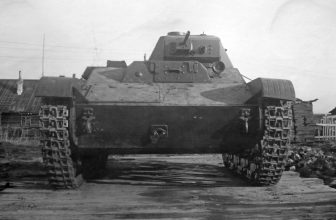
The KV-1 holds a special place in the history of Soviet tank building. It became the first truly mass-produced Soviet heavy tank, and from the very beginning, the KV ranked among the world’s best. In terms of overall performance, at the start of the Great Patriotic War, no other heavy tank could match it. However, the KV-1 was unable to fully realize its potential, and this was, in part, due to factors entirely beyond the tank’s control.
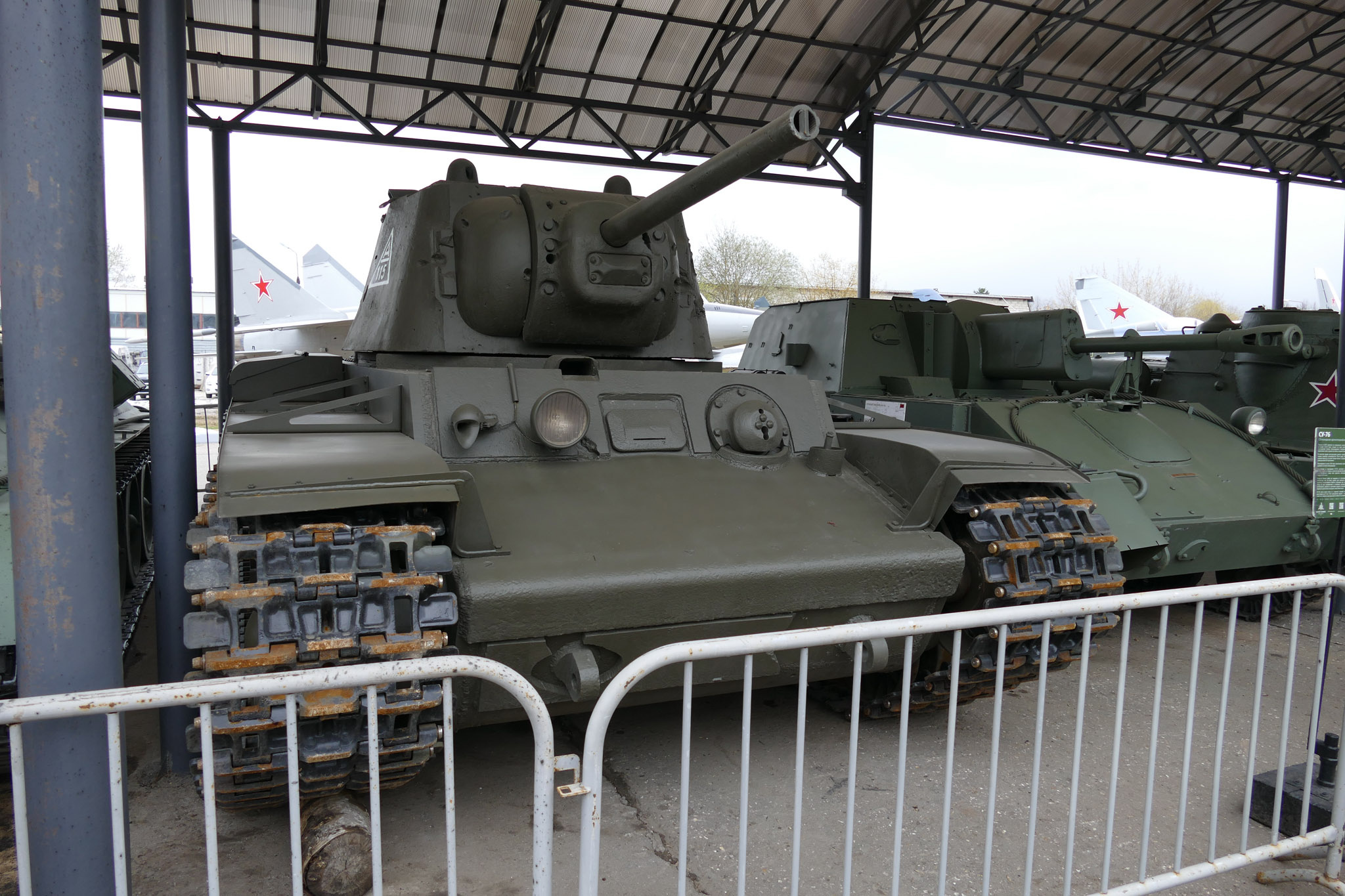
The tank’s current condition
As it turned out, until recently there were only a handful of KV-1s in Russia. The situation has improved somewhat now, and operational examples have begun to appear. Recently, such a tank was added to the collection of Vadim Zadorozhny’s Museum of Technology. Assembled from fragments, this specimen took its place just a few months after its direct predecessor—a drivable model of the T-35 heavy tank—arrived at the museum.
It was first shown on June 22, 2025, on Red Square
The very appearance of the KV-1 was a true feat of domestic tank engineering. At the same time, it became the first mass-produced tank developed under the leadership of Zh. Ya. Kotin, the new head of Design Bureau No. 2 at the Kirov Plant. At the same time, the KV marked N.L. Dukhov’s debut as the vehicle’s lead engineer. As is well known, the KV was developed as an alternative to the heavier SMK-1, which was too large and heavy. As it turned out, the lighter and, at the same time, better-protected KV proved to be the more successful solution.
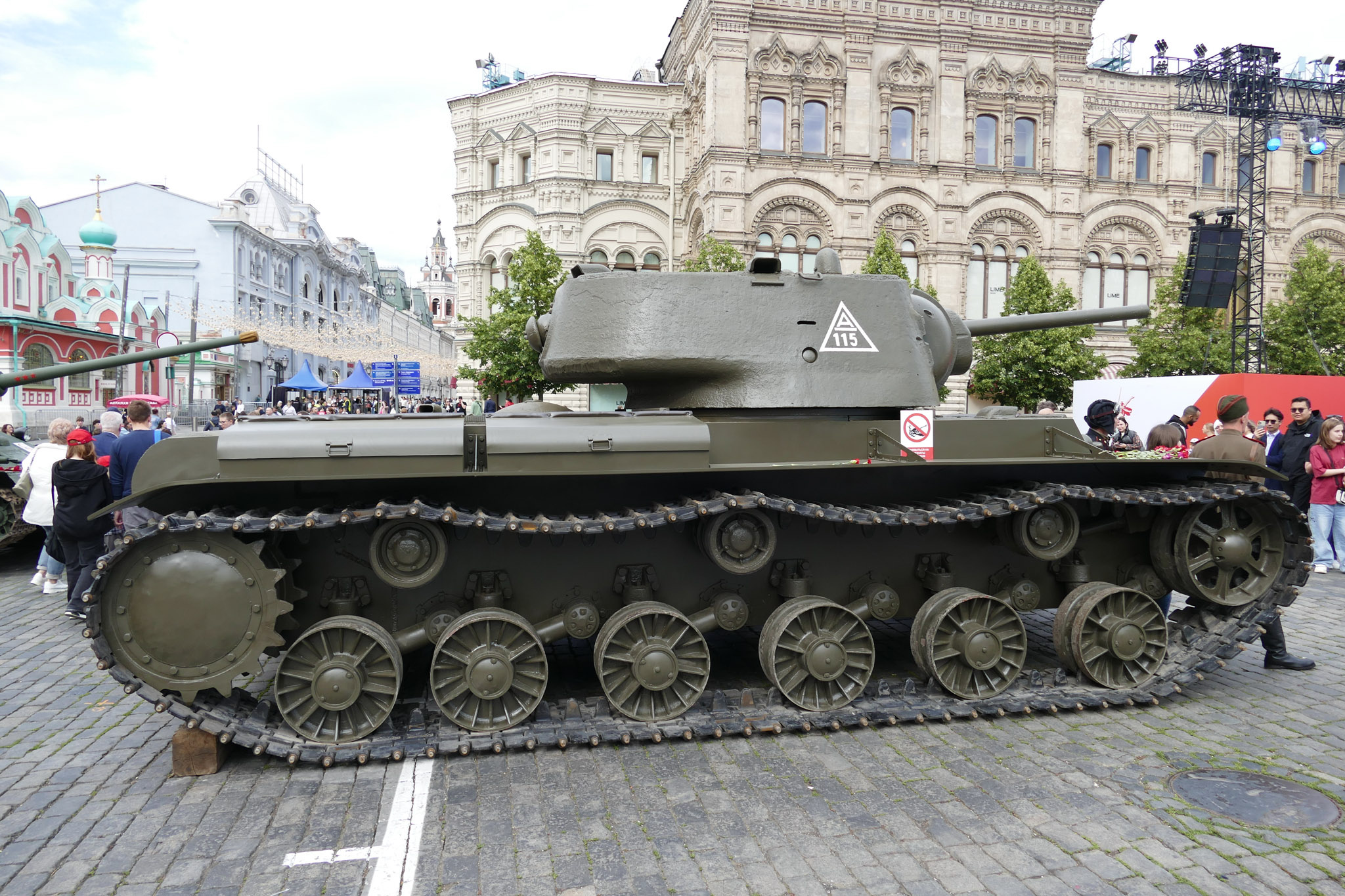
Even back then, he was wearing tactical insignia
The KV was adopted into service on December 19, 1939, and the wisdom of this decision was confirmed by the tank’s combat performance during the Soviet-Finnish War. Finnish anti-tank guns were unable to penetrate the KV’s thick armor. Also during this war, the KV-2 appeared, which in a sense became the first Soviet mass-produced heavy self-propelled gun. Formally, of course, it was a tank, but the tasks assigned to it were more suited to self-propelled artillery. As a result, two tanks emerged from the same design basis.
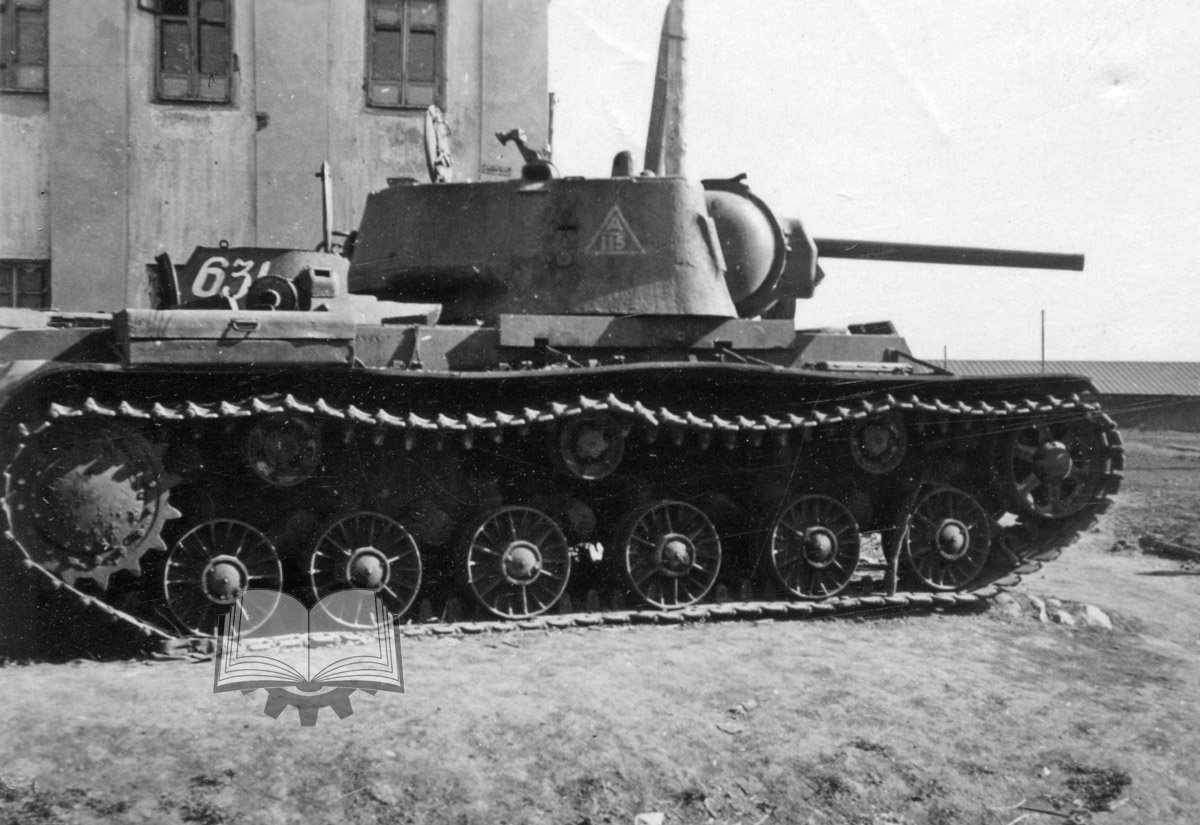
Prototype Based on Tactical Markings
The KV-1 underwent continuous development. The tank produced by early 1941 differed significantly from the original KV—and not just in appearance. Its combat weight gradually increased, reaching 46 metric tons. The turret underwent significant changes, which also contributed to the increase in weight, and a new F-32 gun was installed. The current variant was expected to remain in production for about half a year. By the end of the summer of 1941, a transition to a heavier tank, the KV-3, was expected—though it was by no means certain that it would be better, especially in terms of reliability.
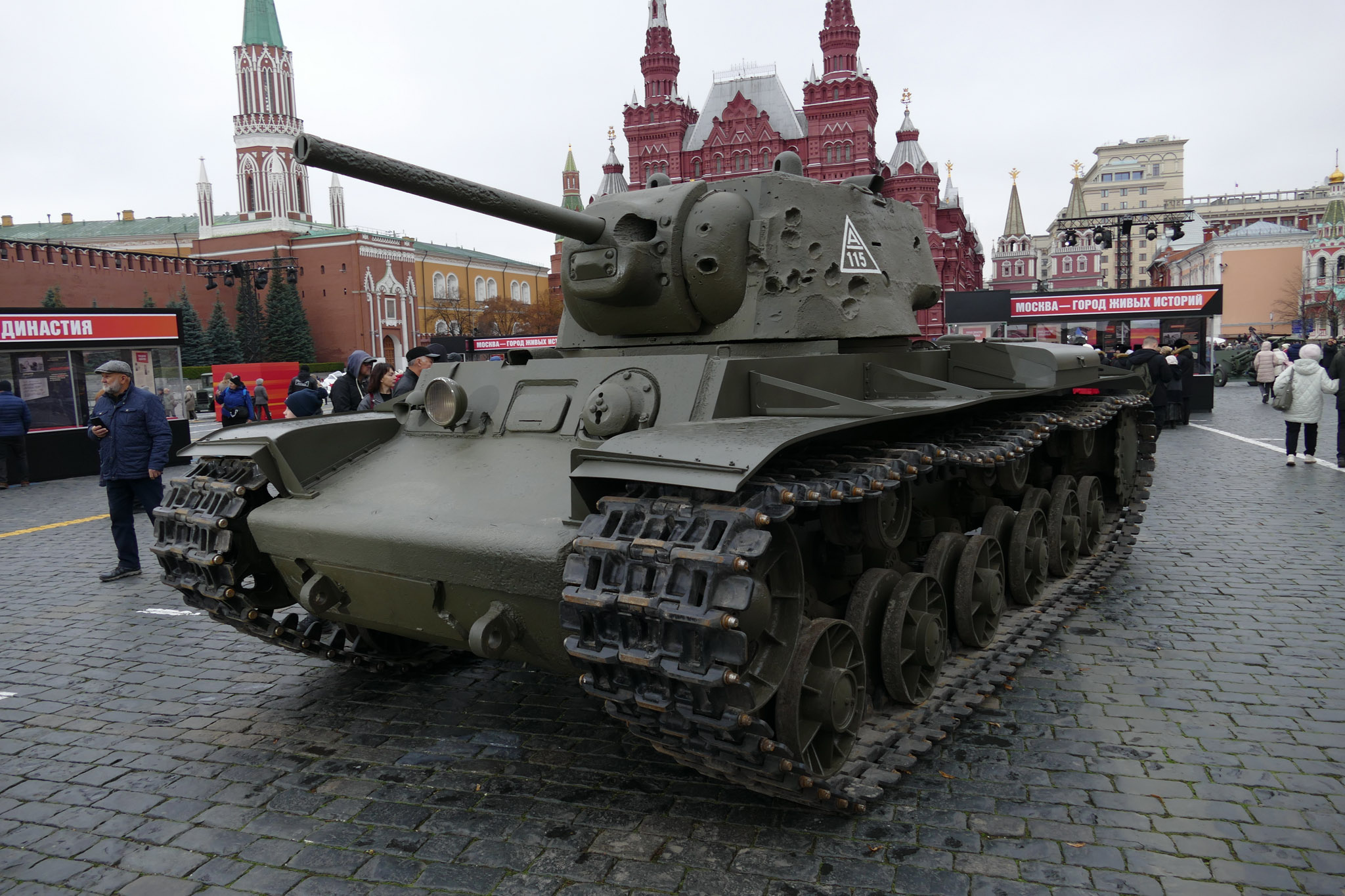
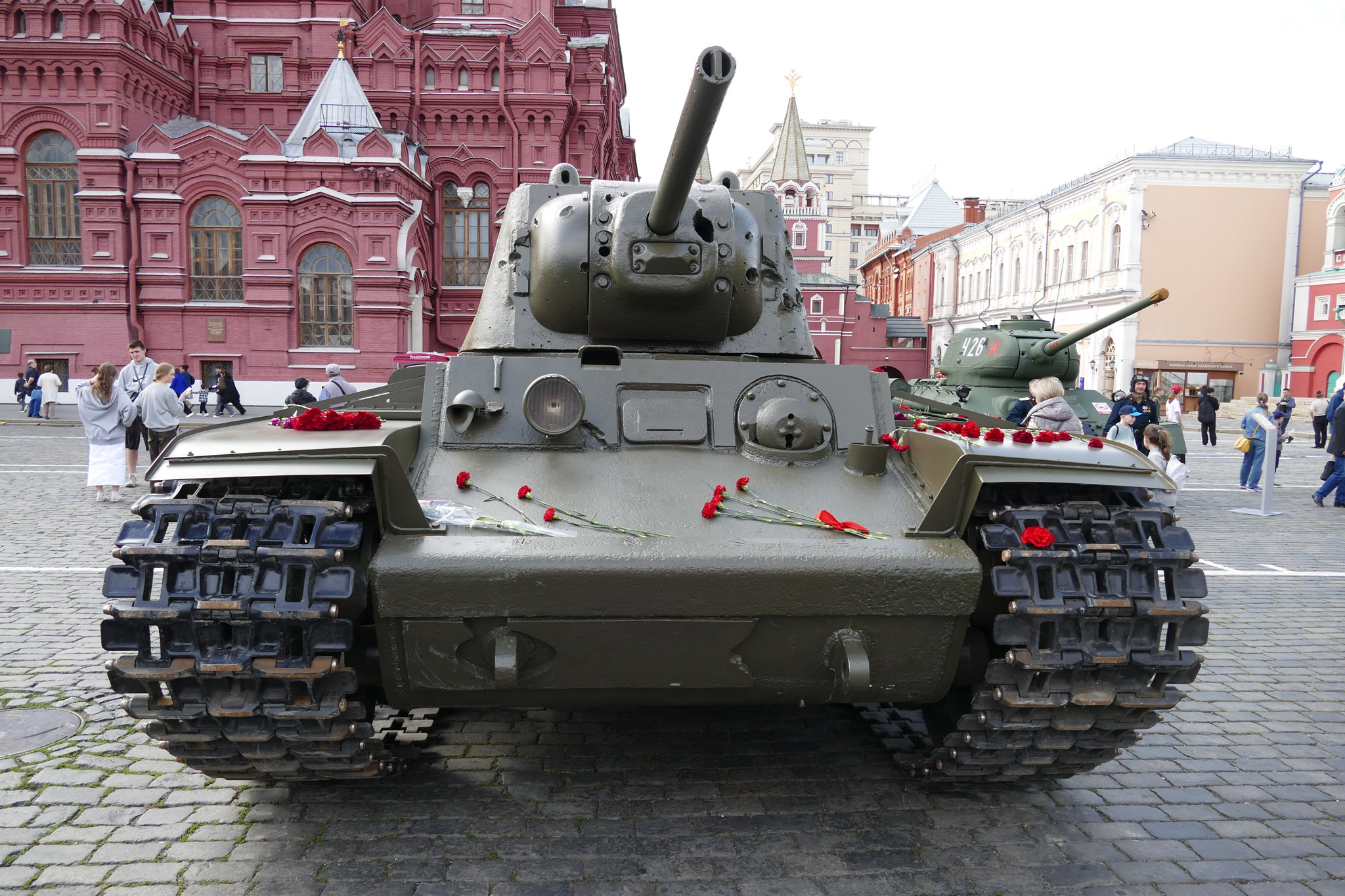
The same tank on November 7, 2025, and once again, Red Square
The Great Patriotic War forced a major overhaul of the tank production program. As a result, the KV-1 remained in production, with minor modifications. In the fall of 1941, production of these tanks in Leningrad ceased, and Chelyabinsk became the main production site. Over the fall and winter of 1941, the KV-1’s design took its final form. The cast turret, which proved easier to manufacture, became more widely used. Also in the fall of 1941, the 76-mm ZIS-5 gun, standardized with the F-34 tank system, began to be installed.
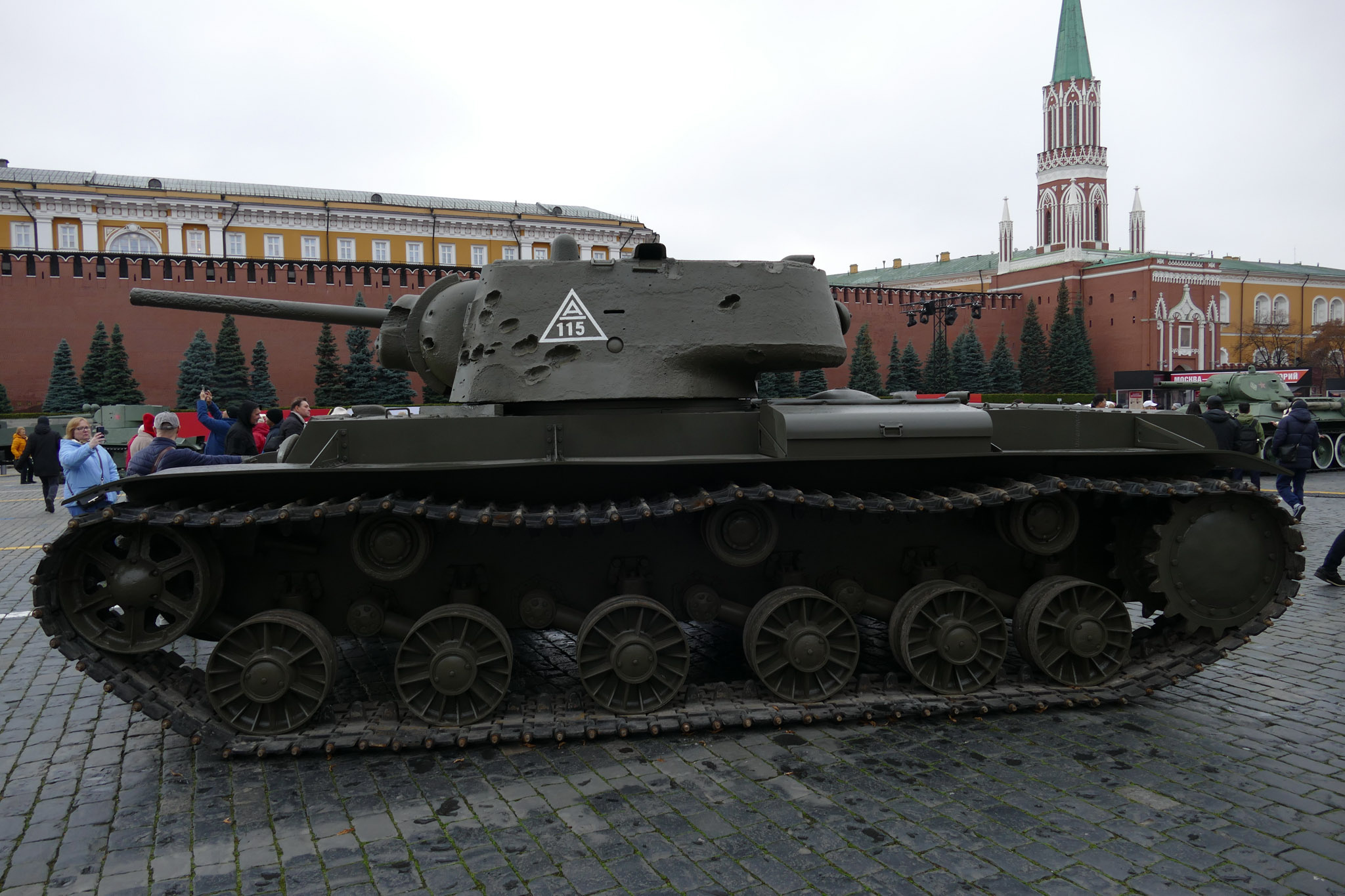
At that time, it wasn’t yet in running condition
Because ChTZ (by that time already known as ChKZ) had phased out the production of other products, KV-1 production increased significantly. At the peak of production, ChKZ set an all-time record for heavy tank production. But quantity only partially compensated for quality. This was due to a number of factors, including what the KV-1 had become by the end of 1941. Simplifications to the tank’s design and the requirement to strengthen its armor protection led to a further increase in combat weight, which at times exceeded 50 metric tons.
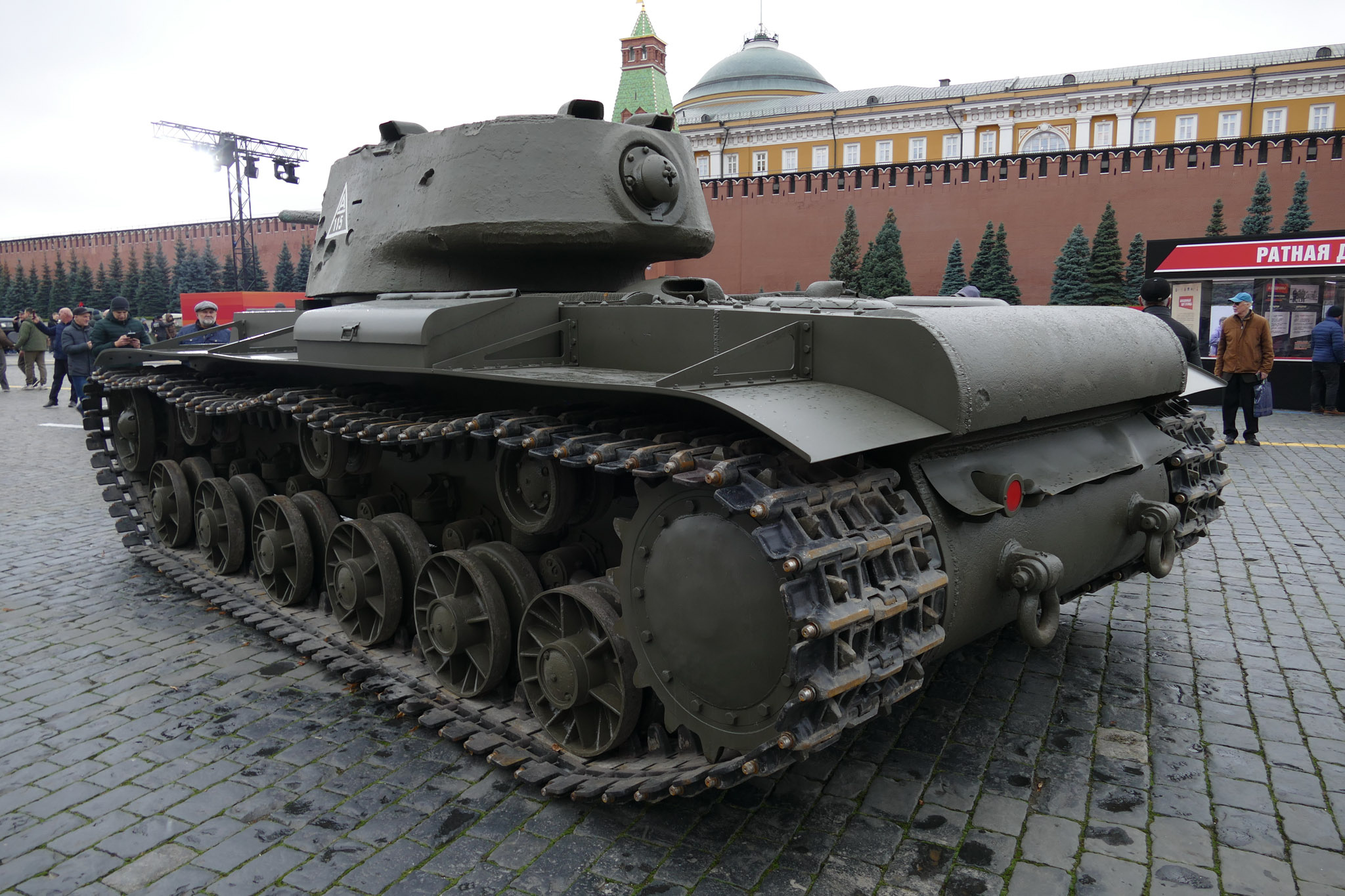
This is the first KV-1 to appear on Red Square since November 7, 1941
The increase in combat weight directly affected the tank’s reliability and mobility. In early 1942, the issue of improving the tank’s mobility was raised, and the solution was to increase the engine’s power. However, tests showed that the cooling system was overheating, so the engine remained at the same power output. In addition, the idea of developing a new transmission was raised, as the current transmission was found to have too many defects. Thus began the path toward the KV-1s.
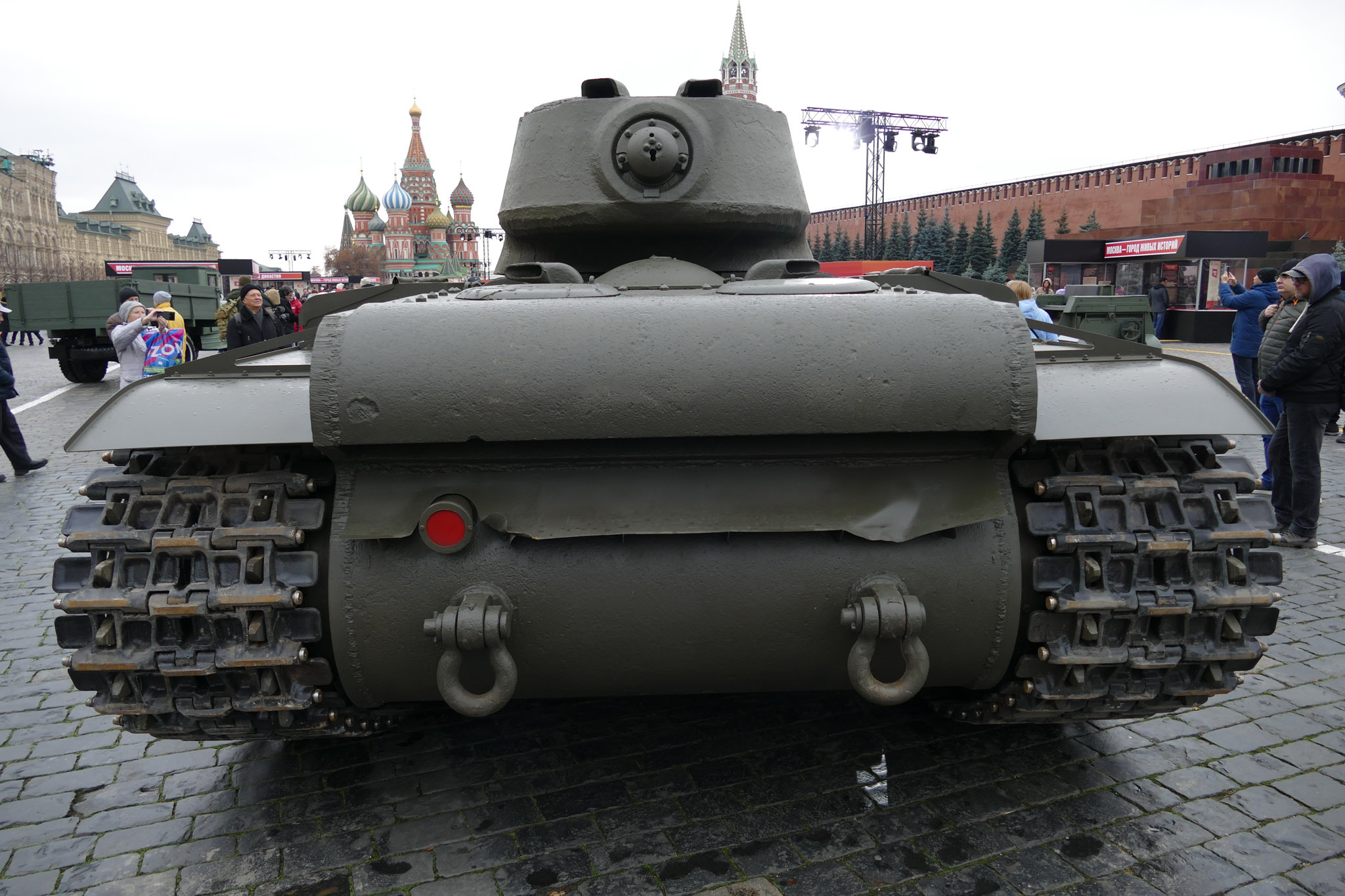
We’ll most likely see it on November 7, 2026
Was the KV-1 a bad tank? Of course not. Yes, it had some shortcomings, but if we look at the KV-1’s contemporaries, we’ll see that they’re at least no better than it. In fact, they were noticeably worse. The Char B1 bis, for example, performed even worse; their reliability turned out to be even lower, and they had more vulnerable spots. The root of the problem lies in how heavy tanks were deployed. If you march a heavy tank for several hundred kilometers, the outcome is somewhat predictable.
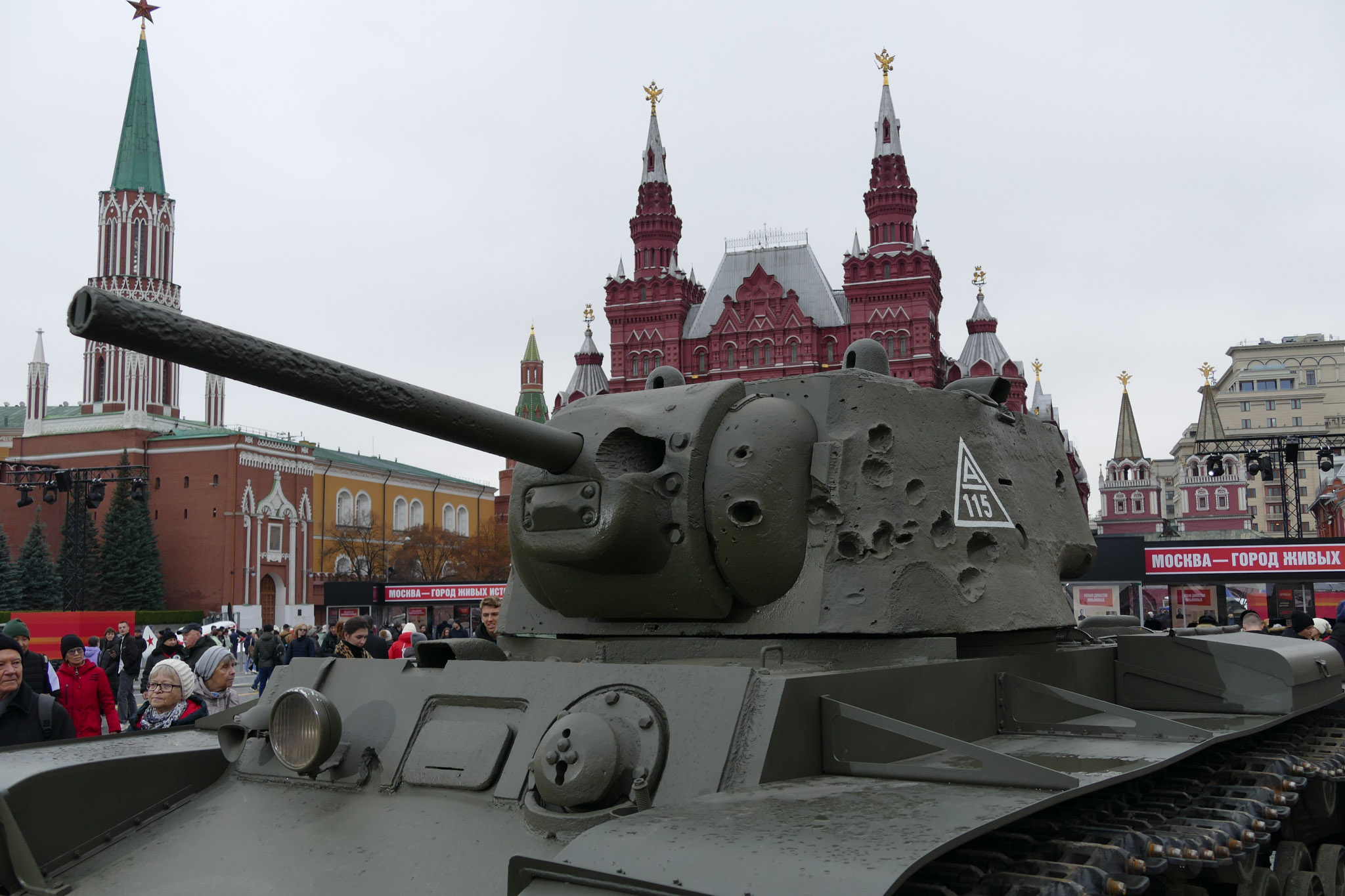
As they say, scars make a man look good
What happened next was inevitable. World War II was marked by a rapid improvement in the performance of tanks and anti-tank artillery. The Germans already had experience fighting heavy tanks in May and June 1940, so they were somewhat prepared for the KV-1. In the summer of 1942, the 75-mm Pak 40 anti-tank guns, as well as tank-mounted and self-propelled versions of this system, began to be deployed on a massive scale. The KV-1’s armor was no longer effective, so the introduction of the KV-1s was a logical next step. The heavy tank became at least somewhat more maneuverable.
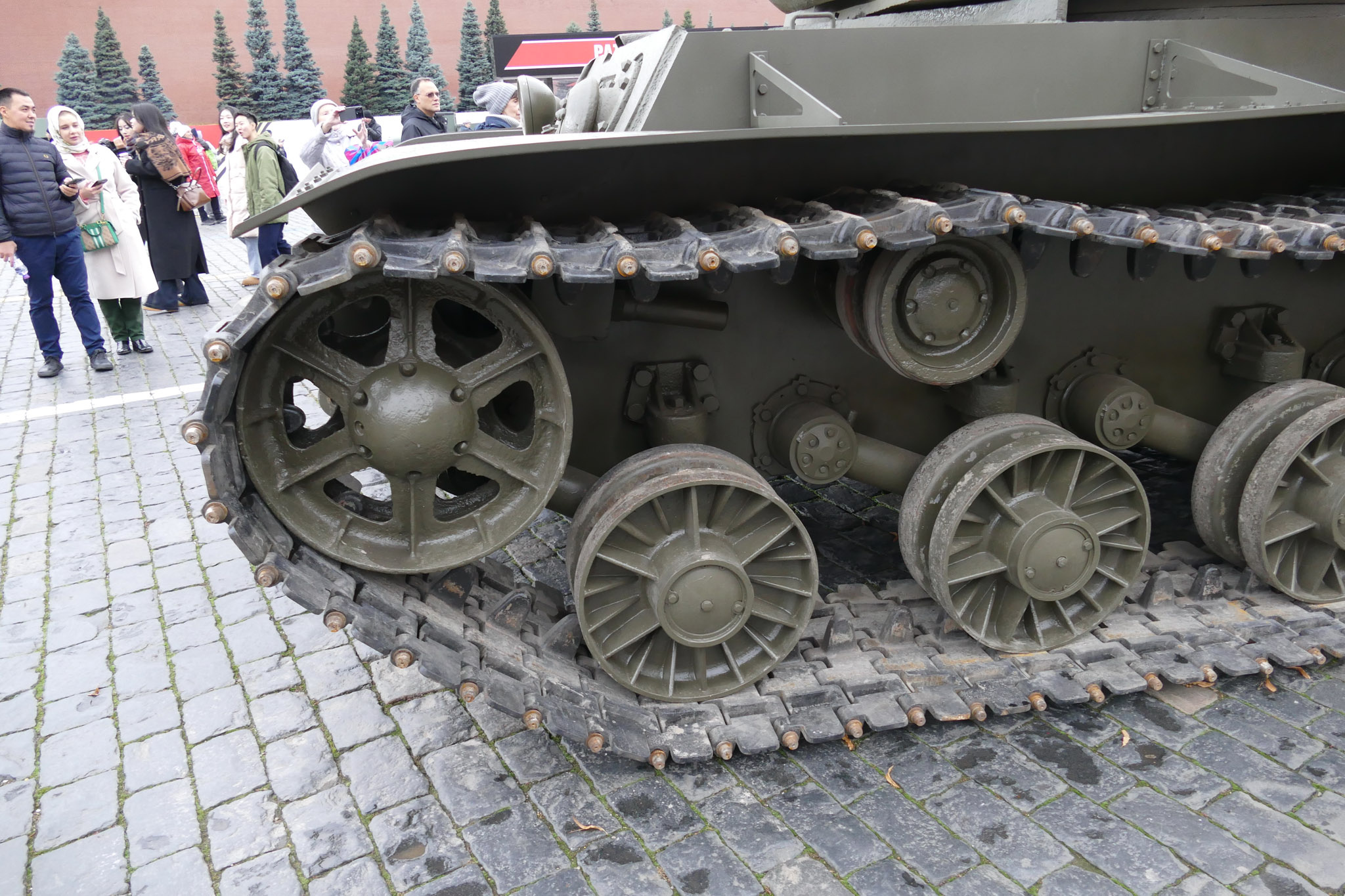
The tank was rebuilt from pieces
The KV-1 found itself in a situation where the bulk of the problems—both design-related and organizational—fell on its shoulders. In 1943, this tank gradually faded into the background; nevertheless, it continued to see active combat, particularly on the Leningrad Front. Interestingly, the KV-1 became the last Soviet heavy tanks to see action. This occurred in August 1945 during the Soviet-Japanese War. The KV-1s from the 48th Guards Heavy Tank Regiment were the only Soviet heavy tanks used in that war.
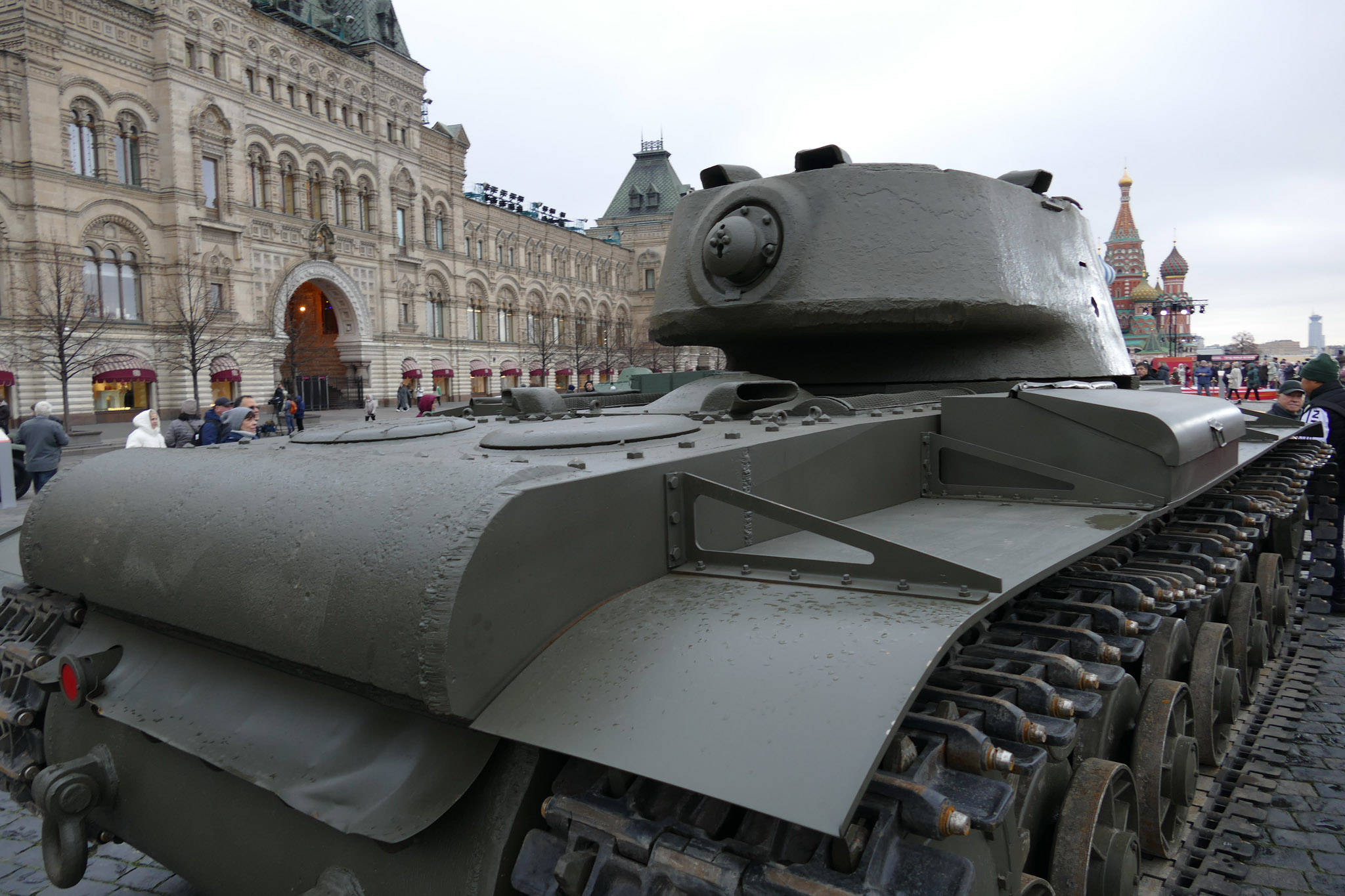
There were a number of compromises made during its restoration, though that doesn’t really detract from it
After the war, the KV-1 was quickly decommissioned; until recently, there was only one such tank left in Russia. Subsequently, three tanks were recovered from the Neva River, one of which is now in running condition. Semi-scale model tanks intended for static display also began to appear gradually. At the very least, this is a good start, which, sooner or later, was bound to lead to the next stage—the creation of a working prototype from the fragments.
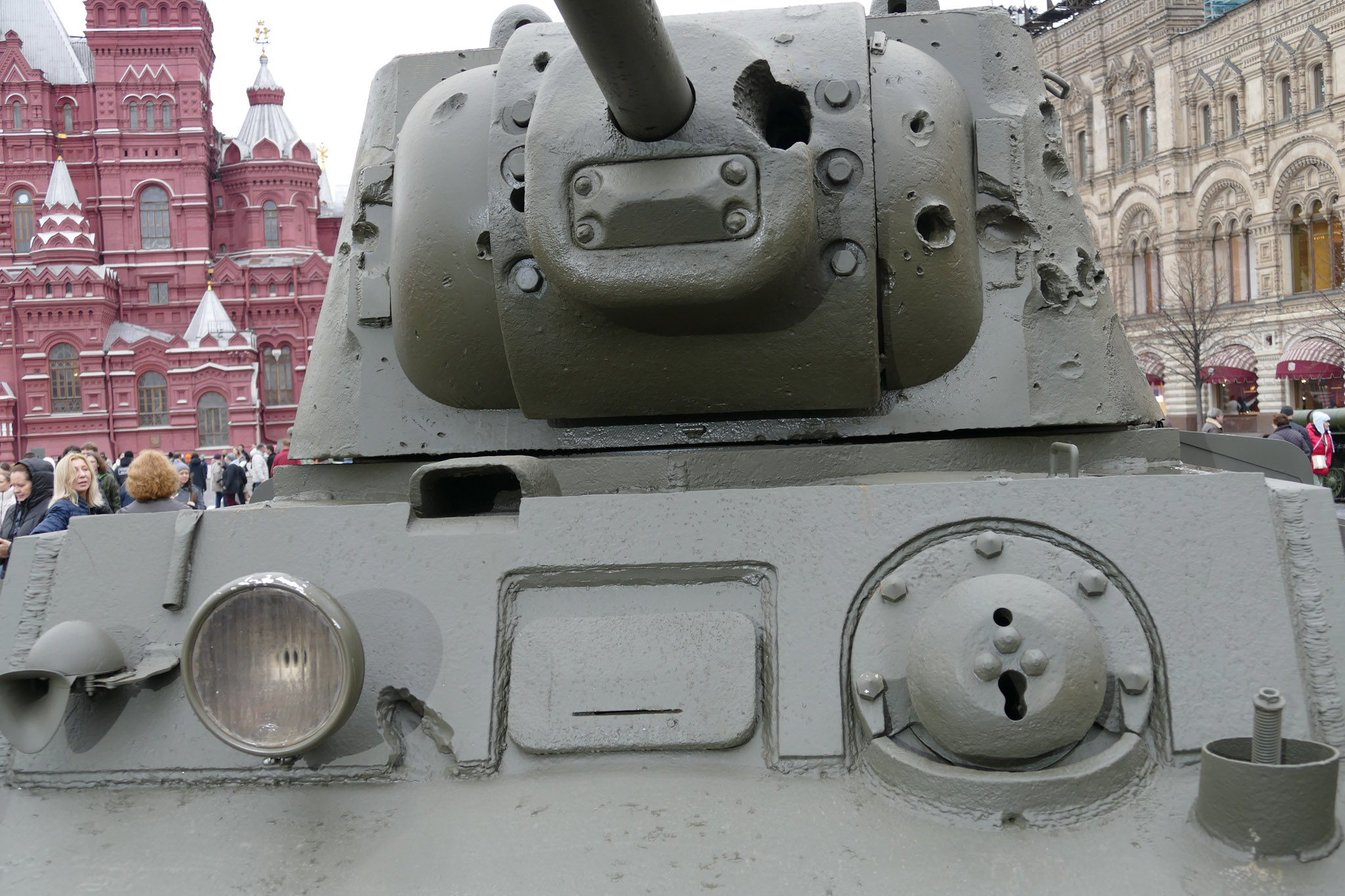
The main thing was being able to drive there on my own
It is precisely this tank that has taken its place in Vadim Zadorozhny’s Museum of Technology. The main goal in building this tank was to create a model capable of running properly. As is often the case with such projects, the turret set the overall direction. It is a classic “Chelyabinsk” cast turret, which first appeared in 1941 and subsequently became a hallmark of tanks produced by the Chelyabinsk Tractor Plant (ChKZ). Everything else was adapted to fit this very turret.
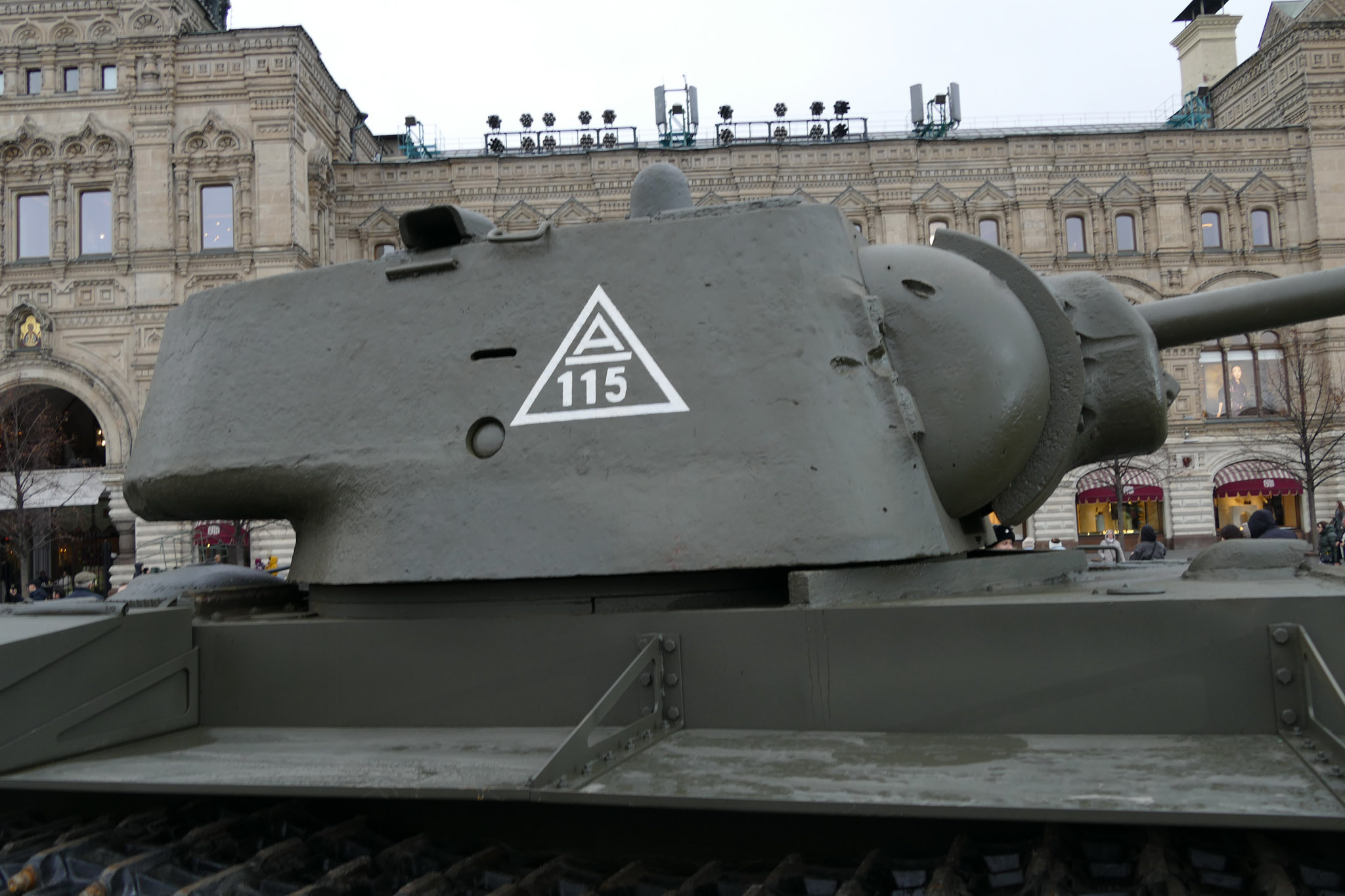
So far, only two KV-1s are still in service, and only one of them is from Chelyabinsk
Given the specific nature of the task involving this tank, there are some questions regarding the details. But this is precisely the moment when the details aren’t what matters most. Even while still being restored to operational condition, this KV-1 made two trips to Red Square. The first took place in June 2025, and the second on November 7, 2025. Each time, it attracted a great deal of interest. This is because the KV-1 had previously appeared on Red Square only once—on November 7, 1941, during the famous parade.
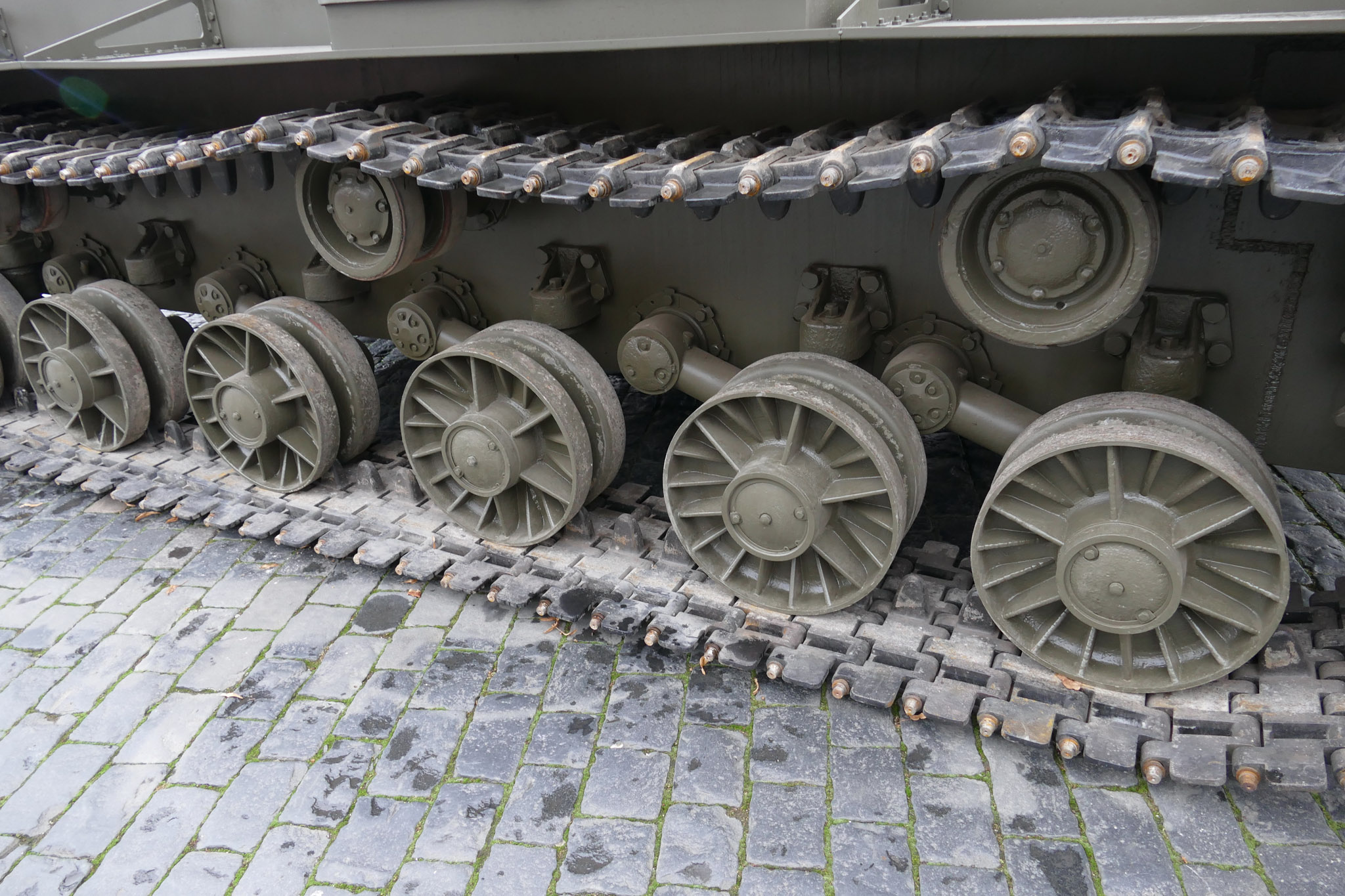
So every new tank will be a plus
It’s safe to assume that this tank will be on the move from time to time. This year marks the 85th anniversary of the famous parade on Red Square, so there will surely be another open-air exhibition. Although who knows—maybe we’ll actually see the vehicles in motion. Especially since Vadim Zadorozhny’s Museum of Technology already has quite a few operational models. The T-28, T-35, and KV-1—vehicles like these haven’t been seen on Red Square in a very long time.