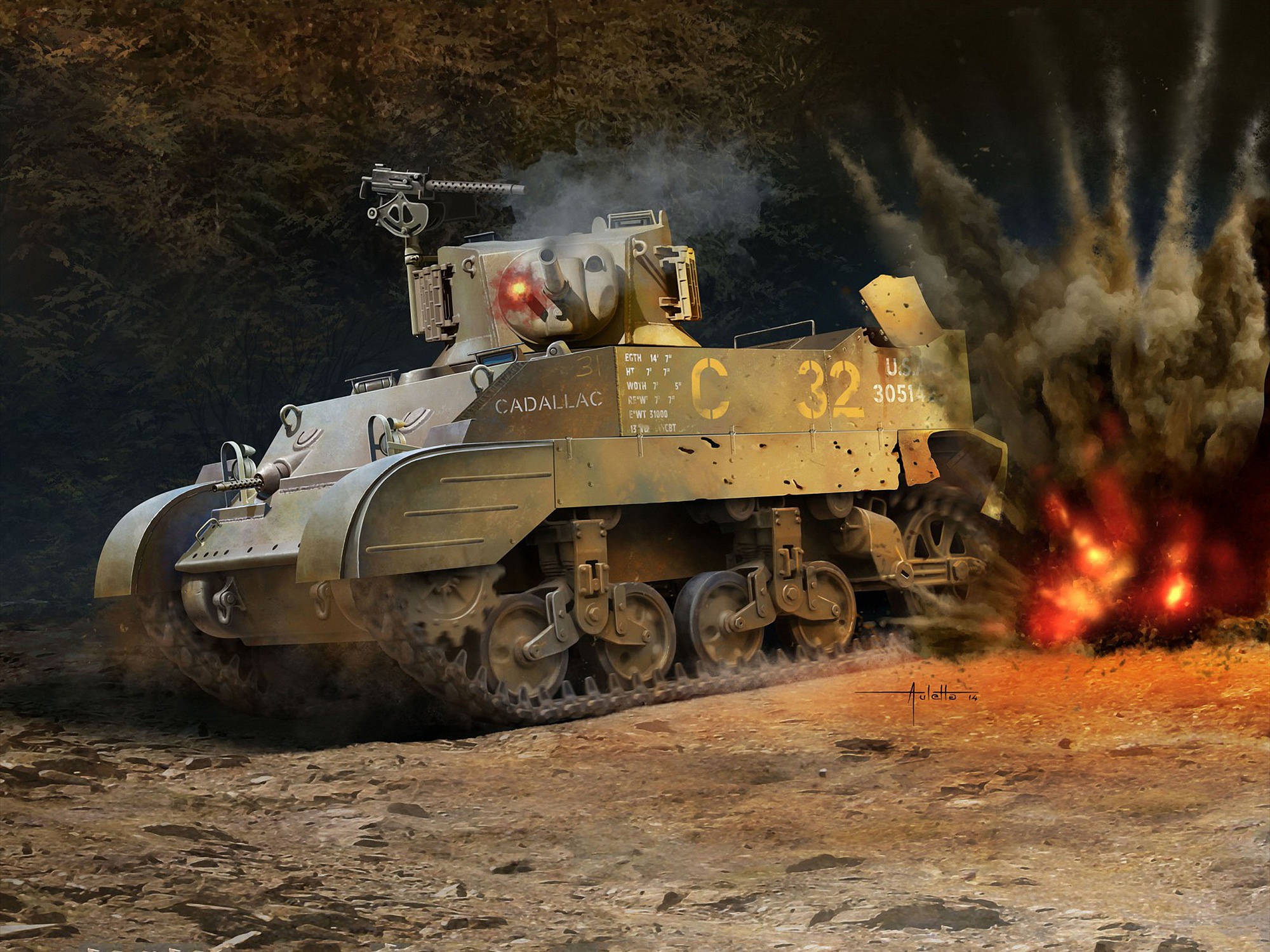
A Popular Overview of the M3/M5 Light Tank Family and Why Their Service Spanned Several Decades
It’s no secret that our lives are full of stereotypes. There are more than enough of them in the history of armored vehicles as well. As a rule, people who talk about tanks aren’t much different from players of tank games. In other words, they judge a vehicle based on very formulaic criteria that often have very little to do with real life. This is because people very often forget that a tank is part of a weapons system, not just a combat unit. As a result, stereotypical assessments end up contradicting reality. This is when the “best tank” soon becomes obsolete, while a “mediocre” one remains in active service for decades.
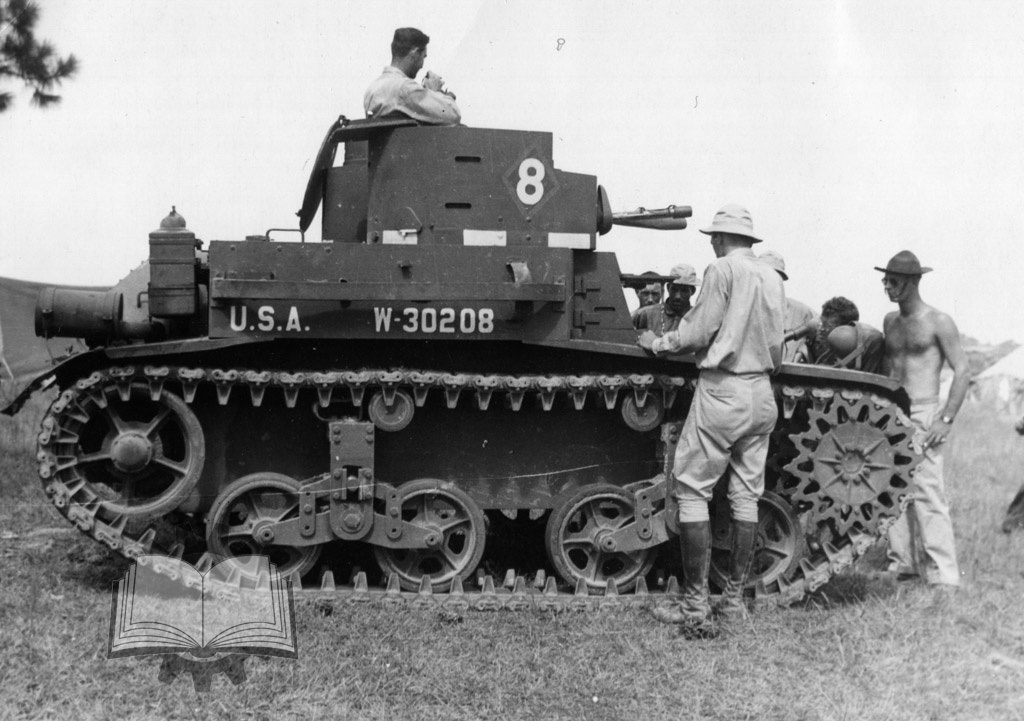
The M2A2 Light Tank served as the basis for the development of American light tanks
Among these tanks, which aren’t particularly highly regarded, was the M3/M5 Light Tank family. Typically, the standard reaction to them is to list their shortcomings—which these tanks certainly had. However, in addition to these flaws, there were numerous strengths that contributed to these tanks’ long service life. Of course, their postwar service was primarily confined to secondary theaters of war, but it is remarkable that individual examples of World War II-era light tanks were used for so long and in such large numbers. And there were objective reasons for this.
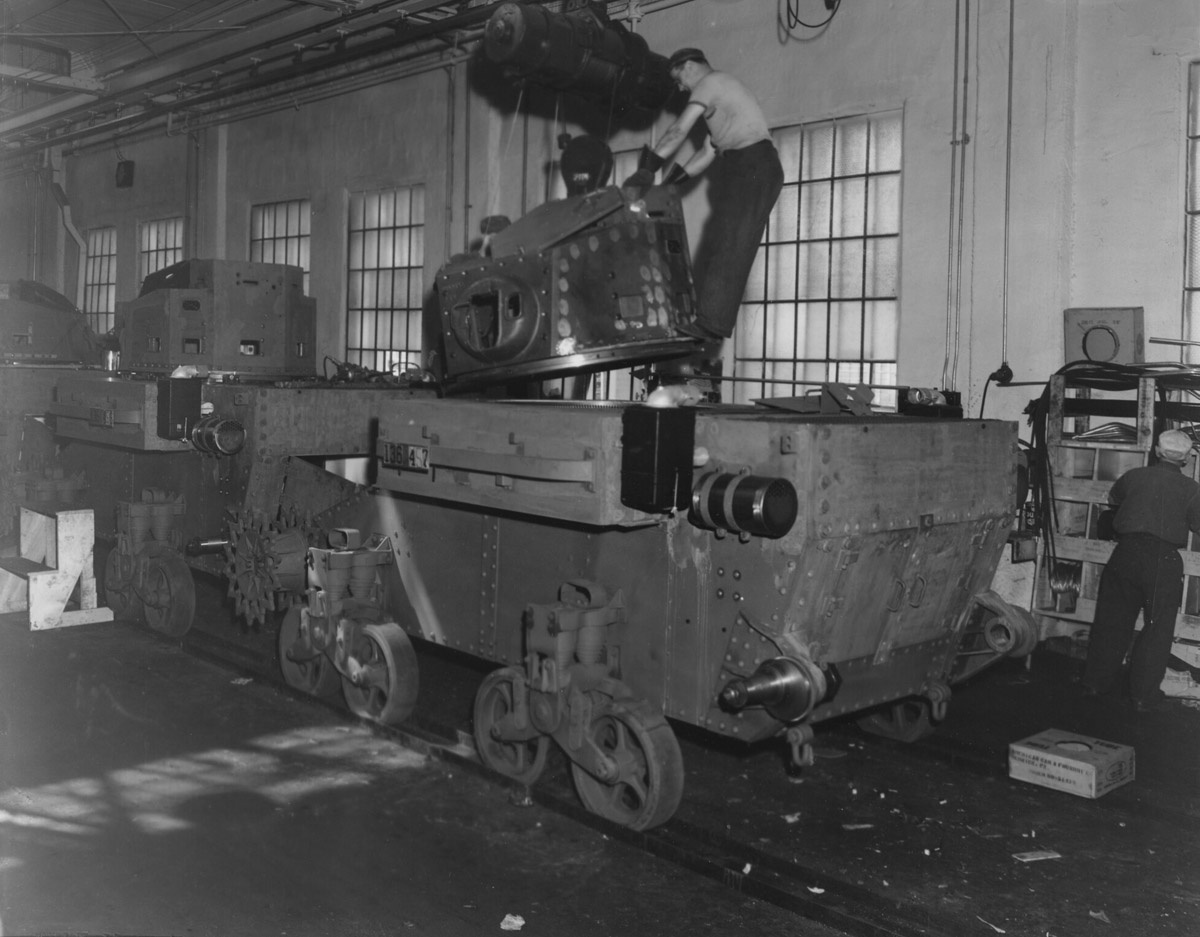
Сборка Light Tank M2A4 силами American Car & Foundry
Few people are interested in how the American armored vehicle school developed in the 1930s. Meanwhile, it was precisely the evolution during the interwar period that laid the foundation for the tank that became the most widely produced in its class. The widely known American engineer John Walter Christie played a role here. No, he had nothing to do with the development of this particular tank. However, the “racing” tanks he designed had a direct influence on the requirements set by the U.S. military. They wanted a very fast tank, but one that could reach a speed of 72 km/h on tracks, cost half as much, and wasn’t as heavy.
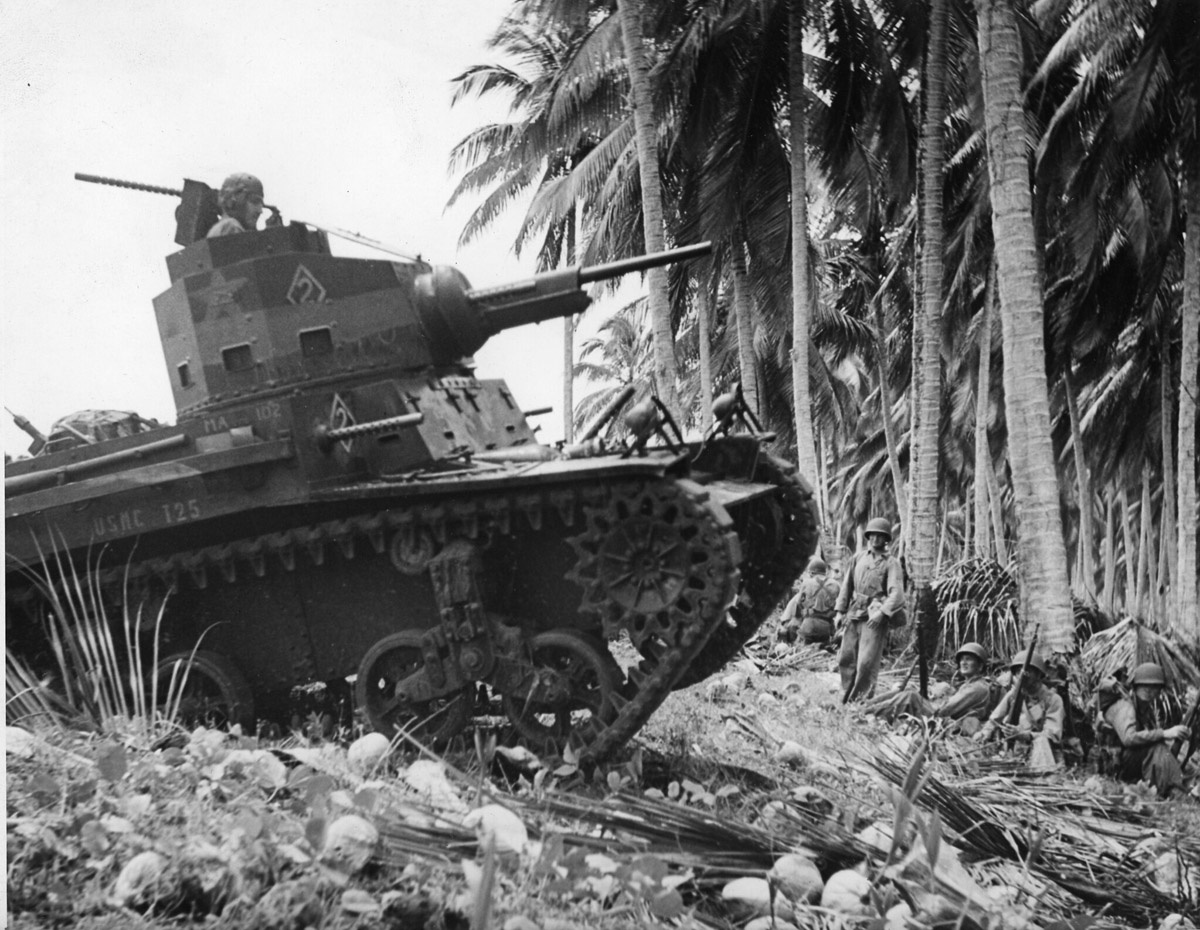
These tanks even saw combat, albeit to a limited extent
And so two tanks came into being, developed in parallel—the M2 Light Tank for the infantry and the M1 Combat Car for the cavalry. The cavalry tank, incidentally, was officially classified as an armored vehicle, since cavalry tanks were not permitted. Both tanks differed significantly from the prevailing design trends of the time. They were short, fairly tall (due to the use of an air-cooled aviation radial engine), fast, but prone to longitudinal sway. And they were armed with machine guns, to boot. German military experts who visited the U.S. criticized these tanks. But then again, it’s easy to criticize from the sidelines. Even in their current form, American light tanks looked more capable than the German Pz.Kpfw.I and Pz.Kpfw.II.
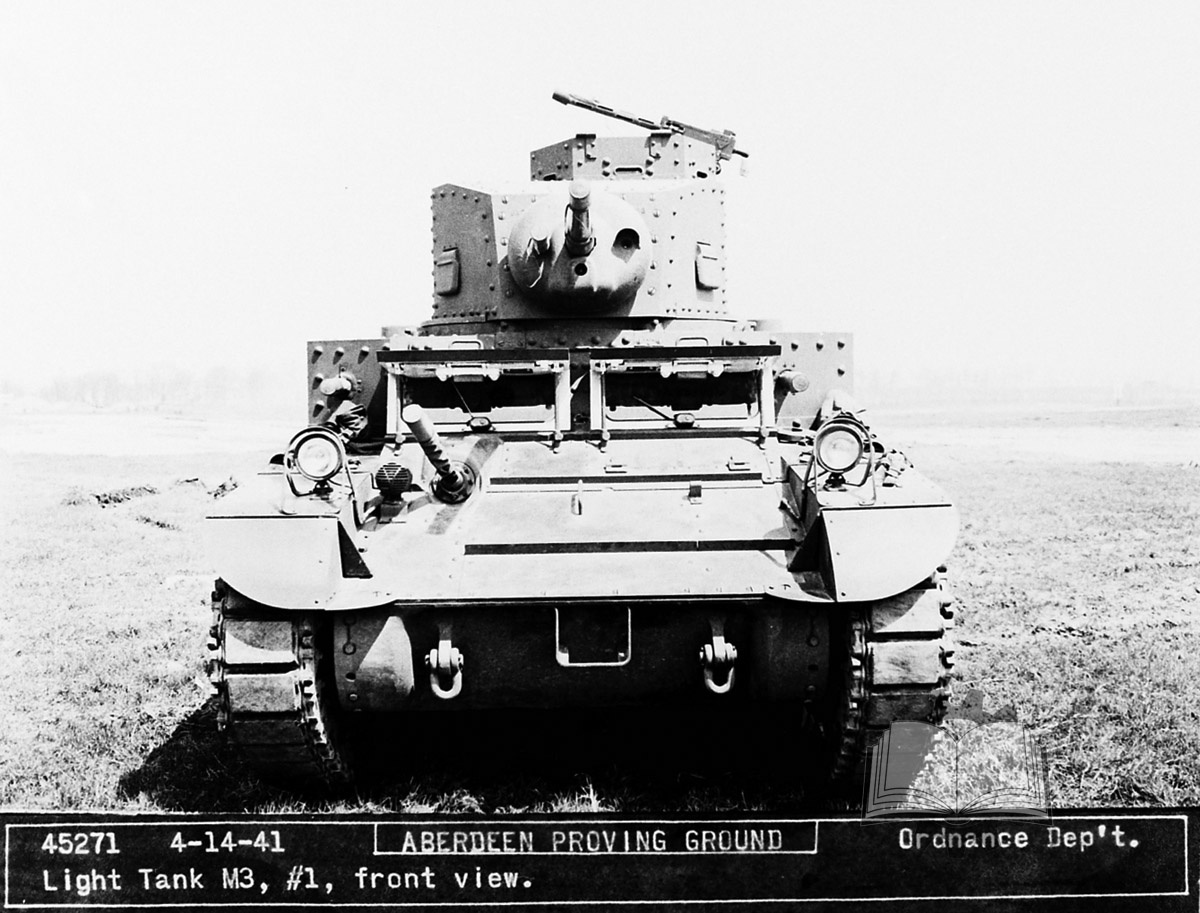
The first M3 Light Tank, April 1941
A crucial factor was that the M2 Light Tank had great potential for further development. In 1939, the M2A4 Light Tank was introduced, and it looked completely different. The tank was equipped with bulletproof armor that was quite adequate for the period, a two-man turret with the most powerful gun in its class, and it retained very high mobility. Only the British Light Tank Mk. VI could boast similar agility, though it had no other merits. The era of machine-gun-armed “cockroaches” had come to an end, as the first battles of World War II clearly demonstrated.
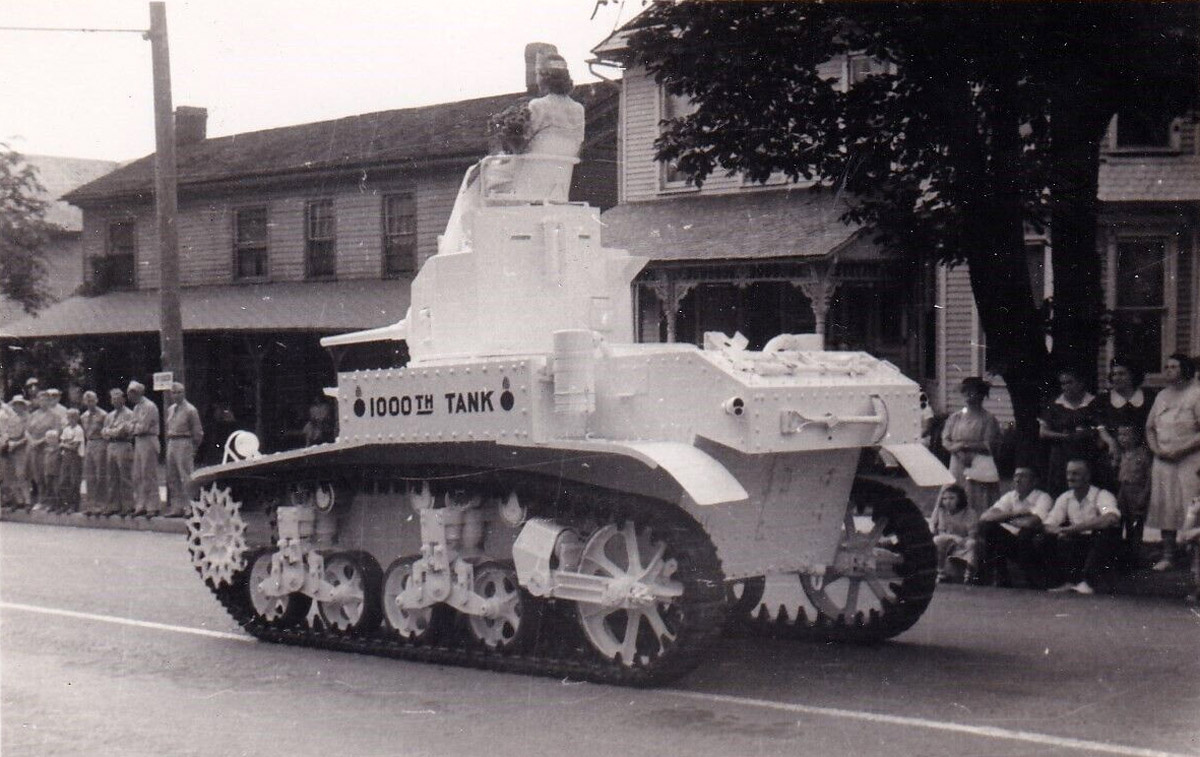
As early as 1941, American Car & Foundry rolled out its 1,000th tank
Another important development regarding the M2A4 Light Tank was the decision regarding its production. Whereas light tanks had previously been manufactured at the Rock Island Arsenal, production of the new tank was outsourced to a private company—namely, American Car & Foundry, which operated a number of facilities. The plant in Berwick was chosen for production, and in 1940 it produced a very respectable number of tanks—325 units. That was quite good for the first year of production. And this was just a warm-up before production began on the Light Tank M3, a direct evolution of the M2A4. On the new tank, the observation equipment was improved, longitudinal roll was eliminated by redesigning the suspension, and the armor thickness was slightly increased.
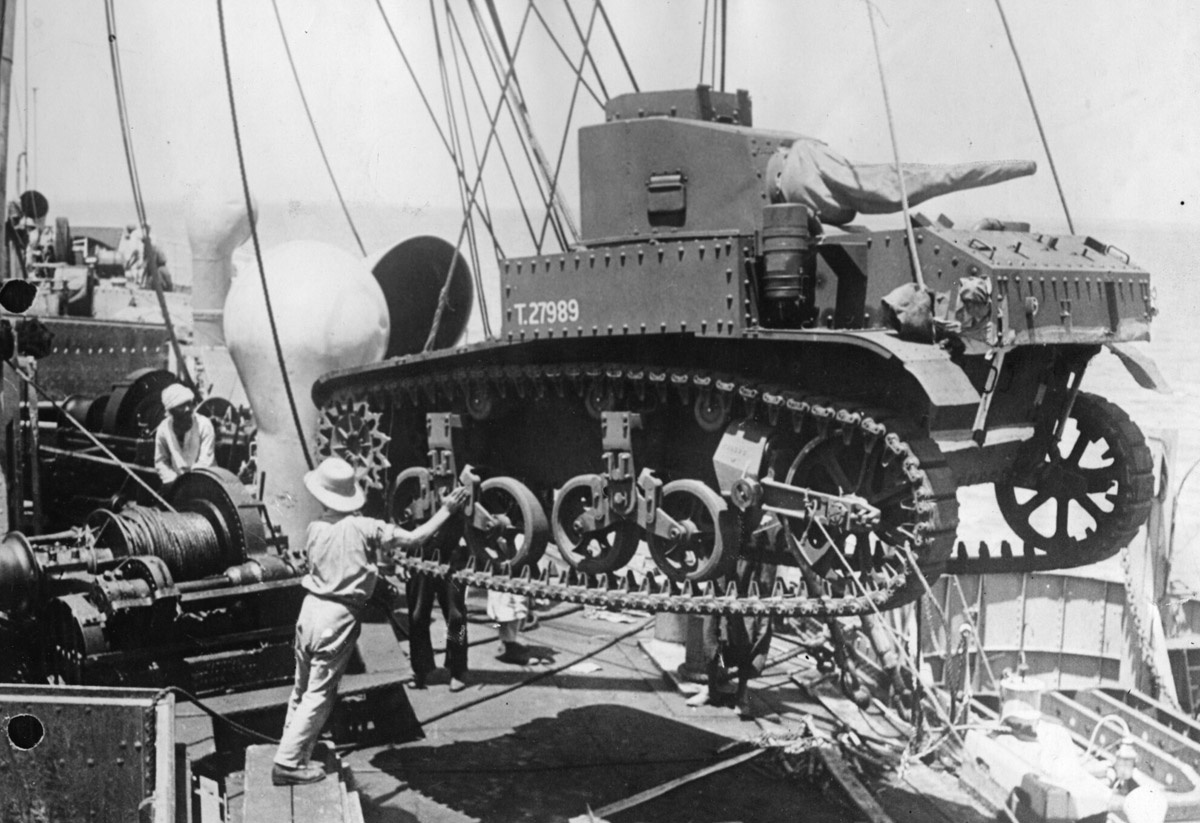
Stuart I arrived in North Africa in August 1941
The weight of the Light Tank M3 certainly increased, but its mobility wasn’t significantly affected. During testing, the tank reached speeds of about 60 km/h on the highway, which is even slightly higher than the official figures. But that wasn’t even the main point. The M3 Light Tank began to be produced in quantities that would have been unimaginable for the American tank industry just a year earlier. In 1941 alone, two American Car & Foundry plants delivered 2,551 tanks of this type, 479 of which were equipped with Guiberson T-1020–4 radial diesel engines. The latter did not catch on very well. Yes, they were more fuel-efficient. They were started with a pyrotechnic starter, but the diesel engine also performed very poorly in winter conditions. So, for a while, the Continental W-670 became the only option.
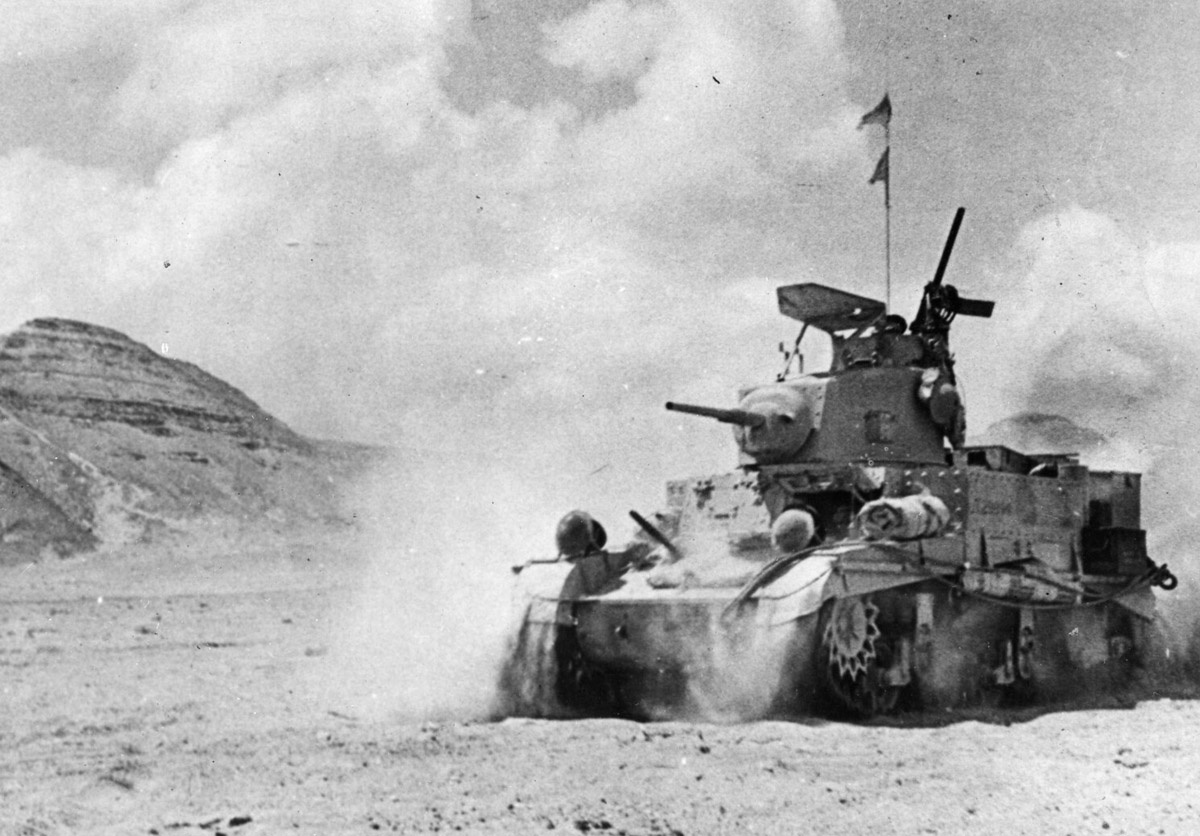
Since then, it has been the British Army’s main light tank
The most interesting thing is that the British were the first to send these tanks into battle. They were in a really tight spot when it came to light tanks, so in the summer of 1941, they turned to the Americans for help. So, as early as the summer of 1941, the first M3 Light Tanks (and 40 M2A4 Light Tanks) were on their way to Foggy Albion. It was precisely thanks to the British that the designation—which became the common name for this tank—came into use. Initially, the tank was designated the General Stuart I, later shortened to Stuart I. The diesel-powered version was designated the Stuart II. And yes, there was never an “M3 Stuart”—that’s a misnomer resulting from the incorrect combination of two designations.
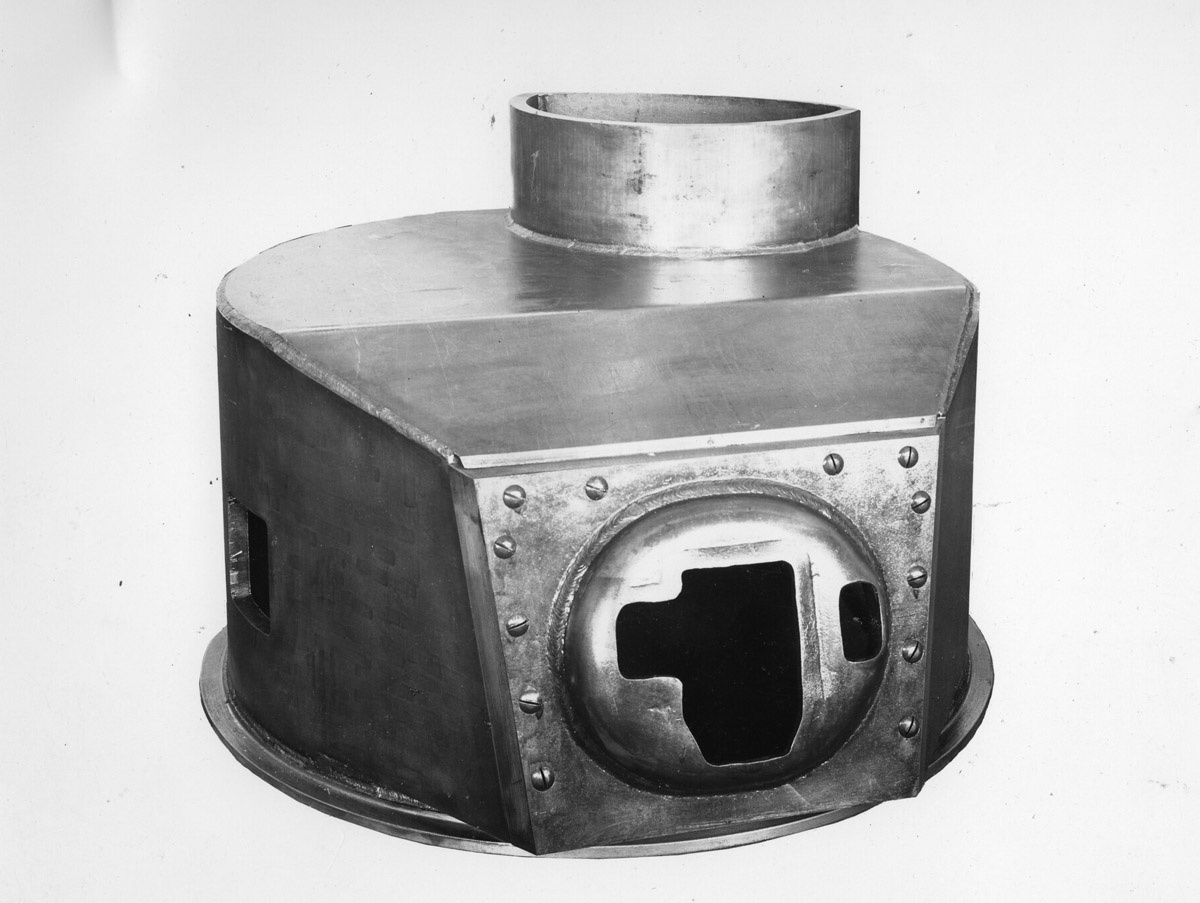
The third type of tower, with curved sides
Equally important was the fact that the M3 Light Tank underwent constant development. It clearly illustrates how the American defense industry learned on the job, rapidly catching up with—and eventually surpassing—the rest of the world in tank manufacturing. By the spring of 1941, the M3 Light Tank was equipped with primitive observation slits and a riveted turret. Less than half a year later, the turret was already of welded construction, and the sighting devices were being replaced with prismatic ones. In the spring of 1942, a vertical stabilization system, a semi-automatic gun, and new observation devices were introduced.
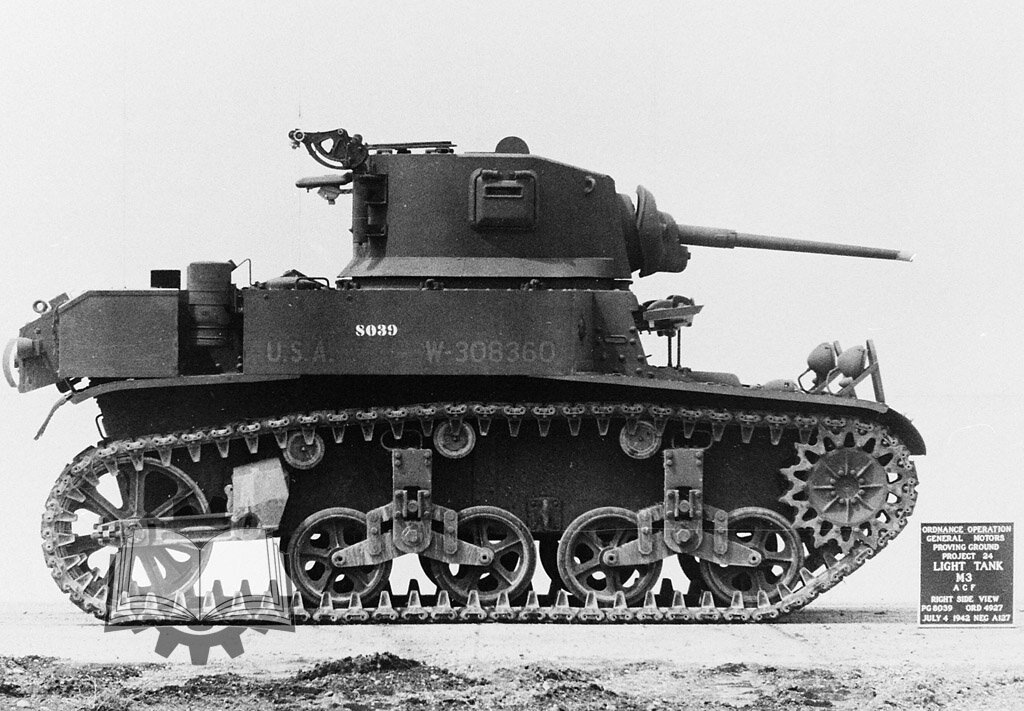
M3 with a 37-mm M6 gun and a gyroscopic stabilizer
Of course, it didn’t all come together right away; the introduction of the vertical stabilization system led to the development of the M3A1 Light Tank, which featured a cramped fighting compartment. On the other hand, the tank was still highly effective, and not every light tank could boast of having a turret rotation motor. The Germans and we continued to rotate the turret manually. As for a vertical stabilization system, that was out of the question. The M3A1 was also a milestone because its hull was now partially welded. And here’s another interesting point: over the course of a year, the M3/M3A1 saw four different turret types. This is very telling in terms of the tank’s evolution.
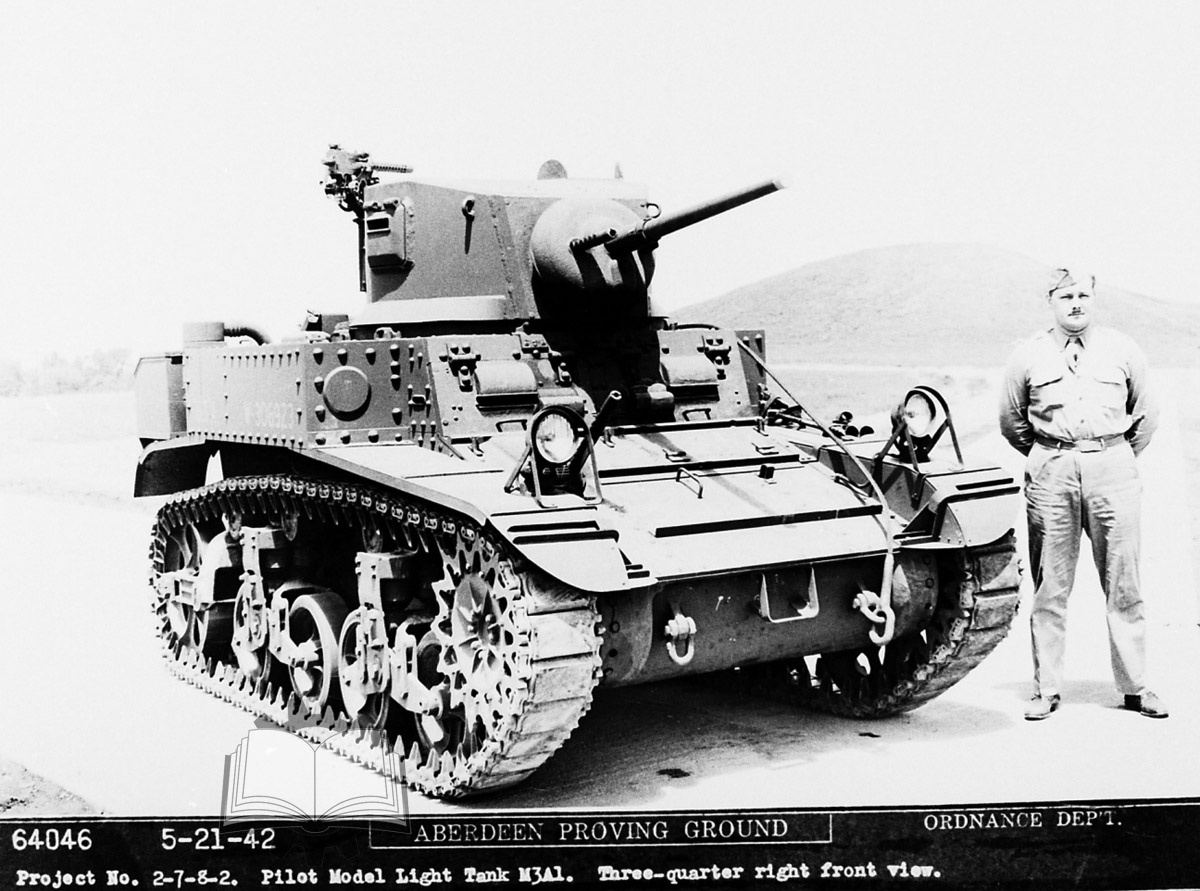
The first M3A1 Light Tank
Of course, the Light Tank M3/M3A1 wasn’t all advantages. Some of its technical solutions turned out to be less than ideal; moreover, the tank was quite tall, its gasoline engine was notoriously fuel-hungry, and there were certain peculiarities in its operation. But if we look at the tanks that saw action in 1942, the barrage of criticism begins to seem, shall we say, somewhat surprising. Neither the Soviet T-70 nor, even less so, the German Pz.Kpfw.II could compare to the American tank. The Pz.Kpfw.38(t) was significantly inferior in terms of mobility, and we shouldn’t forget that the Germans used it as a makeshift medium tank. As for the British, there’s no need to even mention them—they had already switched to the “Stuarts” back in 1941. The British had quite a few complaints about the Valentine, which can only be considered a light tank in the loosest sense of the term.
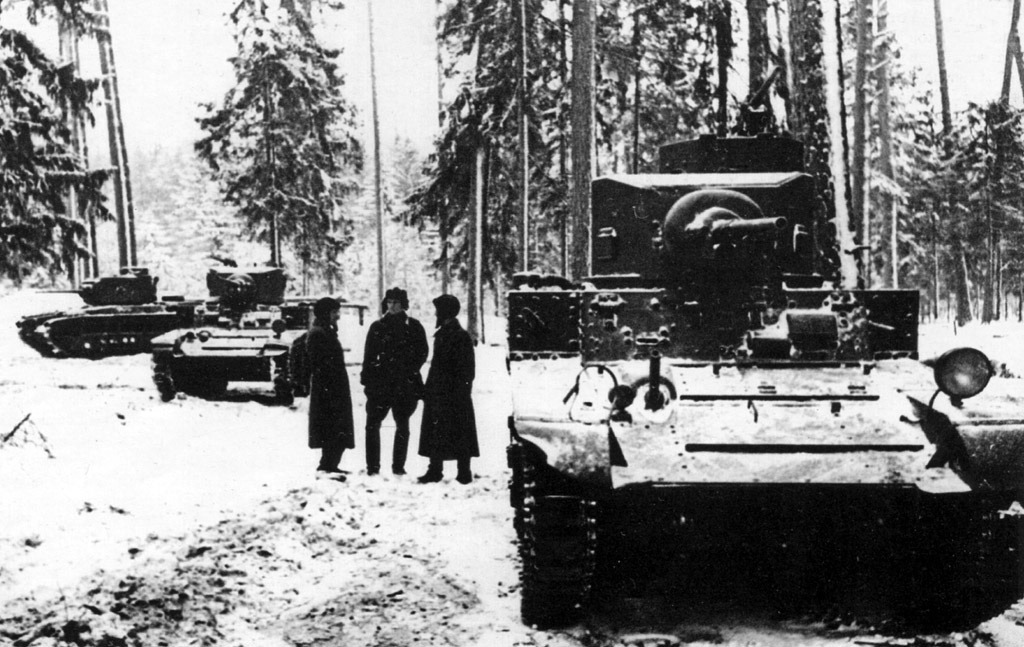
M3 Light Tanks on the Soviet-German Front. Deliveries peaked in 1942
Its rather compact layout and high center of gravity worked against the M3/M3A1 Light Tank to some extent. As you can see, this tank did not serve as a suitable base for a self-propelled gun. However, as a tank—especially when it came to the specific roles typical of a light tank (such as reconnaissance)—it remained relevant until the very end of the war. Its high mobility, which was only slightly inferior to that of armored cars, played a significant role in this. It’s no coincidence that the British, for one, frequently converted these tanks into reconnaissance vehicles by removing their turrets. And even in its standard configuration, the tank was quite capable. Few people realize that the Light Tank M3 (known in the Red Army as the M3 Light) was the most effective light tank in terms of combat against other tanks. On September 11, 1942, the tank crew under the command of Lieutenant A.Y. Pavkin recorded seven German tanks from the 13th Panzer Division as having been disabled or destroyed. This was made possible by the vertical aiming stabilizer and the most powerful tank gun in its class.
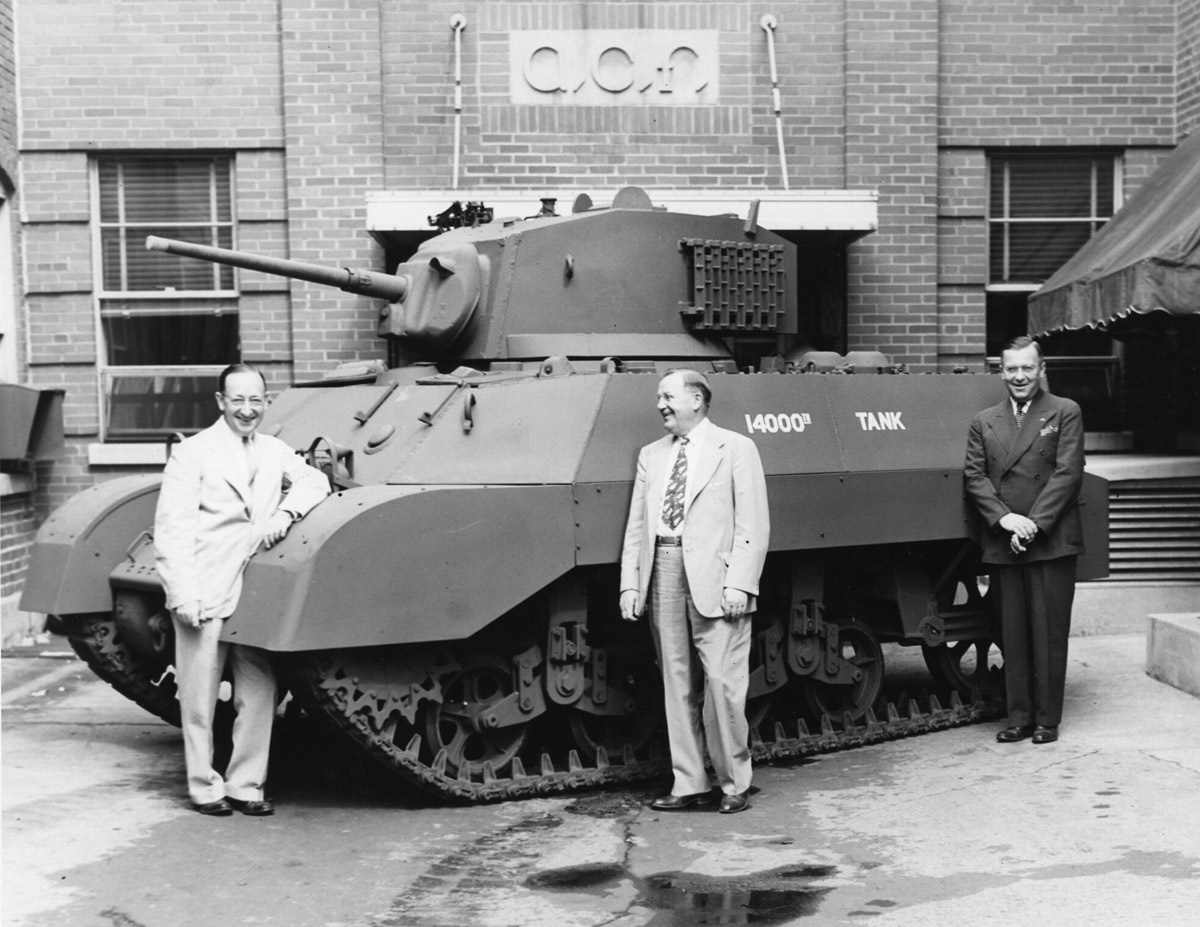
M3A1 Light Tank: In 1943, American Car & Foundry celebrated the production of its 14,000th tank
Over the course of a year and a half of production, American Car & Foundry delivered 10,432 M3/M3A1 Light Tanks. This was a truly impressive achievement, which ensured not only the tank’s mass production but also its widespread deployment. Such high production volumes meant that these tanks would not be supplied solely to the U.S. Army. 5,753 tanks of this family were delivered to the Allies under the Lend-Lease program. This does not include postwar deliveries. Meanwhile, the tank’s development did not stand still. The idea of replacing the Continental W-670 radial engine with something else led to the creation of the M5 Light Tank, powered by a twin-engine configuration of Cadillac automotive engines. These were paired with automatic transmissions, which greatly simplified operation. Finally, the hull was significantly redesigned. It became a welded structure, and the driver and his assistant rode with their heads poking out of the hatches while the tank was on the move.
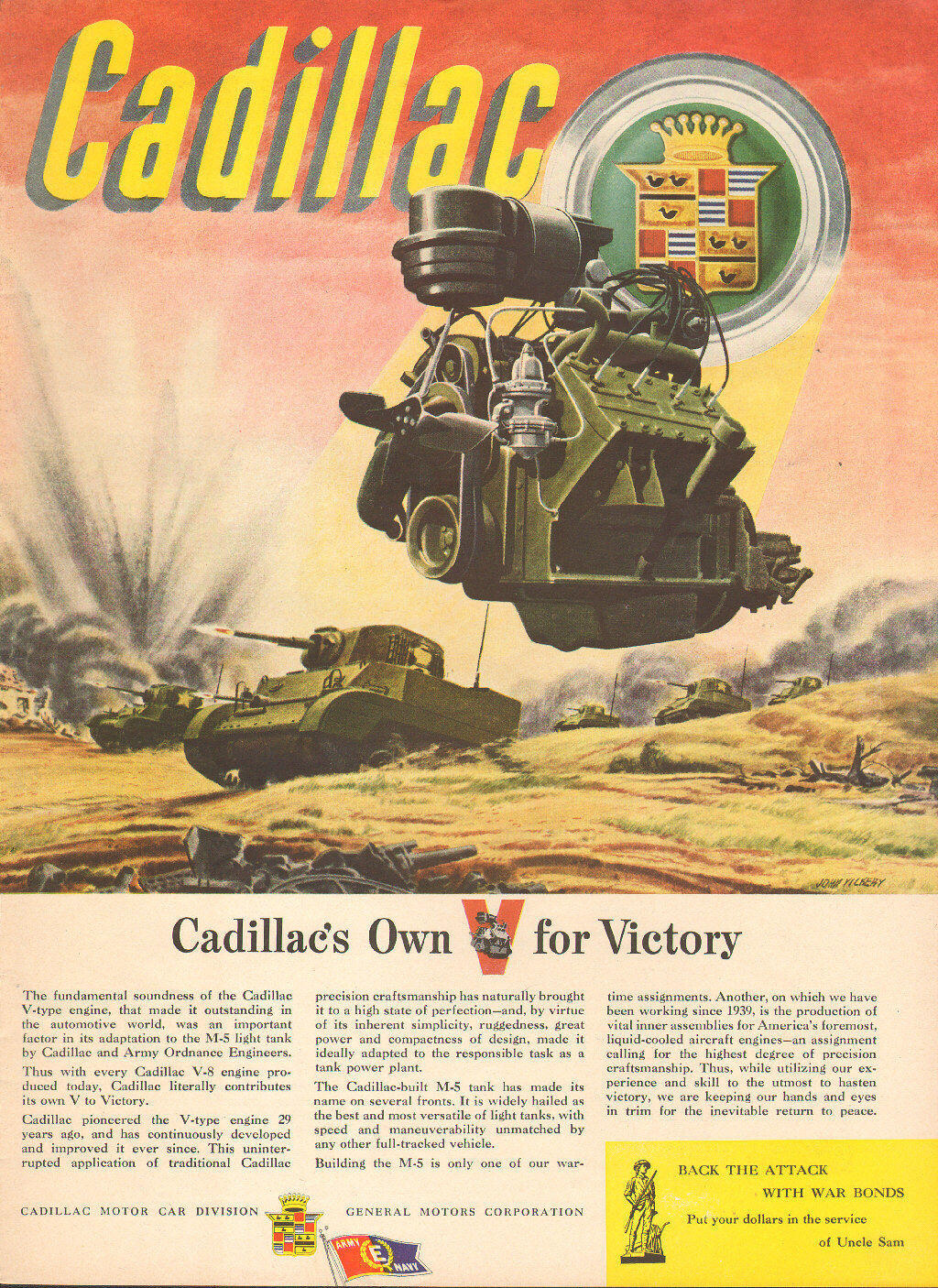
Cadillac’s Sparka V-8 proved to be a better choice for a light tank
The Light Tank M3’s chassis was similarly redesigned, resulting in the Light Tank M3A3. It also received a new, more user-friendly turret, with a rear compartment where the radio was relocated. However, American tank crews had already tested the M5 Light Tank and concluded that it was the most successful type of light tank. The M5 Light Tank’s combat debut in Tunisia only confirmed this view. Consequently, the M3A3 was almost entirely allocated to the Allies; of the 3,427 tanks of this type, 3,322 were shipped to them. For the U.S. Army, production shifted to the M5A1 Light Tank, featuring an M3A3-style turret. The bulk of production was handled by Cadillac, but American Car & Foundry delivered 1,000 of the 6,810 tanks produced.
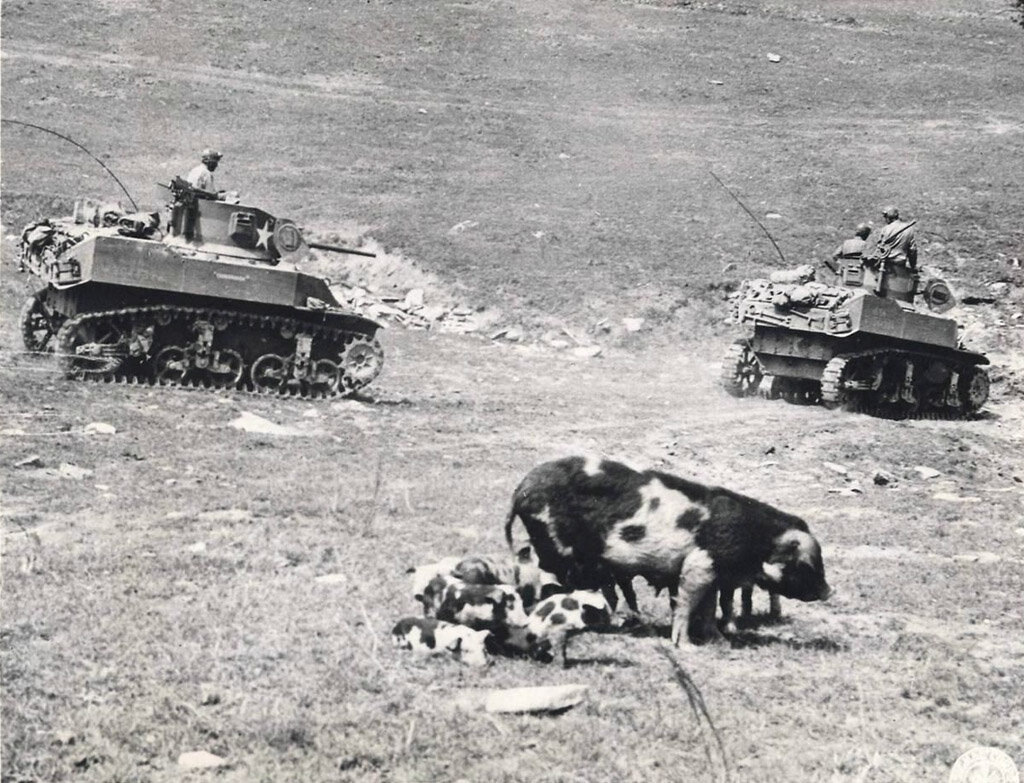
M5 Light Tanks were supplied exclusively to the U.S. Army
The fact that the U.S. military liked the M5/M5A1 is evident from one simple fact: of the 2,074 tanks of this version, not a single one was sent to the Allies, while 1,662 M5A1s were transferred to them. That is far fewer than the number of tanks in the M3 family. Based on the M5A1 Light Tank, the HMC M8 self-propelled gun was produced, which was used as a fire support asset. Despite its unusual appearance, the self-propelled gun turned out to be quite successful—just like the tank on which it was based. It’s remarkable: at a time when other armies around the world were phasing out the production of light tanks, the Americans did not reduce their production volume in the least. It all comes down to how these tanks are used. In this regard, the American weapons system proved to be more flexible.
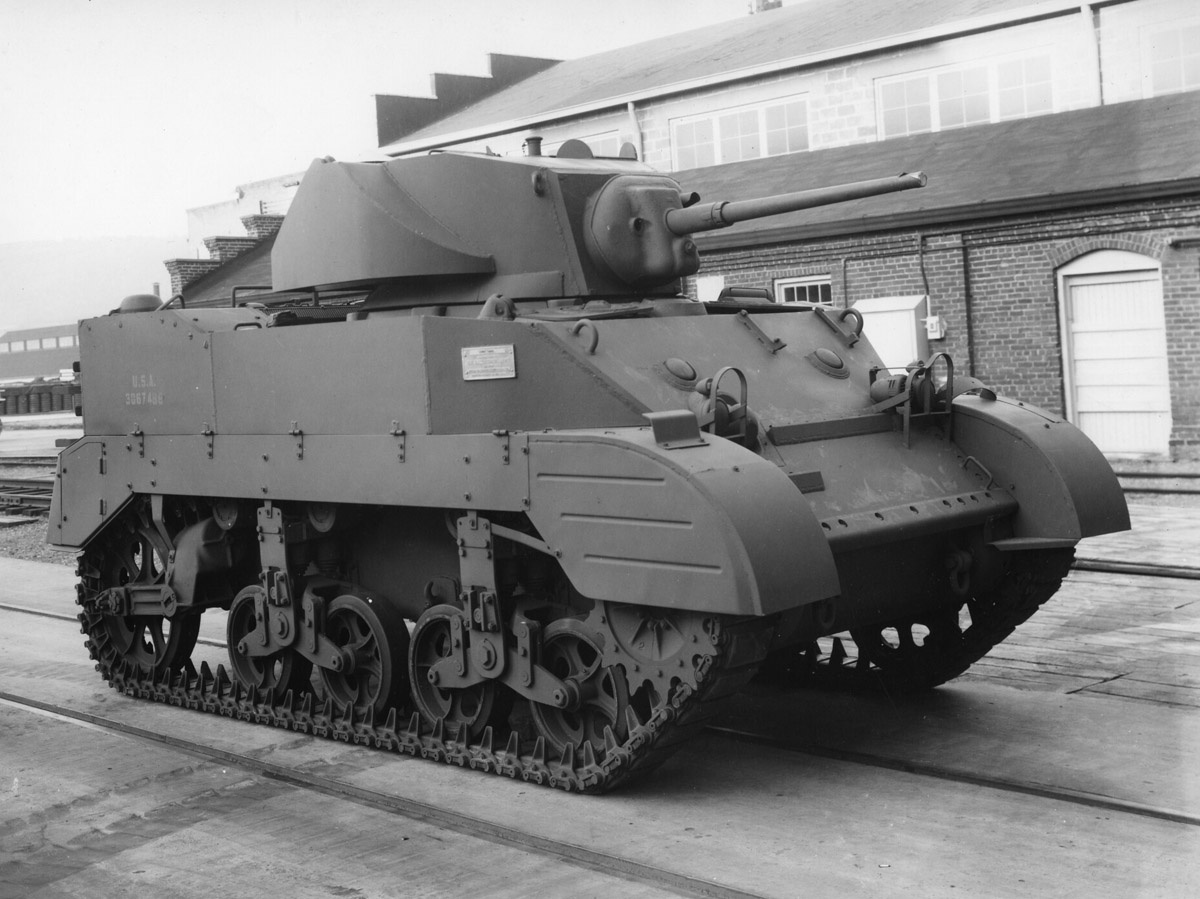
The M5A1 Light Tank, the pinnacle of this family’s design
Of course, the M5A1 and other light tanks gradually became obsolete. But they remained quite in demand as reconnaissance vehicles. Moreover, the M8 Light Armored Car, the most widely produced American armored vehicle in 1944–45, did not have a clear advantage. Yes, it was faster on the highway, but its armament was the same, its armor protection was inferior, and its advantages vanished off-road. It was no coincidence that in 1946, Stilwell’s Council concluded that the best armored reconnaissance vehicle was a tank. They were referring, of course, to the M24 Light Tank, but even earlier tanks seemed more promising than armored cars.
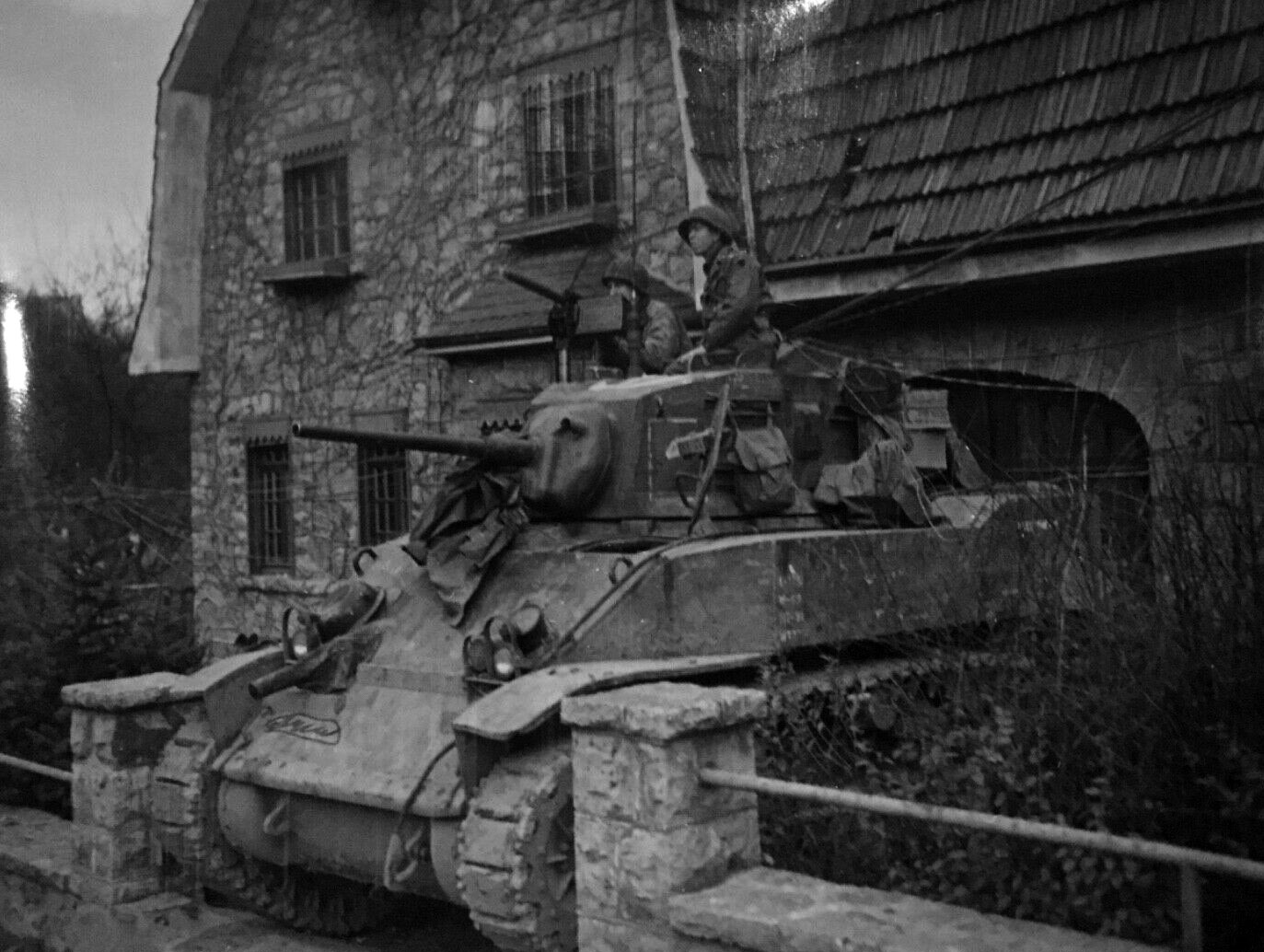
They fought until the end of World War II, and then served for several decades in other armies around the world
Incidentally, this is one of the secrets behind the M3/M5’s longevity. If you view them not as full-fledged tanks but as armored vehicles, everything falls into place. This is especially true when it comes to Third World countries. Reliable bulletproof protection was the key to success in combating armed groups that rarely possessed anything more powerful than rifle-caliber small arms. Moreover, in some countries, such as Brazil, these tanks were further developed. In other words, the platform had plenty of room to grow. In short, when you criticize the “Stuart,” stop and think—maybe the problem isn’t with the tank, but with your worldview? There are no miracles—a bad tank wouldn’t serve for so long or in such large numbers. And this isn’t some “theoretical concept in a vacuum,” like the T-50, but a combat vehicle with a vast combat history. With a total production run of 22,743 tanks in the M3/M5 family, they certainly wouldn’t be producing bad tanks in such large numbers.
List of Sources:
-
-
- US NARA
- Stuart History of the American Light Tank, Vol. 1, R.P. Hunnicutt, Presidio Press, 1992
- usautoindustryworldwartwo.com
- John W. Barriger III National Railroad Library
- Архив автора
- Signal Corps
-