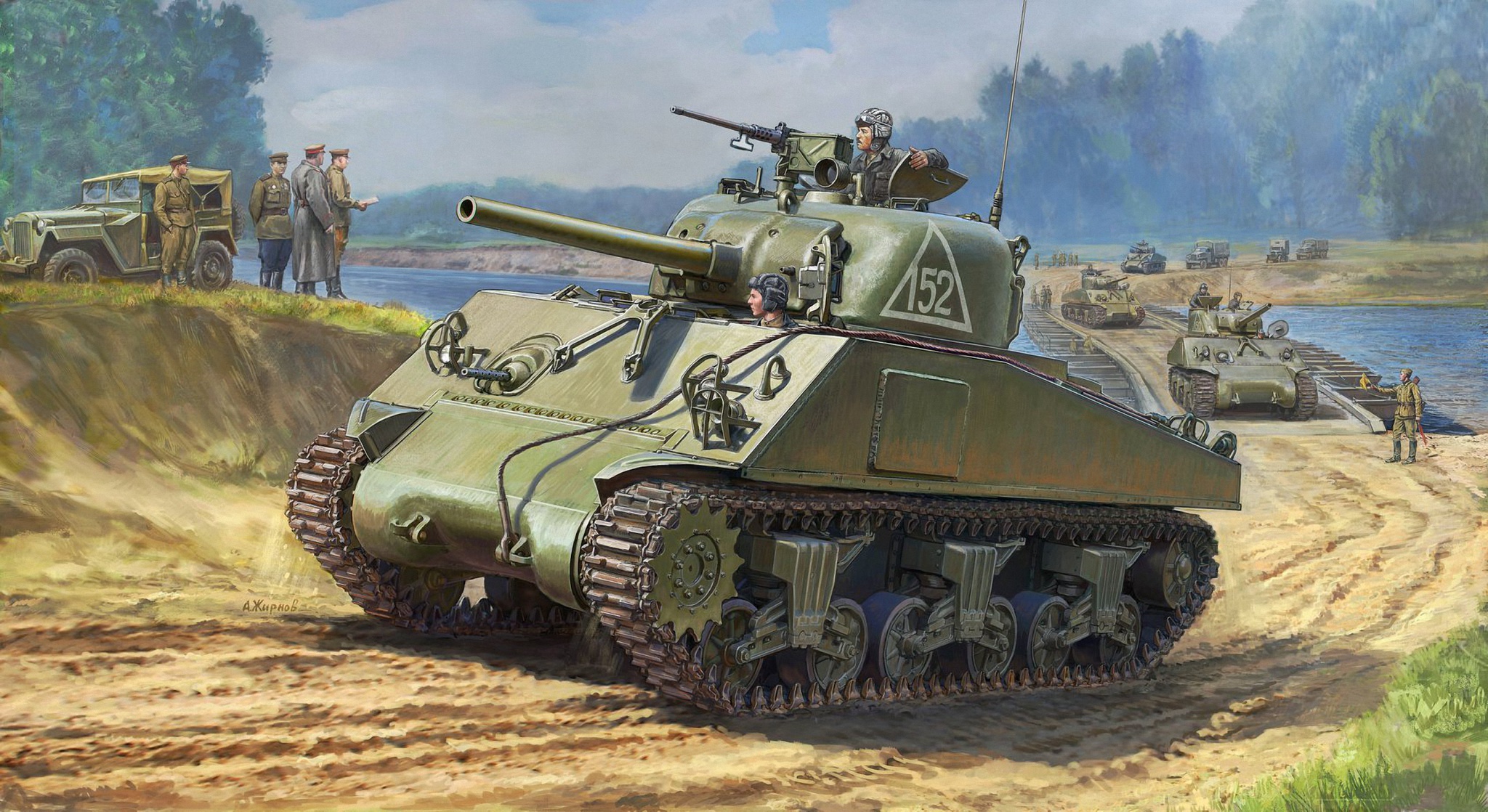
American M4A2 Medium Tanks in the Red Army
As it happens, the vast majority of well-known tanks from World War II are combat vehicles that were produced during the second half of the war. This was no accident: earlier tanks and self-propelled guns had become quite obsolete during the course of the war, which affected how they were viewed. This also applied to the combat vehicles supplied from the U.S. to the Soviet Union under the Lend-Lease program. For example, the M3 Light Tanks (M3 and M3A1) are often criticized. But the bulk of this criticism emerged in 1943, whereas the majority of these tanks had arrived in the USSR in 1942. And at that time, attitudes toward them were somewhat different.
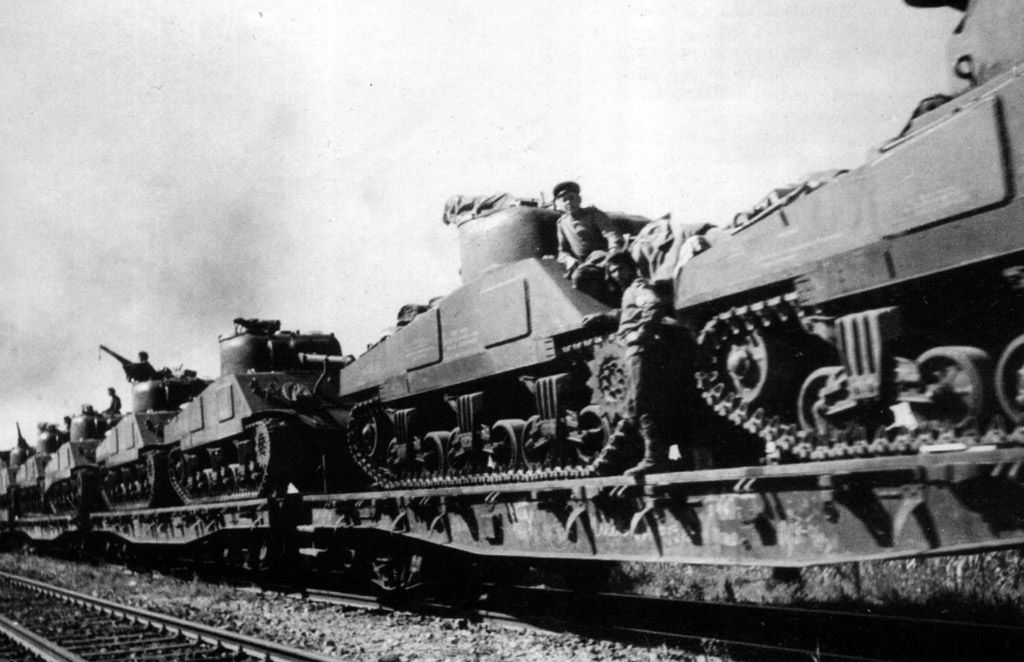
The bulk of the M4A2s arrived in 1944
Something similar happened with the American M4A2 medium tank, which we often refer to, in the English style, as the “Sherman” (although it’s actually the Sherman III). It wasn’t called that during the war, but there’s another point here that’s more interesting. The M4A2 is often referred to as the most widely supplied tank to the USSR under the Lend-Lease program. But there’s one thing to note: mass deliveries of these tanks actually began toward the end of 1943, even though officially, combat vehicles of this type had been delivered a year earlier. So if we are to call it the most widely supplied of the foreign tanks, we should clarify that we are referring to the end of the Great Patriotic War.
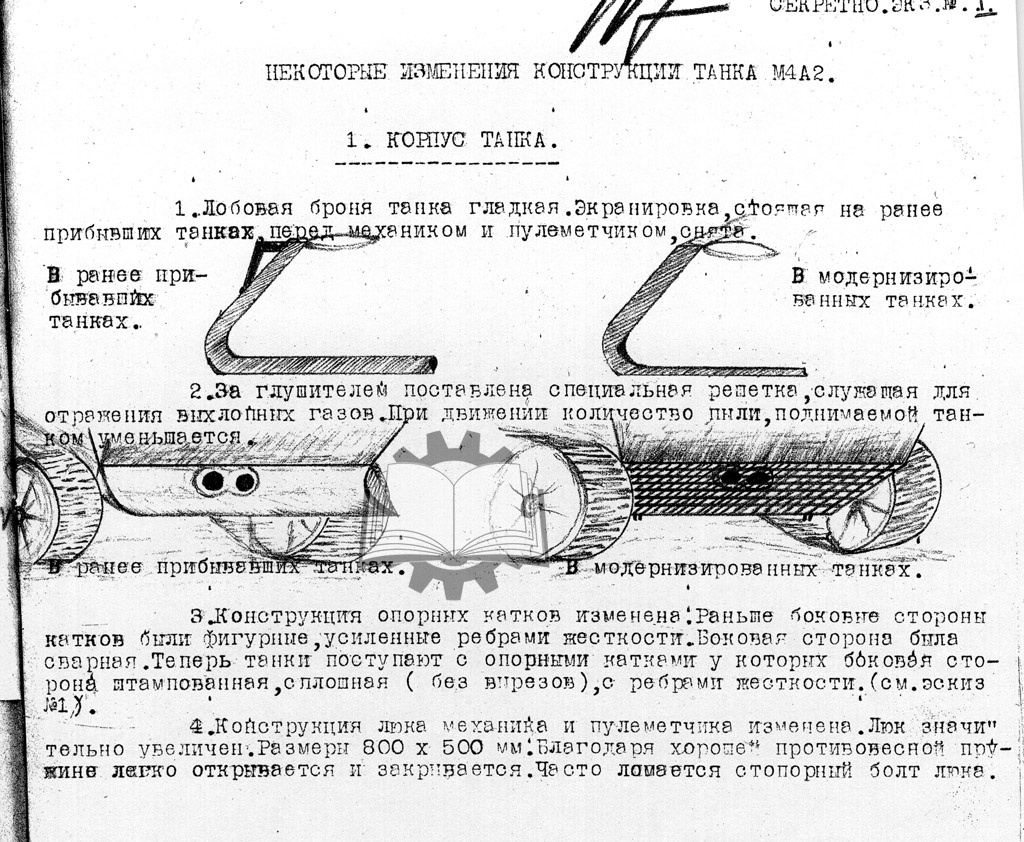
It should be noted that our military attachés observed changes in American tanks
There is no precise information on why M4A2 deliveries under the Lend-Lease program were put on hold. According to U.S. data, a pool of 211 tanks that arrived between November 1942 and May 1943 (36 in 1942 and 175 in the first half of 1943) was formed in September 1942. In fact, it included tanks manufactured between July and September 1942, but nonetheless. The fact remains: between October 1942 and June 1943, American industry did not produce any tanks for the USSR.
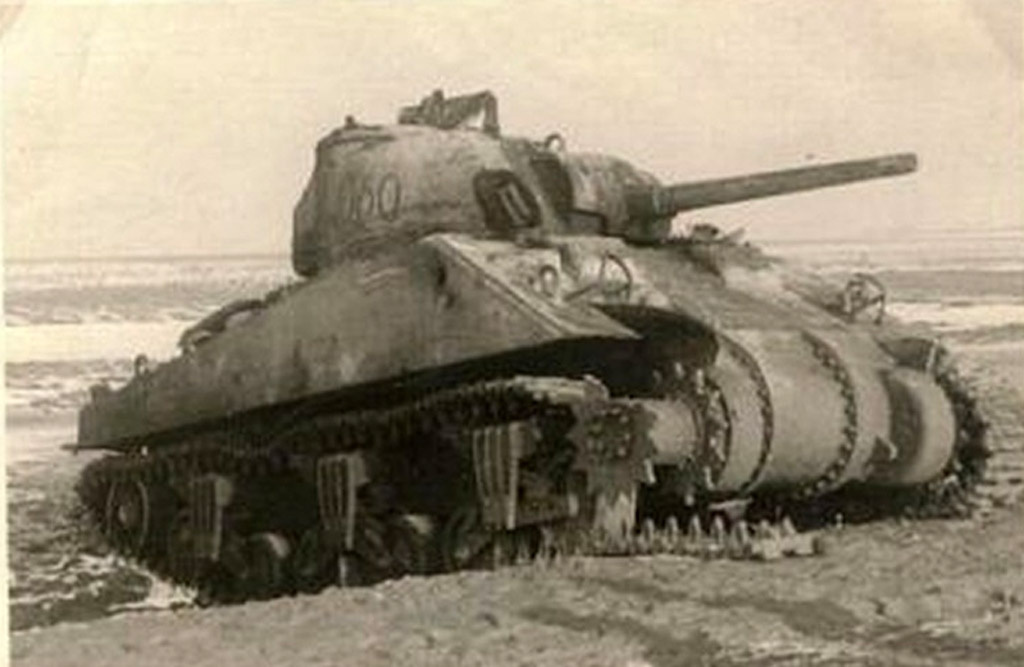
One of the first M4A2s to arrive in late 1943
Production of the M4A2 for the Soviet Union resumed in July 1943; there was a hiatus in September 1943, another in December 1943, and yet another in May 1944. The largest numbers of M4A2s for the Soviet Union were produced in August (about 350 tanks) and November (about 500 tanks) 1943. During the rest of the period, monthly deliveries proceeded at a fairly steady pace. It is also important to note that the M4A2 was being produced at several factories at that time—Pullman Standard Car Manufacturing Company, Fisher Tank Division, and Federal Machine and Welder (FMW).
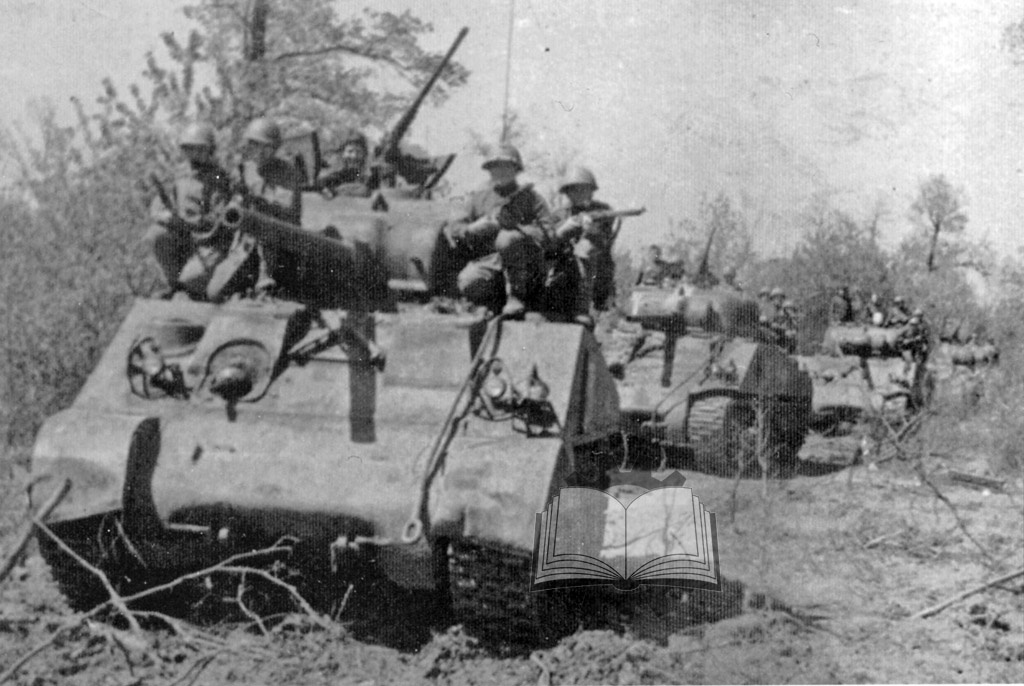
Tanks for the Red Army began to be produced in the summer of 1943
As is often the case, some time passed between the start of production and the first deliveries of the “Soviet” M4A2s. In fact, the first tanks of this type arrived in the Soviet Union in November 1943, with most of them coming via an unusual route. 149 M4A2s arrived in Vladivostok, while 32 tanks were delivered to Baku in November. Another 45 vehicles of this type arrived via the southern route in December. There are no exact figures for the northern convoys, but based on the total volume of shipments for 1943 (469 according to the Main Directorate of Armaments of the Air Force), 78 tanks arrived in November and December 1943. It should be noted that Vladivostok did not remain a transshipment base for foreign tanks for long. A total of 229 tanks arrived via the eastern route, 80 of which arrived sometime in the second half of 1944.
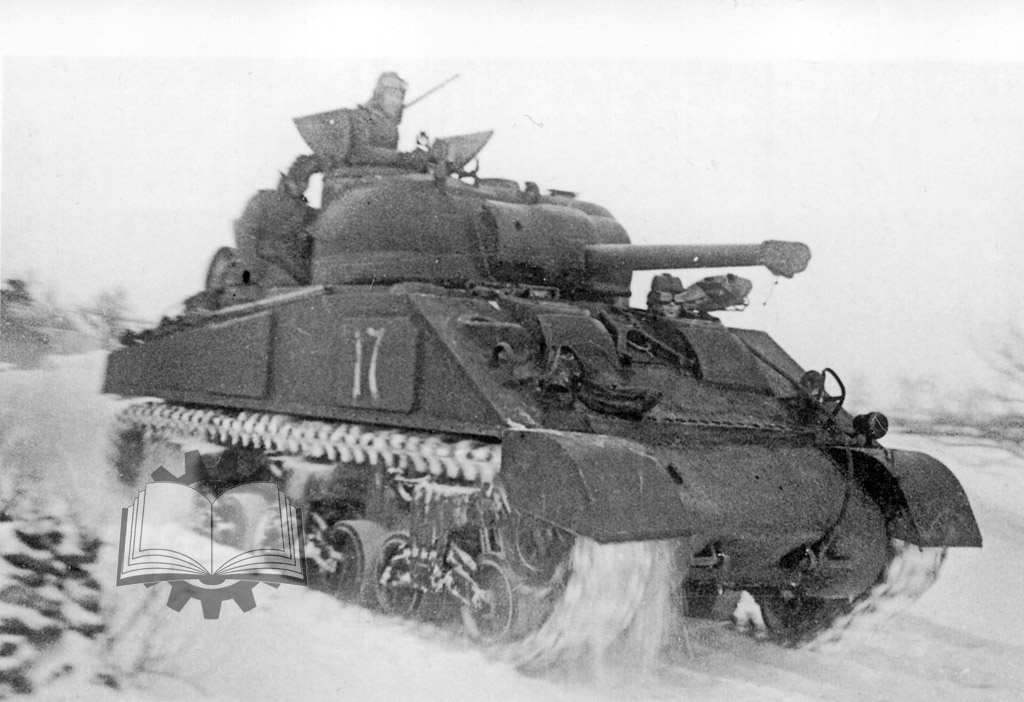
Many of them have been modernized
Full-scale deliveries of M4A2 tanks to the Red Army began in the winter of 1944. While only 4 tanks arrived in Baku in January 1944, 64 arrived in February, 97 in March, and 137 in April. At the same time, the northern route became the main route for M4A2 deliveries. While 800 tanks passed through Baku in 1944, 1,465 tanks arrived via northern convoys. In fact, not all of them were specifically M4A2s: by the end of September 1944, the first M4A2(76)Ws had begun to arrive. Since the tanks were not broken down by type in the official records, it is extremely difficult to give an exact figure for the number of M4A2s that arrived.
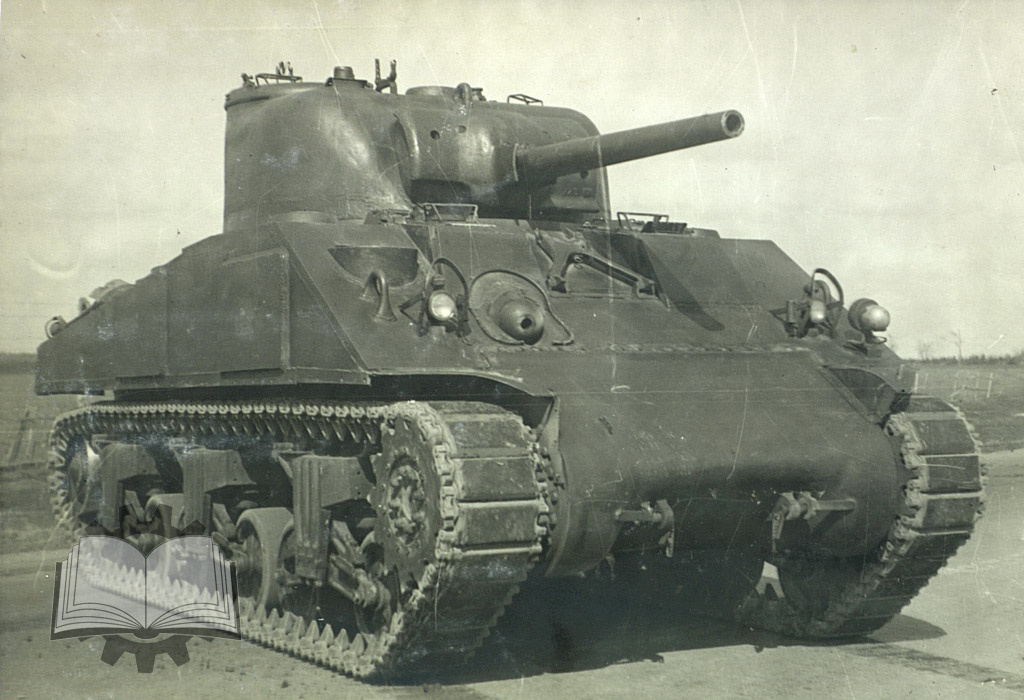
One of these tanks at the NIBT Test Site, 1944
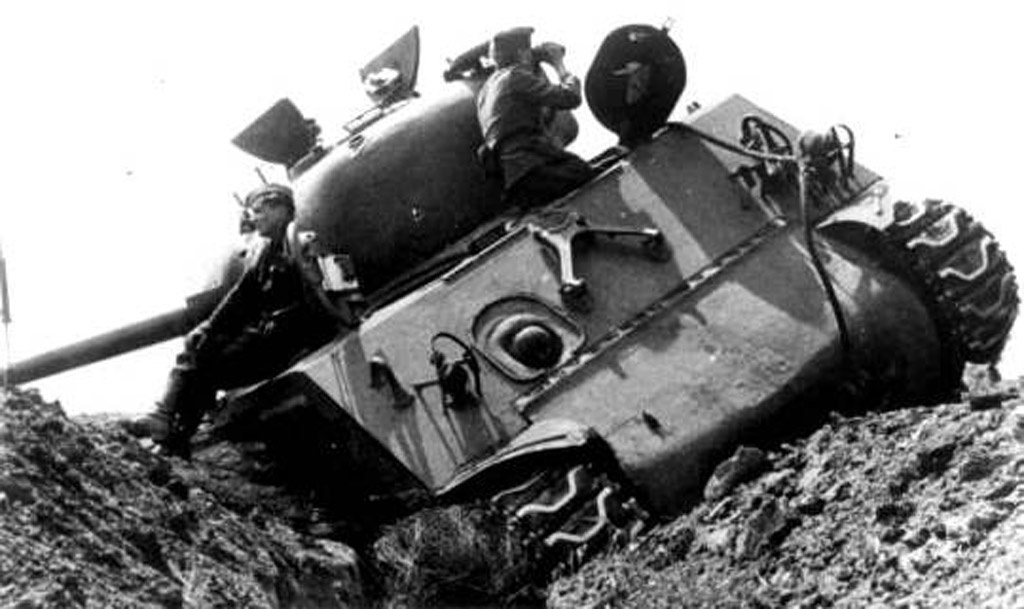
The consolidated statistics from the GBTU KA add to the confusion, as the figures vary. According to American sources, 1,990 tanks of this type were sent to the USSR. Furthermore, no distinction is made between the M4A2 and the M4A2(75), and the Soviet acceptance inspection noted these in the summer of 1944. The inspection also noted modifications in the tanks that had been arriving since November 1943. Among the changes noted were a new air filter, the addition of side skirts, all-metal tracks, and the removal of Thompson submachine guns from the standard equipment. Incidentally, some of the tanks received by the Soviet Union underwent modernization, during which armor plating was added to the sides of the hull near the ammunition racks, as well as to the front left side of the turret.
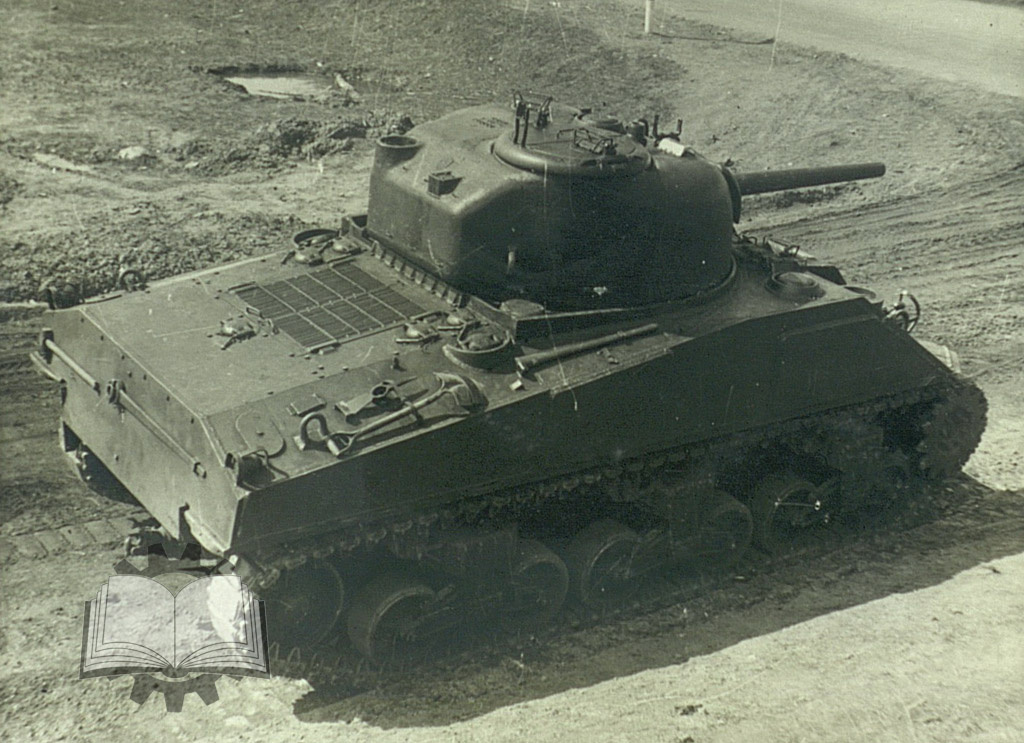
He didn’t take the tests, though
In December 1943, M4A2 tanks equipped with 51-mm breech-loading mortars mounted on the turret roof began to arrive. Furthermore, in late April 1944, the acceptance inspection in Baku raised concerns, as the tanks that arrived were clearly “used” and had accumulated a large number of engine hours. Whether these were British tanks (Sherman III) or whether the Americans had decided to offload training vehicles is unknown. Complaints about vehicles not being fully equipped were by no means rare. Often, the issue stemmed from incidents that had already occurred on Soviet territory, but an equally large number of complaints concerned vehicles that had just arrived in the Soviet Union.
The M4A2(75)s were also on their way to us
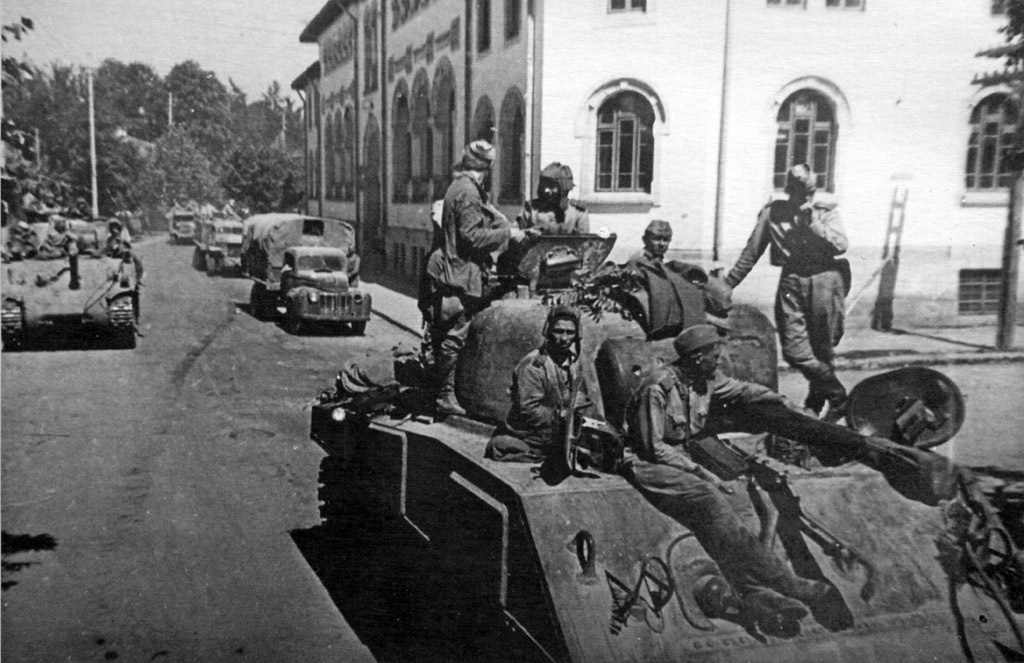
M4A2(75) tanks were also delivered to the USSR; a batch of 1,000 tanks of this version was produced by the Fisher Tank Division. These hulls were designed for “wet” ammunition stowage, but the M4A2(75) retained “dry” stowage. Interestingly, the Main Directorate for Armament and Equipment of the Air Force did not issue an order to test these specific tanks. Nevertheless, tanks from later shipments were still tested at the NIBT Polygon. At the very least, a typical “Soviet” M4A2, manufactured by Fisher Tank Division (with welded projections under the command compartment hatches, side armor plates, and an M34A1 gun mount), was tested at the NIBT Polygon. However, there was no separate report on its testing.
In Bucharest, August 1944
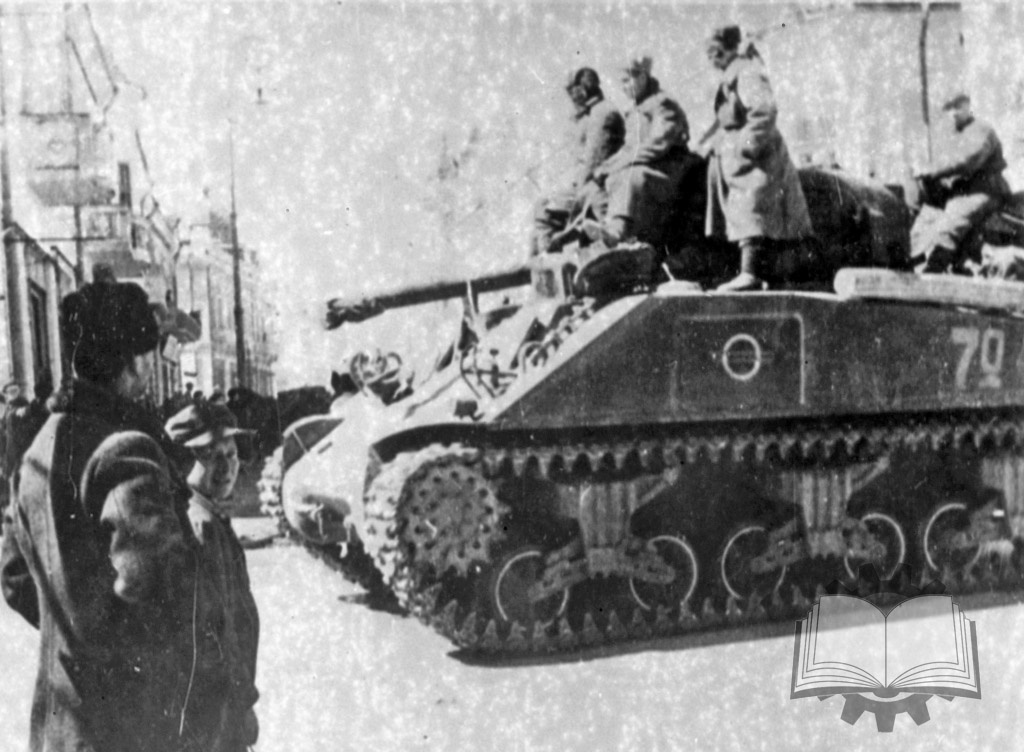
The fact that tanks had become a widespread phenomenon on the Soviet-German front is clearly demonstrated by the statistics on tank losses. In the first half of 1944, the USSR received 1,065 tanks, while total losses amounted to 499 vehicles, of which 108 were lost in May and 127 in June. Total losses of the M4A2 for 1944 amounted to 1,145 tanks of this type. This was the highest figure among foreign tanks; the Valentine ranked second (776 units in 1944). These figures clearly demonstrate the role the M4A2 came to play in Red Army operations. For example, by June 22, 1944, the 3rd Guards Mechanized Corps had 110 M4A2s, while the 1st Mechanized Corps had 136 tanks of this type. The M4A2 was actively deployed during Operation Bagration and other operations. It was also in service with individual tank regiments fighting as part of cavalry divisions.
The “Soviet” M4A2s were distinguished by their varied appearances
A report on the use of the M4A2 in tank corps, dated August 1944, appears to be of interest. They considered the American tank a good weapon against infantry and anti-tank artillery. However, the gun was a bit underpowered for fighting enemy tanks, since the “Tiger” could penetrate the M4A2’s front armor from a distance of 1.5 kilometers, while that German heavy tank could only be hit in the flank from a distance of 600 meters. The ammunition stowage proved to be rather inconvenient, so tank crews often stacked their rounds on the floor of the turret base.
This also applied to track belts
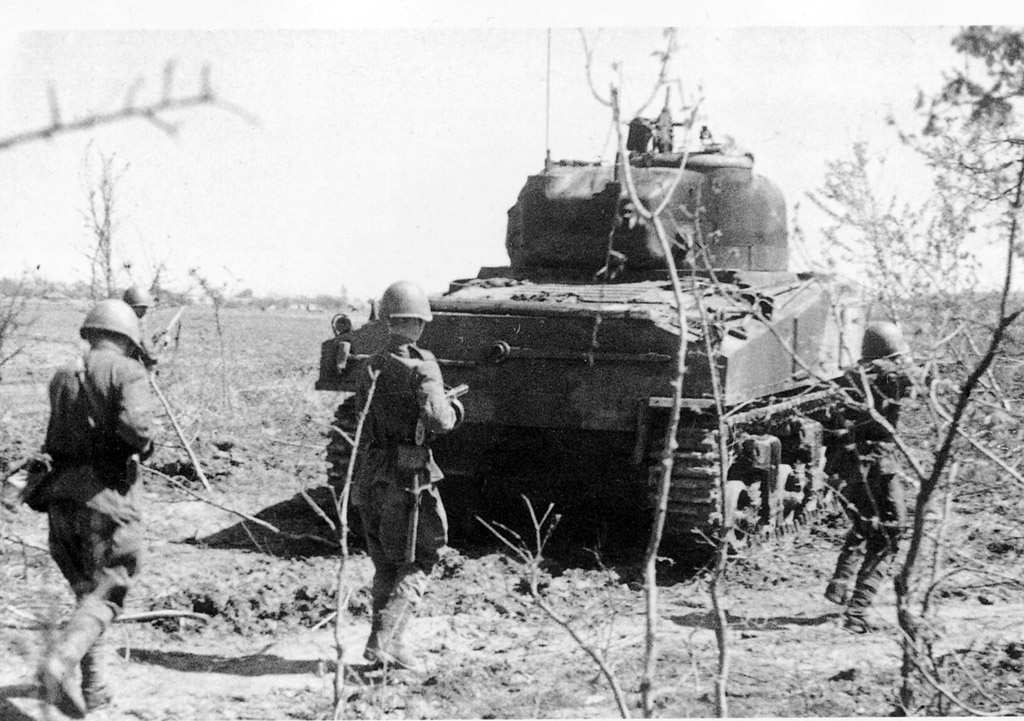
The armor of the American tank was assessed as hard and tough, preventing chips and cracks from forming when penetrated. Unlike the situation in early 1943, there were no complaints about engine injector malfunctions; however, due to crew error, the engines often overheated. Problems with the drive wheels and the detachment of the track links were observed. Despite these issues, the command of the mechanized corps held the American tanks in high regard. They proved to be reliable combat vehicles, capable of enduring long marches, offering good visibility, and providing a comfortable working environment for the crews.
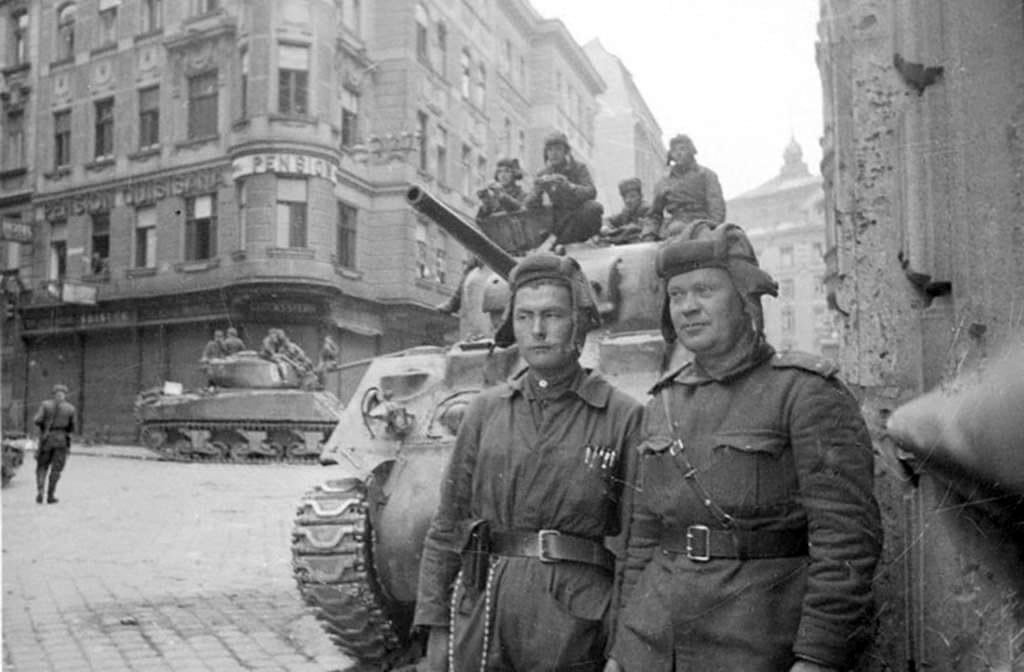
During the capture of Vienna
The data on how the Browning M2HB anti-aircraft machine guns were used by the troops proved to be quite interesting. According to the reports, they were not used while stowed inside the tank. The reason for this was that the machine gun could not be locked in a horizontal position and often got in the commander’s way. Also, during combat, the machine gun could be removed without the crew’s knowledge. Incidentally, removed anti-aircraft machine guns also appear in reports from other units for 1944, and M4A2 tanks are often seen in photographs, for the most part, without the Browning M2HB anti-aircraft machine guns mounted. This problem was clearly known to the U.S. military as well, since the anti-aircraft machine gun mount was subsequently modified. However, it did not become any more convenient.
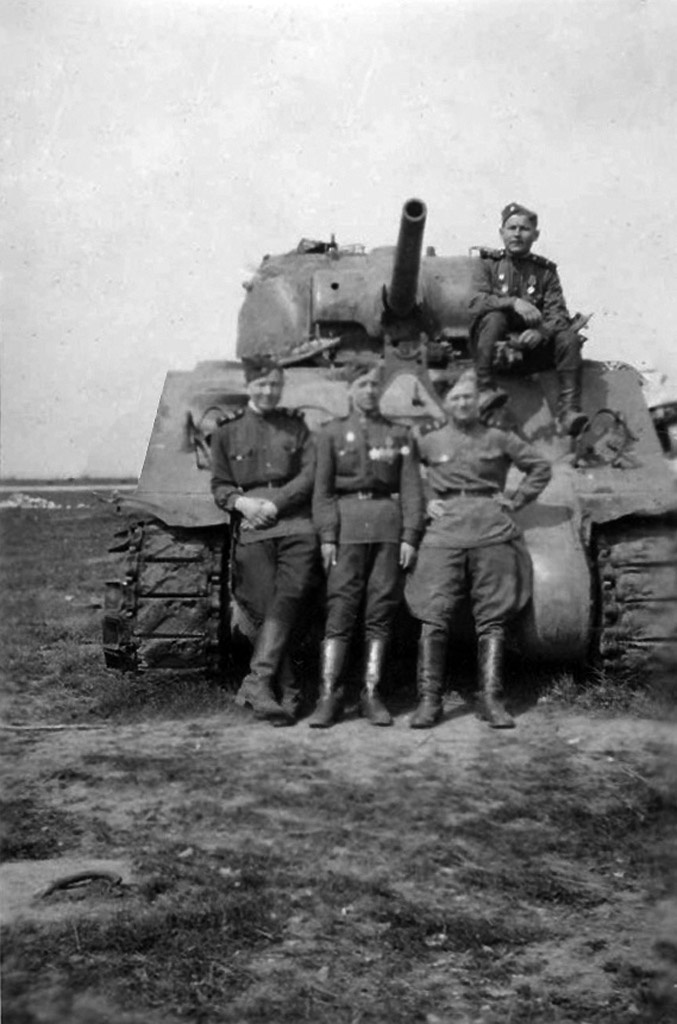
This tank was delivered with track extenders
Although M4A2(76)W tanks began arriving in large numbers in the troops by the end of 1944, the “standard” M4A2s remained in widespread use until the very end of the Great Patriotic War. They often appear in photographic records, for example, during the assault on Vienna. Their subsequent fate was not particularly fortunate. While T-34s were placed on pedestals, the “M4A2s” were not accorded such an honor. They were decommissioned fairly quickly and, at best, used as tow trucks. Today, only four “Soviet” M4A2s are known to exist: one in Ukraine and three in Russia. Of these, only one is roadworthy—the one at the Museum of Russian Military History. Incidentally, it was formerly a tow truck.
List of Sources:
-
-
- CAMO RF
- RGARKFD
- Author’s photo archive
- eBay
- http://the.shadock.free.fr/sherman_minutia
-