The Development of German Tank Optics, 1918–1939
Visibility is an extremely important factor for armored vehicles. At times, it is just as important as good armament and armor. There have been many instances where tanks—well-protected and well-armed—were lost simply because the crew failed to spot the danger ahead. It must be said that people often confuse “warm” with “soft”—specifically, when it comes to sights and observation devices. Sights could be good, unlike observation devices, which often became the Achilles’ heel. Or, conversely, they proved to be a major advantage for armored vehicles.
The LK-II was a true breakthrough in terms of visibility
German-made tanks had precisely this advantage. At the start of World War II, they offered the best field of view—at least when it came to medium tanks. This didn’t happen by chance. The development of German tank optics took a decade and a half, a process marked by numerous trials and errors. In any case, by the 1930s, German engineers had refined a concept for an optimal set of observation instruments that remained relevant for a long time to come.
The Großtraktor was equipped with a periscopic sight
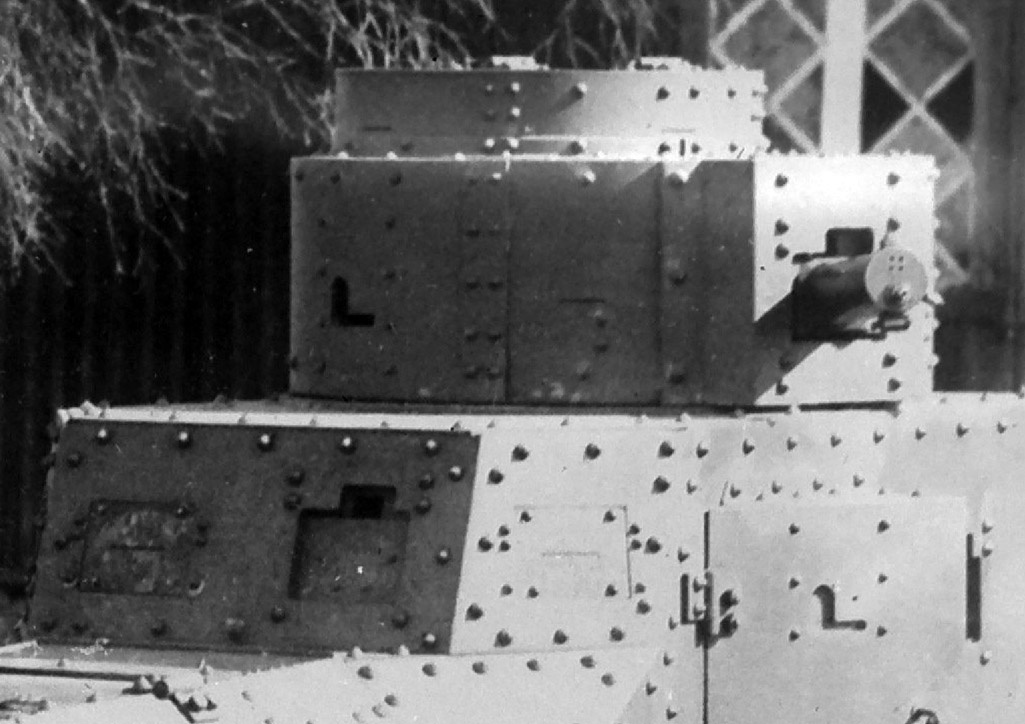
The introduction of the sights and observation devices that appeared on German tanks after 1933 was preceded by an evolution that few experts recall. In fact, it all began as early as World War I. For example, the first commander’s turret, in its familiar form, appeared as early as 1918. It was fitted to the LK-II light tank; the Germans did not have time to deploy the version with a machine-gun turret, but it was later used quite successfully by the Swedes and Hungarians. Although this tank never made it to the battlefields of World War I, it offered excellent visibility for its time. It featured a commander’s turret with observation slits and sighting devices, some of which were covered by armored hatches. By comparison, its counterpart, the Renault FT, looked like a cramped, blind tin can.
At the time, the commander was not in the turret, but in the small turret at the front right
However, from that point on, everything had to start from scratch. In terms of the design of sights and observation devices, the tanks that began to be designed in 1926 bore no resemblance to Josef Folmer’s creations. Both Krupp and Rheinmetall, which were developing turrets for the new tanks, did things their own way. Sometimes this went against common sense. On the medium tank Armeewagen 20—later renamed the Großtraktor—the commander was removed from the turret altogether and placed in the hull, to the right of the driver. He was given a viewing turret, from which he could, of course, see something, but nothing more.
The Leichttraktor turret had similar instruments
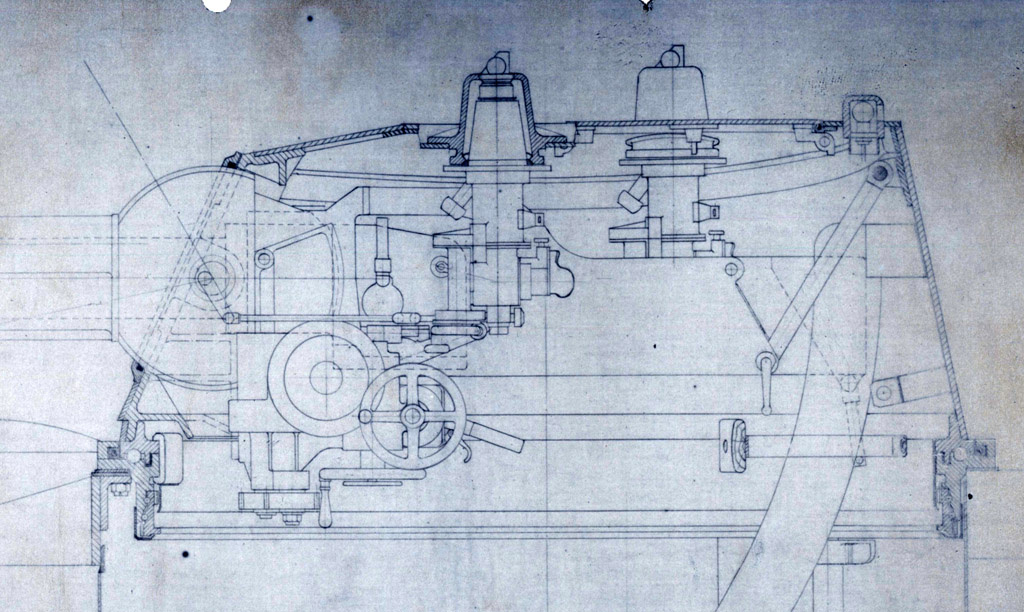
The Großtraktor’s turret (or rather, turrets) was a two-man turret; its observation devices included two periscopes (one of which served as a sight), plus a gunner’s port and a pair of observation slits in the hull sides, covered with glass blocks. That’s all there is to it. The Germans tactfully avoid mentioning the Großtraktor’s visibility, but it seemed rather mediocre. At the same time, one interesting feature appeared even back then—though it didn’t catch on with the Germans. The fact is that the Großtraktor’s turret had a periscopic sight, so the movable armor of the gun mantlet was “unobstructed,” without a vulnerable embrasure.
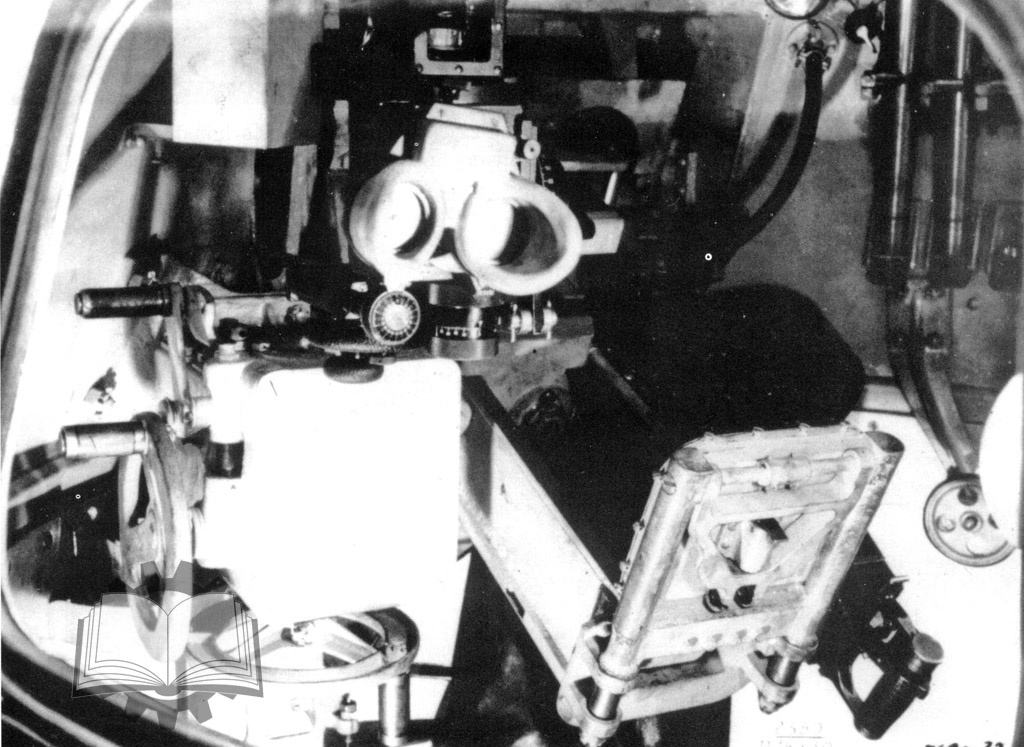
But overall, it looked more practical
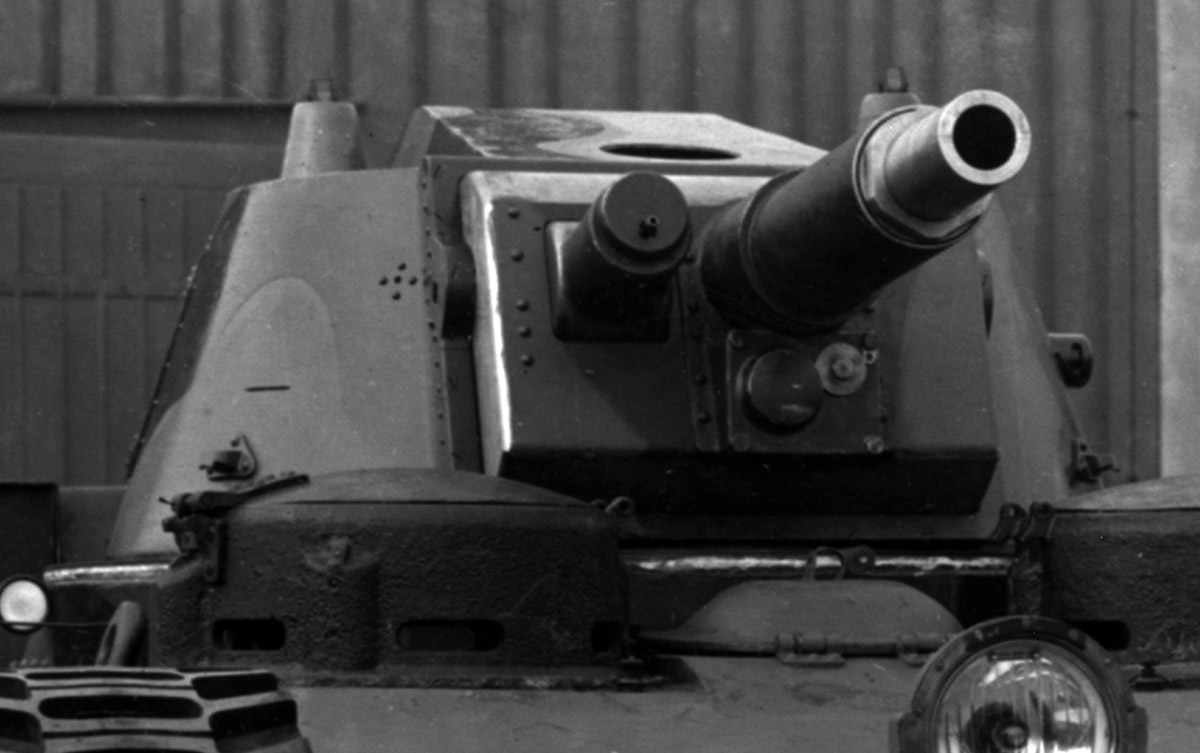
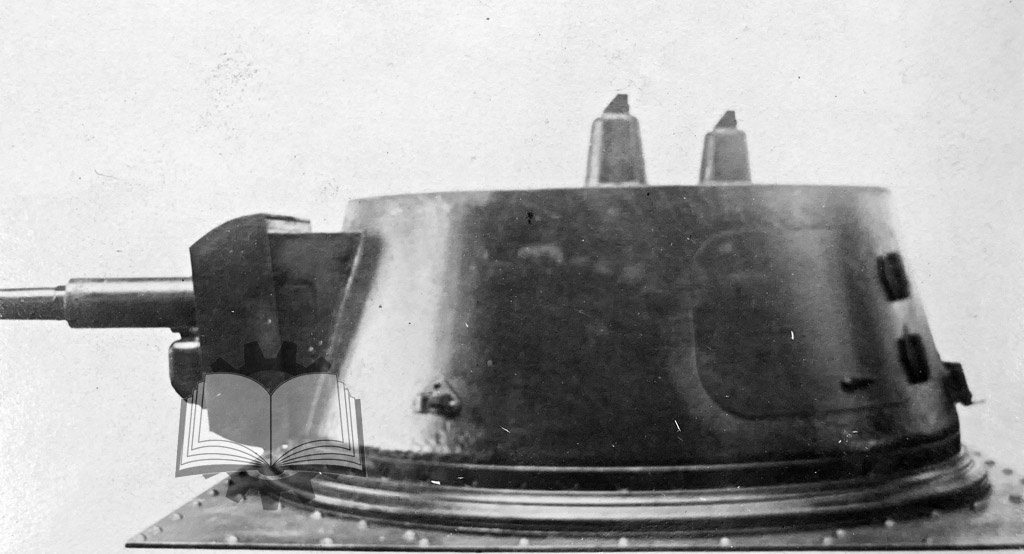
The turret of the Leichttraktor light tank, developed by Rheinmetall, seemed to be a more streamlined design. Its instrumentation consisted of the same combination of a periscopic sight and a panoramic observation periscope, while the side hatches featured observation slits covered with glass blocks. But in reality, the turret was by no means a two-seater. Originally, it was designed for a crew of three: the gunner on the left, the loader on the right, and the commander seated in the rear. The periscopic observation device was intended specifically for the commander. But the very first tests on the TEKO revealed the absurdity of this idea. It turned out to be very cramped inside the turret, so the commander was removed from there—just to be on the safe side—and the turret became a two-seater.
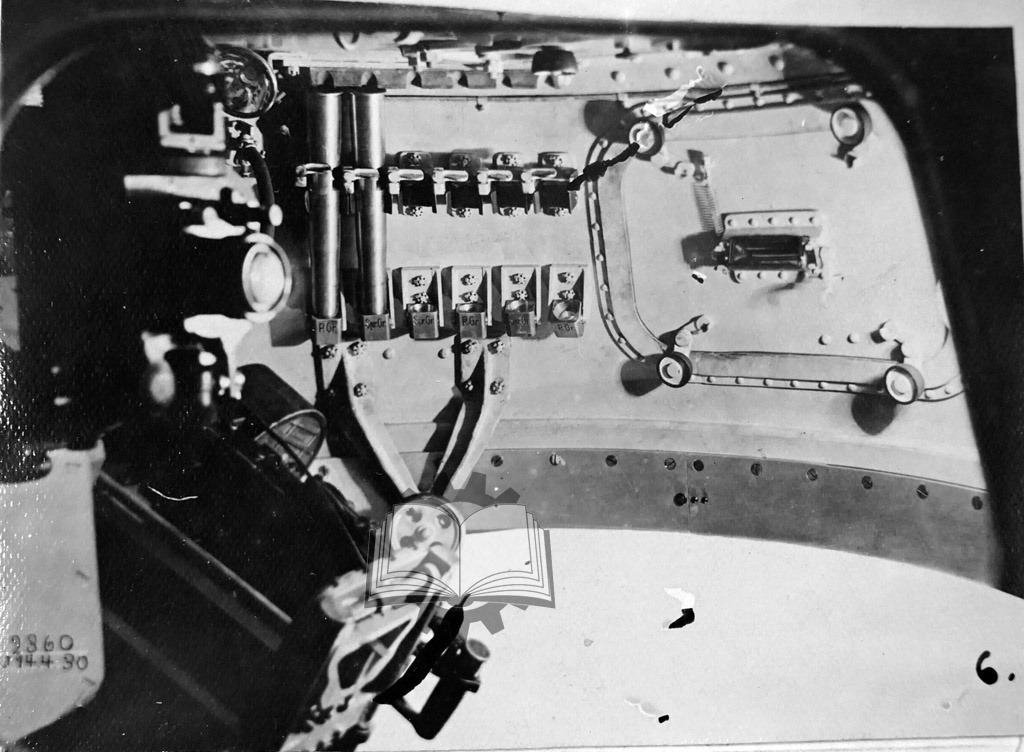
The gaps were covered with glass blocks
The German engineers’ first attempt at developing observation devices and sights proved to be rather unsuccessful. Nevertheless, some countries adopted the concept of a periscopic sight and an observation periscope. Soviet engineers, for example, developed the PT-1 tank periscopic panoramic sight and the PTK commander’s periscopic sight. The Swedes adopted even more of these concepts. The Leichttraktor turret, in a slightly modified form, was adapted for the Swedish Strv m/31 tank. Subsequent Swedish tanks also featured a similar design, particularly with regard to sights and observation devices. The commander’s cupola, however, first appeared on the Strv m/38, whose turret was already somewhat different. Later, the turret of the Polish 7TP tank was introduced, incorporating—thanks to Bofors—the characteristic periscopic sight and gun mount.
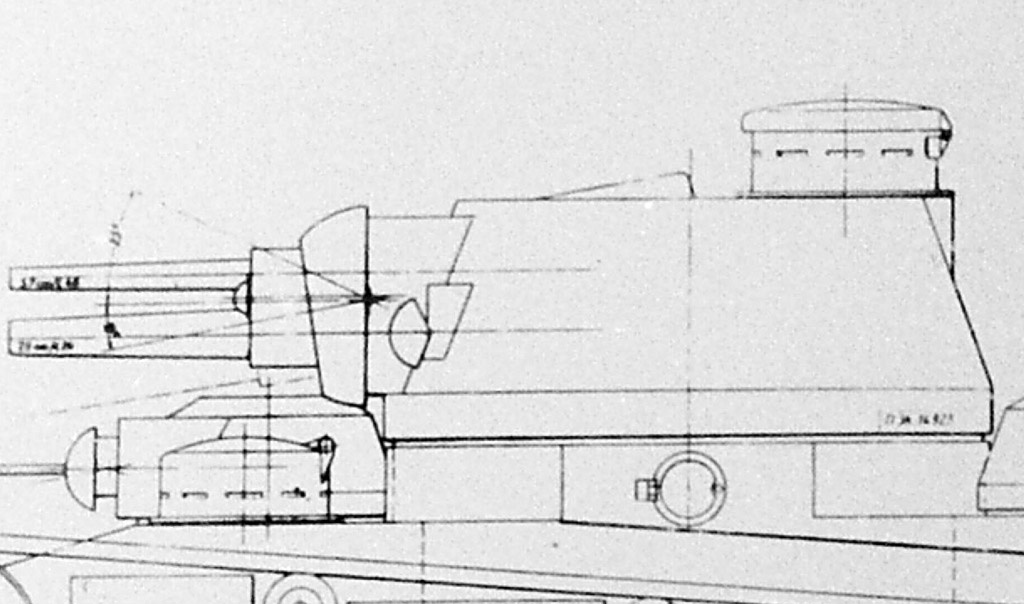
The Nb.Fz. was equipped with a commander’s turret
In July 1932, development began on a new medium tank, initially designated M.Tr. The project was entrusted to Rheinmetall, as the designer of the most successful version of the Großtraktor. However, this was an entirely different tank, with some extremely interesting features. Apparently, the Germans took a very close look at the British Medium Tank A6, as some of the ideas were clearly borrowed from it. This included the concept of machine gun turrets; like the British design, each turret was equipped with two machine guns. Furthermore, the Rheinmetall turret was clearly designed with the A6’s main turret in mind; the main innovation of the A6’s turret was the commander’s cupola, which was set back—so much so that a protrusion appeared beneath the turret to accommodate it.
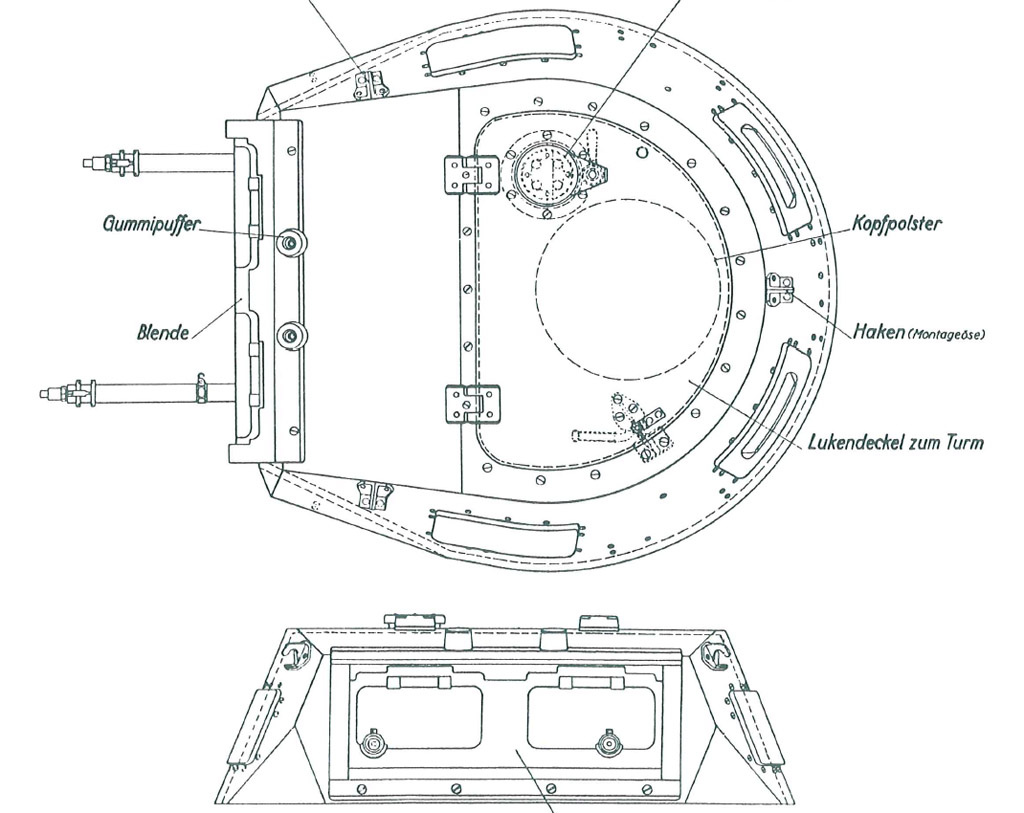
The La.S. Tower, a True Showcase of Technology
Subsequent development by M.Tr. led to the creation of a tank known as the Nb.Fz., which we know by the name of its developer, “Rheinmetall.” The vehicle turned out to be a dead-end design, but it incorporated a number of solutions that later became fundamental to German medium and heavy tanks. This also applied to the observation devices. The commander was given a turret located at the rear of the main turret, behind the gun mount. In addition, the turret for the La.S. light tank—better known as the Pz.Kpfw.I—evolved in part from the machine-gun turrets designed for the Nb.Fz. This turret, developed by Daimler-Benz, is notable for its “horseshoe” shape. If you look at the turrets of the Pz.Kpfw.I, Pz.Kpfw.II, Pz.Kpfw.III, Pz.Kpfw.IV, and even the Pz.Kpfw.Tiger Ausf.E from above, you’ll discover a lot of new things.
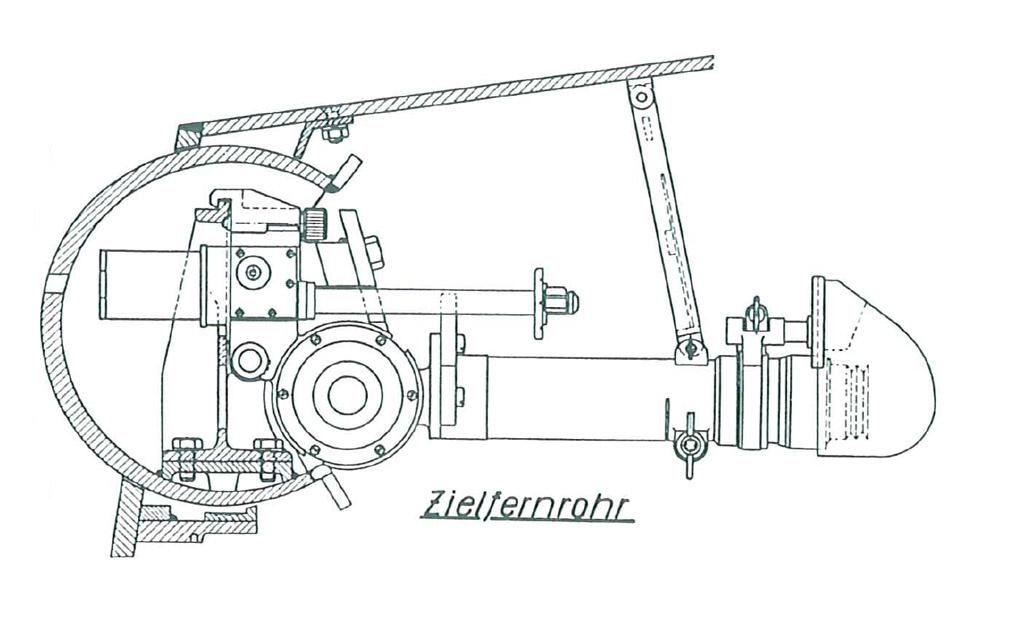
T.Zf.2 2.5x Telescopic Sight
That said, the Daimler-Benz turret is more interesting for its sight and observation devices. The Pz.Kpfw.I was equipped with a 2.5x T.Zf.2 telescopic sight. The result was not just a simple tube, but a rather interesting and complex sight featuring a “knee.” In other words, it had a unique adapter that positioned the sight’s eyepiece above the driver’s head. This made aiming safer and also allowed for a more convenient placement of the sight. Additionally, the Pz.Kpfw.I turret was equipped with observation hatches in the movable armor of the gun mantlet. This was a rather controversial design choice, as there was a risk of being hit in the face by a bullet or shrapnel, but the design was later carried over to the Pz.Kpfw.II and Pz.Kpfw.III turrets.The Pz.Kpfw.IV turret, designed by Krupp, also had these hatches, but they were moved to the front of the turret.
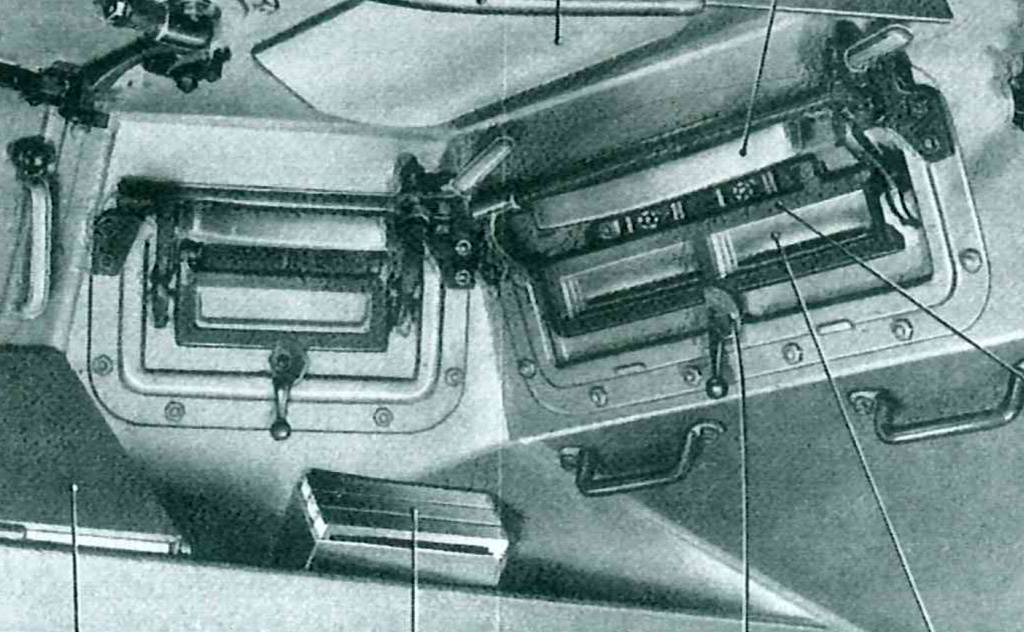
Inspection hatches with glass blocks, view from the inside
Viewing hatches replaced the viewing slits in the turret sides. Similar viewing devices were installed in the turret base. This design improved visibility, but some aspects of the hatch design were controversial. For starters, only two of the four hatches had observation slits—and these were on the rear pair. This meant that to see anything, one had to partially open these hatches, risking being hit by a bullet or shrapnel. Furthermore, the hatches that did have viewing slits were fitted with glass blocks containing tempered glass similar to those manufactured by Sekurit. In principle, the idea wasn’t bad—but only in theory.
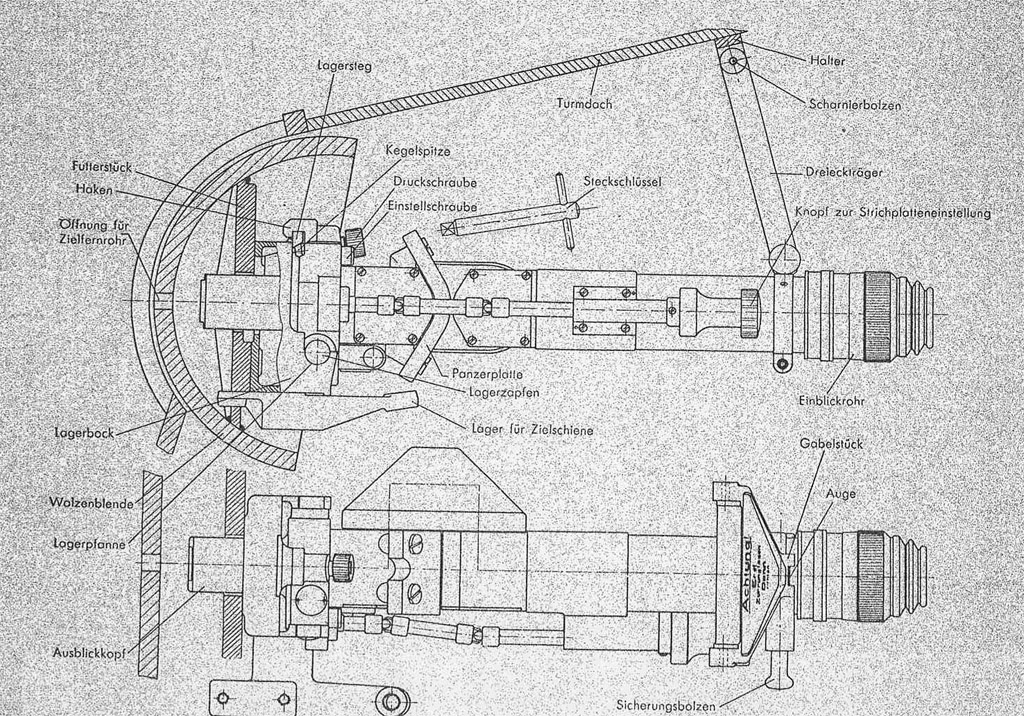
The Pz.Kpfw.II was equipped with a swivel sight
Daimler-Benz was also awarded a contract to develop and manufacture turrets with turret bases for the Pz.Kpfw.II light tank. On this model, the driver was equipped with a different type of observation device, and a binocular combat navigation device was added to complement it. This device was mounted on “rails” on the roof of the command compartment. In the combat position, the observation hatch—which had no slit—was closed, the combat sight was set to the operating position, and the driver-mechanic observed the situation by looking through the eyepieces. This system was deemed superior to the driver’s observation devices on the Pz.Kpfw.I; it was implemented on the B.W. prototype as well as on the Pz.Kpfw.III Ausf.A. In the case of the Pz.Kpfw.II turret, a periscopic observation device was introduced, which, in theory, was supposed to improve visibility. But that was in theory; in practice, it did not work well.
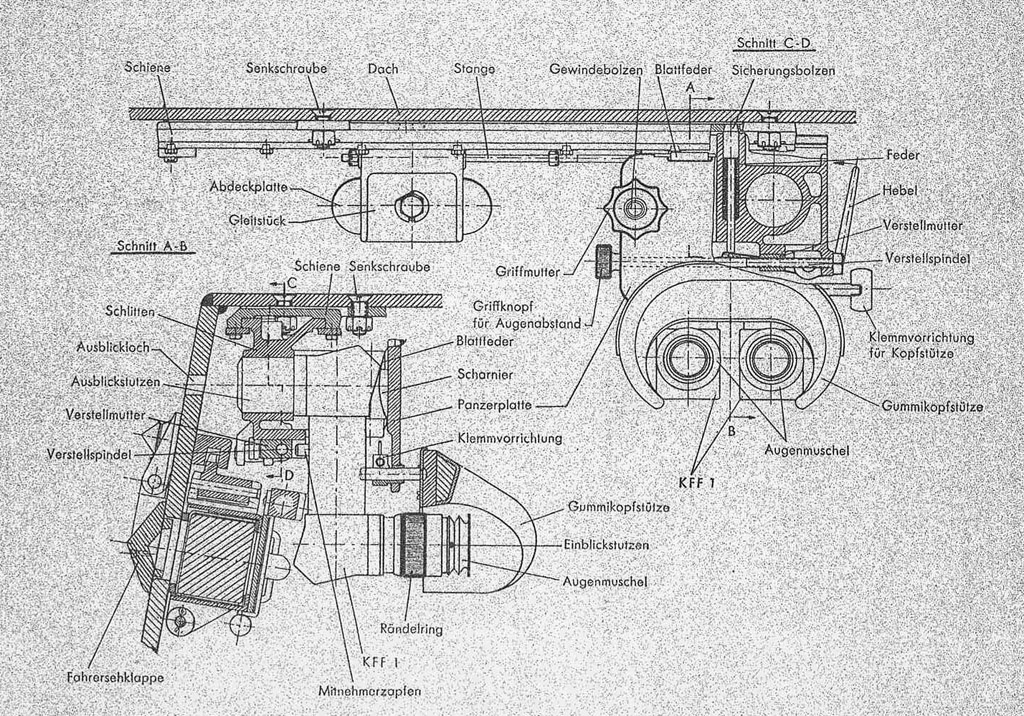
Combat Driving Device
In the case of the new German medium tanks, the set of observation instruments overlapped with that of light tanks, at least in part. Similar to the Pz.Kpfw.II, German medium tanks were equipped with a hinged (so-called “folding”) sight. This was a truly revolutionary invention that radically improved the gunner’s working conditions. Thanks to the “knee” mechanism, the sight’s eyepiece moved along with the gun mount, while the main body of the sight—through which the gunner looked—remained stationary. This was very convenient. The commander, who was positioned in the rear of the turret, was provided with a turret structurally similar to the one used on the Nb.Fz. It had observation slits around the perimeter, which were covered by glass blocks. This provided an excellent 360-degree view.
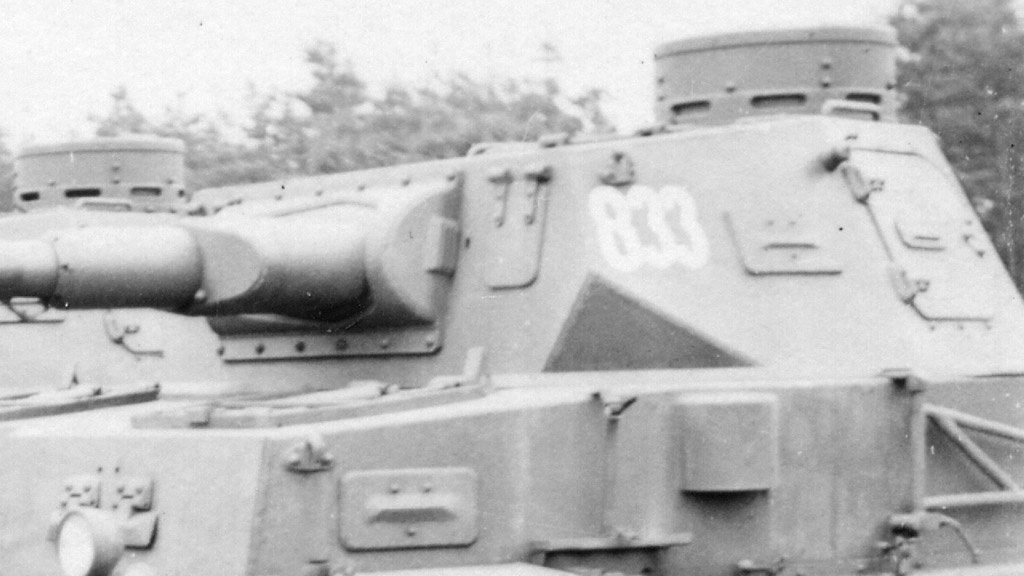
On the very first Pz.Kpfw.III and Pz.Kpfw.IV tanks, the turret observation devices were quite primitive
German tanks of the new generation were first deployed in 1936 during the Spanish Civil War. It was then that feedback on the tanks’ optics was first obtained. And that feedback was quite mixed. Lieutenant Colonel Wilhelm von Toma, who led a group of German instructors and mechanics, prepared a very critical report in late November 1936. They also scrutinized the viewing devices. It turned out that the viewing slits served as easy targets for small-caliber bullets, and the glass blocks were easily penetrated by bullets and shrapnel. Interestingly, in the USSR, there were no complaints about the glass blocks on the captured Pz.Kpfw.I Ausf.A. At the same time, the Soviet glass blocks were more reliable, especially in terms of protection, although the German observation devices provided a wider field of view.
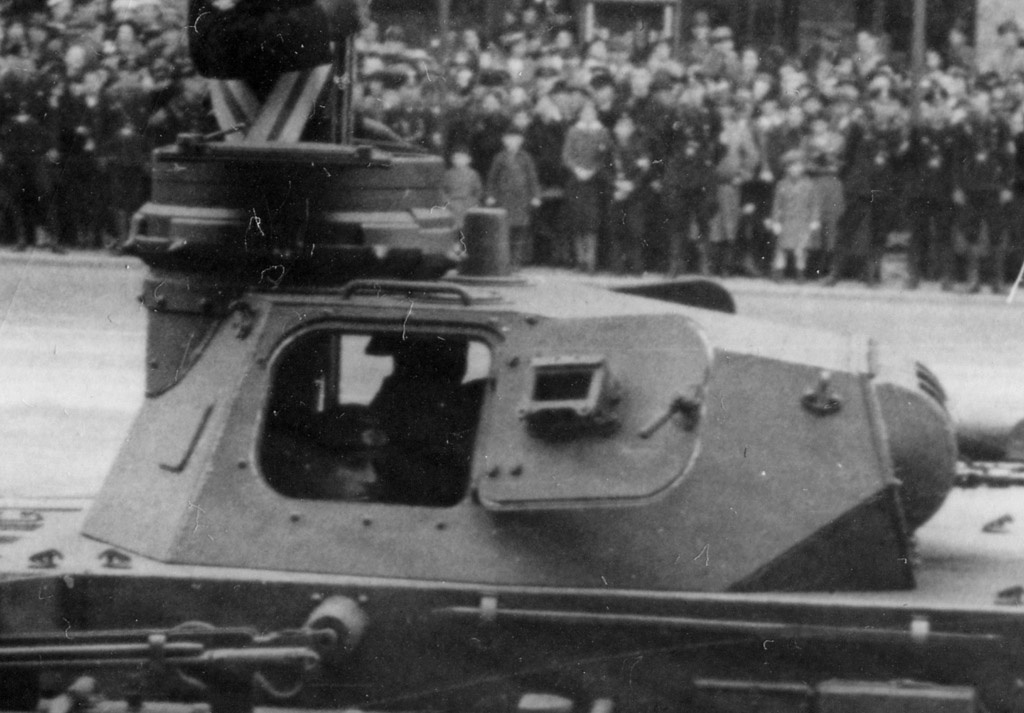
Following the hostilities in Spain, the devices were upgraded
The post-mission analysis did not go unnoticed. Starting with the Pz.Kpfw.II Ausf.A, improved observation devices were introduced. The glass blocks were now 50 mm thick, and the shape of the observation hatches was slightly modified. The design of the driver-gunner’s observation hatch changed significantly, taking on a V-shape when viewed in profile, and an observation slit was also added to it. These hatches were also introduced on the Pz.Kpfw.IV Ausf.A and the Pz.Kpfw.III Ausf.B–D. The reliability issues that arose with the observation devices had to be addressed on the commander’s turrets as well. It quickly became clear that the existing turret design, which lacked protection for the observation slits, was vulnerable to rifle and machine-gun fire. At the same time, the Pz.Kpfw.IV Ausf.A and the Pz.Kpfw.III Ausf.A and B were forced to enter series production still using the old turret design.
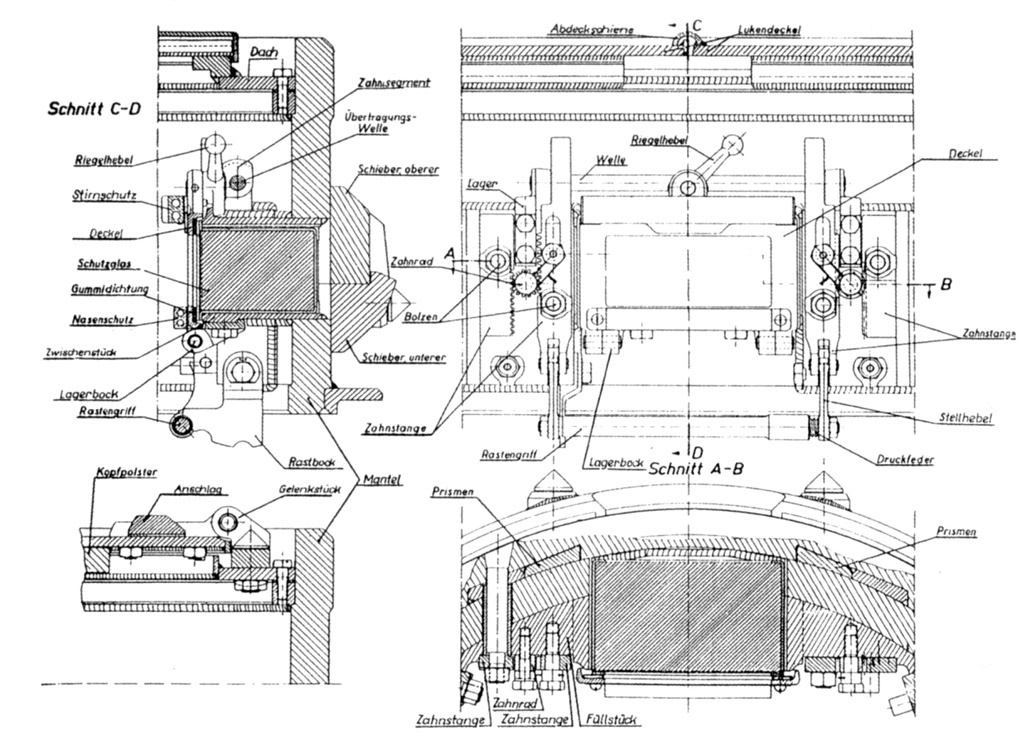
Tower observation devices with “lashes” and glass blocks
Starting with the Pz.Kpfw.III Ausf.C and Pz.Kpfw.IV Ausf.B, a new turret was introduced, featuring a special “grille” that covered the observation slits. This turret remained in service on these vehicles for quite some time. In addition, the Pz.Kpfw.IV Ausf.B was equipped with a new driver’s observation device, the Fahrersehklappe 30. It featured two “lashes” that moved up and down, providing more reliable protection. This device was introduced on the Pz.Kpw.III Ausf.E and remained in use until mid-1940. Later, it also appeared on the Pz.Kpfw.II Ausf.F. It was designed to withstand fire from large-caliber machine guns. New Sehklappe 30 observation hatches also appeared, which were more robust and featured thicker glass panels.
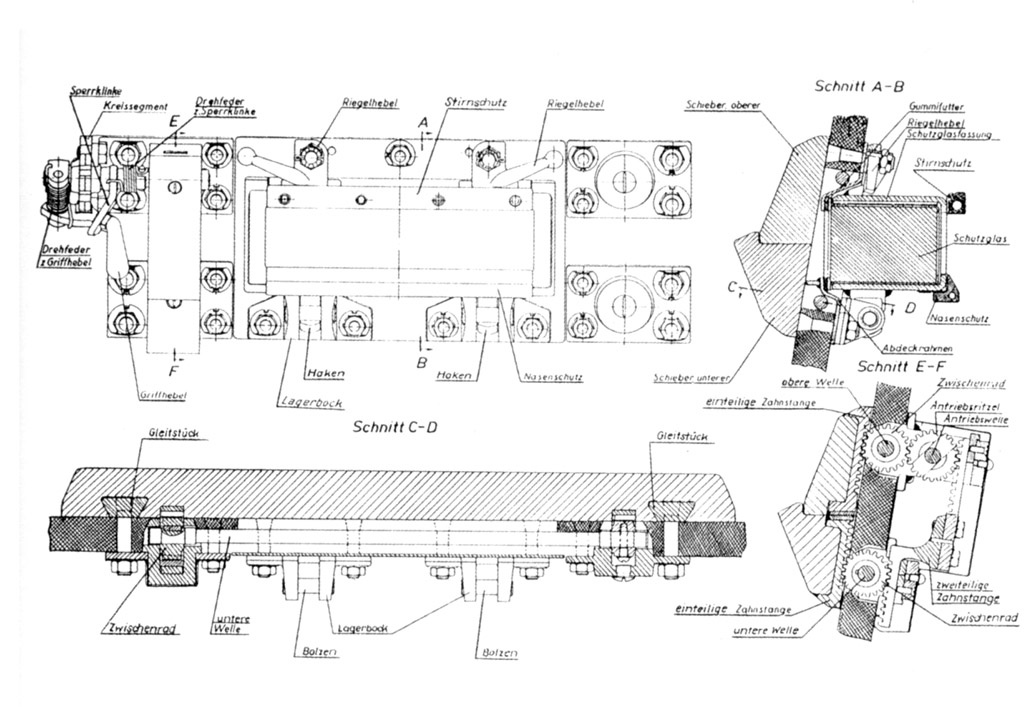
A New Monitoring Device for Mechanics and Drivers
Thus, by the start of World War II, German tank designers had come a long way in terms of observation devices. A key factor was that they had combat experience and, most importantly, the time to make improvements. In terms of observation devices, German tanks were the undisputed leaders at the start of the war. Naturally, there were some shortcomings that became apparent later on. But for the other sides, the situation was clearly worse. This undoubtedly contributed to the difference in the combat effectiveness of tanks during the early years of World War II.
List of Sources:
-
-
- RGVA
- Federal Archives (BAMA)
- Central State Archives of St. Petersburg
- US NARA
- Karl Blomster Archive
-