An article by Yuri Pasholok from the WARSPOT website, dated July 7, 2017.
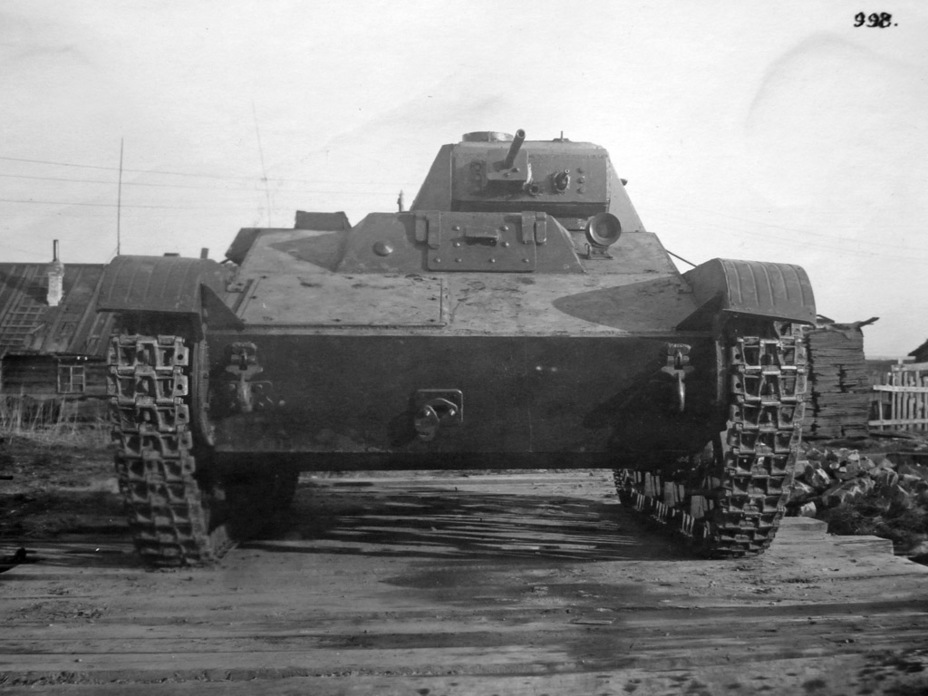
In 1942, the Urals became the main hub of Soviet tank production. While a year earlier Chelyabinsk had been the only place in the Urals where tanks were assembled, by the end of 1941 the number of cities producing combat vehicles had increased significantly. First and foremost, this refers to Nizhny Tagil, where Plant No. 183 had been evacuated. Another city in this group was Sverdlovsk. The first tanks assembled there were the small T-30 and T-60 models.
From Moscow to the Urals
Even before the fall of 1941, enterprises in Sverdlovsk were directly involved in tank manufacturing. By that time, the Ural Heavy Machinery Plant (UZTM) was acting as a subcontractor to the Chelyabinsk Tractor Plant (ChTZ) in the production of hulls for KV-1 heavy tanks. It is worth noting that UZTM remained in close cooperation with ChTZ/ChKZ until the end of 1945, and this cooperation gradually expanded. In December 1941, Motor Plant No. 76 was established, and later, at Plant No. 8—which had been evacuated to Sverdlovsk—production of tank guns was organized. These components were actively used in the heavy tanks produced by ChKZ. At the same time, UZTM’s production capacity at that time did not allow it to manufacture the tanks themselves.
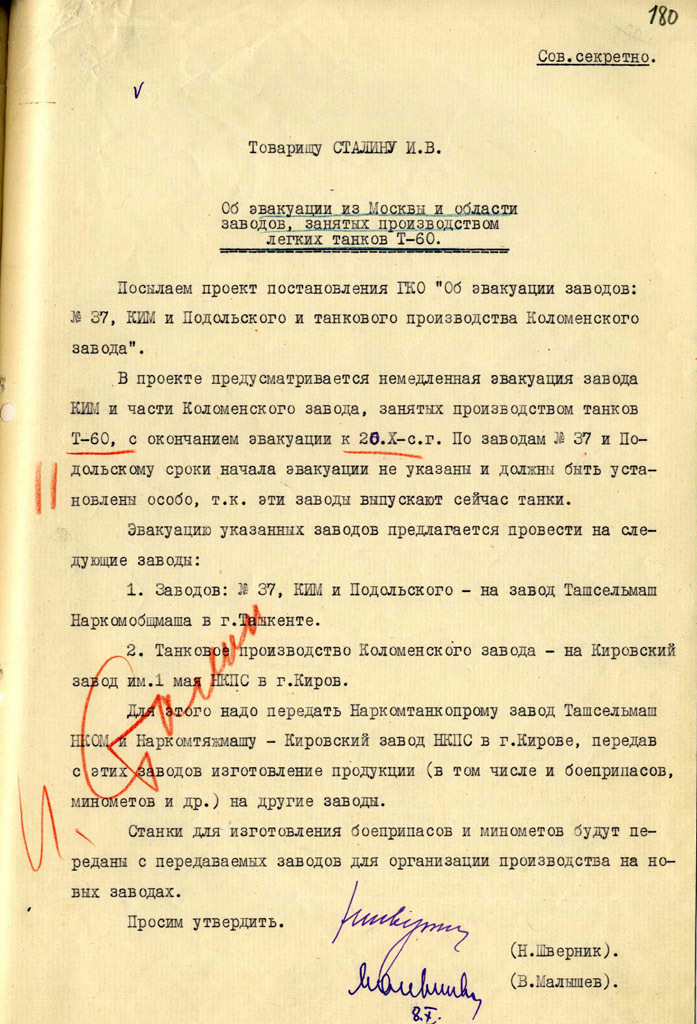
An appendix to Draft GKO Resolution No. 572, according to which production of the T-60 was to be organized in Tashkent. The idea never progressed beyond the document stage.
The establishment of tank production in Sverdlovsk became possible after the State Defense Committee (GKO) issued Resolution No. 811ss on October 19, 1941, “On the Evacuation of Plants No. 37, KIM, and Podolsk.” According to this document, Plant No. 37 and KIM were evacuated to Sverdlovsk and housed on the premises of the Sverdlovsk Railroad Car Repair Plant. As for the Podolsk Ordzhonikidze Plant, it was housed at the “Metallist” plant, which was also located in Sverdlovsk.
It is worth noting that just 10 days earlier, GKO Resolution No. 752ss had been signed, “On the Evacuation of Plants: No. 37, the KIM-PI and Podolsk Plants, and the Tank Production Division of the Kolomna Plant.” It called for a completely different relocation plan for the evacuated enterprises. It was planned that Plant No. 37, KIM, and the Ordzhonikidze Podolsk Plant would be evacuated to Tashkent, to the Tashkent Agricultural Machinery Plant of the People’s Commissariat for General Machine Building (Tashselmash). Tank production was never actually established in Uzbekistan, although there was an attempt to organize the assembly of the T-60 there. This proposal was put forward by U.Y. Yusupov, Secretary of the Central Committee of the All-Union Communist Party (Bolsheviks) of Uzbekistan, and Major General P.S. Kurbatkin, Deputy Commander of the Central Asian Military District.
There was logic to their proposal. The Kharkiv Tank School had been evacuated to Chirchik, and Tashkent was home to the L.M. Kaganovich Tashkent Locomotive Repair Plant (now the state-owned enterprise “O’ztemiryo’lmashta’mir”) and the Foundry and Mechanical Plant of the People’s Commissariat of Transportation (now the subsidiary “Foundry and Mechanical Plant”), whose production capacities, in principle, made it possible to organize tank production. However, a thorough study of the issue by the State Defense Committee yielded disappointing results. The great distance, as well as potential problems with the supply of components and armor of the required thickness, led to the cancellation of plans to produce the T-60 in Tashkent.
Organizing tank production in Sverdlovsk was an extremely difficult task. Malyshev, the People’s Commissar for the Tank Industry, and V.M. Andrianov, chairman of the Sverdlovsk Regional Committee of the All-Union Communist Party (Bolsheviks), were tasked with allocating an additional 10,000 m² of production space within five days to house the evacuated enterprises. In November, they were ordered to produce the first 5 tanks; in December, 150; by January 20, 1942, the installation of equipment was to be completed; and starting February 1, daily production of the T-60 was to reach 10–12 units.
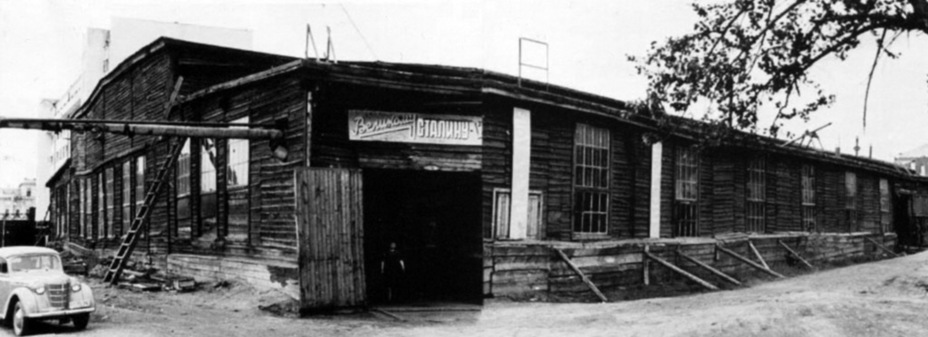
These workshops were built for Plant No. 37 in late 1941–early 1942
In practice, the situation regarding the organization of production was somewhat different. At the enterprises specified in GKO Resolution No. 811, it was necessary to set up new production facilities; in particular, new workshops had to be built. Due to the urgency of the situation, the workshops were constructed of wood. The entire month of November and part of December were spent getting production up and running at the new location. On December 19, GKO Resolution No. 1043c was issued “On the Plan for Tank Production in the First Quarter of 1942,” according to which Plant No. 37 was to produce 700 tanks in the first three months of the following year, 140 of which were to be Radium tanks. According to the contract signed with the plant, the cost of a standard T-60 was 72,500 rubles, while the cost of a “Radium” tank was estimated at 75,000 rubles.
It all looked good on paper, but in reality, the first few months of Plant No. 37’s operation proved to be extremely difficult. It wasn’t just the radium-equipped T-60—which was never actually produced—but even the “standard” T-60 was out of the question in practice. Until mid-February 1942, Sverdlovsk was still producing the T-30. A total of 200 were built, 101 of which were shielded. This was largely due to the fact that the evacuated factories had a stockpile of hulls for such tanks.
Given that the T-30 and T-60 were roughly equivalent in terms of combat performance, the production of the T-30 was not considered a “crime.” Moreover, in official correspondence, these tanks were referred to as T-60s, which contributed to the confusion surrounding the Sverdlovsk-built vehicles. It was not until the second half of February 1942 that 67 T-60s were produced, and 125 hulls for these tanks were accepted. Thus, Plant No. 37 became the last of the enterprises to master the production of this tank.
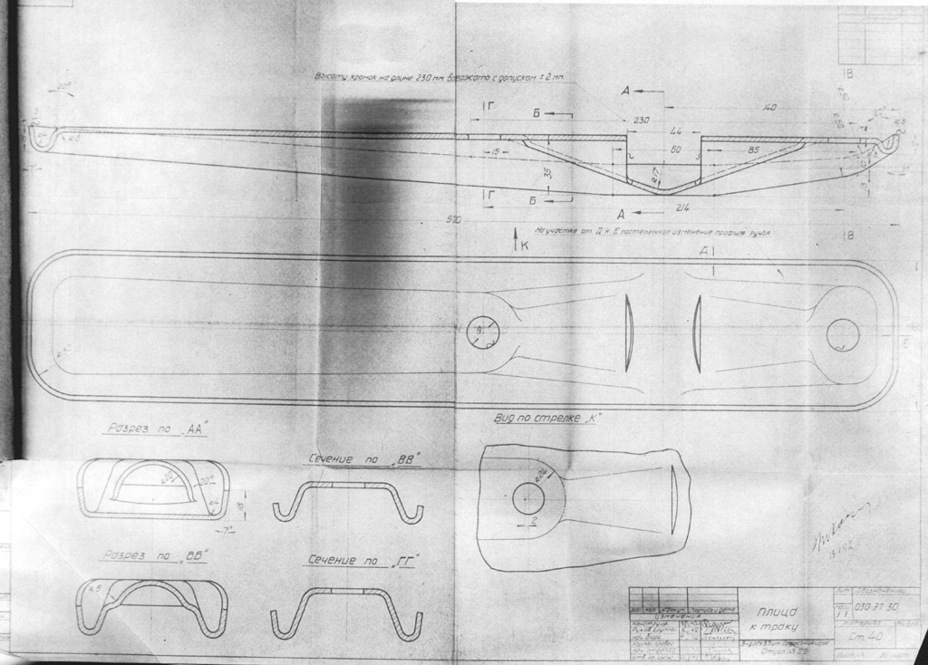
One of the first designs produced by Department No. 22 at its new location—track extenders for the T-60
Along with Plant No. 37, the plant’s design bureau (Department 22) was also evacuated. G.S. Surenyan led the design bureau during the evacuation. Although the design bureau was primarily engaged in work related to the organization of T-60 production, there was also room for experimental work.
For example, in January 1942, Department No. 22 developed a design for removable track-widening plates. The stamped plates were bolted to the T-60’s standard tracks. The track wideners were installed on all tracks, significantly increasing the contact area with the ground. When the track extenders were installed on the tank, its weight increased from 5,720 to 6,080 kg, while the ground pressure decreased from 0.5 kg/cm² to 0.26 kg/cm². Tests conducted from March 27 to April 7, 1942, showed that the tank’s speed with the track extenders installed decreased by 10%, but the depth of snow it could traverse increased by 30 cm. The design of the track extensions, however, was deemed unsuccessful, as it was noted to have insufficient traction and low reliability. Over the course of 150 kilometers of testing, 73 tracks were broken. Based on the test results, it was proposed to improve the design of the track extensions, but the design was not further developed.
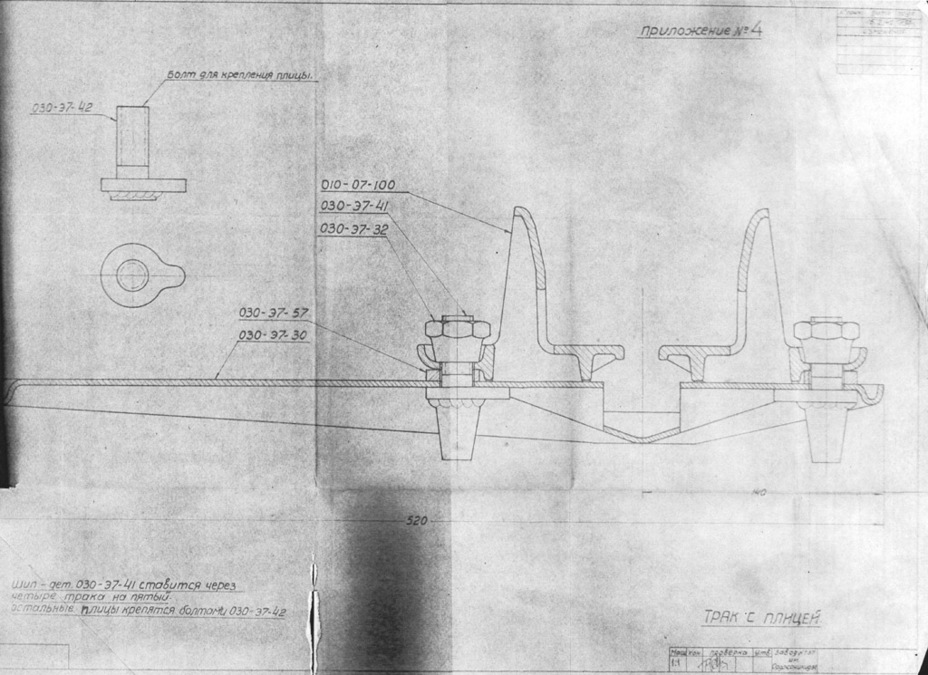
A fender extension mounted on the truck. This design was tested, but it did not go into production.
In addition to track extenders, experiments were also conducted in Sverdlovsk with support rollers. In mid-March 1942, a T-60 was put through testing; instead of support rollers with a diameter of 515 mm, it was equipped with bogies mounted on balance arms, each of which was rigidly fitted with solid-metal road wheels 280 mm in diameter. This design, developed under the leadership of the running gear group in Department 22 led by R.A. Anshelovich, made it possible to eliminate the need for track shoes while simultaneously improving the distribution of pressure on the ground. However, during testing of the new bogies, the tank did not get very far. The design proved to be unsuccessful.
Not a single month goes by without stress
The start of T-60 production by no means meant that Plant No. 37’s problems were behind it. As already mentioned, in the final months of 1941, new workshops had to be built urgently. With their completion, some of the organizational difficulties were overcome, but only temporarily. The increase in production volumes meant that there was once again a shortage of space needed to maintain output. An excerpt from a report dated February 1942 eloquently describes what was happening at that time:
“While the plant had enough space in December and January, by February and March it had become insufficient, and the plant is literally suffocating in its cramped assembly and delivery areas. Dozens of vehicles are sitting out in the cold. The plant has nowhere to handle vehicle delivery. The contractors have already missed the fifth deadline for commissioning the assembly shops, the test track, the pump-storage station, and so on.
For the sixth time, the builders are promising to complete these facilities in March.
The quality of construction is appallingly poor; the foundations under the machines and presses are crumbling or cracking. The wooden floors laid on frozen ground in the machine shops are sagging under the weight of the machines, and the machines have to be moved to other locations. The builders are working at a dreadfully slow pace and with poor workmanship; all of this has been reported to Comrade Malyshev, People’s Commissar for Tank Production, and to Comrades Ginzburg and Malenkov, People’s Commissars for Construction.”
Additional difficulties arose due to a shortage of skilled workers. It also took time to train them. The situation was even worse with regard to the supporting enterprises, namely ChKZ and Plant No. 183. They supplied Plant No. 37 with a number of important components, including tracks, rollers, and other cast parts. To minimize dependence on these supplies, the plant began work as early as February on producing its own parts from malleable cast iron.
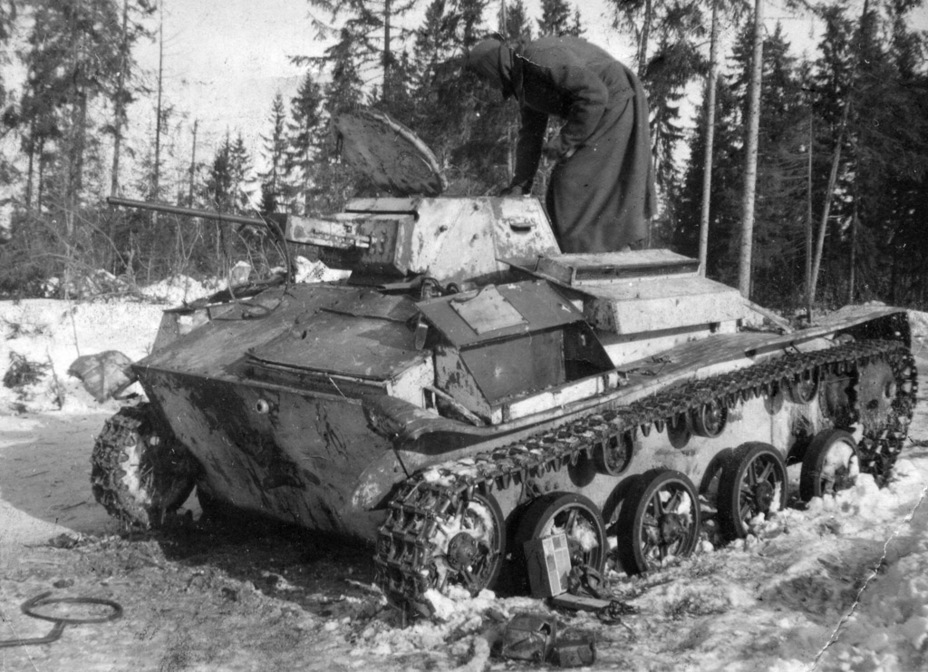
At first, the T-60 tanks produced at Plant No. 37 differed from the Molotov GAZ tanks only in that they had cast road wheels
The factory management also went through a lot of stress in March 1942. First and foremost, this was due to GKO Decree No. 1417, “On the Organization of T-70 Tank Production at Plants No. 37 and 38 of the People’s Commissariat of Tank Industry,” dated March 9. The decree itself seems quite logical: the T-70 tank was superior to the T-60 in every respect and was needed by the troops. The problem was that, for the staff at Plant No. 37, such a task seemed like outright mockery. They had barely managed to switch to producing the T-60, and now here came yet another replacement! There were already problems with deliveries of GAZ 202 engines, and the T-70 required two of them.
Malyshev, the People’s Commissar for the Tank Industry, was forced to intervene after being informed of the dire situation at the plant. After a month of intense correspondence and debate, Molotov approved GKO Resolution No. 1581, which took effect on April 12, 1942. According to the resolution, production of the T-60 in Sverdlovsk was to continue until August 1942, while the start of T-70 production was postponed until July. These deadlines seemed more realistic.
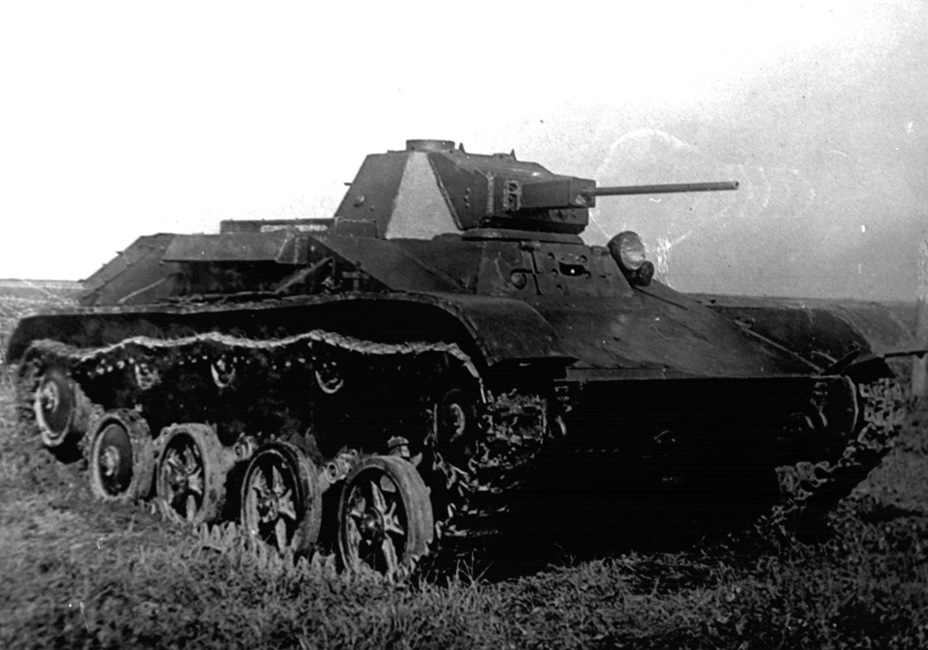
A vehicle manufactured in May 1942, featuring an armored hull and a modified turret
March and April 1942 proved to be extremely tense and uneventful during the first attempt to launch T-70 production in Sverdlovsk. The organizational efforts carried out at Plant No. 37 bore fruit. Despite initial concerns, hull production reached the required level. In March, 165 tanks were accepted, but the increase in output was accompanied by growing problems with partner factories. For example, of the 190 T-60s accepted in April, 86 tanks were missing their tracks. GAZ took the lead in causing the failure to meet the tank production target, falling short by 664 engines in the first quarter. Due to problems with engine deliveries, the assembly shop at Plant No. 37 was idle for 8 days in April. However, 230 tank hulls were manufactured in April (100% of the plan), so it was specifically the delay with the engines that had a very significant impact on T-60 production volumes.
It was precisely at that moment that the idea arose to install a ZIS-5 engine in the T-60. Unlike the T-40, whose engine compartment was too small to accommodate the ZIS-5, the T-60 was designed so that this engine could be installed in its place without any major problems, replacing the GAZ-202. This work progressed to the testing stage and also formed the basis for a major modernization of the T-60, known as the T-45.
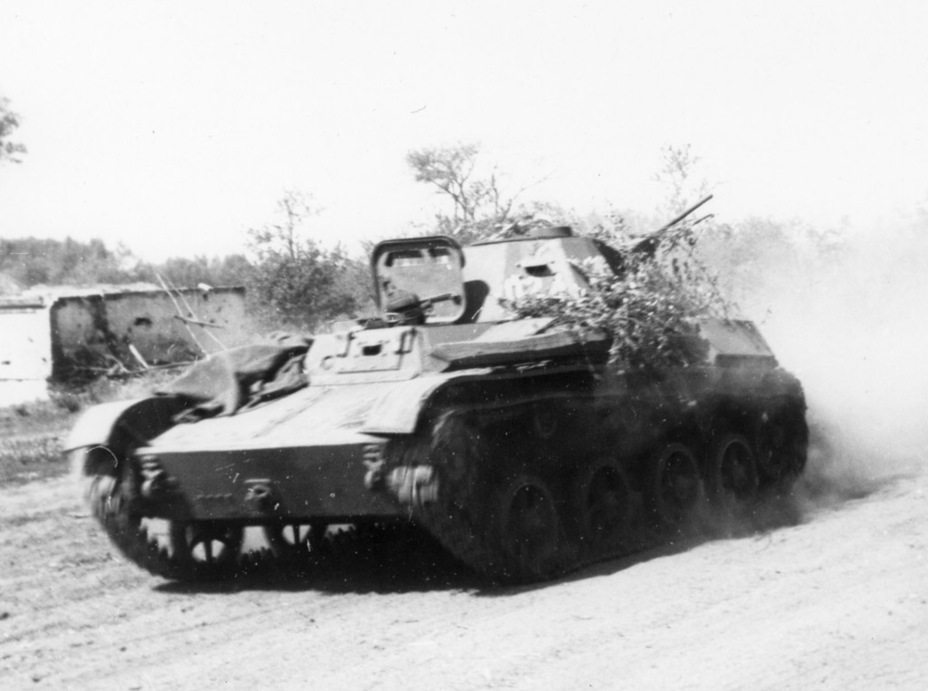
One of the “transitional” T-60s on the front lines. The turret is the new type, but the hull is still the old one.
In addition to experiments with the power plant, Department 22 also worked on modernizing the hull and turret of the T-60. This was directly linked to the capabilities of the factories in Sverdlovsk. One such experiment involved a cast turret. It was designed in early May under the leadership of G.S. Karapetyants, head of the Armored Hull Bureau, who had served as head of the Design Bureau at the Ordzhonikidze Plant in Podolsk prior to the evacuation. One of the main advantages of the cast turret was seen as its greater manufacturability and reduced dependence on supplies of rolled armor steel. Test results showed that the turret could not be penetrated by a DShK machine gun at ranges of up to 50 meters. Replacing the welded turret with a cast one was recommended; however, the project never progressed beyond the prototype stage.
Nevertheless, local manufacturing practices influenced the tank’s appearance. Gradually, the factory workers stopped using riveted joints, including those on the hull sides. Welding was used instead.
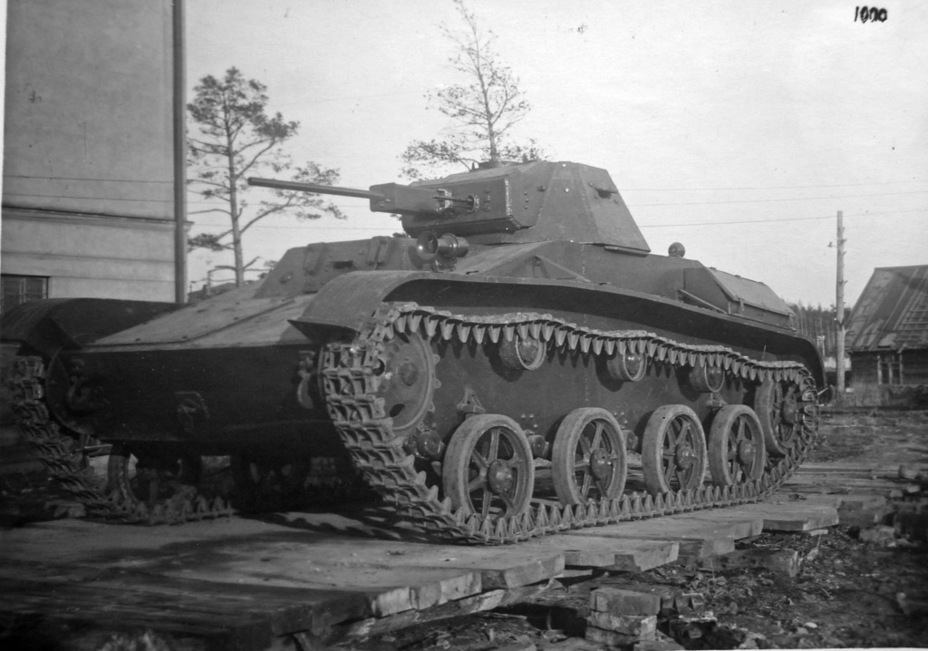
Tank manufactured in May 1942, Sverdlovsk
The setback with the turret by no means meant that the development work at Department 22—where N. A. Popov became head in the spring of 1942—was going nowhere. In May 1942, a major redesign of the T-60’s turret took place. The air intake at the front of the turret was eliminated by making the upper front turret plate sloped, thereby providing better protection against fire. The air duct was moved from the turret to the turret hatch. Some researchers have concluded that a fan was installed there, although it was actually a standard air duct. Instead of a stamped turret hatch, a flat component with bullet- and water-resistant protection welded around its perimeter was used. Thus, Plant No. 37 turned out to be the only T-60 assembly plant to have brought the turret modernization to mass production.
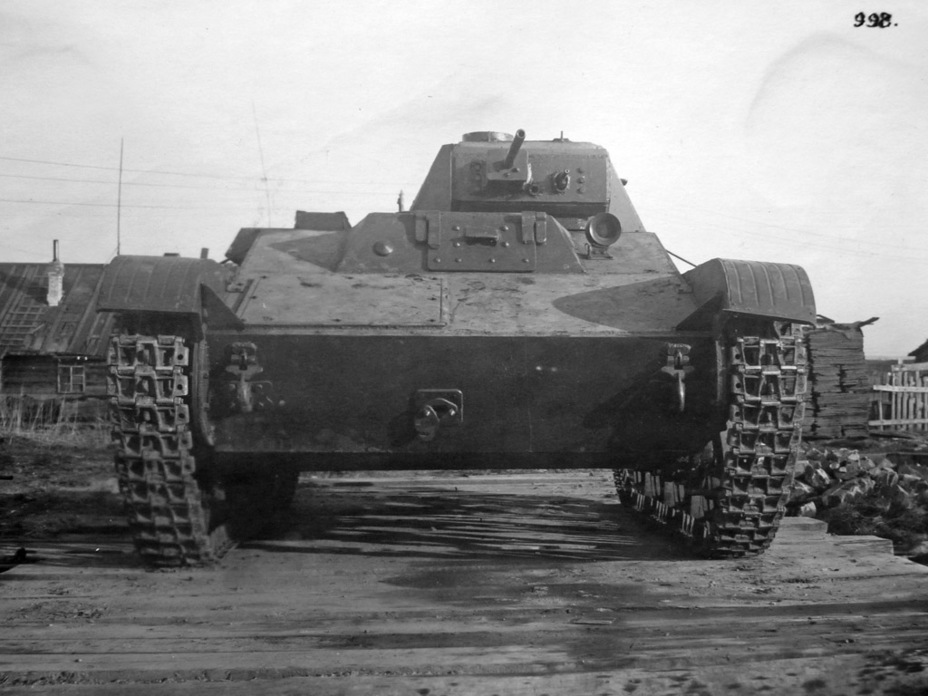
The riveted joints have been replaced with welded ones; an air duct is also visible in the tower’s roof
The hull underwent equally significant changes. In addition to the previously mentioned replacement of riveted joints with welded ones, the design of the driver’s hatch was modified. Like the turret hatch, it became flat, which simplified its manufacture. The simplified stop signal was replaced with an automotive-style one and moved from the rear to the roof of the hull (behind the turret). In addition, Plant No. 37 installed a simplified drive sprocket on its tanks. Instead of a removable rim, the drive sprocket was made as a single piece, and the number of holes in it was increased from two to four.
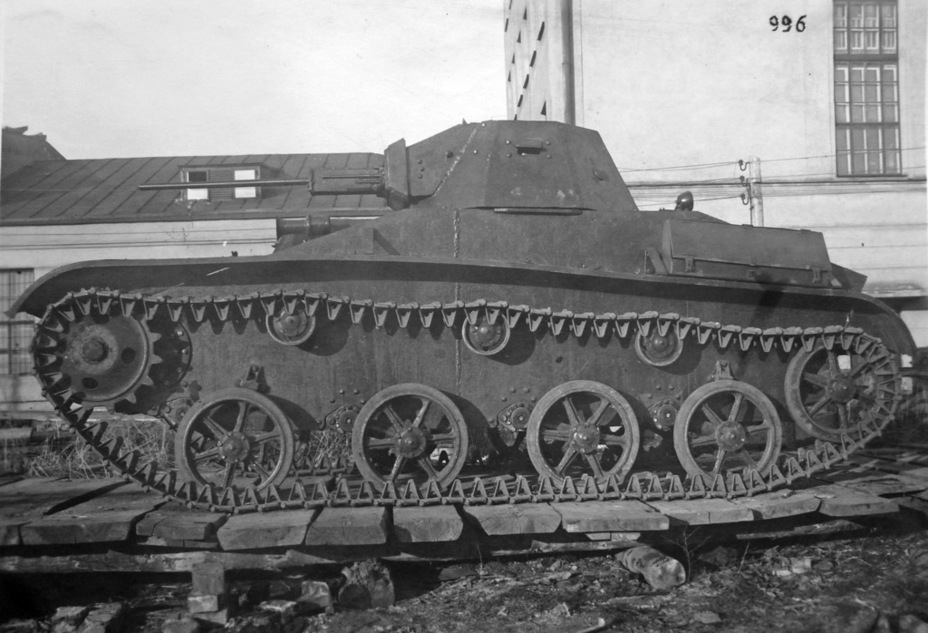
The vehicle has been equipped with newly designed drive wheels. The sides of the hull are welded together.
Along with simplifying the tank’s design, work was underway to modernize production. The plant adopted automated welding, which significantly simplified the welding of turrets and hulls while simultaneously improving the quality of their manufacture. Work began on implementing automated welding for road wheels, which would eventually eliminate the need to source them from outside suppliers. In May, the first test tracks were cast, and mass production was expected to begin by the end of June. This production was particularly important, as Plant No. 183 had been significantly delaying track deliveries. Not only that, but representatives of Plant No. 183 explicitly stated that they had no intention of casting tracks for the T-60 (it is worth noting that as of May 28, 40 T-34s were sitting in Nizhny Tagil without tracks due to casting defects). To compel this enterprise to fulfill its cooperation obligations, it was necessary to involve the leadership of the Sverdlovsk Regional Committee of the All-Union Communist Party (Bolsheviks) and the People’s Commissariat for the Tank Industry.
In May, 300 hulls and 280 tanks were produced, though all the vehicles were delivered without tracks due to a fault at Plant No. 183. In addition, the plant was idle for 10 days in May due to a lack of engines; once they were delivered, the assembly line operated at such a pace that by the end of the month, 20 tanks were rolling off the assembly line each day.
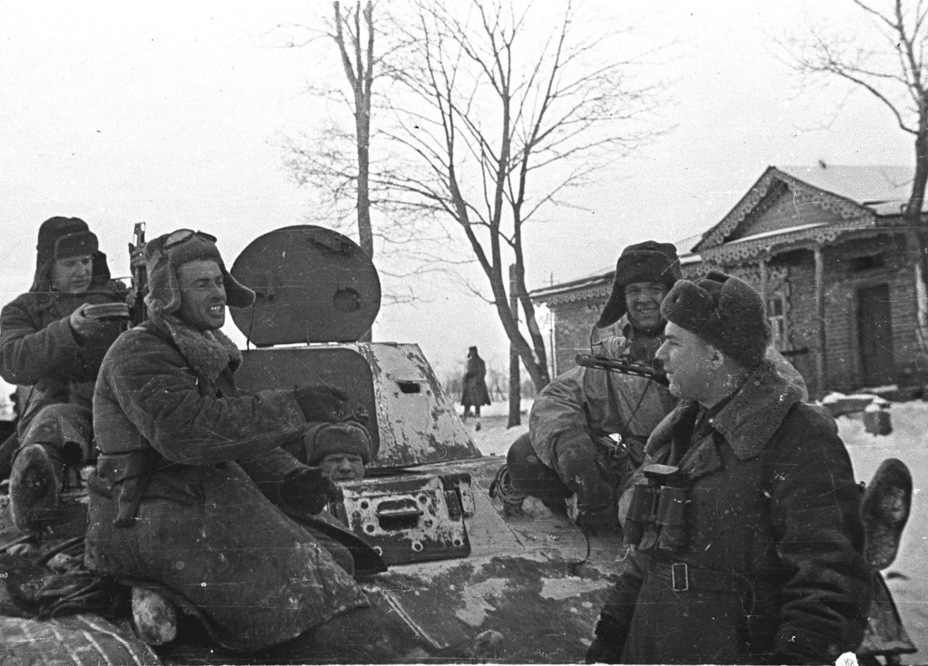
One of the tanks from Plant No. 37 on the front lines. The driver’s flat hatch is clearly visible.
The situation in June proved to be no less critical. A total of 321 tanks were produced that month, but only 109 of them were accepted. The remaining 212 vehicles lacked tracks and had incomplete armament. Given that another 200 T-60s were scheduled for delivery in July, one can imagine what must have been going on at the plant and its surroundings. Under these circumstances, the development of the T-70—which no one had canceled—could have been significantly delayed. The new tanks would simply have lacked engines and tracks.
Against this backdrop, on July 3, 1942, State Defense Committee Decree No. 1958ss “On the Production of T-34 and T-70 Tanks” was issued, under which production of the T-60 at Plant No. 37 was discontinued. This document proved to be very timely. A total of 10 T-60s were manufactured in July, after which preparations began for the production of the T-70. In July, the plant mastered the production of tracks, planning to switch to producing 5–6 sets per day starting in the second half of August.
Production of the T-70, however, proved to be very short-lived. In early July, V.M. Andrianov, chairman of the Sverdlovsk Regional Committee, submitted a request to the State Defense Committee to have the Uralmash Plant begin production of T-34 tanks. To organize this production, Plant No. 37 was slated to be incorporated into the Ural Machine-Building Plant (UZTM). On July 10, Colonel G.Z. Zukher, an engineer appointed as the regional engineer for UZTM, arrived at the plant. Work began on organizing the military acceptance process. The fate of Plant No. 37 was finally decided on July 28, when GKO Decree No. 2120 was issued, “On the Organization of T-34 Tank Production at the Uralmash Plant and Plant No. 37 of the People’s Commissariat for Tank Production.”
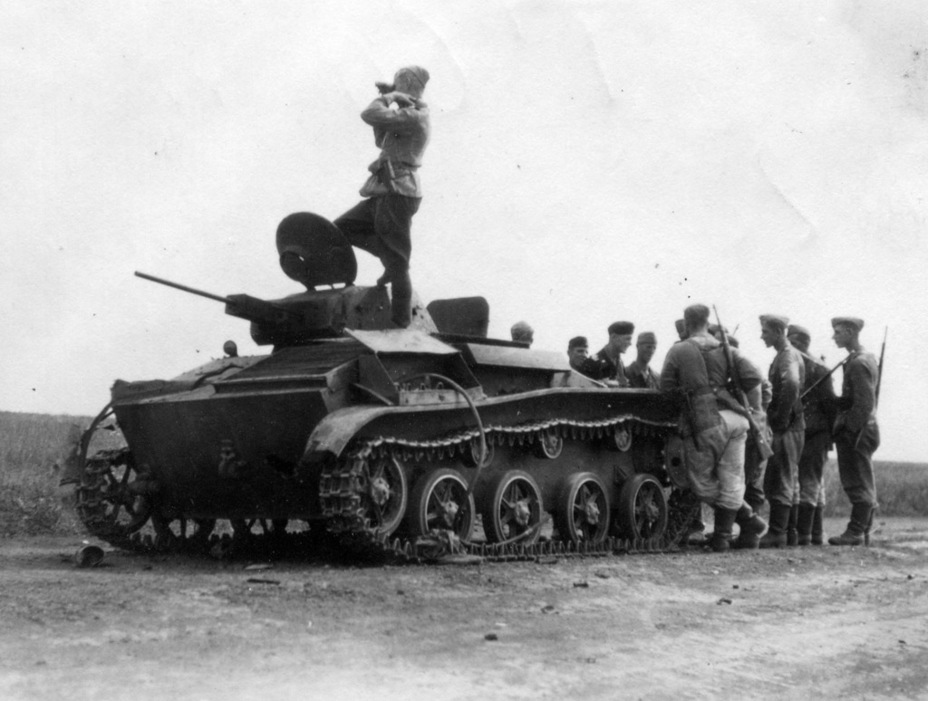
A damaged T-60 from Plant No. 37. You can clearly see that the brake light has been relocated. An air duct is also visible in the turret hatch.
It’s fair to say that the factory breathed a sigh of relief at that moment. UZTM was better prepared for this type of production and less dependent on its suppliers. By that time, Sverdlovsk was producing V-2 engines and ZIS-5 cannons, which were similar in most components to the F-34, and in March 1942, UZTM was tasked with manufacturing T-34 hulls and turrets. It is also worth noting that the evacuation of the Stalingrad Tractor Plant (STZ) began in July. In short, the reorganization of Plant No. 37 into Plant No. 50 and the company’s reorientation toward T-34 production proved to be the right decisions. By September 29, 1942, the first two T-34s had been built in Sverdlovsk.
Meanwhile, the story of the Sverdlovsk T-60s did not end there. As of September 1, 1942, there were still 130 tanks at the plant, none of which had tracks. The plan was for these tanks to receive tracks cast at Plant No. 37 (Plant No. 183 was out of the question—they were already struggling to meet their T-34 production quota), but in reality, events unfolded differently. In September and October, they managed to fit tracks on and roll out about 50 tanks; for the rest, the completion process stalled due to the accelerated production of the T-34. The process was finally set in motion thanks to Zukher’s vigilance. He did not overlook the 80 tanks sitting idle at the edge of the plant. The military representative began lodging complaints with every authority and eventually managed to reach Molotov, who, by all accounts, gave the then People’s Commissar for the Tank Industry, Salzman, a severe dressing-down.
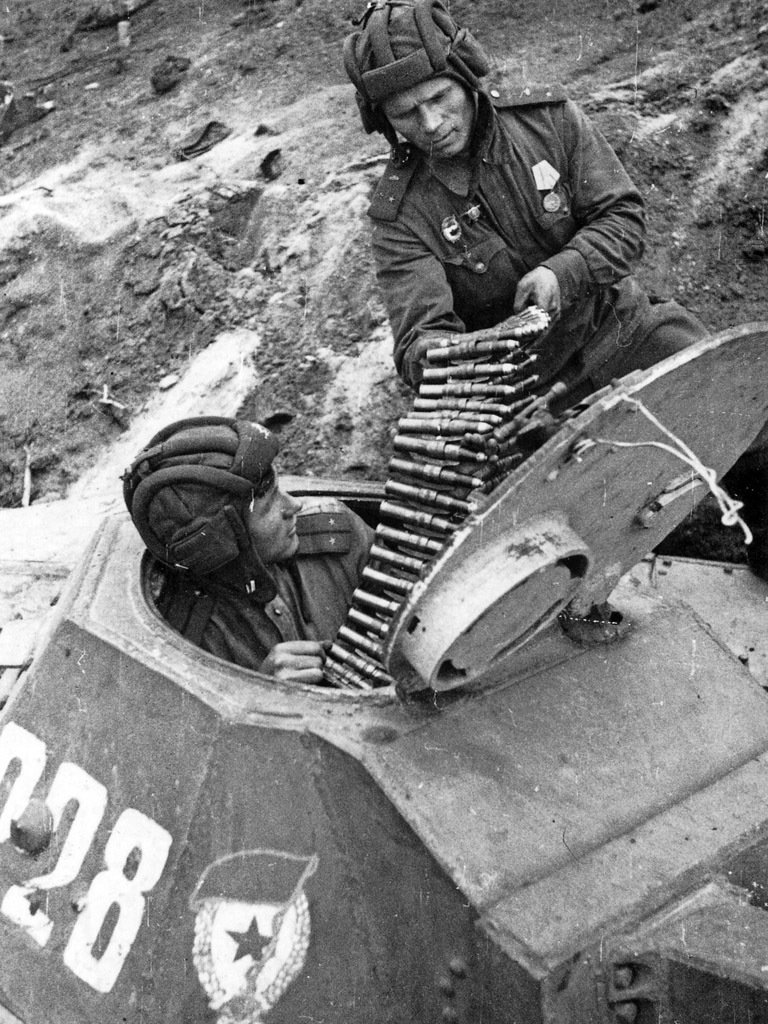
Loading ammunition, 30th Guards Tank Brigade. Summer of 1943
On November 17, a commission inspected the tanks and drew up a report. According to the report, 10 tanks were missing TMFP sights, 16 tanks had rust on their gun barrels, 21 tanks lacked headlights, and so on. Thus, in addition to being retrofitted with tracks, most of the T-60s required repairs and additional equipment. Work began on outfitting the remaining tanks, but it was periodically delayed for various reasons. In December, 25 tanks were successfully brought up to standard and sent to the troops; another 11 followed in January 1943, and the final 44 T-60s were delivered in February.
A number of sources indicate that mass production of the T-60 in Sverdlovsk continued until early 1943; however, as we can see, it actually ended on July 5, 1942. In total, Plant No. 37 built 1,033 tanks and, due to the fault of its suppliers, became the last plant to complete deliveries of “its” T-60s to the troops.
You can never have too many tanks
It might seem that the management of Plant No. 37, having succeeded in retaining T-60 production at its facilities, was primarily concerned with meeting the numerical targets for production. In reality, this was not the case at all. Undoubtedly, the T-70 was better armed and better protected. Nevertheless, the T-60s were also quite formidable combat units. The tanks produced in Sverdlovsk, like the T-60s from Plant No. 264, proved to be far from superfluous, playing their part in the battles of the Great Patriotic War.
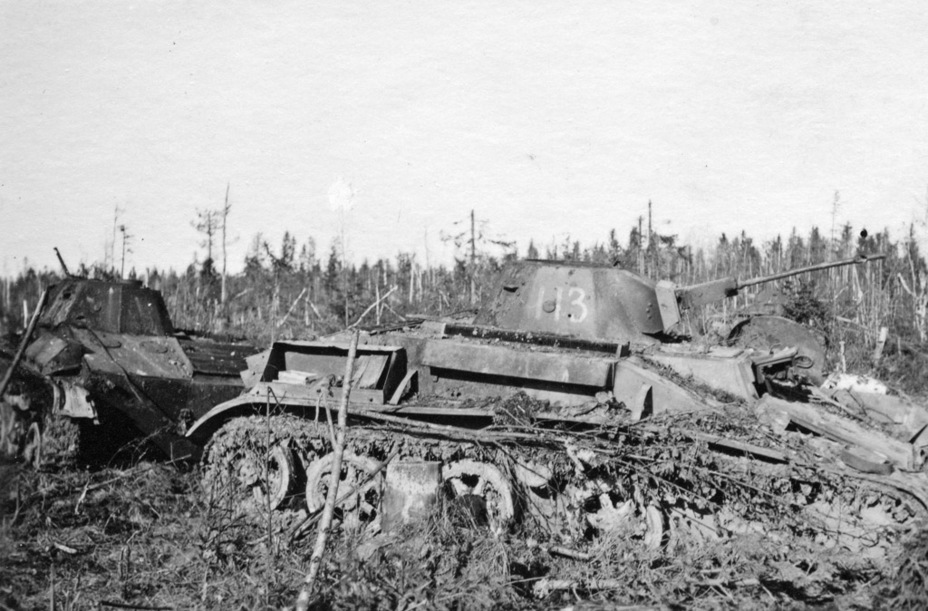
A T-60 tank destroyed during the Sinyavino Offensive
At first, the Sverdlovsk T-60s differed very little from tanks produced at other factories. It is much easier to identify these tanks from May 1942 onward, as they were equipped with distinctive turrets featuring a “sloped” front. These tanks can be seen in photographs of the battlefields near Voronezh, and they also appear on other fronts. However, the highest concentration of T-60s produced by Plant No. 37 was found on the Leningrad and Volkhov Fronts. Tanks of this type were first actively deployed by units of the Volkhov Front during the Sinyavino Offensive. One of these T-60s, destroyed in the fall of 1942, has been restored today. Today, this tank is on display at the Vadim Zadorozhny Museum of Military Technology. The distinctive “Sverdlovsk” turrets are frequently found at battle sites near Leningrad.
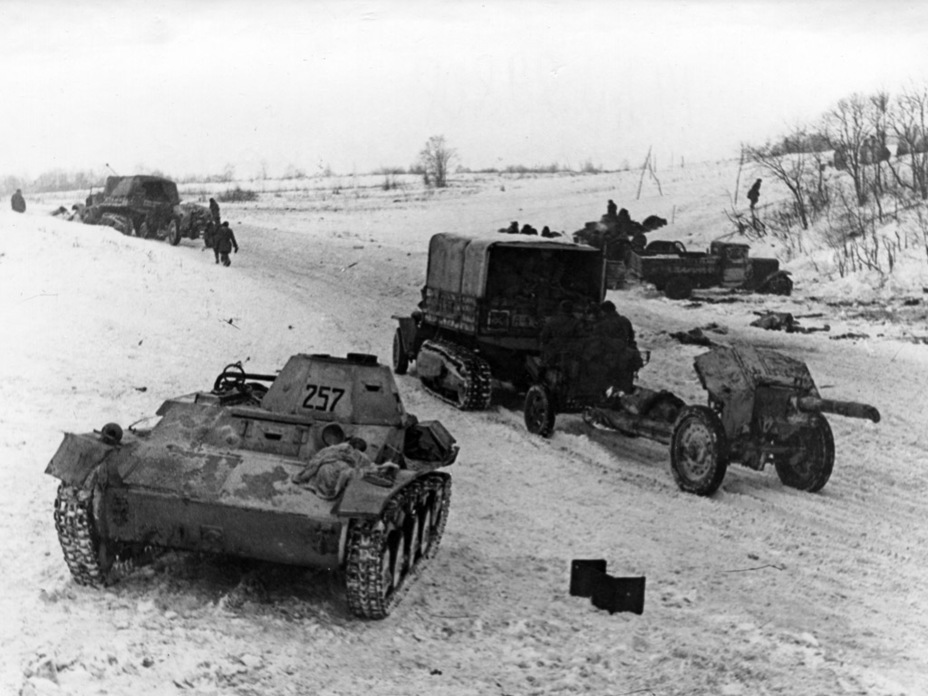
One of the tanks of the 61st Tank Brigade, January 1943
These tanks even ended up in Leningrad itself. The very same vehicles, which had been completed in Sverdlovsk in the fall of 1942, were transported across Lake Ladoga to the besieged city. The 61st Tank Brigade was among those that received these T-60s. In total, the brigade had 65 T-60s, all produced by Plant No. 37. The 61st Tank Brigade distinguished itself during Operation Iskra, which began on January 12, 1943. One particularly famous incident occurred on January 18, when the tank commanded by Lieutenant Dmitry Ivanovich Osatyuk, commander of Company 549 of the OTB, and driven by Senior Petty Officer Ivan Mikhailovich Makarenkov, engaged in an unequal battle with German tanks. Their opponents were Pz.Kpfw.III tanks from the 1st Company of the 502nd Heavy Tank Battalion. By maneuvering skillfully, Osatyuk’s tank lured the German tanks into the line of fire of Soviet artillery, resulting in two enemy tanks being destroyed. For this battle, Osatyuk and Makarenkov were awarded the title of Hero of the Soviet Union.
Soon, the 61st Tank Brigade became the 30th Guards Tank Brigade. This was a unique case—the Guards tank brigade had only one T-34 in its arsenal; the rest of its tanks were light T-60s and T-70s.
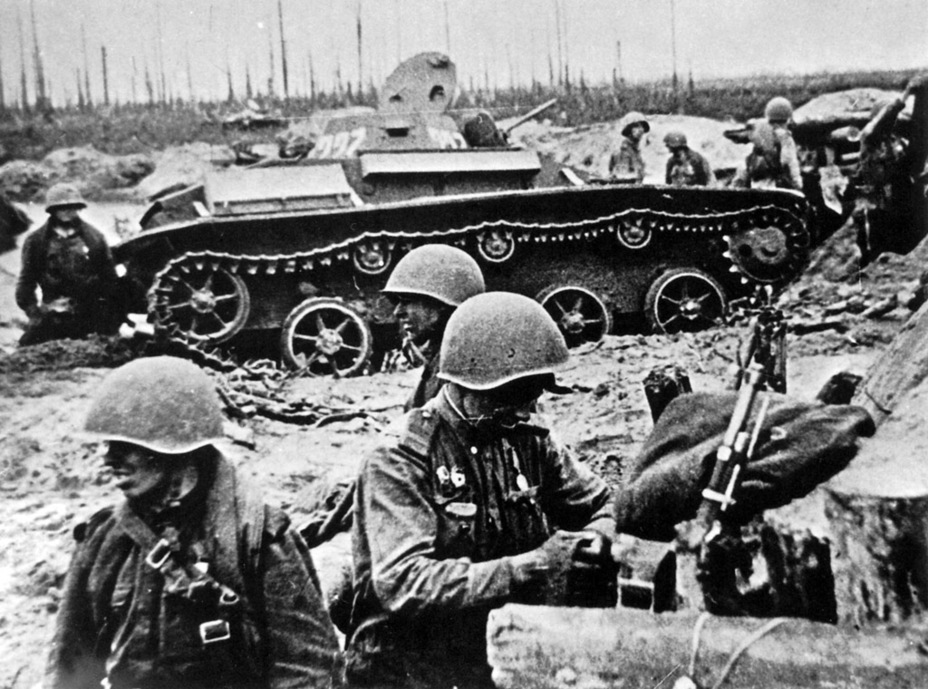
16 — Tanks of the 30th Guards Tank Brigade in the Battles of Summer 1943
The Sverdlovsk T-60s remained in service for a long time during the battles for Leningrad. They saw combat for the last time in the summer of 1944, fighting against the Finns. This is further proof that Zukher was absolutely right to force the NKTP to complete the production run and deliver the batch of light tanks in Sverdlovsk. During wartime, there’s no such thing as too many tanks.
Sources
-
-
- Materials from the Central Archives of the Ministry of Defense of the Russian Federation
- Materials from the Russian State Archive of Economic History
- Materials from the Russian State Archive of Public History (RGASPI)
- Materials from the Russian State Archive of Cultural and Historical Documents (RGAKFD)
- The author’s photo archive
-