A story about the German medium tank Pz.Kpfw.III Ausf.L from the collection of the Tank Museum in Bovington
German armored vehicles often attract a lot of attention—sometimes even too much. It’s a bit puzzling when people visit a tank museum in one country essentially just to see the enemy’s armored vehicles. This is by no means limited to Kubinka. You can see roughly the same scene in tank museums in other countries. Here, alas, it’s impossible to fight it—the only option is to take the lead. Which is exactly what museums often do.
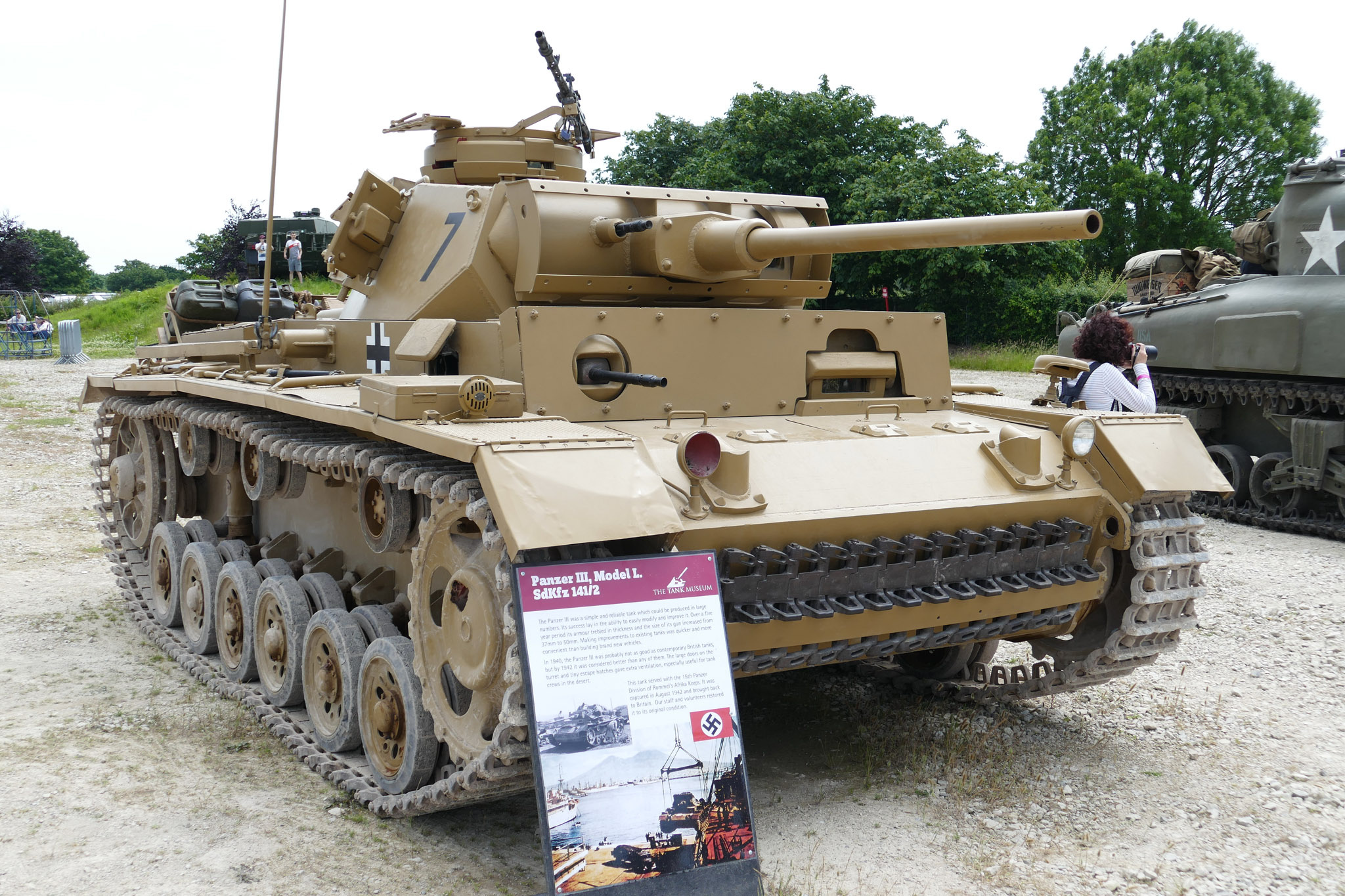
At Tankfest 2019
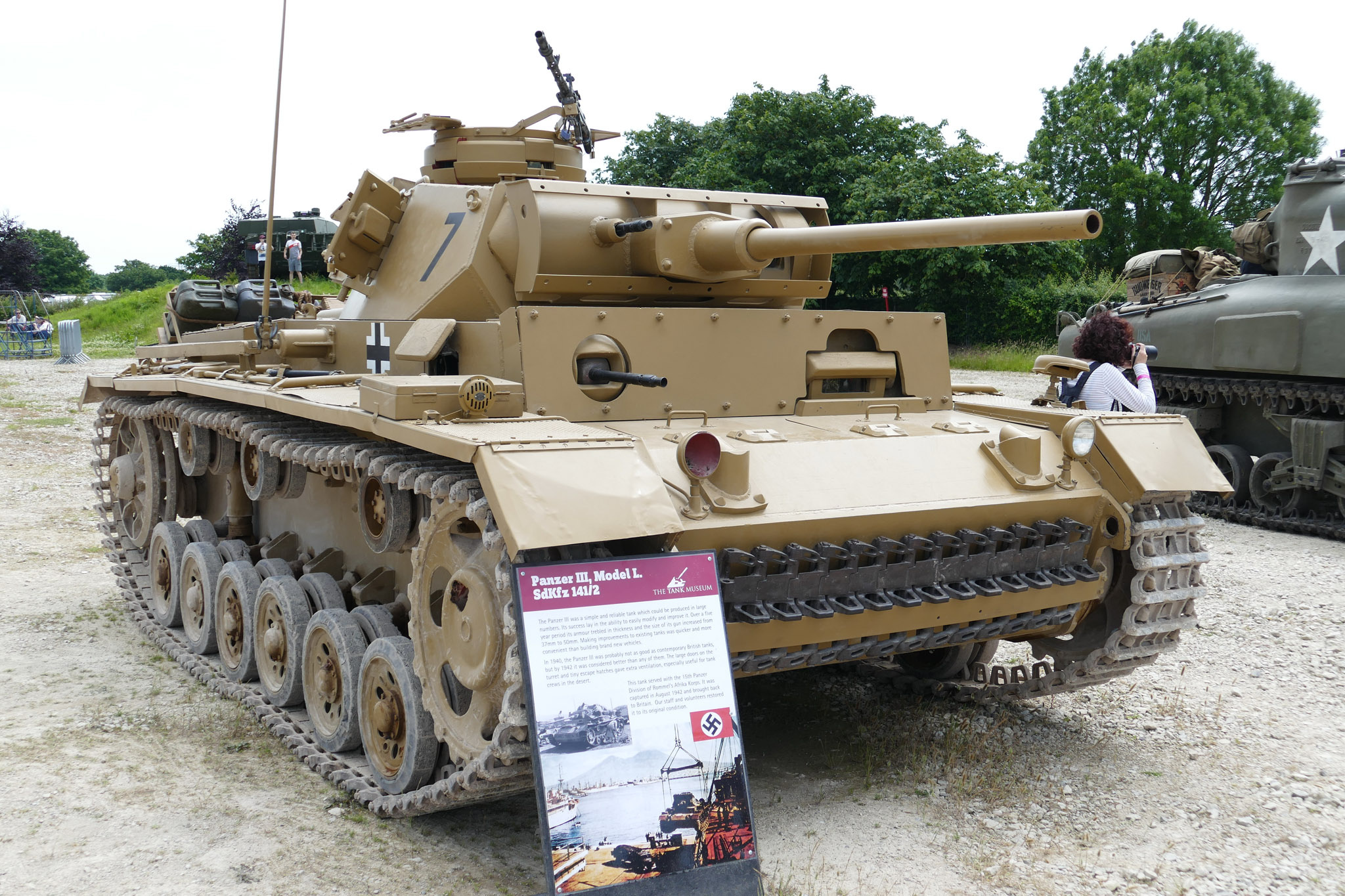
A similar situation can be seen at the Tank Museum in Bovington, England. It’s not as though the “Germans” take center stage here, but the museum’s management knows how to attract visitors. The star of the show is usually the Pz.Kpfw. Tiger Ausf. E heavy tank; as of today, it is the only operational tank of this type. But it is not the only trophy from Africa. Alongside it, you can often see the Pz.Kpfw.III Ausf.L medium tank; at present, it is the most roadworthy example of the “Three.”
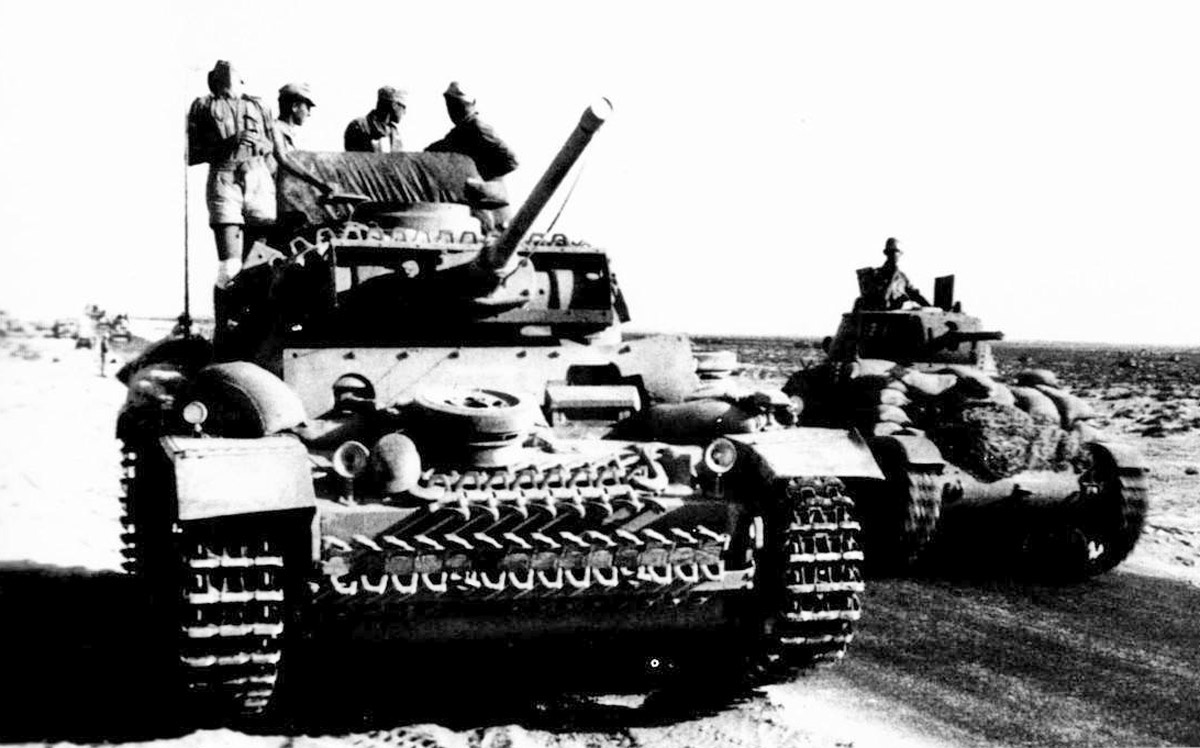
In total, Rommel was supplied with 27 of these tanks
The design of the most widely produced German tank of the first half of the war was a long and arduous process. Suffice it to say that the Pz.Kpfw.III’s running gear was redesigned five times; it was only with the ZW.38 (Pz.Kpfw.III Ausf.E) that they finally settled on a torsion bar suspension. However, even then, one problem remained. Potentially, of course, the tank could accelerate to 69 km/h, but it could not maintain that speed for long. It turned out that at speeds exceeding 40 km/h, the track shoes on the road wheels began to overheat, leading to their failure.
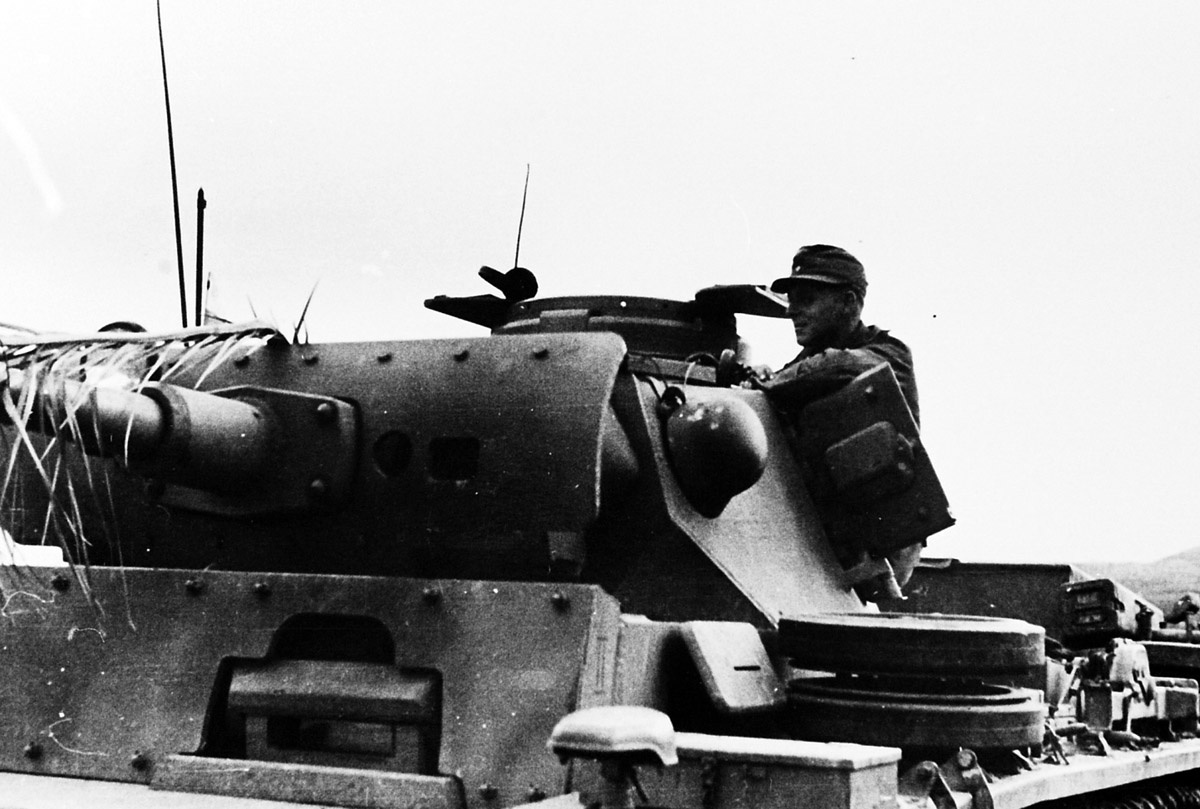
Some had staggered armor on the turret, while others did not
It later became clear that the Maybach Variorex 328 145 10-speed semi-automatic transmission was experiencing significant problems. The problems were so severe that a decision was made to replace it with a 6-speed Z.F. S.S.G.77 transmission (the S.S.G.76, with a slightly different configuration). As a result, the top speed dropped to 40 km/h. Instead of a “racing” tank—which people often like to mention in comparison with the T-34 (without really knowing what actually happened)—it turned out to be a perfectly ordinary tank. The Germans were not alone in this: the British Crusader cruiser tank also turned out to be anything but a “racing” tank.
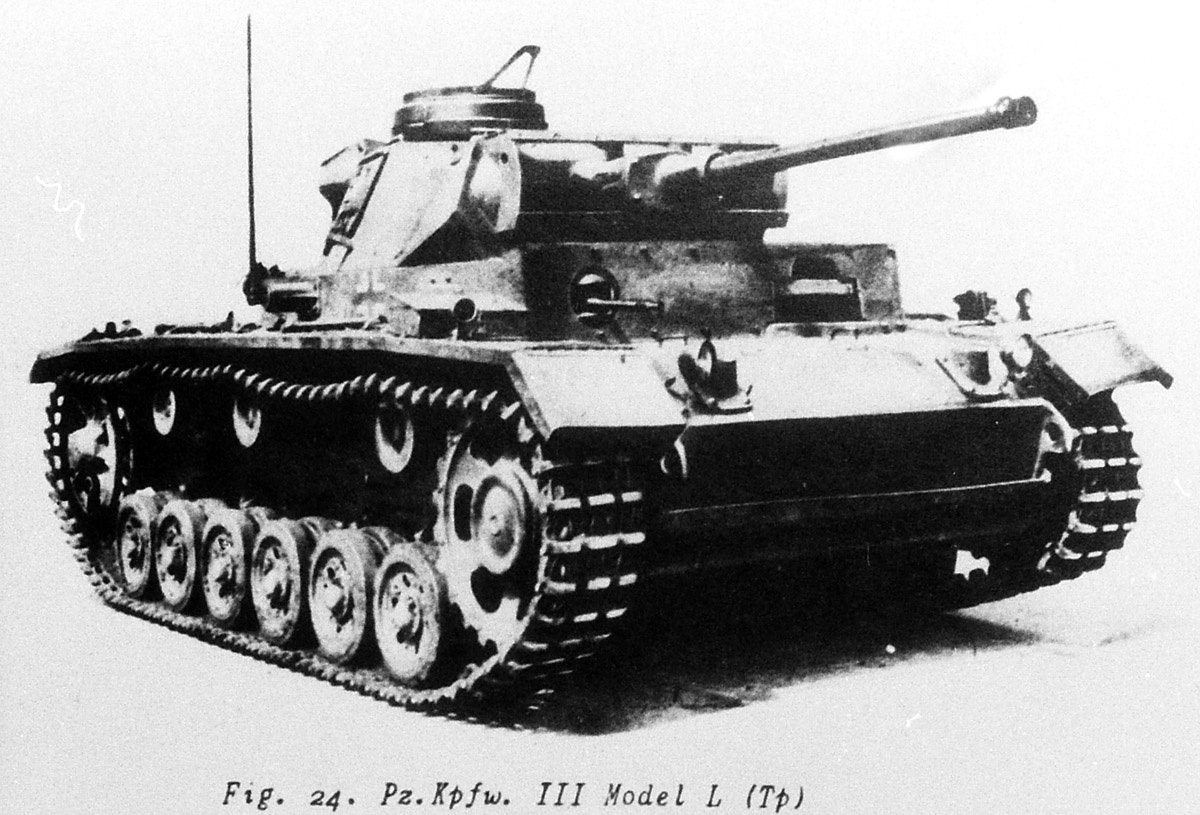
That very tank in 1943
Nevertheless, the Pz.Kpfw.III Ausf.J, which had been finalized by the spring of 1941, was one of the best tanks in its class. It had very good observation equipment, a well-designed layout of the fighting compartment and command compartment, and quite decent armament. True, it wasn’t as fast as expected, but it had sufficient mobility and a very smooth ride. In this regard, the Pz.Kpfw.III clearly had the edge over the T-34, though it was inferior in terms of armament and armor protection.
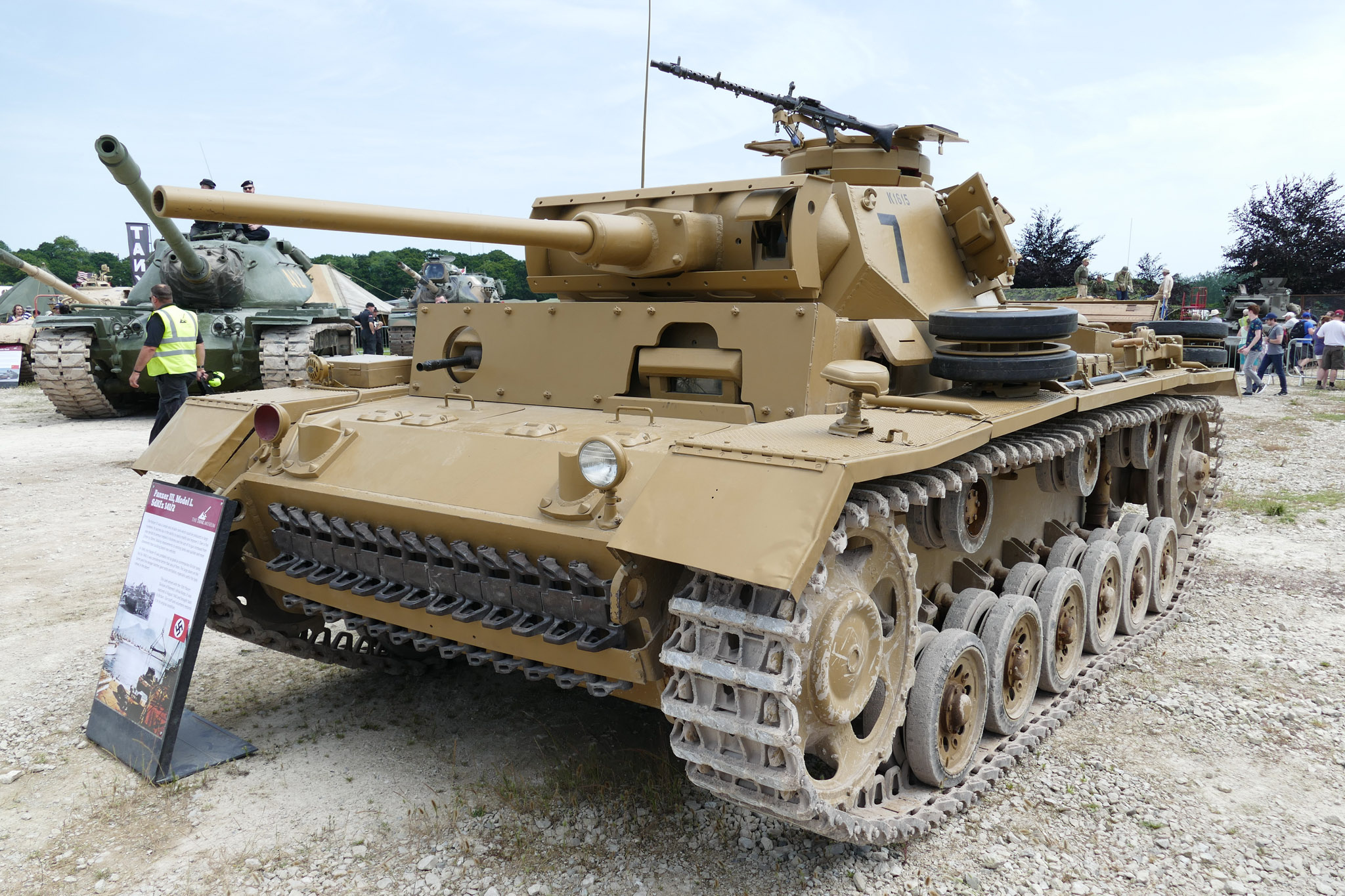
The tank has been restored to operating condition
In December 1941, production began on the Pz.Kpfw.III Ausf.J, equipped with a 50-mm KwK 39 gun with a barrel length of 60 calibers. Discussions about developing this gun began in early 1941, and an encounter with the T-34 spurred its creation. Of course, the German tank did not gain superiority over the Soviet tank simply because of the gun’s longer barrel. At the same time, the effective range against the T-34 increased. With the KV-1, however, the situation was more complicated. The 50-mm guns were rarely able to hit the Soviet heavy tank.
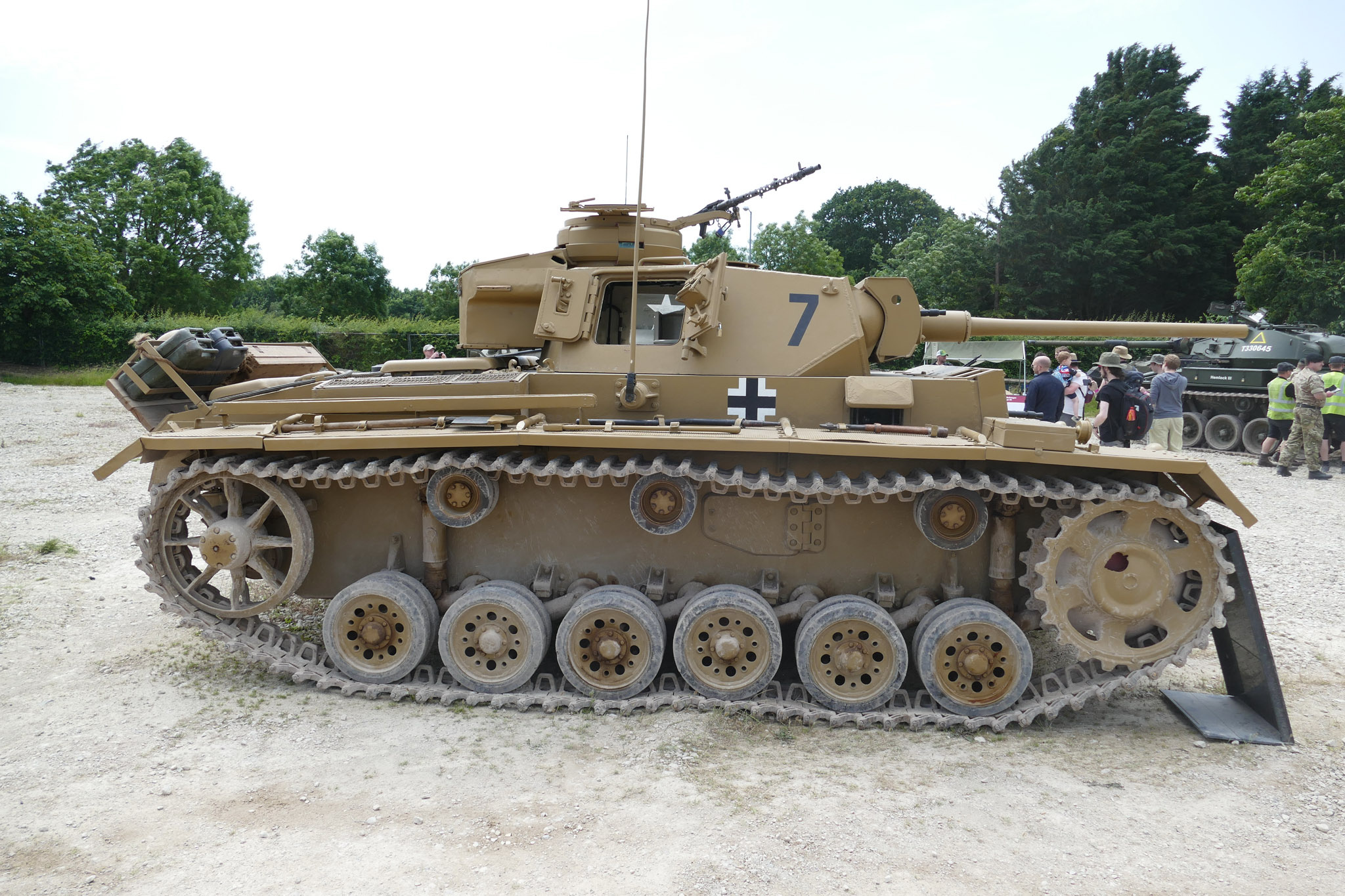
Most of the body kit is original
Further development of the Pz.Kpfw.III Ausf.J resulted in the tank being given a new designation—Pz.Kpfw.III Ausf.L. The reasons why the tank was not designated Pz.Kpfw.III Ausf.K are quite prosaic. Such a tank did exist, but it never went into production because installing the 75-mm KwK 40 L/43 gun would have led to an excessive increase in combat weight. It was impossible to further develop the chassis. In part, this led to the development of the future Pz.Kpfw.Panther being accelerated, and in 1943, the Pz.Kpfw.IV became the most mass-produced German tank.
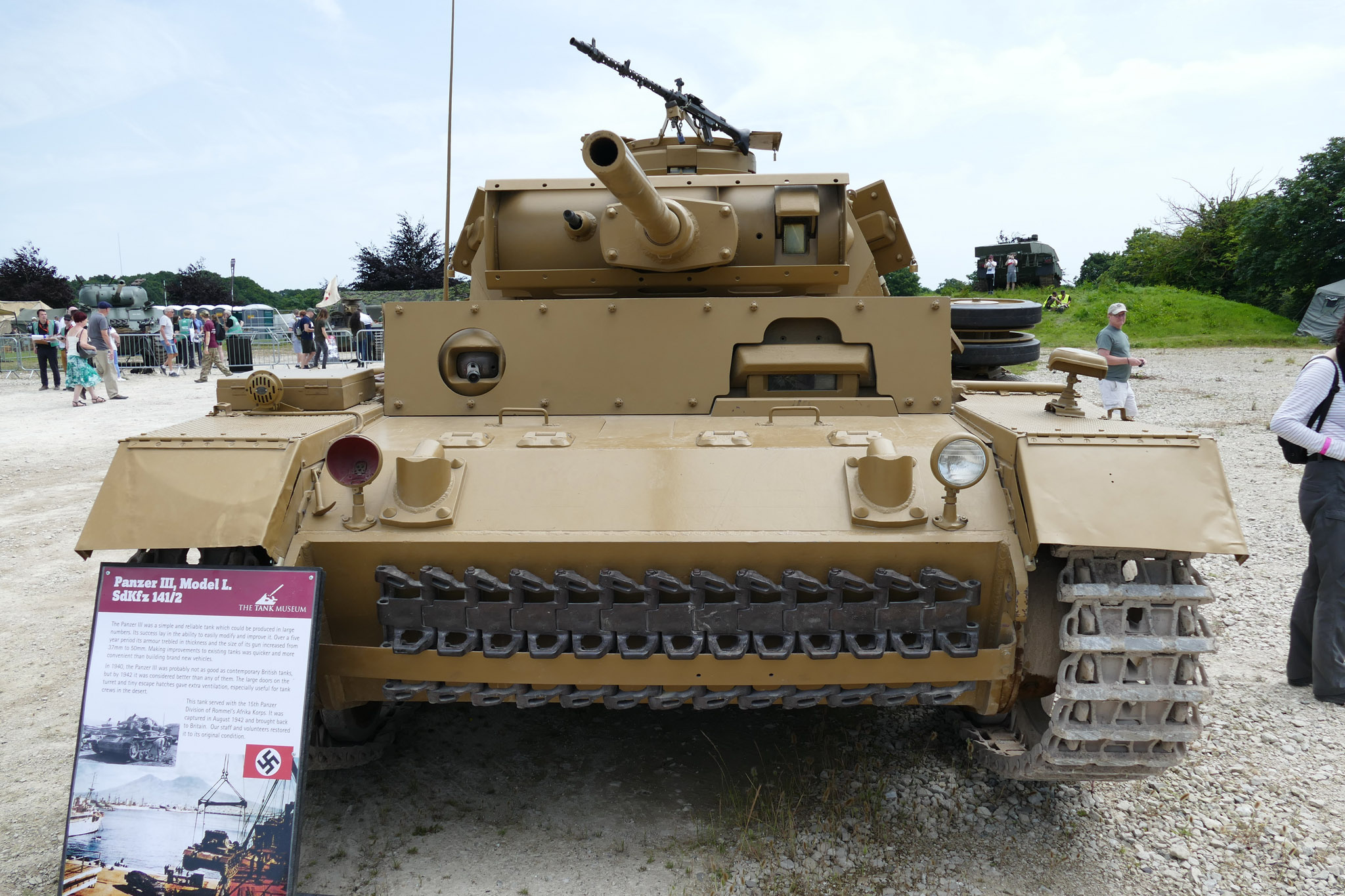
The vehicle is one of the workhorses of the tank museum in Bovinton
There are differing views on what constitutes a Pz.Kpfw.III Ausf.J and what constitutes an Ausf.L. Generally speaking, tanks that entered mass production in April 1942 can be considered Ausf.Ls. The most notable change was that, around this time, the observation ports on the sides of the turrets were eliminated. They were not the best design choice, not to mention that anti-tank rifles began appearing en masse in the Red Army starting in late 1941. The observation hatches became a favorite target. Also, starting in June 1942, the observation hatch on the right side of the gun mantlet’s movable armor was removed.
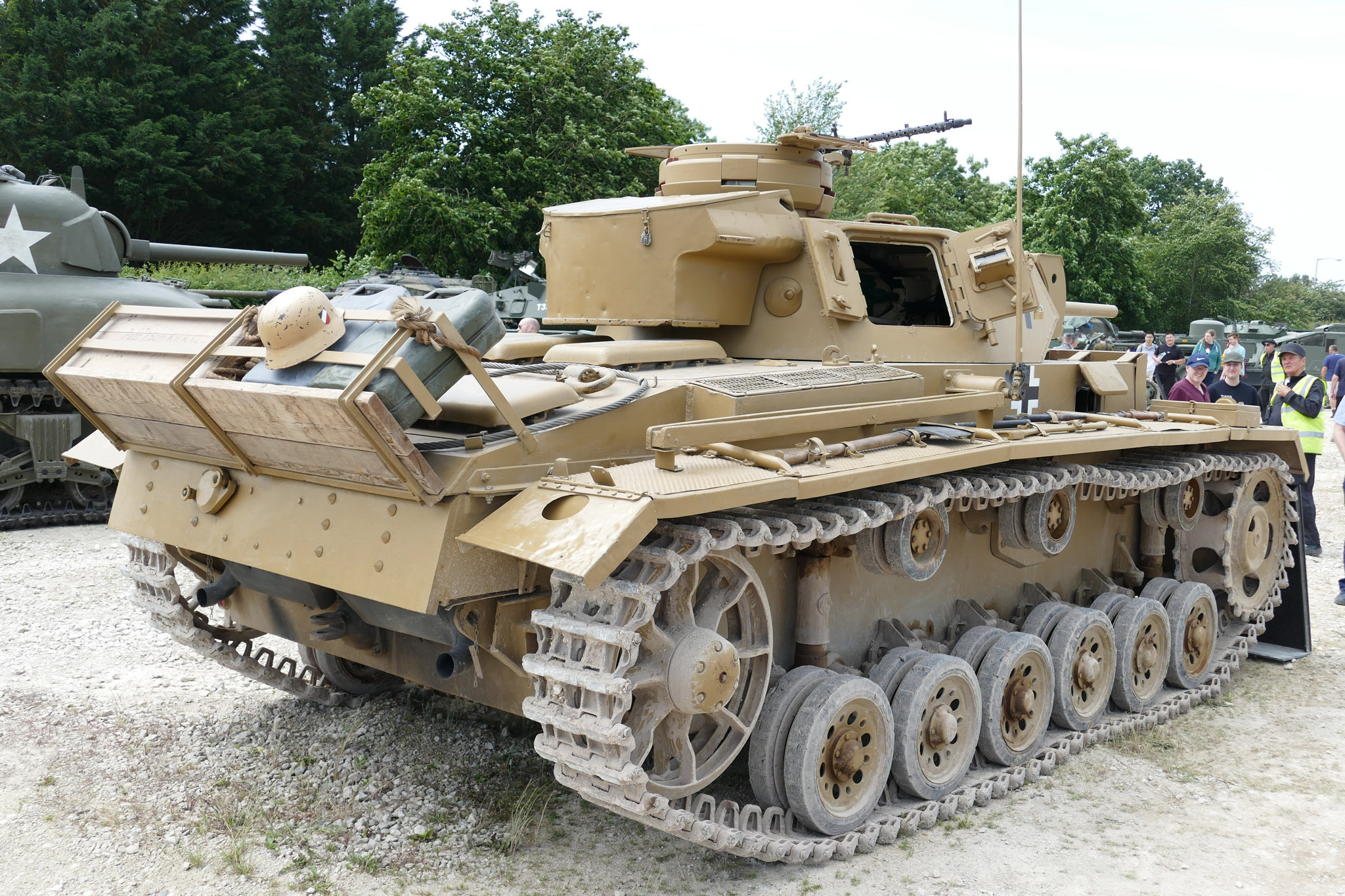
The body kit is quite extensive
Insufficient armor protection—particularly on the front of the hull and turret—made an urgent solution necessary. The solution was spaced armor, which began to be installed in April 1942. Unlike the Pz.Kpfw.IV, the Pz.Kpfw.III’s staggered armor was installed not only on the front of the turret ring but also on the turret itself. Of course, its introduction helped to some extent, but such armor could easily withstand 2–3 shells. However, it reduced visibility, so crews sometimes removed the spaced armor from the front of the turret. The tank at Bovington also lacks the spaced armor frontal plate.
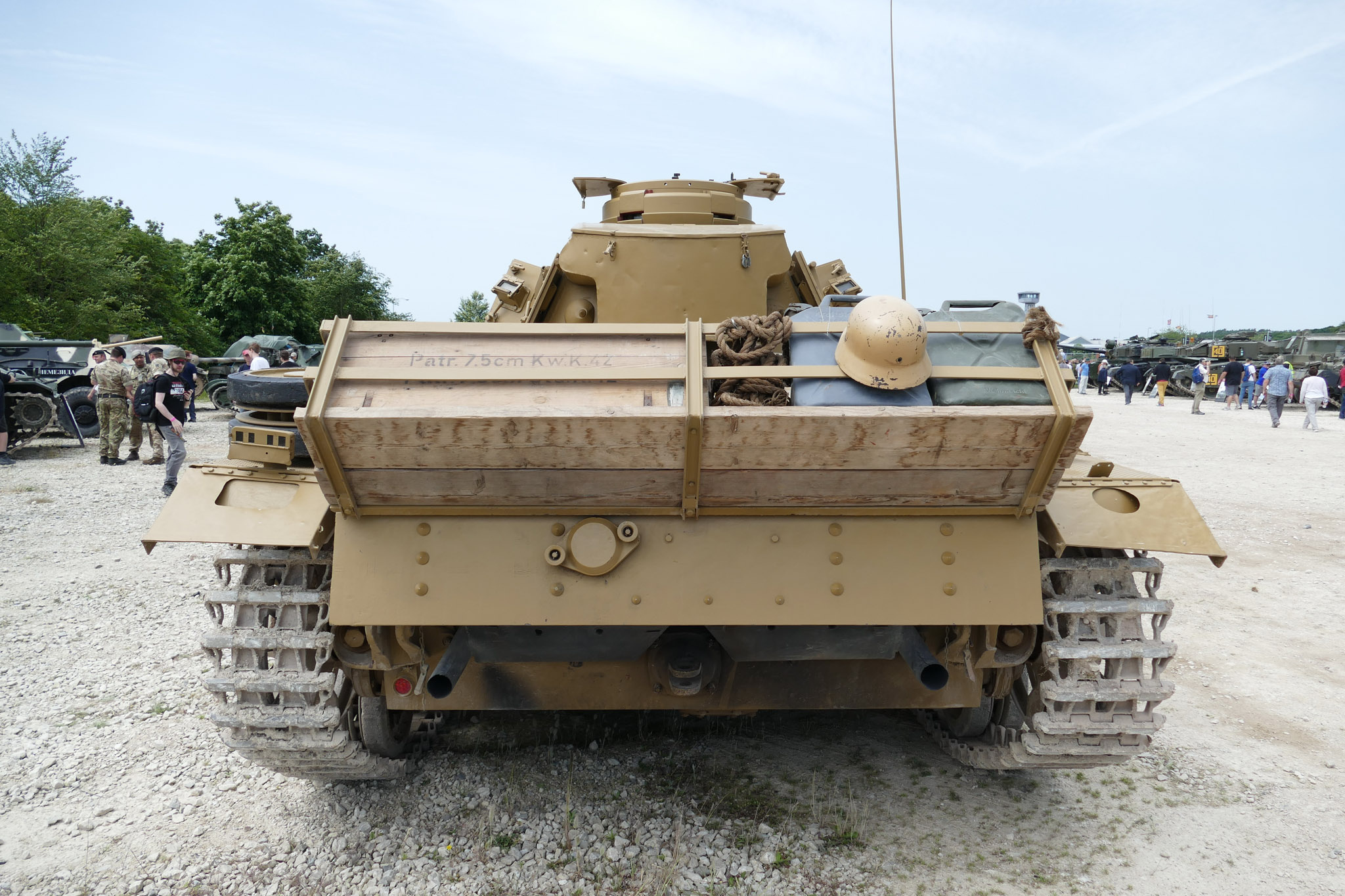
Such extensive bodywork at the rear was quite common
If we consider April 1942 as the start of production for the Pz.Kpfw.III Ausf.L, a total of about 1,000 tanks of this variant were delivered. This made it arguably the most mass-produced variant of this tank in 1942. The tank underwent gradual changes during production. In June 1942, the front clearance lights and audible signals mounted on the front fenders were phased out. From that point on, escape hatches were no longer installed on the sides of the hull. However, the tank located in Bovington retains all the features that were removed in June 1942.
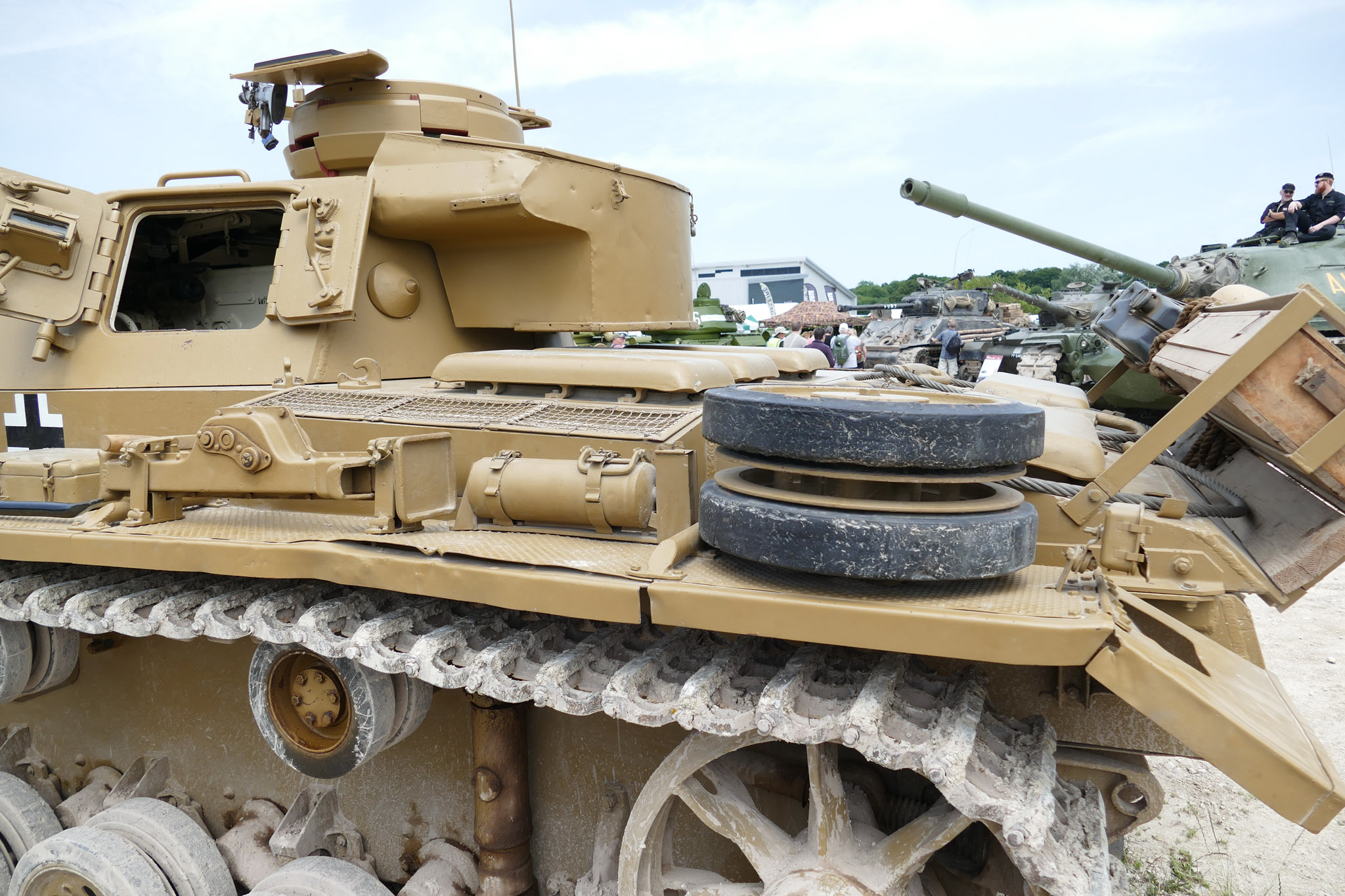
The museum staff made every effort to preserve as many original details as possible
Unfortunately, the serial number of the Pz.Kpfw.III Ausf.L from Bovington is currently unknown. However, by all indications, this is an early example of this version of the tank. It was built in the tropical version, which included additional air intakes on the engine cowling. It should be noted that in 1942, the tropical version did not necessarily mean that the tank would be deployed to North Africa. Many such tanks were sent to the Soviet-German front, complete with their tropical camouflage. There are many photographs of such tanks.
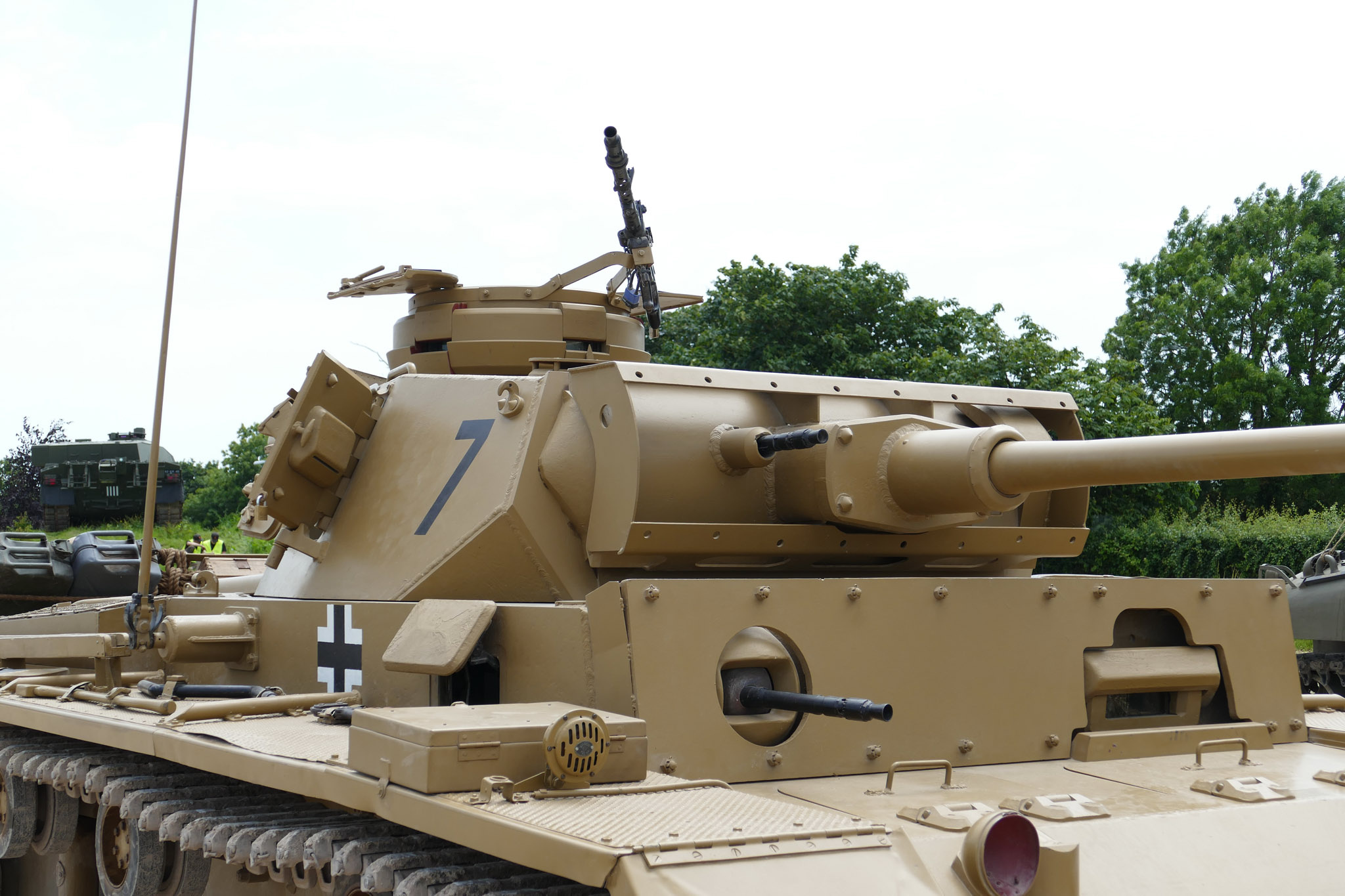
This combination, without the tower being reserved, was quite common.
The lion’s share of the Pz.Kpfw.III Ausf.L was sent to the Soviet-German front. Only 27 of these tanks, however, ended up in Africa; they arrived in July and August 1942. Tanks equipped with 50-mm KwK 39 L/60 cannons were designated as Pz.Kpfw.III Spezial. This particular tank arrived on July 18, 1942, and was assigned to the 8th Tank Regiment of the 15th Tank Division. It saw action for only a short time: the Battle of Alam el-Halfa took place at the very end of August 1942. German losses amounted to only 4 of these tanks, but a total of 72 tanks of all types were written off. For the African Corps, this was a serious blow, which later took its toll in the Battle of El Alamein.
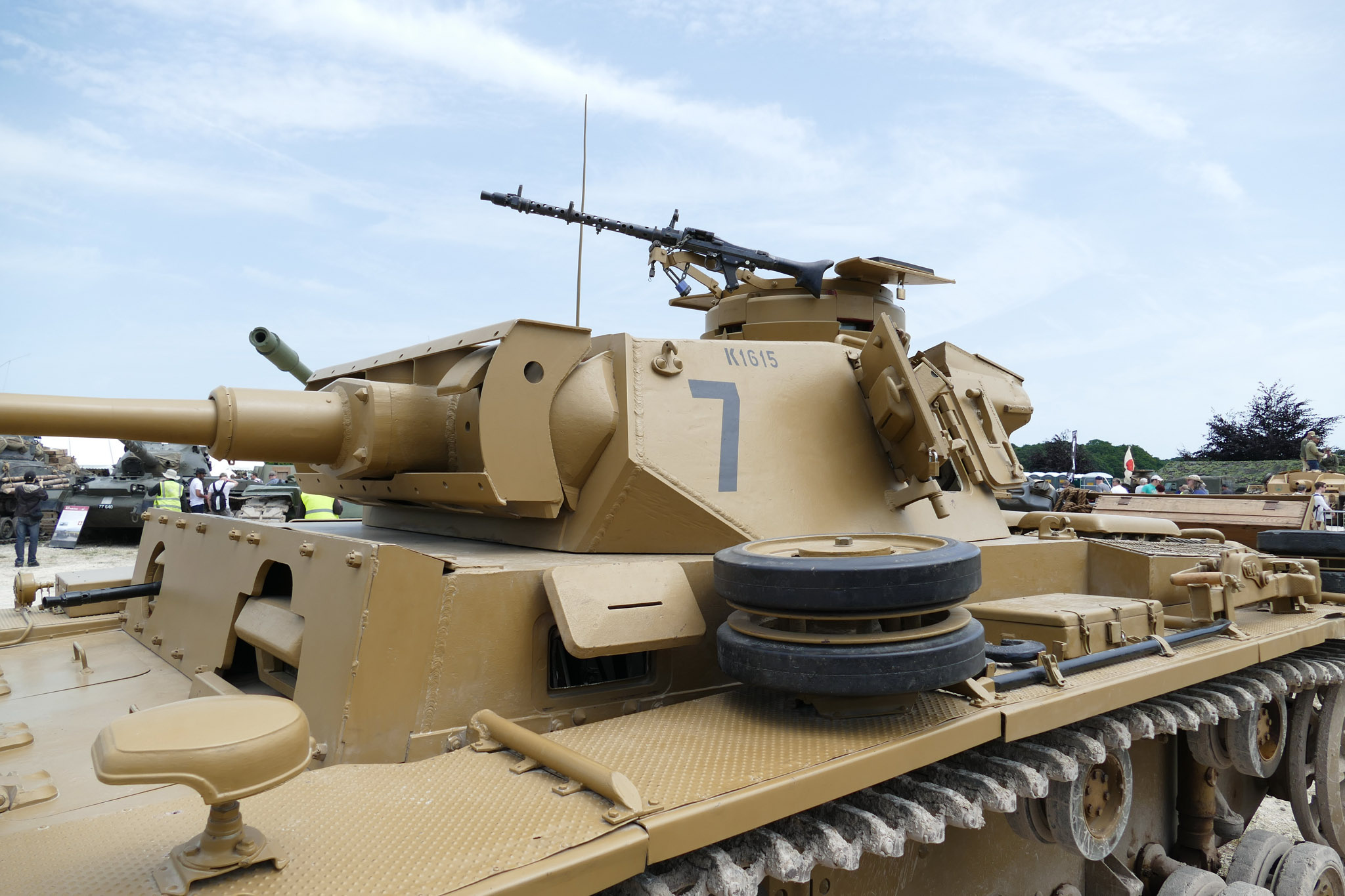
The Ausf. L does not have hatches on the sides of the turret
A number of tanks were captured in more or less intact condition. This tank was among them. It was sent to England for study, which ensured its survival. After the study, the tank remained as a training aid and was later transferred to a tank museum. The tank was very fortunate, in part because it had been painted according to the principle that “you can never have too much paint.” When it was time for restoration, the original tactical markings were found beneath all the layers of paint. In other words, the tank now bears all the markings that were originally applied to it.
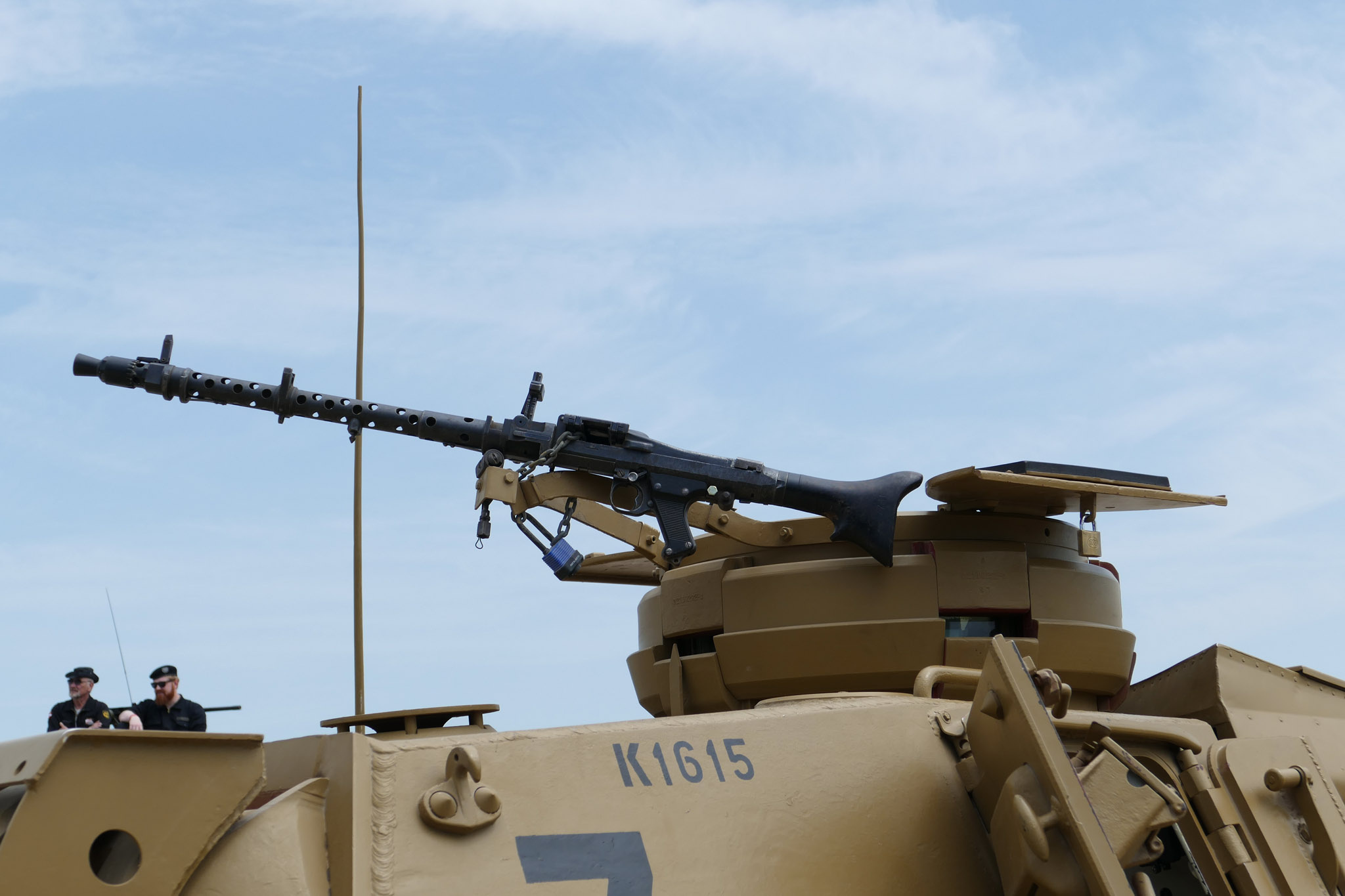
Installation of the MG 34 Anti-Aircraft Machine Gun
In addition, most of this tank’s exterior has been preserved in its original condition. A few things are missing, but they’re minor details, so to speak. The interior is well-preserved; in some places it wasn’t painted quite correctly, but overall it’s in very good condition. Most importantly, this tank is in good technical condition. This made it possible to restore it to a roadworthy condition while preserving its original components.
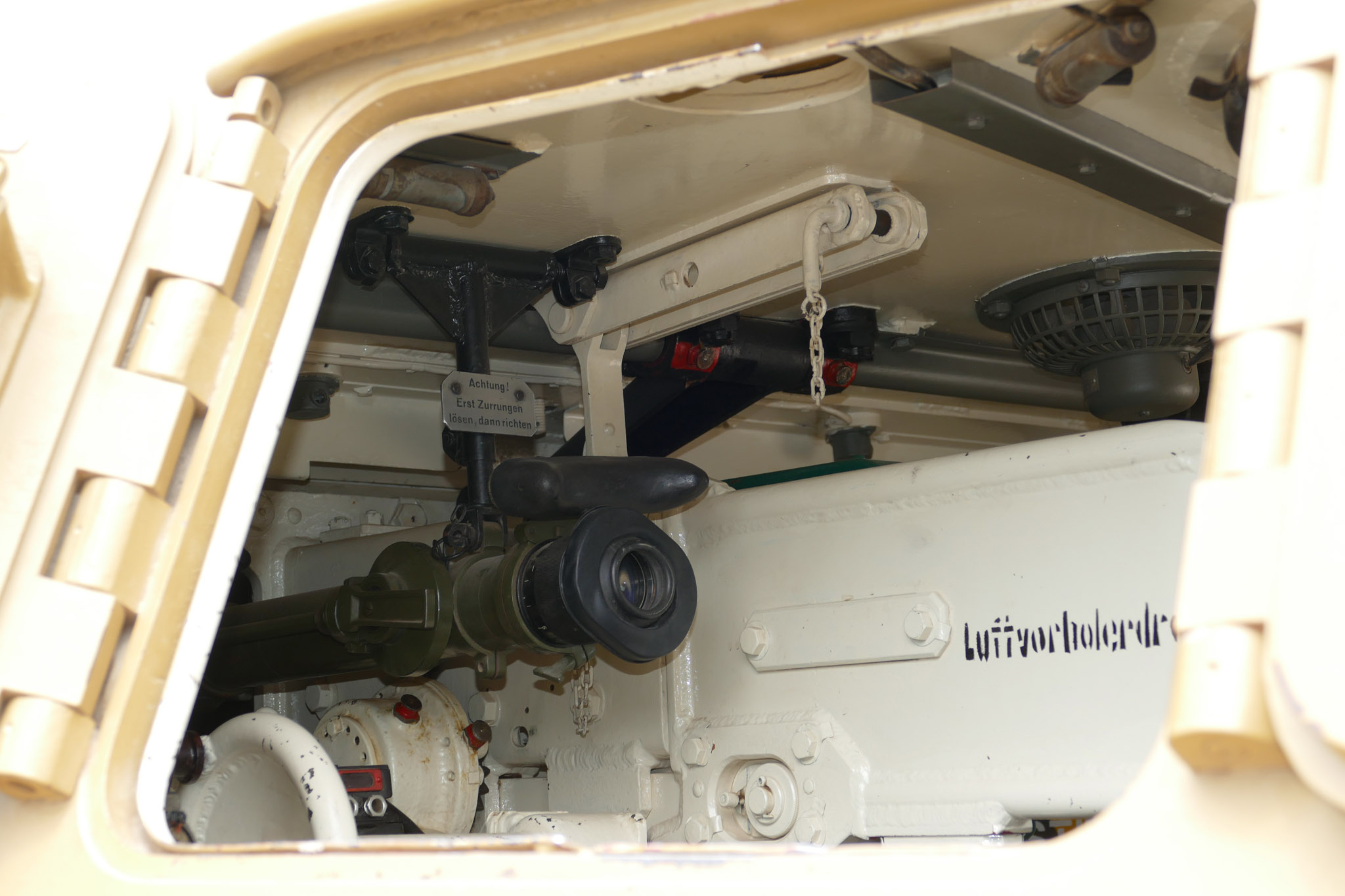
The gun was, in fact, a different color
Today, it’s the most “well-traveled” Pz.Kpfw.III. Various tank-themed events are held in Bovington several times a year. The Pz.Kpfw.III Ausf.L is the “workhorse” at these events. It doesn’t get driven much, but it’s generally good for the tank to be driven. If it sits idle for too long, all sorts of problems start to crop up. Naturally, you can also see it at Tankfest, where it often drives alongside the “Tiger.” That tank also arrived from Africa, but later—in 1943.