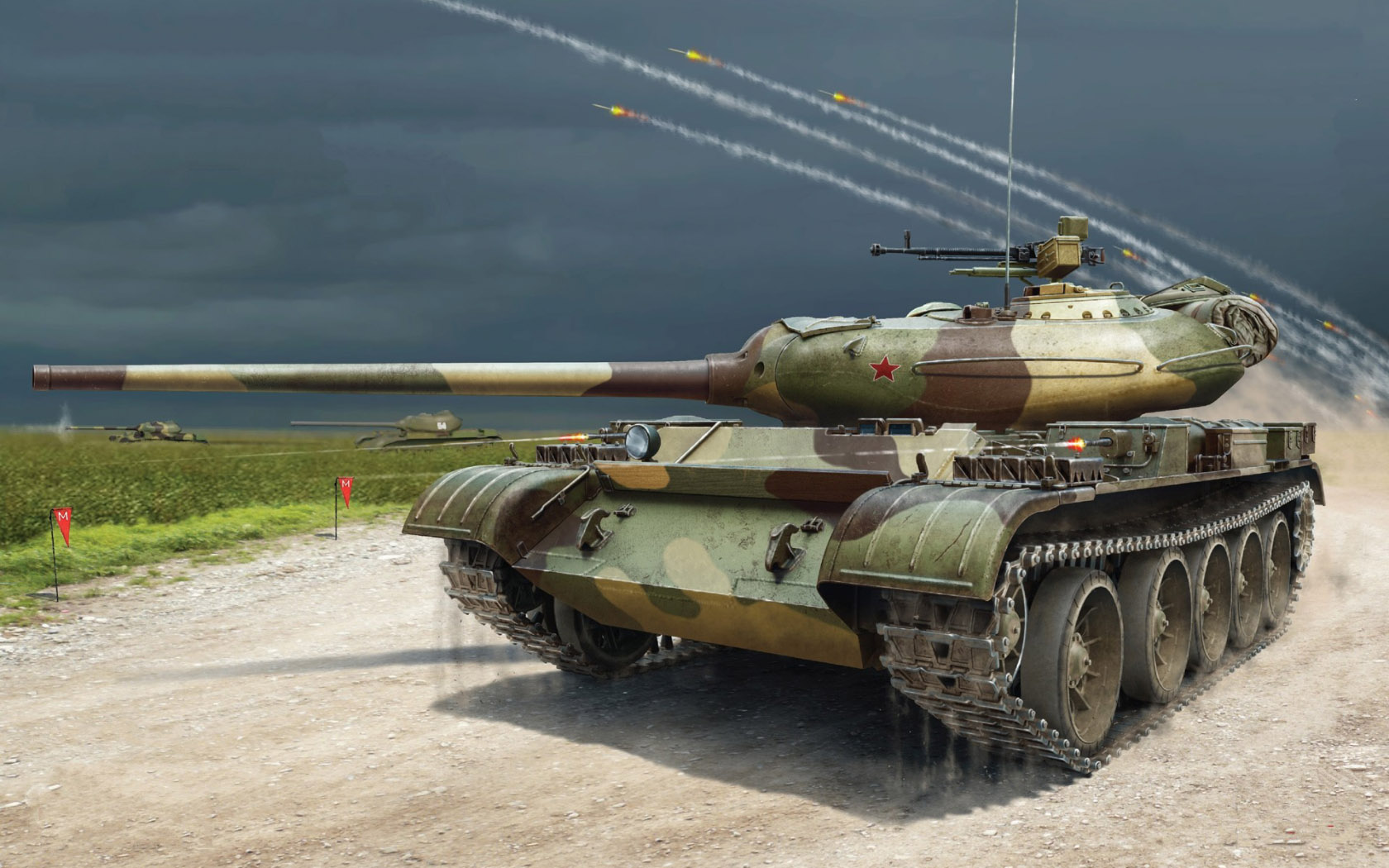
The history of the T-54 medium tank produced from 1947 to 1949, which is also often referred to as the T-54 Model 1946
It is not uncommon for a successful piece of military equipment to be the result of a long process of trial and error. This is especially true when it comes to a revolutionary design that is also being refined to meet changing tactical and technical requirements. Soviet tank design had plenty of such examples, including among medium tanks. Its revolutionary design, coupled with constantly changing tactical and technical requirements, was the reason why the T-43 medium tank never went into series production. At some point, its development reached a dead end, and its combat weight exceeded acceptable limits.
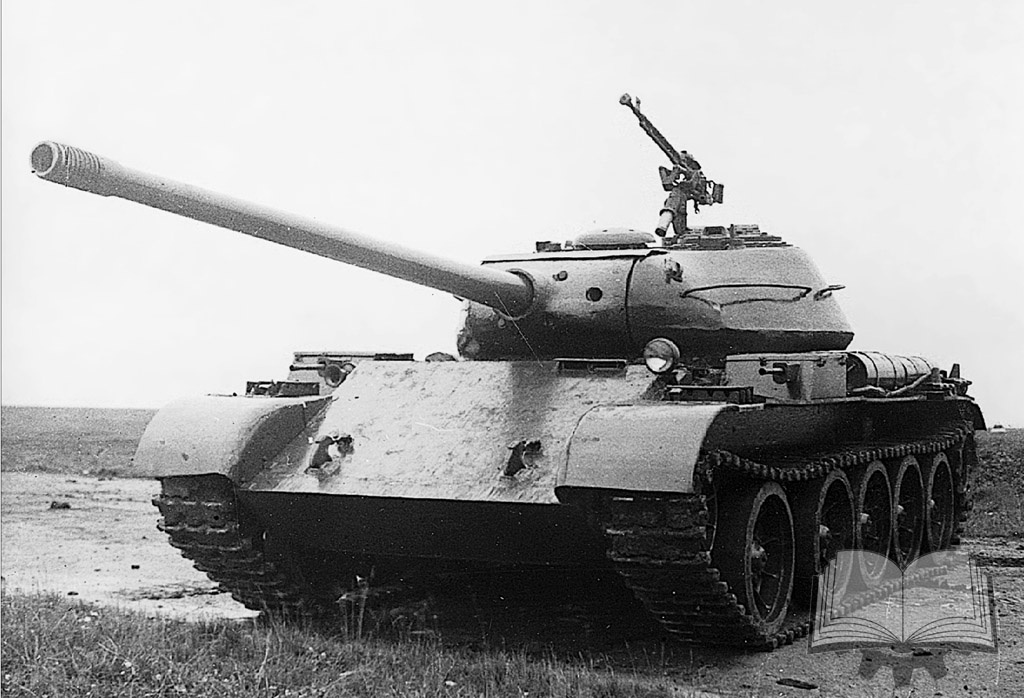
T-54, Model No. 3, manufactured in 1946. Just to be clear, this is the 1946-model T-54.
On April 29, 1946, the T-54 medium tank was adopted by the Soviet Army. It was adopted alongside another tank—the IS-4 (Object 701). It should be noted that the T-54’s path to mass production was shorter than that of the heavy tank, and its fate was more successful. At the same time, the first production T-54—sometimes still referred to as the T-54 Model 1946 (although it was produced from 1947 to 1949)—turned out to be a product of trial and error. This included issues related to overly ambitious tactical and technical requirements, which were changed more than once during the development process.
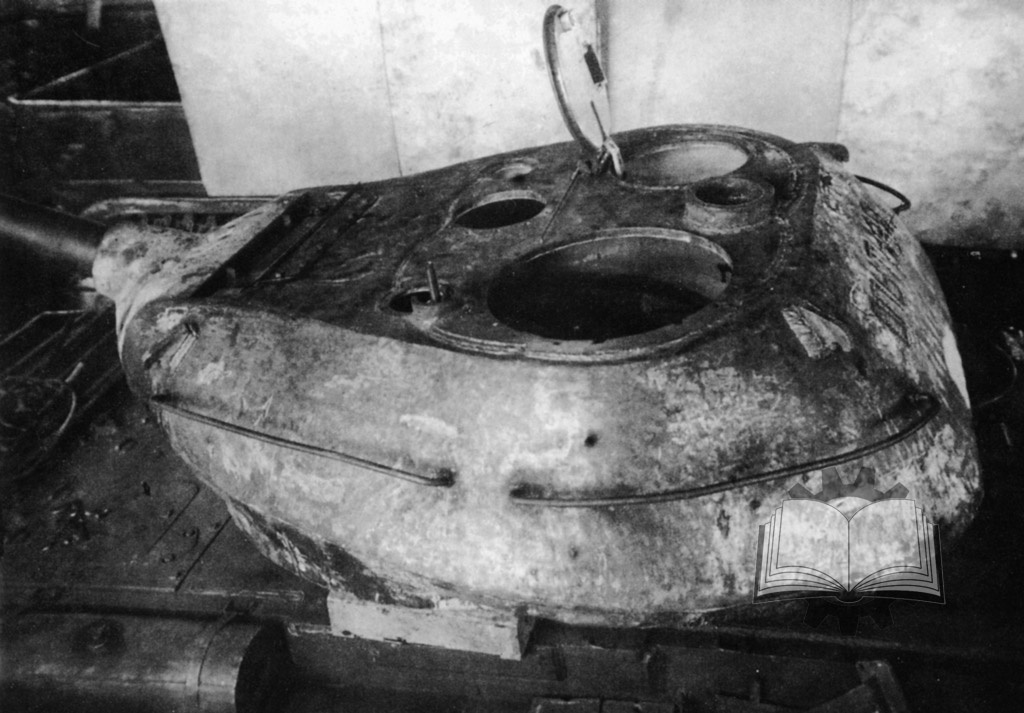
The turret was designed based on the IS-3 heavy tank concept
The T-54 itself was the result of increasing tactical and technical requirements for the new T-44 medium tank. This turned out to be due to the fact that the T-44A (as the production T-44 was originally designated) was adopted with an 85-mm ZIS-S-53 gun. Even by 1944 standards, this system lacked the necessary capabilities to combat the enemy’s new tanks (most notably, the “Panther”). There was also a desire to increase the thickness of the hull and turret armor in the frontal projection. All of this led to the development of the T-44B tank project.
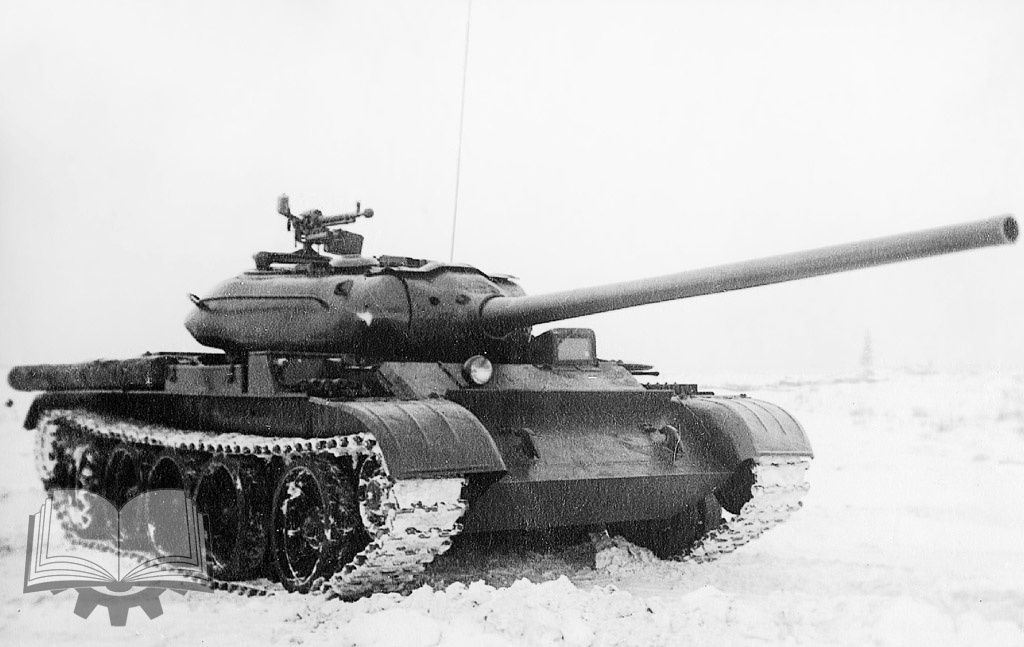
The sixth T-54 prototype—the tank’s design had practically taken shape by this point
On November 1, 1944, Order No. 637c was signed, requiring Plant No. 183 to manufacture a prototype of a new medium tank. It was designated the T-54, and according to the order, its turret was designed with the IS-6 heavy tank (Object 252) in mind. It was believed that the IS-6 had a more successful turret design. It only became clear later that the IS-6’s turret had problems; this was discovered as early as 1945. However, the first T-54 prototype had its own set of problems as well. Moreover, these issues were never resolved during 1945.
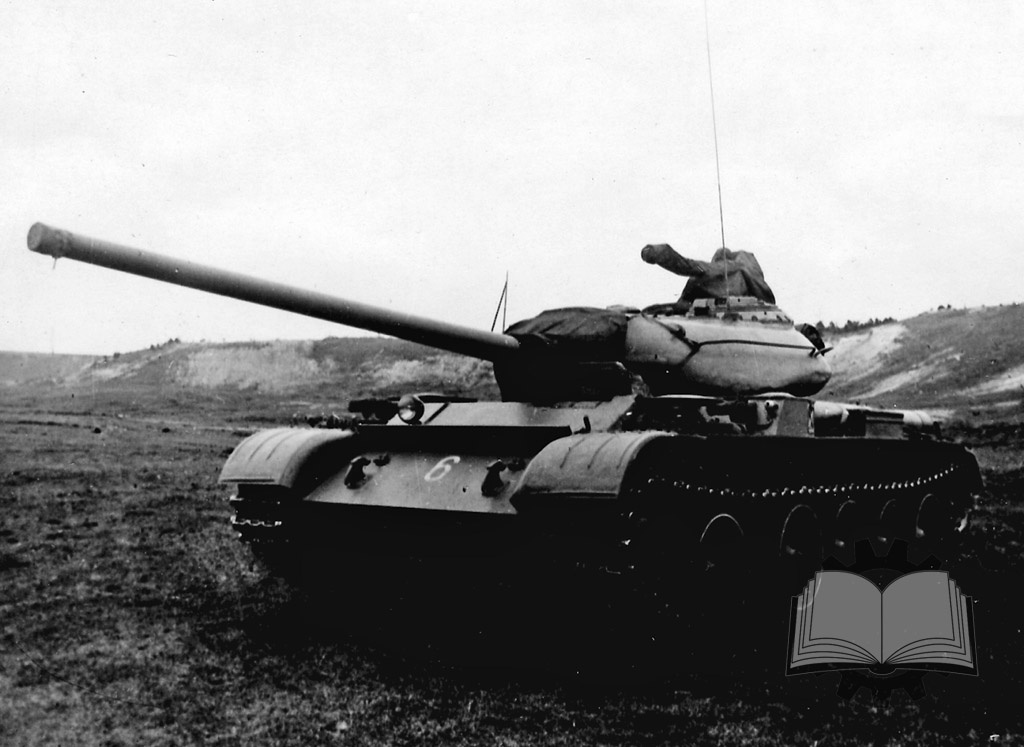
From there, the work proceeded with a focus on fine-tuning
One way or another, the tank continued to be developed. Furthermore, as early as the beginning of 1946, the issue of launching the T-54 into mass production had been fully resolved. On April 29, 1946, Resolution No. 960-402ss of the Council of Ministers of the Union of Soviet Socialist Republics was signed. According to the resolution, the first tanks were expected to be delivered starting in September 1946, and they were to be produced simultaneously at four factories—No. 183, No. 112, No. 174, and No. 75. In practice, however, throughout the entire year of 1946, Plant No. 183—with a production target of 165 tanks—delivered only 3: prototypes No. 3, No. 4, and No. 5. Moreover, prototypes No. 3 and No. 4 had turrets modeled after the IS-3 heavy tank. Additionally, Plant No. 112 disappeared from the list of manufacturing plants.
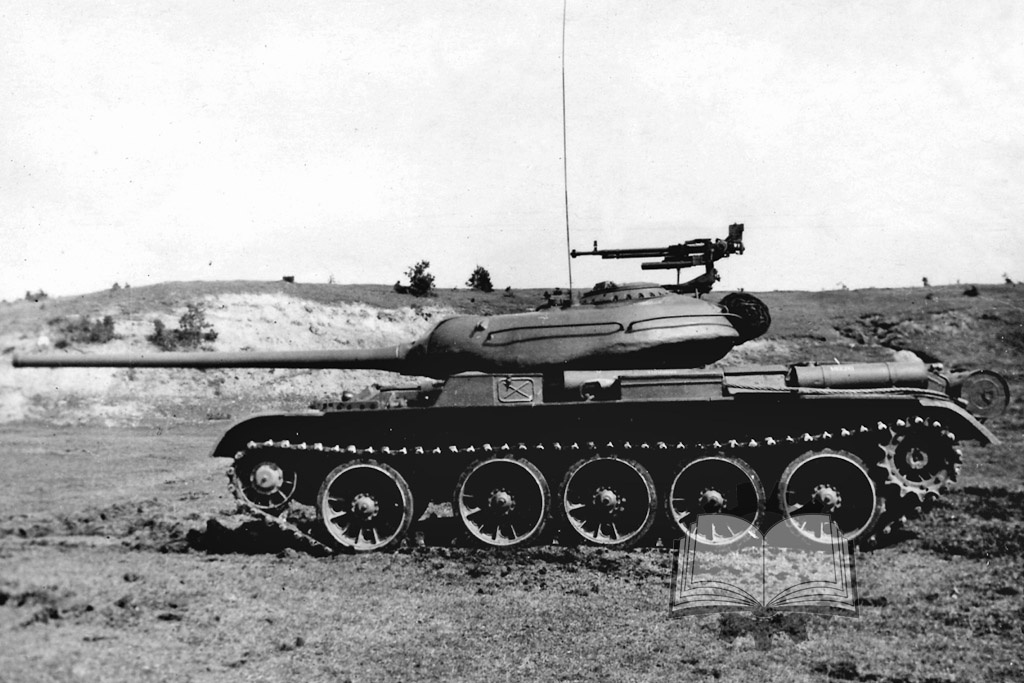
The tower’s shape closely resembles that of the IS-4
This turret design was quickly abandoned, so the “head” of the T-54 underwent yet another change. Once again, a heavy tank served as the prototype. This time, it was the IS-4, whose turret shape, it must be said, had also changed more than once. In the final version, the tank was equipped with a turret featuring wide, movable armor around the gun mount. This solution, it must be said, was not the most successful. As it later turned out, this type of armor was more prone to jamming when hit by enemy shells. In any case, the IS-4-style turret configuration became the final design before the T-54 went into mass production.
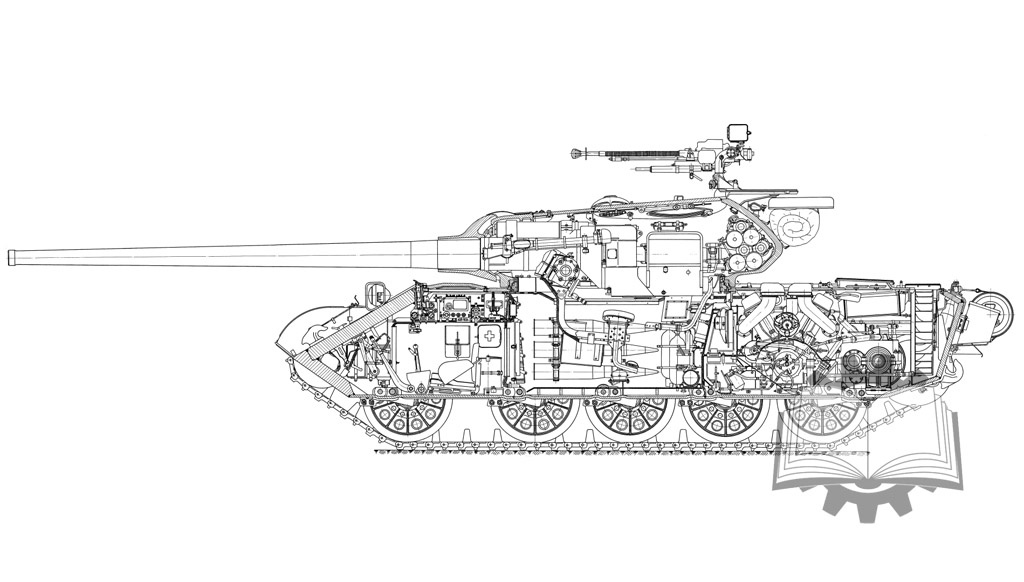
Longitudinal section of a tank
Prototype No. 6, manufactured by Plant No. 183 in February 1947, featured the final configuration. Not only was it fitted with a new turret, but the problem of excessive combat weight was also partially resolved. For reference, prototypes No. 3 through No. 5 had an excessive combat weight that reached 39 metric tons. This was successfully reduced to 36 metric tons. Extensive work was carried out to modernize the running gear, and in total, Plant No. 183 made 649 changes to the tank’s design in 1946. Prototype No. 6 also featured a DShKM anti-aircraft machine gun mount, structurally similar to the one installed on the IS-3 and IS-4.
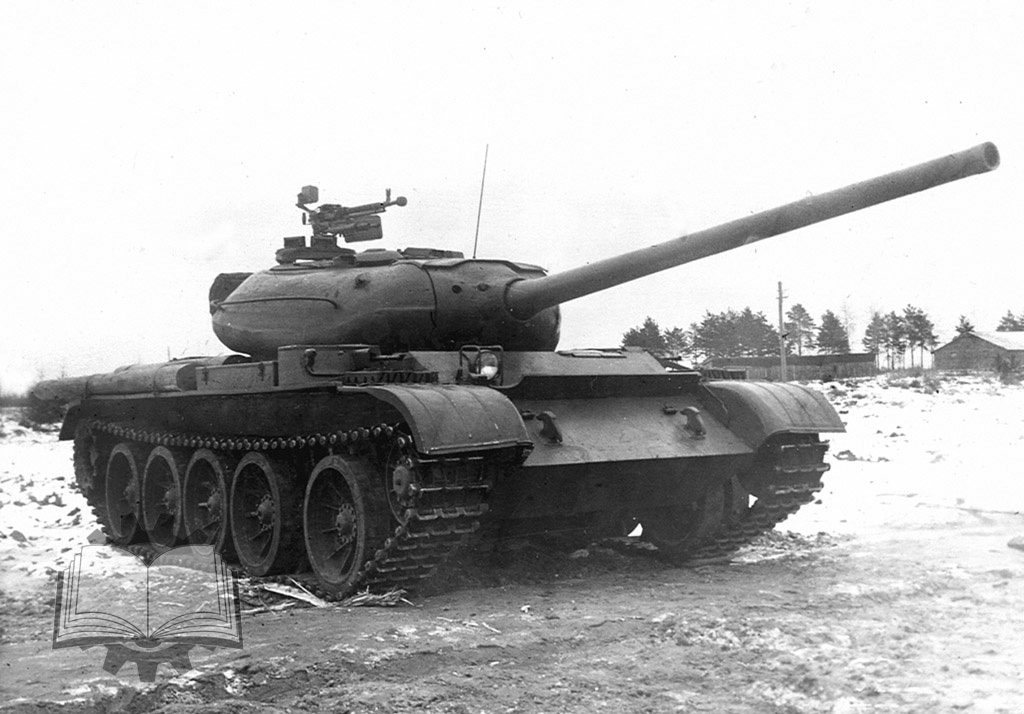
The First Production T-54
Following Prototype No. 6, two more T-54 prototypes were delivered, which became the lead production vehicles. This took place in April 1947. Between April 24 and May 18, 1947, the tanks underwent acceptance tests, which showed that the vehicle was finally ready for mass production. Thus, the commonly used designation “T-54 Model 1946” is, to put it mildly, not entirely accurate. The tank that was adopted on April 29, 1946, differed significantly from the production model.
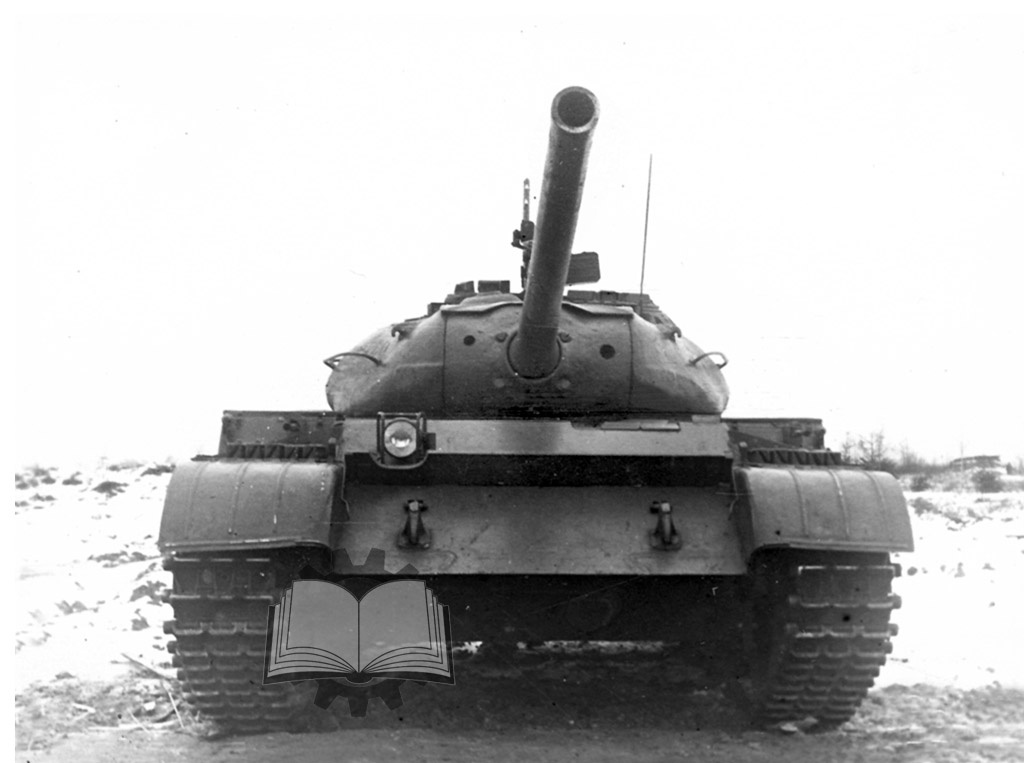
Two such tanks were delivered in April 1947
As of the end of April 1947, all technical documentation for the tank had been distributed to the factories, including Plant No. 200 (Chelyabinsk), which was responsible for manufacturing the T-54 hulls at Plant No. 183. However, the first drawings had been sent as early as September 1946, and during that time, a large number of changes (more than 120) had been made. The situation was even more problematic in terms of preparing for tank production. Even the lead plant, Plant No. 183, was not ready for large-scale tank production. Production of the V-54 engine, which was being organized at the Chelyabinsk Tractor Plant (ChKZ), was also behind schedule. For this reason, plans were revised in May 1947. Originally, Plant No. 183 was supposed to deliver 450 tanks, but this number was reduced to 250. Production of the T-54 was temporarily suspended at the other plants, as their preparations for production were found to be even further behind schedule.
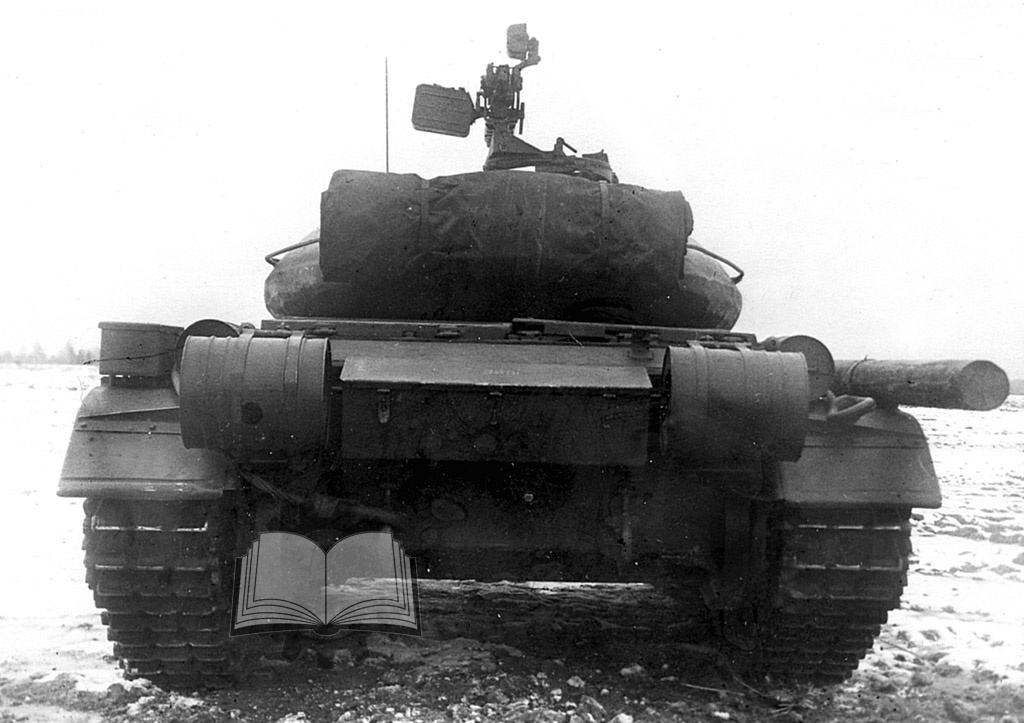
The tanks went into series production in the summer of 1947
In fact, only 22 tanks were delivered in 1947, and Plant No. 183 produced them with great difficulty. It can be said that work on the pilot batch of tanks continued. Suffice it to say that the first 100 tanks produced by Plant No. 183 were made using what are known as workaround technologies; this decision had been made as early as May 1947. The production schedule was affected not only by the protracted preparation for production but also by a huge number of modifications. In 1947, Plant No. 183 issued more than 1,490 orders for various modifications to the tank’s design.
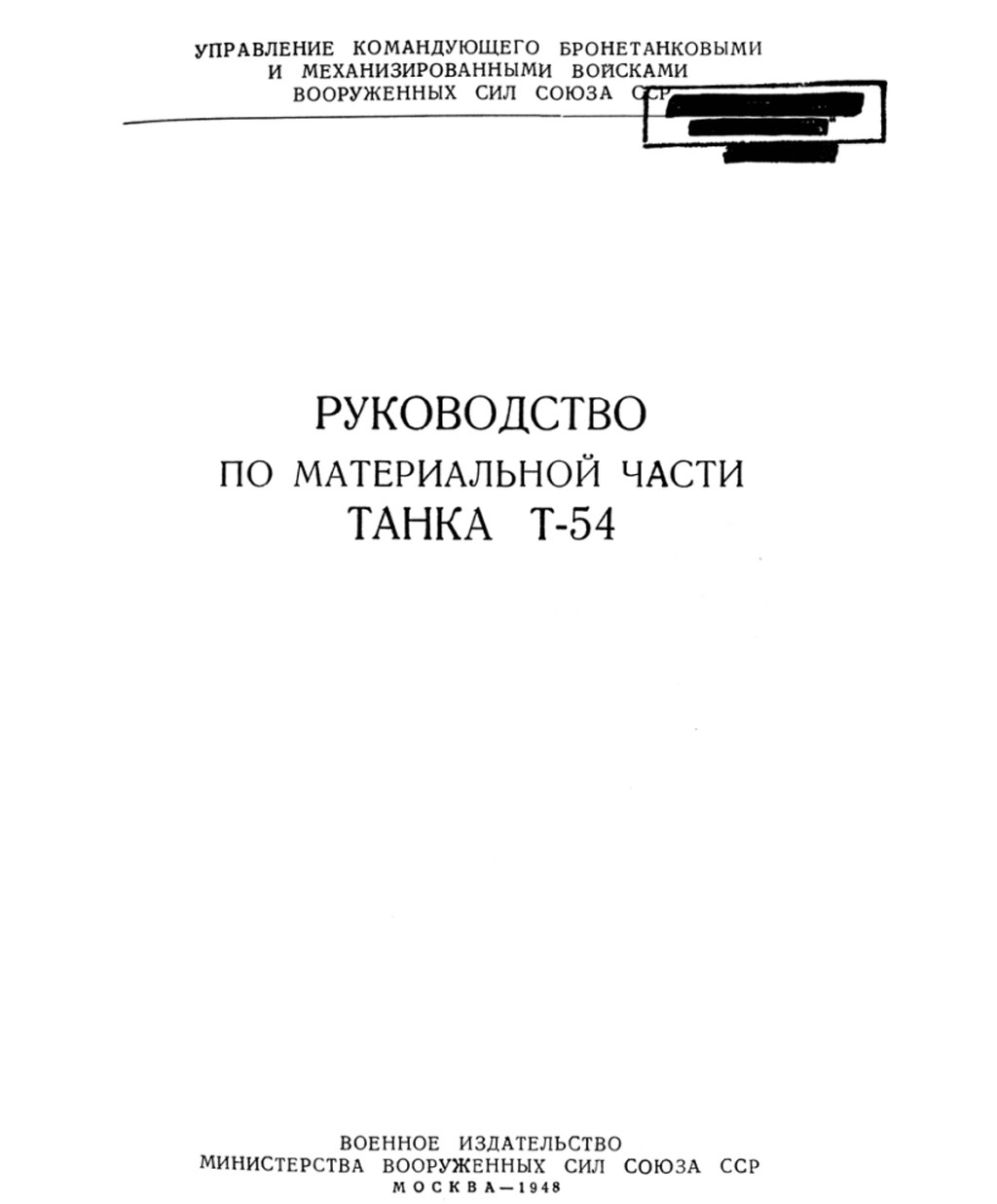
Naturally, there was no “obr” in his index
As a result, the production cost of the 1947 T-54 was a truly staggering 1,372,289 rubles. At the same time, the T-44 cost 306,525 rubles. Even the IS-4, which was still in the early stages of production in 1947, cost 862,825 rubles. It should be noted that the Ministry of Transport Engineering had anticipated the high cost of the T-54. But the price tag set was quite different—556,000 rubles. At the same time, one important point should be taken into account. As of 1947, the main product of Plant No. 183 had become railcars, which were given higher priority. In 1946, the plants under the Ministry of Transport Engineering delivered 25,558 two-axle freight cars, and another 38,177 in 1947. Moreover, the other plants were not solely occupied with tank production.
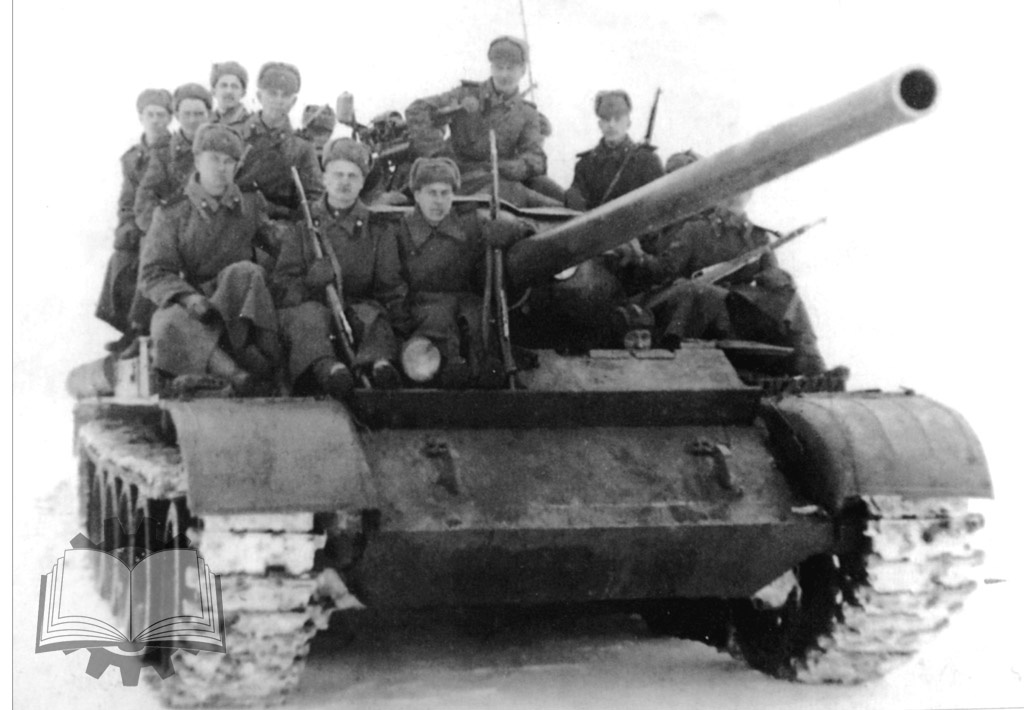
During tests involving the deployment of troops onto a tank
Due to the current situation, the Ministry of Transport Engineering’s plan for 1948 turned out to be more modest. Plant No. 183 was to deliver 285 T-54s, while Plant No. 174 was to deliver even fewer—180 tanks. Plant No. 75 was to deliver the most, with a planned output of 335 T-54s. This was because Kharkiv already had experience producing the T-44, and it was expected that this would allow for a fairly quick transition to the T-54. But it turned out that this was not the case. Even drawing on the existing T-44 production capacity did not allow Plant No. 75 to deliver more than 218 tanks. Incidentally, the tanks produced at this plant had a coaxial machine gun mounted inside the hull rather than on the side racks. Plant No. 174 delivered 90 tanks, and only Plant No. 183 met its production quota. Prices dropped, but not across the board. A T-54 from Plant No. 183 cost 588,011 rubles, a tank from Plant No. 75 cost 634,378 rubles, and a tank from Plant No. 174 cost 1,178,200 rubles. The price was directly dependent on production volumes and the costs of organizing production.
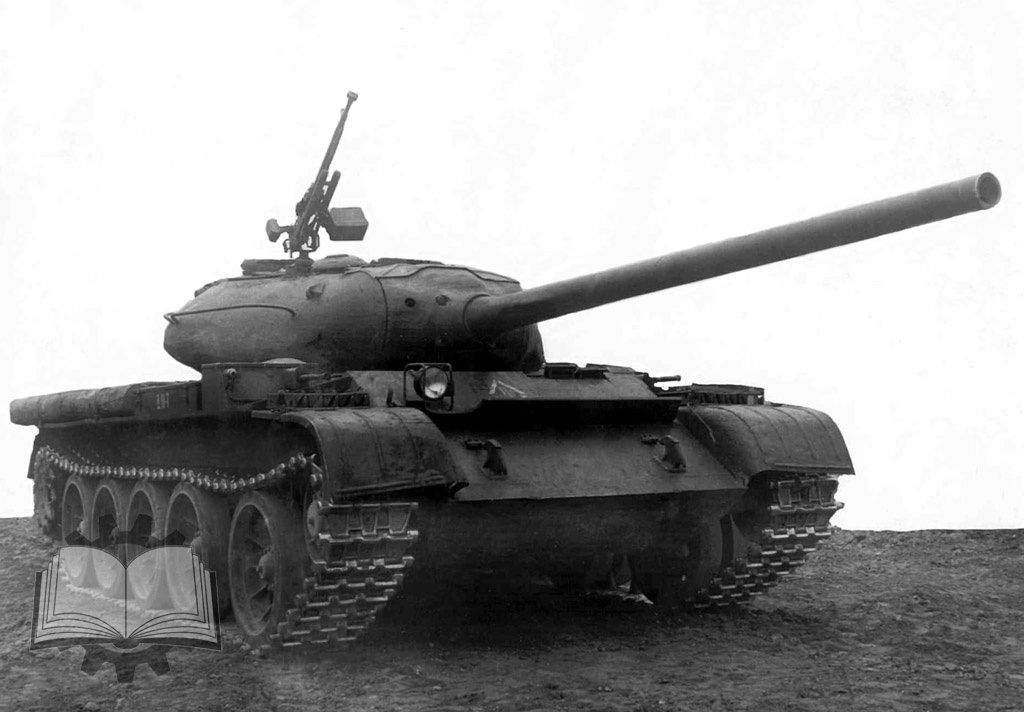
A typical tank manufactured in 1948
Starting in 1948, the T-54 was sometimes referred to in correspondence as “Morozov’s tanks.” This was done for reasons of secrecy. In 1948, the new tanks finally began to be delivered to the troops. At that point, problems began to surface, some of which raised questions about the customer’s specifications. This was particularly true regarding the installation of SG-43 machine guns on the track-mounted racks. The requirement for this specific placement had been issued as early as 1945. Engineers at Plant No. 183 had to work hard to get the entire system up and running. The tanks were then deployed to the troops, where it became apparent that the machine gun mounts were frequently knocked off course by trees and branches during exercises.
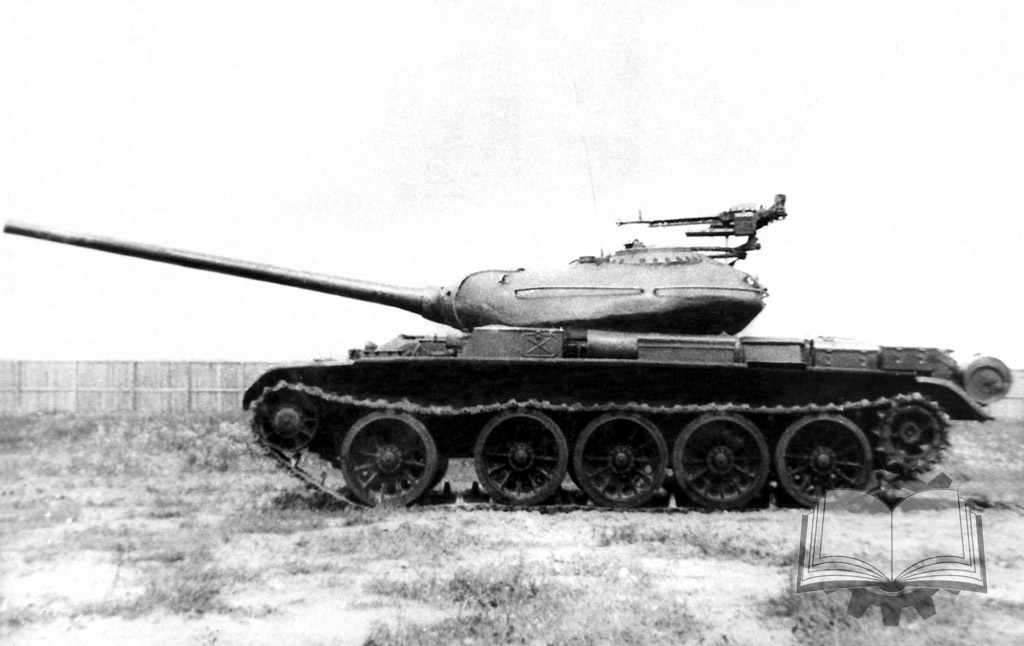
It was precisely these tanks that were being supplied to the troops in large numbers, which led to complaints
The running gear posed a more significant problem. Although the running gear had been modernized during the tank’s development (as early as 1946, on Prototype No. 3), the track width remained the same—500 mm. This was clearly insufficient for a tank whose combat weight reached nearly 36 metric tons. Furthermore, the combination of a driven track and an idler track proved to be a poor design choice; it turned out that this led to damage to the rubber treads of the tracks. There were complaints from the troops about track deformation; however, the problem lay not in the track’s design (it was later used on the AT-T tractor and the T-44M tank) but in its insufficient width.
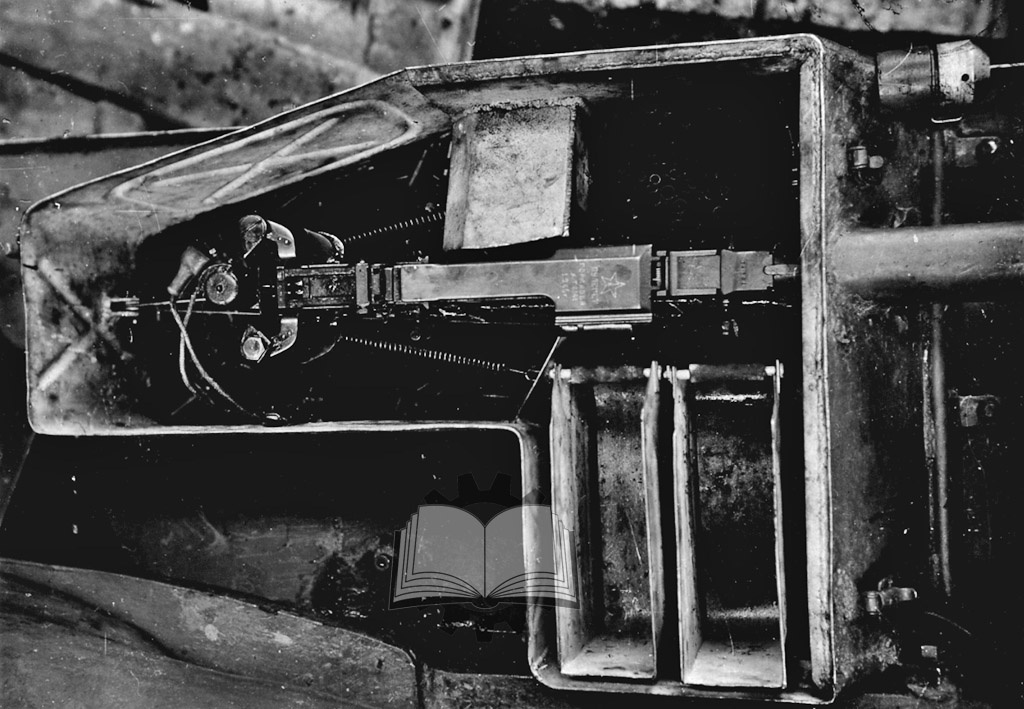
Crates with SG machine guns turned out to be a bad idea
Another piece of bad news came even earlier—in 1947. It turned out that the IS-4-type turret had a number of shortcomings. In addition to the previously mentioned flaw involving the wide armor plating around the gun mount, there was a problem with the turret’s shape, which featured distinctive recesses. These were intended to increase the turret’s internal volume, but it turned out that the turret could be penetrated right through these very recesses. It is no coincidence that the IS-7s produced in 1947–48 were equipped with a new turret, featuring narrow gun mount armor and no recesses. There can be no question as to the fault of the KB-520 design team at Plant No. 183 in this matter. The “defective” turret design was imposed on them from above.
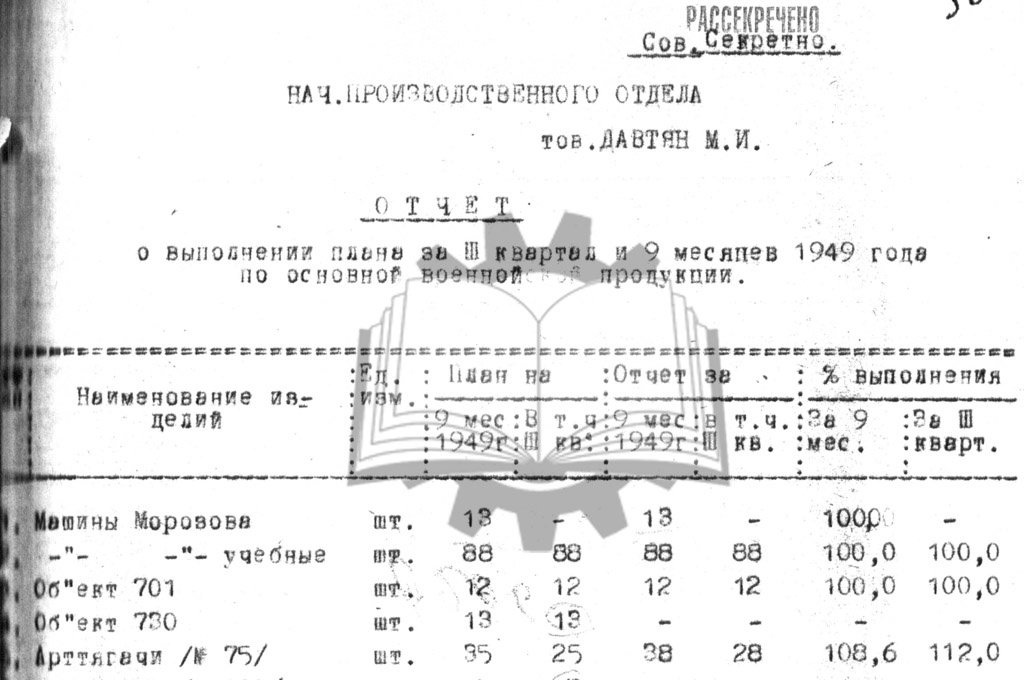
The T-54 was designated “Morozov’s Tank” starting in late 1948
According to the plans, 838 T-54 tanks were to be produced in 1949, of which 328 were to be delivered by Plant No. 183, another 315 by Plant No. 75, and 195 by Plant No. 174. But these plans were not to come to fruition: it became clear that the tank could not be produced in its current form and required significant revisions. On January 26, 1949, a resolution of the Council of Ministers of the Union of Soviet Socialist Republics “On the Production of T-54 Tanks” was signed. According to this resolution, acceptance of the “Morozov tanks” was suspended, and Plant No. 183 began modernizing the T-54. By the time the resolution was issued, Plant No. 183 had delivered 13 tanks, while production of the tanks at the other plants had stalled. Subsequently, another 88 tanks were delivered for training purposes.
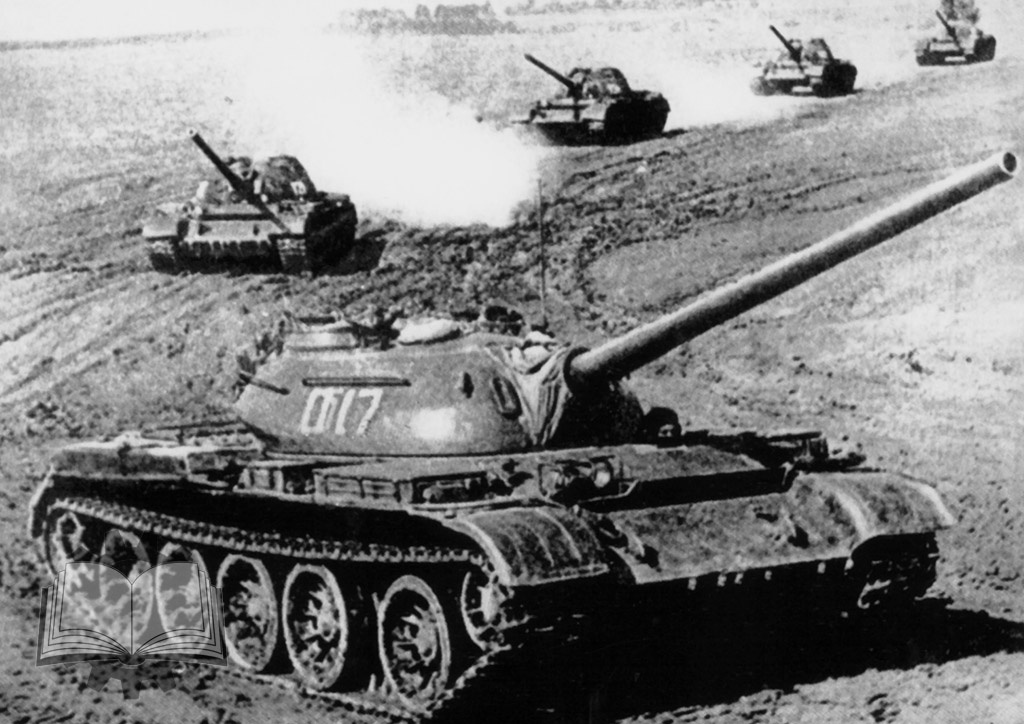
After the modernization
Subsequently, in 1951, a program began to modernize earlier-produced first-generation T-54 tanks. The track guards were widened, the coaxial machine guns were removed, and new 580-mm-wide track belts were installed (these had been successfully tested as early as the spring of 1949). At the same time, the tanks designated as the T-54 Model 1946 became primarily training vehicles. They had a higher combat weight and a turret with vulnerable “blind spots.” Subsequent modernizations followed the same scope as those for the T-54 Model 1949 and later tanks. Incidentally, the same applies to them: the “Model” designation is a later addition.
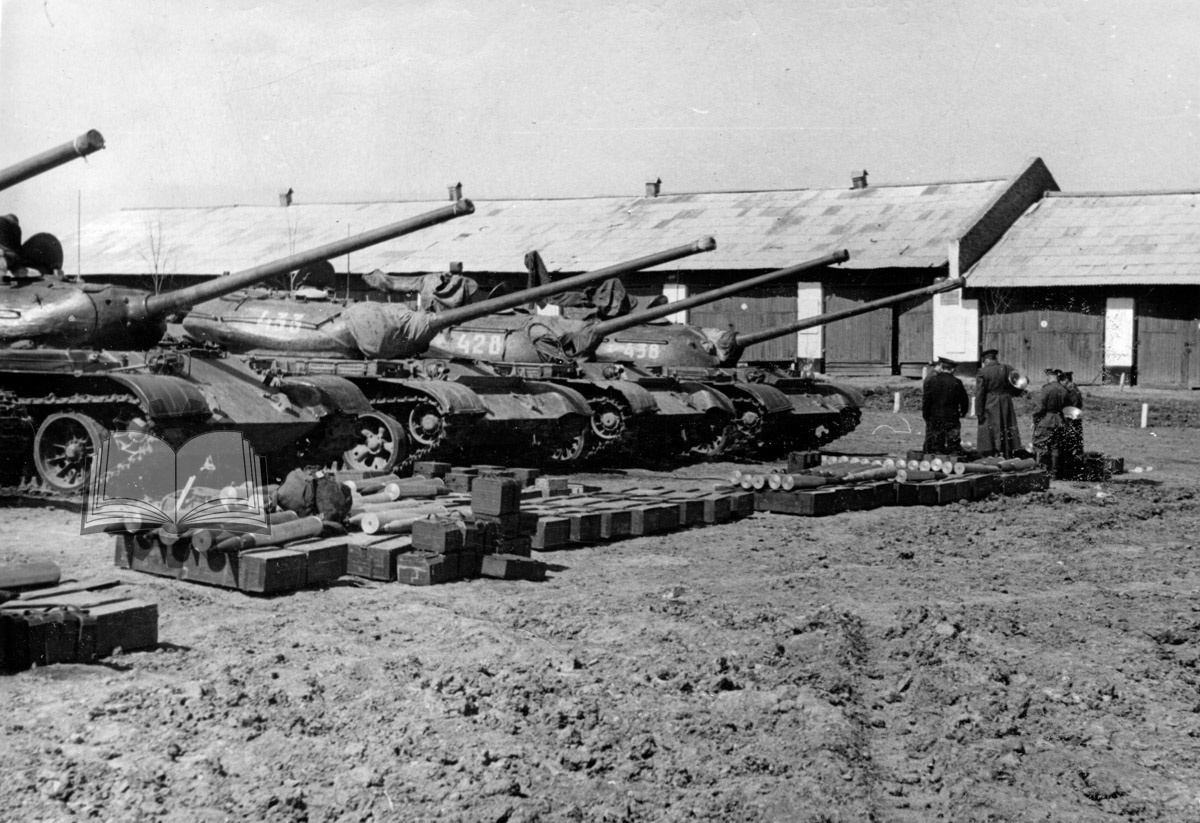
In 1969, these T-54 training tanks from the 240th Training Tank Regiment were deployed to the state border during the incident on Damansky Island
Ultimately, only the tank at the “Patriot” Park Technical Center has been preserved in its authentic form, and at the Museum of Russian Military History, a modernized tank has been restored to its original condition. The rest have undergone several waves of modernization; the only thing that gives them away are their characteristic turrets. It is worth noting that the first production T-54 was not entirely defective. The modernization was beneficial; it made the tank more reliable. But as early as 1950, 1,007 “full-fledged” T-54s were delivered, followed by another 1,566 in 1951, and 1,854 in 1952. Against this backdrop, the early-production tanks were overshadowed, so it made more sense to use them for training. Even so, they saw combat at least once. In 1969, a pair of T-54 training tanks from the 240th Training Tank Regiment were deployed to the state border during the incident on Damansky Island.
List of Sources:
-
-
- RGAE
- Gennady Malyshev’s Photo Album
- Author’s Archive
-