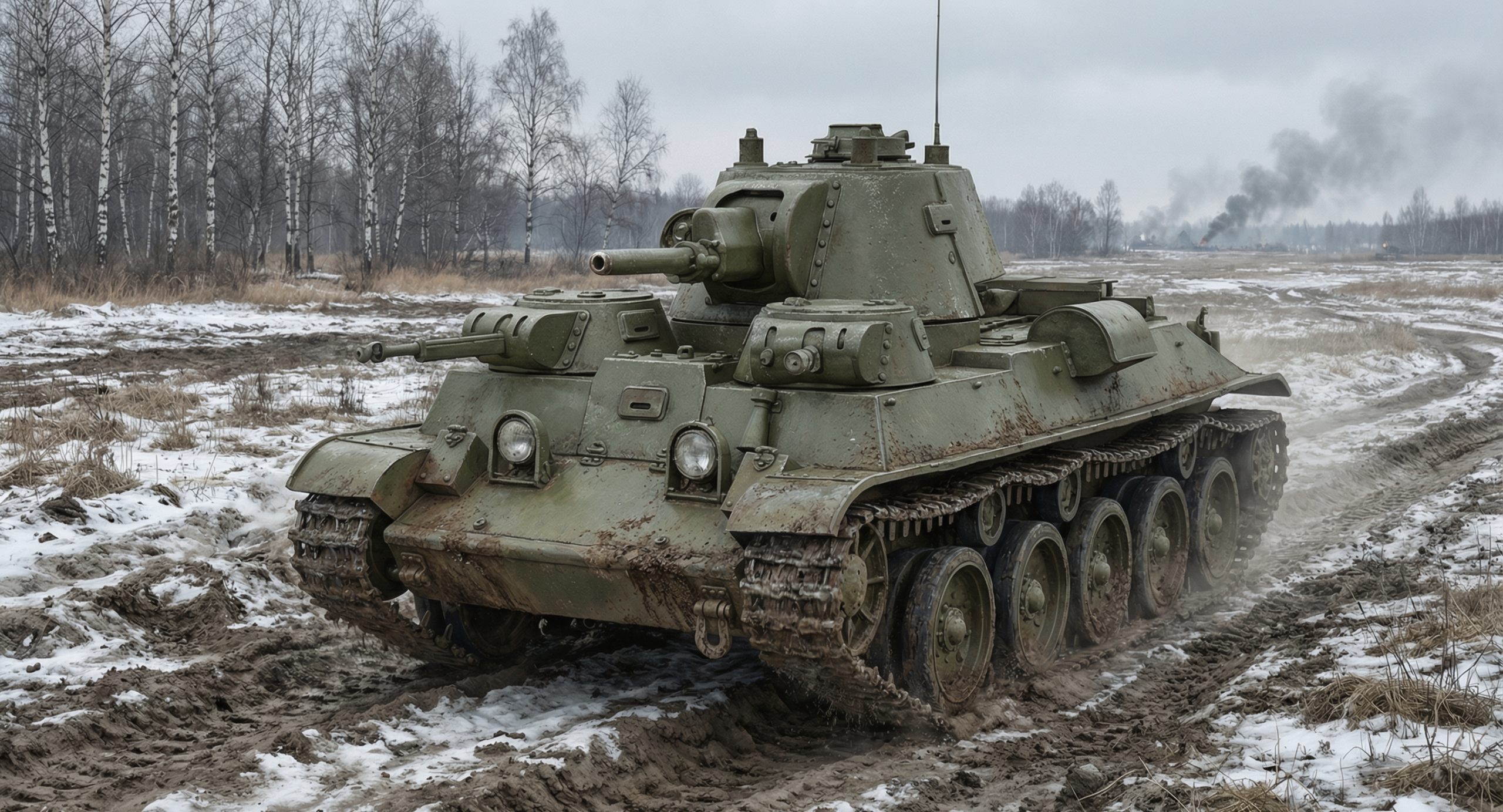
The T-29CN wheeled-tracked tank project, which marked the final stage of the PT-1/T-29 program
The 1930s were a time when the development of armored vehicles was proceeding at a rapid pace. Not quite as rapidly, of course, as during World War II, but the costs of producing new armored vehicles were also not as high. In any case, situations often arose where tank manufacturing simply could not keep up with the tactical and technical requirements set by the military. Moreover, this was often not a matter of perfectionism at all, but rather a reflection of the global situation. Local conflicts in which tanks were deployed highlighted the need to develop tanks that no longer fully met the realities of the modern battlefield.
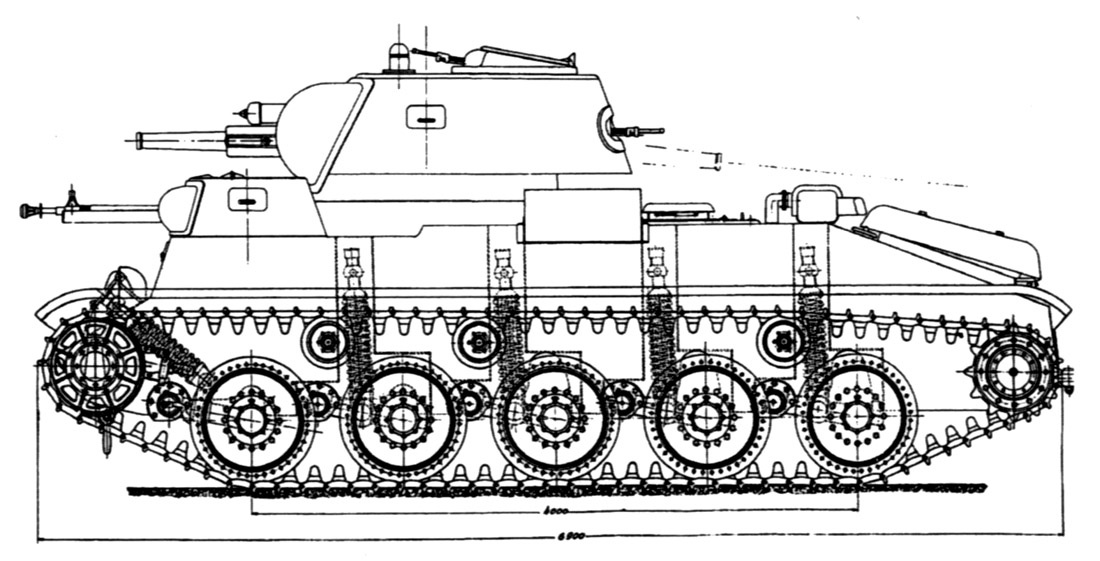
T-29C—this was the tank envisioned in the original design
For the Red Army, the first such conflict that significantly influenced the tank-building program was the Spanish Civil War. It demonstrated that armor designed to withstand rifle-caliber bullets was insufficient. Armor-piercing rounds appeared, and tanks also suffered losses from large-caliber machine-gun fire. All of this led to efforts to strengthen the tanks’ armor. Among them was the T-29 wheeled-tracked tank, which was intended to replace the T-28. As a result, the T-29Ts and, later, the T-29TNs were developed, representing the pinnacle of this tank’s evolution.
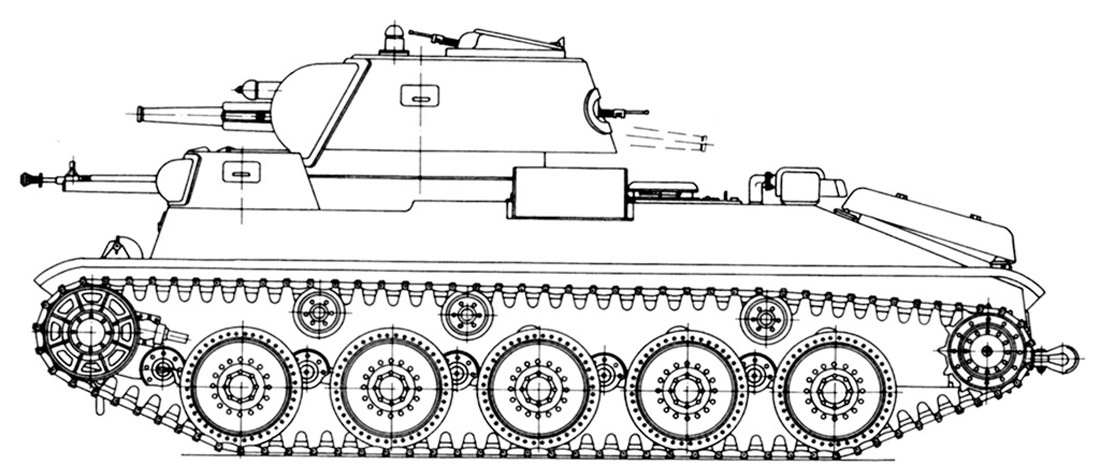
Next, the T-29CN, which was heavier and longer, was put into service
The T-28, as well as the T-29, are sometimes mistakenly classified as medium tanks based solely on their combat weight. In reality, however, the T-28 ceased to be a medium (maneuverable) tank as early as 1933–34. Officially, in 1935, the T-28 was designated a “high-quality reinforcement tank,” though in reality it was a breakthrough tank. It was used in this capacity, and structurally, these tanks were assigned to heavy tank brigades. Accordingly, the T-29, which was intended to replace the T-28, was also intended for the same role. The difference is that this tank evolved from the PT-1, retaining some vestiges of that design, such as the two-man turret. Why this was only noticed after work on the prototype had already begun is a very big question.
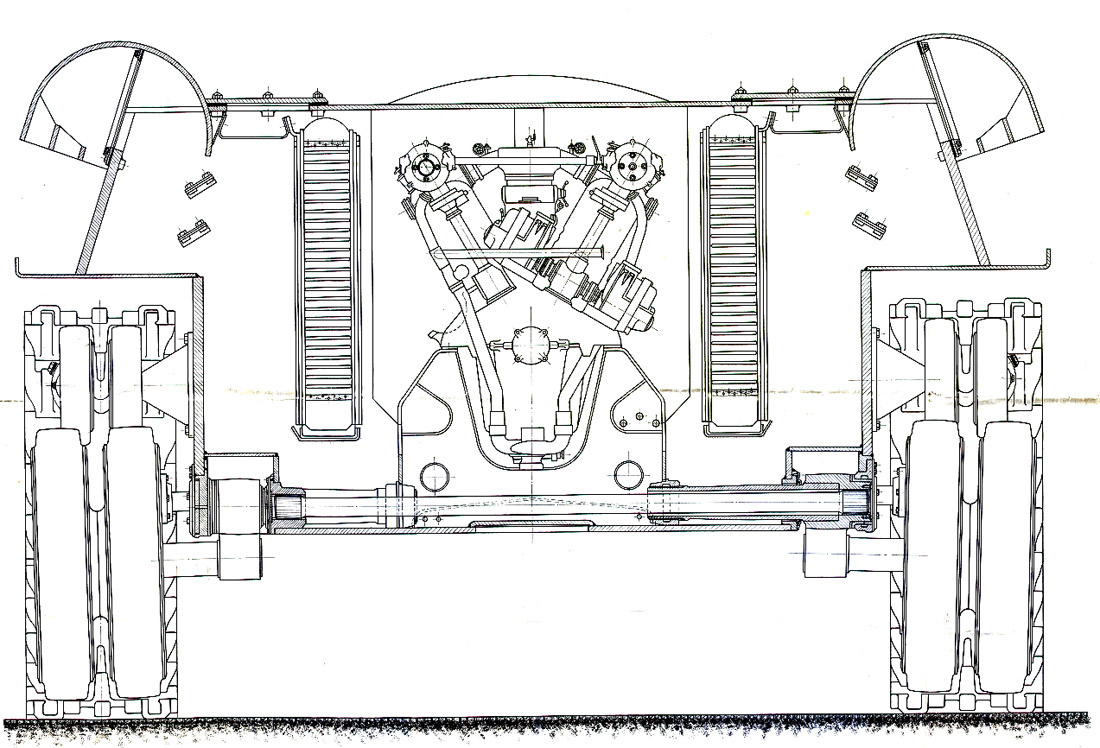
The “torsion” suspension option
By the summer of 1937, it had become clear that the T-29, in its current form, would no longer be mass-produced. In June 1937, correspondence first mentioned the development of a T-29 hull and turret made of cemented armor. In fact, this was not merely a matter of new armor, but rather a fairly significant modernization of the tank. Roughly the same thing was happening with the T-46-1, which was receiving a hull and turret with sloped sides. This increased the armor’s effectiveness without a significant increase in weight. At the same time, in June 1937, information emerged regarding the development of a new running gear. This involved a “torsion” (as it was referred to in documents) suspension system, which was being developed by N.F. Shashmurin. For him, this was his first major project as a design engineer at SKB-2 of the Kirov Plant.
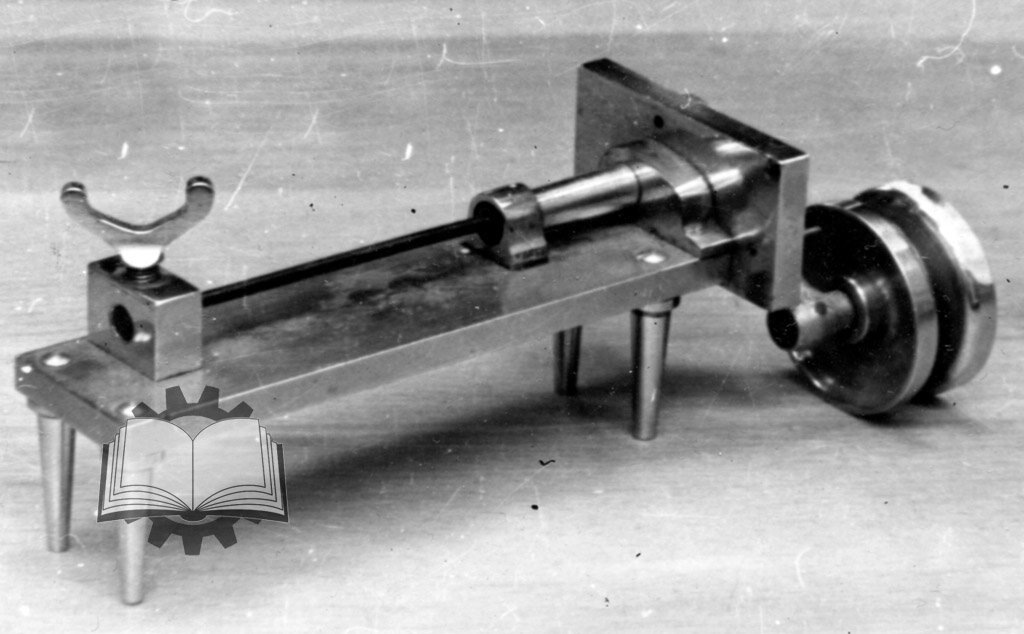
This suspension system was developed by N.F. Shashmurin
N.V. Tseits remained the lead engineer for the machine, which was designated the T-29Ts. Meanwhile, Zh. Ya. Kotin became the new head of Design Bureau No. 2 at the Kirov Plant; he had come from the Military-Industrial Commission of the Air Force to replace O. M. Ivanov, who had been purged (the reason being that Ivanov had accepted 100 defective T-28 tanks). On May 22, 1937, pursuant to Plant Order No. 7/NO, a tank department was established, which Kotin headed. It should be noted that prior to 1937, the Kirov Plant functioned primarily as a support unit for Plant No. 185. In other words, SKB-2 essentially served as a link between tank development (Plant No. 185) and actual production. Work on artillery proceeded more successfully than work on tanks. In particular, to replace the rejected PS-3 76-mm tank gun, the Kirov Plant developed a similar system, the L-10.
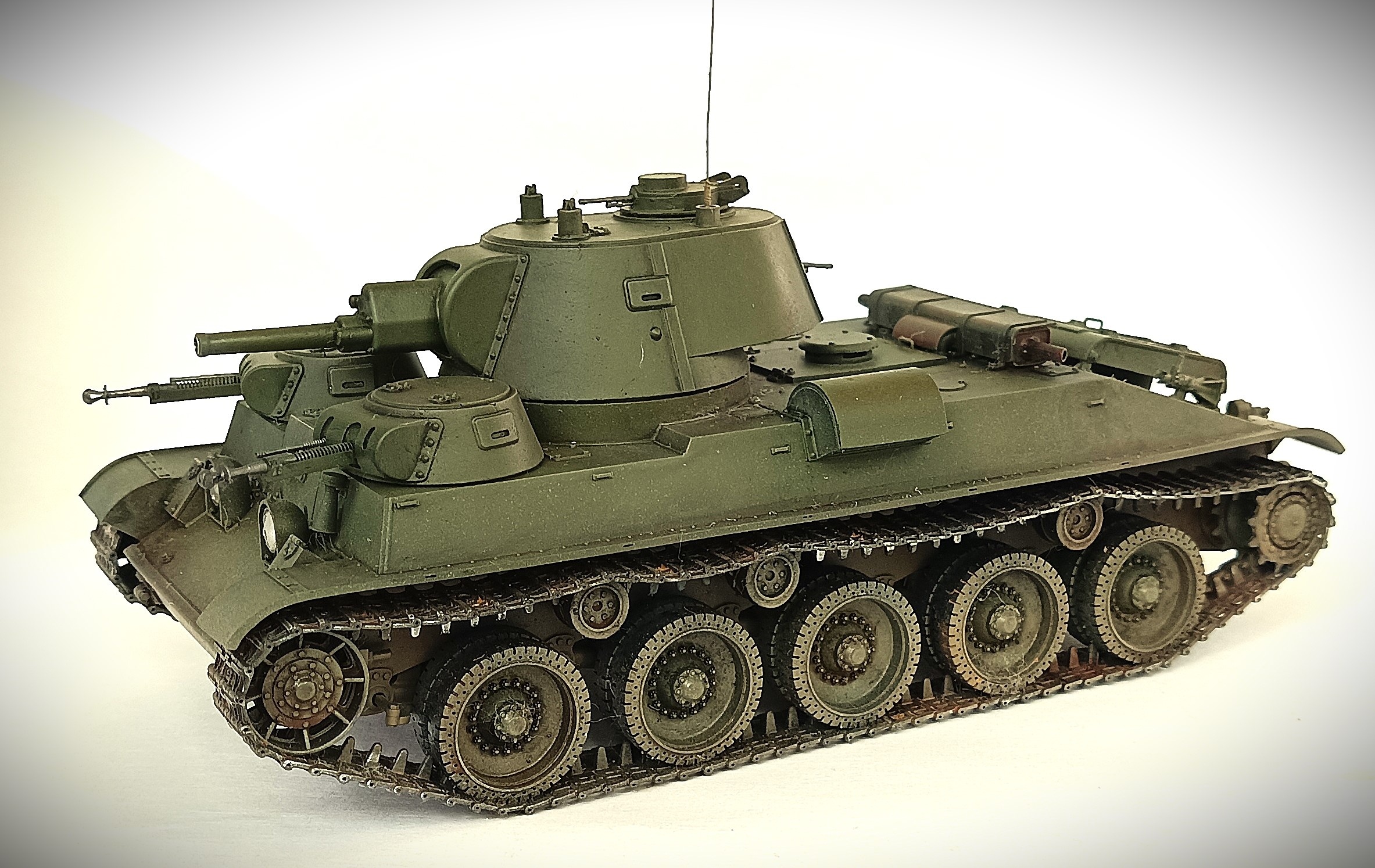
Redesign of the T-29CN’s exterior by Alexander Kalashnik, Omsk
The technical specifications for the T-29C were finally approved by the ABTU KA on October 29, 1937. And judging by them, it’s clear that this was no longer quite the same T-29. The combat weight increased to 30–32 metric tons, the thickness of the frontal armor to 50 mm, and the thickness of the side armor to 30 mm. The top speed was reduced to 50 km/h (on both wheels and tracks), while the M-17F engine was eventually to be replaced with a 700-horsepower diesel engine. The armament consisted of a 76-mm L-10 gun in the main turret, while the machine gun turrets housed DT machine guns and DK heavy machine guns. The gun’s elevation angle was increased to 65 degrees. This was a common requirement in Spain, where the tank had to fire at the upper floors of buildings. The main turret was also equipped with an anti-aircraft machine gun.
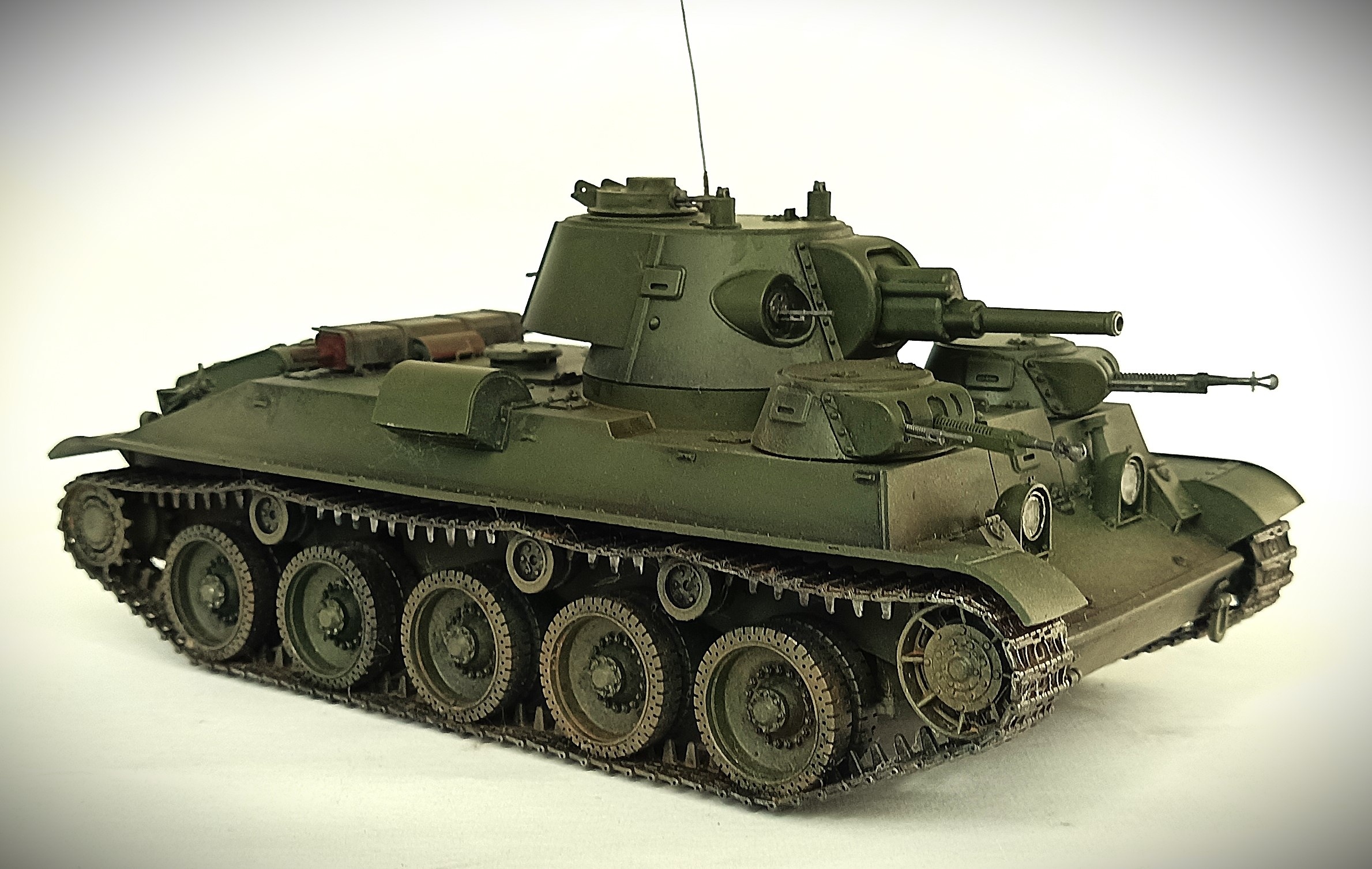
It was already a full-fledged breakthrough tank
By and large, the T-29Ts project turned out to be more of an interim one. On January 13, 1938, it was presented in a slightly modified form. The vehicle was 6,900 mm long, had a combat weight of 30 metric tons, and its armor thickness was reduced to 30 mm. The design specified in the ABTU KA technical specifications came to be known as the T-29CN. In fact, this designation had appeared as early as 1937, and it was this particular design that was considered the primary one. The hull length increased to 7,000 mm (and later to 7,300 mm), and the combat weight reached 32–32.5 metric tons. The general contours of the hull and turret, as well as the armament, remained the same as those of the T-29Ts. The torsion bar suspension was more of a backup option; the leaf spring suspension remained the primary configuration. At least, “torsion bars” were not mentioned in the design. The number of road wheels increased to 10, which was a sound decision given the problems with road wheel tread failure on the T-29.
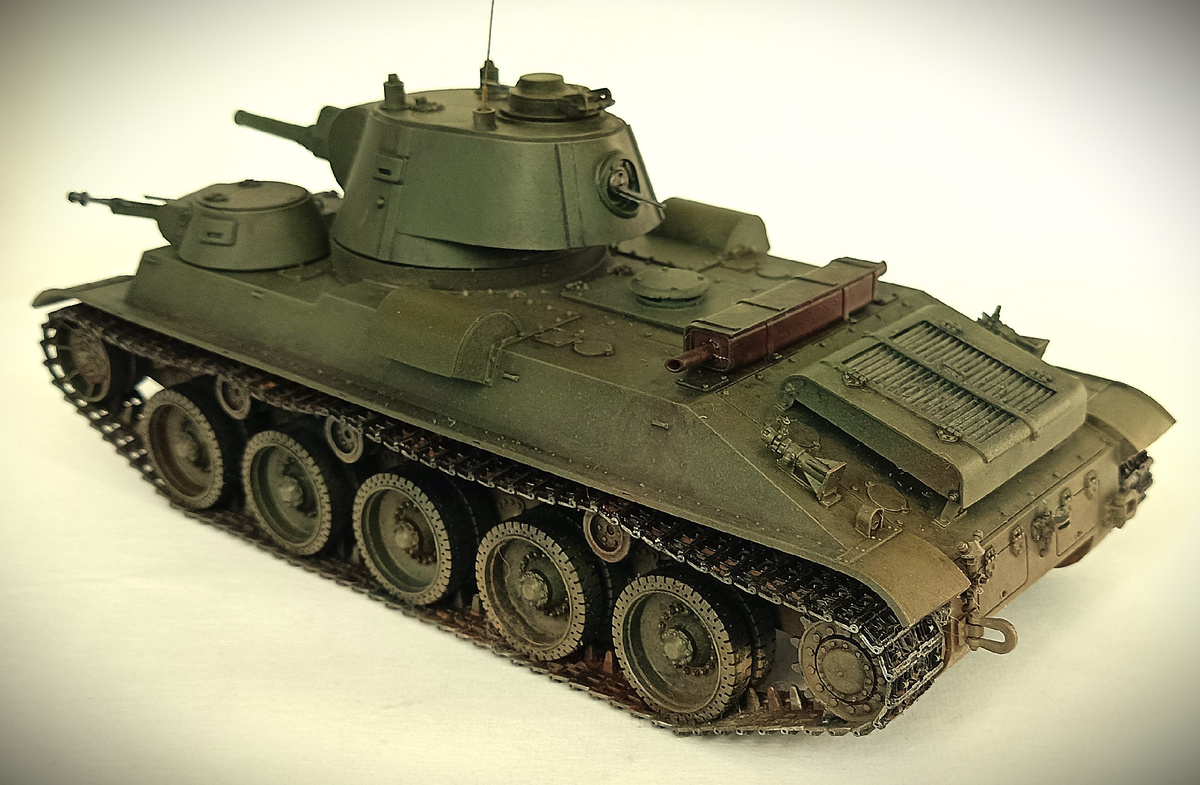
However, by 1938, the T-29 concept had already become obsolete
The T-29CN was a direct competitor to the T-115 designs from Plant No. 185. Ironically, some publications referred to the T-29CN as the T-115 from the Kirov Plant. The T-29CN was unambiguously designed as a breakthrough tank. It was intended to be equipped with a fan-shaped rear flamethrower with a range of up to 25 meters. It was also to be equipped with a smoke-laying device, underwater driving equipment, and a collective protection system against chemical agents. The wheeled configuration was useful solely for increasing the range. On tracks, the T-29CN could travel 160 kilometers over rough terrain, while on wheels, its range increased to 200 kilometers.
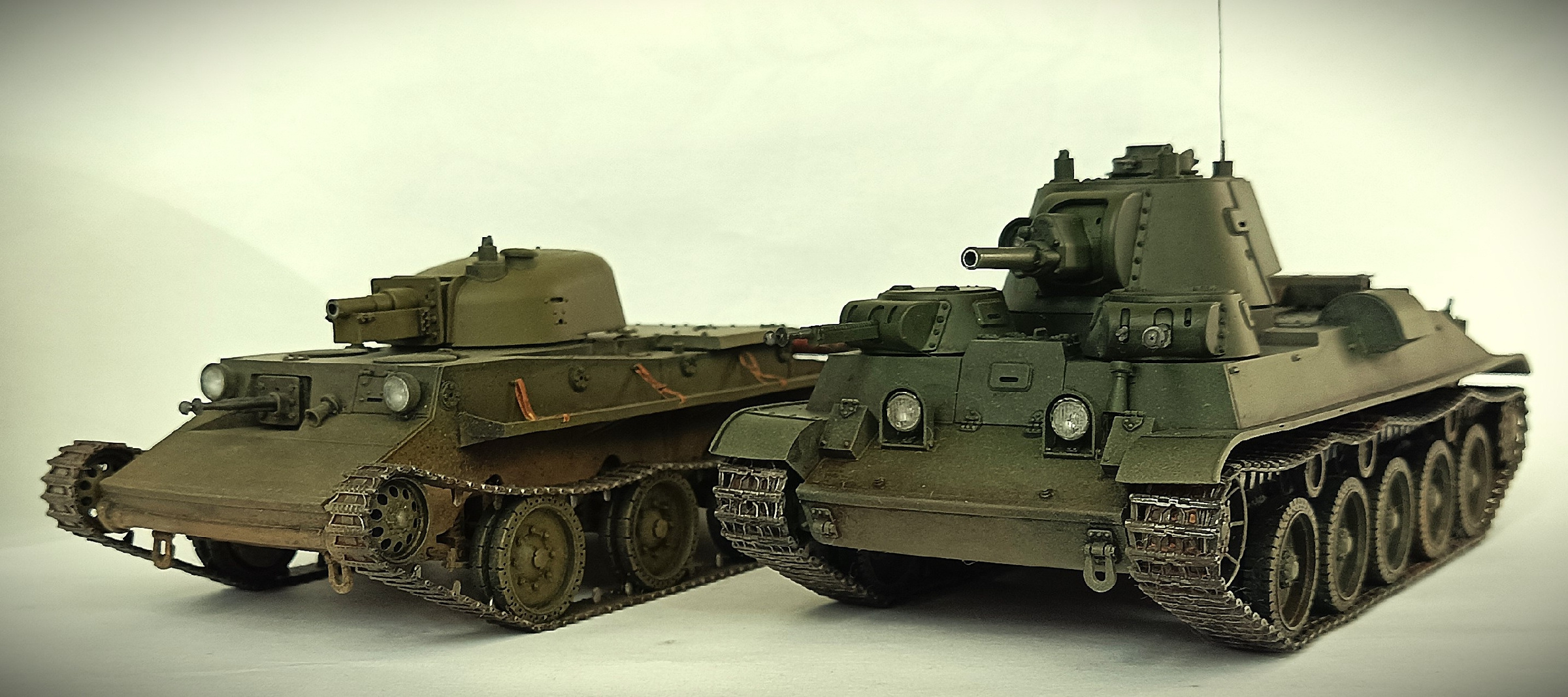
T-29: The Beginning and End of the Story
Meanwhile, the new head of the ABTU KA, D.G. Pavlov, had a different vision of what a breakthrough tank should be like. And it cannot be said that he was wrong. Instead of the T-29CN and T-115, he ordered the development of a new breakthrough tank with 60 mm of armor around its perimeter. This was already full-fledged anti-shell armor. There were more questions about the fact that the new tank turned out to be more of a replacement for the T-35. But the story then took a different turn. The KV project emerged, becoming a direct counterpart to the breakthrough tanks of late 1937–early 1938. It no longer had three turrets and was smaller than the SMK/T-100. As for the T-29CN, it simply could not keep up with the growing requirements. Its cancellation at the preliminary design stage came as no surprise. On August 7, 1938, Resolution No. 198ss of the Defense Committee under the Council of People’s Commissars (SNK) of the USSR halted work on the T-29.
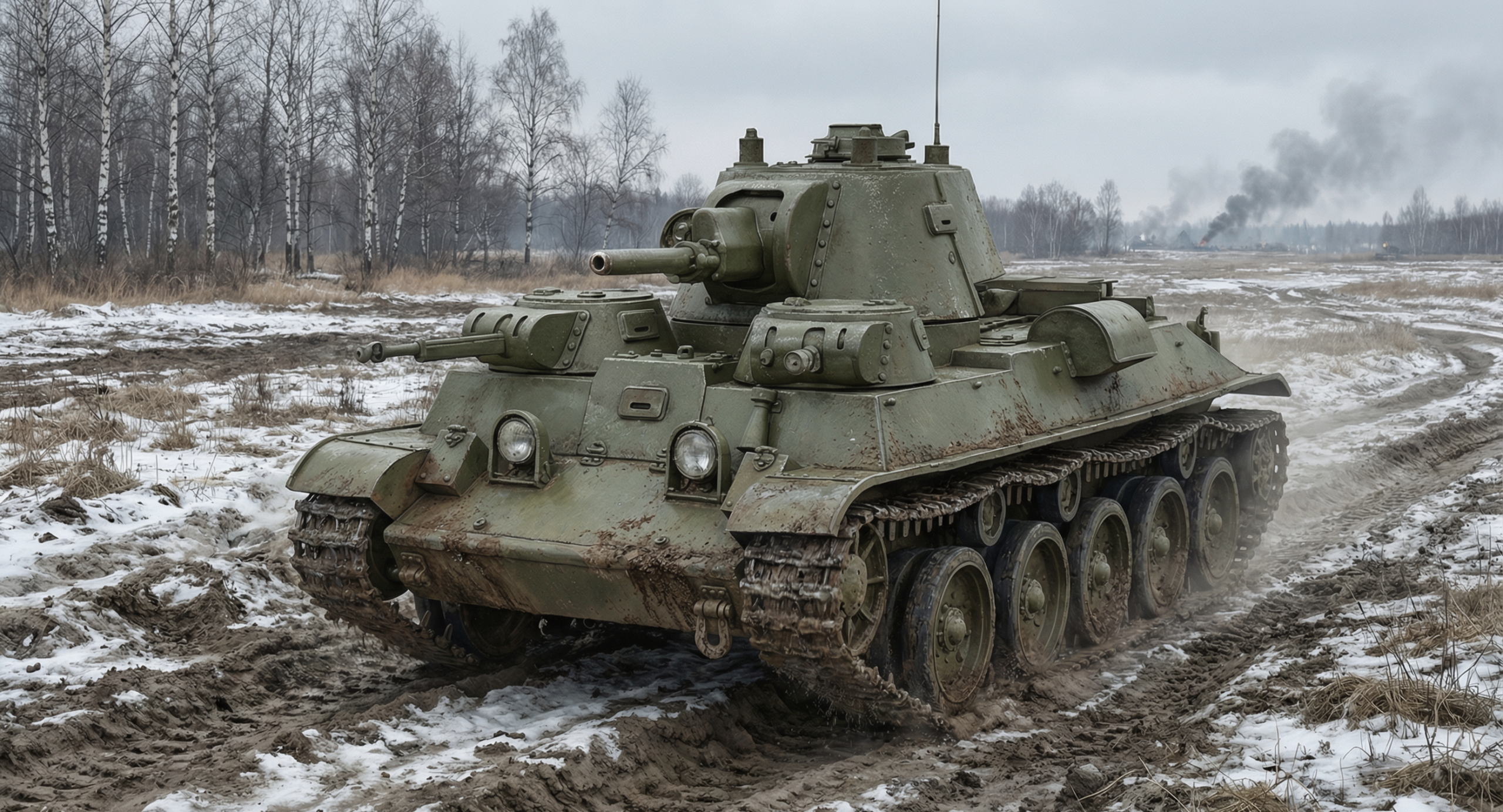
A hypothetical scenario involving the combat use of the T-29CN tank. Image generated by lmarena.ai
The author would like to thank Alexei Makarov and Vadim Antonov (Moscow), as well as Alexander Kalashnik (Omsk), for their assistance in preparing this material.
List of Sources:
-
-
- RGVA
- Central State Archives, St. Petersburg
-