Landsverk Pricken, Leo, Lansen, and other promising Swedish tanks from 1944–51
Contents:
Despite their neutral status, the Swedish military was well aware of what was happening around them. While Sweden was in a more or less safe position during World War I, in 1940 the Swedes were, one might say, lucky. Sweden was not prepared for war, especially when it came to tanks. The events unfolding in neighboring Denmark and Norway forced the Swedish parliament to get its act together and begin funding the army. On October 9, 1940, a contract was signed with Landsverk to produce 100 Strv m/40 light tanks. Next came the Strv m/41 light tank, the Swedish version of the Czechoslovak LT vz.38. However, the most successful model was the Strv m/42, also known as the Landsverk LAGO II. This medium tank, which the Swedish military classified as a heavy tank, was the only adequate combat vehicle produced by Sweden during World War II.
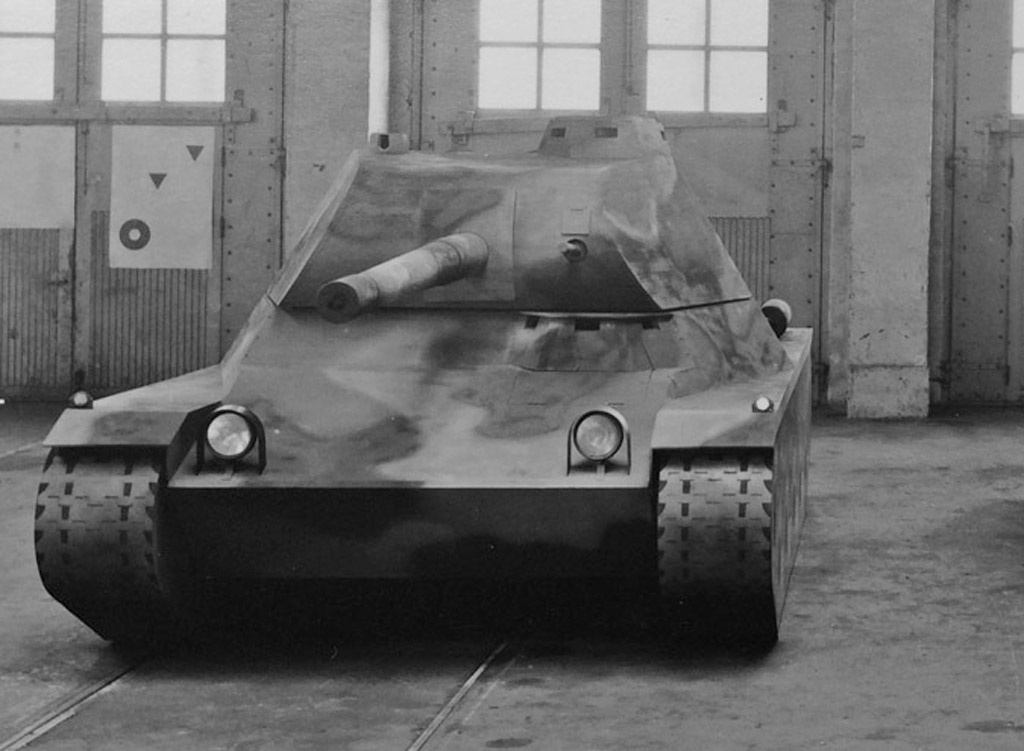
A plywood model of the Lanssverk Lansen—the best the Swedish military could achieve in the second half of the 1940s
In 1942, a large-scale program to reorganize the Swedish Royal Army began. Full-fledged tank regiments were established. At the same time, in 1942, work began on modernizing the Strv m/42. The main reason for launching the modernization effort was information about the Soviet T-34 medium tank. The Strv m/42’s 75-mm gun was unable to penetrate its armor. In July 1943, Landsverk presented its first concept for a modernized Strv m/42. This marked the first step in a long program to develop a successor to the Strv m/42, which took place primarily on paper and in the form of plywood models.
A 30-metric-ton paper mill
At first, the Swedish military was reluctant to increase the tank’s combat weight. They were very reluctant to raise it, believing that 22 metric tons would be sufficient. However, by January 1943, it had become clear that the combat weight of the modernized tank would be 25 metric tons. The KATD (Kungliga Arméförvaltningens Tygdepartement, the Royal Army’s Armaments Department) was forced to accept this. However, the modernization proposals presented in July 1943 turned out to be nothing more than wishful thinking. The only element adopted from the designs dated July 17, 1943, was the 75-mm gun with the ballistics of the 7.5 cm Lvkan m/30 anti-aircraft gun.
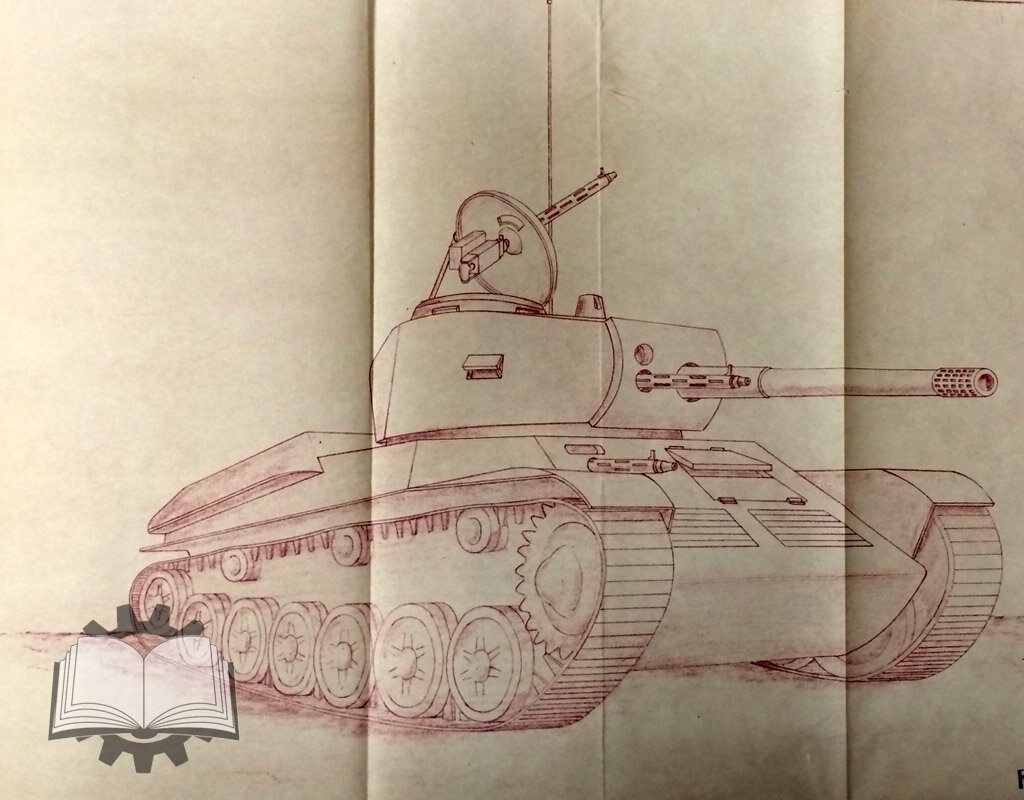
Landsverk LAGO Modernization Project, 1943
But the work certainly didn’t stop there. The fact is that, starting in September 1943, Bofors had been working on a new turret for the modernized Strv m/41 light tank. A distinctive feature of the turret, which housed a 57-mm kan l/55 gun, was the gun’s magazine-fed system. A preliminary design was completed by December 4, 1943, and on December 9, the idea was raised that a similar turret could be built for the 75-mm kan L/54 gun. It was intended to be mounted on the “22-metric-ton tank,” that is, the Strv m/42. Thus began the history of the Delat torn (split turret), which soon became available not only for the Strv m/42.
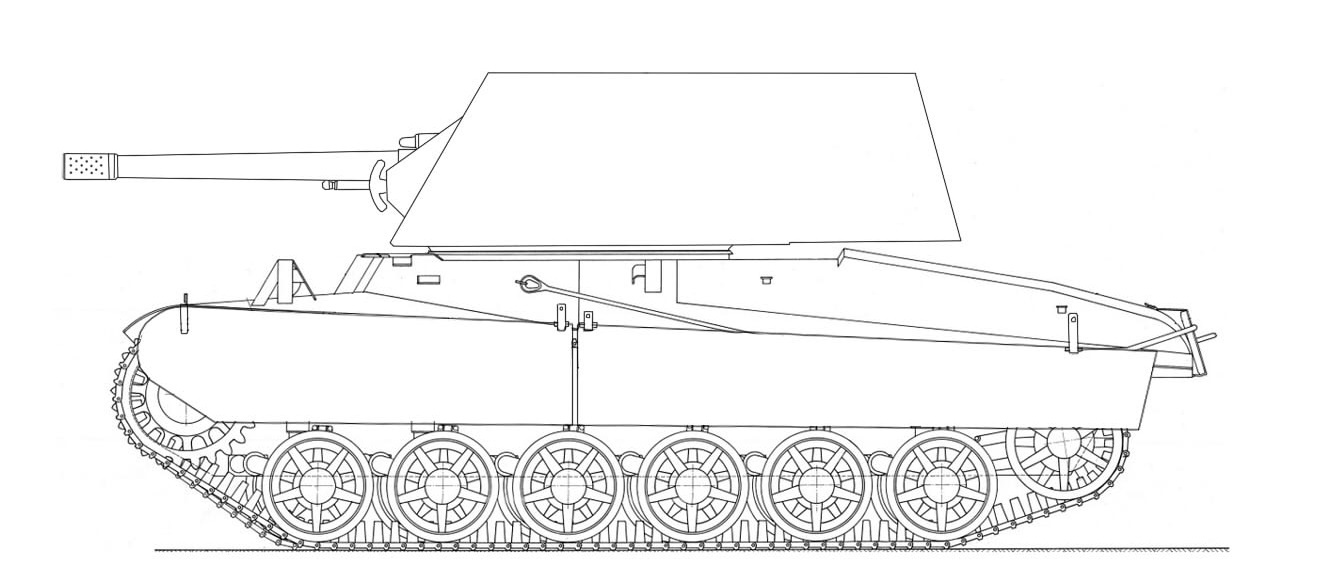
This is what the Landsverk LAGO V, as reconstructed by Victor Nurland, might have looked like
A preliminary design for the new turret was presented in March 1944. Subsequently, on May 24, 1944, cost estimates for prototype work were released. These estimates listed two tanks—the Strv 23 ton and the Strv 28 ton. The first tank later came to be known as the Landsverk LAGO V. In fact, this was the Strv m/42, which underwent minor modifications to its chassis, and its standard turret was replaced with a Delat torn. A total of 495,000 Swedish kronor was allocated for the LAGO V prototype program. This was the simplest way to develop a new tank. Equally important was that it did, at least, yield some results. At the very least, a Strv m/42 with the new turret was built.
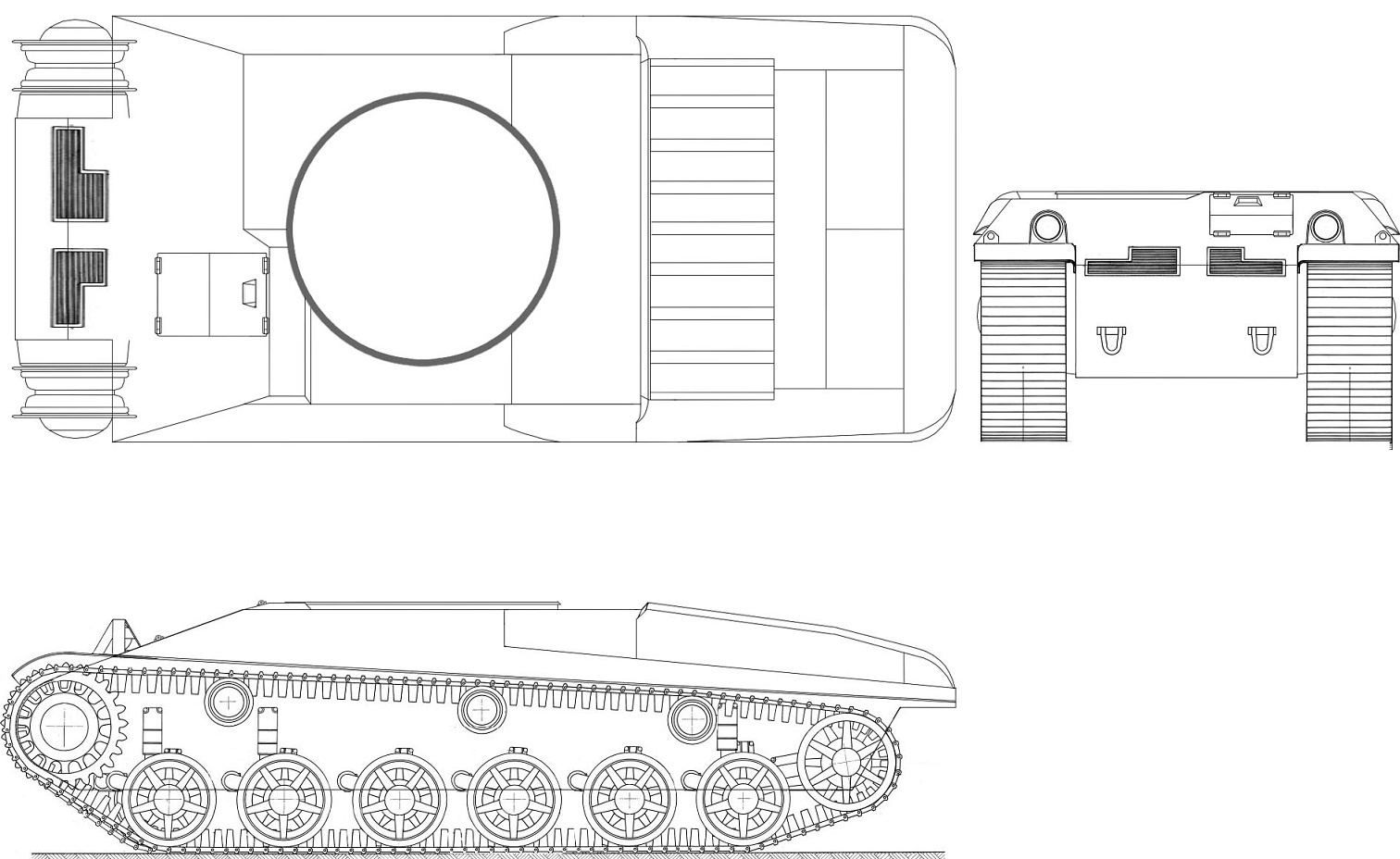
Landsverk Pricken (The Dot), chassis restoration by Victor Nurland
Another tank, however, held greater promise—the Strv 28 ton, later designated the Landsverk Pricken (dot). A total of 692,000 Swedish kronor was allocated for its development. The turret and armament were the same as those of the LAGO V. The tank was equipped with heavier armor protection, as well as a 430-horsepower Volvo engine. With this engine, its maximum speed was 50 km/h.
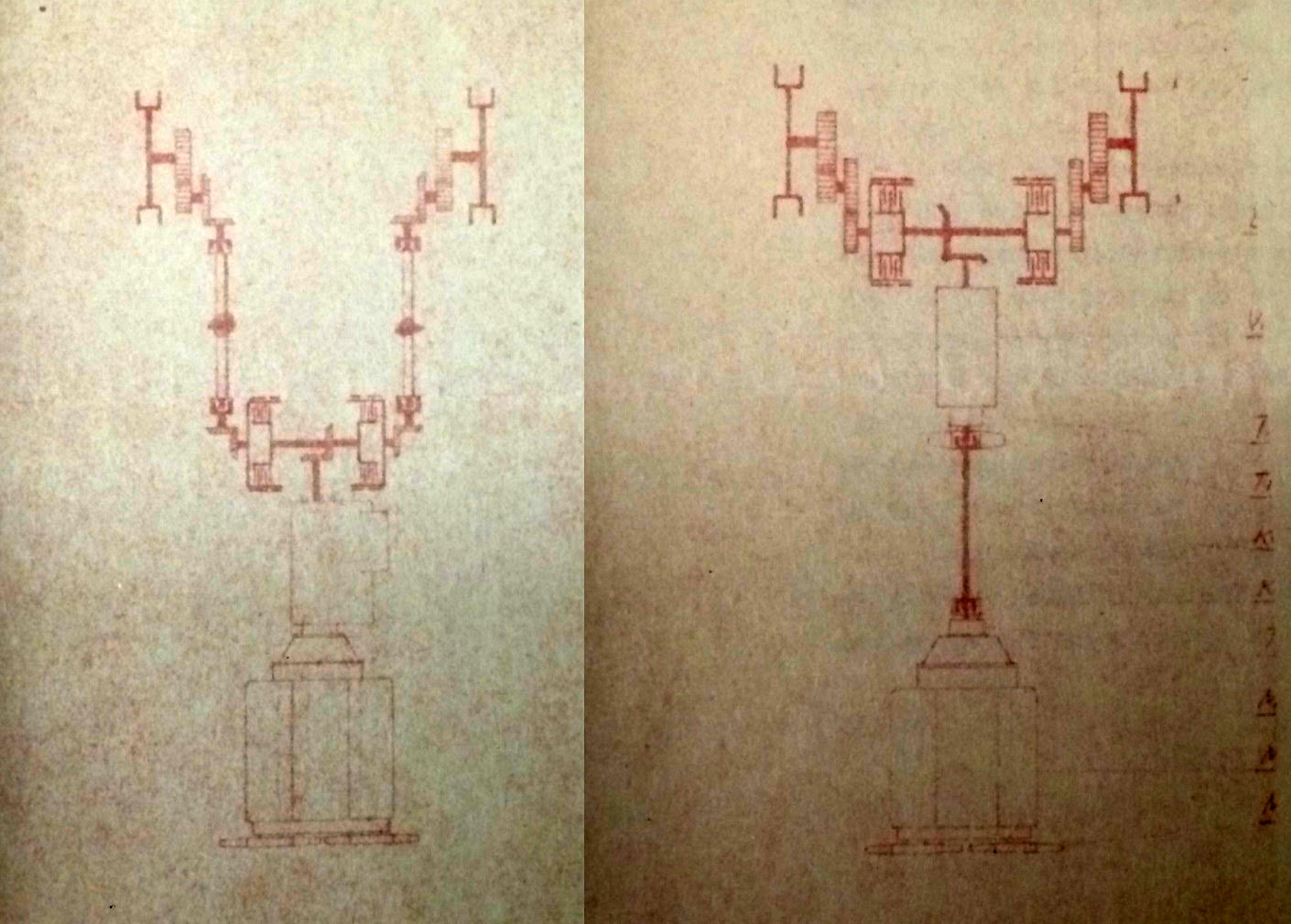
Layout Options for the Landsverk Pricken Engine and Transmission Assembly
In November 1944, the tank’s specifications were revised. Its combat weight was now 30 metric tons. In December, the designations LAGO V and Pricken were introduced, and the latter provided specific details regarding the vehicle’s dimensions. The vehicle was 6 meters long, 3.1 meters wide, and 2.6 meters high. The ground pressure did not exceed 0.7 kg/cm², which was a very important factor for Sweden. At the same time, discussions began regarding the need to increase the shell’s muzzle velocity. The thickness of the frontal armor reached 70 mm. A surviving sketch of the hull shows that it bore some resemblance to the July 1943 modernization design for the Strv m/42. In other words, the front of the hull was designed with an optimal angle of armor inclination.
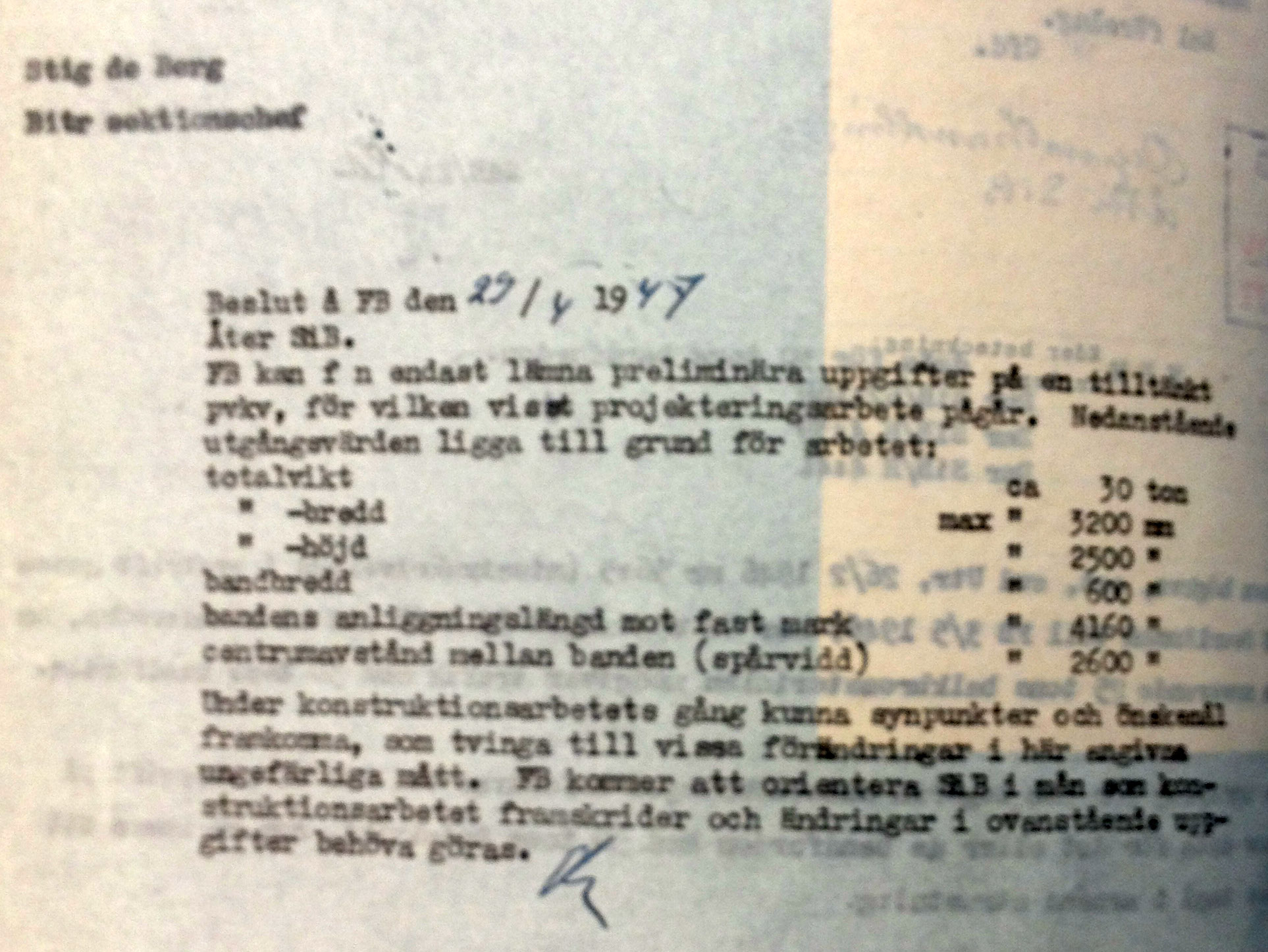
Discussion of the Technical Specifications for a 30-metric-ton Tank, December 1946
As the saying goes, the appetite comes with eating. In April 1945, the specifications for the Landsverk Pricken were revised. Its combat weight was now estimated at 30–32 metric tons, and its overall dimensions had changed slightly. The tank became 20 cm narrower and the same amount lower; apparently, the idea of the Delat torn was gradually being abandoned. The armor thickness decreased slightly (to 65 mm), but the armament proved to be more powerful. In addition to the 75-mm gun, with an initial projectile velocity of 1,000 m/s, a 105-mm gun with an initial velocity of 850 m/s was introduced. It was based on the design of the 10.5 cm Lvkan m/42 anti-aircraft gun. Two transmission variants were also being developed. The first layout called for placing the transmission immediately behind the engine, while the second more closely resembled the Strv m/42 EH. As for the engine, its power increased to 450 horsepower.
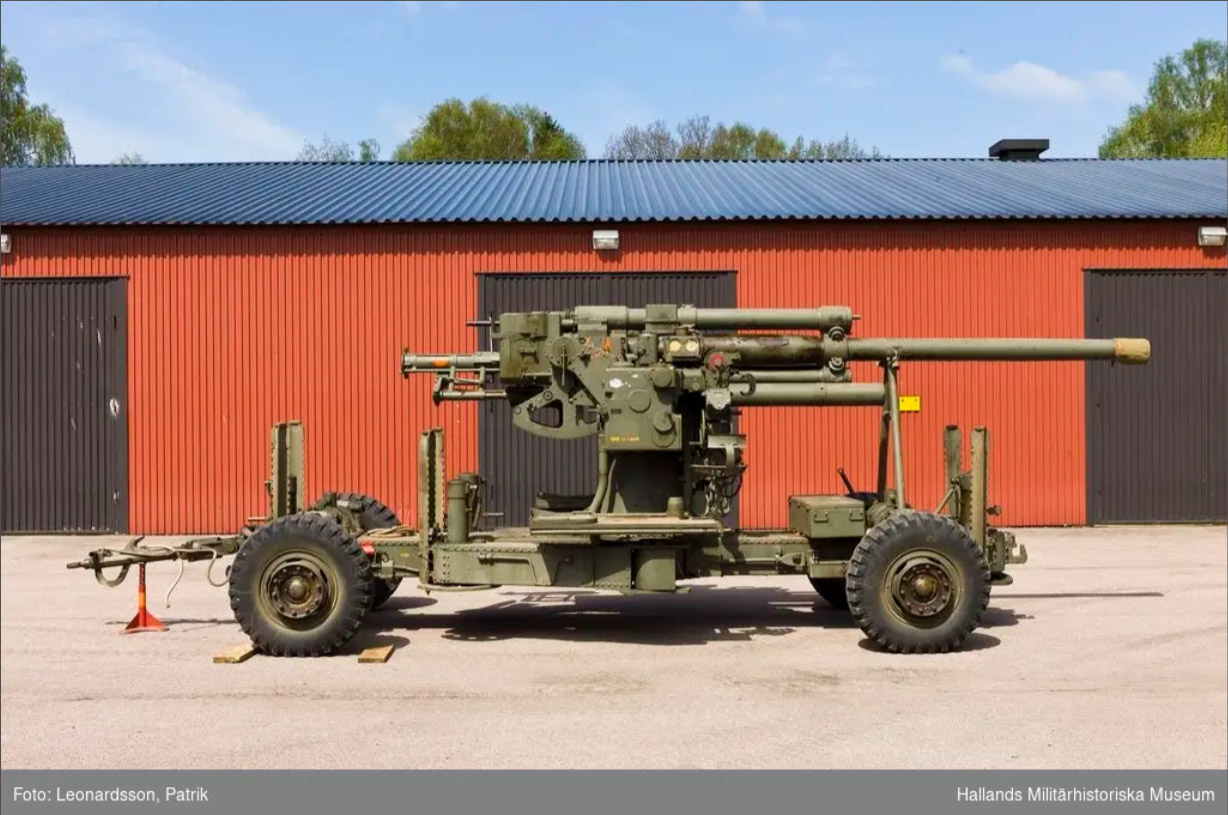
The 10.5 cm Lvkan m/42, an anti-aircraft gun, began to be considered as a potential armament for a new tank
Further experiments led to the development of a tank designated LS-46. The work was greatly influenced by a trip taken by a delegation from KAFT (Kungliga Arméförvaltningens Tygavdelning, the Royal Army’s Armaments Department, as the agency had been known since 1944) to Czechoslovakia, to the ČKD factory. In October 1946, the delegation—which included Erik Gillner, one of the key figures in Swedish tank design—met with Alexei Surin, ČKD’s chief tank designer. Surin outlined his vision for the tank, which partly coincided with the ideas of Landsverk as well as KAFT.
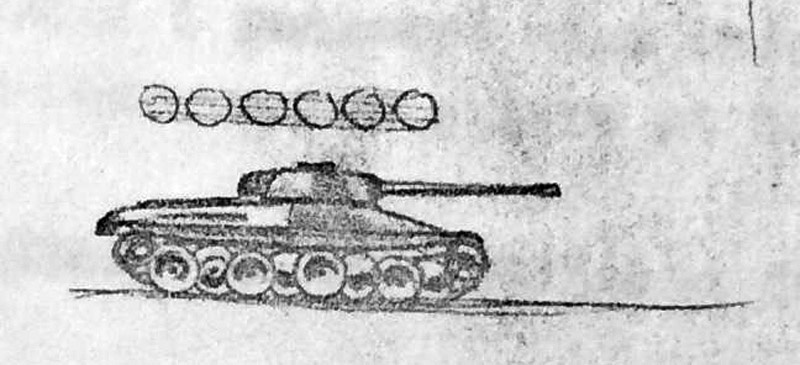
Landsverk LS-46, the only known image of it so far
According to Surin’s concept, the engine’s power was to be at least 620 horsepower. An engine meeting these specifications was found at the British company Rover. In 1947, the LS-46 project was renamed the TLS-46. At the same time, a 30-metric-ton tank destroyer, designated TLP-46, was also being developed. The chassis layout for the latter has been preserved. Although the vehicles differed from one another, their fates turned out to be the same. The Swedish response to the T-34 never progressed beyond schematic sketches.
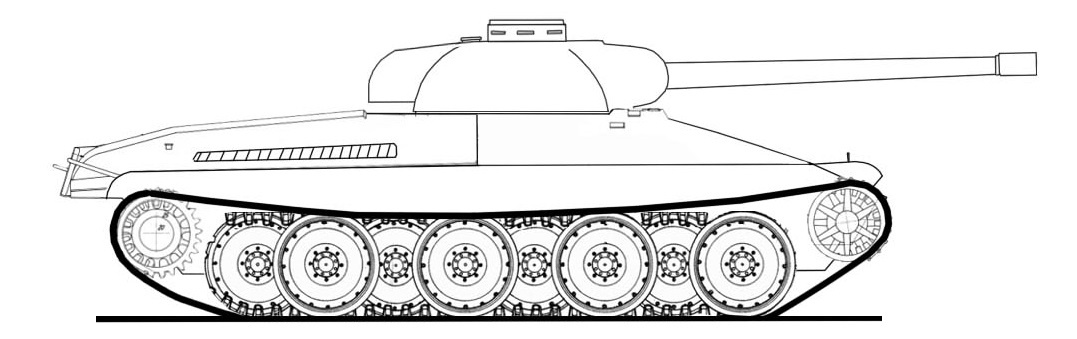
Reconstruction of the LS-6 by Victor Nurland
However, it’s not quite that simple. Even after the TLS-46 was abruptly scrapped, the Landsverk Pricken made a comeback. This tank appears on the list of experimental designs proposed for export in 1948. The tank’s combat weight was 30 metric tons, and it was powered by a… DB 605 engine. Apparently, this was a detuned version of a German aircraft engine. An alternative was the aforementioned Rover engine. With a power output of 600 horsepower, it was supposed to accelerate the tank to 60 km/h. The thickness of the frontal armor reached 75 mm.
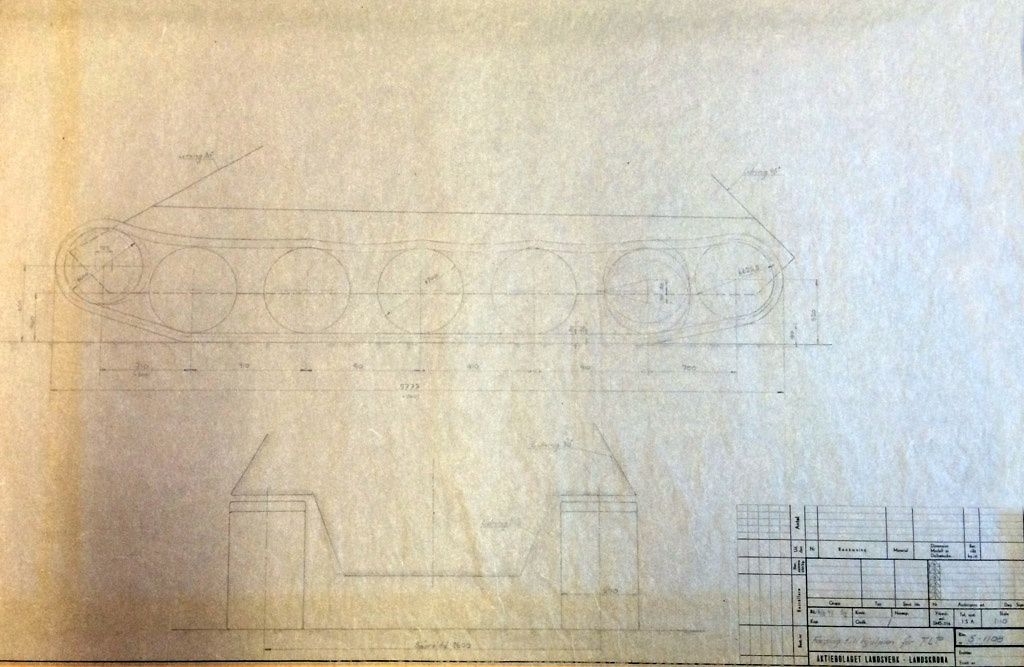
A 30-metric-ton tank destroyer designated TLP-46
It should be noted that the final version of the Landsverk Pricken bore little resemblance to the design that was being developed in 1944–45. This variant of the tank, armed with either a 75-mm or a 105-mm gun, was based on a new concept. It was conceived at Landsverk after the Swedish military had, due to budget cuts, somewhat lost its enthusiasm. Consequently, the Landsskruna-based company was forced to go it alone.
Export Ideas on Paper
There is a suspicion that as early as 1946, Landsverk began to suspect that the project was heading in the wrong direction. This is suggested by the technical specifications in the company’s catalog dated July 1946. Both the LS-46 and the LP-46 are listed there. The tank is presented in two variants—with combat weights of 30 and 25 metric tons. The latter did not meet KAFT’s requirements. It is possible that as early as the summer of 1946, Landsverk began considering export potential. In other words, Landsverk was returning to what it had been doing in the 1930s.
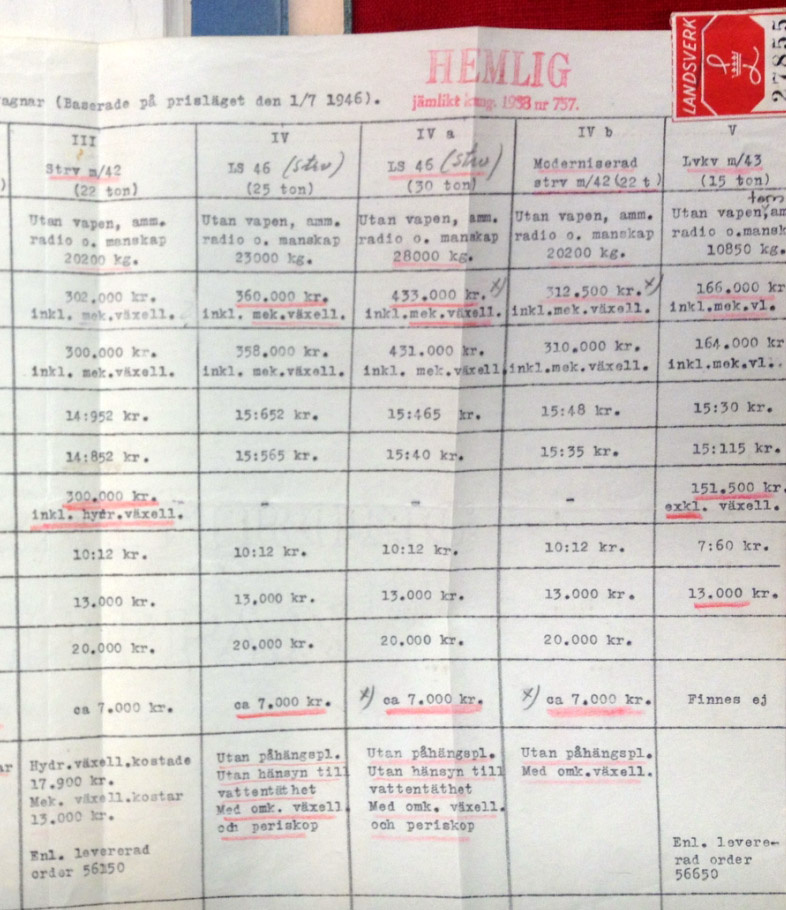
The LS-46 appeared in export proposals in 1946
One of the key reasons for the development of the 25-metric-ton tank was the lack of an alternative to the Volvo A8B engine. At best, the engine could be tuned, but it was impossible to extract more than 400–410 horsepower from it. That is why the 25-metric-ton limit was set; it was decided not to exceed this limit. Given that KAFT did not participate in these activities, Landsverk was left to its own devices.
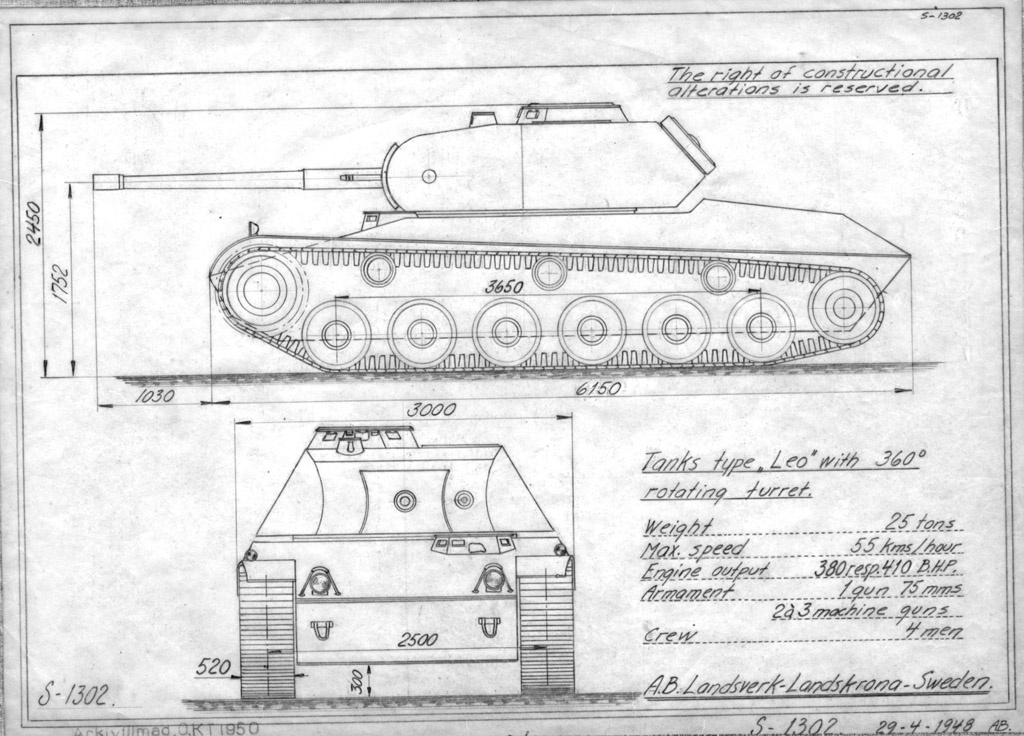
Landsverk Leo, “prokachka” Strv m/42
By the time the TLS-46 was on its last legs, Landsverk was working intensively on another tank, which was also derived from the Landsverk LAGO. The vehicle was designated the Landsverk Leo (Strv Leo), and the first prototypes appeared in the summer and fall of 1947. While the design drew on the experience gained from developing the TLS-46, the hull was significantly different. Designed explicitly for export, the tank was built to make maximum use of off-the-shelf components. The running gear, engine, and transmission were taken from the Strv m/42 EH.
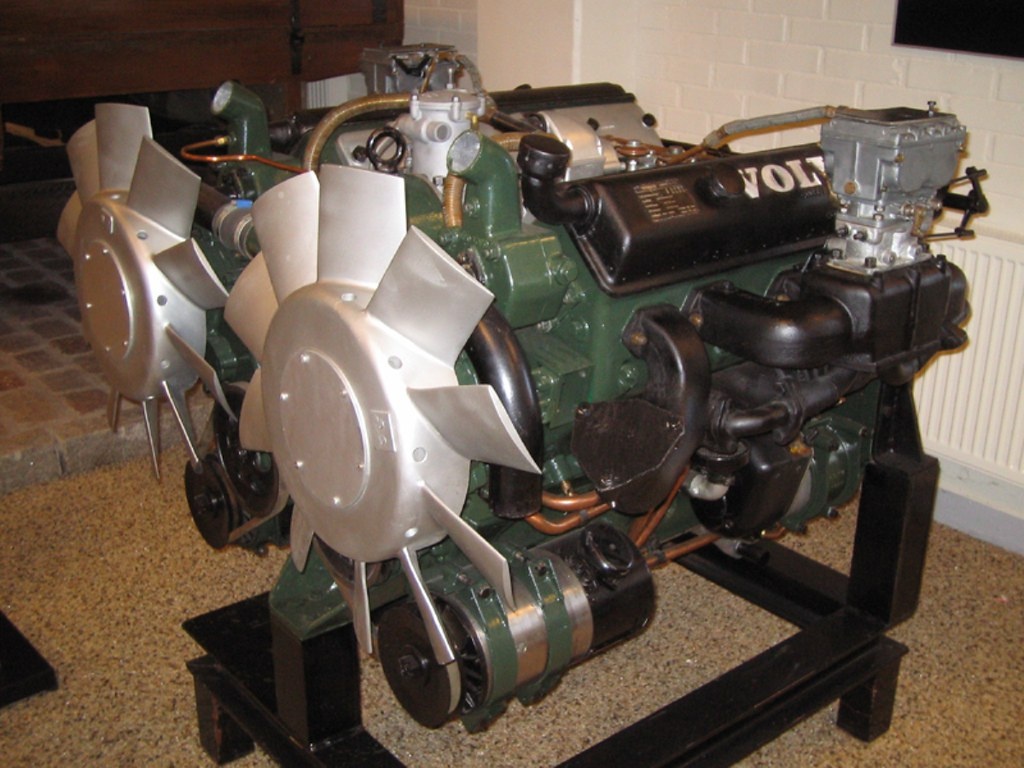
The Volvo A8B engine; in the second half of the 1940s, it was the only option available
In part, its overall dimensions and armor thickness were similar to those of the TLS-46, but its combat weight was limited to 25 metric tons. However, the hull’s armor design was different—it featured a thick lower frontal plate and a thin (only 25 mm) upper frontal plate, mounted at a 74-degree angle from the vertical. Plans were made to boost the Volvo A8B engine to 410 horsepower, with a maximum speed of 55 km/h expected. The tank was equipped with a three-man turret with a base diameter of 1,820 mm, housing the same 75-mm gun as the Landsverk Pricken. It was a decent vehicle, but there was one problem. After the war, Europe was flooded with “used” American and British armored vehicles. Under such conditions, the Landsverk Leo’s chances of finding customers were minimal.
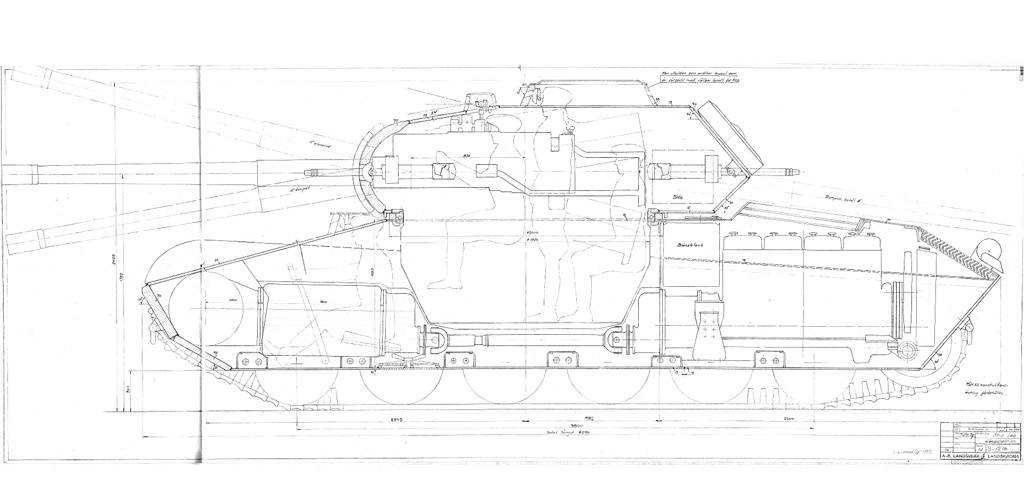
Longitudinal cross-section of the Landsverk Leo
At the same time, Landsverk was also working on a light tank. This work was a continuation of the 13-metric-ton tank project that began in 1944. Known as the Lillpricken (Little Dot), it was allocated a budget of 425,000 kronor in 1944. The problem was that the Swedish military quickly lost interest in the tank. At Landsverk, however, they believed that demand for light tanks would persist in postwar Europe. Frankly speaking, these assumptions were mistaken, especially given the existence of the M24 Light Tank. It was inferior to the Strv m/42 only in terms of armor thickness, and given the development of anti-tank weapons, that advantage was debatable.
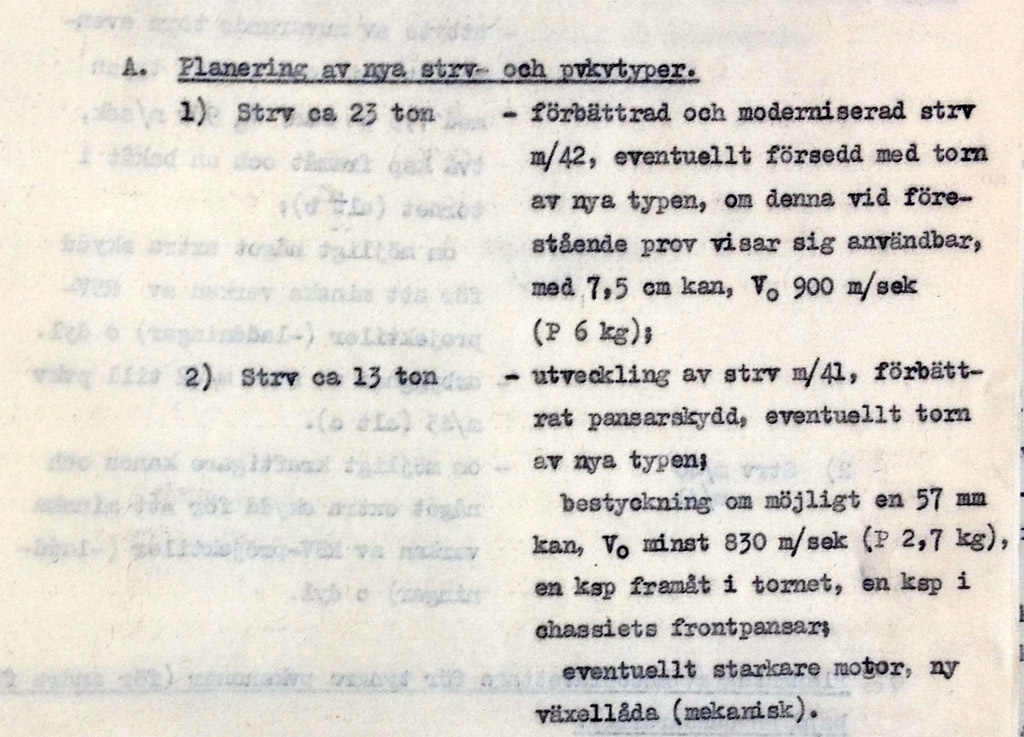
One of the references to Landsverk Lillpricken, 1944
The new light Swedish tank was designated Landsverk Pilen (Strv Pilen). The vehicle’s chassis was similar to that of the Strv m/42 TH, meaning it was equipped with a pair of Scania-Vabis Typ L 603/l engines. Together, they produced a maximum power output of 342 horsepower, which was more than enough for a 17-metric-ton tank. The rear section of the hull resembled that of the Leo, while the front of the hull was more reminiscent of the Landsverk L-60. The armor was designed to be bulletproof—30 mm on the front of the hull and 38 mm on the front of the turret. The turret resembled a cross between the Leo and the Strv m/42, and for good reason. It was armed with the 75-mm strvkan L/31 gun, which was used on the Strv m/42. Frankly speaking, this was a strange decision, considering that the Lillpricken was originally intended to be equipped with a 57-mm gun.
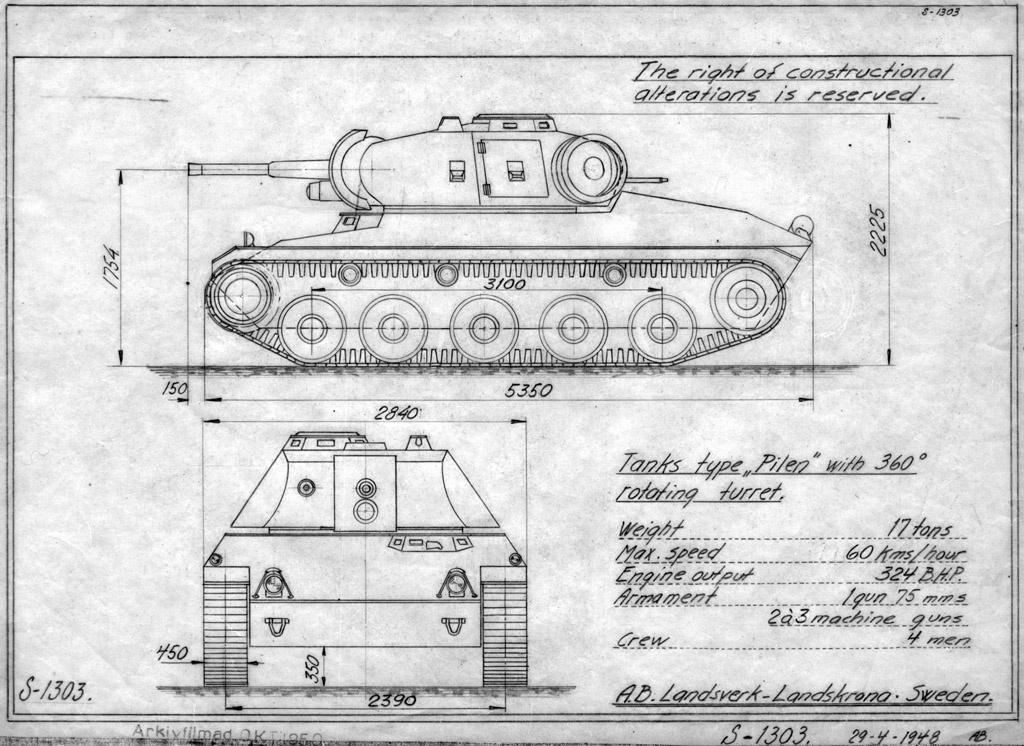
Landsverk Pilen (Strv Pilen), a light tank with parts from LAGO/Leo
As with the Strv Leo, the Pilen had a crew of four. The vehicle was designed to be mobile, with a top speed of 60 km/h. But this tank, like the Leo, never made it past the drawing board. The tank was in the same category as the M24 Light Tank, except that several thousand of the latter had already been produced. The Swedish vehicle was clearly more expensive, and its prospects seemed doubtful. It appears that even at Landsverk, they began to suspect as much from the very beginning. At the same time as the Pilen, a unique hybrid was developed in the summer of 1947. The S-1226A sketch depicted the Pilen chassis with the Leo turret, and the armor thickness was reduced to 40 mm.
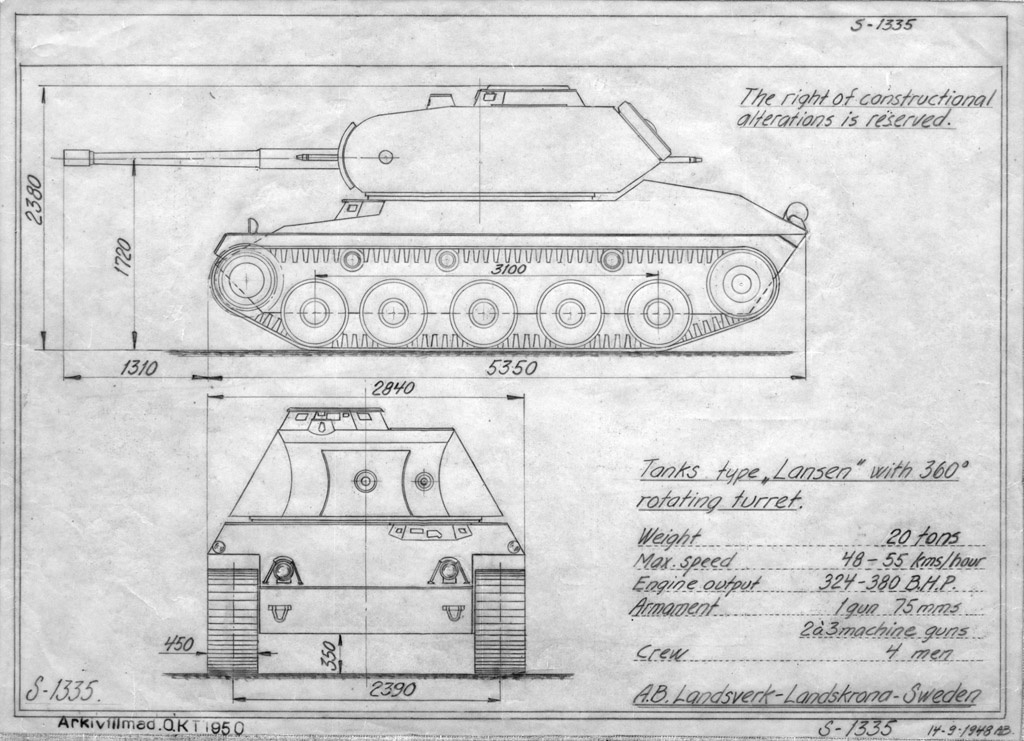
The Landsverk Lansen intermediate tank. It turned out to be the main focus of development
This idea was taken further. A third tank was introduced in 1948. Around the same time, export restrictions on the Landsverk were lifted. There was no longer any point in maintaining them, since the Swedish military itself had become a questionable customer. The fourth tank (if we count the revived Pricken) in the Landsverk line was designated Lansen (Spear; the designation Strv Lansen was also used). The armor, suspension, and engine remained the same as those of the Pilen. Because a larger turret was installed, the hull width increased to 2,840 mm. In addition to the Scania-Vabis Typ L 603/l twin-engine setup, there was also an alternative in the form of the Volvo A8B. The combat weight increased to 20 metric tons, and the speed, depending on the powerplant, ranged from 48 to 55 km/h.
An Attempt to Sell a Spear
In September 1948, Landsverk prepared a proposal for foreign customers. It included nine new combat vehicles, including four types of tanks. However, sketches were available for only three of them: apparently, the revived Pricken still held the interest of the Swedish military. They would lose interest in the 30-metric-ton tank, only to start drawing up requirements again. In short, they were a rather unreliable business partner, especially considering that the Swedish Army itself was actively purchasing American-made vehicles.
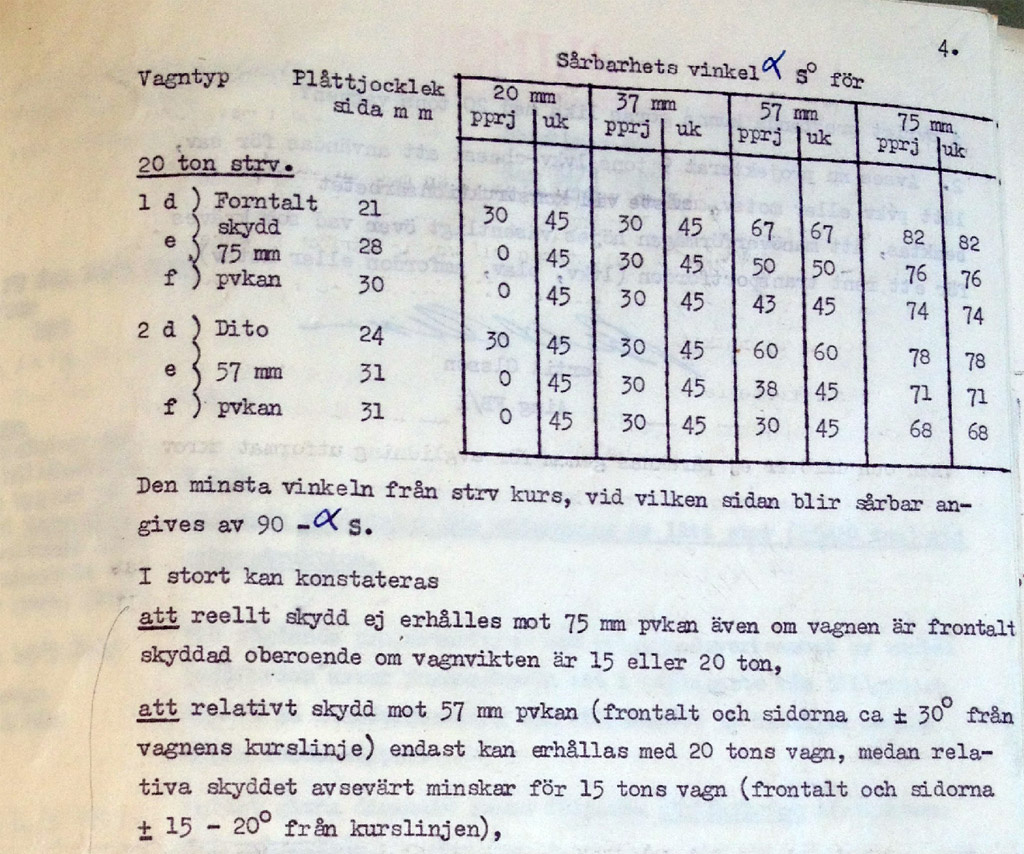
A 20-metric-ton tank, spring 1949
The Swedish military became active again in the spring of 1949. Discussions began on a new light tank with a combat weight of 15 and 20 metric tons. This vehicle was to be equipped with a Volvo A8B engine, tuned to 430 horsepower. Several armament options were considered, with 57- and 75-mm guns being the priority. The armor thickness reached 50 mm; however, the Swedish military could not explain why protection against a 3.7 cm Pak was necessary in 1949. They believed that 50 mm of armor at a 50-degree angle from the vertical would protect against a 75-mm shell—a truly naive assumption. At the same time, they were also considering a 25-metric-ton tank equipped with a 105-mm gun. Two armament options were considered—either the 10.5 cm Lvkan m/42 or the 10.5 cm kan m/34. However, one could safely ignore these deliberations by KAFT.
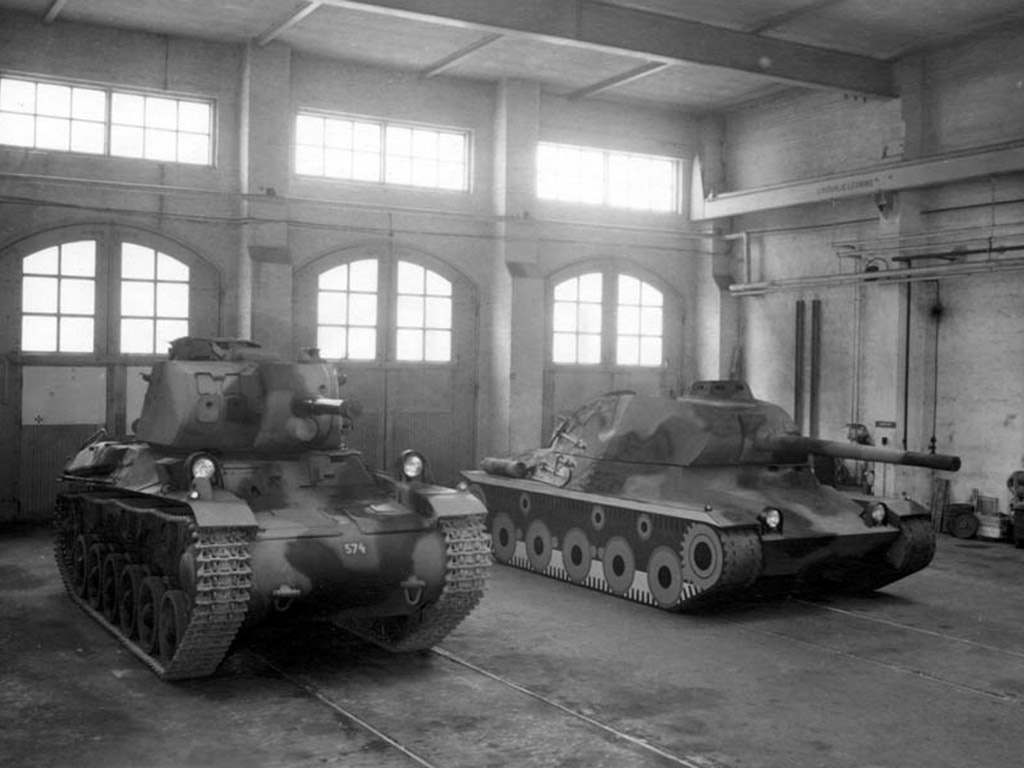
A full-scale mockup of the Landsverk Lansen, 75-mm gun variant, 1950. It was built for a demonstration to the Pakistani military.
The Swedish military’s requirements did the Landsverk a disservice. While the Landsverk L-60 seemed like an interesting option from an export standpoint, its successors found themselves in a different situation. Even the Landsverk Pricken, had it appeared on the arms market, would have had little chance of success. It was clearly outclassed by the new medium tanks, and this applied to its price tag as well. The only segment the Swedes could count on was the light tank market. As mentioned above, that segment already had a clear leader in the form of the M24 Light Tank. This is not counting the M3A1/M5A1 Light Tanks, which were purchased by less affluent nations.
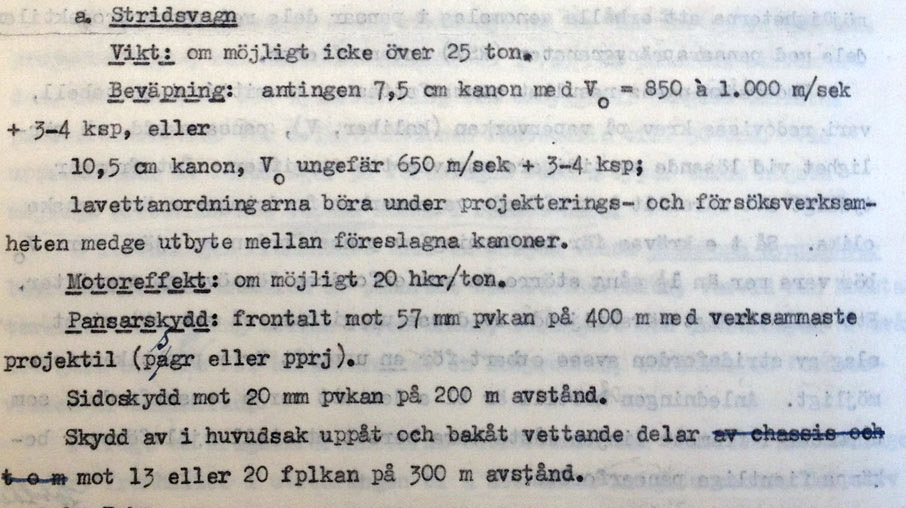
This is how the Swedish military envisioned a potential replacement for the Strv m/42
The Swedes were by no means alone in this. Czechoslovakia, once one of the leaders in the export market, faced very similar problems. Its own tank industry was never able to recover from the aftermath of World War II. On top of that, there was political pressure, as well as the military, which constantly “hyped up” its own TVP medium tank. You could say the Swedes were still the lucky ones: while the new Czechoslovak tanks failed to attract any interest at all, the Landsvrerk at least managed to scrape by.
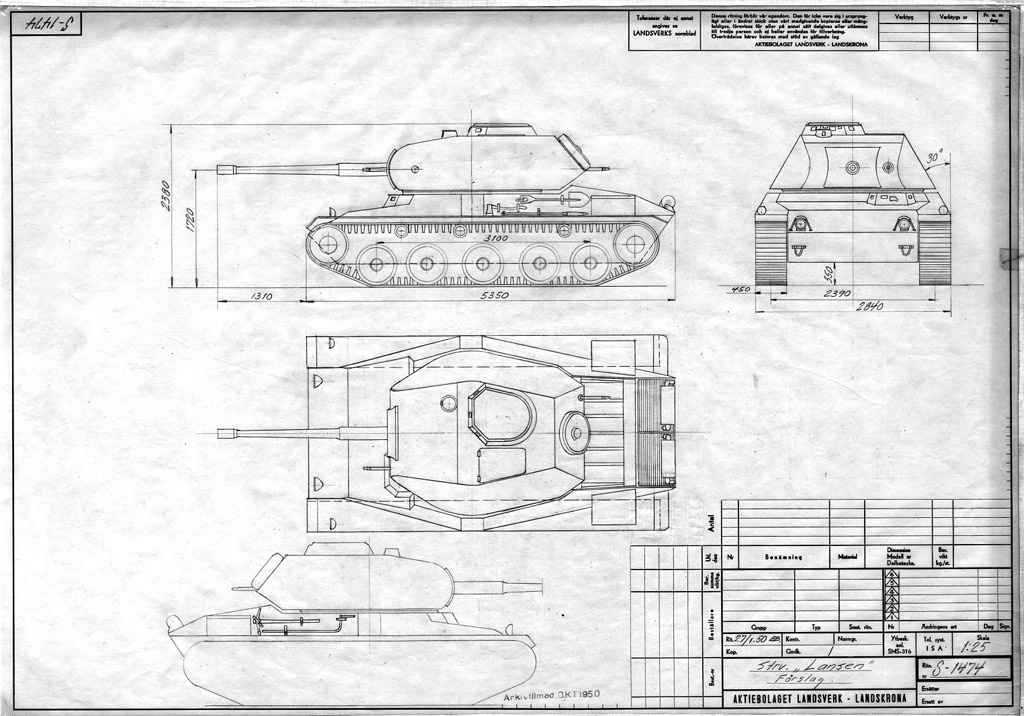
This is what Lansen looked like in early 1950
In late October 1948, Pakistan responded to Landsverk’s proposal. The young nation’s requests proved to be of great interest to Landsverk: the proposal involved the delivery of 100 tanks. Of the tanks proposed, the Lansen was selected as the most suitable. Landsverk quickly prepared a full-scale model, which was demonstrated to the Pakistani delegation at the P 2 Regiment (Hesleholm). Following this, discussions began regarding the delivery of 100 to 250 tanks.
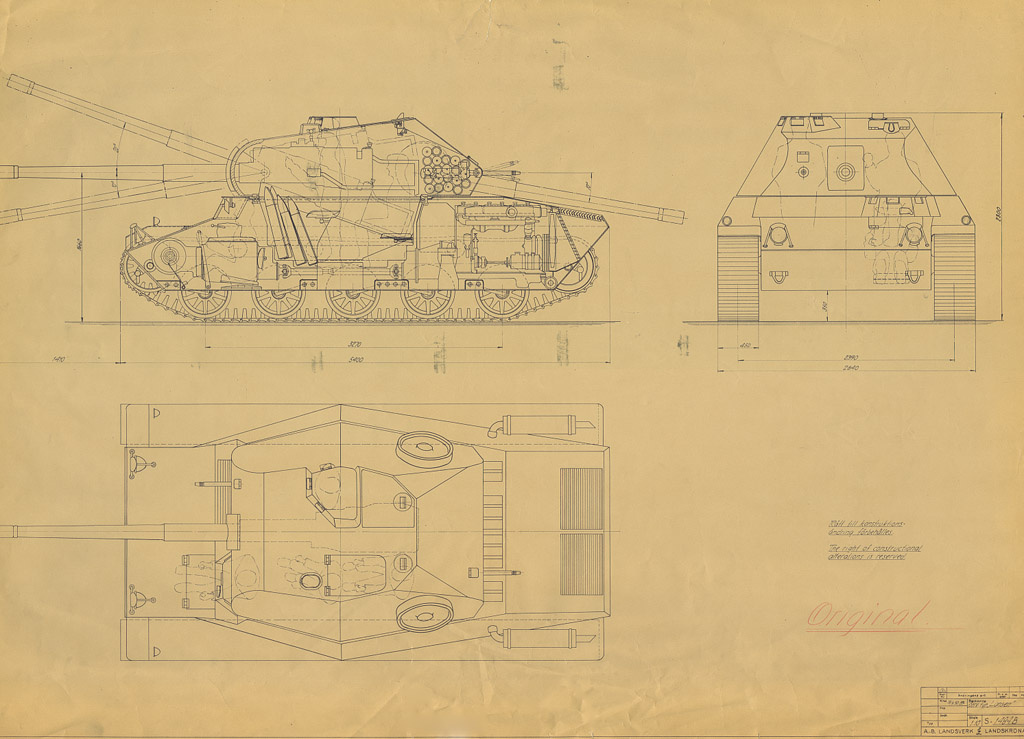
It was remodeled about three times in 1950
The fact that the deal was taken very seriously is evidenced by the fact that the Strv Lansen design was revised at least three times in 1950. The Pakistani Army’s needs kept growing. And then what happened next has already been mentioned. There were too many used tanks on the market, and on top of that, the U.S. had been actively offloading its old tanks since 1950. This was the main reason why the deal was first scaled back to 36 vehicles and then fell through entirely. However, the Pakistani program did yield some results: work began on refining the Lansen, and its combat weight began to increase; in the case of the Pakistani variant of the Lansen, it reached 23 metric tons.
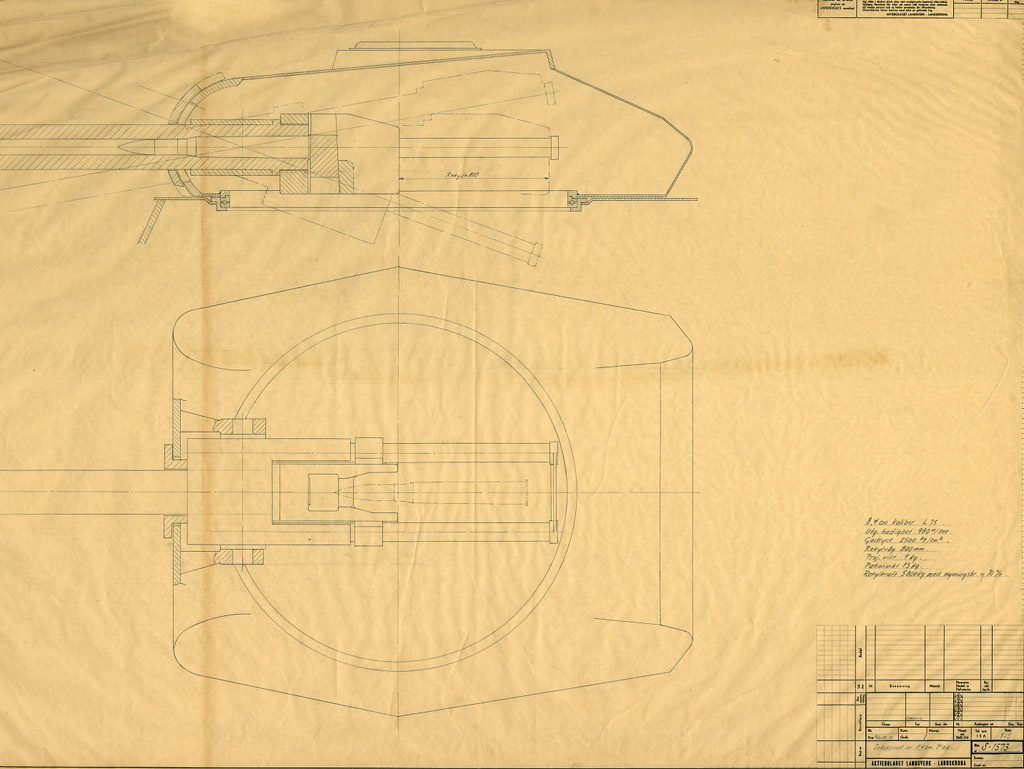
Installation of a 20-pound (84-mm) British cannon in the Lansen turret
By 1950, Lansaverk had a second potential client—Switzerland. The two neutral countries were in active contact with one another, sharing various types of information. After World War II, Switzerland was actively developing its own tanks, but things were going even worse for them than for the Swedes. It could be said that the Lansen, which the Swiss had also set their sights on, served as a backup option. Moreover, the tank was significantly modified specifically for Switzerland.
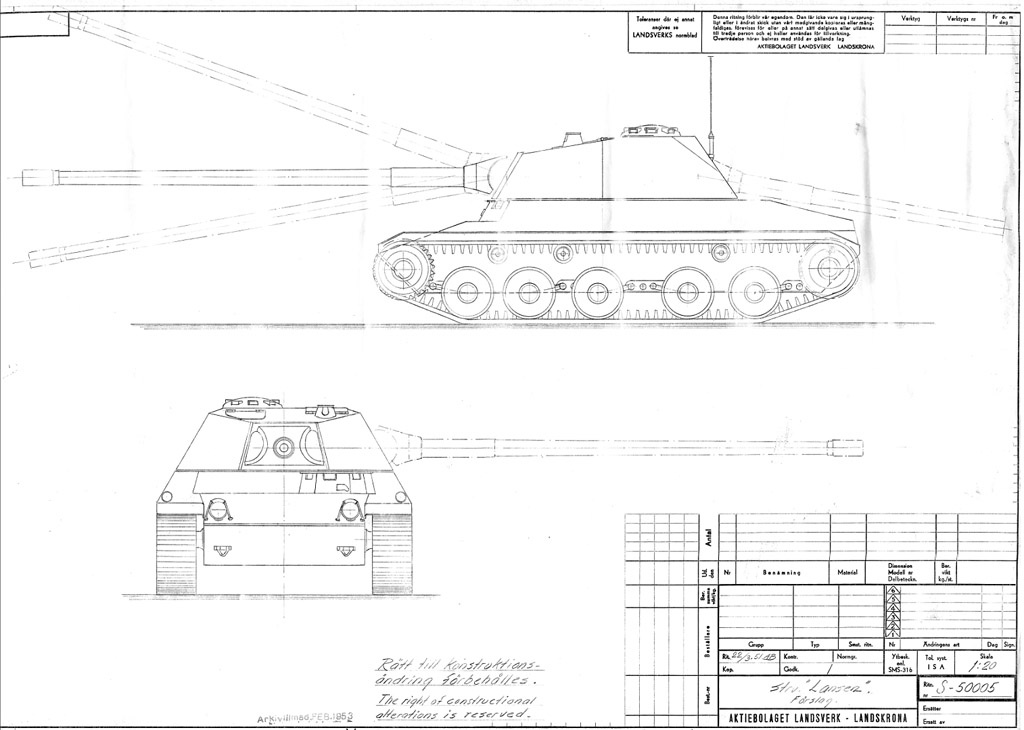
This version was developed for Switzerland
On April 18, 1950, Landsverk finalized plans to mount a 20-pound (84-mm) British gun in the Lansen turret. It was to be manufactured in Switzerland under license. The gun was to be produced in two versions—with a barrel length of 65 or 75 calibers. Due to the installation of the new gun, the turret had to be redesigned and the hull lengthened. As a result, the Landsverk Lansen’s combat weight increased to 25 metric tons. Like the Pakistani variant, this vehicle reached the stage of a full-scale mockup.
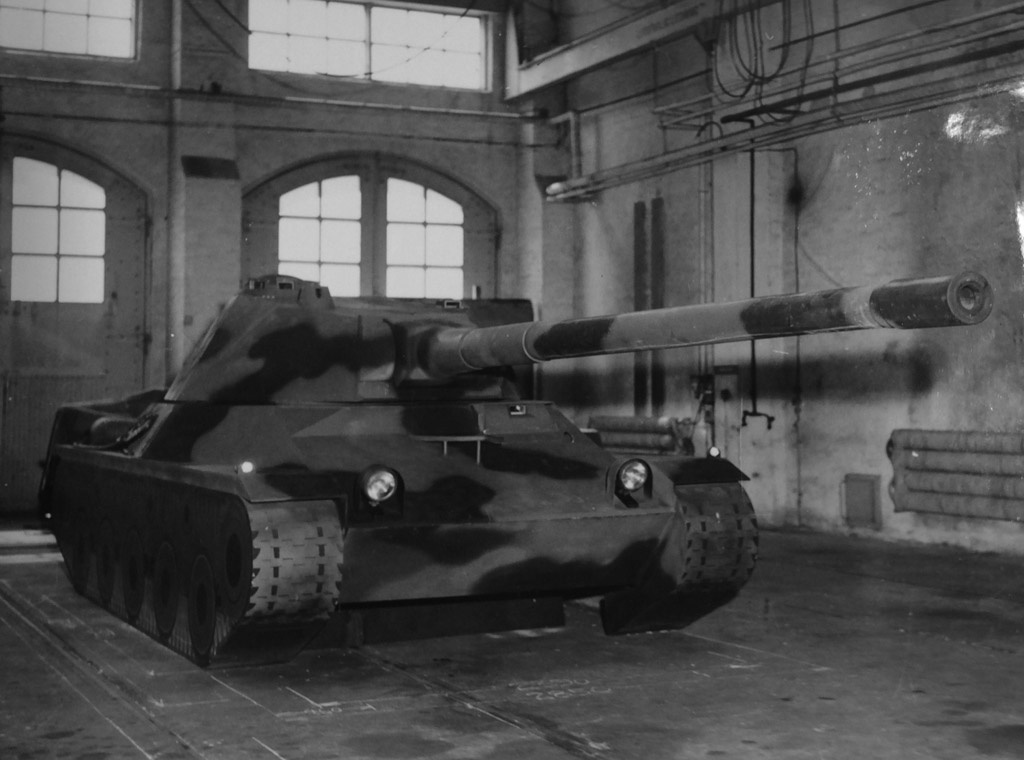
Lansen’s Design for Switzerland
Toward the end of the development process, the Swiss worked on mounting a 90-mm gun and also reinforced the armor protection. In 1951, a total of three tank variants were developed: two with a combat weight of 25 metric tons and one with a combat weight of 28.3 metric tons. They differed in armor thickness, which reached 65, 75, and 100 mm, respectively. The third, most heavily armored variant is also sometimes referred to as the Lansen C. This is because the modernization variants were designated with the letters A, B, and C. The Swiss planned to install different engines—either a pair of local diesel engines, a Maybach gasoline engine (both options had a power output of 400 horsepower), or a 600-horsepower Morane engine. However, the project never progressed beyond the planning stage. Ultimately, Switzerland decided to continue working with the Germans, and as a temporary measure, purchased the British Centurion Mk.3 (Panzer 55).
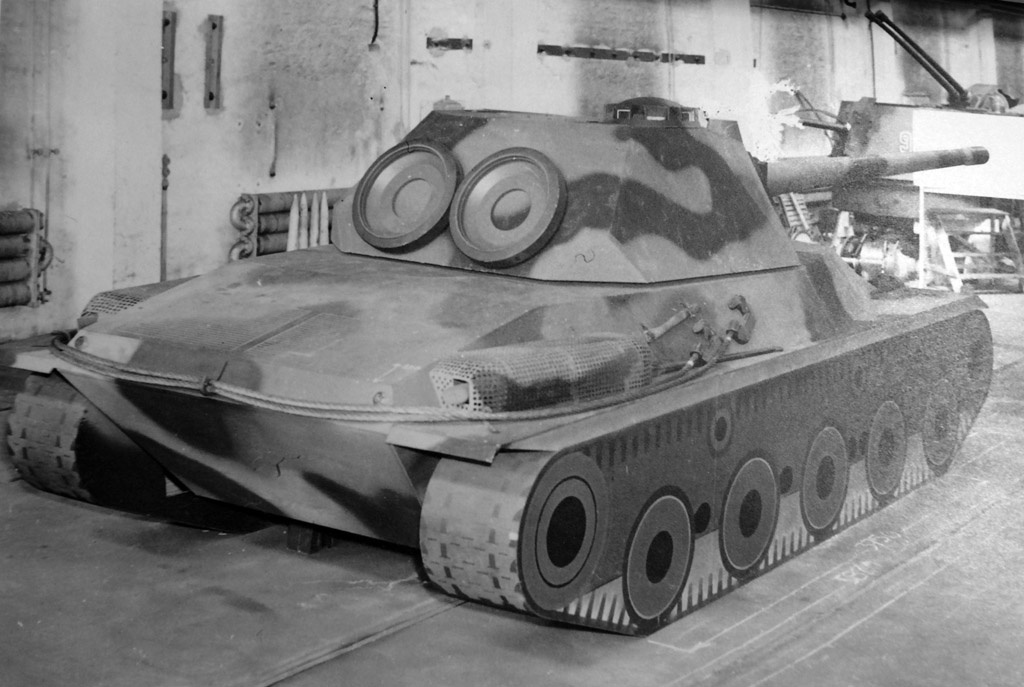
His story also ended with plywood
In conclusion, it is worth noting that the Swedish military continued to dream of a successor to the Strv m/42 all the way until 1951. Judging by their correspondence, they repeatedly dug up the long-suffering Pilen, drew up new requirements, and then buried its mortal remains once again. This only ended after the French showed the Swedes the AMX 50. After that, another saga began, one worthy of its own article. One can only add that all this suffering ended in much the same way as it did for the Swiss—with the purchase of the Centurion Mk.3 (Strv 81). As for a domestically produced tank, the Swedes did eventually get one, but this happened 35 years after work began on modernizing the Strv m/42.
The author would like to thank Karl Blomster and Viktor Norlund of Sweden for their assistance in preparing this material.
List of Sources
-
-
- Karl Blomster’s Archive
- http://tanks.mod16.org
- http://www.ointres.se/strv_m_42.htm
- https://ritastatusreport.live
- https://fromtheswedisharchives.wordpress.com
-